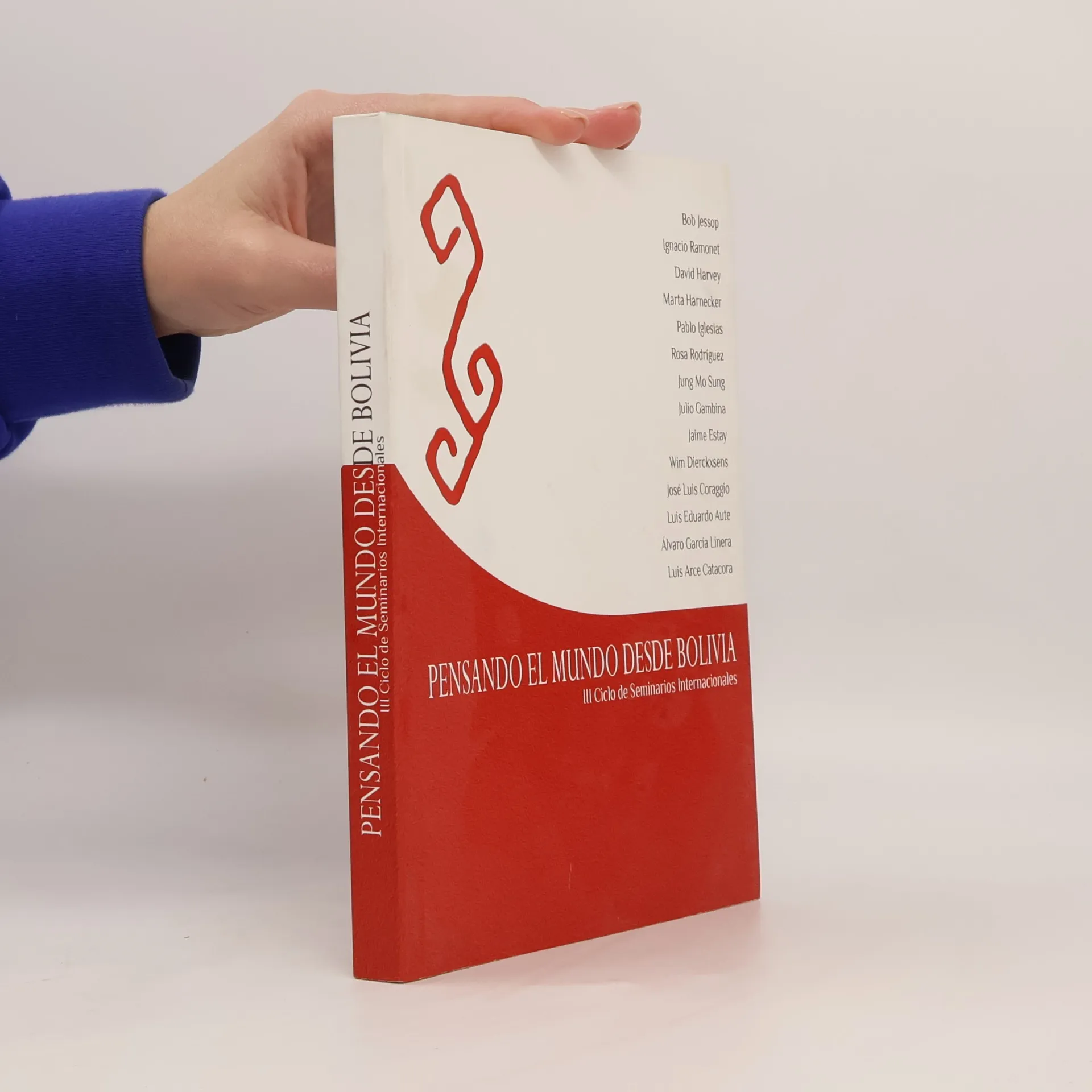
El presente libro "Pensando el Mundo desde Bolivia" en su Tomo III comparte las elaboraciones de intelectuales y pensadores ocupados en temas como la crisis económica, el Estado, el poder, así como los nuevos caminos que se han abierto para la transformación estructural. Antes de cada conferencia se realizaron una serie de eventos y conversatorios con organizaciones sociales, autoridades del Órgano Ejecutivo, asambleístas y ciudanía en general, para dar a conocer el pensamiento de los intelectuales internacionales como parte del proceso de diálogo y reflexión que culminó con las Conferencias Magistrales de orden masivo. "Pensando el Mundo desde Bolivia III es una contribución importante de ideas y propuestas para la construcción de una realidad opuesta al capitalismo, que comparte el desafío asumido por varios países que afrontan el post neoliberalismo desde diversas condiciones, y en consecuencia se han encaminado por otros senderos, y están ante una creativa y titánica labor"
Ignacio Ramonet Pořadí knih (chronologicky)
Ignacio Ramonet je španělský novinář působící ve Francii. Je jednou z klíčových postav hnutí za alternativní globalizaci, jehož práce zkoumá složité vztahy mezi médii, mocí a společností. Ramonetův vlivný přístup formuje debaty o globálních otázkách a podporuje kritické myšlení o současném světě.


Con il meeting internazionale delle comunità del cibo di Torino, una rete permanente e radicata in quasi ogni nazione del pianeta, Terra Madre compie i suoi primi dieci anni. Li festeggia con ''Voler bene alla Terra'': uno straordinario collage di dialoghi pubblicati prima su La Stampa e poi su La Repubblica, che presenta le idee, i progetti e le esperienze di quanti aderiscono ai valori della multinazionale virtuosa governata dal desiderio di un mondo migliore, da costruire attraverso il cibo.Sono le voci di grandi donne e uomini che si trovano in piena sintonia con la rete e con la straordinaria umanità che ne fa parte: contadini, pescatori e nomadi, artigiani, cuochi e cuoche, musicisti, intellettuali, semplici cittadini. In queste pagine parlano premi Nobel, cuochi che hanno cambiato la gastronomia mondiale, icone del mondo artistico - musicale e letterario - o del mondo contadino, uomini di spirito che hanno illuminato non soltanto le strade dell'anima.''Voler bene alla Terra'' dice molto: coltivare e custodire l'ambiente è il segno distintivo di questo momento storico ed è la meta privilegiata per tutti noi che vogliamo rendere il nostro pianeta Terra un po' più sano, florido, felice per chi lo abita.
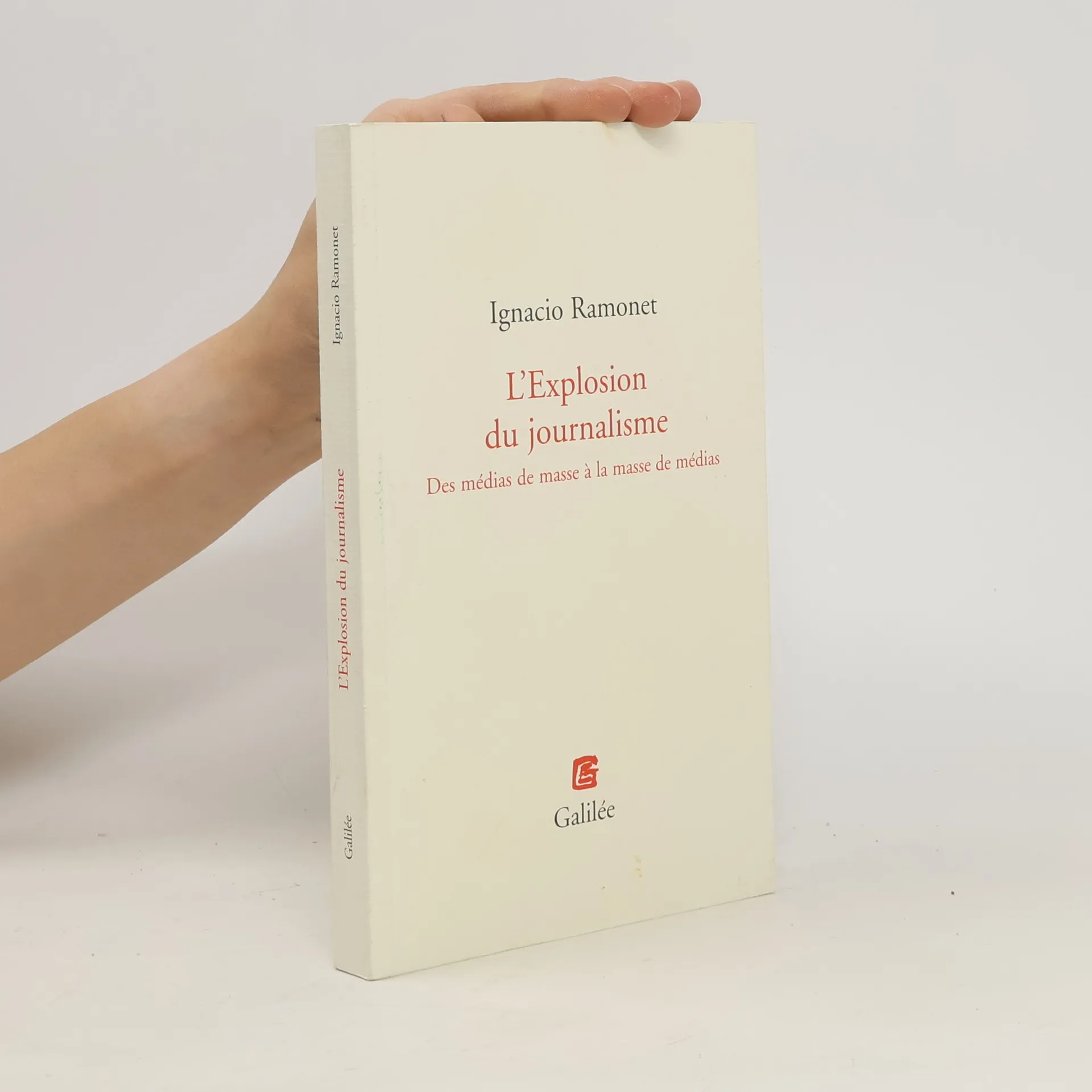
L'Explosion du journalisme
- 154 stránek
- 6 hodin čtení
Cet essai critique propose une anatomie de l'explosion de la presse écrite à l'heure où l'ensemble de l'écosystème médiatique est dynamité par les impacts successifs de la révolution numérique et du prodigieux développement des réseaux sociaux. Chaque citoyen, dans la nouvelle société-réseau, a vocation à devenir < > en s'appropriant des dispositifs légers comme les blogs ou les réseaux sociaux Twitter et Facebook qui offrent un potentiel communicationnel exceptionnel. Des individus possèdent désormais le pouvoir de communiquer entre eux des sons, des textes et des images, d'échanger de l'information, de la redistribuer, de la mélanger à d'autres documents, de réaliser leurs propres photos ou vidéos et de les mettre sur la Toile où des masses de gens vont les voir, et à leur tour participer à la circulation circulaire de l'information ... Certains envisagent même un < >, à la manière du média social WikiLeaks, pour garantir, face aux pressions des États, des groupes multimédias géants et des pouvoirs autocratiques, l'existence d'une indispensable information libre et indépendante. Un monde sans secrets ..
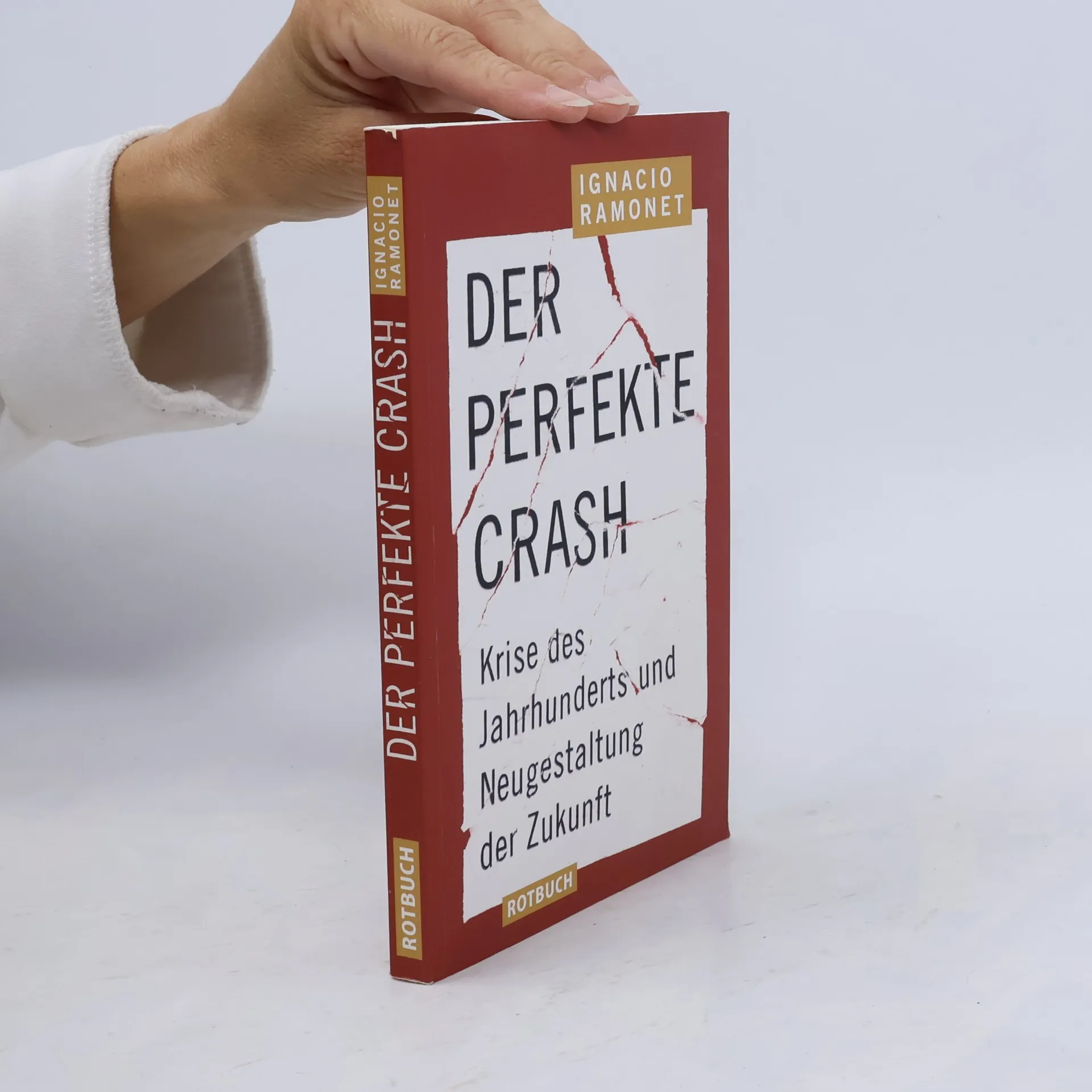
Im größten Crash seit den Dreißigerjahren kollabierte das internationale Wirtschafts- und Finanzsystem und entlarvte damit das neoliberale Denken als Illusion. Was bleibt, sind Milliardenschulden, wachsende Armut und absurde Sanierungsprogramme. Ignacio Ramonet analysiert, wie sich die neoliberale Denkweise seit Jahrzehnten immer stärker durchsetzen konnte, bis der aggressive Kapitalismus zur alternativlosen Doktrin erhoben wurde - mit verheerenden Folgen. Dieses Buch macht deutlich: Jetzt gilt es, die Krise als Motor für eine Neuordnung des globalen Systems zu nutzen. Ignacio Ramonet entwirft das Modell einer umweltverträglichen Wirtschaftsweise, das die Vision einer gerechten und nachhaltigen Welt plastisch werden lässt - ein leidenschaftliches Plädoyer für einen mutigen Neuanfang!
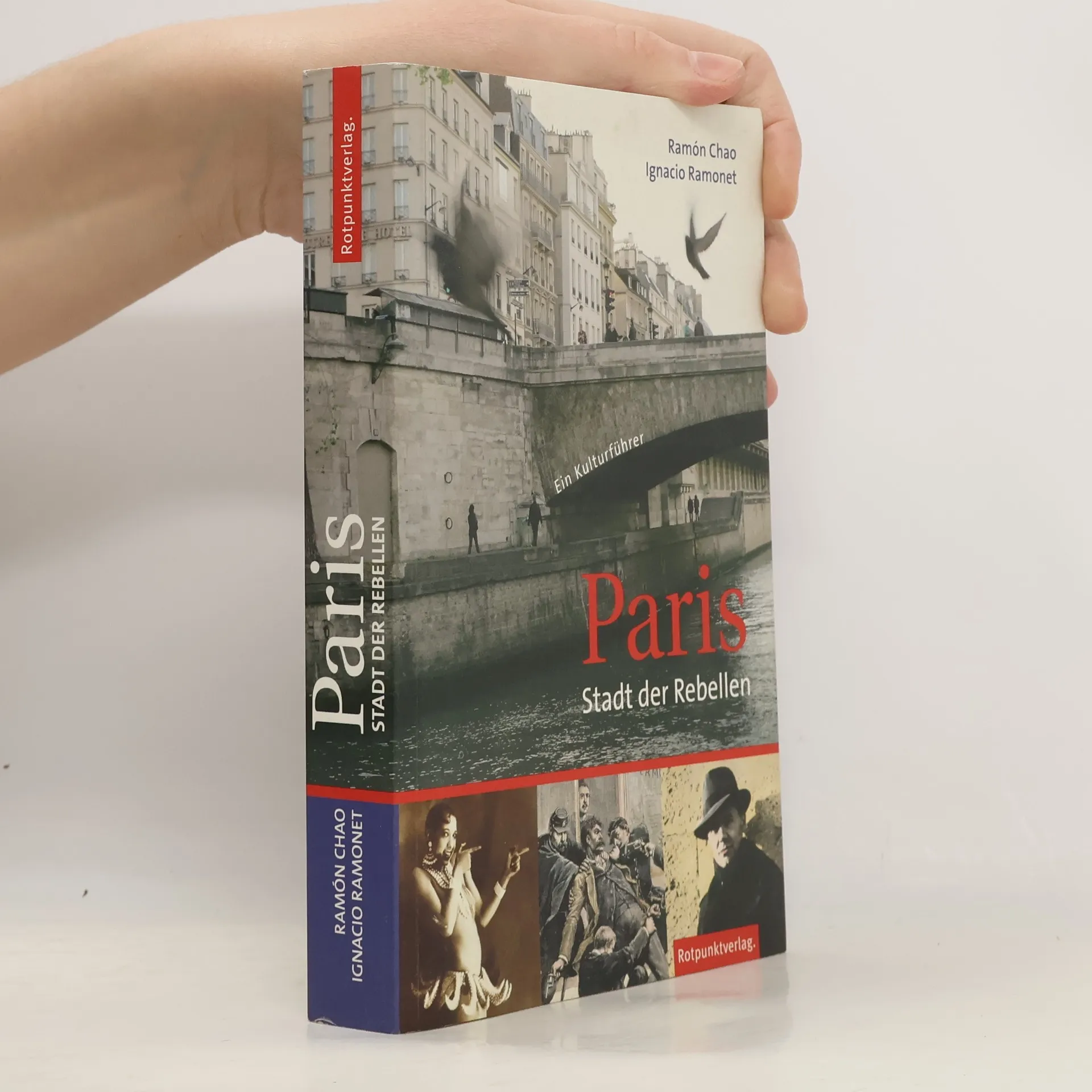
Paris - Stadt der Rebellen
- 420 stránek
- 15 hodin čtení
Barrikaden, Bohème und Libertinage – keine Frage: Paris ist die Stadt der Revolten und der Revolution. Als im Mai 68 die Studenten und später die Arbeiter auf die Straße gingen, errichteten sie Barrikaden – und griffen damit auf e ine alte Pariser 'Erfindung' zurück. Barrikaden wurden auch in der Julirevolution von 1830 und während der Pariser Kommune von 1871 gebaut. Und über allem steht natürlich die Mutter aller Revolutionen, jene von 1789, die die Welt nachhaltig veränderte. Revolutionäre Persönlichkeiten ließen sich von dem Genie der Stadt anregen – Karl Marx, Rosa Luxemburg, Ho Chi Minh, Claire Lacombe, um nur ein paar zu nennen. Sie debattierten in den Cafés und trafen dort Künstler, die stets für Unruhe sorgten: Chronistinnen und Mahner wie François Villon, George Sand, Émile Zola, Victor Hugo oder Simone de Beauvoir, die Enfants terribles Arthur Rimbaud, André Breton, Josephine Baker, Erik Satie, und viele andere. Dieses Buch begleitet uns auf Streifzügen durch das rebellische Paris. Lesebuch und Stadtführer in einem, nimmt es uns mit durch die Arrondissements, erzählt Anekdoten und hebt vergessene Schätze der Geschichte von Paris. Ergänzt wird der Band mit vielen historischen und zeitgenössischen Fotos und praktischen Stadtplänen.
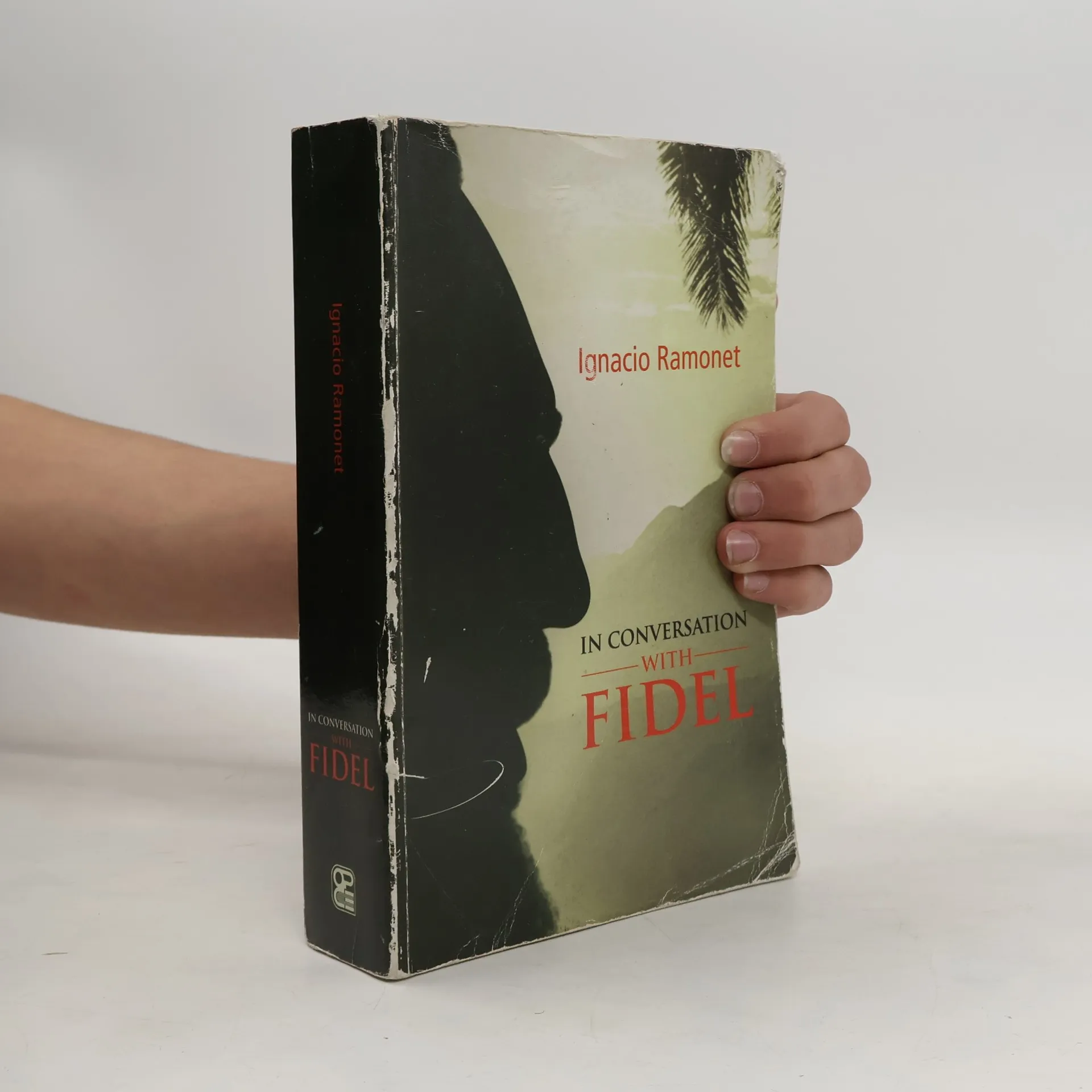
In Conversation with Fidel
- 798 stránek
- 28 hodin čtení
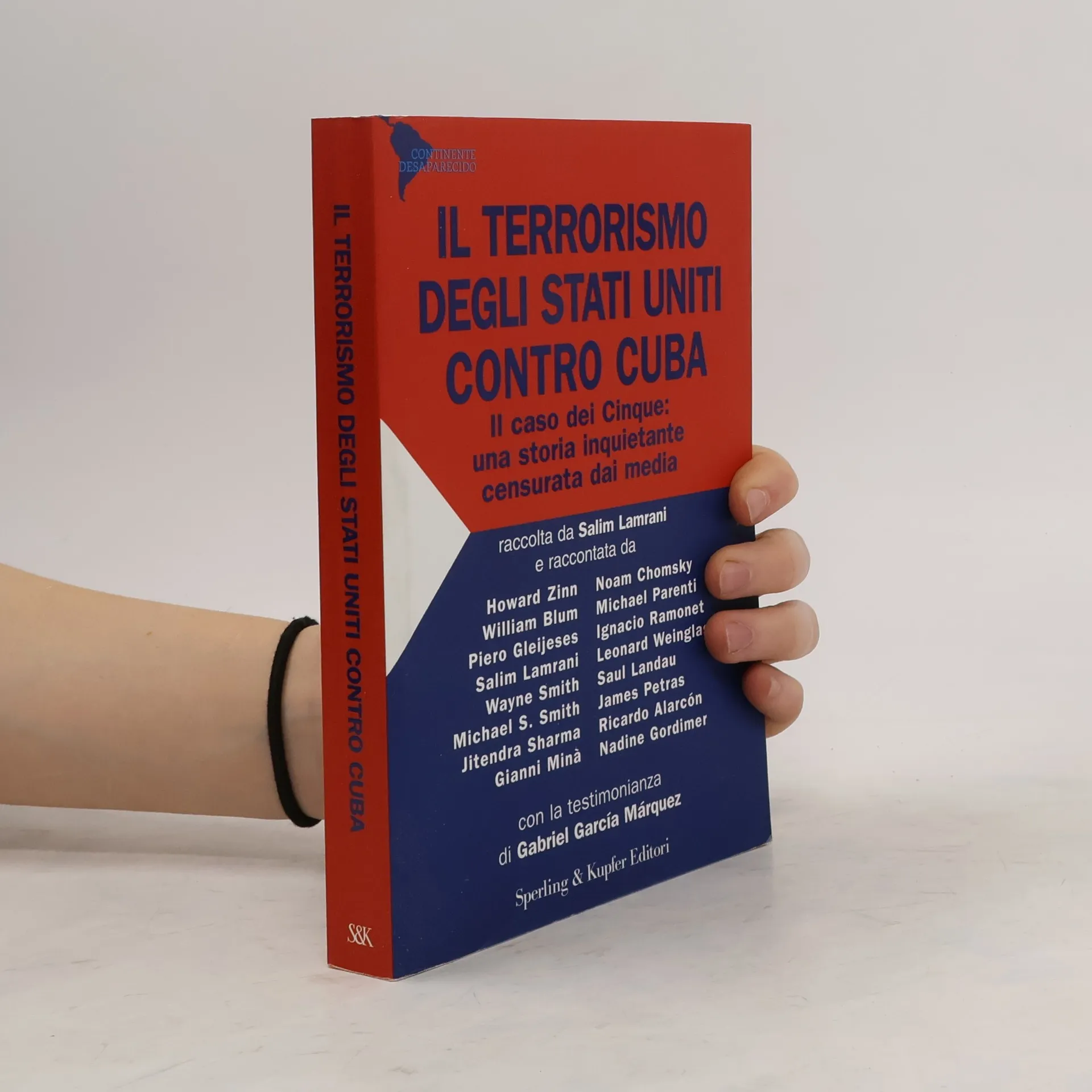
Il terrorismo degli Stati Uniti contro Cuba
- 266 stránek
- 10 hodin čtení
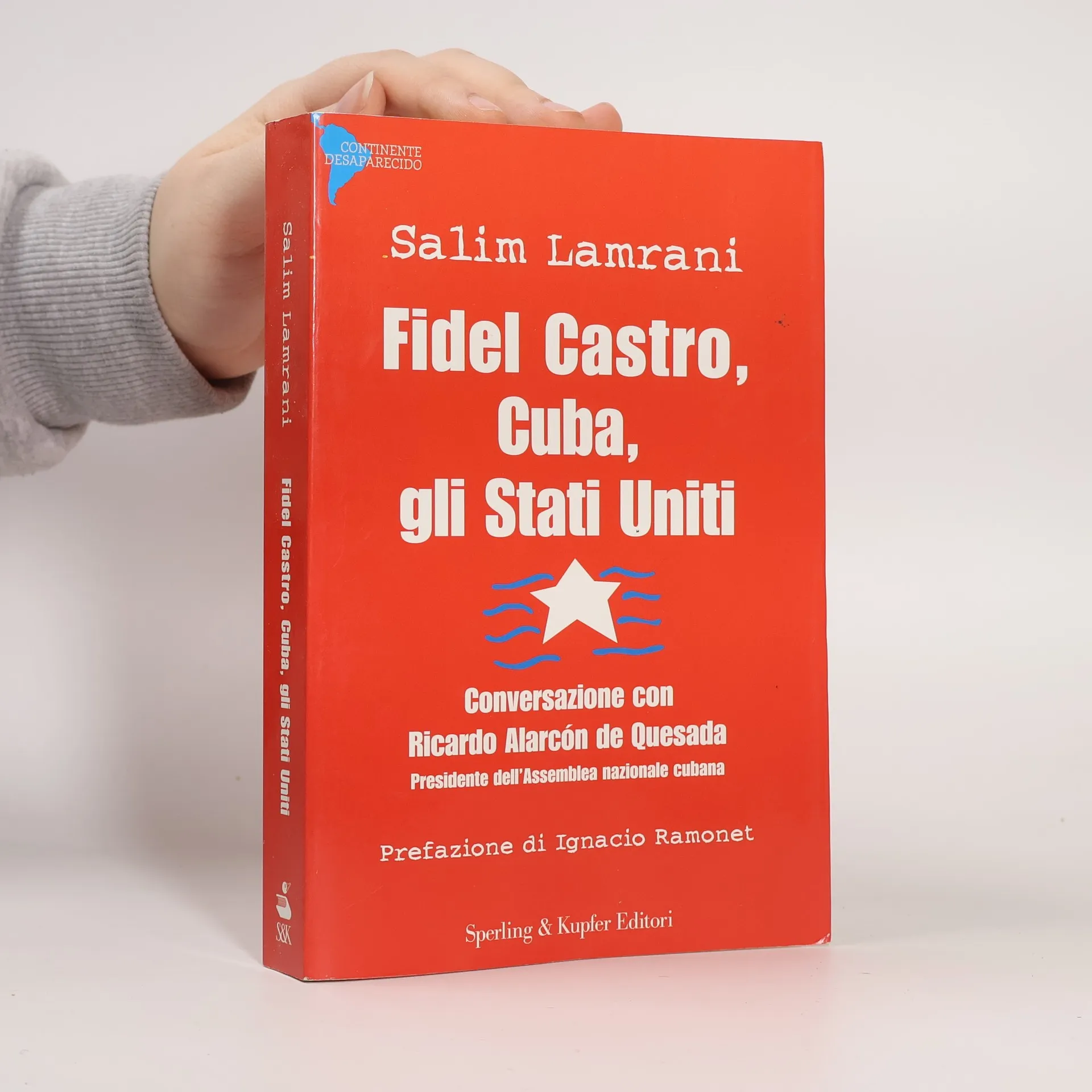
Noam Chomsky, Howard Zinn, William Blum, la premio Nobel Nadine Gordimer, Michael Parenti e Leonard Weinglass descrivono le gravi realtà delle aggressioni statunitensi contro Cuba dal 1898. Nel 1959, con il trionfo della Rivoluzione cubana, Washington ha implementato il terrorismo internazionale come strumento della sua politica estera, e la violenza è diventata una norma dottrinale negli affari mondiali. Viene anche esaminato il destino dei Cinque cubani, che si recarono negli Stati Uniti per indagare su gruppi terroristici in Florida e che poi ricevettero pene detentive a vita per averlo fatto. Salim Lamrani è un ricercatore presso l'Università della Sorbona di Parigi. Si è specializzato nelle relazioni tra Stati Uniti e Cuba dal 1959 e ha scritto articoli tradotti in diverse lingue e pubblicati in tutto il mondo.
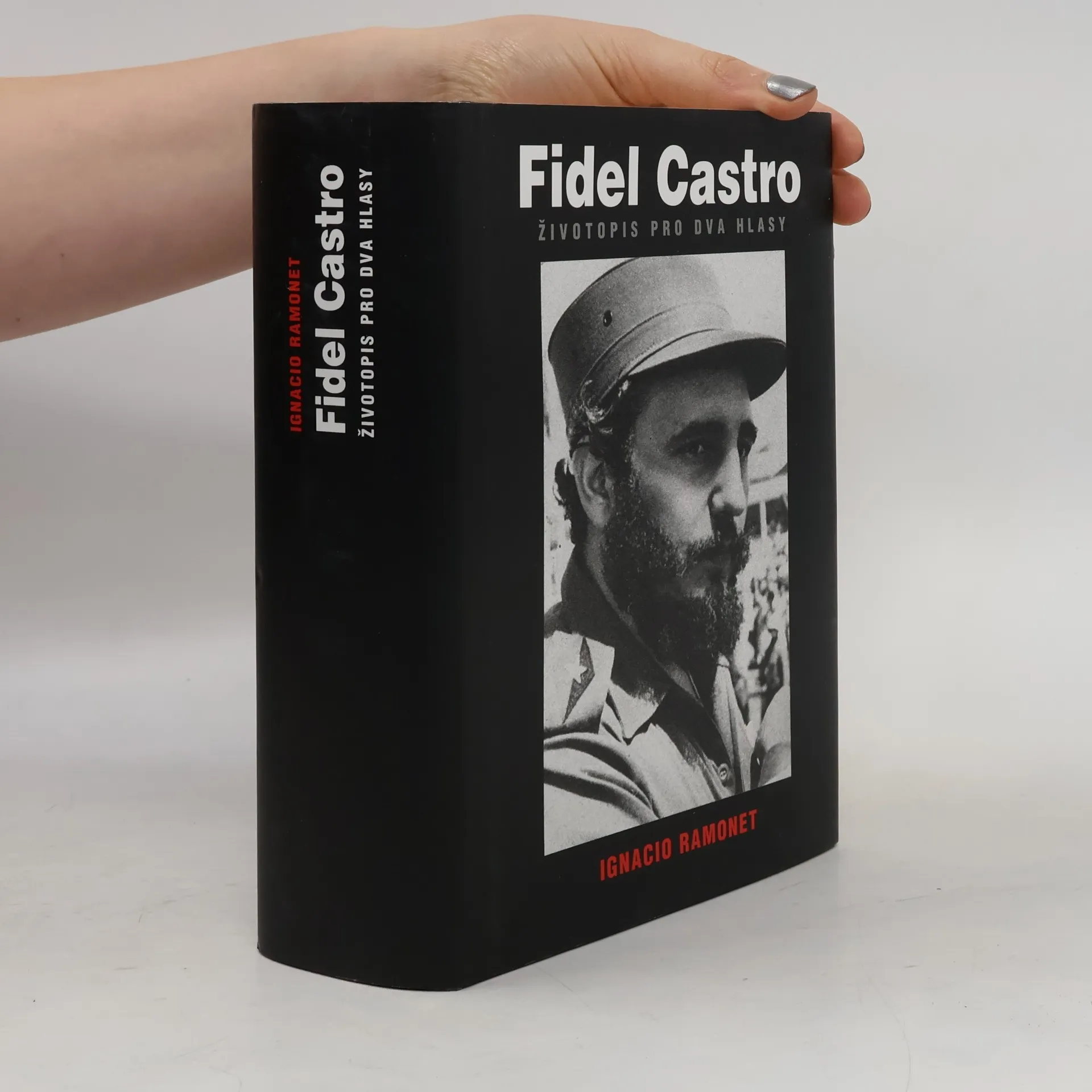
Životopis pro dva hlasy Renomovaný španělský publicista měl možnost scházet se s Fidelem Castrem a formou rozhovoru s ním sepsat toto obsáhlé dílo. Jací byli Fidelovi rodiče? Kde a kdy se z něj stal rebel? Byl svět během tzv. raketové krize na pokraji nukleární války? Jaký dojem na něj během své návštěvy udělal papež Jan Pavel II.? Co si myslí o globalizaci, o válce v Iráku a o prezidentu Bushovi? Co se stane po Fidelu Castrovi? Obšírný dotazník Ignacia Ramoneta je průřezem kontroverzní osobností Fidela Castra a zároveň vzrušujícím vyprávěním o minulosti, přítomnosti a budoucnosti Kubánské revoluce.
Cien horas con Fidel
- 798 stránek
- 28 hodin čtení
Cien horas con Fidel recoge el contenido de las largas conversaciones sostenidas entre el Comandante en Jefe Fidel Castro y el intelectual y periodista francés Ignacio Ramonet entre principios de 2003 y mediados del 2005. Es un libro excepcional por la magnitud, diversidad y trascendencia de esta entrevista. Nunca antes Fidel había dedicado tantas horas a una conversación con fines de publicación en forma de libro, ni abordado un espectro de temas tan copioso en una sola entrevista, desde los recuerdos y vivencias de la infancia en Birán y en Santiago de Cuba, los años escolares y universitarios, los primeros afanes políticos y revolucionarios contra la tiranía batistiana, hasta las más recientes batallas de la Revolución Cubana: contra el bloqueo y la criminal Ley de Ajuste, por la liberación de los Cinco Héroes, el comandante contra toda forma de corrupción, la revolución energética y la grandiosa Batalla de Ideas que actualmente libera al pueblo cubano. El valor fundamental de este libro está en la profundidad de los análisis y respuesta del entrevistado.
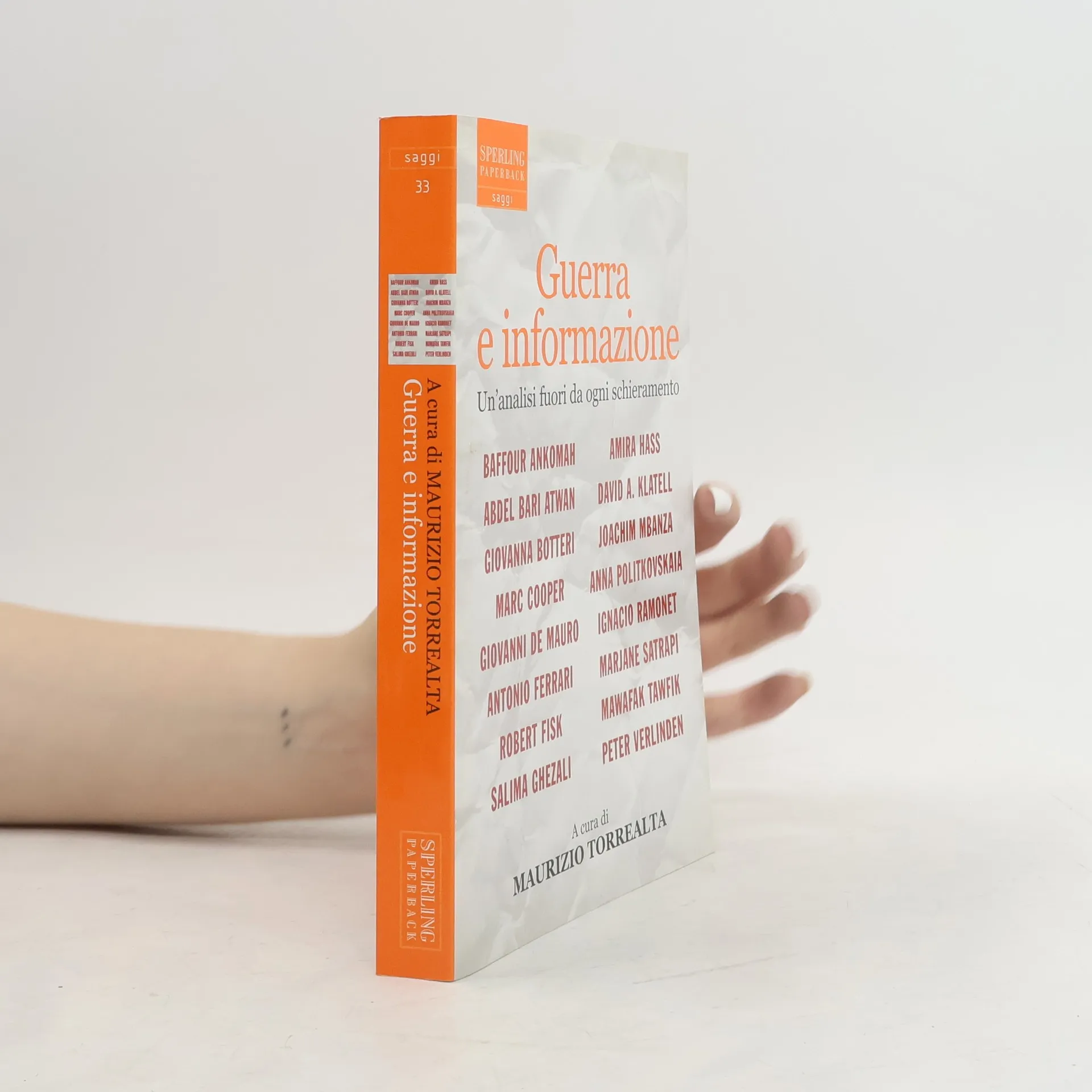
Guerra e informazione
- 302 stránek
- 11 hodin čtení
Dalle voci più autorevoli della stampa internazionale, una raccolta di interventi su uno dei temi più critici dell'informazione: come fare giornalismo indipendente oggi. Dalle zone calde del pianeta - dall'Algeria alla Cecenia, dai territori palestinesi occupati all'Iraq e all'Afghanistan voci fuori da ogni schieramento raccontano un mondo che non assomiglia più alla geografia insegnata nelle scuole. Alcuni di loro scrivono in russo, altri in inglese, altri in arabo, altri in ebraico: molti sono riusciti a guadagnarsi la stima dei loro nemici e a perdere quella dei loro amici.
Irak histoire d'un désastre
- 198 stránek
- 7 hodin čtení
Après un rappel des étapes qui ont conduit les Etats-Unis à mener la guerre en Irak, l'auteur explique les stratégies des forces en présence. Il analyse comment l'Irak est devenu l'eldorado des firmes privées de sécurité. Enfin, il tente de mesurer le poids du conflit sur l'élection présidentielle de 2004 aux Etats-Unis.
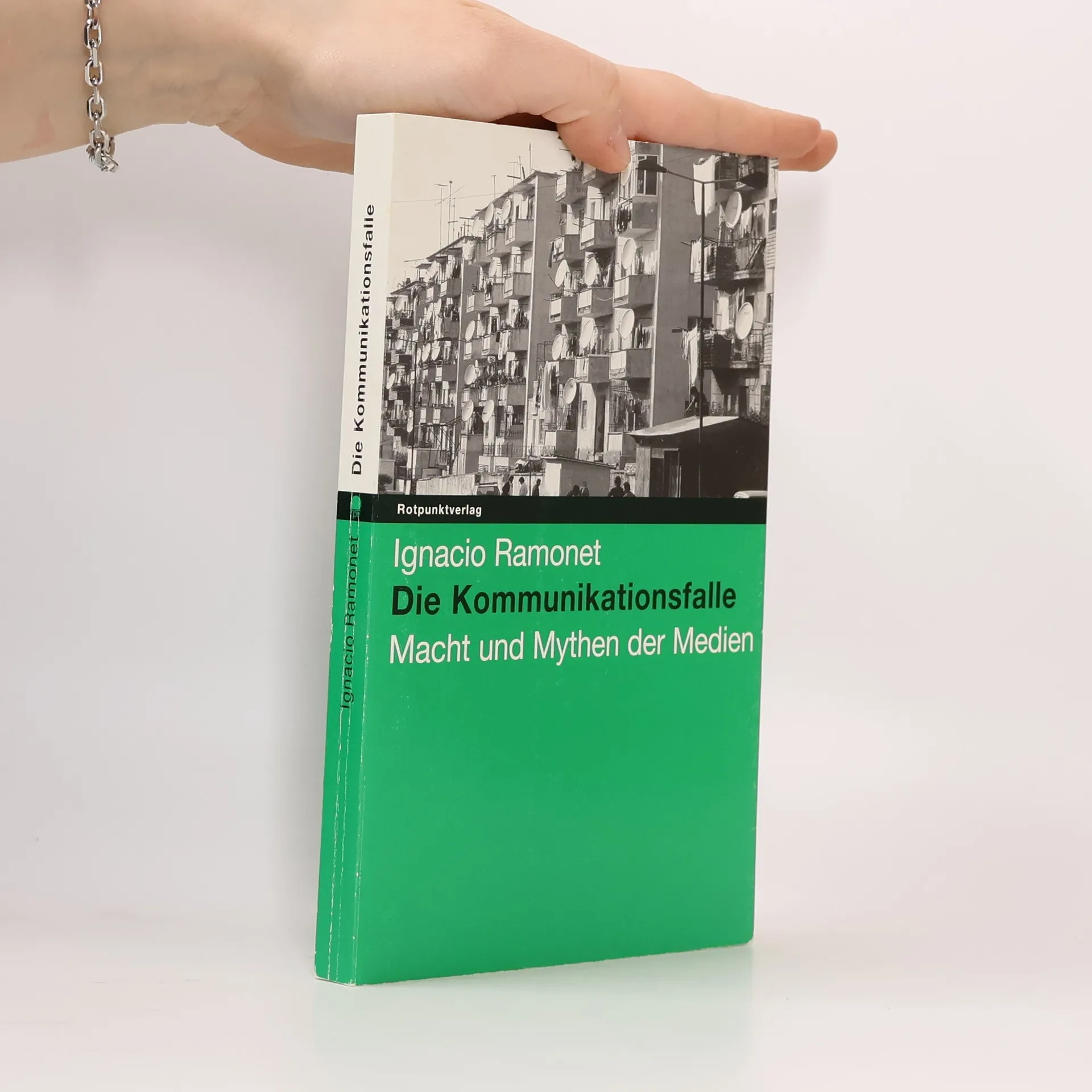
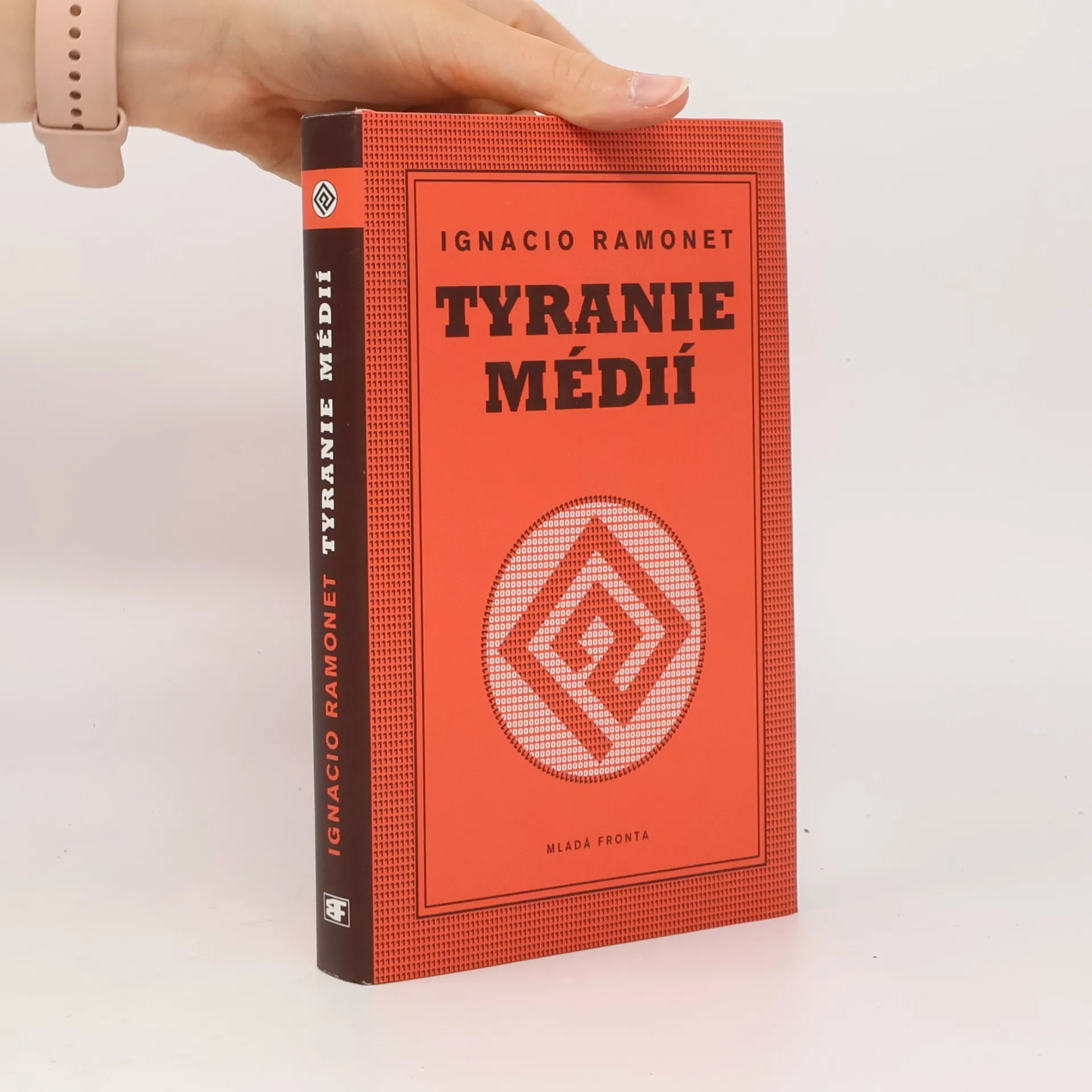
Cílem Ramonetovy geniální knihy je zachytit situaci propojeného trojúhelníku média-moc-komunikace v současné době radikální proměny komunikačních prostředků. Noviny jsou v krizi, počet odběratelů klesá, podobná situace provází teležurnály. Autor sleduje zcela konkrétní kauzy, jako smrt princezny Diany, aféru Clinton-Lewinská apod., rozebírá jejich pozadí a snaží se dobrat k obecným tendencím a závěrům. Ramonet považuje nástup digitalizace ve spojení s multimédii za tak významný přelom v dějinách lidstva, jakým byl Gutenbergův vynález knihtisku v 15. století. Snaží se analyzovat, jak nový fenomén mediálního zpracování světa ovlivňuje náš pohled na něj, do jaké míry se svět tímto procesem virtualizuje a zplošťuje, jinými slovy zachycuje proces, při kterém se mediální svět stává skutečnějším, než realita sama. V kapitolách, jako je Mediální mesianismus či Myšlenková policie, nahlíží přelomové okamžiky ve způsobu informování v posledních letech. Nedochází k povzbudivým závěrům, ale pojednává téma, které se bolestivě vtírá do života každého z nás....
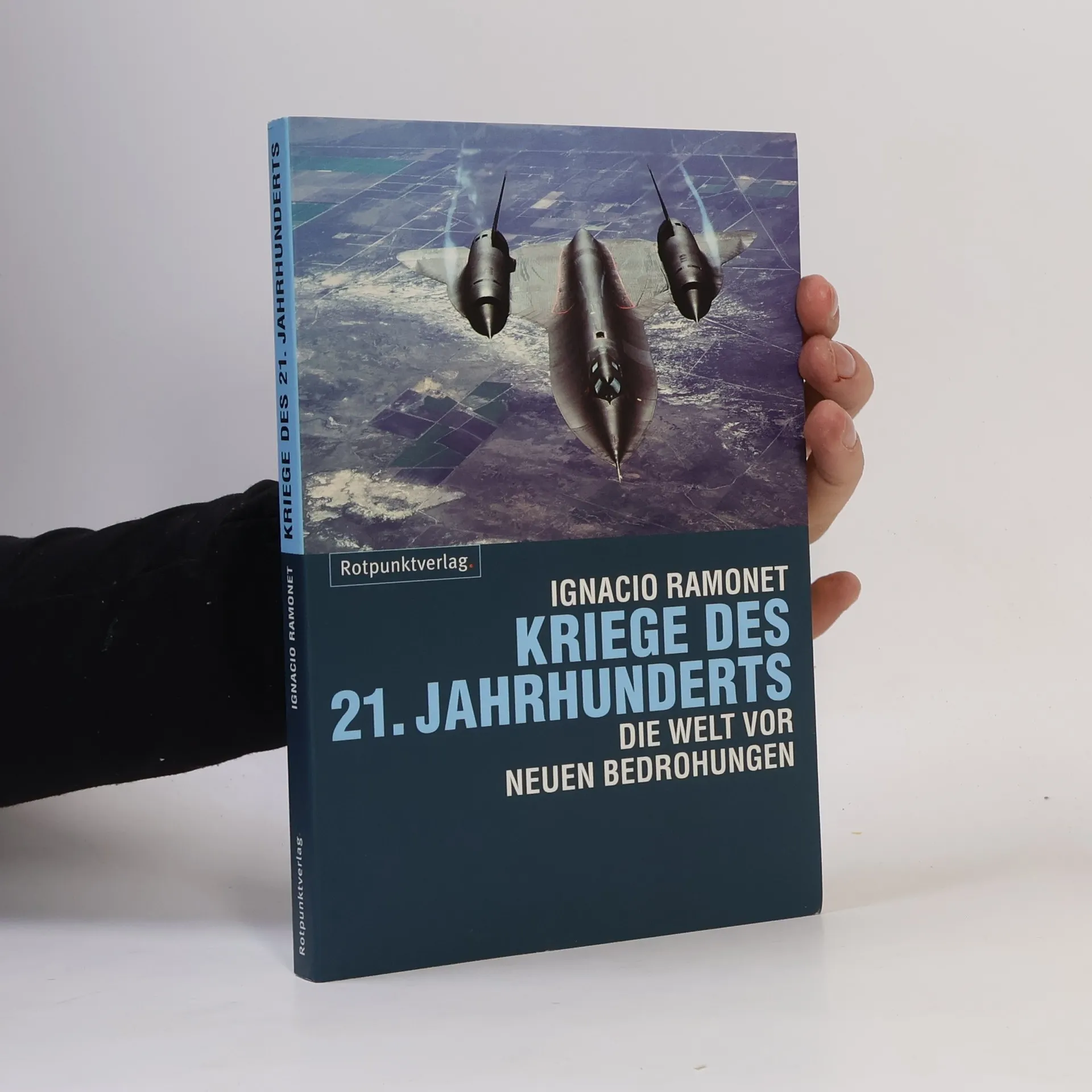
Kriege des 21. Jahrhunderts
- 217 stránek
- 8 hodin čtení
Das neue Jahrhundert hat mit Krieg begonnen. Nebst den Bombenkriegen, Panzerinvasionen, Häuserkämpfen, Terroranschlägen, nebst dem Blutvergießen und der verbrannten Erde leidet dieser Planet aber an tausend weiteren schweren Krankheiten. Jeden Tag sterben 24000 Menschen an den Folgen von Hunger; drei Viertel davon sind Kinder unter fünf Jahren. Täglich werden 100 Tier- und Pflanzenarten ausgerottet. 1,5 Milliarden Menschen haben keinen Zugang zu Trinkwasser. In Gen-, Bio- und Informationstechnologie lauern unwägbare Gefahren für die Menschen und deren Zusammenleben in Freiheit und Würde. Der Glaube, dass die Globalisierung entlang den Dogmen einer entfesselten Wirtschaft zum verallgemeinerten Glück der Menschheit führen würde, hat sich als Illusion entpuppt. Es müssen andere Wege gefunden werden, um die finale Katastrophe, das Ende der Menschheit, abzuwenden. Ignacio Ramonet plädiert für einen kulturellen Paradigmenwechsel; die Anschläge des 11. September in New Nork und Washington sollten zum Anlass genommen werden, um eingefuchste Denkmuster zu durchbrechen, statt – wie im Nahen Osten und anderswo – die Eskalation im Sinne der herkömmlichen Kriegslogik noch weiter voranzutreiben.
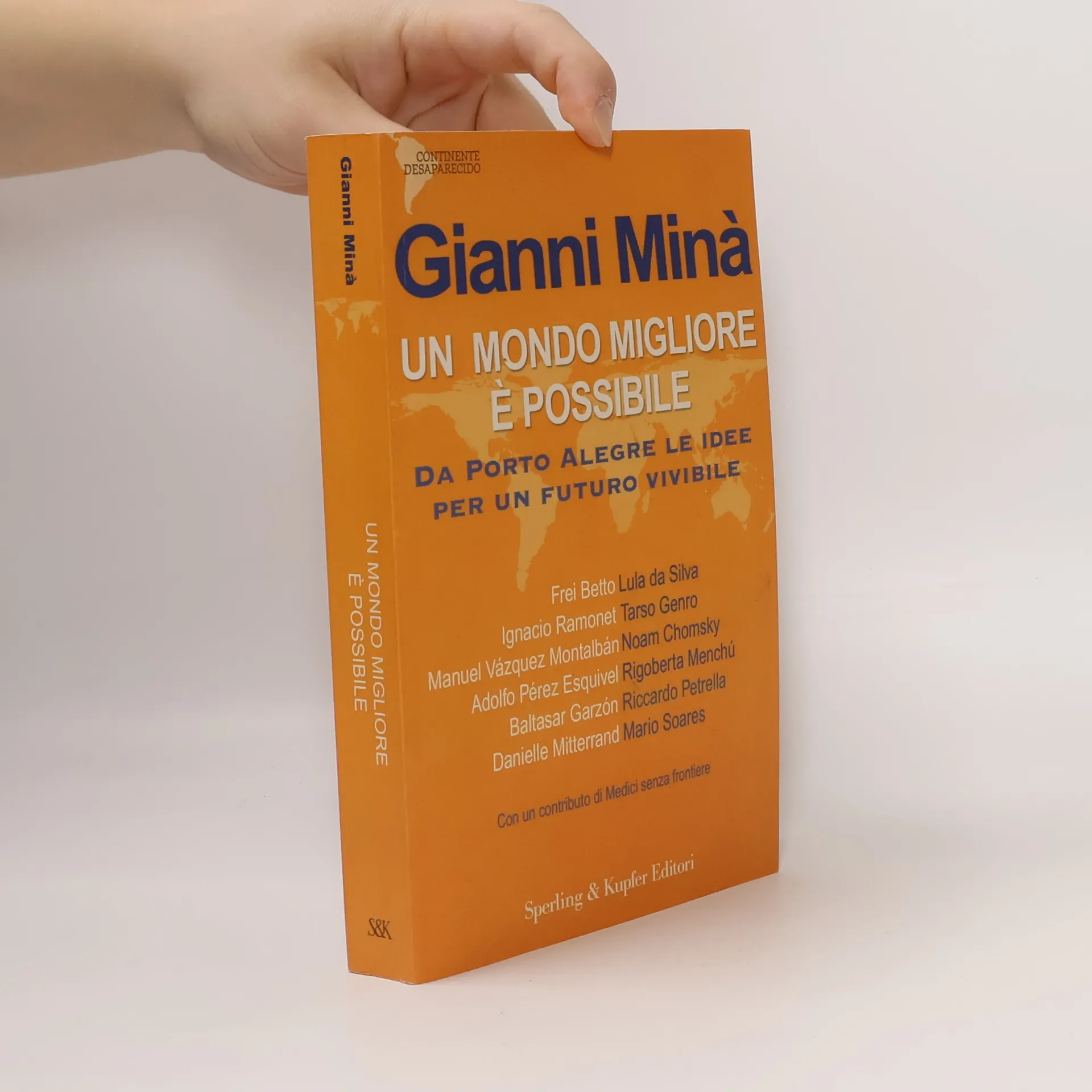
Un mondo migliore è possibile
Da Porto Alegre le idee per un futuro vivibile
- 302 stránek
- 11 hodin čtení
Porto Alegre, nel Sud del Brasile, è ormai diventato il punto di incontro per tutte le persone impegnate, a vario titolo, a fronteggiare e sanare le profonde ferite sociali inferte dalla nuova economia globalizzata. Lì Gianni Minà ha incontrato molti rappresentanti del vasto e composito movimento "no global" e, intervistandoli, ha cercato di fare il punto della situazione sulle questioni più urgenti e gravi, dalla mancanza d'acqua per miliardi di persone alla tragedia delle vittime di guerra.
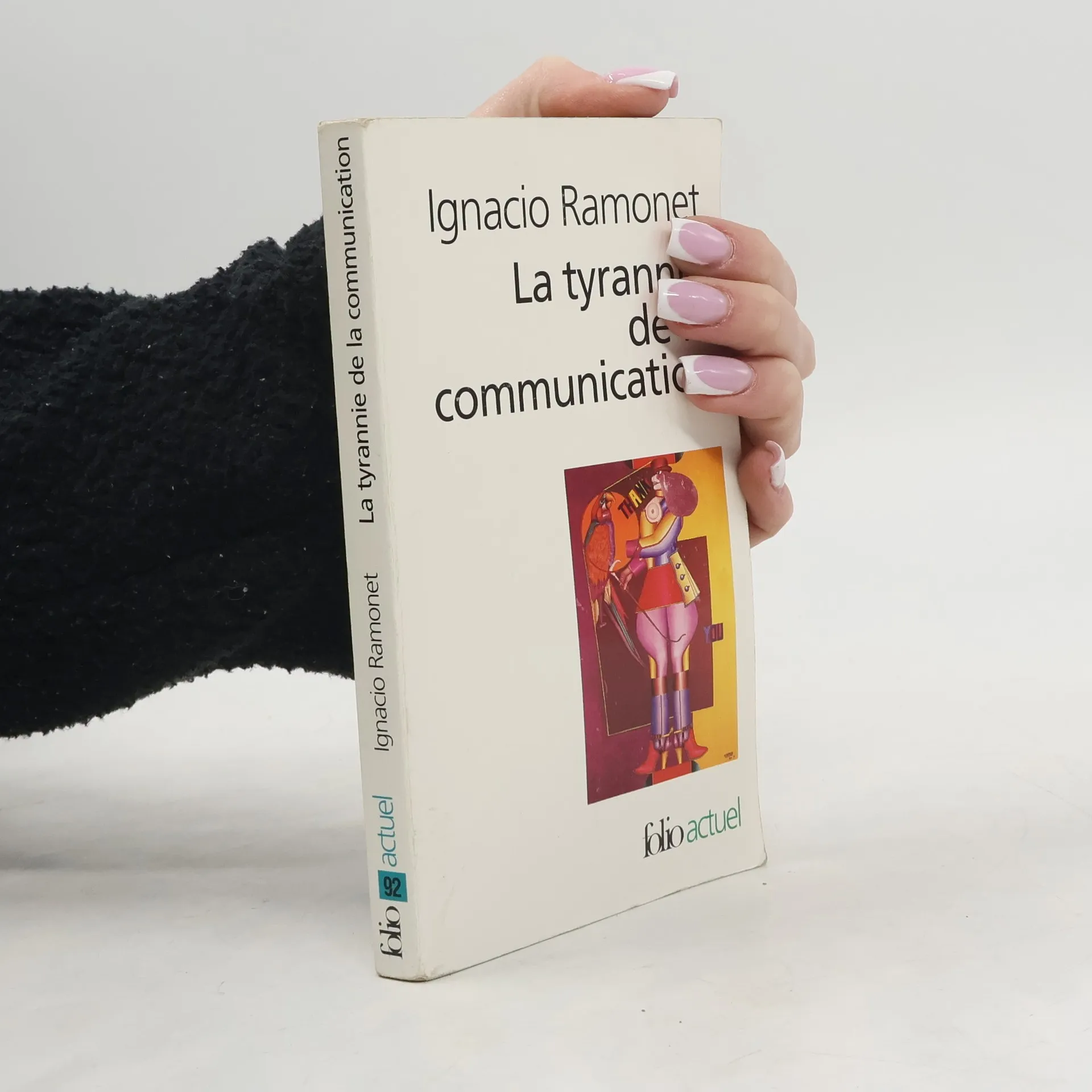
Folio actuel - 92: La tyrannie de la communication
- 290 stránek
- 11 hodin čtení
Alors que semblent triompher la démocratie et la liberté dans une planète largement débarrassée des régimes autoritaires, les censures et les manipulations, sous des aspects divers, font un paradoxal retour en force.De nouveaux et séduisants «opiums des masses» proposent une sorte de «meilleur des mondes», distraient les citoyens et les détournent de l'action civique. Dans ce nouvel âge de l'aliénation, à l'heure de la world culture, d'Internet et de la «télévision-réalité», les technologies de la communication jouent, comme jamais, un rôle idéologique central : plus on communiquera, nous dit-on, plus notre société sera harmonieuse, plus grand sera notre bonheur.S'imposant comme l'obligation absolue, inondant tous les aspects de la vie sociale, politique, économique et culturelle, la communication exerce déjà sa tyrannie.
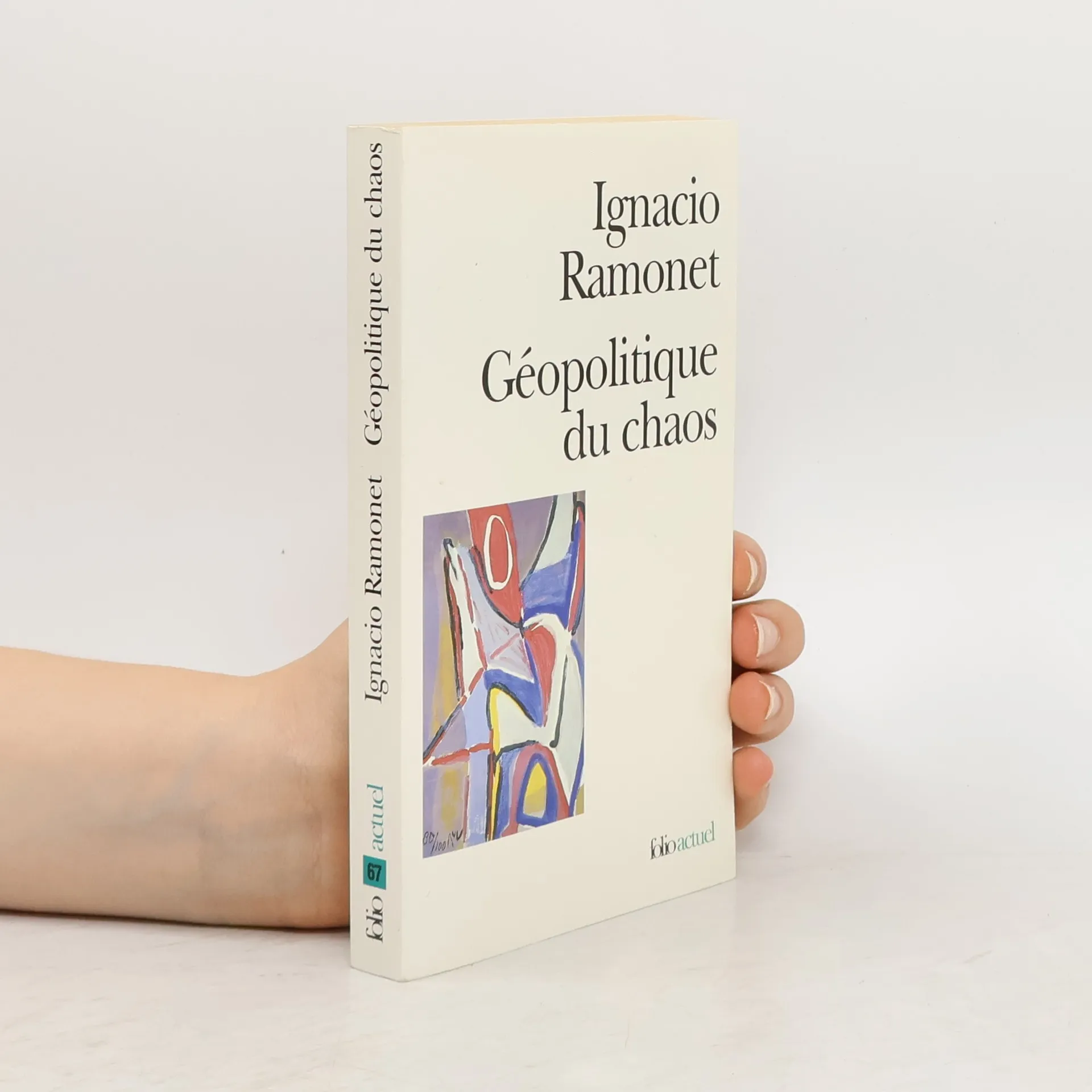
Géopolitique du chaos
- 267 stránek
- 10 hodin čtení
À quoi ressemble le paysage planétaire de cette fin de 20e siècle? Quels États, quelles forces, quels nouveaux paradigmes émergent dans ce contexte? Quel est le système de pensée dominant? Quelles sont les clés qui permettent de comprendre cette mutation?