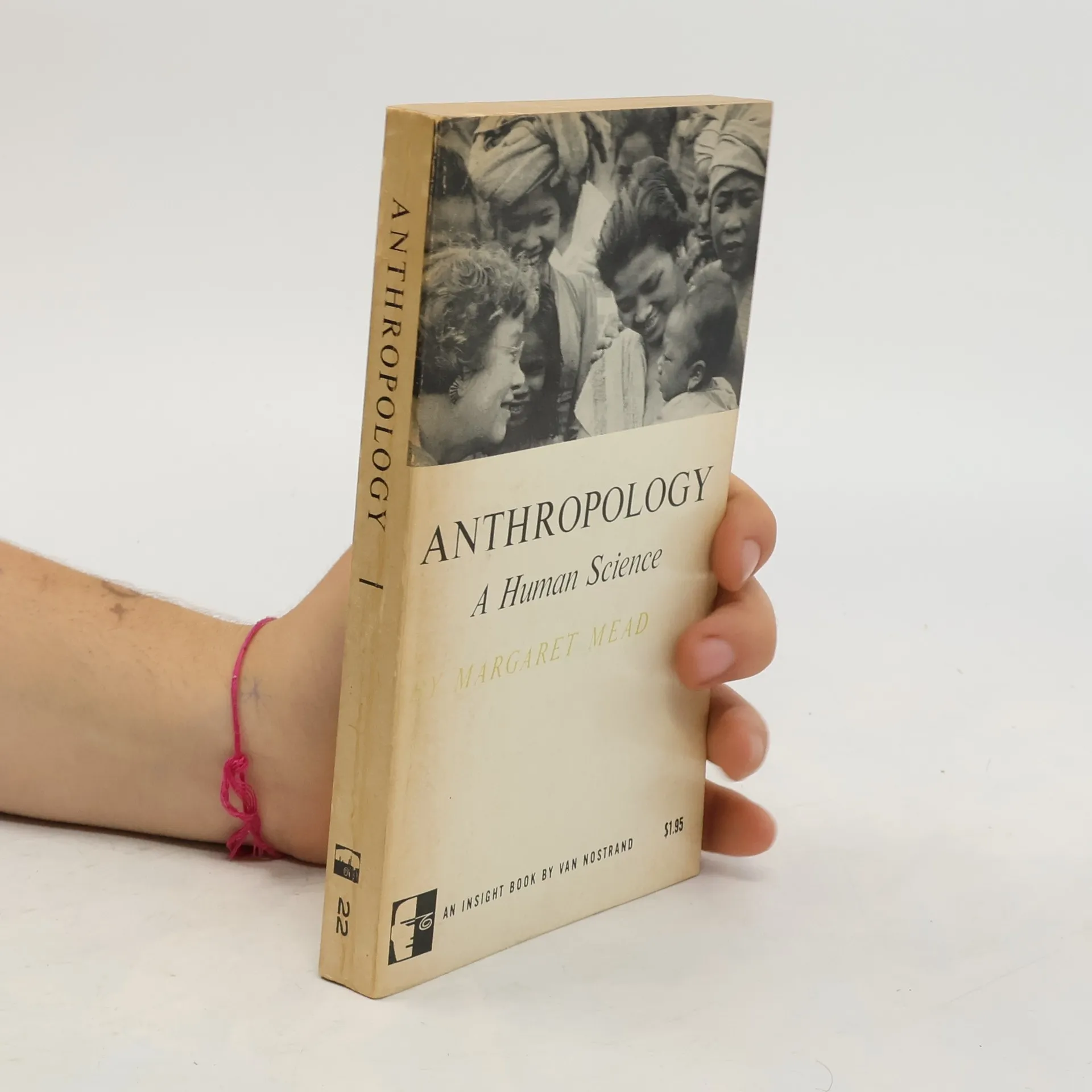
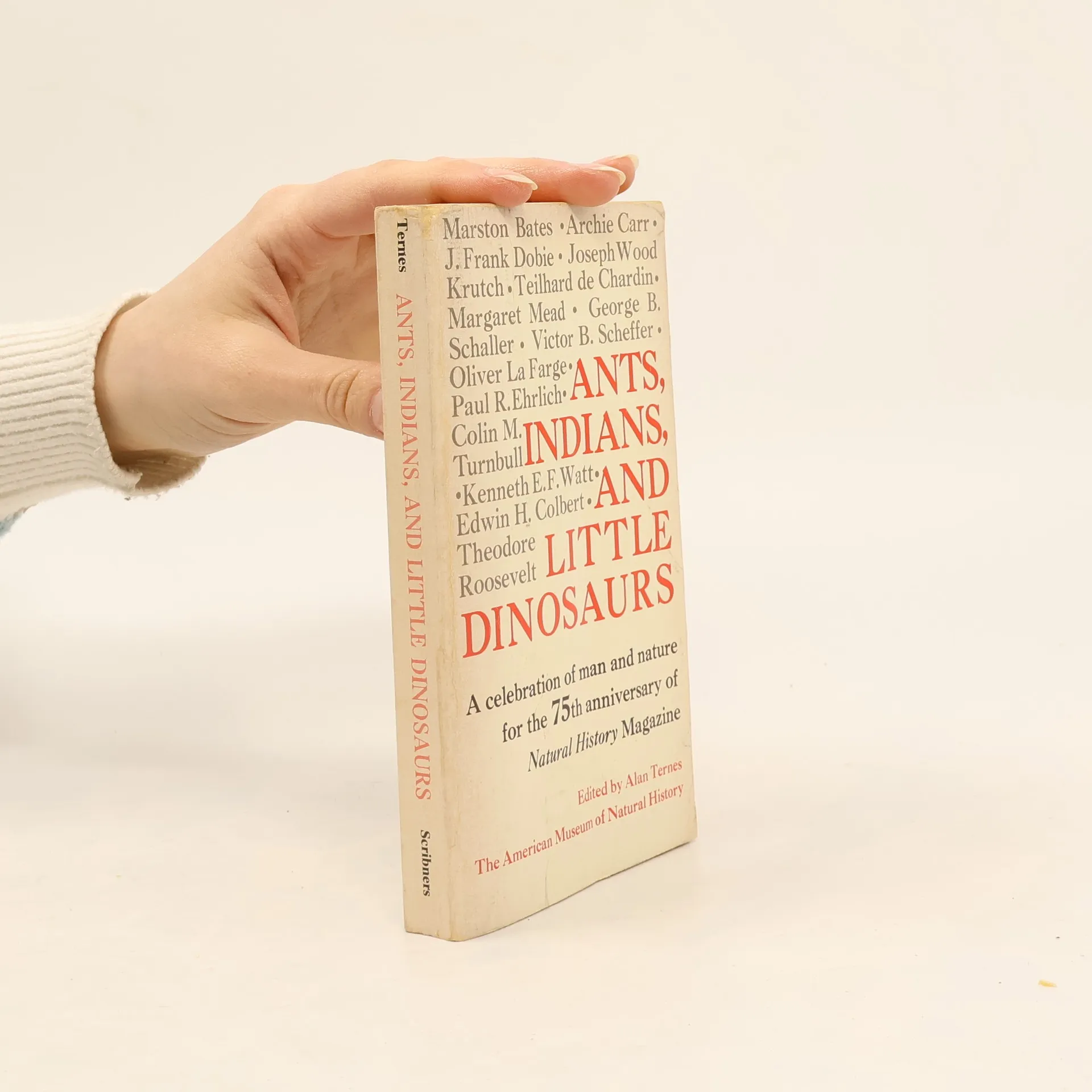
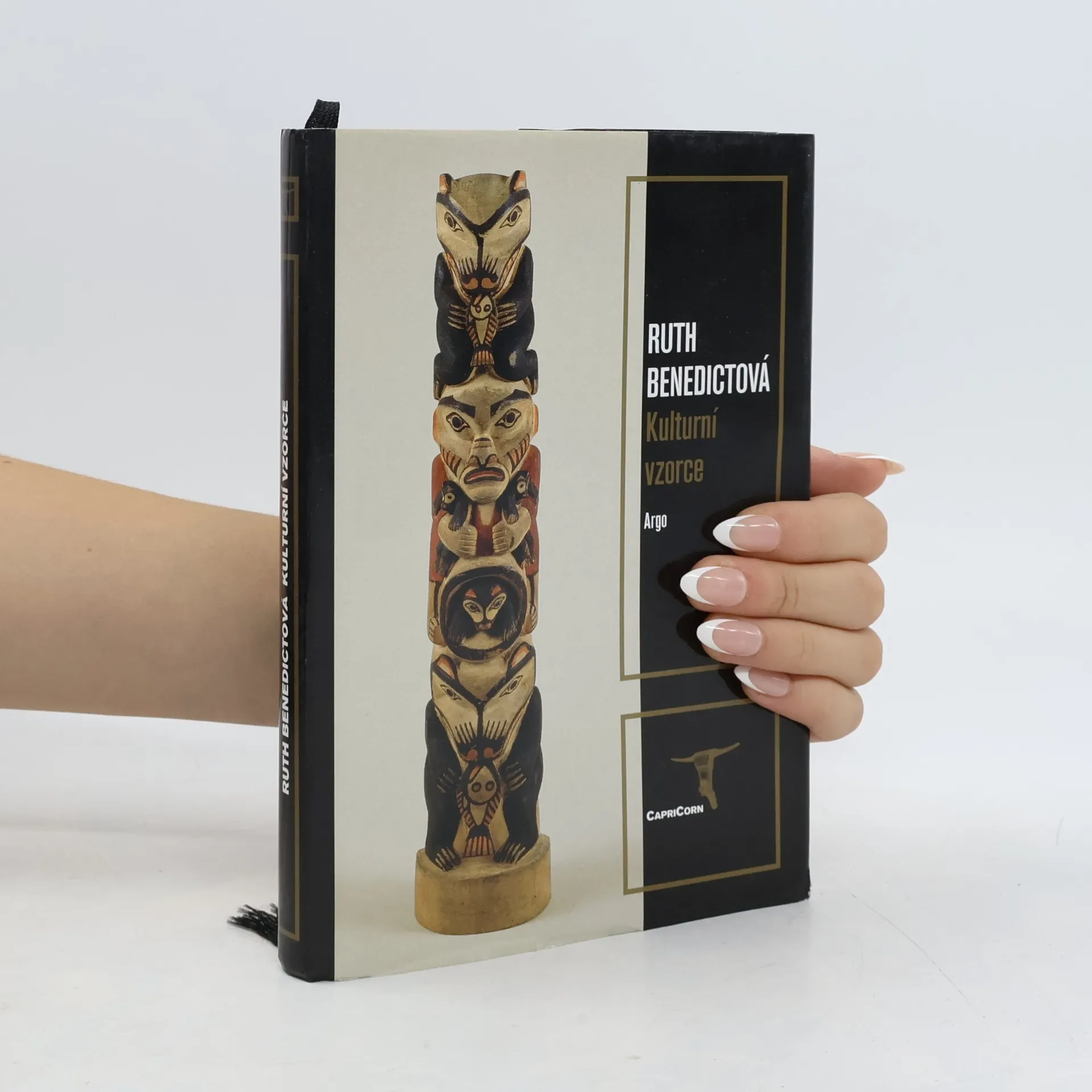


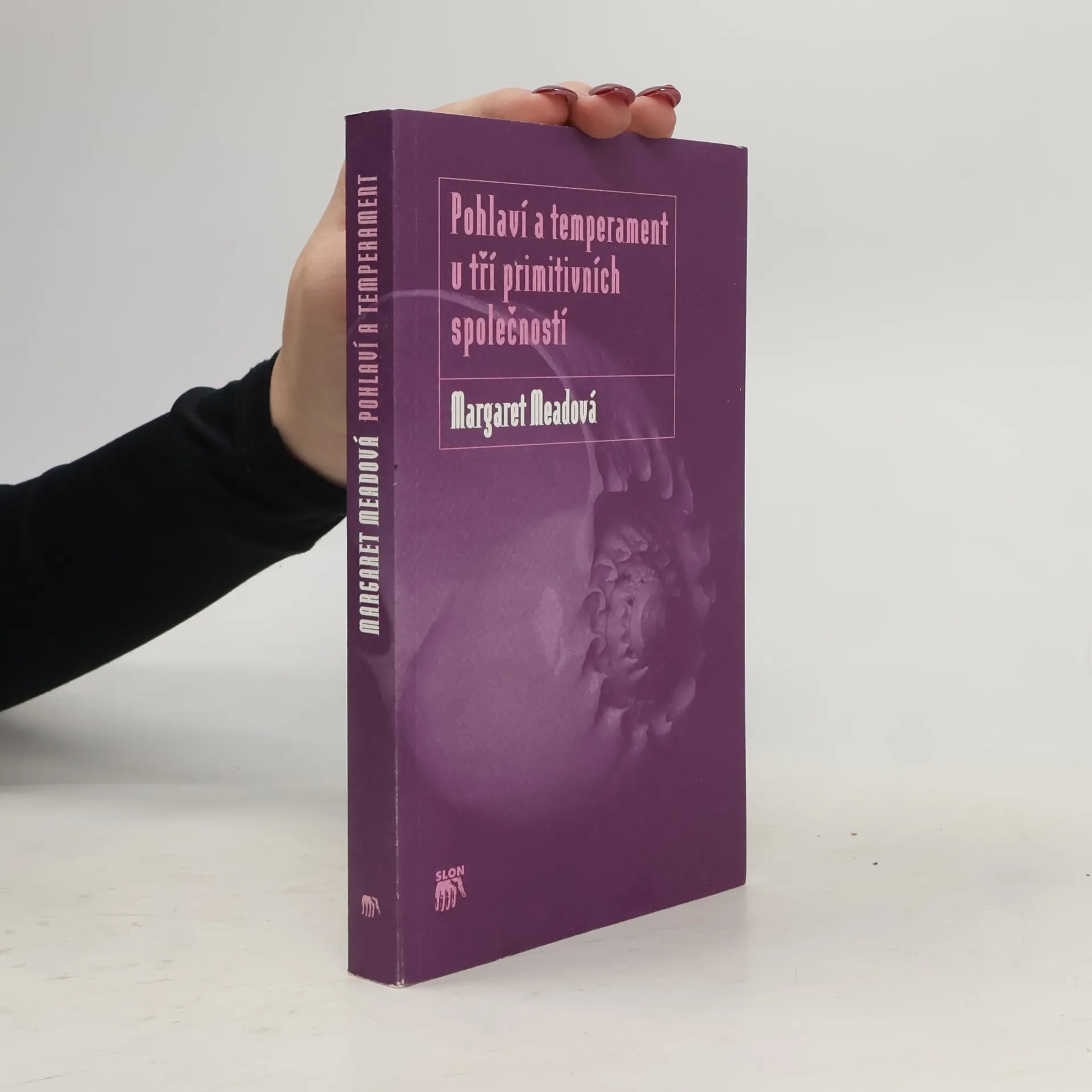
Margaret Meadová byla americká kulturní antropoložka, která často vystupovala v masmédiích, kde popularizovala antropologické poznatky pro moderní západní život. Byla obhájkyní rozšířenějších sexuálních norem v kontextu západního náboženského života. Její zprávy o údajně zdravém postoji k sexu v tradičních kulturách Tichomoří a jihovýchodní Asie výrazně ovlivnily "sexuální revoluci" 60. let. Ačkoli byla respektovanou akademičkou, její práce byla nakonec kontroverzně zpochybněna.
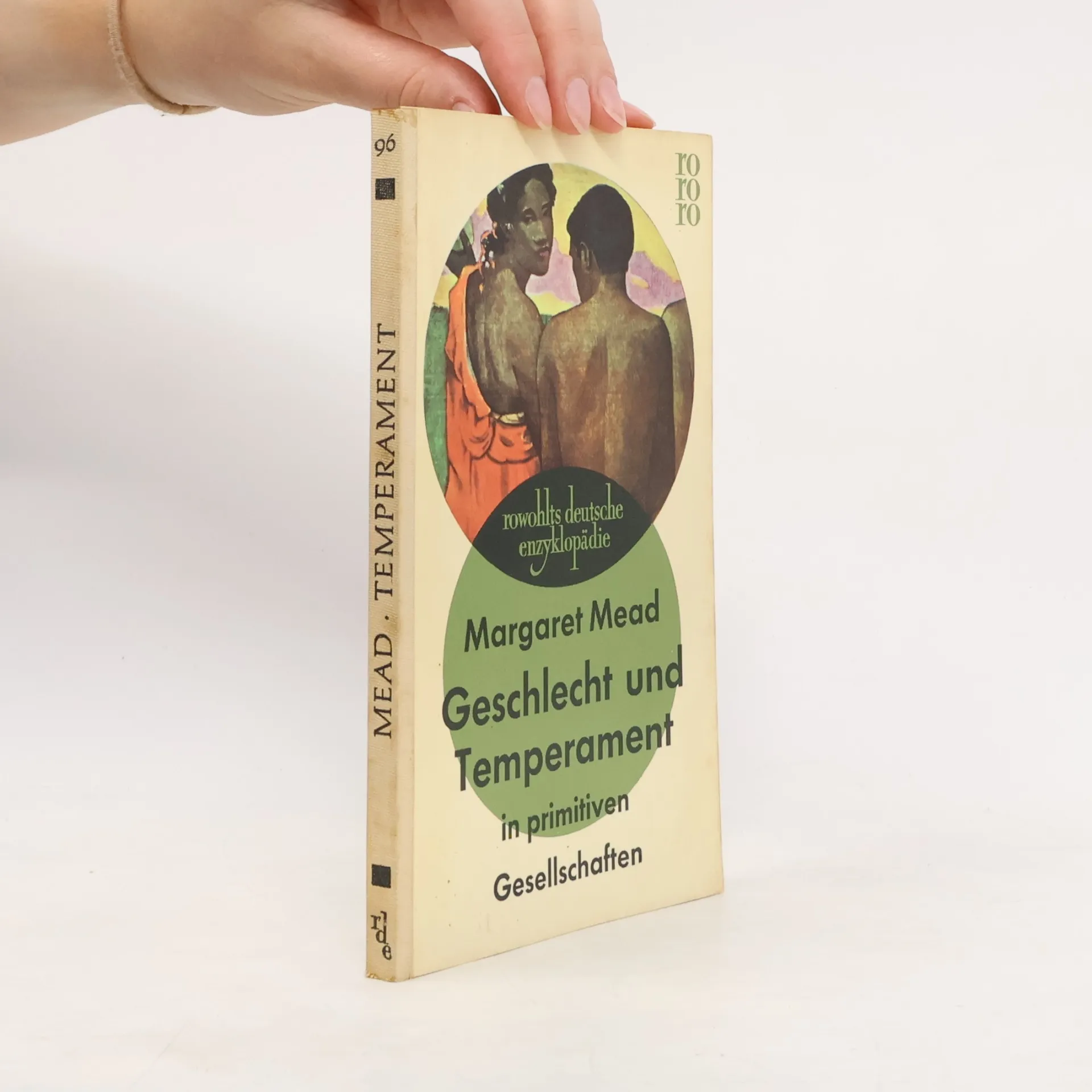
Dílem o pohlaví a temperamentu se uzavírá i vrcholí oceánský, „jihomořský“ cyklus, trilogie, jež z Meadové učinila jednou provždy nejen autoritativní antropologickou osobnost, nýbrž otevřela cestu i k mediální, veřejné dimenzi své autorky. Tato práce je zkoumáním, jak tři primitivní společenství seskupují své sociální postoje podle temperamentu (tedy podle rysů připsaných každému pohlaví jako příslušně „maskulinních“ nebo „femininních“), aby nakonec vyústila v často citovaný ultrarelativistický závěr, že mnohé, ne-li všechny osobnostní rysy, ať už mužské, nebo ženské, jsou s pohlavím spojeny právě tak málo jako oděv, mravy nebo pokrývka hlavy.
Focusing on cultural relativism, this collection of essays offers a framework for future ethnological surveys in anthropology. It aims to deepen understanding and provide a basis for planning research within contemporary society. The assembled statements serve as a guide for scholars looking to explore and analyze cultural contexts more effectively.
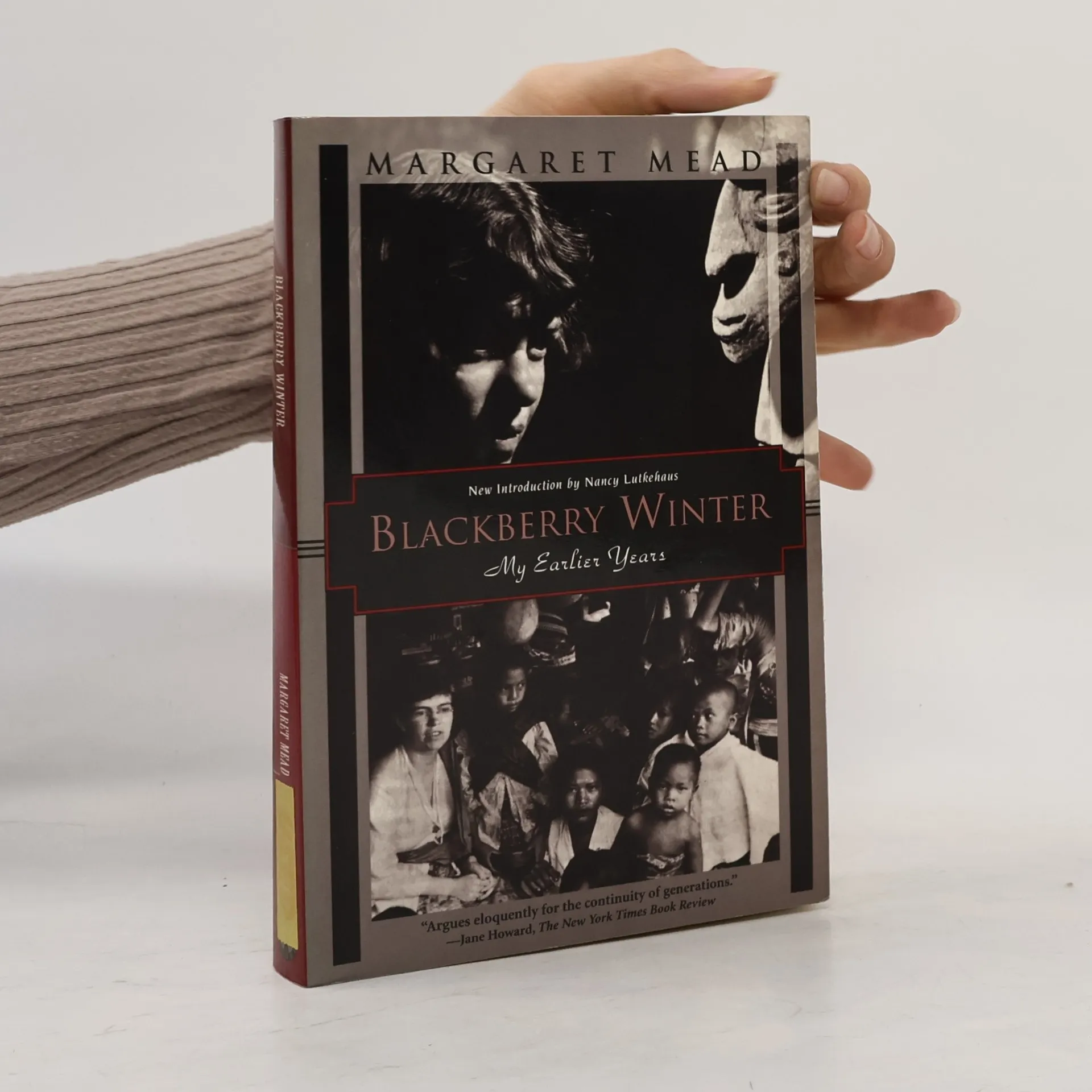
During her life Margaret Mead represented many things to the American public; sage, scientist, noncomformist, crusader for world peace & archetypal grandmother. An enduring cultural icon, she came to symbolize a new kind of woman, one who successfully combined marriage & motherhood with a career & scholarship with a singular concern for its role in the lives of ordinary people. Even today, when memoirs of successful women scientists & scholars remain scarce, Blackberry Winter, 1st published in '72, provides a rare glimpse of a pioneering woman's formative journey. In her chapters "On Being a Granddaughter" & "The Pattern My Family Made Me," Mead examines the wisdom she gained from her maternal grandmother as well as the inheritance she recieved from her ancestors, & how her upbringing fueled her desire for a fulfilling career that would reflect her own emerging values. We are treated to captivating portraits of bohemian life in NYC in the '20s; her early days at the American Museum of Natural History, where she met her longtime mentor, Franz Boas, & friend, Ruth Benedict; & 1st field trip to study adolescent girls in Samoa. Near the book's end, in "On Being a Grandmother," she reflects on the legacy she leaves her descendants, indeed, all of humanity. This autobiography, reissued for a new generation of readers, will appeal to any eager to discover a woman of our century who made her way in a world seldom hospitable to the dreams & accomplishments of women.
Jedno z nejznámějších klasických děl kulturní antropologie. Americká kulturní antropoložka ukazuje své názory na společnost a kulturu na příkladu tří různých kultur, totiž Indiánů amerického Severozápadu (vyznačujících se mimořádnou soutěživostí), Pueblanů (snažících se o co nejklidnější život v souladu se svými božstvy) a oceánského etnika Dobu (charakteristického vysokým stupněm nepřátelství a podezíravosti vůči všem, dokonce i vůči příslušníkům vlastní rodiny). Každá z uvedených tří kultur je vylíčena v samostatné kapitole tak mistrně, že kniha je poutavou četbou i pro naprosté laiky.
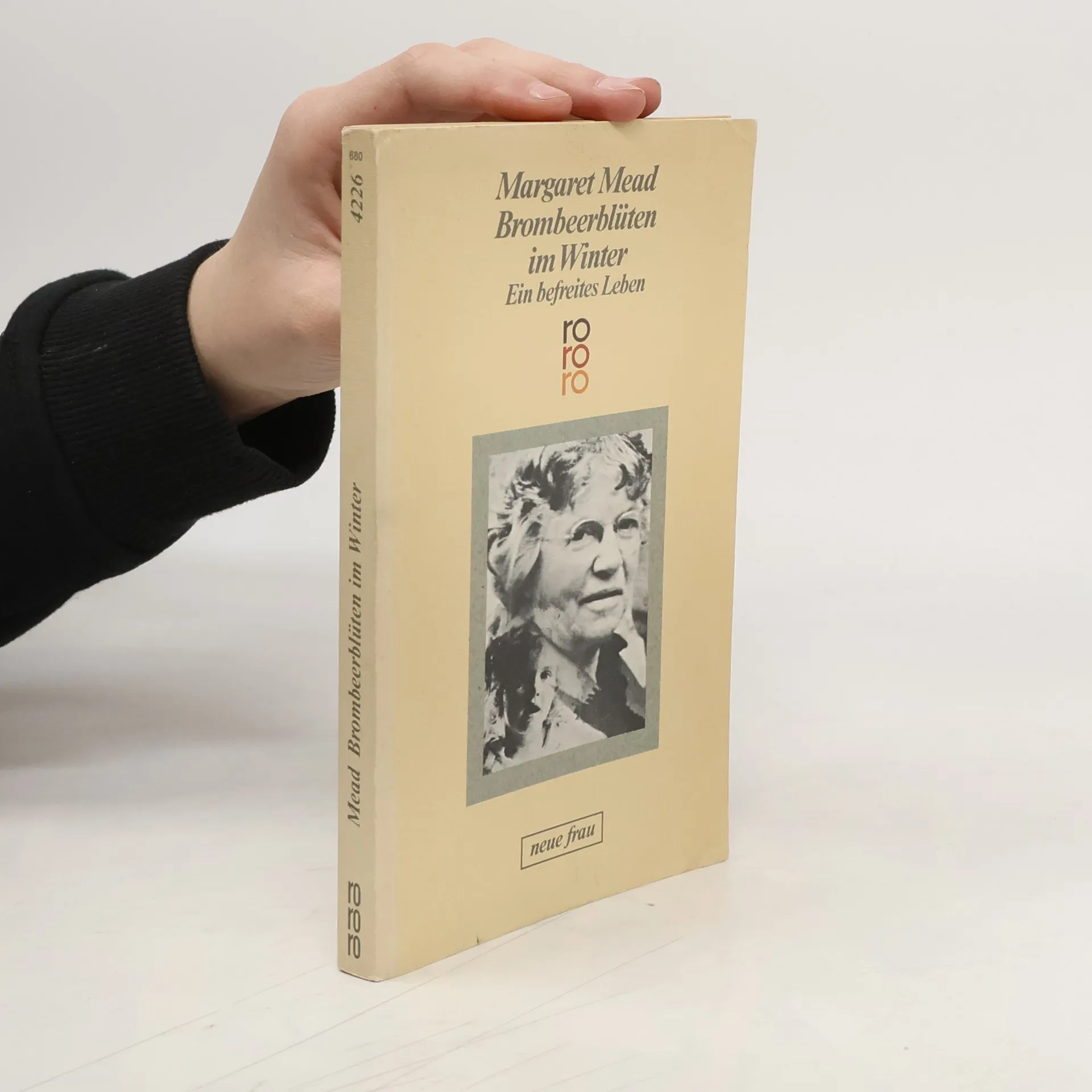
Unter Forschern wuchs sie auf: Margaret Mead ist 1901 in New Jersey als erste Tochter eines Wirtschaftsprofessors und einer Solziologin geboren. Forschungsaufenthalte in Samoa, Neu-Guinea und Bali brachten ihr als Ethnologin, kaum dreißigjährig, weltweiten Ruhm. Seitedem hat sie immer wieder weise und engagiert zum Verhältnis zwischen Frau, Mann und Kind in Amerika wie Europa Stellung bezogen. So einfühlsam und leidenschaftlich klar, wie Margaret Mead ferne Kulturen geschildert hat, erzählt sie in "Brombeerblüten im Winter" ihr prall gefülltes Leben. Wissenschaftlerin oder Frau? Für Margaret Mead war dies nie eine Entscheidungsfrage: die eine Ebene bereichert die andere. Drei Ehen, Mutter- und Großmutterwerden: für sie Stationen eines unaufhörlichen emotionalen und intellektuellen Wachstums, das sie, eine wahrhaft befreite Frau, ihren Lesern hier noch einmal farbig vorlebt.
Margaret Mead, née en 1901 dans le New Jersey, a grandi parmi des chercheurs. Ses séjours de recherche à Samoa, en Nouvelle-Guinée et à Bali lui ont valu une renommée mondiale en tant qu'ethnologue, alors qu'elle n'avait pas encore trente ans. Elle a constamment exprimé avec sagesse et engagement ses réflexions sur les relations entre femmes, hommes et enfants en Amérique et en Europe. Dans "Du givre sur les ronces", elle raconte avec empathie et passion son existence riche et pleine. Pour Margaret Mead, être scientifique et femme n'a jamais été un dilemme : chaque aspect enrichit l'autre. Ses trois mariages et son expérience de mère et de grand-mère sont pour elle des étapes d'une croissance émotionnelle et intellectuelle continue, qu'elle partage avec ses lecteurs, incarnant ainsi une femme véritablement libérée.
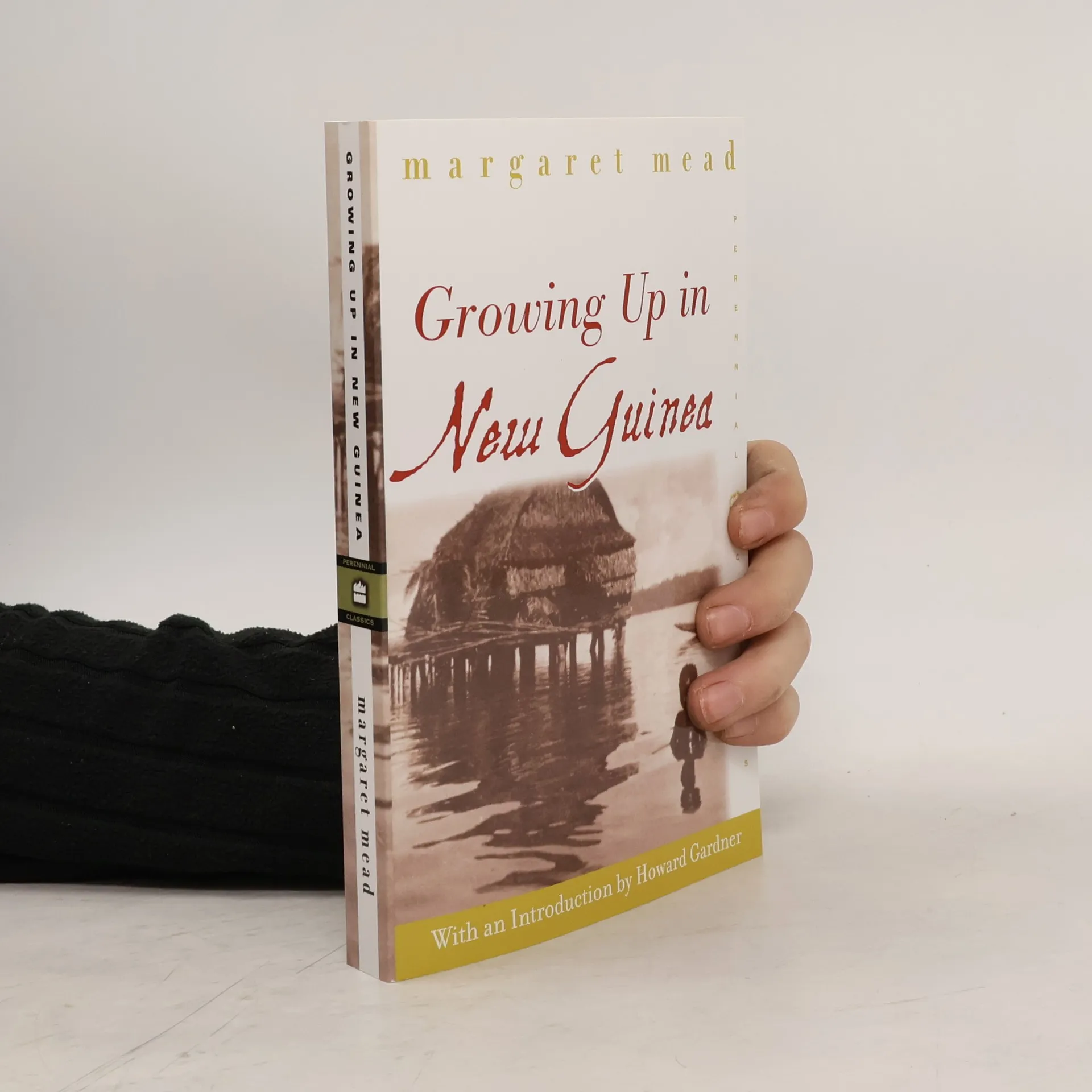
Margaret Mead's exploration of the Manus people in New Guinea reveals their family dynamics, views on sex, marriage, child-rearing, and spirituality during a transformative period in 1928. Living in a remote fishing village, she documented a culture untouched by modern influences, drawing parallels to contemporary Western society. This reissue, celebrating her centennial, includes introductions by Howard Gardner and her daughter, Mary Catherine Bateson, highlighting its significant anthropological contributions and the vivid portrayal of a lost way of life.
Rarely do science and literature come together in the same book. When they do -- as in Charles Darwin's On the Origin of Species, for example -- they become classics, quoted and studied by scholars and the general public alike.Margaret Mead accomplished this remarkable feat not once but several times, beginning with Coming of Age in Samoa. It details her historic journey to American Samoa, taken where she was just twenty-three, where she did her first fieldwork. Here, for the first time, she presented to the public the idea that the individual experience of developmental stages could be shaped by cultural demands and expectations. Adolescence, she wrote, might be more or less stormy, and sexual development more or less problematic in different cultures. The "civilized" world, she taught us had much to learn from the "primitive." Now this groundbreaking, beautifully written work as been reissued for the centennial of her birth, featuring introductions by Mary Pipher and by Mead's daughter, Mary Catherine Bateson.
"Das Verhältnis der Geschlechter zueinander bleibt ein heftig debattiertes Thema. Da sollte man zu den Klassikern greifen: Bereits in den zwanziger Jahren dieses Jahrhunderts sammelte die Anthropologin Margaret Mead bei Feldforschungen auf Samoa, Neu-Guinea und Bali Material für das vorliegende Werk, das noch immer Bewegung bringt in festgefahrene Diskussionen. Denn Mead stellte schon damals fest, daß Eigenheiten und Charakter jedes Individuums unabhängig von seiner Geschlechtszugehörigkeit in jeder Gesellschaft anerkannt werden sollten. Eine unerläßliche Lektüre für alle, die sich weiterhin über "Männer" und "Frauen", wie sie wirklich sind -- und warum das so ist --, streiten wollen."--Back cover
The book offers a profound exploration of gender dynamics through the lens of renowned anthropologist Margaret Mead. It provides insightful analysis relevant to contemporary discussions on the battle of the sexes. The new introduction by Helen Fisher, Ph.D., enhances its relevance, connecting Mead's findings to modern societal issues. This classic work remains a vital resource for understanding the complexities of gender roles and relationships.