

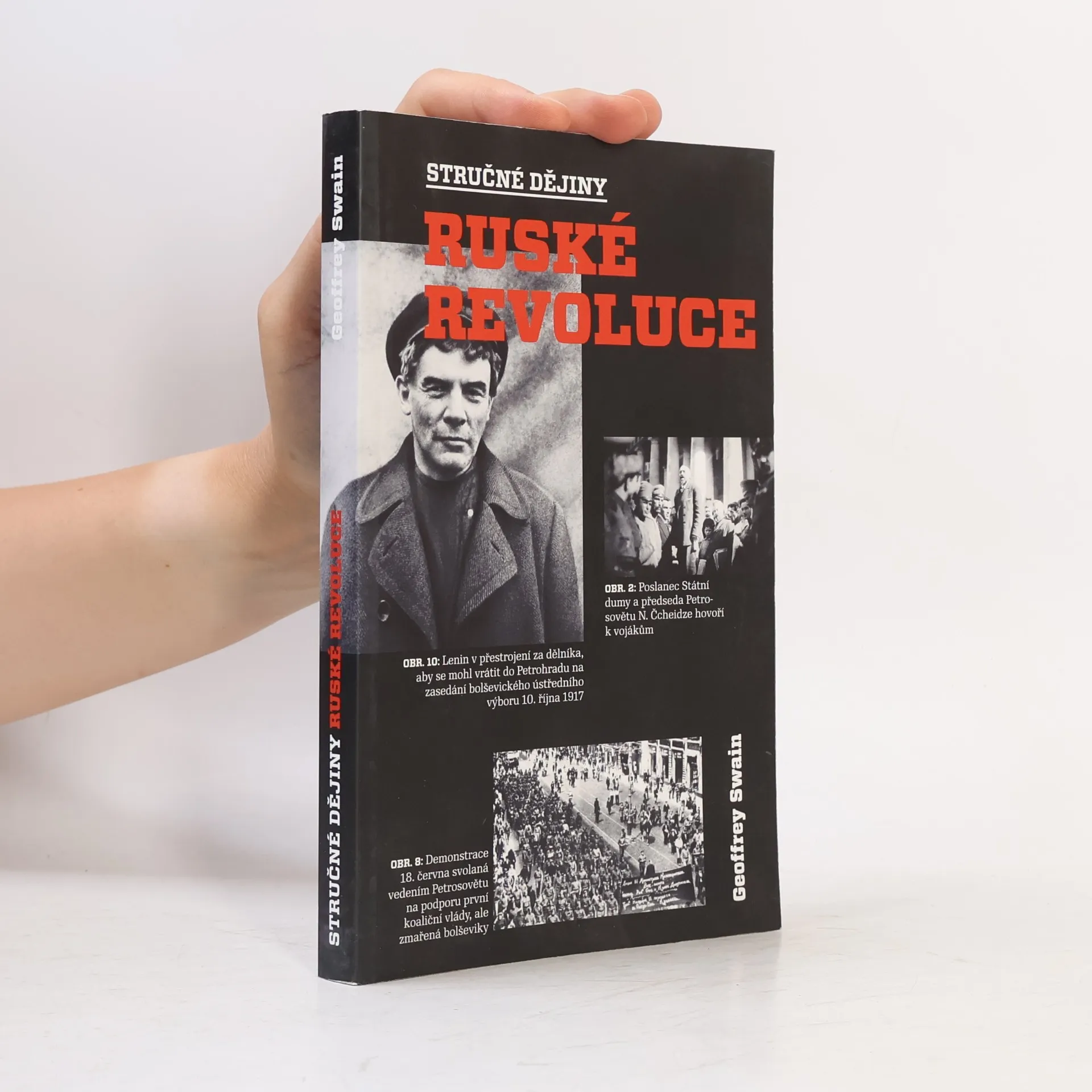
Psát o historii vlastně znamená procházet minulost ve snaze dobrat se hlubšího smyslu. Při sestavování Stručných dějin převratných změn, které se odehrály v Rusku v období mezi únorem 1917 a červnem 1918, bylo nevyhnutelně nutné mnoho věcí vynechat. Přesto však i Stručné dějiny zákonitě musí poskytnout několik vodítek, která napomohou při bloudění spletitým labyrintem Ruské revoluce. Nabízená interpretace je jednoduchá a zahrnuje dvě hlediska. …..
Geoffrey Swain Knihy
Geoffrey Swain je profesorem pro ruská a východoevropská studia na univerzitě v Glasgow. Jeho práce se zaměřuje na politické a vojenské dějiny 20. století. Jeho odbornost spočívá v analýze mezinárodních vztahů a vlivu politických ideologií na historický vývoj.

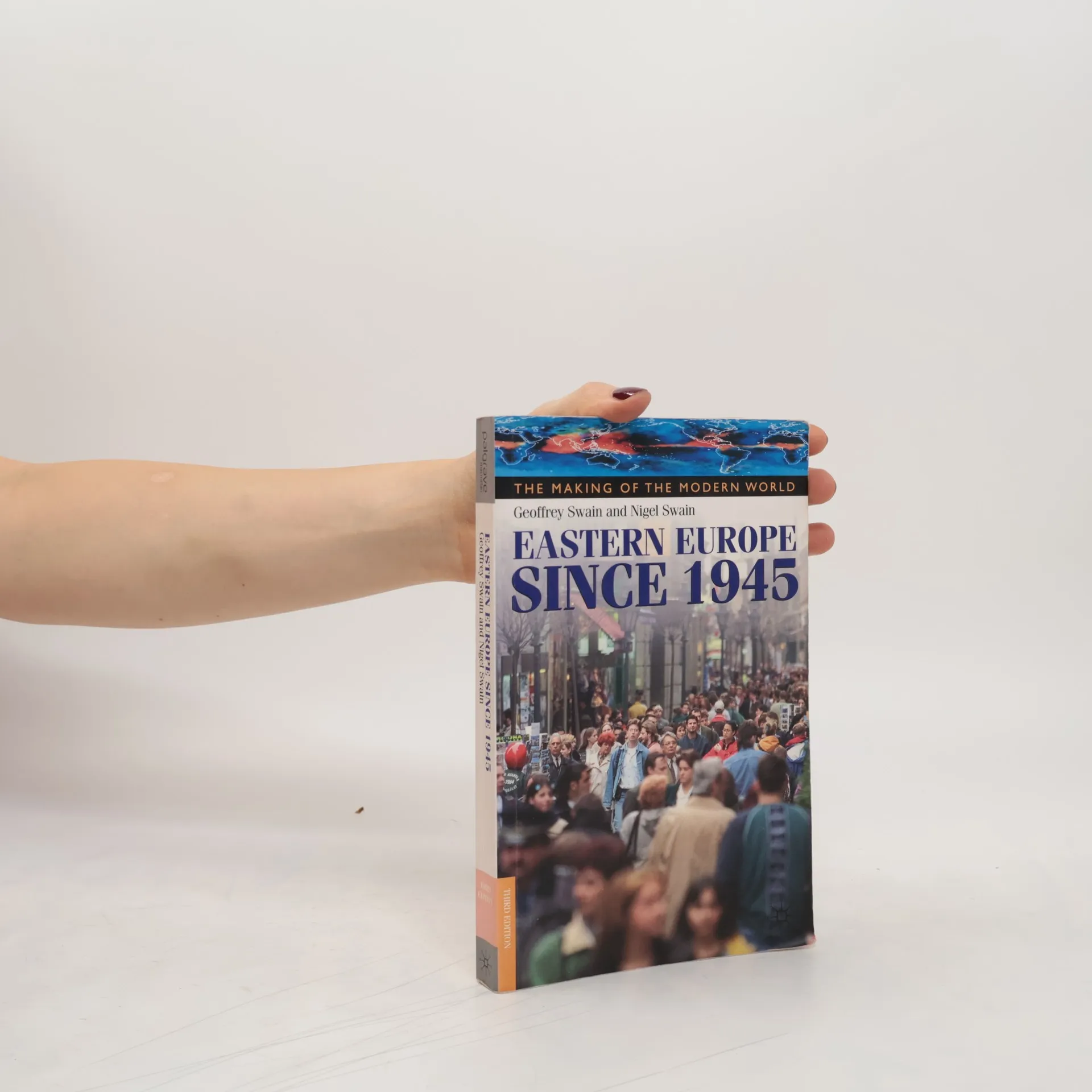
Substantially expanded and rewritten, this new edition takes into account the momentous changes since the first edition was published in 1992. With several Central European states joining the European Union, the authors set the historical context in which, since the collapse of the Soviet Union, Eastern Europe is itself increasingly dividing into two blocks: those where democracy and pluralism appear firmly established, and those where they do not.