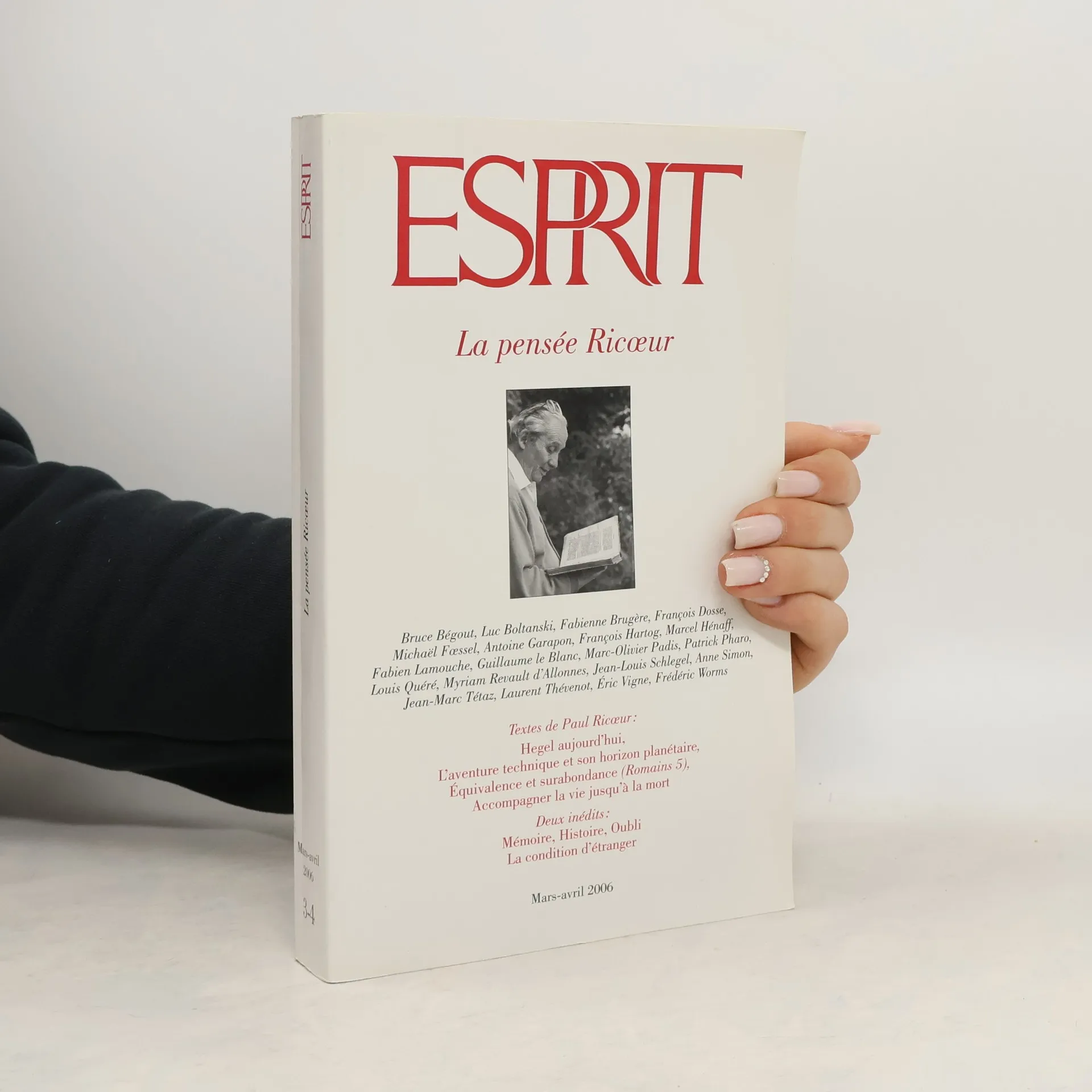
François Hartog je francouzský historik, který se zabývá především dobou a pamětí. Jeho práce se kriticky zabývá způsobem, jakým se vztahujeme k minulosti, současnosti a budoucnosti. Hartog zkoumá koncept „přítomnosti“, což je tendence chápat minulost skrze naše současné ideje. Jeho výzkum analyzuje čas a paměť oproti opakování a zkoumá metodologie chápání historie z různých teoretických hledisek. Hartogovy eseje a přednášky nabízejí hluboký vhled do historických paradigmat a našeho vztahu k času.
In Chronos, a leading French historian ranges from Western antiquity to the
Anthropocene, pinpointing the crucial turning points in our relationship to
time. François Hartog considers the genealogy of Western temporalities,
examining the order of times and the divisions of time into epochs.
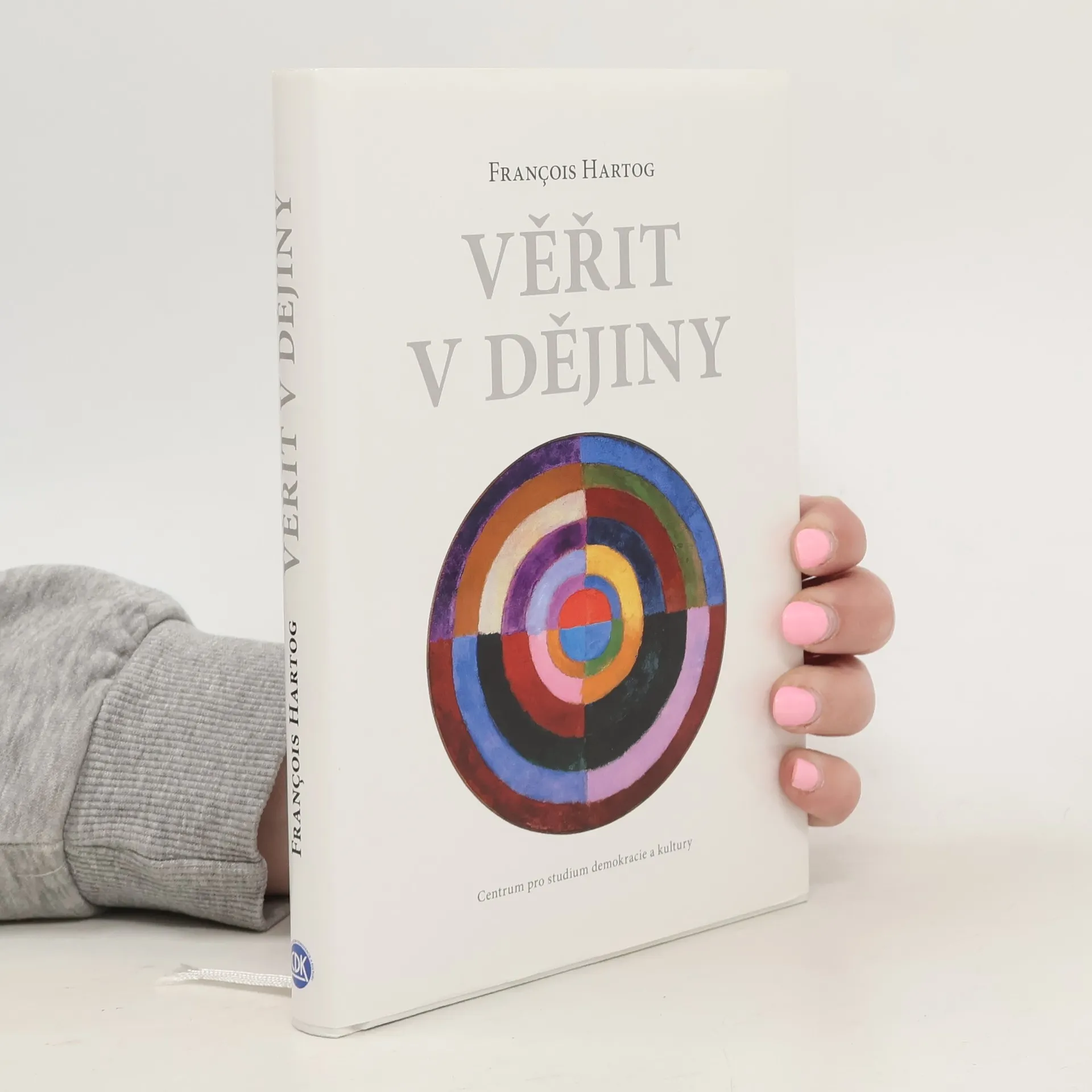
Kniha Věřit v dějiny se zabývá historickým vědomím. Hlavní otázka, kterou si François Hartog klade, zní takto: Jaké je vlastně naše dnešní historické vědomí? Nikoli snad jen vědomí profesionálních historiků, nýbrž kohokoli, doslova všech našich současníků, ať se minulostí zaobírají, anebo jsou jen příležitostně konfrontováni s jejím připomenutím. Jaké je tedy naše historické vědomí, jak ho vnímáme, jak ho chápeme, čím ho eventuálně (vědomě a nevědomě) nahrazujeme? A jak rozumíme své přítomnosti a jak vidíme svou budoucnost? Hartogova kniha je určena nejen historikům a studentům historie, ale všem, kdo přemýšlejí o dějinách i současnosti v perspektivě humanitních a společenských věd.
François Hartog is perhaps the most important historian of historiography
today... Regimes of Historicity should be required reading for anyone
interested in the past, present, and future writing of history. - American
Historical Review
Der große griechische Geschichtsschreiber Plutarch hat mit seinen »Parallelbiographien«, entstanden Anfang des 2. Jahrhunderts n. Chr., eines der meistgelesenen Werke der Antike geschaffen. In den 22 überlieferten Paaren von Lebensbeschreibungen stellte er einem griechischen jeweils einen römischen Staatsmann oder Feldherrn gegenüber. Diese Auswahl präsentiert die eindrucksvollsten seiner Porträts: Sie enthält die Lebensbilder der Griechen Themistokles, Perikles, Alkibiades und Alexander sowie der Römer Tiberius und Gaius Gracchus, Julius Cäsar und Marcus Antonius.