

Knihobot

Gottfried Semper

    29. listopad 1803 – 15. květen 1879
    Die Vier Elemente Der Baukunst
    Der Stil in den technischen und tektonischen Künsten;
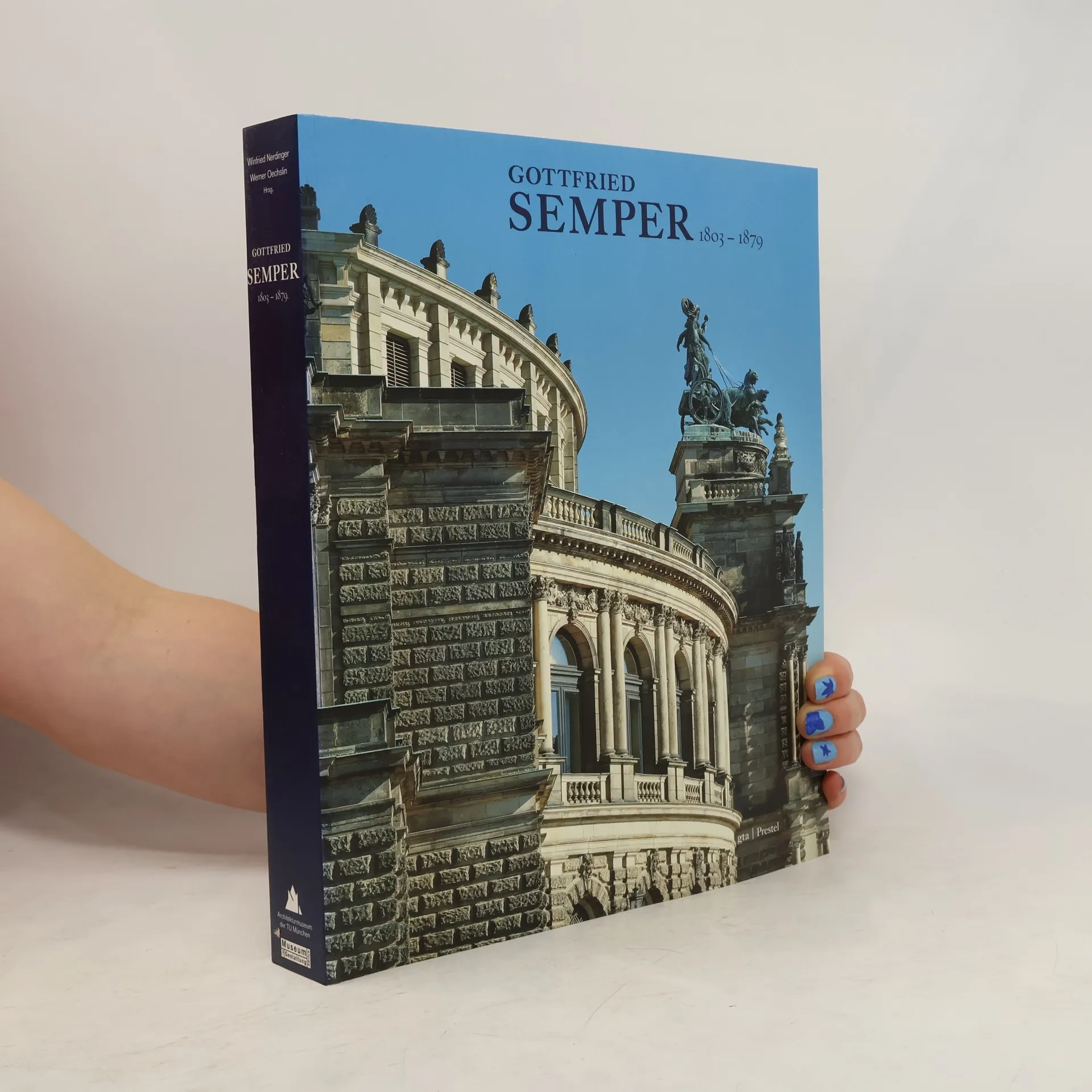
    Gottfried Semper 1803-1879
    The four elements of architecture and other writings
    Style
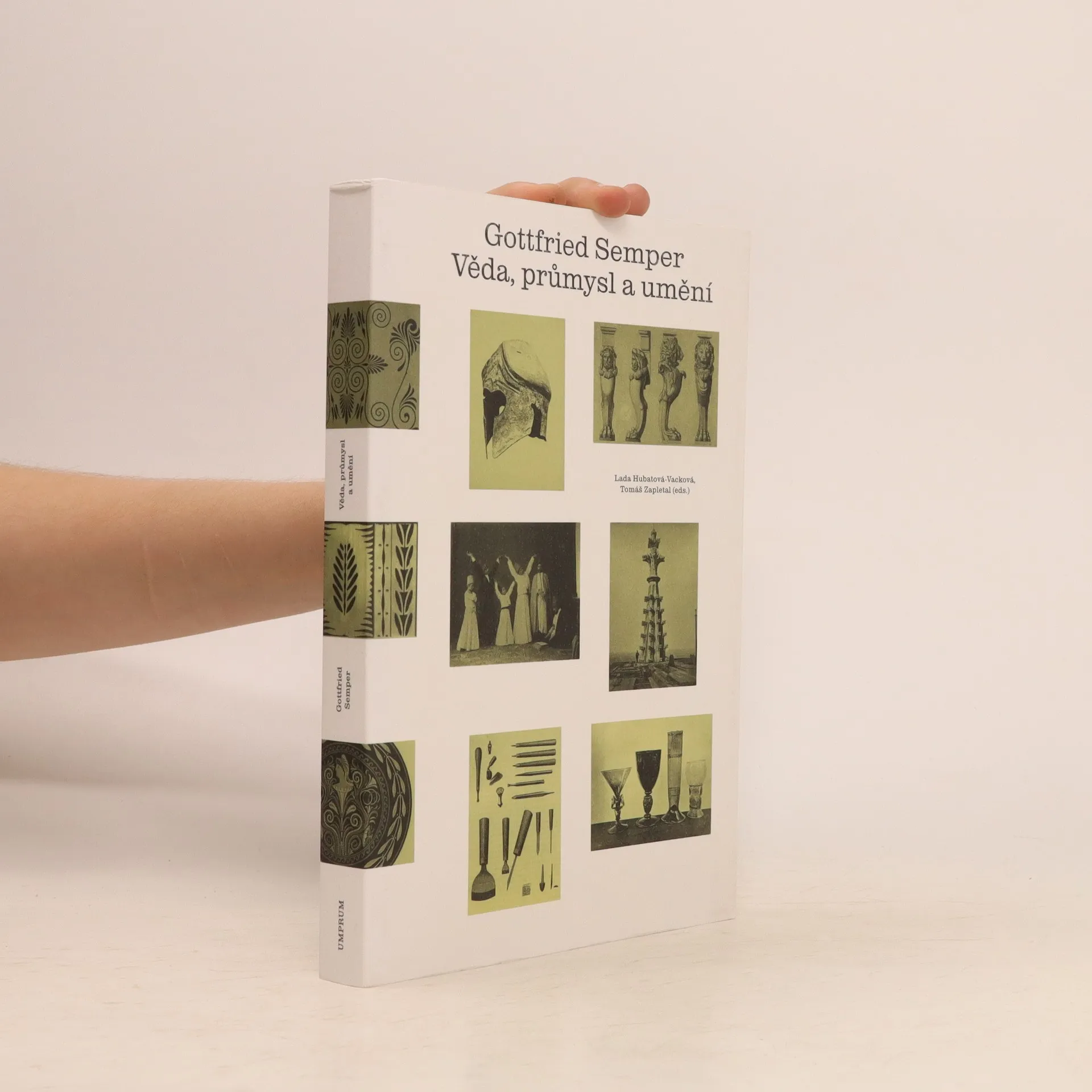
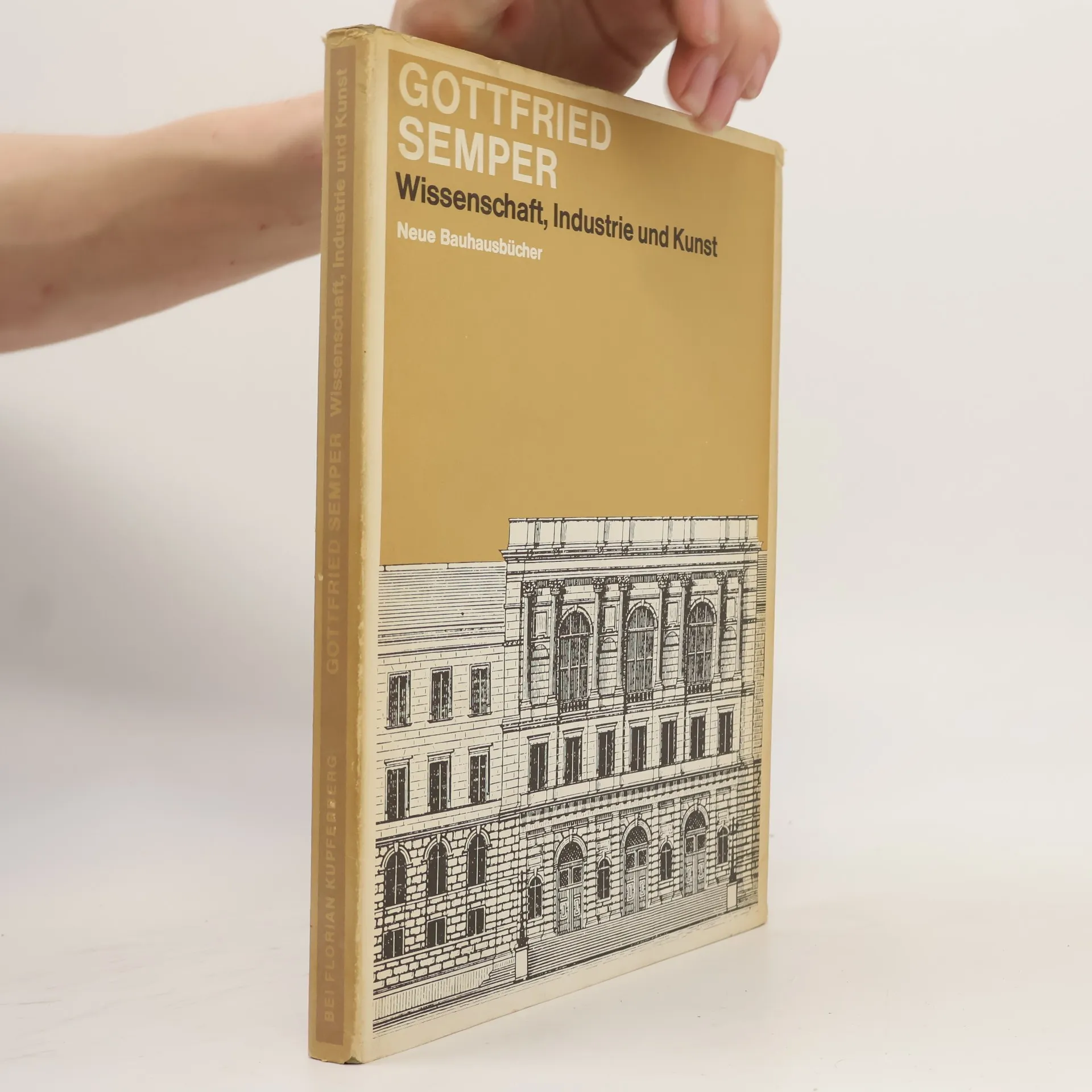
    Gottfried Semper - Věda, průmysl a umění
    • 2016

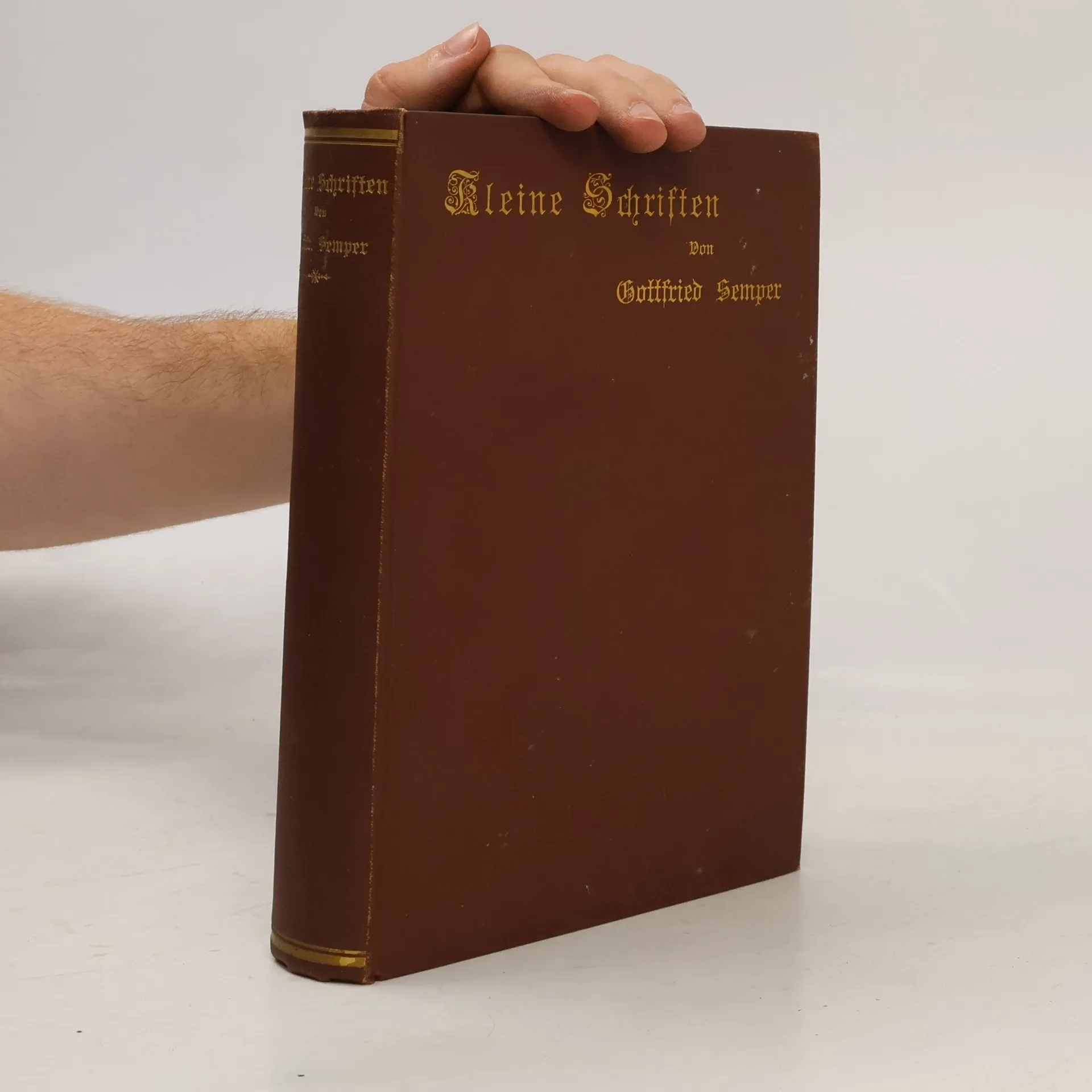
      Der Stil in den technischen und tektonischen Künsten;

      Praktische Aesthetik. Ein Handbuch für Techniker, Künstler und Kunstfreunde

      • 588 stránek
      • 21 hodin čtení

      Das Buch bietet eine umfassende Analyse der Ästhetik in technischen und tektonischen Künsten und richtet sich an Techniker, Künstler und Kunstliebhaber. Es vermittelt praktische Ansätze zur Gestaltung und Wertschätzung von Kunstwerken und deren technischer Umsetzung. Der unveränderte Nachdruck der Originalausgabe von 1878 ermöglicht es, historische Perspektiven und Prinzipien der Kunst und Technik zu entdecken und deren Relevanz für die moderne Praxis zu erkennen.
      Der Stil in den technischen und tektonischen Künsten;
    • 2016

      Komentovaný překlad německého spisu Gottfrieda Sempera Wissenschaft, Industrie und Kunst z roku 1852 k českému vydání připravili a obrazovou přílohou doprovodili Lada Hubatová-Vacková a Tomáš Zapletal. Text Věda, průmysl a umění vznikl v přímé návaznosti na londýnskou Světovou výstavu a je referenčním spisem jak pro všechna další vlivná díla architekta a teoretika historismu Gottfrieda Sempera (1803–1879), tak i pro kontext rodícího se uměleckého průmyslu. Umělecký průmysl, který Semper ve své době na příkladu Světové výstavy komentoval, zaznamenal následně po vzoru Anglie obrovský rozvoj i v kontinentální Evropě. Postupně vznikla hustě rozvrstvená institucionální síť uměleckoprůmyslových škol a muzeí. Překlad Semperova spisu je tak podstatný pro pochopení geneze konceptu „Kunstindustrie“ a moderního uměleckoprůmyslového diskurzu. Dvojjazyčná česko-německá edice Semperova někdejšího „programatického“ textu je doplněna o odborné doslovy Jindřicha Vybírala a editorů. Pražská Vysoká škola uměleckoprůmyslová (UMPRUM), jejíž identita a koncepce jsou postaveny na semperovském historickém pojmu, se z uvedených důvodů chopila prvního převedení tohoto textu do českého jazyka. Překlad Tomáš Zapletal. Grafika Štěpán Marko.

      Gottfried Semper - Věda, průmysl a umění
    • 2004

      Style

      • 992 stránek
      • 35 hodin čtení
      4,4(18)Ohodnotit

      The enduring influence of the architect Gottfried Semper (1803-1879) derives primarily from his monumental theoretical foray Der Stil in der technischen und tektonischen Künsten (1860-62), here translated into English for the first time. A richly illustrated survey of the technical arts (textiles, ceramics, carpentry, masonry), Semper's analysis of the preconditions of style forever changed the interpretative context for aesthetics, architecture, and art history. Style, Semper believed, should be governed by historical function, cultural affinities, creative free will, and the innate properties of each medium. Thus, in an ambitious attempt to turn nineteenth-century artistic discussion away from historicism, aestheticism, and materialism, Semper developed in Der Stil a complex picture of stylistic change based on scrutiny of specific objects and a remarkable grasp of cultural variety. Harry Francis Mallgrave's introductory essay offers an account of Semper's life and work, a survey of Der Stil, and a fresh consideration of Semper's landmark study and its lasting significance.

      Style
    • 2003
    • 1989

      Gottfied Semper was the most important German theorist of the nineteenth century. From his first published essay on Greek polychromy in 1834 to his final lecture on the origin of architectural styles in 1869, Semper persistently endeavoured to fashion a comprehensive architectural theory explaining the meaning and transformational nature of architectural form. The breadth and richness of his ideas, both applauded and opposed at the turn of the twentieth century, proved enormously influential in the development of modern theory. Originally published in 1989, this book provides an English translation of a number of Semper's published writings. The introduction seeks to trace the course of Semper's theoretical development over thirty-five years. Semper's ideas, like those of his contemporaries, John Ruskin and Eugene Viollet-le-Duc, had enormous influence on the genesis of modern architectural theory and will appeal to both architectural historians and architects.

      The four elements of architecture and other writings