

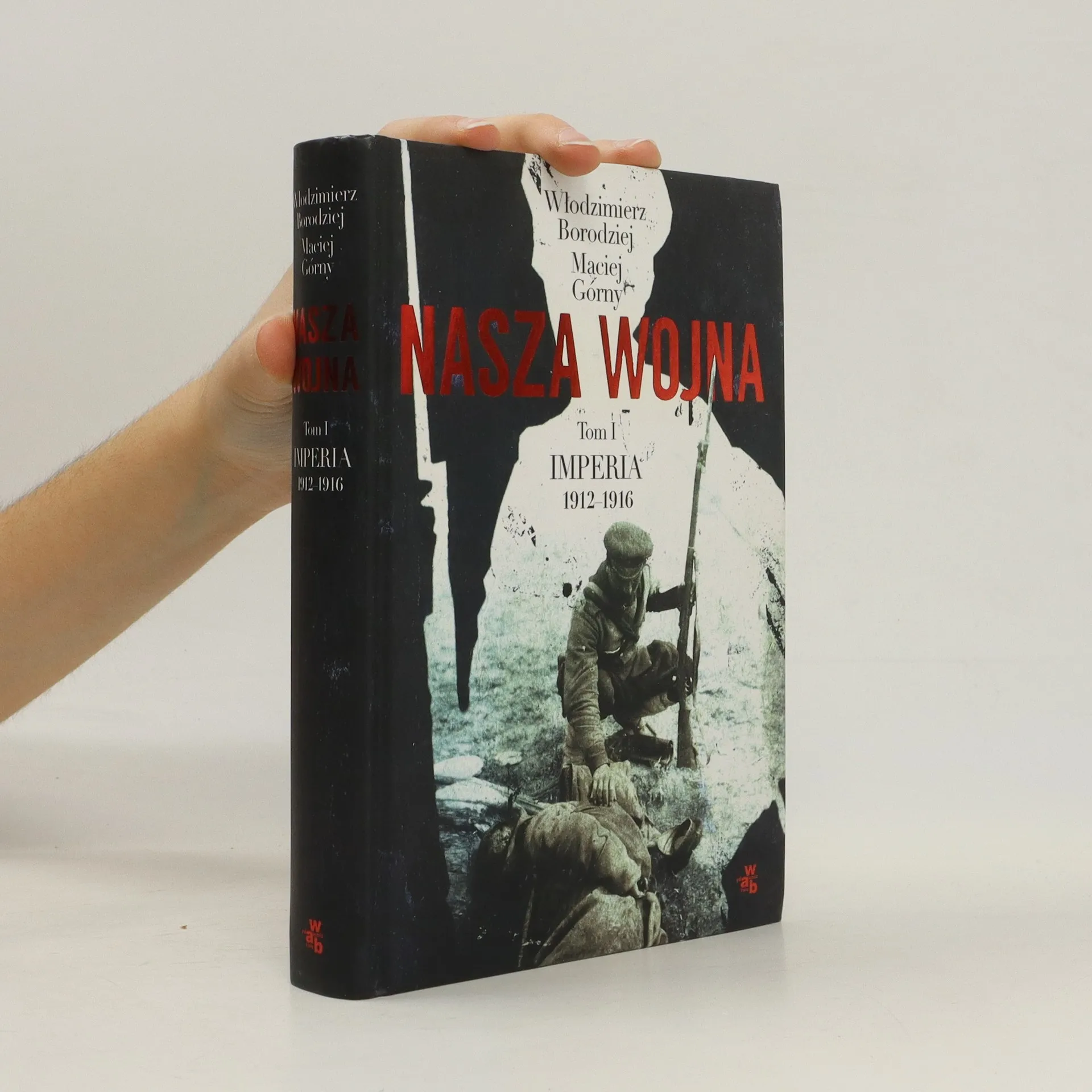
›Zapomenutá válka‹ je dosud nenapsaná mistrovská vyprávění, fascinující a velkolepé zobrazení neznámé, nově objevované světové války: války ve východní Evropě od roku 1912 do roku 1923. V naší historické paměti se První světová válka redukuje na zákopovou válku a materiální bitvy v severní Francii. Jaké nesmírné tragédie se odehrávaly na východě, je z vědomí vymazáno. Místa se rozprostírají od 1. balkánské války 1912 přes habsburskou část Ukrajiny až po Rusko na počátku 20. let. Už rozdělení dvou svazků – ›1912–16 Impéria‹ a ›1917–23 Národy‹ – je fascinující novinkou. Perspektiva se však ještě obsahově rozšiřuje, neboť ve etnicky a nábožensky rozděleném východě se válka rychle stává ›rasovou válkou‹ a tvoří tak úvod k větší rasové válce o 20 let později.
Maciej Górny Knihy


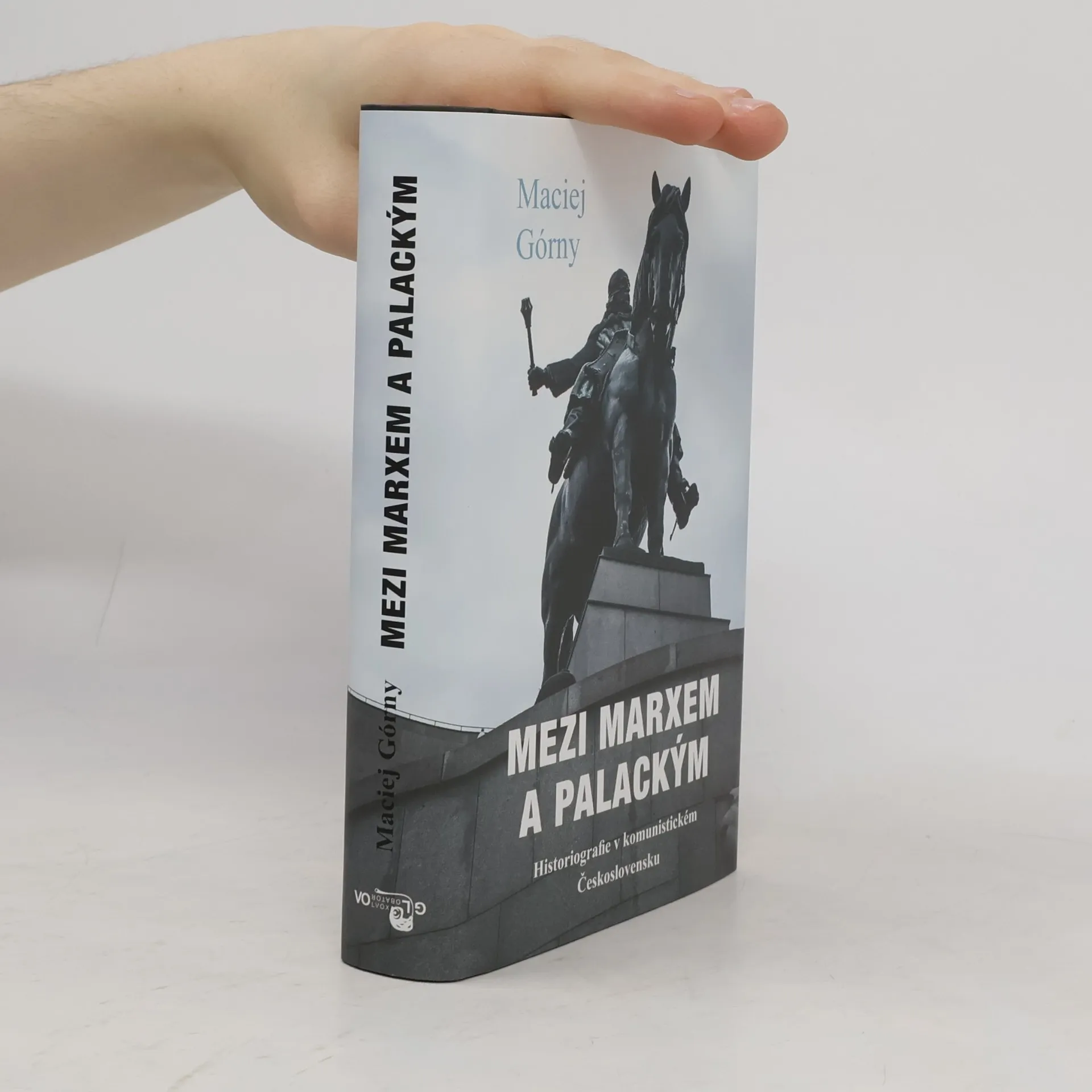
Mezi Marxem a Palackým : historiografie v komunistickém Československu
- 320 stránek
- 12 hodin čtení
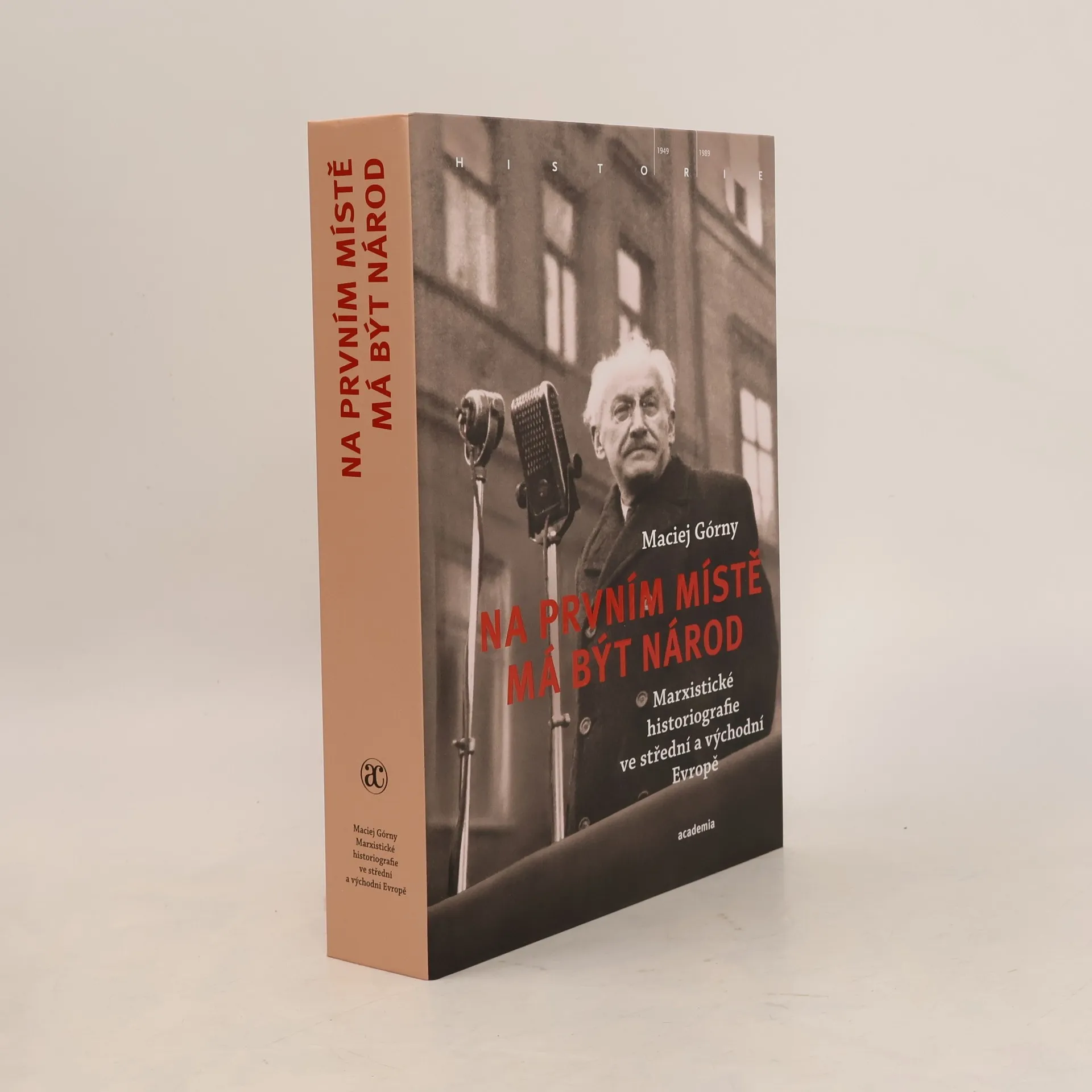
Způsoby, jak přistupovat k dějepisectví komunistického období, mohou být různé. V Česku zatím spíše převládá přístup zkoumající individuální „hříchy“ jednotlivých badatelů. Mladý polský historik Maciej Górny v knize Mezi Marxem a Palackým zvolil jinou cestu a položil si otázku, jak se česká oficiální marxistická historiografie vyrovnávala s dědictvím svých předchůdců a s celou nacionálně liberální koncepcí českých dějin, zformulovanou během 19. století. Přesnější označení by ale bylo historiografie „oficiální“, „komunistická“ či „režimní“ – než marxistická. Maciej Górny (7. května 1976 ve Varšavě) je absolventem historie na Varšavské univerzitě (2000). V roce 2006 získal doktorát za disertační práci „Marxistické vědy v zemích střední a východní Evropy ve vztahu tradicím národních historiografií devatenáctého století“. V roce 2015 se habilitoval na Instytut Historii im. Tadeusza Manteuffla Polskiej Akademii Nauk. Dlouhodobě se věnuje historiografii a dějinám střední a východní Evropy. Od roku 2015 je šéfredaktorem časopisu Acta Poloniae Historica. Jeho další knihy jsou Wydarzenia marcowe w Polsce - reakcje opinii publicznej w Czechosłowacji (1998) a Przede wszystkim ma być naród. Marksistowskie historiografie w Europie Środkowo-Wschodniej (2007).
Na prvním místě má být národ
Marxistické historiografie ve střední a východní Evropě
Nasza wojna
- 888 stránek
- 32 hodin čtení
Wielką Wojnę na wschodzie Europy wywołały imperia, biły się w niej narody a ginęli zwykli ludzie. Im dłużej trwała, tym trudniej było wyobrazić sobie, jak się skończy i czy w ogóle kiedyś nastanie pokój. Tego, że zmianie ulegnie prawie wszystko, nie przewidział nikt. I tej zmianie poświęcona jest Nasza wojna. Podzielona jest na dwie części, w pierwszej koncentruje się na działaniach militarnych, przywraca pamięć o ważnych lecz zapomnianych miejscach na mapach frontu wschodniego – Gorlicach, Przasnyszu czy Przemyślu, w drugiej opowiada o tym wszystkim co działo się poza frontami, strajkach i buntach robotniczych, prawach kobiet, kulturze, polityce i walce o niepodległość narodów Europy Środkowo-Wschodniej i Bałkanów. Wszystko to w porywającym stylu - przystępnie, czasem dowcipnie, zawsze w oparciu o źródła, w tym dotychczas rzadko wykorzystywane.
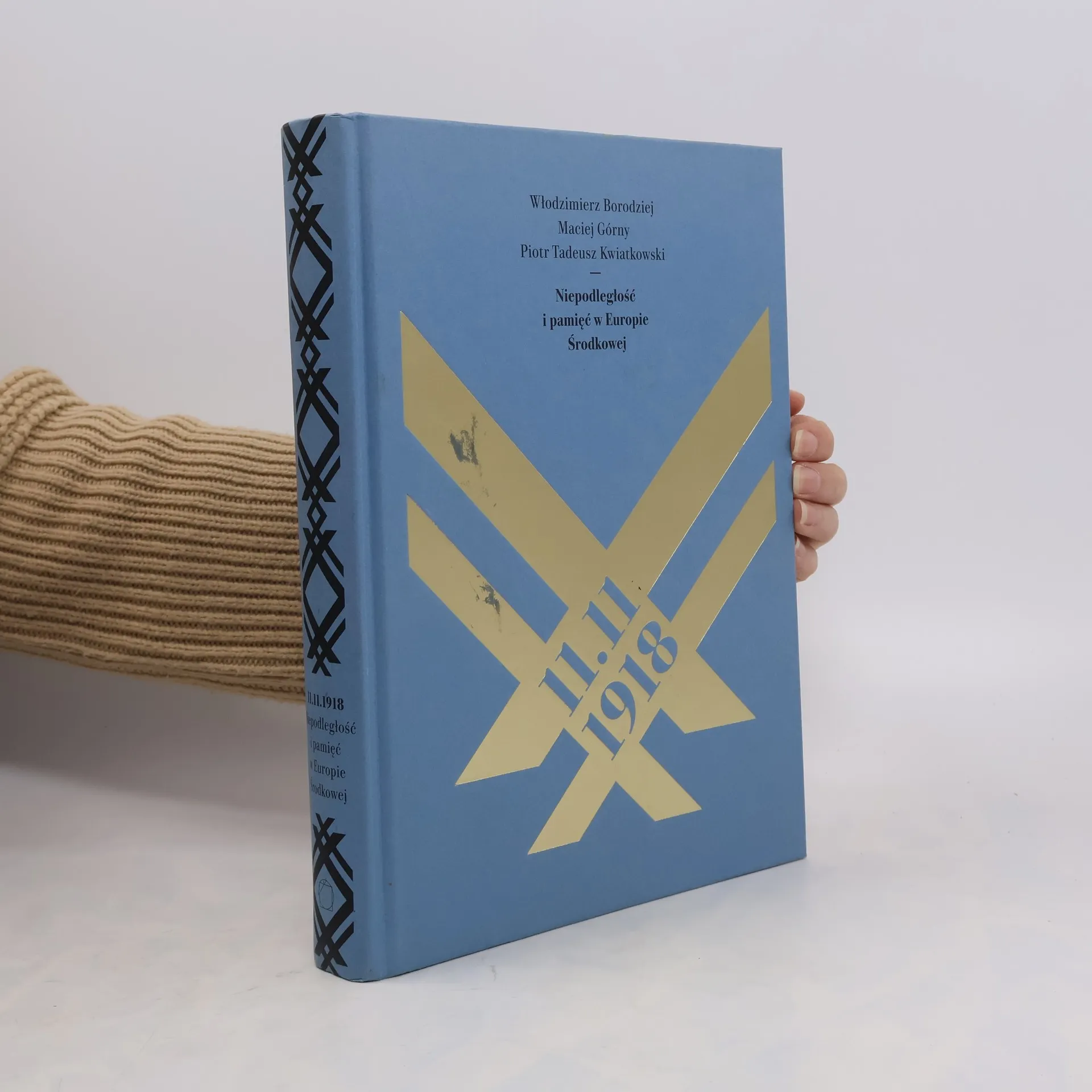
Dla zdecydowanej większości społeczeństwa rodzącej się II Rzeczypospolitej nie ulegało wątpliwości, że odzyskanie niepodległości wymaga szczególnego upamiętnienia i świętowania. Problem w tym, że nawet rzecz tak elementarna, jak ustalenie daty symbolizującej to wydarzenie, okazała się trudna i praktycznie przez całe dwudziestolecie międzywojenne toczył się spór o to, kiedy i jak należałoby fakt ten świętować. Tematem tej książki jest historia święta niepodległości w Polsce i w innych krajach Europy Środkowej. Perspektywa obejmująca cały region pozwala umieścić polskie spory w szerokim kontinuum bojów o pamięć. Mieszczą się w nim nie tylko konkurencyjne i potencjalne miejsca pamięci, lecz także procesy wyparcia i odrzucenia skutków Wielkiej Wojny w krajach, które ją przegrały. Autorzy doprowadzają tę opowieść aż do dnia dzisiejszego, kiedy spór o prawo własności do symboli narodowych wydaje się równie gorący jak przed kilkudziesięciu laty.
Science Interconnected: German-Polish Scholarly Entanglements in Modern History
- 354 stránek
- 13 hodin čtení
From the Middle Ages to the present, intercultural exchange has shaped knowledge and scholarship in Central Europe. While nationalism, practical and methodological, as well as memory practices created a clear-cut vision of German-Polish scholarly contacts, this volume proposes interconnectedness, entanglement and circulation as new modes of inquiry. Based on examples ranging from architectural knowledge to philosophy and from archaeology to physical chemistry, contributions to this volume seek for alternative ways to tell the stories of scholarly relations in the space shaped not only by multilinguality, but also by power inequalities, imperialism and nationalisms. In particular, they counter the widespread center-periphery dependence by concentrating on encounters and sites "in between" as privileged places of inquiry. Last but not least, they put to the test the prevailing categories of historical research of the space in question, highlighting the variety of identifications and ways they impacted scholarly communication. Jetzt reinlesen: Inhaltsverzeichnis(pdf)
Der vergessene Weltkrieg. Europas Osten 1912–1923
- 960 stránek
- 34 hodin čtení
›Der vergessene Weltkrieg‹ beleuchtet den unbekannten Konflikt in Osteuropa von 1912 bis 1923 und zeigt die tragischen Ereignisse, die oft in der Geschichtserinnerung fehlen. Die beiden Bände ›1912–16 Imperien‹ und ›1917–23 Nationen‹ bieten eine neue Perspektive auf den Krieg als ›Rassenkrieg‹ und dessen langfristige Auswirkungen.
Polityka społeczna w XXI wieku
przegląd badań