Knihobot

Richard Sennett

    1. leden 1943

    Richard Sennett se zabývá tím, jak jednotlivci a skupiny vnímají sociální a kulturní souvislosti materiálních faktů týkajících se měst, ve kterých žijí, a práce, kterou vykonávají. Jeho práce se soustředí na to, jak se lidé mohou stát kompetentními vykladači vlastních zkušeností navzdory společenským překážkám. Jako sociální analytik navazuje na pragmatickou tradici Williama Jamese a Johna Deweyho. Sennett zkoumá, jak lidé chápou svou identitu ve městě i v pracovním životě, a analyzuje, jak změny v moderním kapitalismu ovlivňují osobní životy a mezilidské vztahy, zejména v oblasti řemeslné zručnosti a spolupráce.

    Richard Sennett
    Building and dwelling: Ethics for the city
    The Fall of Public Man
    The Hidden Injuries of Class
    Authority
    Conversations with Richard Sennett
    Democracy and Urban Form
    • Democracy and Urban Form

      • 264 stránek
      • 10 hodin čtení

      Exploring the relationship between architecture and democracy, the book revisits Richard Sennett's 1981 lectures, emphasizing how urban design can influence public discourse. It argues that cities have the potential to either foster or hinder democratic engagement. With contemporary political polarization in mind, the text examines how thoughtful architectural choices can enhance civic dialogue and participation, highlighting the enduring significance of these ideas in today's context.

      Democracy and Urban Form
      4,4
    • Authority

      • 206 stránek
      • 8 hodin čtení

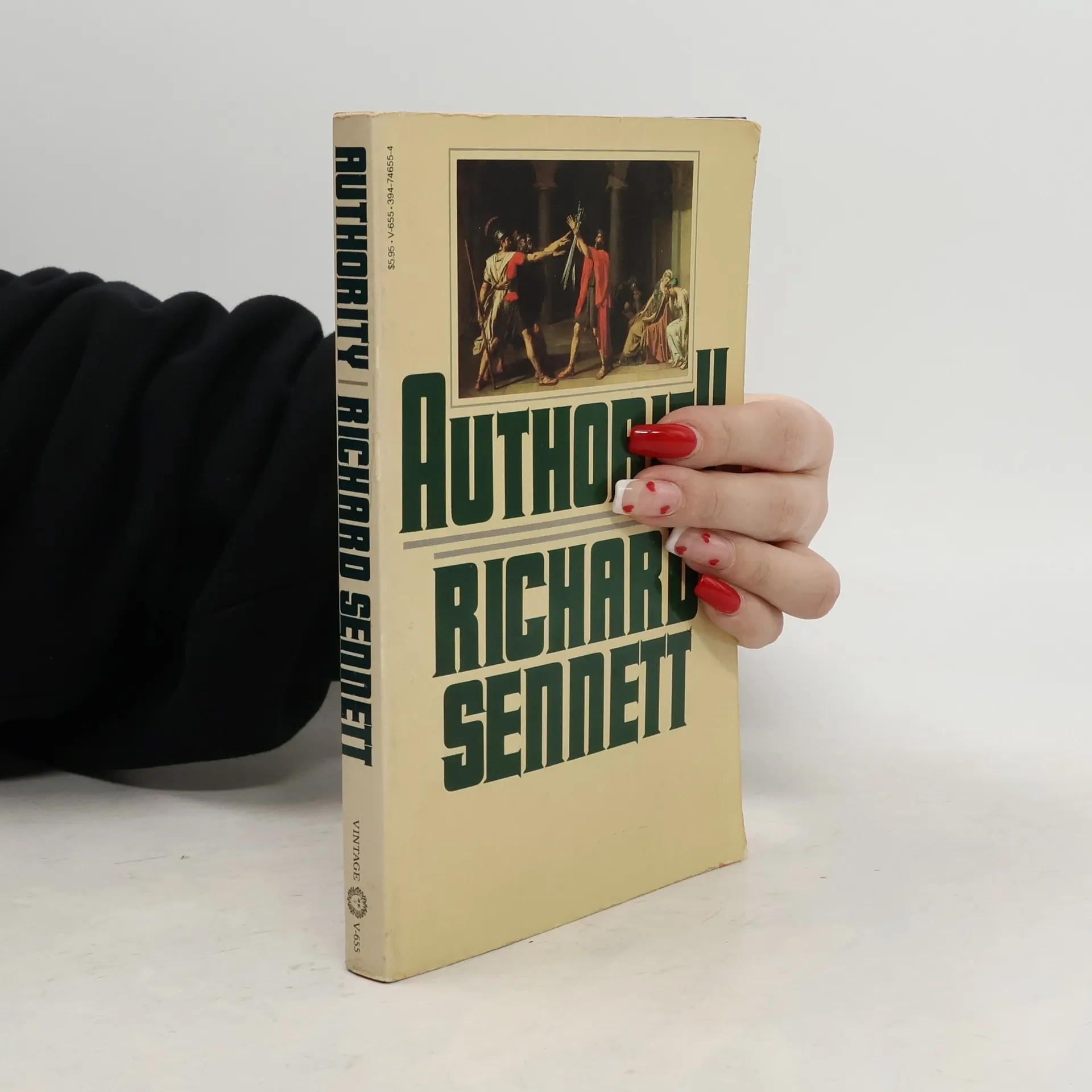
      A master of the interplay between politics and psychology, Richard Sennett here analyzes the nature, the role, and the faces of authority—authority in personal life, in the public realm, authority as an idea. Why have we become so afraid of authority? What real needs for authority do we have—for guidance, stability, images of strength? What happens when our fear of and our need for authority come into conflict? In exploring these questions, Sennett examines traditional forms of authority (The father’s in the family, the lord’s in society) and the dominant contemporary styles of authority, and he shows how our needs for, no less than our resistance to, authority have been shaped by history and culture, as well as by psychological disposition.
      Authority
      4,0
    • The Fall of Public Man

      • 373 stránek
      • 14 hodin čtení

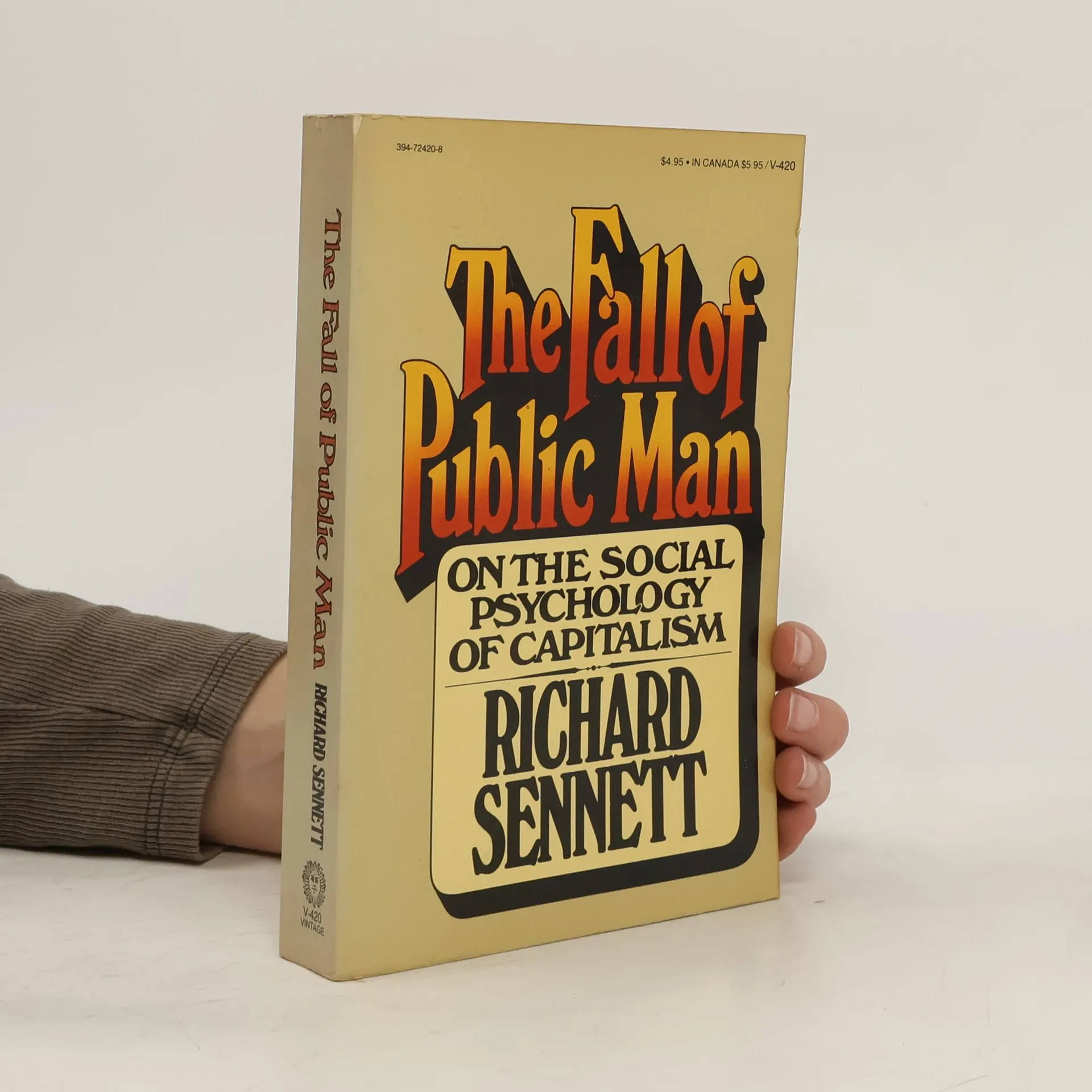
      Richard Sennett's The Fall of Public Man examines the growing imbalance between private and public experience, and asks what can bring us to reconnect with our communities. Are we now so self-absorbed that we take little interest in the world beyond our own lives? Or has public life left no place for individuals to participate? Tracing the changing nature of urban society from the eighteenth century to the world we now live in, and the decline of involvement in political life in recent decades, Richard Sennett discusses the causes of our social withdrawal. His landmark study of the imbalance of modern civilization provides a fascinating perspective on the relationship between public life and the cult of the individual.

      The Fall of Public Man
      4,1
    • Building and dwelling: Ethics for the city

      • 368 stránek
      • 13 hodin čtení

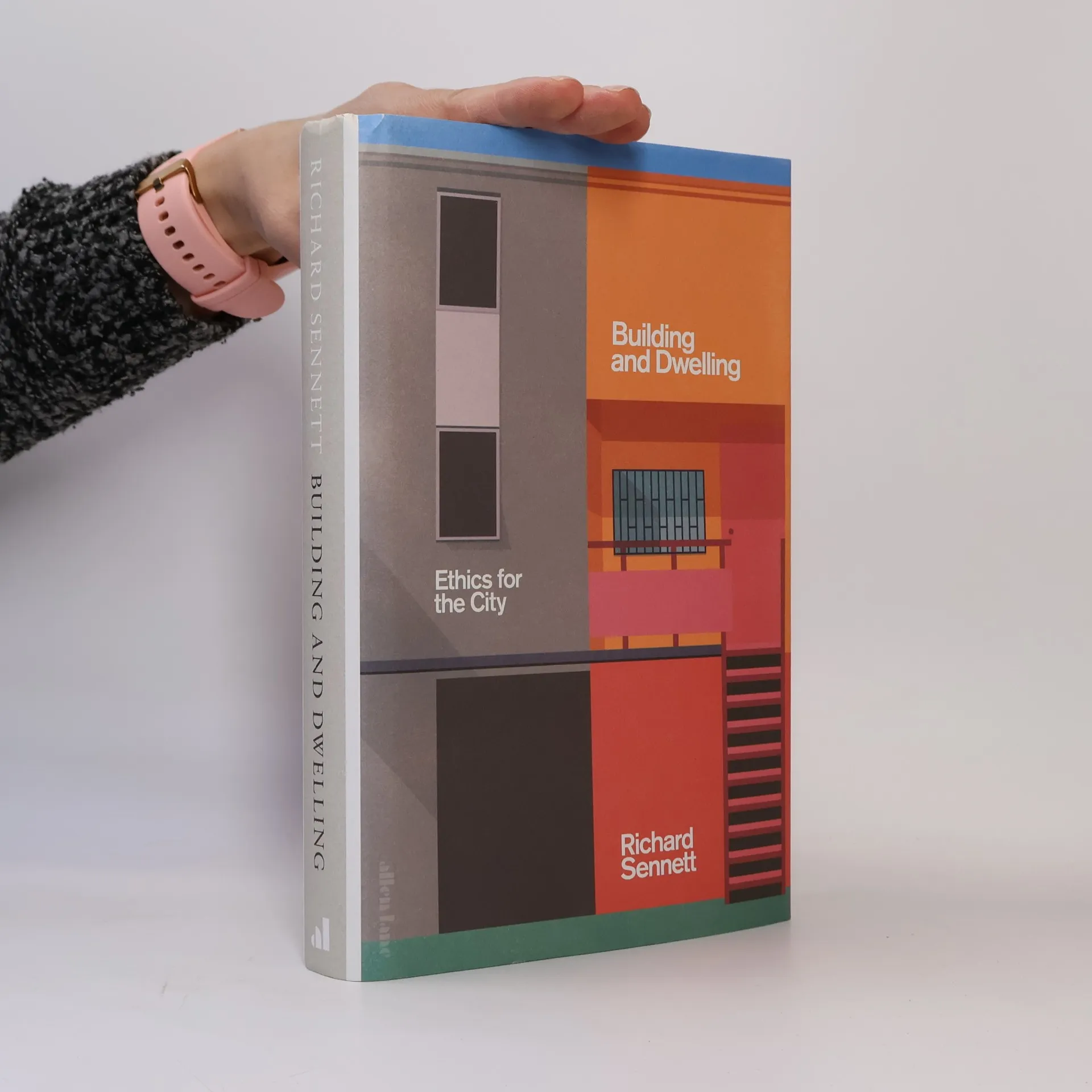
      In this sweeping study, one of the world's leading thinkers about the urban environment traces the often anguished relation between how cities are built and how people live in them, from ancient Athens to twenty-first-century Shanghai. Richard Sennett shows how Paris, Barcelona and New York City assumed their modern forms; rethinks the reputations of Jane Jacobs, Lewis Mumford and others; and takes us on a tour of emblematic contemporary locations, from the backstreets of Medellin, Colombia, to the Google headquarters in Manhattan. Through it all, he shows how the 'closed city' - segregated, regimented, and controlled - has spread from the global North to the exploding urban agglomerations of the global South. As an alternative, he argues for the 'open city, ' where citizens actively hash out their differences and planners experiment with urban forms that make it easier for residents to cope. Rich with arguments that speak directly to our moment - a time when more humans live in urban spaces than ever before - Building and Dwelling draws on Sennett's deep learning and intimate engagement with city life to form a bold and original vision for the future of cities

      Building and dwelling: Ethics for the city
      4,1
    • The Performer explores the relations between performing in art (particularly music), politics and everyday experience. It focuses on the bodily and physical dimensions of performing, rather than on words. Richard Sennett is particularly attuned to the ways in which the rituals of ordinary life are performances. The book draws on history and sociology, and more personally on the author's early career as a professional cellist, as well as on his later work as a city planner and social thinker. It traces the evolution of performing spaces in the city; the emergence of actors, musicians, and dancers as independent artists; the inequality between performer and spectator; the uneasy relations between artistic creation and social and religious ritual; the uses and abuses of acting by politicians. The Janus-faced art of performing is both destructive and civilizing. This is the first in a trilogy of books on the fundamental DNA of human expression- performing, narrating, and imaging.

      The Performer
      3,4
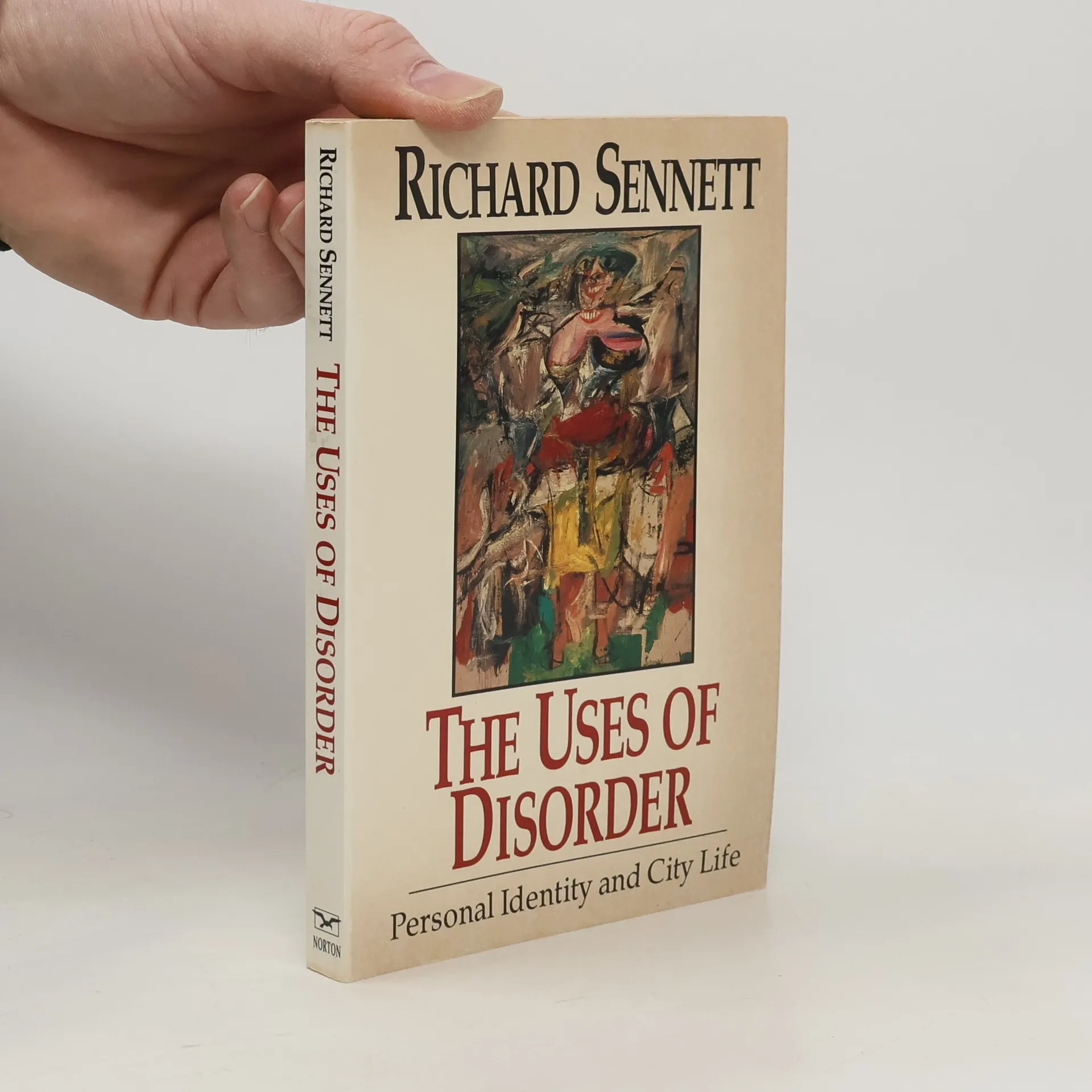
    • “[Sennett] has ended up writing the best available contemporary defense of anarchism. . . . The issues [he] raises are fundamental and profound. His book is utopian in the best sense―it tries to define a radically different future and to show that it could be constructed from the materials at hand.” –Kenneth Keniston, New York Times Book Review The distinguished social critic Richard Sennett here shows how the excessively ordered community freezes adults―both the young idealists and their security-oriented parents―into rigid attitudes that stifle personal growth. He argues that the accepted ideal of order generates patterns of behavior among the urban middle classes that are stultifying, narrow, and violence-prone. And he proposes a functioning city that can incorporate anarchy, diversity, and creative disorder to bring into being adults who can openly respond to and deal with the challenges of life.

      The Uses of Disorder. Personal Identity and City Life
      3,9
    • Reissue of the classic text on how cities should be planned

      The Uses of Disorder
      3,7
    • Together

      • 323 stránek
      • 12 hodin čtení

      Living with people who differ -- racially, ethnically, religiously, or economically -- is one of the most difficult challenges facing us today. Though our society is becoming ever more complicated materially, we tend to avoid engaging with people unlike ourselves. Modern politics emphasizes unity and similarity, encouraging the politics of the tribe rather than of complexity. Together: the rituals, pleasures and politics of Co-operation explores why this has happened and what might be done about it. Sennett argues that living with people unlike ourselves requires more than goodwill: it requires skill. The foundations for skillful co-operation lie in learning to listen well and to discuss rather than debate. People who develop these capacities earn a reward: they can take pleasure in the company of others. Together traces the evolution of cooperative rituals in medieval churches and guilds, Renaissance workshops and courts, early modern laboratories and diplomatic embassies. In our lives today, it explains the trials and prospects of cooperation online, face-to-face in ethnic conflicts, among financial workers and community organizers. Exploring the nature of cooperation, why it has become weak, and how it could be strengthened, this visionary book offers a new way of seeing how humans can live together.

      Together
      3,9
    • The Craftsman

      • 336 stránek
      • 12 hodin čtení

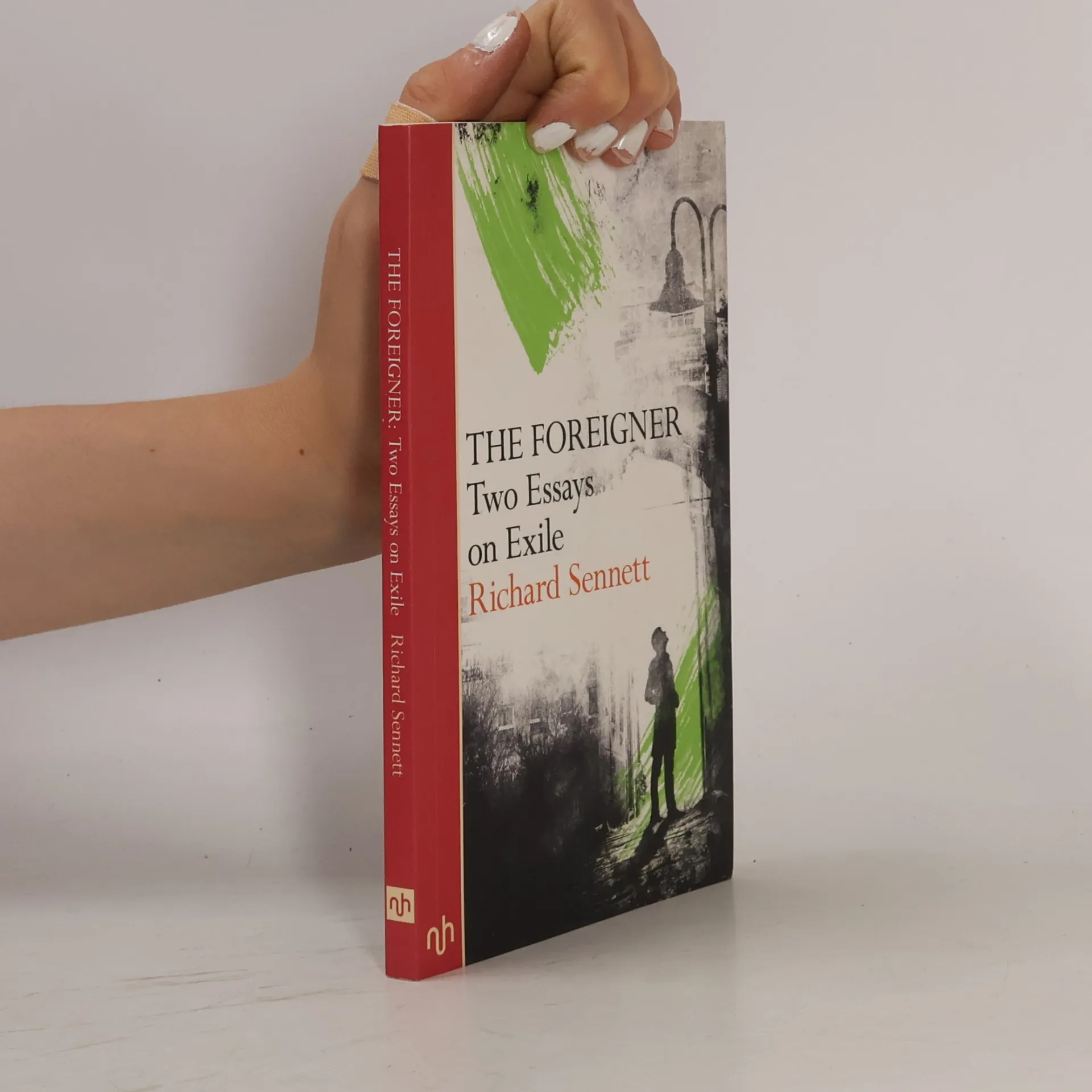
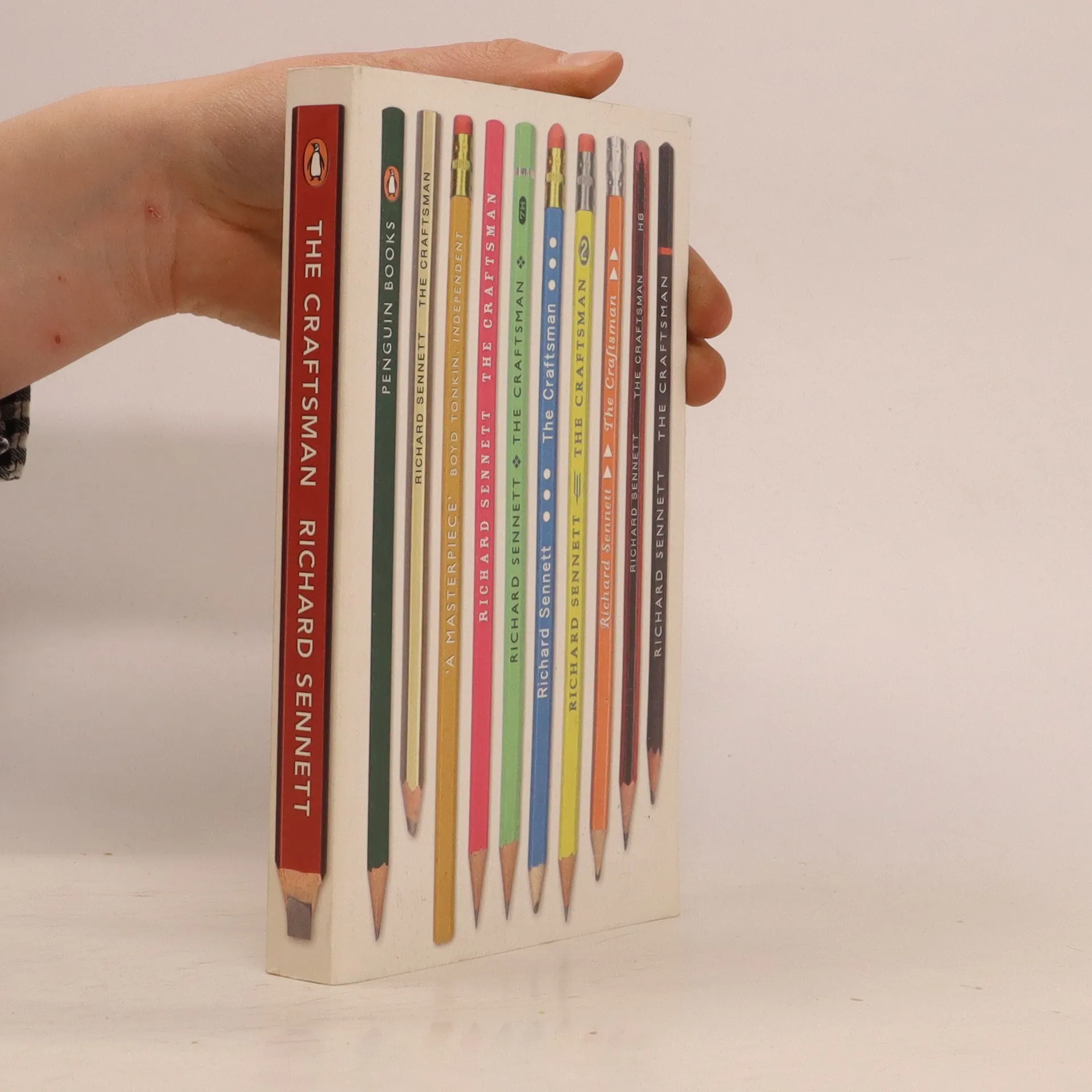
      Why do people work hard, and take pride in what they do? This book, a philosophically-minded enquiry into practical activity of many different kinds past and present, is about what happens when people try to do a good job. It asks us to think about the true meaning of skill in the 'skills society' and argues that pure competition is a poor way to achieve quality work. Sennett suggests, instead, that there is a craftsman in every human being, which can sometimes be enormously motivating and inspiring - and can also in other circumstances make individuals obsessive and frustrated. The Craftsman shows how history has drawn fault-lines between craftsman and artist, maker and user, technique and expression, practice and theory, and that individuals' pride in their work, as well as modern society in general, suffers from these historical divisions. But the past lives of crafts and craftsmen show us ways of working (using tools, acquiring skills, thinking about materials) which provide rewarding alternative ways for people to utilise their talents. We need to recognise this if motivations are to be understood and lives made as fulfilling as possible.

      The Craftsman
      3,8
    • The Culture of the New Capitalism

      • 214 stránek
      • 8 hodin čtení

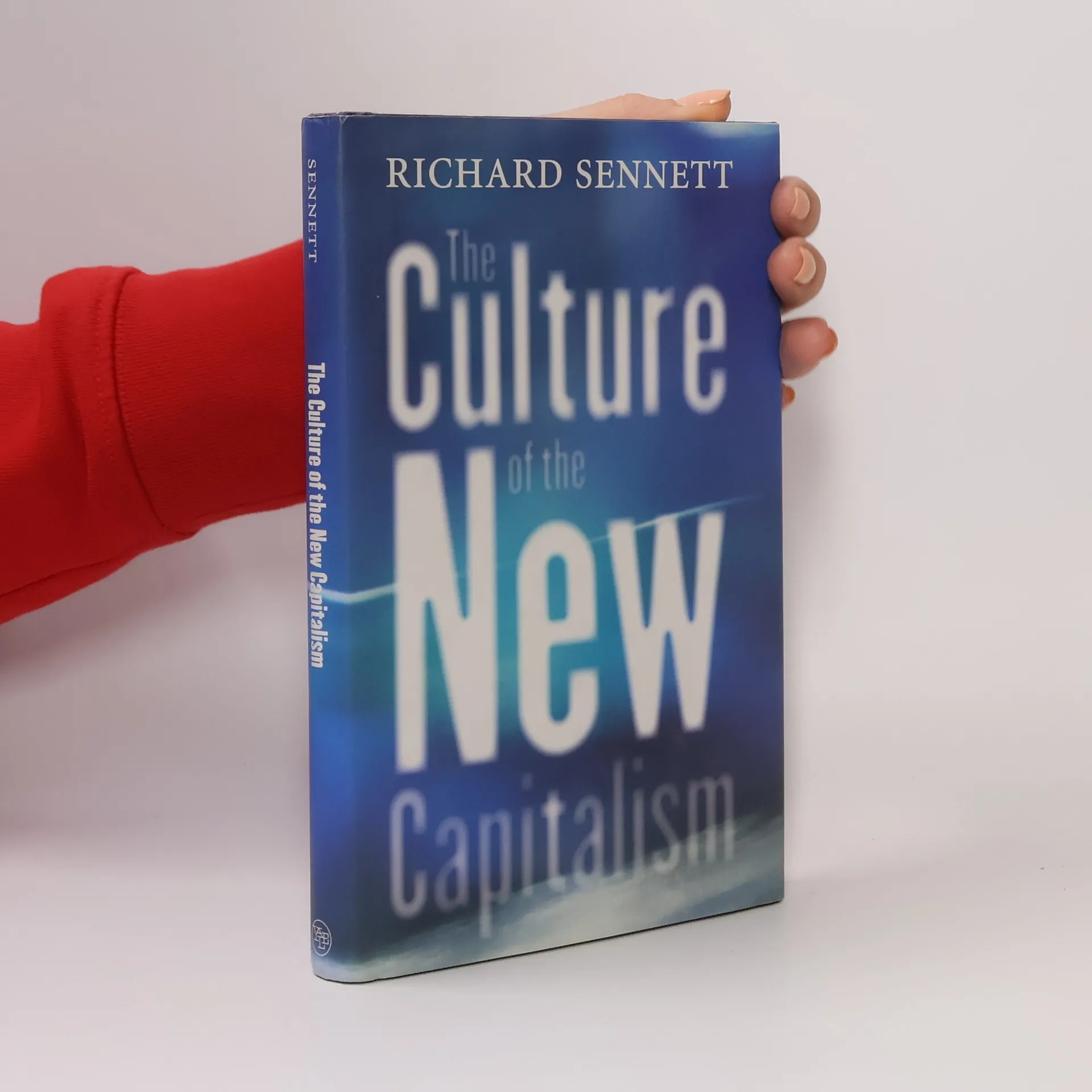
      A distinguished MIT sociologist surveys major differences between earlier forms of industrial capitalism and the more global version that is evident today to illustrate how the work ethic is changing, new beliefs about merit and talent are displacing old values of craftsmanship and achievement, and how the boundary between consumption and politics is dissolving.

      The Culture of the New Capitalism
      3,5
    • Respect

      The Formation of Character in an Age of Inequality

      • 288 stránek
      • 11 hodin čtení

      Respect can be attained by gaining success, by developing talents, through financial independence and by helping others. In this title, the author argues that many who are not able to achieve the demands of today's meritocracy lose the esteem that should be given to them.

      Respect
      3,3
    • Designing Disorder

      • 160 stránek
      • 6 hodin čtení

      Rethinking the open city Planners, privatisation, and police surveillance are laying siege to urban public spaces. The streets are becoming ever more regimented as life and character are sapped from our cities. What is to be done? Is it possible to maintain the public realm as a flexible space that adapts over time? Can disorder be designed? Fifty years ago, Richard Sennett wrote his groundbreaking work The Uses of Disorder, arguing that the ideal of a planned and ordered city was flawed, likely to produce a fragile, restrictive urban environment. The need for the Open City, the alternative, is now more urgent that ever. In this provocative essay, Pablo Sendra and Richard Sennett propose a reorganisation of how we think and plan the life of our cities. What the authors call 'infrastructures for disorder' combine architecture, politics, urban planning and activism in order to develop places that nurture rather than stifle, bring together rather than divide, remain open to change rather than rapidly stagnate. Designing Disorder is a radical and transformative manifesto for the future of twenty-first-century cities.

      Designing Disorder
      3,2
    • The Performer

      Art, Life, Politics

      • 304 stránek
      • 11 hodin čtení

      Focusing on the bodily and physical aspects of performance, this book delves into the connections between art, particularly music, and everyday life. Richard Sennett examines how the rituals of daily living can be seen as performances, highlighting the interplay between politics and artistic expression. Through this lens, the work invites readers to reconsider the significance of performance in various contexts beyond mere words.

      The Performer
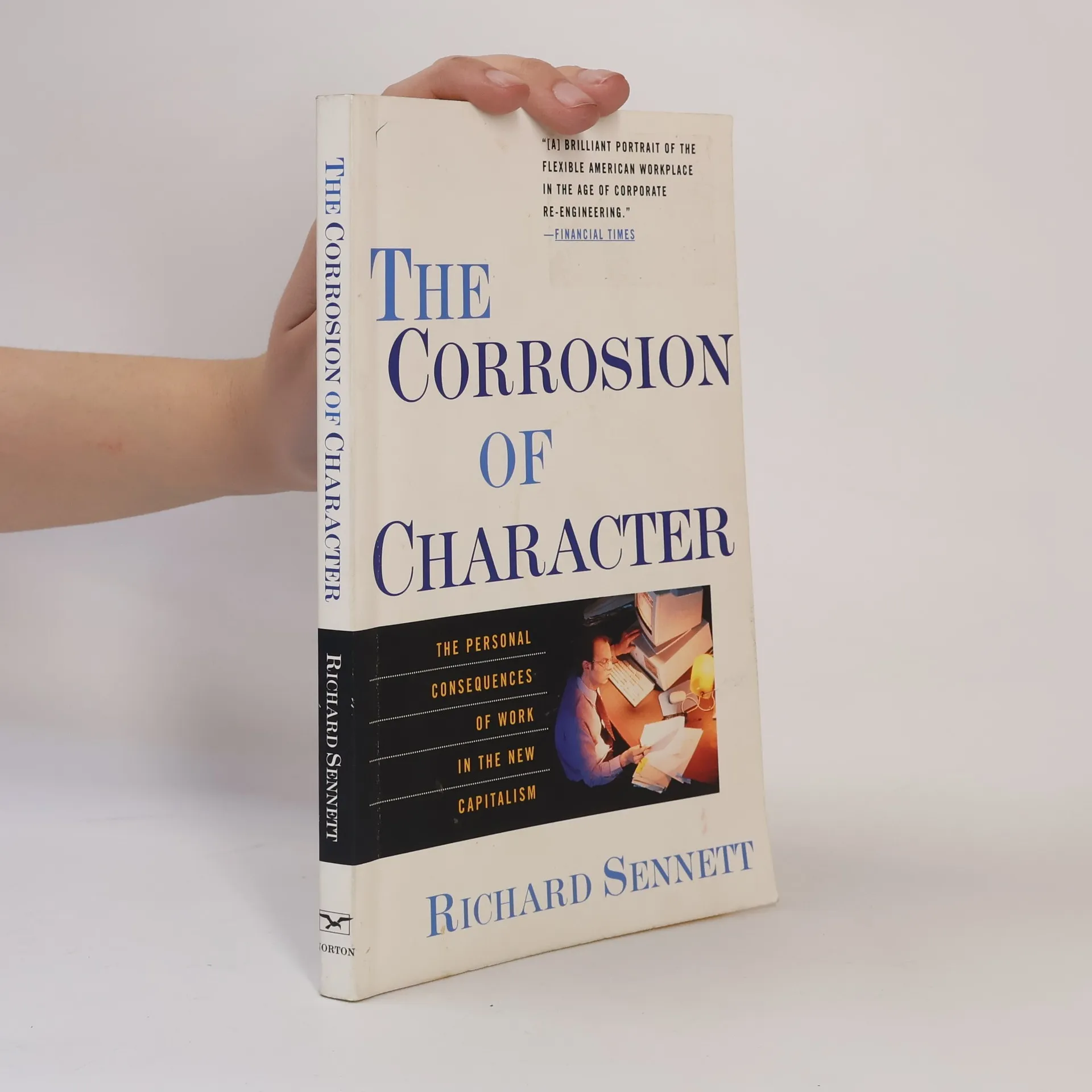
    • Korózia charakteru

      • 216 stránek
      • 8 hodin čtení

      Práca Korózia charakteru amerického sociológa Richarda Sennetta predstavuje jednu zo zásadných sociologických diagnóz konca 20. storočia. Autor v knihe skúma zmenu paradigmy postojov k práci počas posledných dvoch generácií. Hoci bola napísaná pred vyše dvadsiatimi rokmi, zmeny, ku ktorým svojho času došlo v americkom prostredí, sa postupom času stali globálnymi. Na knihe je zaujímavé, že spája originálne vedecké rozbory s pútavými reportážnymi a esejistickými pasážami. Autor konštatuje, že prechodom od chápania práce ako celoživotného projektu k práci ako epizodickému dobrodružstvu neustále spojenému s rizikom sa v spoločnosti stráca pevný referenčný rámec, vďaka ktorému bol človek schopný vytvoriť si zmysluplný motív svojho života. Tak sa formuje mentalita ustavičného provizória, znemožňujúca vytvorenie pevného charakteru a identity, na ktorých by bolo možné skonštruovať osobnú biografiu. Dôsledkom je podľa Sennetta odmietanie všetkého stáleho, odmietanie autority a zodpovednosti a vytvorenie nového charakterového typu človeka ironického.

      Korózia charakteru
      5,0
    • Razem. Współpraca, jej polityka, przyjemności i rytuały to kontynuacja Etyki dobrej roboty Sennetta, który zastanawia się, jak możemy nauczyć się współpracy we współczesnej kulturze coraz bardziej zmuszającej nas do konkurowania i dbania wyłącznie o własne interesy. Współżycie z ludźmi, którzy różnią się od nas rasą, przynależnością etniczną, wyznaniem lub statusem majątkowym, to wyzwanie stojące dziś przed społeczeństwem obywatelskim. Zdaniem Sennetta współpraca jest fachem, a podstawą dla udanego współdziałania jest nauczenie się słuchania i dyskutowania z innymi, nie zaś prowadzenia debat. Autor pisze o naturze współpracy, o tym, dlaczego została zachwiana i w jaki sposób można ją ponownie wzmocnić. Bada i opisuje współpracę w Internecie i na ulicy, w szkołach i w pracy. Śledzi ewolucję rytuałów wspólnego działania od średniowiecza po dziś, by przekonać nas, że musimy nauczyć się fachu współpracy, jeśli chcemy, by nasze złożone społeczeństwa rozkwitały. Cel ten możemy osiągnąć, zdolność do współpracy jest bowiem zakorzeniona w ludzkiej naturze. Richard Sennett jest autorem m.in. Etyki dobrej roboty, Szacunku w świecie nierówności, Upadku człowieka publicznego i Korozji charakteru. Przez wiele lat wykładał w New York Institute of the Humanities oraz w London School of Economics, gdzie pracuje jako emerytowany profesor socjologii. Obecnie jest Wybitnym Profesorem Wizytującym Uniwersytetu w Cambridge. ?

      Razem Rytuały, zalety i zasady współpracy
      4,0
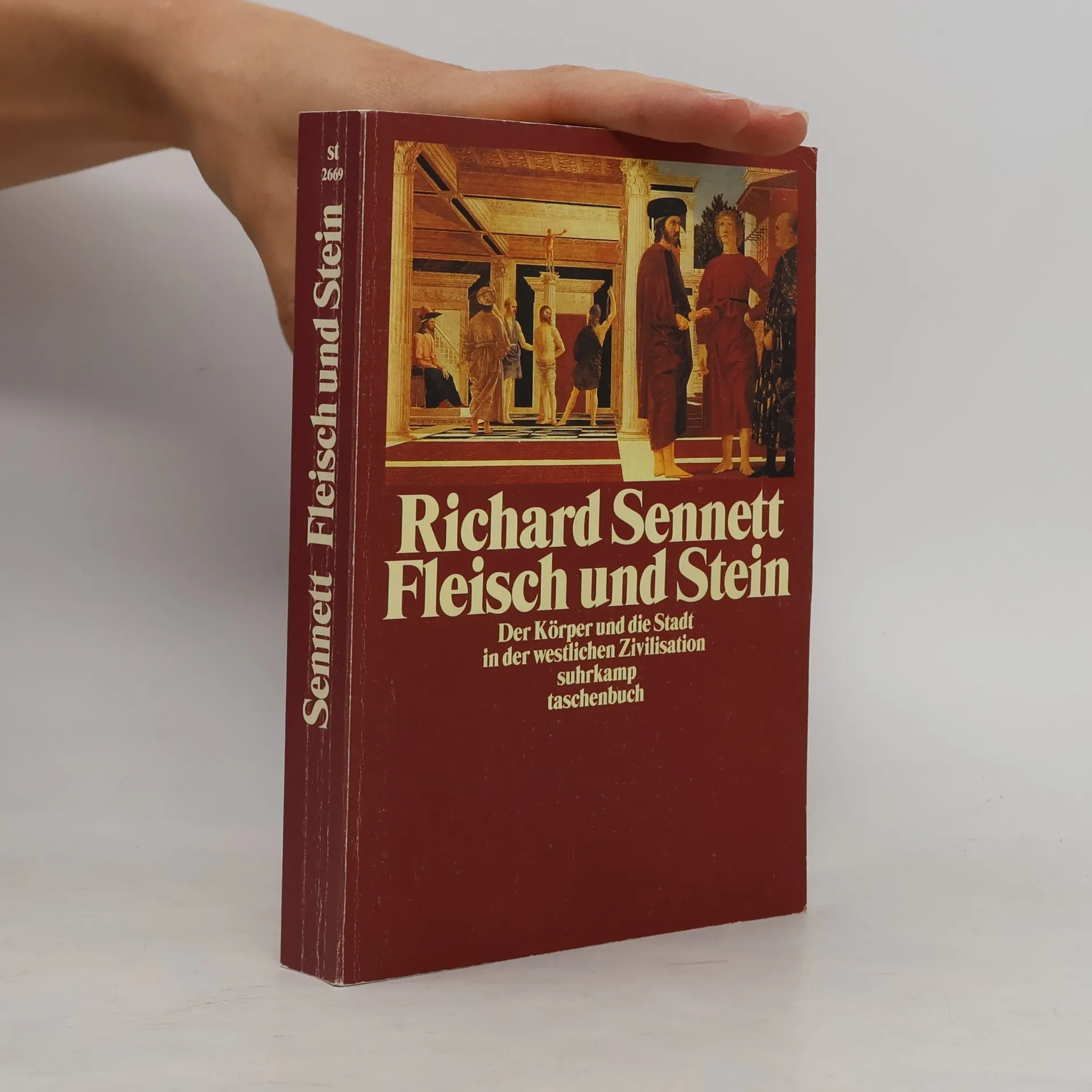
    • "Fleisch und Stein" ist eine neue Geschichte der Stadt in der westlichen Kultur. Ihr Thema ist das Verhältnis des Steins, der Gebäude und Strassen, zum Fleisch, zu den Menschen und ihren Bedürfnissen. Der Autor geht dabei von sehr einfachen Fragen aus: Was bedeutet der Schutz der Mauern für die Einwohner der Stadt? Wie bilden sich Sehnsüchte und Bedürfnisse der Menschen in ihren Bauten ab? Die körperliche Erfahrung der Menschen hat die Geschichte der Stadt bestimmt: wie Frauen und Männer sich in den Strassen bewegten, was sie gesehen und gehört haben, wo sie assen, wie sie sich kleideten, wann sie sich wuschen und wo sie sich liebten. Im ersten Teil gibt der Autor unter anderem einen Einblick in die Stadt und das Leben der Griechen (ab dem Jahre 431 vor Chr.) und der Römer. Er schreibt seine Texte so, dass die Leser das Gefühl haben, mit ihm selbst durch die alten Strassen zu wandeln, das griechische "Gymnasium " zu besuchen und am Leben der Stadt teilzuhaben. Er erklärt mit Hilfe verschiedenster Theorien, wie zum Beispiel die unterschiedlichen Stellungen in der Gesellschaft von Männern, Frauen und Sklaven begründet wurde und wie sich die Stadt mit ihrem gesamten Leben mit der Zeit veränderte. In seinem zweiten Teil schreibt er über Paris und über das jüdische Ghetto im Venedig der Renaissance. In seinem dritten und letzten Teil nimmt er die Stadt London noch hinzu.

      Fleisch und Stein: der Körper und die Stadt in der westlichen Zivilisation
      4,3
    • Civitas

      • 379 stránek
      • 14 hodin čtení

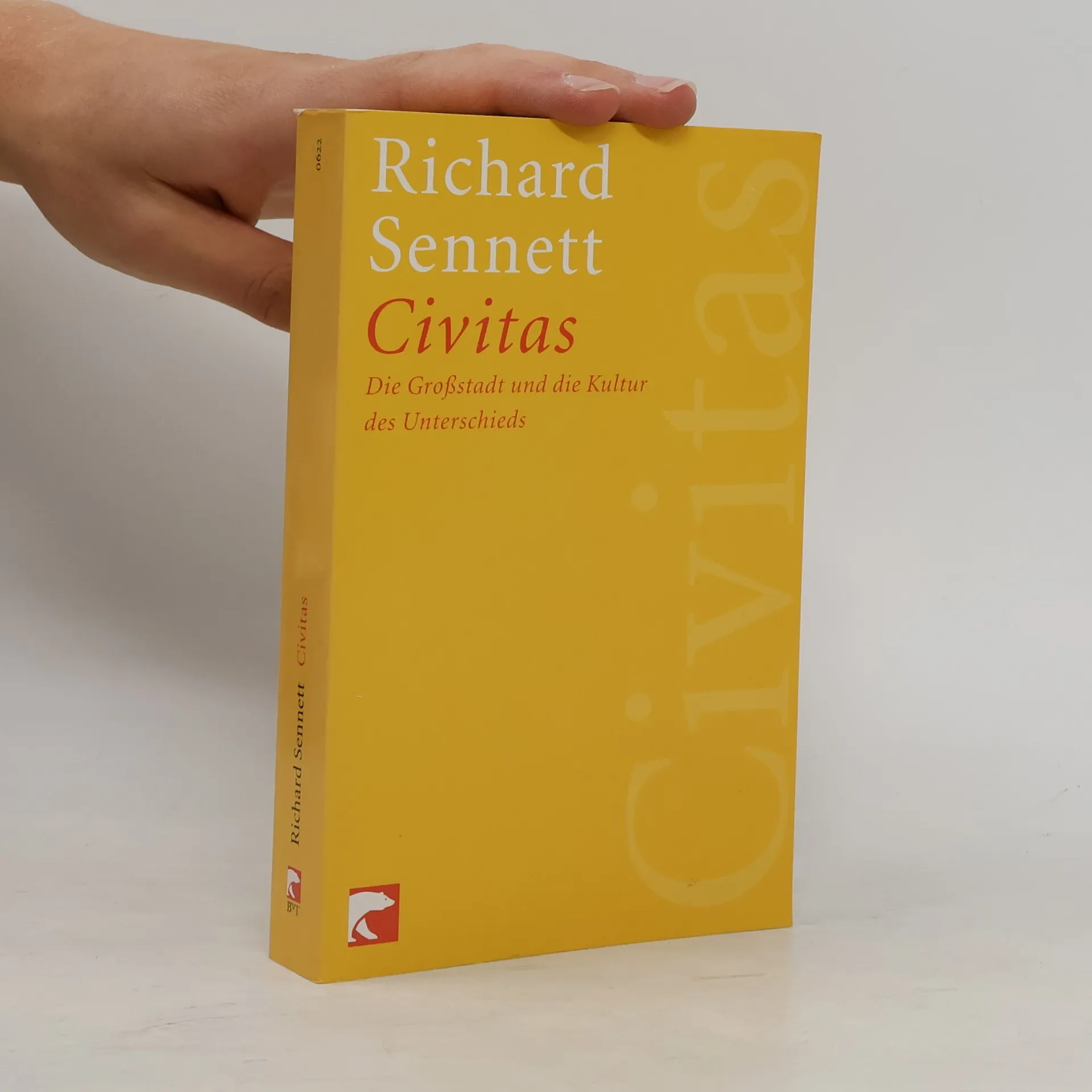
      Mit Civitas schreibt Richard Sennett Stadtgeschichte als Kulturgeschichte: Sein Buch ist eine brillante Studie über die urbane Lebenswelt und ihre sozialen, architektonischen und existenziellen Formensprachen. Es handelt von der Funktion der Straßen und Plätze, von der Raum- und Zeiterfahrung, von Verhaltensstilen und Verständigungsmustern, von Innerlichkeit und Außenwahrnehmung in der Menge, unter Fremden. Zugleich ist es ein leidenschaftliches Plädoyer für die Vielfalt großstädtischer Kultur, die Unvertrautes erfahrbar macht.

      Civitas
      4,4
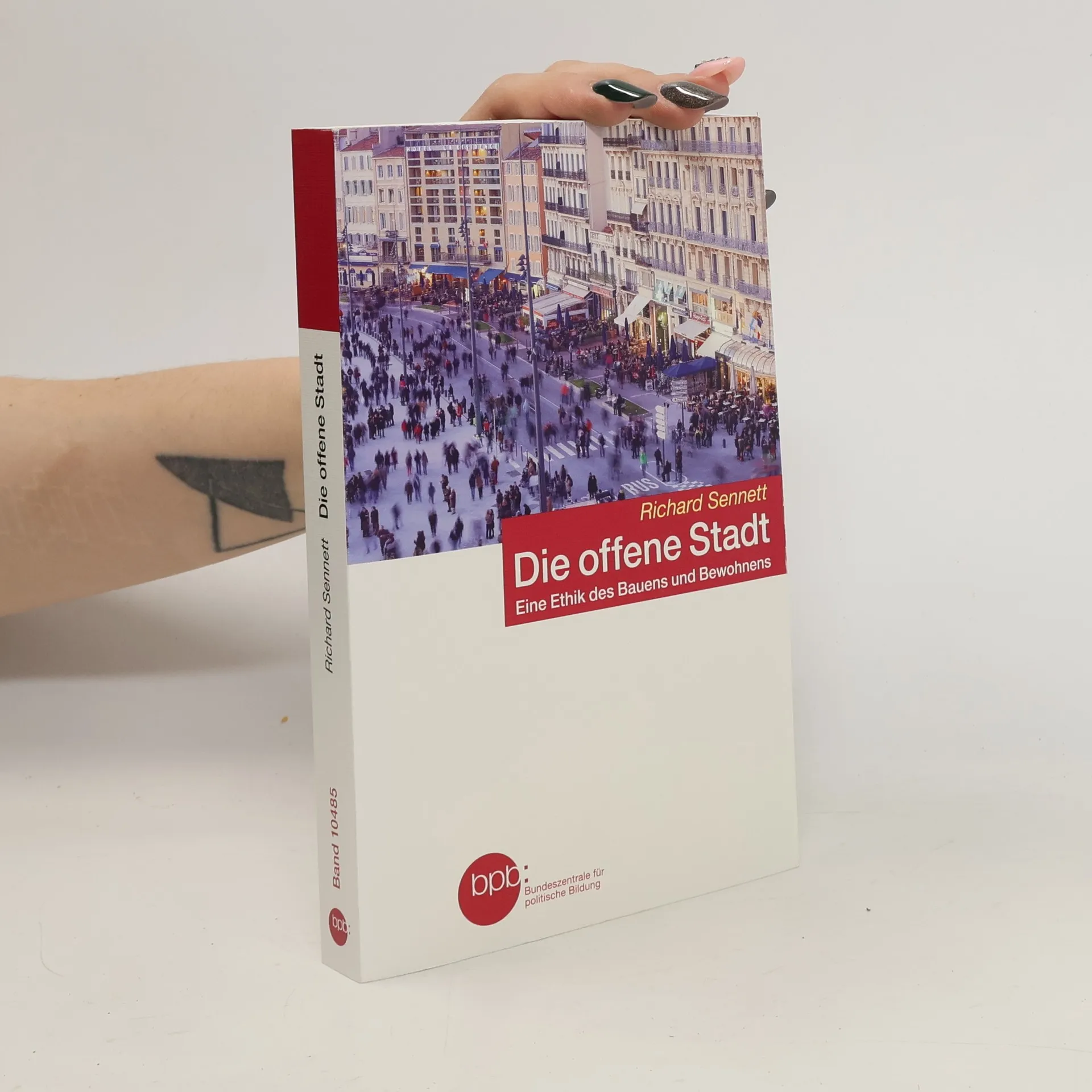
    • In der baulichen Substanz der Städte spiegeln sich, so der Soziologe und Historiker Richard Sennett, die Brüche zwischen sich wandelnden ideellen Ansprüchen und der Realität sozialer oder ökonomischer Interessengegensätze, auch und zumal in den Städten des globalen Südens. Sennett lotet angesichts der rapide zunehmenden globalen Verstädterung die sich überlagernden kulturell oder sozial, ökonomisch, religiös oder ethnisch bedingten Erwartungen an die Stadt der Gegenwart und der Zukunft aus. Städte müssen, so sein Plädoyer, offen werden oder bleiben, um eine Grundkonstante des Urbanen zu wahren: Begegnungen zu ermöglichen und so im Großen wie im Lokalen Ausgleich und Mittler zu sein zwischen scheinbar nicht zu Vereinbarendem. (Rückseite Buchumschlag)

      Die offene Stadt
      4,0
    • Rispetto

      La dignità umana in un mondo di diseguali

      • 264 stránek
      • 10 hodin čtení

      La società attuale manca spesso di espressioni efficaci di riconoscimento e valorizzazione delle persone. Nonostante le leggi e le regole, siamo esseri spersonalizzati, schegge di un mondo frammentato che isola, suscita sentimenti di impotenza, ci fa sentire tutti egualmente inadeguati. Lasciando le vie classiche della sociologia e attingendo alla propria esperienza di ragazzo cresciuto in una casa di accoglienza, Sennett enfatizza il valore del rispetto il solo in grado di restituire un'identità accettabile. Un rispetto diverso dalla politica compassionevole di fatto praticata dalle agenzie di welfare, che sospinge le persone in posizioni di subalternità, ma il rispetto che rende possibile a ciascuno dare il meglio di sé, secondo le proprie capacità.

      Rispetto
      3,7
    • L'uomo flessibile

      Le conseguenze del nuovo capitalismo sulla vita personale

      • 160 stránek
      • 6 hodin čtení

      Quanto influisce il "capitalismo flessibile" sulle concrete esperienze di vita delle persone? Flessibilità, mobilità, rischio sono le nuove categorie di vita contemporanee. Finisce l'assistenzialismo, la burocrazia si riduce, l'economia si fa più dinamica e spregiudicata, e la vita personale ne risente. Non esistono più stabilità e fedeltà all'azienda, forza del vecchio capitalismo; ora valgono incertezza, perenne innovazione e maggiori, seppur diverse, forme di potere e controllo e diseguaglianze. Tutto questo ha conseguenze importanti nell'autostima dei lavoratori: il senso di fallimento per l'incapacità di rispondere adeguatamente alle nuove sfide erode progressivamente l'integrità dell'io. Si manifesta una sempre crescente distorsione del carattere, i cui requisiti di stabilità, durata e permanenza sono in contrasto con la dinamicità, frammentarietà e mutevolezza del capitalismo flessibile. Lo si vede nei casi, narrati da Sennett, di Rico, figlio "arrivato" di immigrati italiani negli Stati Uniti, o di Rose, un'intelligente e insoddisfatta imprenditrice di mezza età... O dei fornai di un'ipertecnologica panetteria di Boston. E di molti altri come loro, protagonisti di questo drammatico affresco delle micro-realtà quotidiane che sono il prodotto del nuovo capitalismo.

      L'uomo flessibile
      3,8
    • Der flexible Mensch

      • 223 stránek
      • 8 hodin čtení

      Flexibilität ist das Zauberwort des globalen Kapitalismus. Auch der ganz normale Arbeitnehmer muß ständig bereit sein für Veränderungen, muß immer aufs neue wagen und gewinnen. Richard Sennett, einer der bekanntesten Soziologen der Gegenwart, liefert eine meisterhafte Analyse unserer Lebensbedingungen im Zeichen des neuen Kapitalismus. Sein streitbares Buch zeigt, wie der ständige Zwang zum Neuen den Menschen deformiert. Beruf, Wohnort, soziale Stellung, Familie, alles ist den zufälligen Anforderungen der Ökonomie unterworfen, das eigene Leben wird zum ziellosen und undurchschaubaren Stückwerk. Sennets Fazit ist eindeutig: Eine Gesellschaftsordnung, die das Bedürfnis des Menschen nach Stabilität so sehr vernachlässigt, kann nicht von Bestand sein.

      Der flexible Mensch
      3,7
    • Die Kultur des neuen Kapitalismus

      • 159 stránek
      • 6 hodin čtení

      "Welche menschlichen Folgen hat die politische Ökonomie, in der wir leben? Manche nennen das System "neoliberal" und erwecken so den Anschein, als handle es sich dabei um nichts Neues, sondern lediglich um die Ausweitung der Marktwirtschaft auf einen globalen Maßstab. Andere meinen, neue Informations-, Transport- und Produktionstechnologien hätten die Welt in einem Ausmaß umgestaltet, das für unsere Großeltern unvorstellbar gewesen wäre. Für Richard Sennett geht die ganze Diskussion jedoch am eigentlichen Kern der Sache vorbei. Die tatsächlichen psychologischen und gesellschaftlichen Auswirkungen des Kapitalismus zeigen sich laut Sennett vielmehr daran, wie Institutionen organisiert sind und wie die Menschen in ihnen leben. Der "neue Kapitalismus" betrifft also ein soziologisches Ganzes und nicht bloß Wirtschaft oder Technologie. Die Institutionen, in denen wir uns bewegen, haben nach Sennetts Überzeugung unsere Zeitwahrnehmung verändert: Arbeitsplatz, Sozialstaat und Gemeinschaftsleben sind als Bezugsrahmen einem immer rascheren Wandel unterworfen; Ursachen lassen sich kaum noch Wirkungen zuordnen; Absichten und Vorhaben verlieren sich in einem Netz von Unwägbarkeiten und Zufälligkeiten, über die Einzelne und Gruppen immer weniger Kontrolle haben. Kurzum: Institutionelles Leben vermag nicht mehr als Erzählrahmen zu dienen, als eine Geschichte, in der Menschen eine signifikante - aktive - Rolle spielen."

      Die Kultur des neuen Kapitalismus
      3,8
    • Sennett untersucht die Rolle von Darstellern in Politik, Kunst und Alltag und zeigt, wie nonverbale Kommunikation sowohl befreiend als auch repressiv sein kann. Er zieht Parallelen vom antiken Athen bis zu modernen Straßenmusikern und thematisiert die Bedeutung der Freiheit in der Performance.

      Der darstellende Mensch. Kunst, Leben, Politik
    • Abstrakt

      • 169 stránek
      • 6 hodin čtení

      It takes half a life to recognize that life itself is a Do-It-Yourself-Project." - Napoleon Hill After years of life in techno-scientific society making has become the new ideal. A book on all aspects of the new maker culture. "Es braucht ein halbes Leben, um zu erkennen, dass das Leben ein Do-It-Yourself-Projekt ist" Napoleon Hill. Nach Jahrzehnten des Lebens in der Wissensgesellschaft wird Machen zum neuen Ideal. Konkreter Selbermachen. Hobbymärkte florieren, Stricken, Kuchenbacken und Löten in der Garage sind Teil des modernen Lebensstils geworden. Gleichzeitig wecken die technologischen Fortschritte des 3D-Drucks Hoffnungen auf eine nächste Revolution. Und vielleicht lässt sich mit den neuen Geräten auch bald zu Hause ausdrucken, was wir benötigen - von Spielzeug über Möbel bis hin zu Lebensmitteln. Doch was bedeutet die Wiederentdeckung des Machens tatsächlich für die Gesellschaft, Wirtschaft und für uns alle? Handelt es sich um einen Hype? Oder führt die Do-It-yourself-Kultur zu einem nachhaltigeren Lebensstil, weil wir nur noch das produzieren, was wir brauchen? ABSTRAKT No. 8 macht sich auf die Suche nach Antworten - unter anderem mit dem Soziologen Richard Sennett, den Technologiepionieren von Technology Will Save Us, dem Musiker und Dichter Peter Licht sowie dem Öko-Abenteurer David de Rothschild.

      Abstrakt
    • Neue Rundschau

      Lesarten der Moderne

      • 186 stránek
      • 7 hodin čtení
      Neue Rundschau
    • Objekt Atlas

      Feldforschung im Museum

      • 508 stránek
      • 18 hodin čtení
      Objekt Atlas
    • Architekten der Arbeit

      Positionen, Entwürfe, Kontroversen

      • 312 stránek
      • 11 hodin čtení

      Die Frage, wie wir in Zukunft arbeiten werden, beschäftigt wohl jeden, der Arbeit nicht nur als Broterwerb begreift. Arbeit dient längst nicht mehr nur dem Lebensunterhalt, sie ist auch Teil der eigenen Identität. Arbeit soll sich wieder lohnen, Erfüllung bieten und den eigenen Wohlstand ebenso wie den des Landes mehren – ein hoher Anspruch, allzu selten eingelöst. Prekäre und entwürdigende Arbeitsverhältnisse sind auch in Deutschland keine Seltenheit. Das digitale Zeitalter verändert die Arbeitswelt radikal, schafft neue Freiheiten ebenso wie neue Zwänge: Burnout ist auch die Krankheit einer Gesellschaft, in der immer alles möglich sein muss. Sven Rahner wagt mit 18 Gesprächspartnern einen Blick in die Zukunft der Arbeit. Er hat die Architekten einer neuen Arbeitswelt getroffen, die beobachten, planen und gestalten, wie sich unsere Arbeit verändern wird: Vordenker aus dem In- und Ausland – wie Richard Sennett, Mercedes Bunz und Matthias Horx –, Praktiker – wie Thomas Sattelberger, Henning Kagermann und Detlef Wetzel – sowie Spitzenpolitiker aller Parteien stellen ihre Entwürfe der neuen Arbeitswelt vor. Der Wettbewerb um die besten Ideen ist eröffnet!

      Architekten der Arbeit