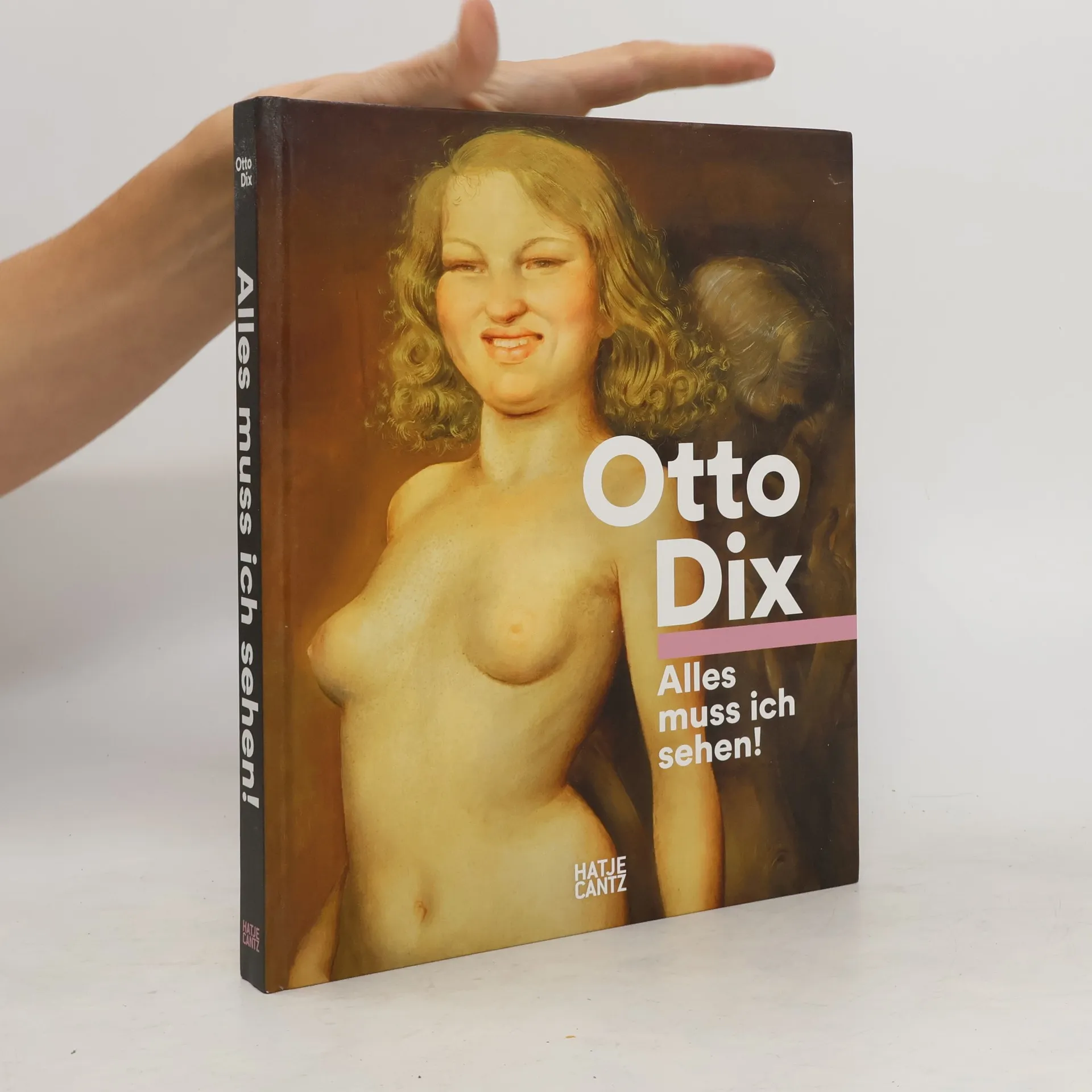
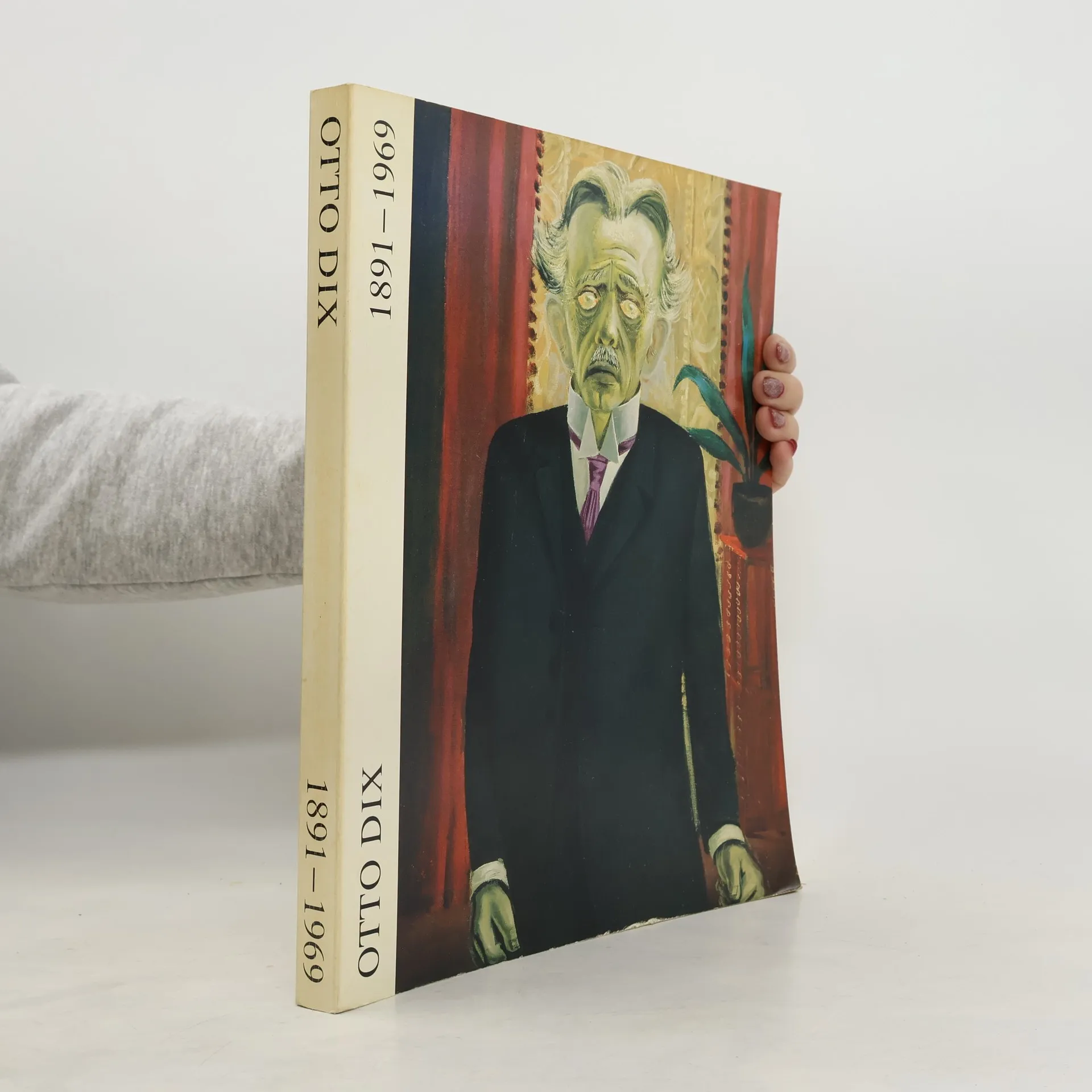
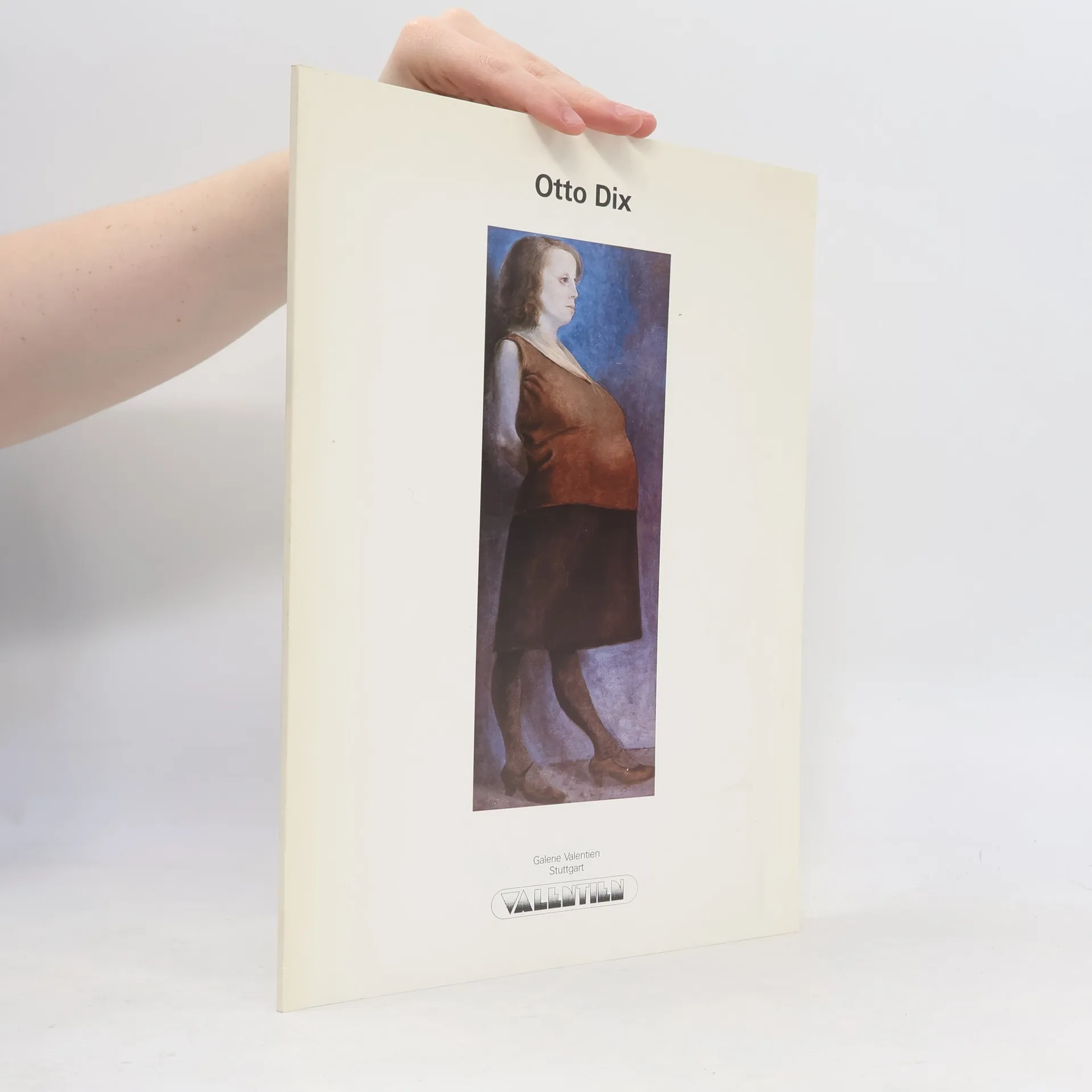
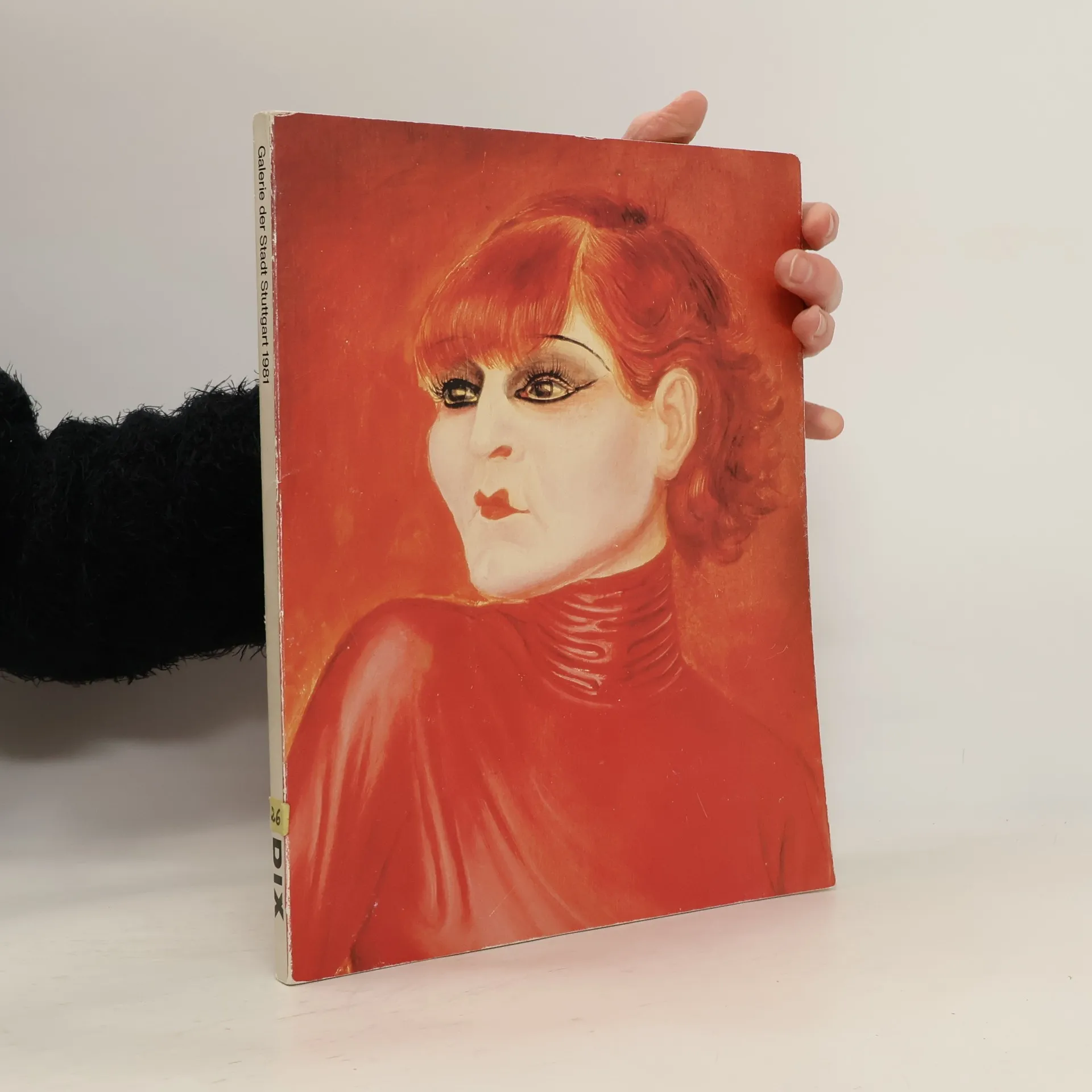
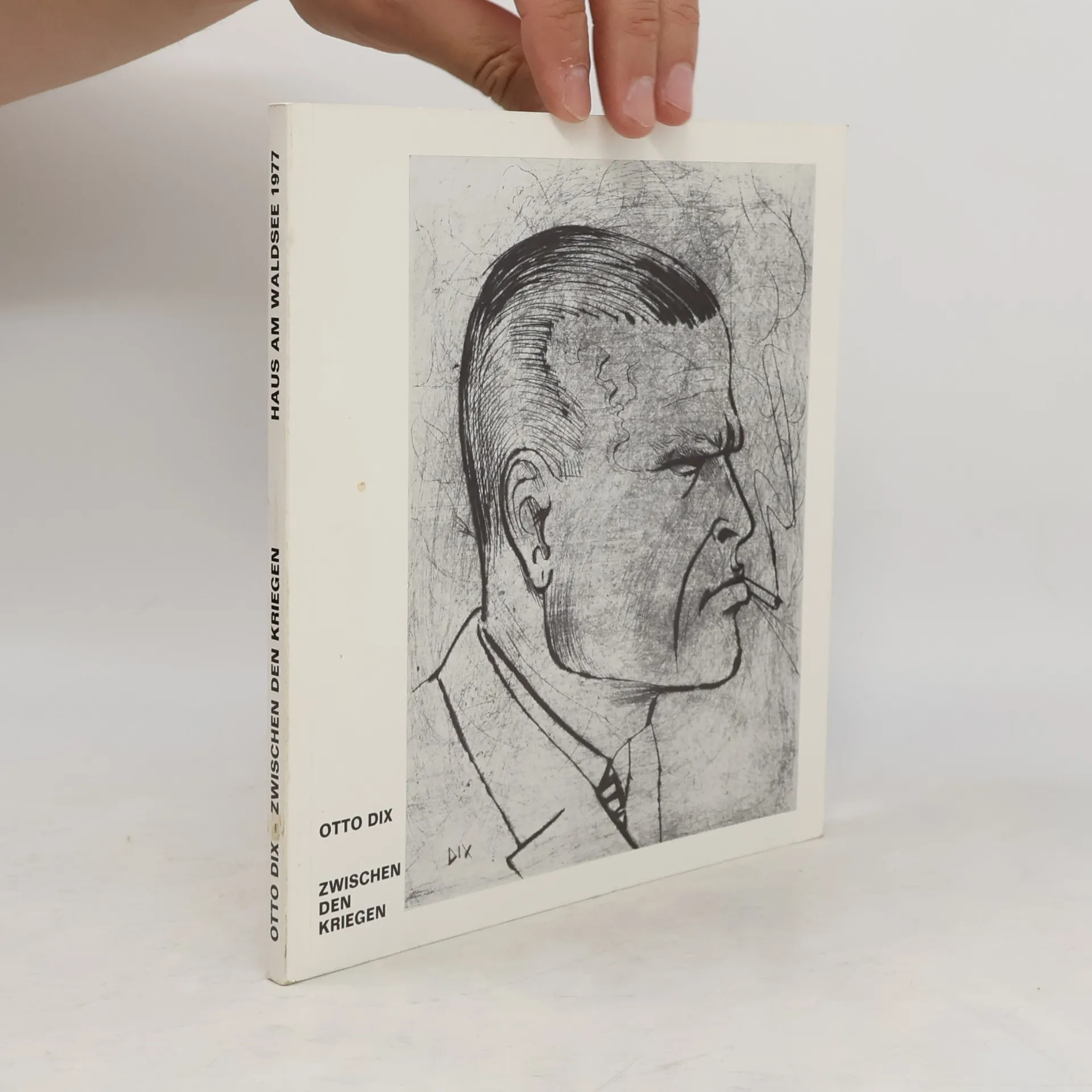
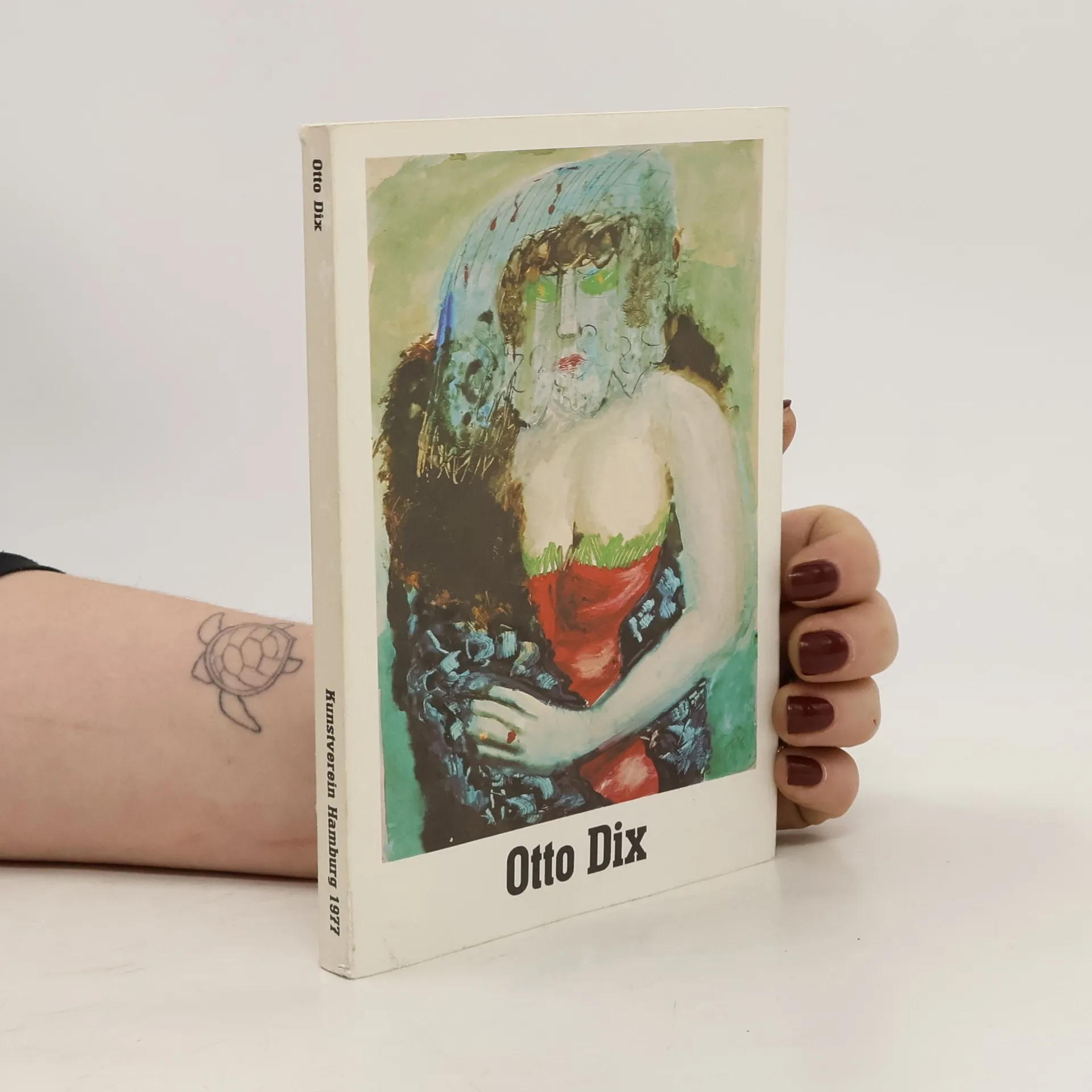
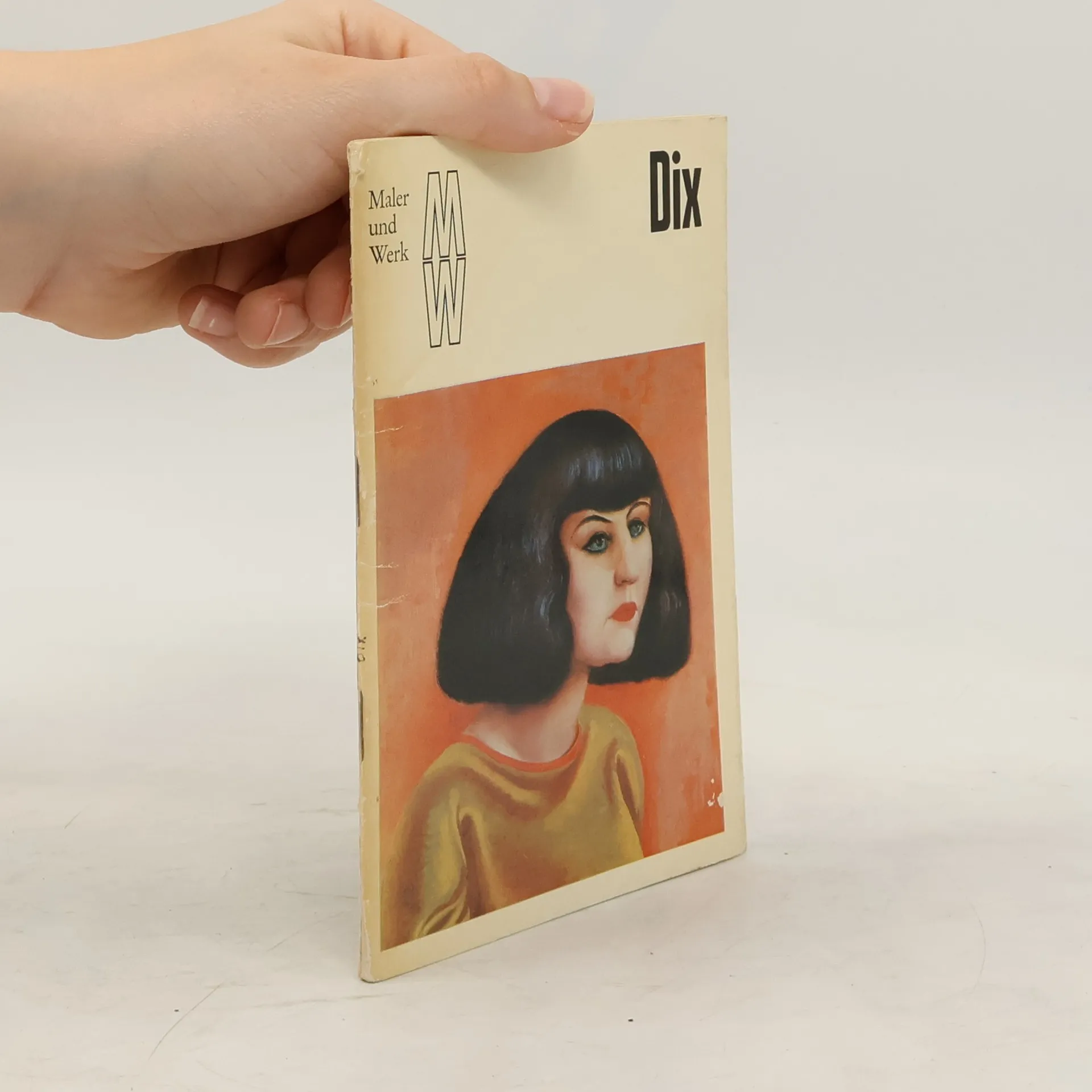
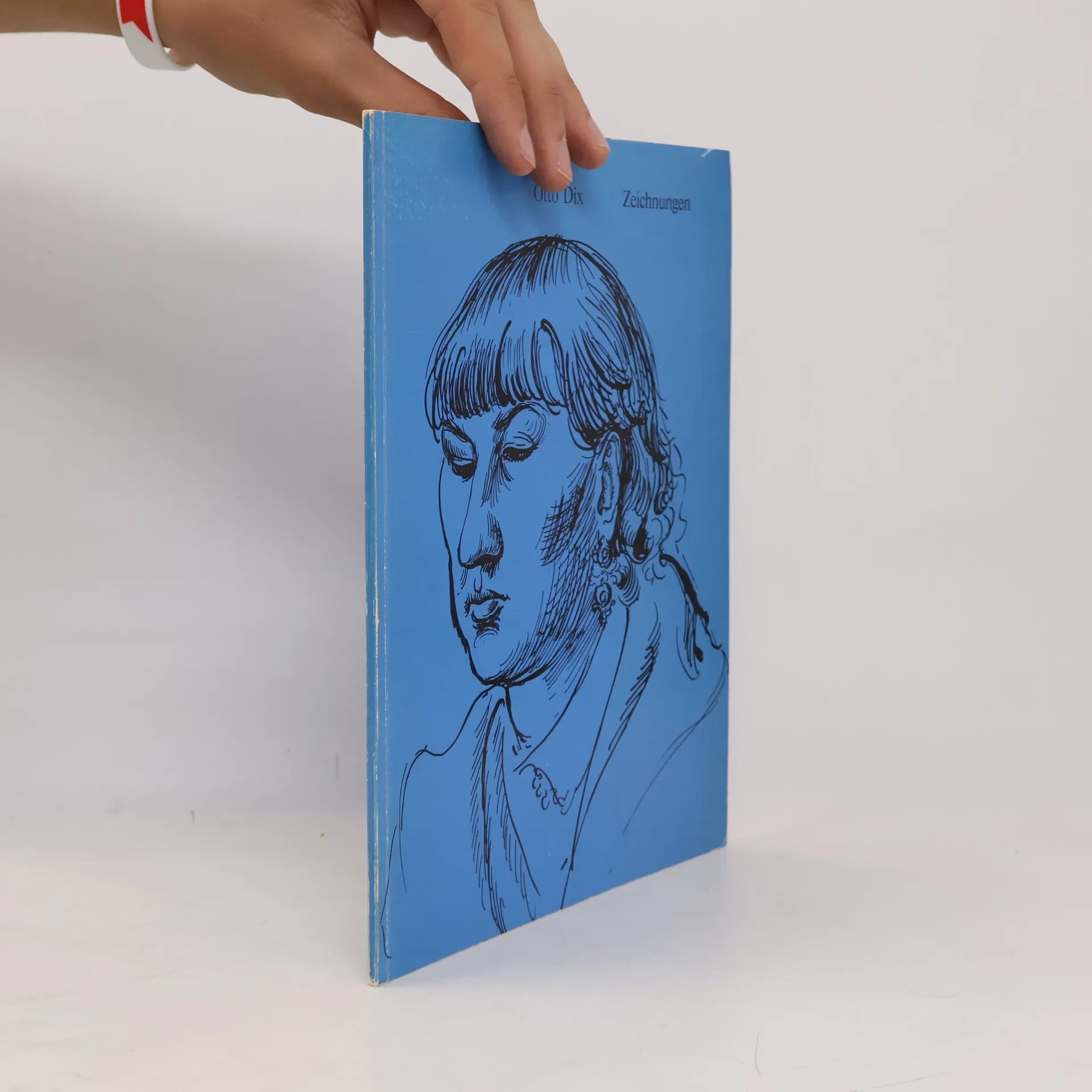
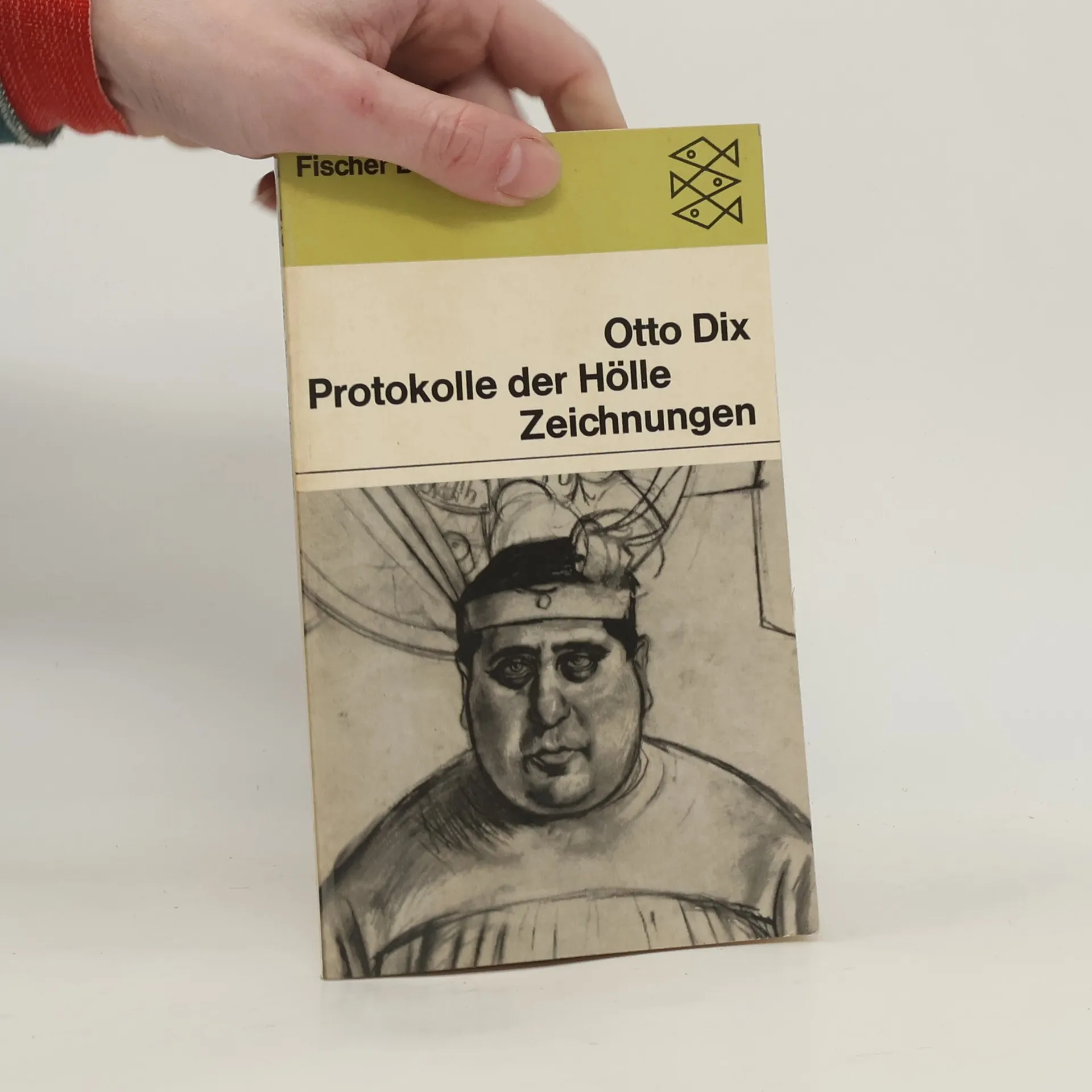
Der Ausstellungskatalog Otto Dix. Alles muss ich sehen! zum 125. Geburtstag des Künstlers stellt die thematische Kontinuität seines Œuvres in den Mittelpunkt und veranschaulicht, wie sich seine Sujets durch alle Schaffensperioden ziehen: Akte, Porträts, religiöse Themen, Kriegsdarstellungen sowie Stadt- und Landschaftsbilder. In Dix' Werken, für die ihm allein die Wirklichkeit als Maßstab diente, verbinden sich die Themen Geburt, Tod, Lust und Leid zu einer vielschichtigen Einheit. Auch das Leben des Malers war von Extremsituationen geprägt, von den Schrecken des ersten Weltkriegs über die Diffamierung als ‚entarteter‘ Künstler durch die Nationalsozialisten bis zum Leben in Ost- und Westdeutschland, zwei auch künstlerisch völlig verschiedenen Welten. Neben Arbeiten, die unser kollektives Bildgedächtnis geprägt haben, zeigt der Ausstellungskatalog zahlreiche unbekannte Arbeiten, die einen neuen Blick auf den Künstler eröffnen. Ausstellung: 2.12.2016-17.4.2017, Zeppelin Museum Friedrichshafen
Otto Dix Pořadí knih (chronologicky)
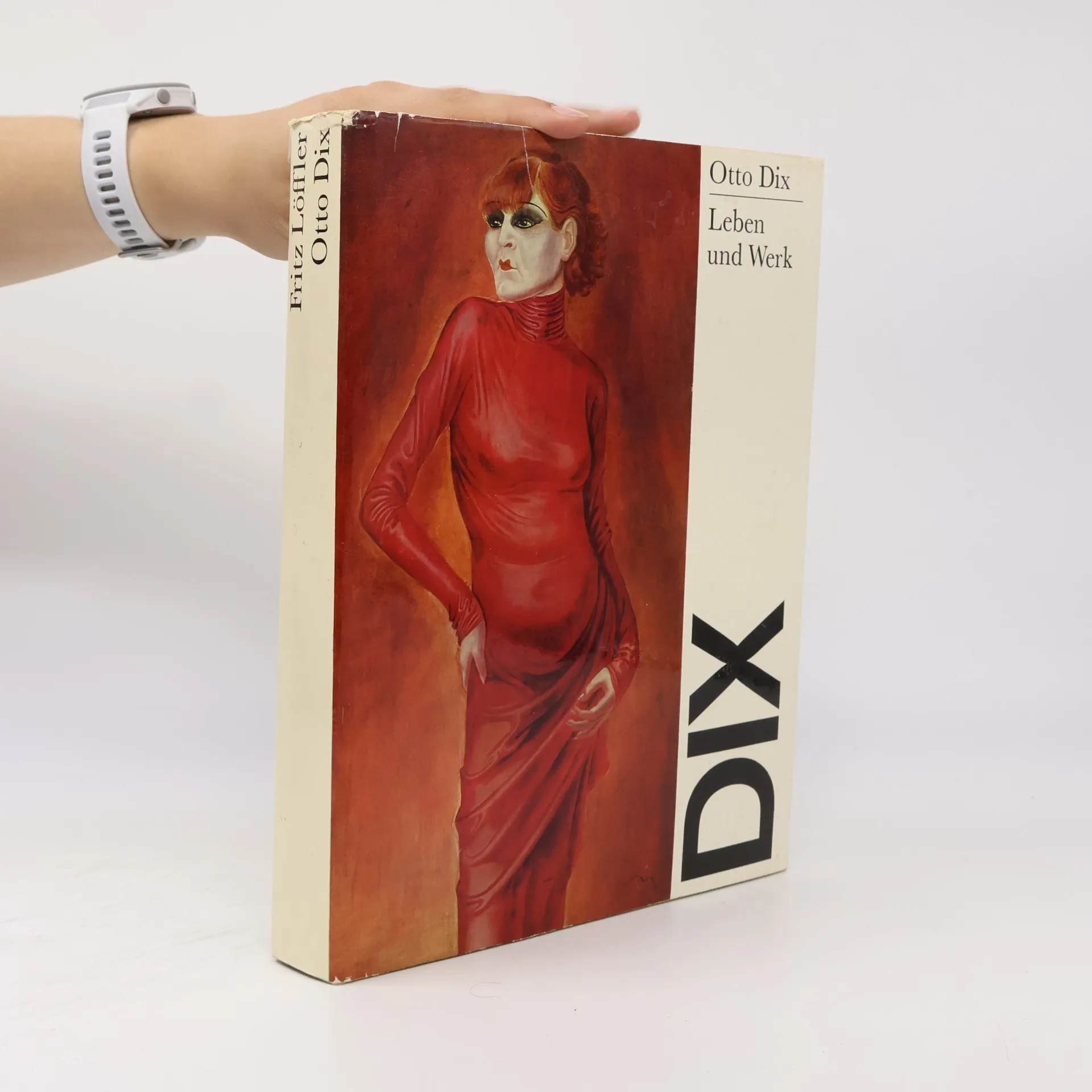
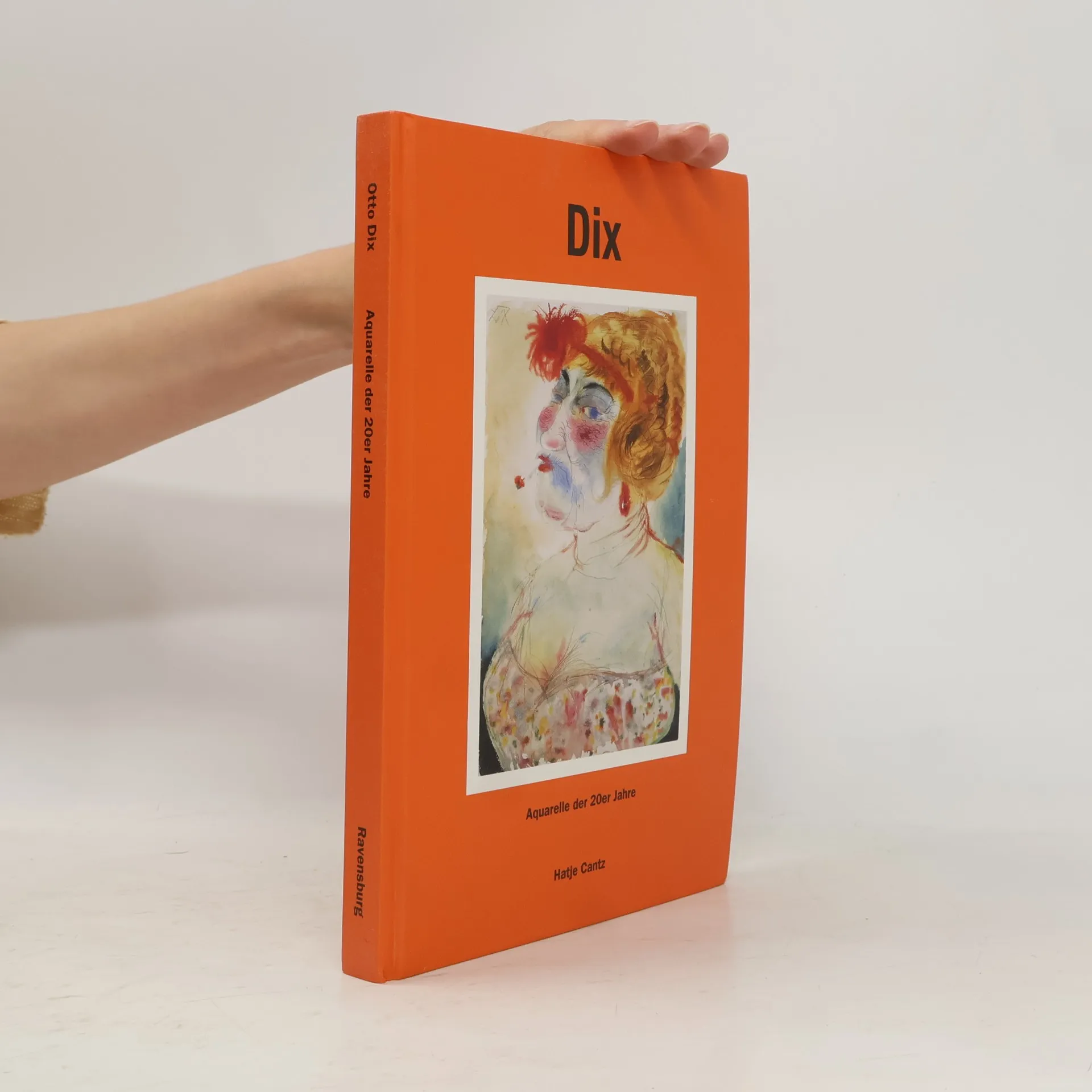
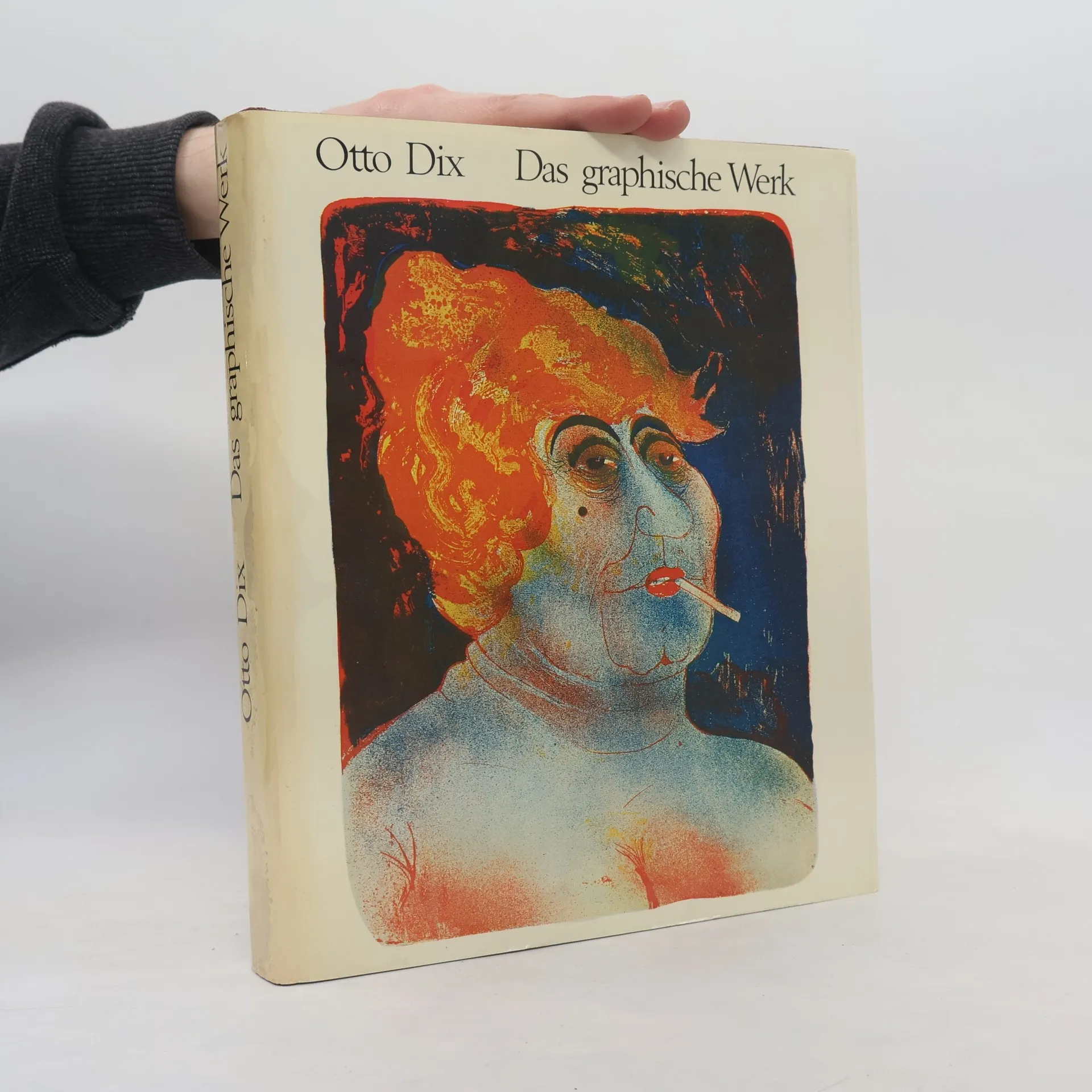
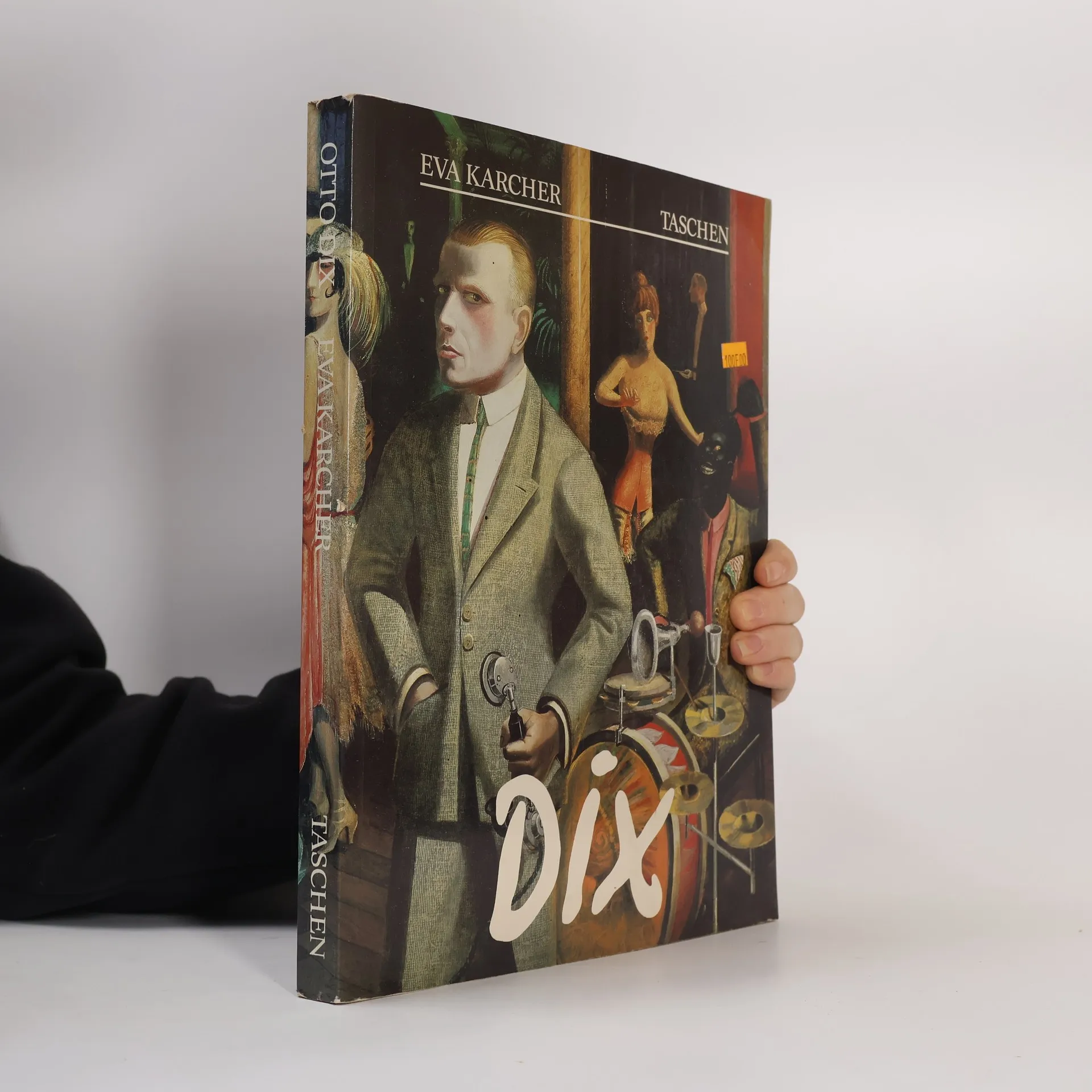
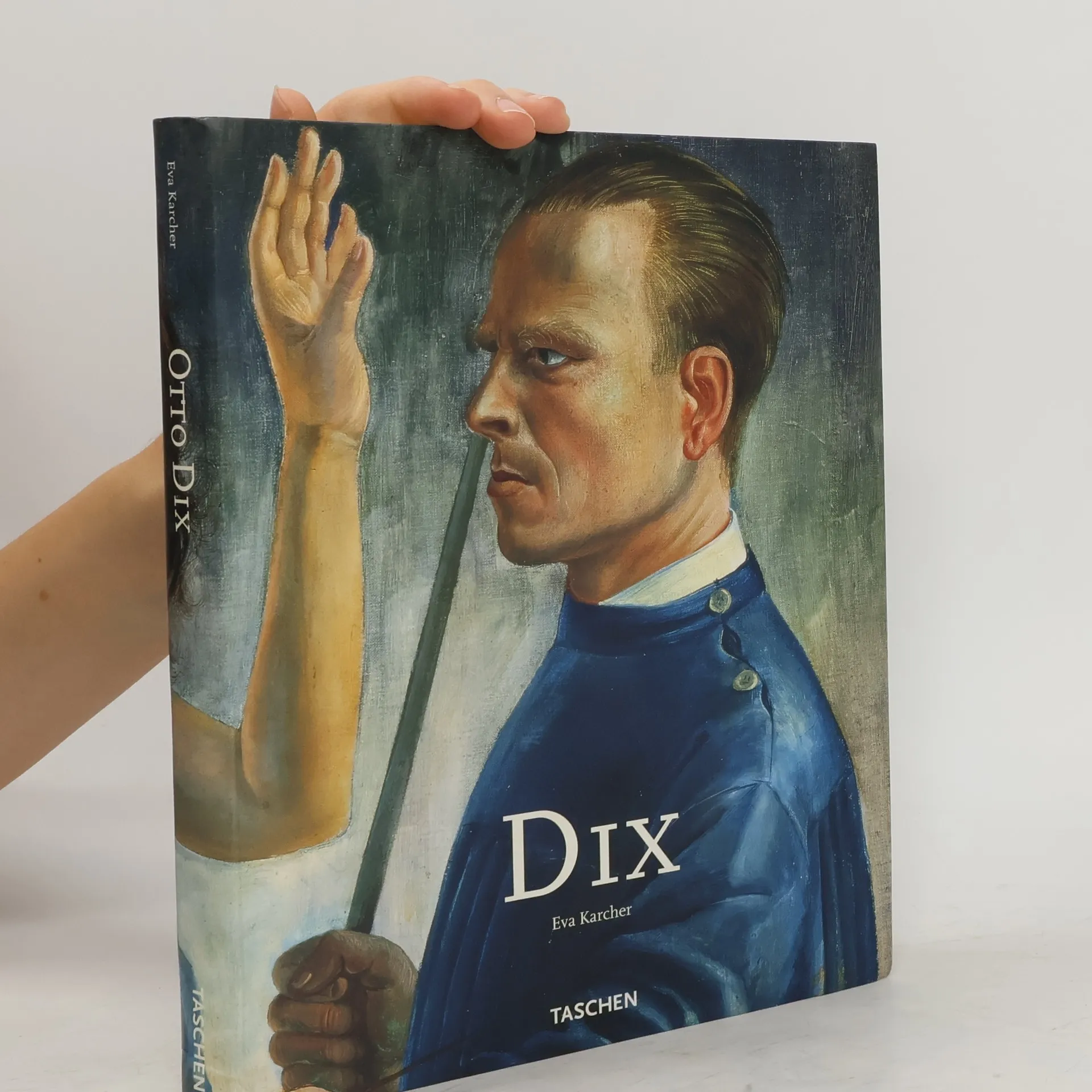
Německý malíř a grafik, Otto Dix je známý svými nemilosrdně realistickými a drsnými zobrazeními weimarské společnosti a brutality války. Spolu s Georgem Groszem je považován za jednoho z nejdůležitějších umělců Nové Věcnosti. Jeho dílo bez příkras odhaluje temné stránky lidské existence a společenských poměrů. Dixův styl je charakteristický svou syrovou upřímností a schopností proniknout do hlubin lidské psychiky.
Der Krieg
- 192 stránek
- 7 hodin čtení
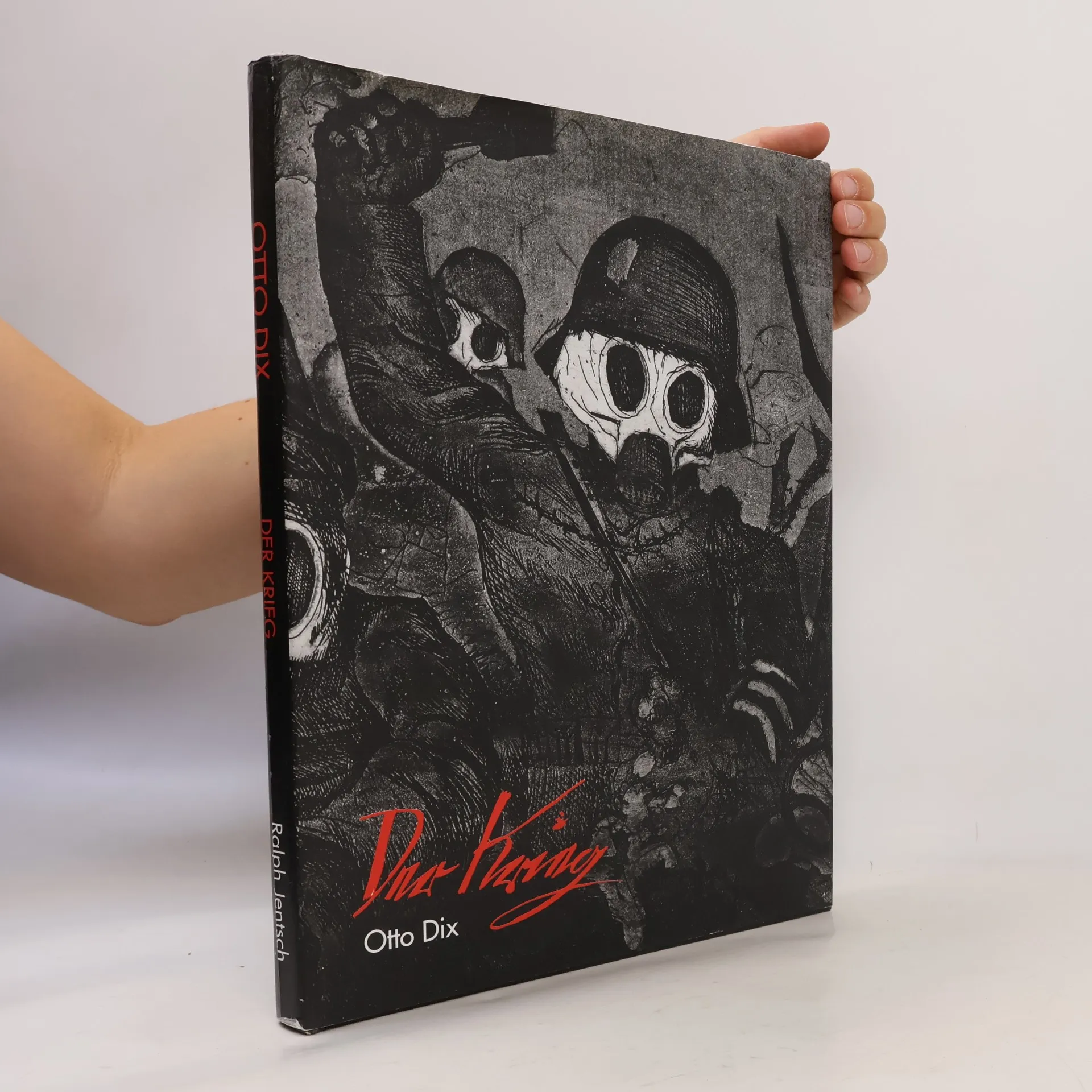
Ce catalogue présente les cinquante eaux-fortes du portfolio Der Krieg (La Guerre) d'Otto Dix (1891-1969), publié en 1924 parle galeriste Kart Nierendorf et constituant un exemple rare de témoignage artistique de la guerre. Engagé volontairement dans l'armée allemande à l'âge de 23 ans, Otto Dix passe plus de trois ans dans les tranchées et vit les traumatismes du conflit aux premières loges. Après avoir étudié les maîtres des arts graphiques à Bâle - il avait demandé à voir des originaux d'Urs Graf, de Jacques Callot et de Francisco Goya -, Otto Dix traduit sa propre expérience dans une série d'une grande richesse esthétique. Il y aborde les différents aspects de la vie des soldats au front. Otto Dix n'épargne rien de l'horreur de 14-18 dans cc formidable portfolio, tiré à 70 exemplaires. dont il a lui-même ordonné la séquence des gravures. Aujourd'hui, Der Krieg est considéré, avec Les Désastres de Francisco Goya, comme le témoignage le plus convaincant sur et contre la guerre. "De la même façon que l'étoffe de l'homme change de façon démoniaque, il faut avoir observé des êtres humains à l'état sauvage pour parvenir à les comprendre. La guerre est quelque chose de bestial : la faim, les poux, la boue, ces vacarmes d'enfer. Tout est complètement différent." Otto Dix.
Otto Dix in Chemnitz
- 207 stránek
- 8 hodin čtení
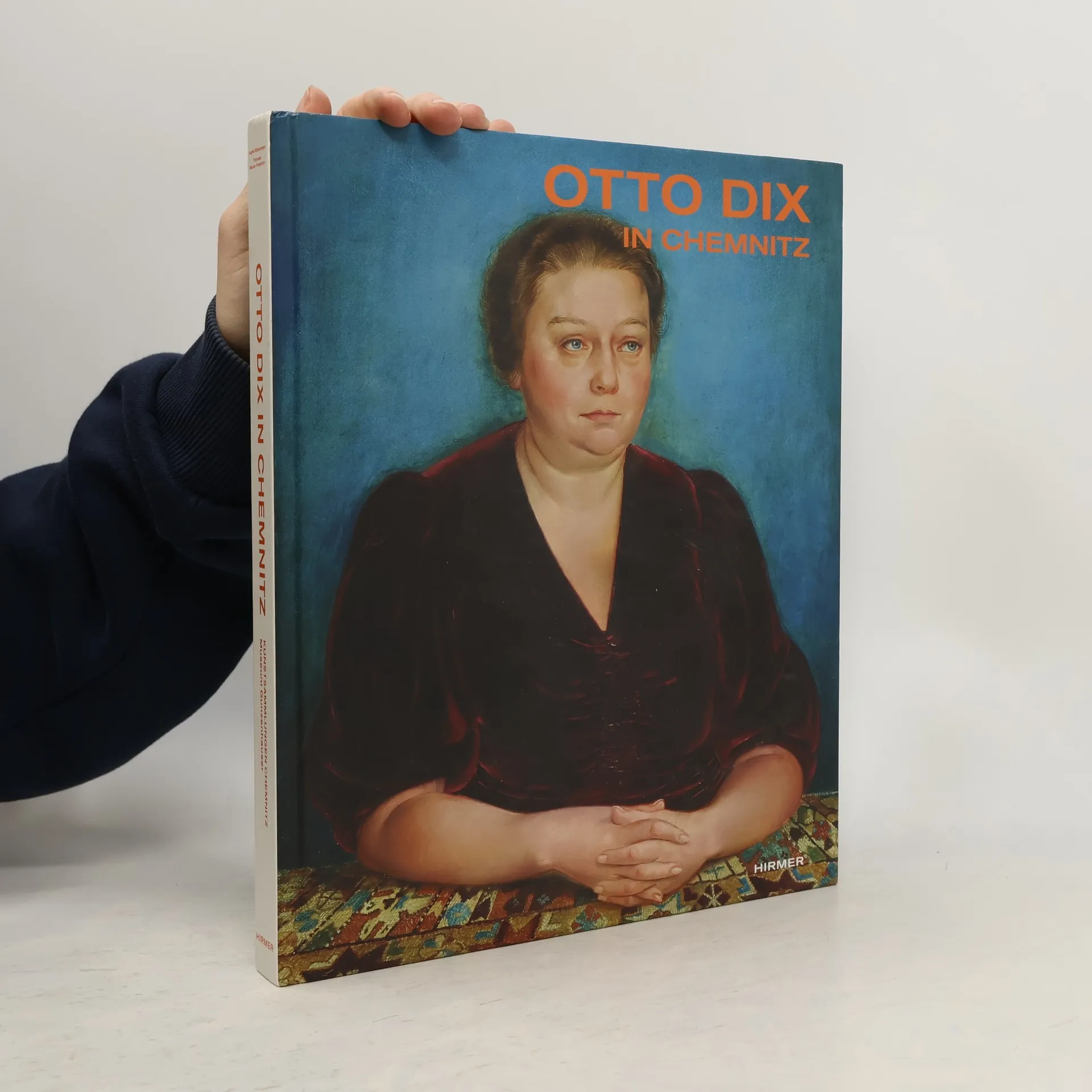
Dix in Gera und Dresden kennt man, Dix als Maler der Neuen Sachlichkeit auch. Sein Werk ist aus der Zeit seiner inneren Emigration und seine Beziehungen zu Chemnitz sind dagegen wenig bekannt und werden nun erstmals umfassend vorgestellt. Als der Künstler 1933 von den Nationalsozialisten seiner Proffessur an der Dresdner Kunstakademie enthoben wurde, suchten der Chemnitzer Unternehmer Fritz Niescher und der Kinderarzt Dr. Otto Köhler den Kontakt zu dem Maler. Es entstanden lebenslange Freundschaften. Während Dix im Haus des Kinderarztes häufiger Gast war und dort vorübergehend sein Atelier einrichtete, war die Beziehung zu dem Ehepaar Niescher vor allem von der Kunst geprägt. Fritz und Ilse Niescher trugen die wohl umfangreichste Sammlung von Silberstiftszeichnungen des Künstlers zusammen, erwarben Gemälde und ließen 1938 einen Pavillon auf ihrem Grundstück von Otto Dix mit dem Wandgemälde >> Orpheus und die Tiere<< ausmalen. Thomas Bauer-Friedrich, Kurator der Kunstsammlung Chemnitz-Museum Gunzenhauser, hat diesen bislang unerforschten Themenkomplex in einem materialreichen Band aufgearbeitet und dokumentiert das Thema in ausführlich recherchierten Texten und mit zahlreichen, zum Teil erstmals publizierten Werkabbildungen.
Kunst am See - 34: Purrmann, Dix & Co
- 76 stránek
- 3 hodiny čtení
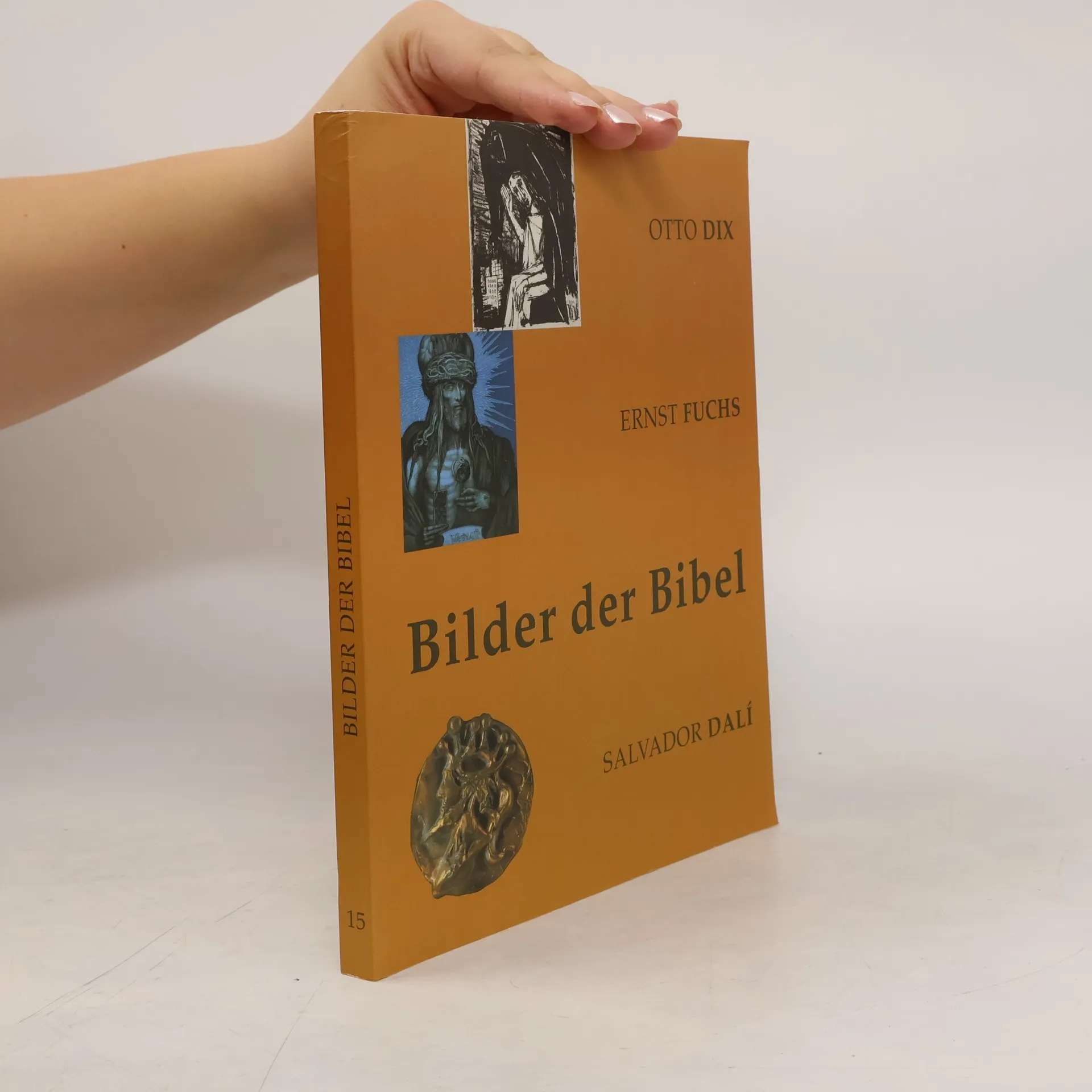
Bilder der Bibel
- 142 stránek
- 5 hodin čtení
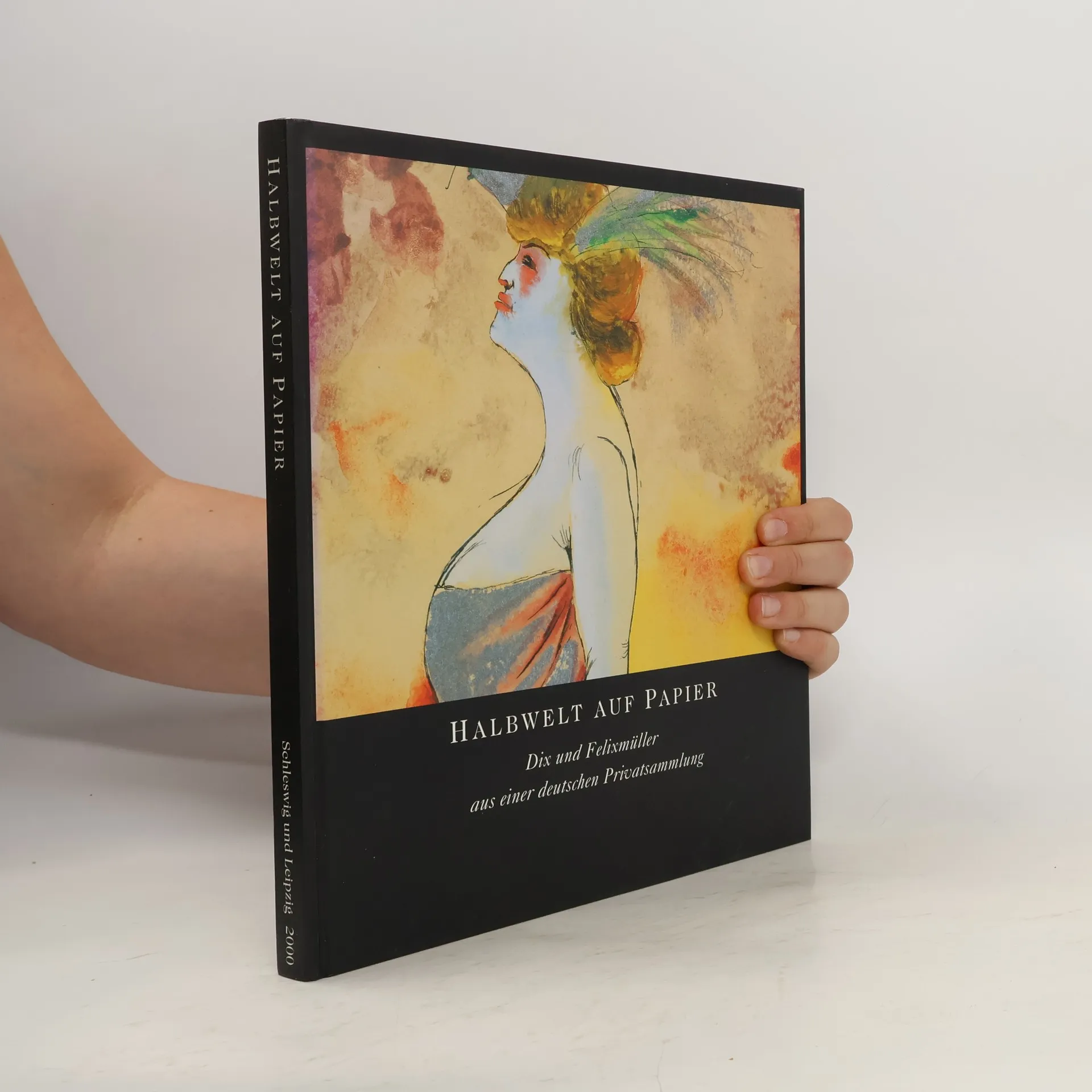
Halbwelt auf Papier
- 159 stránek
- 6 hodin čtení
Otto Dix, Bilder zur Bibel und zu Legenden, zu Vergänglichkeit und Tod
- 154 stránek
- 6 hodin čtení
German
Otto Dix
- 216 stránek
- 8 hodin čtení
good condition. ships from NYC
Dix
Maler und Werk