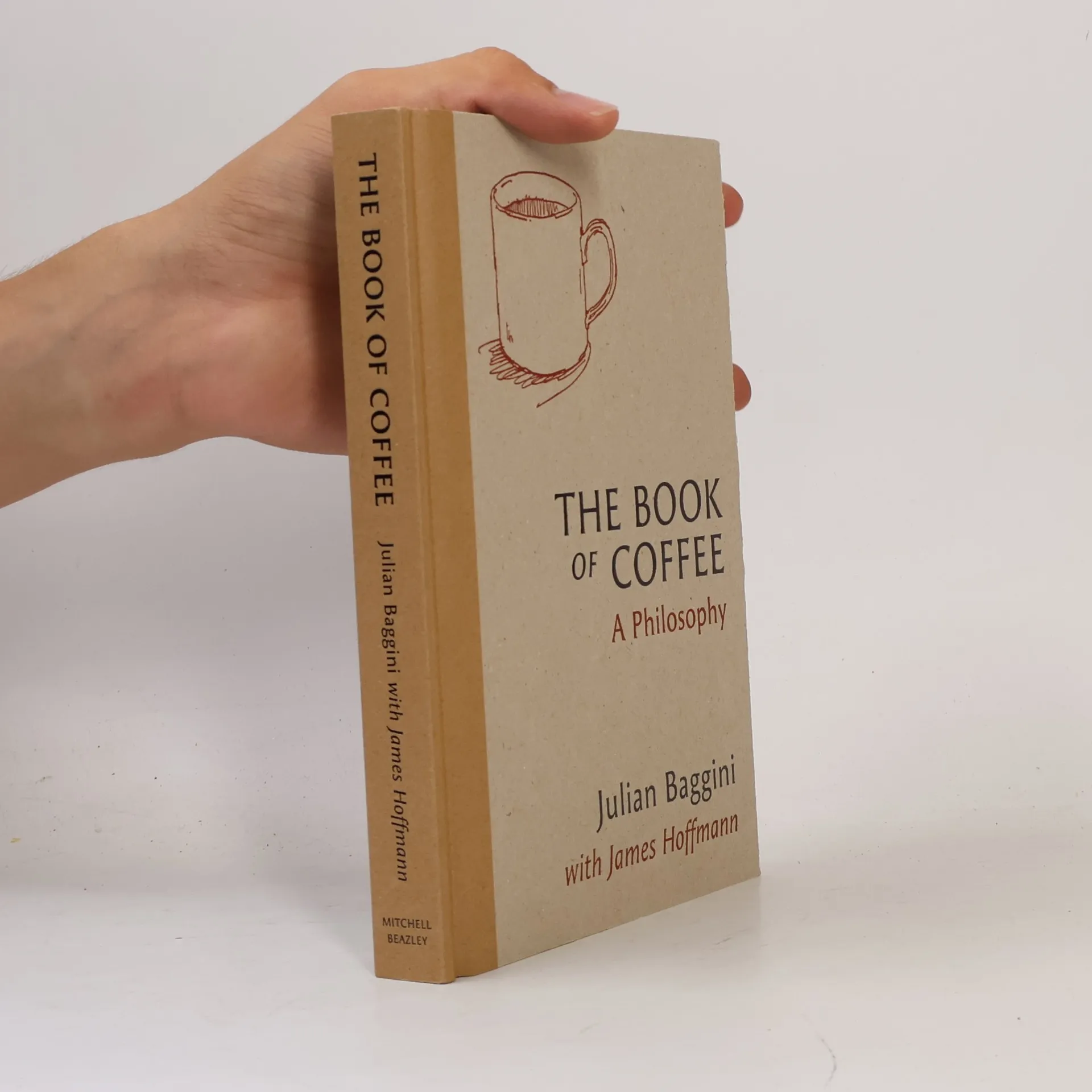
The Book of Coffee: A Philosophy
- 176 stránek
- 7 hodin čtení


Julian Baggini je britský filozof známý svými knihami o filozofii pro širokou veřejnost. Jeho práce se zabývá složitými filozofickými myšlenkami a prezentuje je přístupným způsobem. Baggini je také spoluzakladatelem a redaktorem The Philosophers' Magazine a často přispívá do předních britských médií. Jeho přístup spočívá v používání myšlenkových experimentů k prozkoumání klíčových filozofických otázek, čímž čtenáře aktivně zapojuje do filozofického myšlení.


12 philosophische Prinzipien für ein kluges Leben
Eine Philosophie des Kaffeetrinkens Für die meisten von uns ist die Tasse Kaffee am Morgen ein alltägliches Ritual . Kaffee macht uns wach und bringt uns durch den Tag. Kaffee ist jedoch mehr als der Antrieb unserer Produktivität wie der Philosoph Julian Baggini in diesem Buch beschreibt. Angelehnt an den Philosophie-Klassiker „Das Buch vom Tee“ beleuchtet er gemeinsam mit Kaffeeexperte James Hoffmann die Rolle, die Kaffee in unserem Leben und für unsere Gesellschaft spielt. Er zeigt, dass jede Tasse Kaffee uns einen Moment des Innehaltens und der Verbindung zu uns selbst und zu anderen schenken kann, wenn wir sie achtsam zubereiten und genießen. „Das Buch vom Kaffee“ ist eine Abhandlung darüber, wie wir scheinbar alltäglichen Momenten eine tiefere Bedeutung geben und Freude in ihnen finden können. Es ist nicht nur das perfekte Buch für Kaffeeliebhaber , sondern für alle, die sich für die Philosophie des Alltäglichen interessieren.
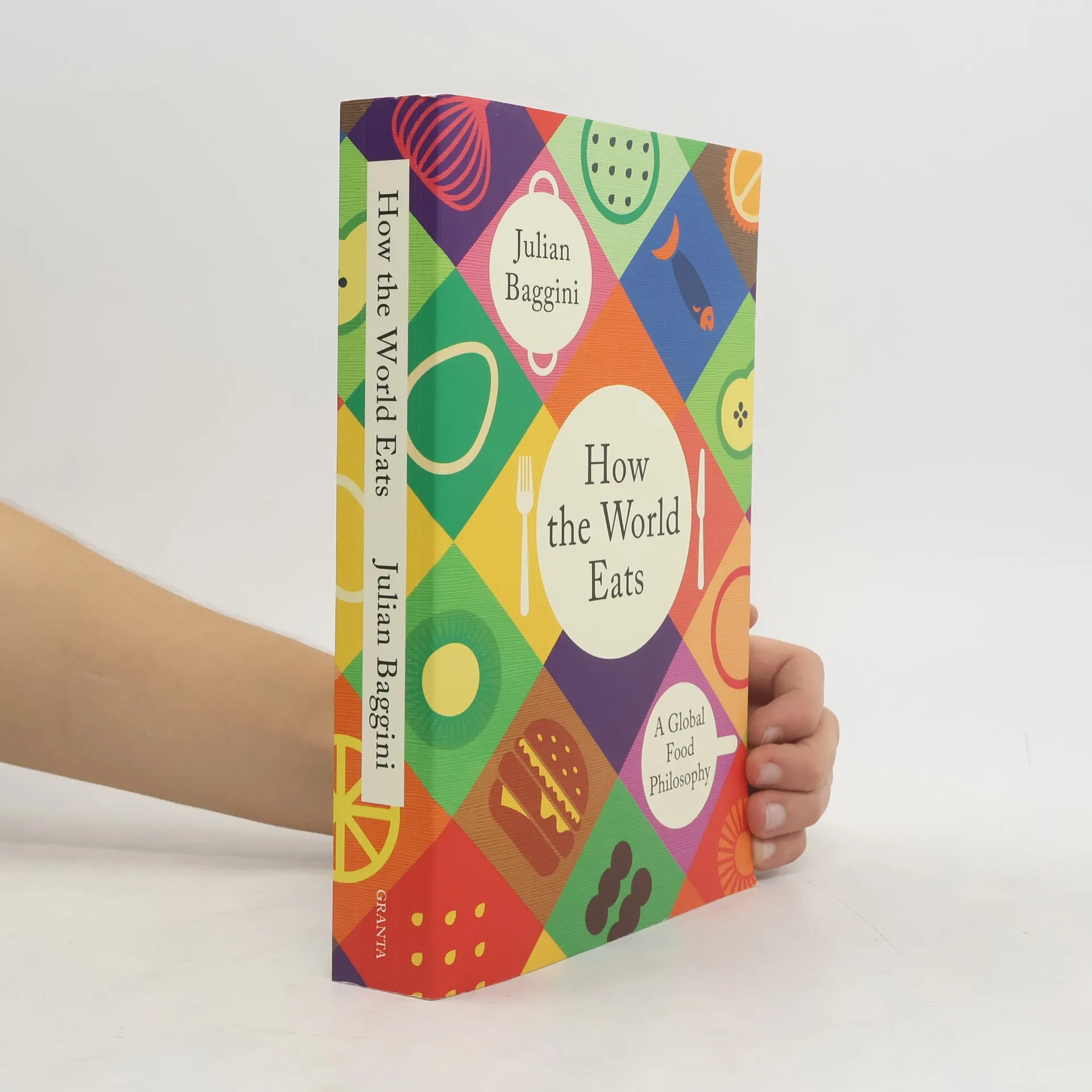
How we live is shaped by how we eat. You can see this in the vastly different approaches to growing, preparing and eating food around the world, such as the hunter-gatherer Hadza in Tanzania whose sustainable lifestyle is under threat in a crowded planet, or Western societies whose food is farmed or bred in vast intensive enterprises. And most of us now rely on a complex global food web of production, distribution, consumption and disposal, which is now contending with unprecedented challenges.The need for a better understanding of how we feed ourselves has never been more urgent. In this wide-ranging and definitive book, philosopher Julian Baggini expertly delves into the best and worst food practises in a huge array of different societies, past and present. His exploration takes him from cutting-edge technologies, such as new farming methods, cultured meat, GM and astronaut food, to the ethics and health of ultra processed food and aquaculture, as he takes a forensic look at the effectiveness of our food governance, the difficulties of food wastage and the effects of commodification.Extracting essential principles to guide how we eat in the future, How the World Eats advocates for a pluralistic, humane, resourceful and equitable global food philosophy, so we can build a food system fit for the twenty-first century and beyond.
As politics slides toward impulsivity, and outrage bests rationality, how can philosophy help us critically engage with the world? How to Think Like A Philosopher is a revelatory exploration of the methods, tenets and attitudes of thought that guide philosophy, and how they can be applied to our own lives. Drawing on decades of enquiry and a huge range of interviews, Julian Baggini identifies twelve key principles that promote incisive thinking. Pay attention; question everything; seek clarity, not certainty: these are just a few of philosophy's guiding maxims which can be applied to everything from understanding the impact of climate change to correctly appraising our own temperaments. Both a fresh introduction to philosophy covering canonical and contemporary philosophers, and an essential, practical guide to good thinking, How to Think Like a Philosopher shows us the way to a more humane, balanced and rational approach to thinking, to politics, and to life.
Invaluable wisdom on living a good life from one of the Enlightenment's greatest philosophers David Hume (1711–1776) is perhaps best known for his ideas about cause and effect and his criticisms of religion, but he is rarely thought of as a philosopher with practical wisdom to offer. Yet Hume's philosophy is grounded in an honest assessment of nature—human nature in particular. The Great Guide is an engaging and eye-opening account of how Hume's thought should serve as the basis for a complete approach to life. In this enthralling book, Julian Baggini masterfully interweaves biography with intellectual history and philosophy to give us a complete vision of Hume's guide to life. He follows Hume on his life's journey, literally walking in the great philosopher's footsteps as Baggini takes readers to the places that inspired Hume the most, from his family estate near the Scottish border to Paris, where, as an older man, he was warmly embraced by French society. Baggini shows how Hume put his philosophy into practice in a life that blended reason and passion, study and leisure, and relaxation and enjoyment. The Great Guide includes 145 Humean maxims for living well, on topics ranging from the meaning of success and the value of travel to friendship, facing death, identity, and the importance of leisure. This book shows how life is far richer with Hume as your guide.
Do Jesus's teachings add up to a coherent moral system, still relevant today? From the Sunday Times bestselling author of How the World Thinks.
On the face of it, Gabriel Axel's Babette's Feast (1989) is a film in which the eyes – and mouths – of religious zealots are opened to the glories of the sensual world. It is a critique of what Nietzsche called life-denying religion in favour of life-affirming sensuality. But to view the film in that way is to get it profoundly wrong. In his study of the film, Julian Baggini argues that Babette's Feast is not about the battle between religiosity and secularity but a deep examination of how the two can come together. Baggini's analysis focuses on themes of love, pleasure, artisty and grace, to provide a rich philosophical reading of this most sensual of films.
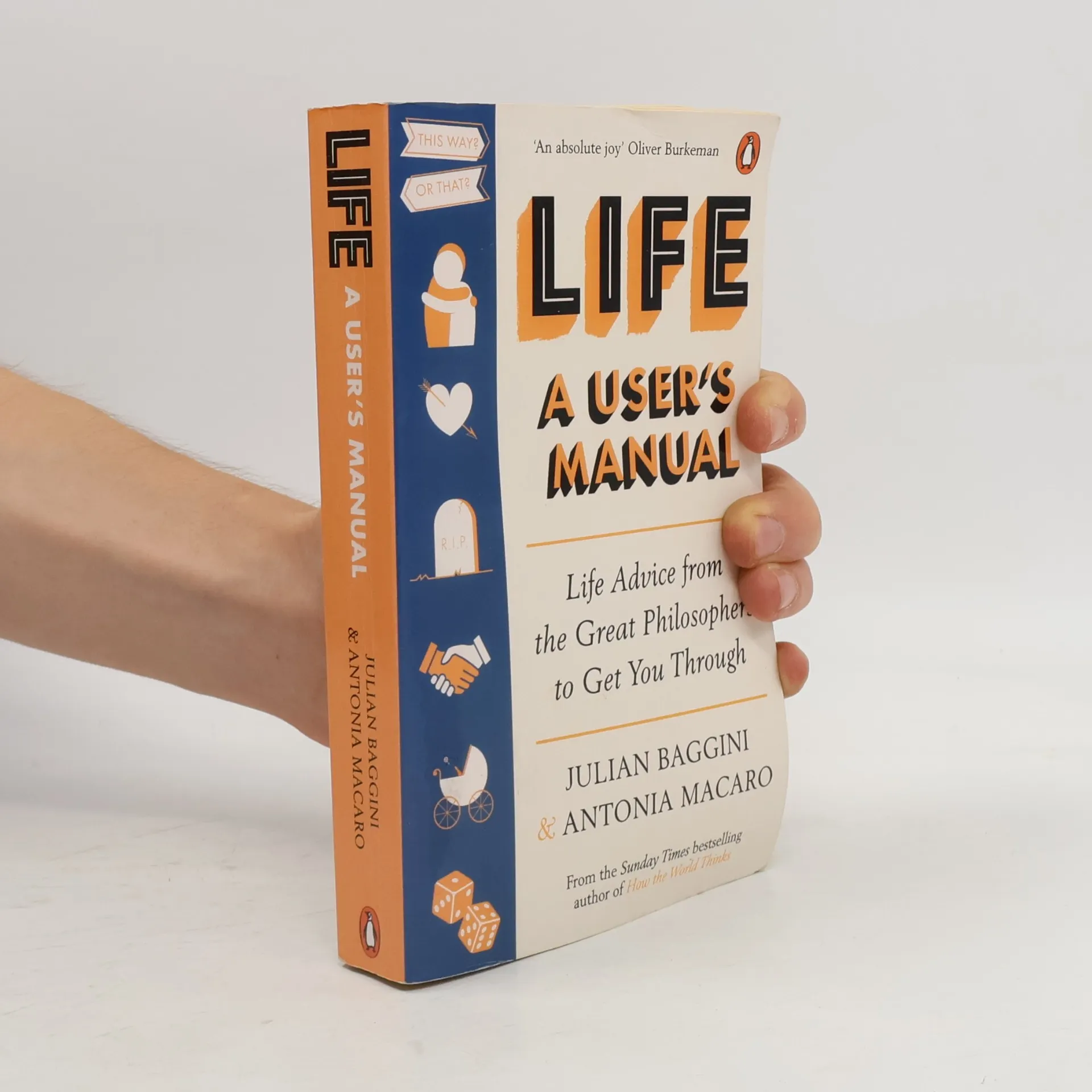
How should I live? What is my purpose? Can I find happiness? Ever felt as though life would be simpler if it came with an instruction manual? There are no easy answers to the big questions. And life does not follow a straight path from A to B. Since the beginning of time, people have asked questions about how they should live and, from Ancient Greece to Japan, philosophers have attempted to solve these questions for us. The timeless wisdom that they offer can help us to find our own path. In this insightful, engaging book, renowned existential psychotherapist and philosophical counsellor Antonia Macaro and bestselling philosopher Julian Baggini cover topics such as bereavement, luck, free will and relationships, and guide us through what the greatest thinkers to ever walk the earth have to say on these subjects, from the Stoics to Sartre. Discover advice from the world's greatest thinkers on questions like: Is there a right way to grieve? What is free will? How can we learn from past mistakes? Do we make our own luck?
The thinking person's tonic for our troubling times
The first ever global overview of philosophy: how it developed around the world and impacted the cultures in which it flourished
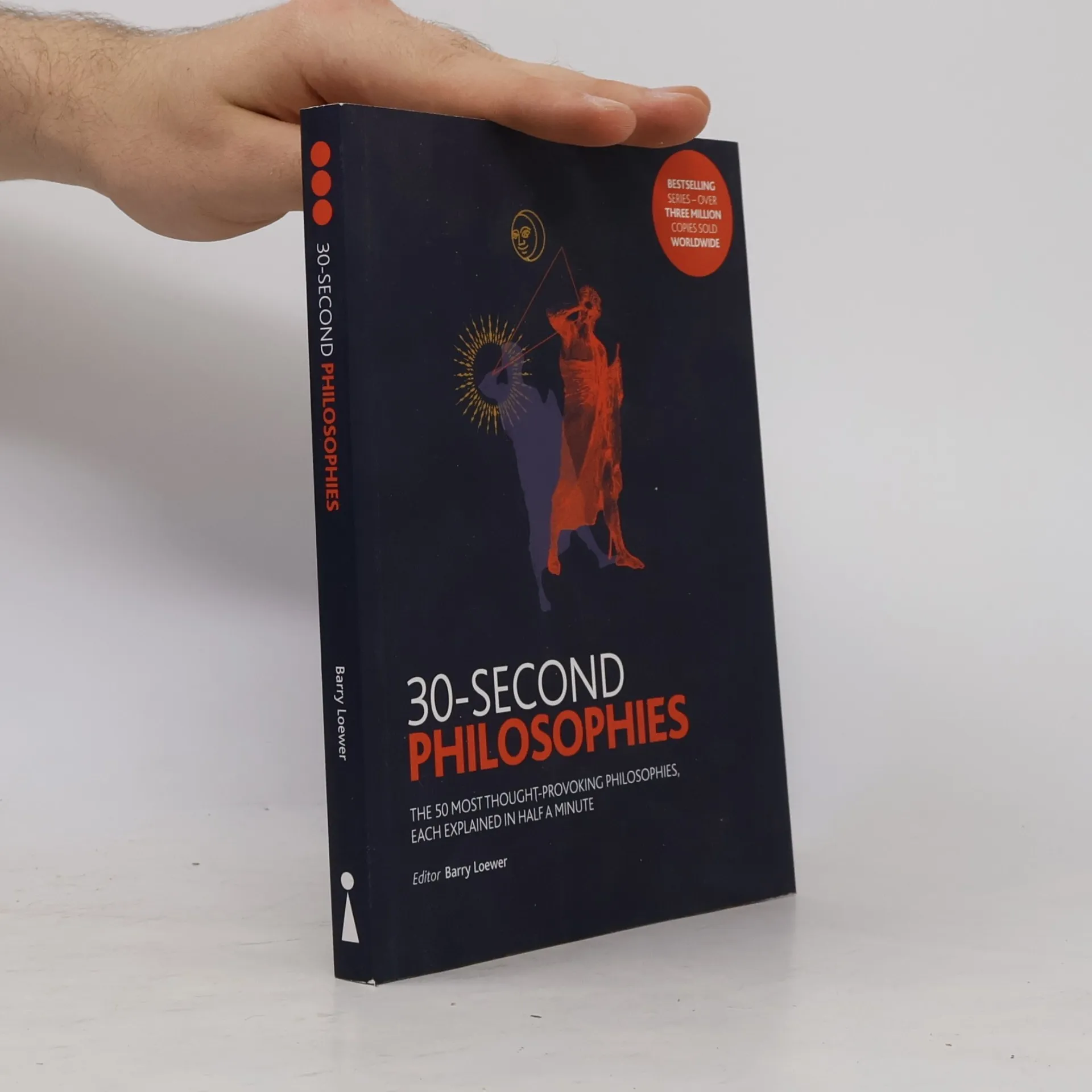
I Think Therefore I Am, Existentialism, Dialectical Materialism? The Socratic Method and Deconstruction? Sure, you know what they all mean. That is, you've certainly heard of them. But do you know enough about them to join a dinner party debate or dazzle the bar with your knowledge?30-Second Philsophies takes a revolutionary approach to getting a grip on the 50 most significant schools of philosophy. The book challenges leading thinkers to quit fretting about the meaning of meaning for a while and explain the most complex philosophical ideas - using nothing more than two pages, 300 words, and a metaphorical image. Here, in one unique volume, you have the chance to pick the potted brains of our leading philosophers and understand complex concepts such as Kant's Categorical Imperative without ending up in a darkened room with an ice pack on your head.
'The Big Questions' series is designed to let renowned experts confront the 20 most fundamental and frequently asked questions of a major branch of science or philosophy. In 'The Big Questions: Ethics' Julian Baggini, one of Britain's best-known philosophers, condenses complex, contemporary issues of right and wrong into 20 key questions. He examines how we can start to answer them, what they might mean to us and how they influence the way we choose to live our lives. Among the ideas debated are: What is free will? Can it ever be right to kill? Is terrorism ever justified? Should euthanasia be legal? Are some people superior to others? Do animals have rights?
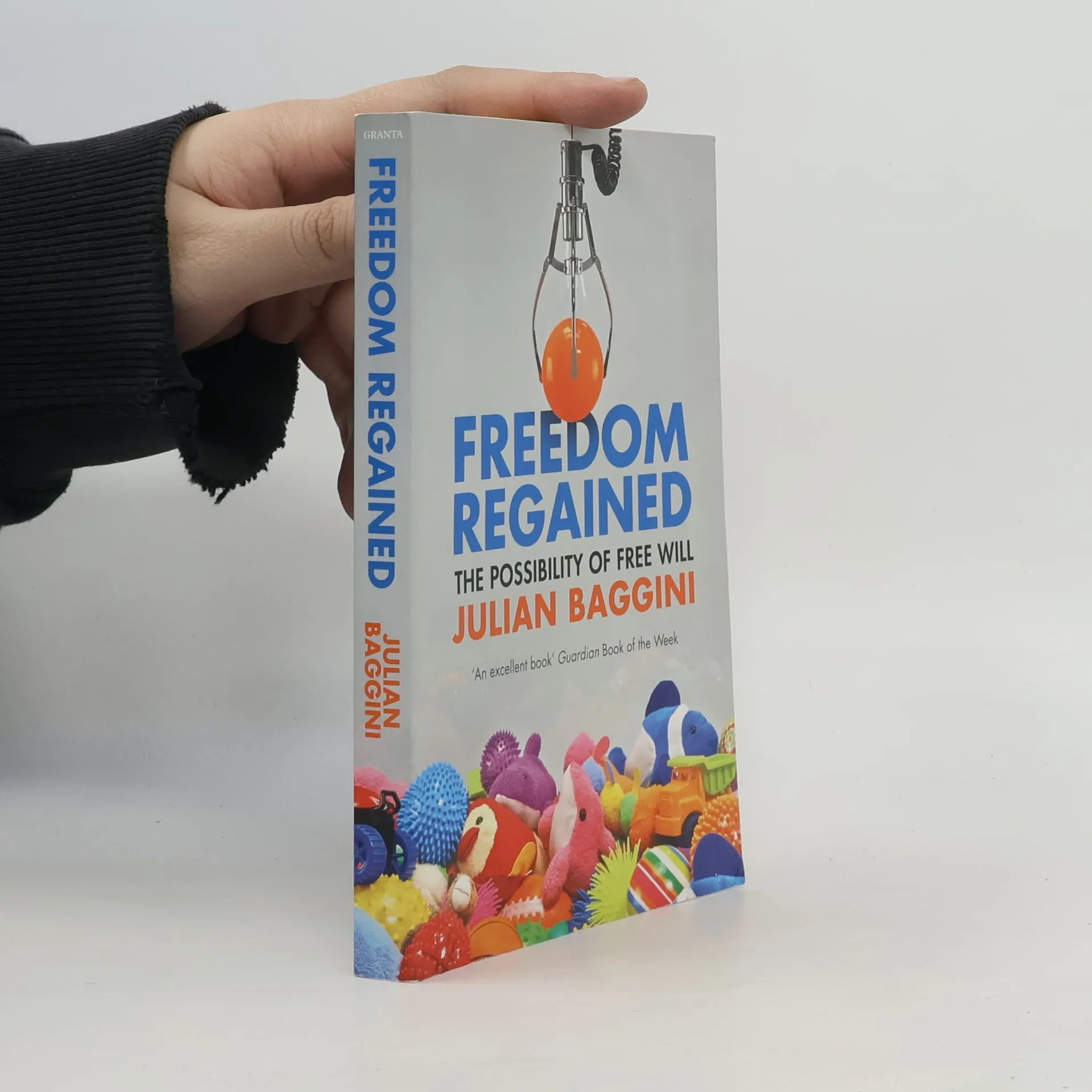
A smart, engaging and thought-provoking exploration of the concept of free will, from one of Britain's most respected and popular philosophers.
50 самых значительных идей всемирной философии по 30 секунд на каждую
«Мыслю, — следовательно, существую; экзистенциализм; диалектический материализм? Метод Сократа и деконструкция? Вы, вероятно, знакомы с этими терминами, но знаете ли вы достаточно, чтобы блеснуть эрудицией за ужином или поразить компанию в баре? В данной книге представлен революционный подход к изучению 50 значимых направлений философии. Вы сможете ознакомиться с сжатыми умозаключениями величайших философов и разобраться в сложных концепциях, таких как категорический императив Канта, без риска завершить чтение в состоянии замешательства. Редактор Барри Лёвер, профессор философии в Университете Рутгерса, Нью Джерси, исследует метафизические основы науки, философию физики и сознания. Он соавтор нескольких работ и опубликовал множество статей по философии квантовой теории и метафизики. Книга охватывает разнообразные темы, включая парадоксы, теоремы и философские аргументы, такие как парадокс Рассела, проблема индукции Юма, этика Аристотеля и многие другие. Это идеальный ресурс для тех, кто хочет быстро освоить философские идеи и быть готовым к обсуждениям на любую тему.
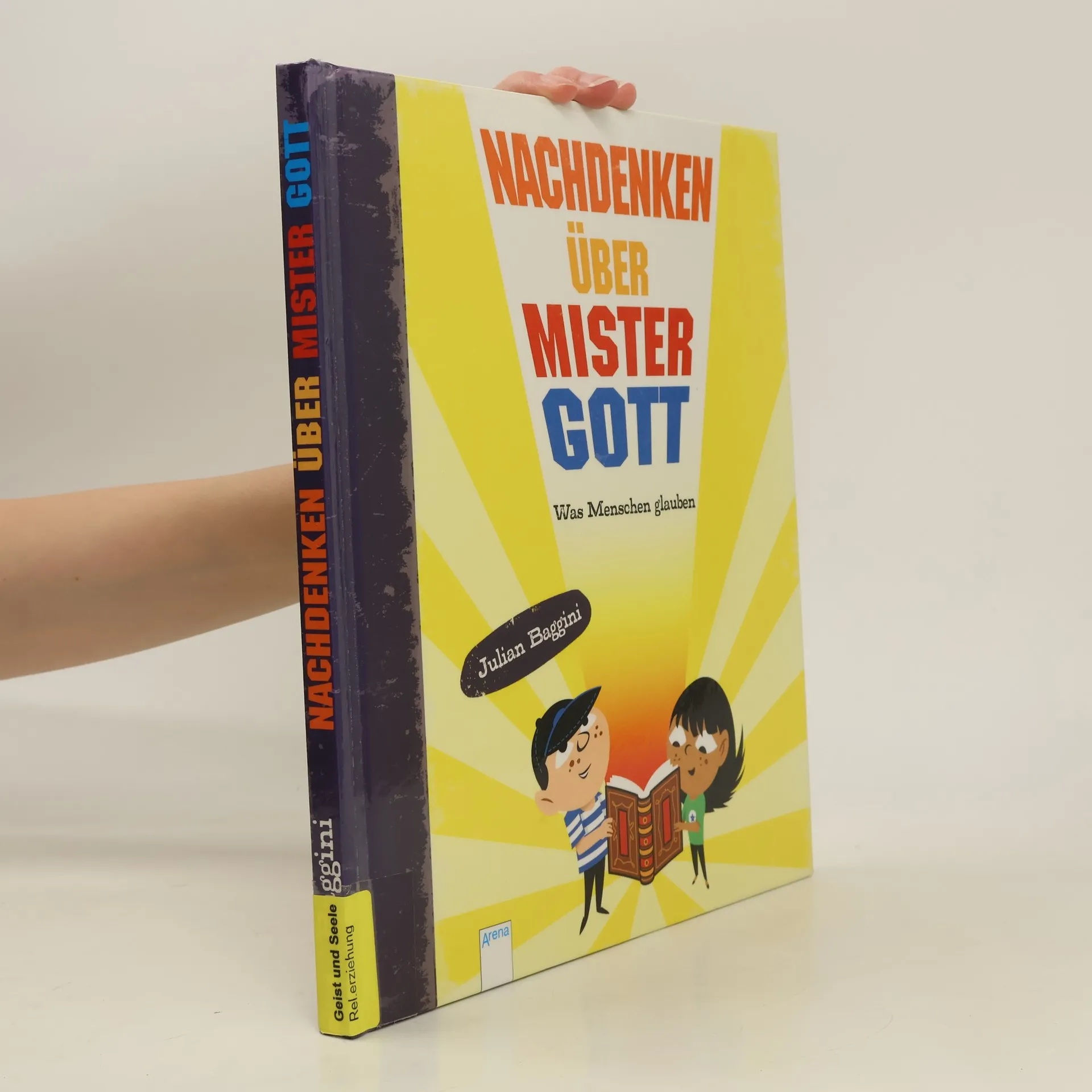
Ob Hindu, Moslem, Jude oder Christ, ob wir an einen, keinen oder viele Götter glauben: Uns alle bewegen die großen Fragen der Religion. Dieser locker erzählte Band bietet eine außergewöhnliche Einführung in die Philosophie, Ethik und Bedeutung unterschiedlicher Glaubensrichtungen. Was ist wahrer Glaube? Hat Gott die Welt erschaffen? Warum gibt es so viele Religionen? Sind gläubige Menschen besser? Das Buch ermutigt, eigene Antworten zu finden.
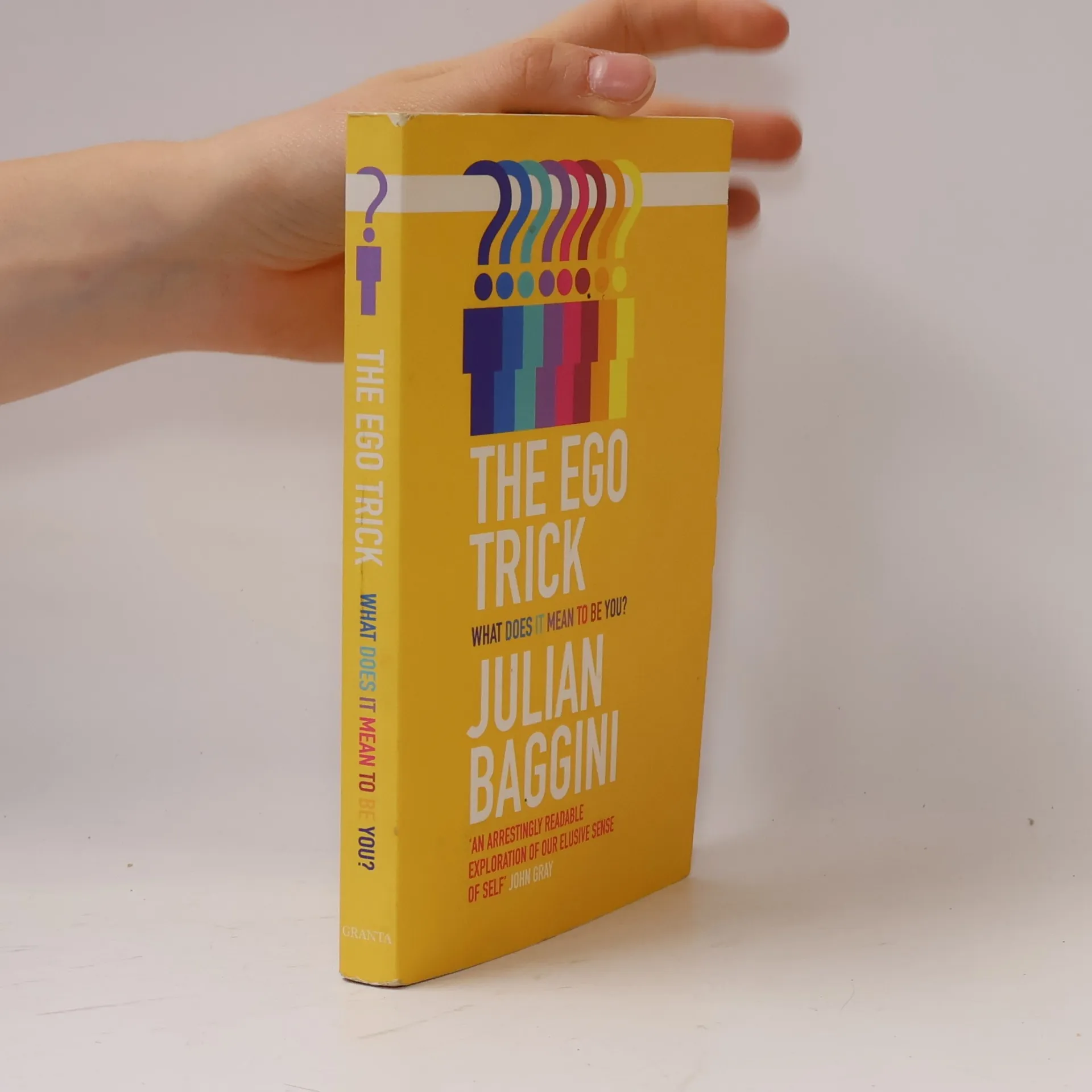
'In this entertaining, educative and gracefully written book, Julian Baggini explores the questions of the nature of the self and in what sense it persists through time ... This is one of the best, most readable and most stimulating introductions yet written about this intriguing topic' - AC Grayling
A new edition of the bestselling guide to the study of philosophy: the ideal intellectual ‘toolkit’ for sharpening analytical skills and building philosophical acuity Whether used as a guide to basic principles or a resource for key concepts and methods, The Philosopher's Toolkit equips readers with all the intellectual ‘tools’ necessary for engaging closely with philosophical argument and developing fluency in the methods and language of philosophical inquiry. Featuring accessible explanations, practical examples, and expert guidance, this text empowers readers to understand traditional philosophical thinking and to engage with new ideas. Focuses on the practical methods and concepts necessary for philosophical inquiry Presents a versatile resource for both novice and advanced students in areas of philosophy, critical theory, and rhetoric Adopts a pluralistic approach to teaching philosophy, making this a suitable resource for many courses Delivers extensive cross-referenced entries, recommended readings, and updated online resources Covers an array of topics, from basic tools of argumentation to sophisticated philosophical principles Fully revised and updated to include new topics and entries as well as expanded recommended reading lists to encourage further study
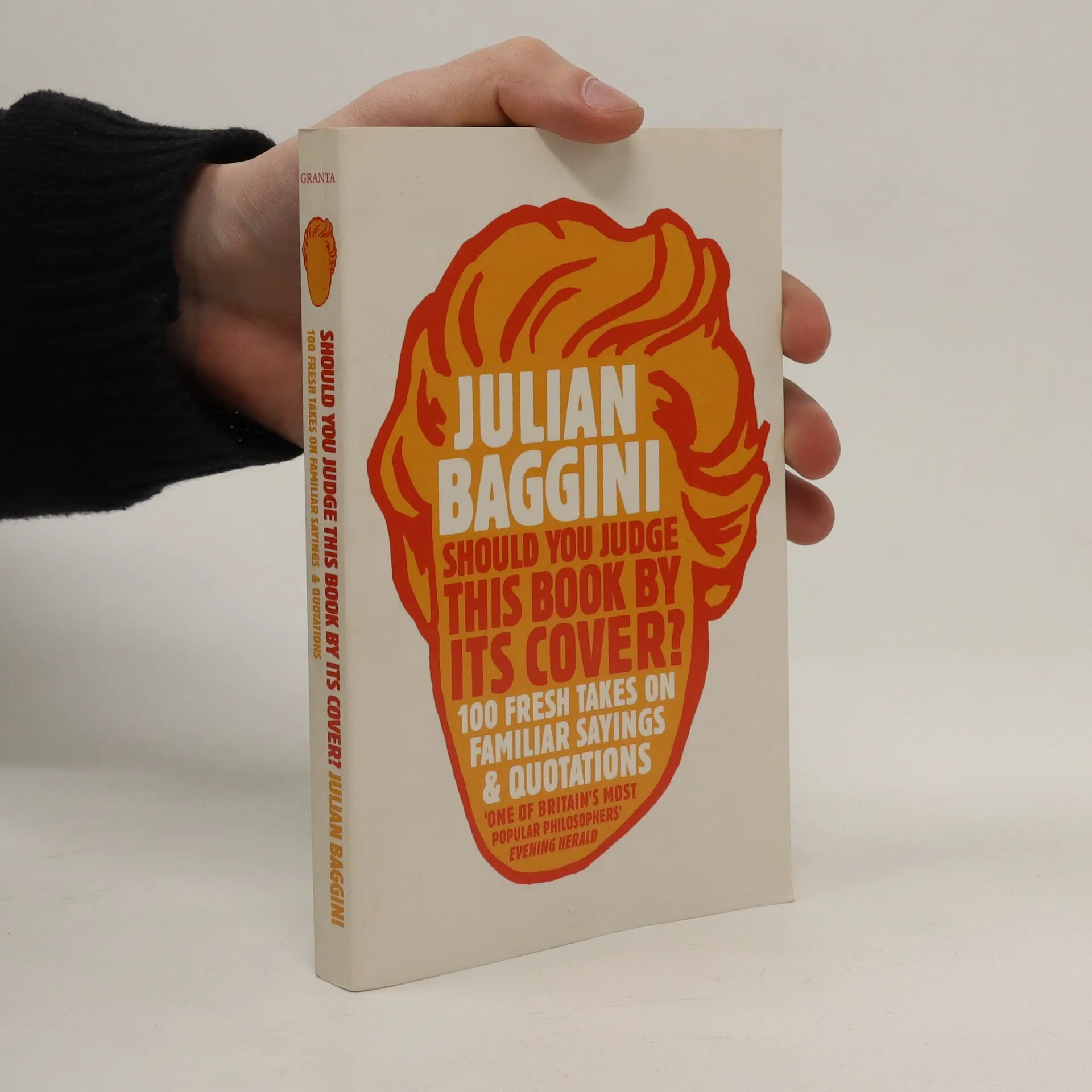
This is a rapid-fire selection of short, stimulating and entertaining capsules of philosophy from Julian Baggini. Baggini applies his philosophical scalpel to famous sayings, proverbs and pieces of homespun wisdom in this book.
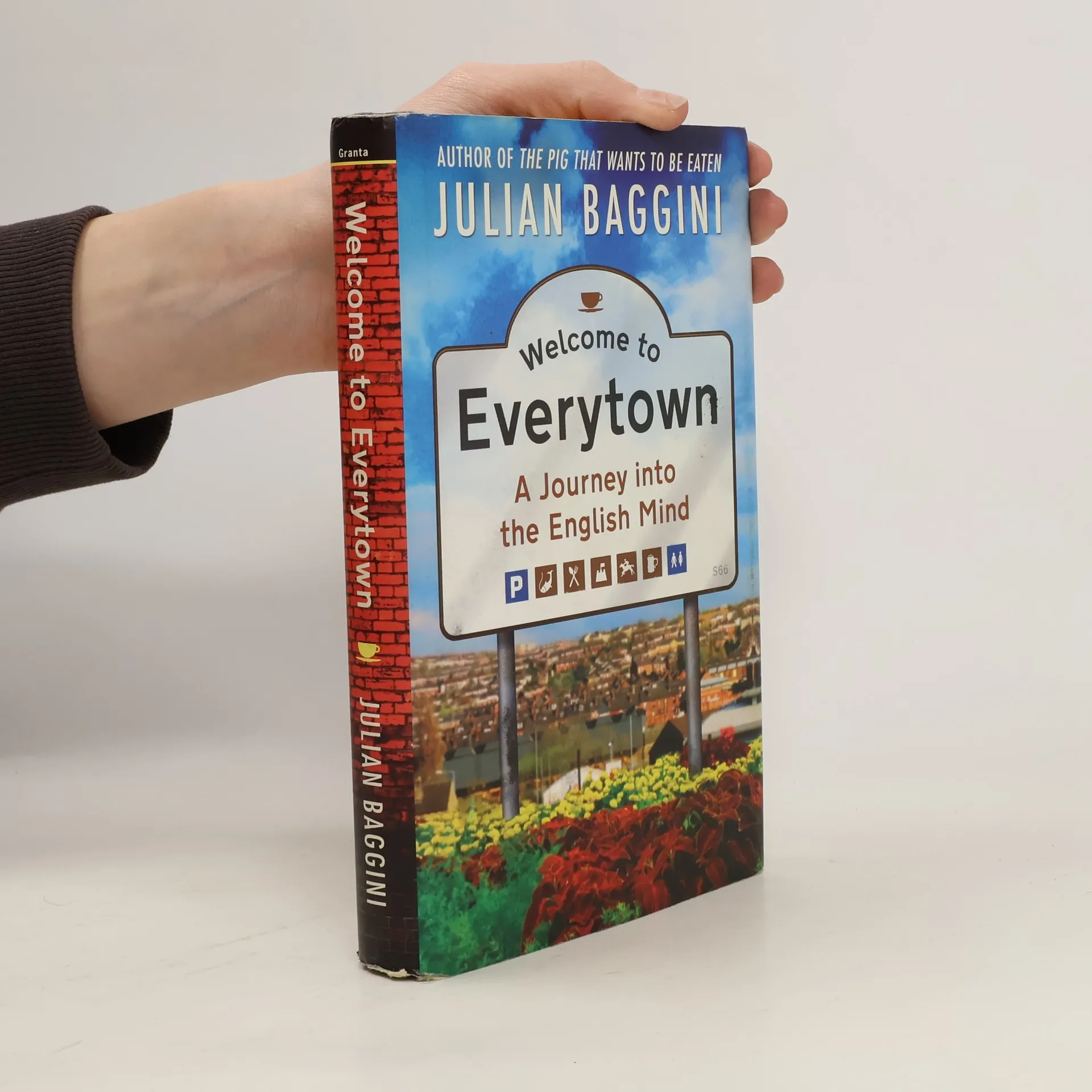
What do the English think? Every country has a dominant set of beliefs and attitudes concerning everything from how to live a good life, how we should organize society, and the roles of the sexes. Yet despite many attempts to define our national character, what might be called the nation's philosophy has remained largely unexamined until now. Philosopher Julian Baggini pinpointed postcode S66 on the outskirts of Rotherham, as England in microcosm - an area which reflected most accurately the full range of the nation's inhabitants, its most typical mix of urban and rural, old and young, married and single. He then spent six months living there, immersing himself in this typical English Everytown, in order to get to know the mind of a people. It sees the world as full of patterns and order, a view manifest in its enjoyment of gambling. It has a functional, puritanical streak, evident in its notoriously bad cuisine. In the English mind, men should be men and women should be women (but it's not sure what children should be). Baggini's account of the English is both a portrait of its people and a personal story about being an alien in your own land. Sympathetic but critical, serious yet witty, "Welcome to Everytown" shows a country in which the familiar becomes strange, and the strange familiar.
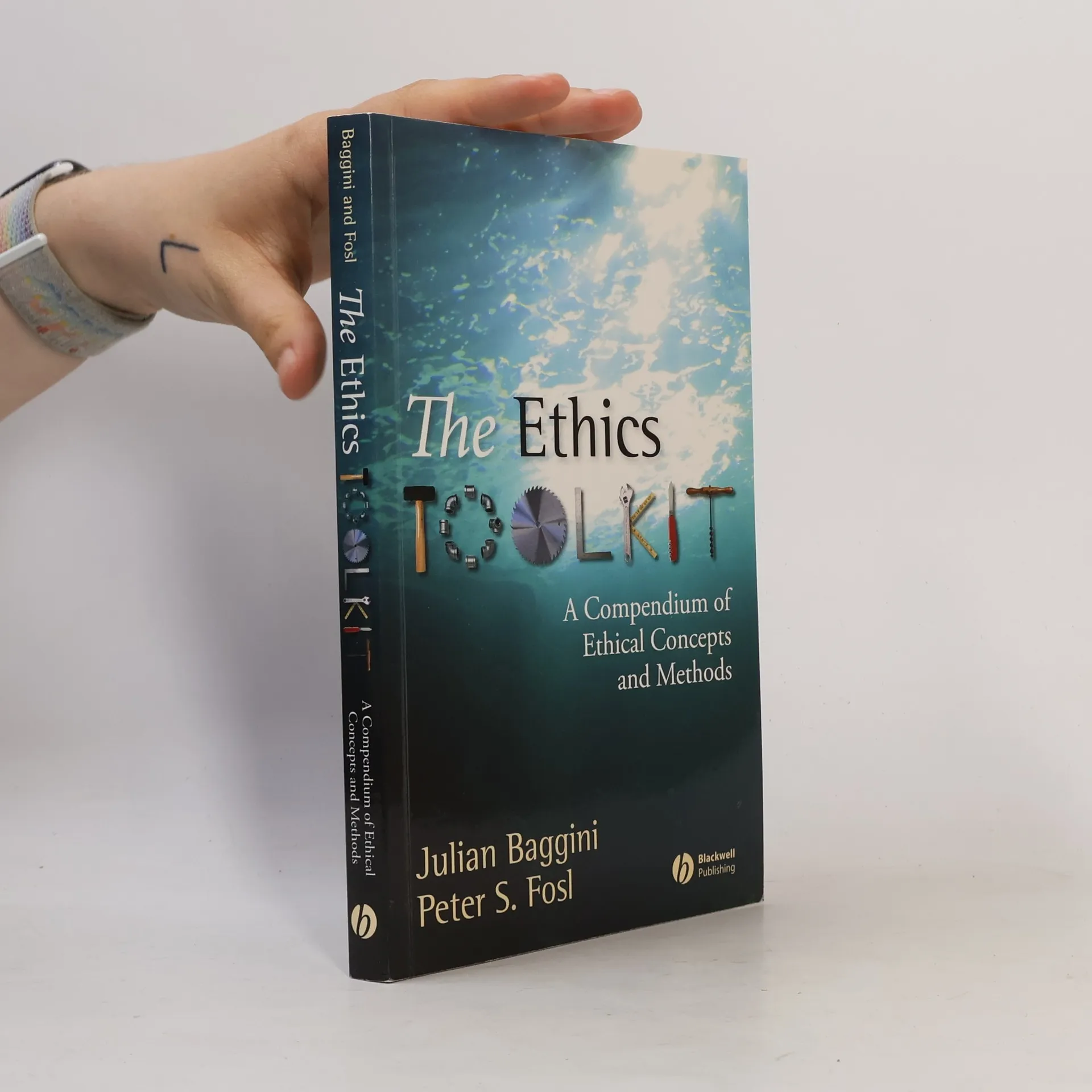
The Ethics Toolkit provides an accessible and engaging compendium of concepts, theories, and strategies that encourage students and advanced readers to think critically about ethics so that they can engage intelligently in ethical study, thought, and debate.
Is your brain ready for a thorough philosophical health check? Really, it won't hurt a bit...Is what you believe coherent and consistent? Or is it a jumble of contradictions? If you could design yourself a God, what would He (or She, or It) be like? Can you spot the logical flaw in an argument (even if it's hiding from you)? And how will you fare on the tricky terrain of ethics when your taboos are under the spotlight? If all this causes your brain to overheat, there is a philosophy general knowledge quiz to round off with. Do You Think What You Think You Think? presents a dozen quizzes that will reveal what you really think and what it all adds up to (brace yourself: it might not add up to what you expected). Challenging, fun, infuriating - sometimes all at once - this book will enable you to discover the you you never knew you were. Think of it as an MOT for your mind.
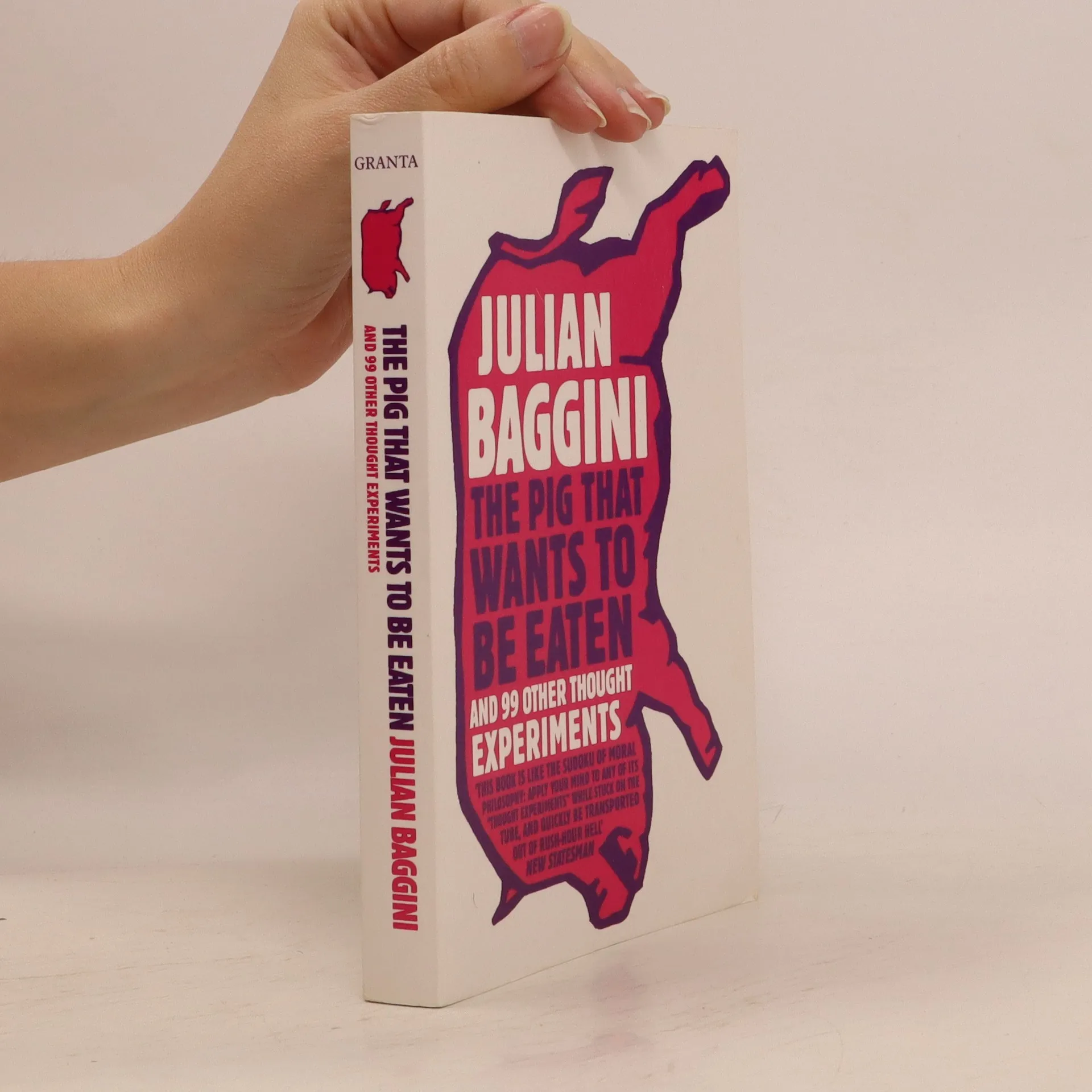
The Granta backlist classic: a collection of short, accessible philosophical quandaries to stimulate, challenge and entertain!
Kann man die größte aller philosophischen Fragen, die nach dem Sinn des Lebens, wirklich beantworten? Der berühmte Philosoph Bertrand Russell etwa konnte es nicht, als ein Taxifahrer ihn danach fragte. Julian Baggini vermag auf besondere Weise zu zeigen, daß wir selbst die Antworten auf die 'letzten Fragen' finden müssen. Dafür stellt er uns wunderbares 'Handwerkszeug' zur Verfügung: Um über die 'Natur' des Menschen nachzudenken, bemüht er nicht einfach Thomas Hobbes, sondern den Italowestern eines Sergio Leone. Das Selbst und die Seele erläutert er mit Madonna. Ob er Tschechows 'Möwe', 'Sunset Boulevard', Aristoteles, 'Rain Man' oder Kant benützt, Bagginis außergewöhnliches Talent, Philosophie lebendig zu machen, schafft nicht nur ein Lesevergnügen der besonderen Art. Es lehrt auch, auf dem Boden der philosophischen Tradition lustvoll eigenständig zu denken.
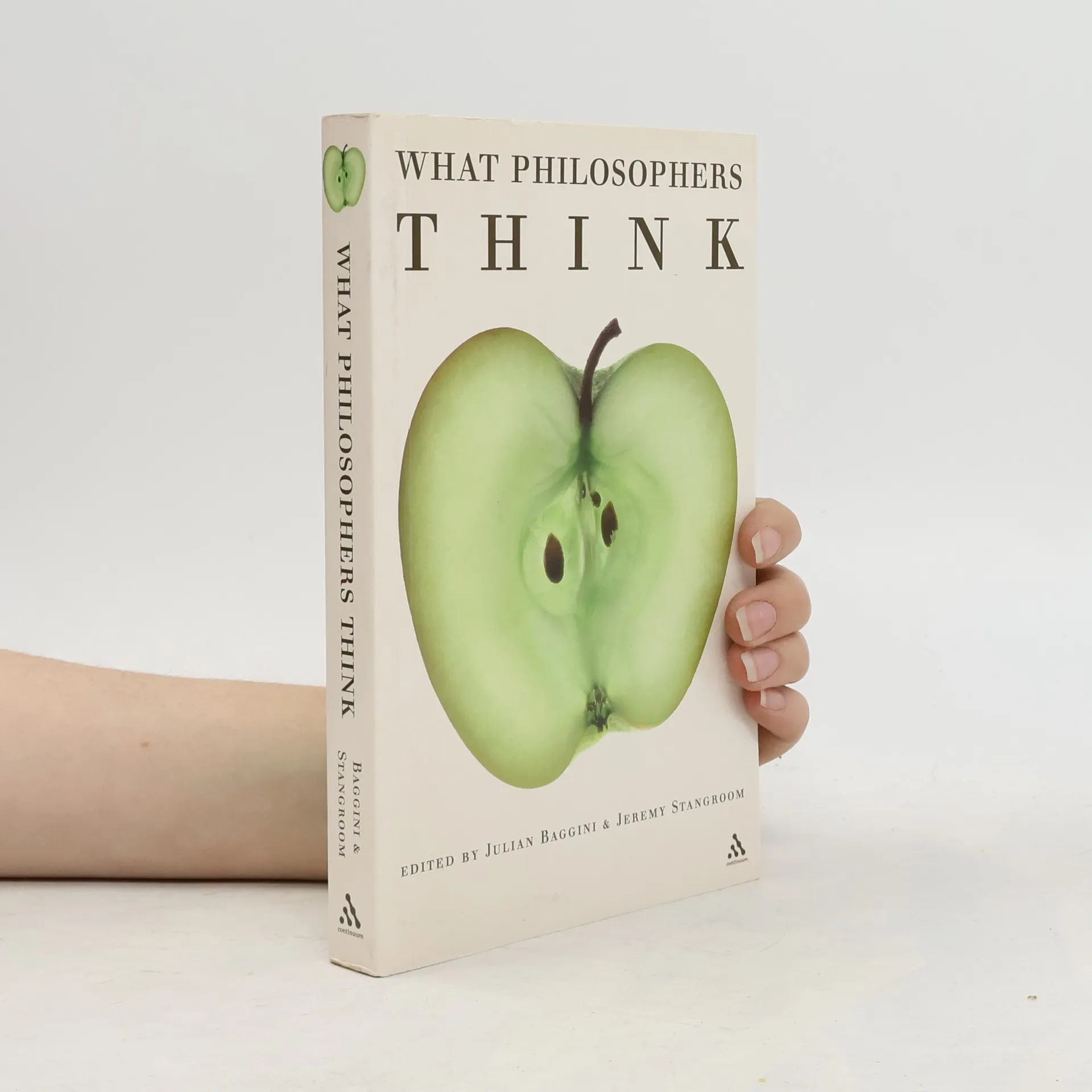
What does evolution mean today? Do we have free will? How is technology changing the way we understand life? Where is God? Does art have a value? Is science the new philosophy? What are the ethics of making war? How does language hold meaning? Is freedom possible? These are only some of the questions addressed in What Philosophers Think, a collection of interviews with some of the world's leading philosophers and intellectuals. Contributors: Simon Blackburn, Helena Cronin, Don Cupitt, Richard Dawkins, Michael Dummett, Stuart Hampshire, John Harris, Ted Honderich, Mary Midgley, Ray Monk, Hilary Putnam, Jonathan Rée, Janet Radcliffe Richards, Roger Scruton, John Searle, Peter Singer, Alan Sokal, Russell Stannard, Richard Swinburne, Peter Vardy, Edward O. Wilson, Mary Warnock.
Do you think of atheists as immoral pessimists who live their lives without meaning, purpose, or values? Think again! Atheism: A Very Short Introduction sets out to dispel the myths that surround atheism and show how a life without religious belief can be positive, meaningful, and moral. schovat popis
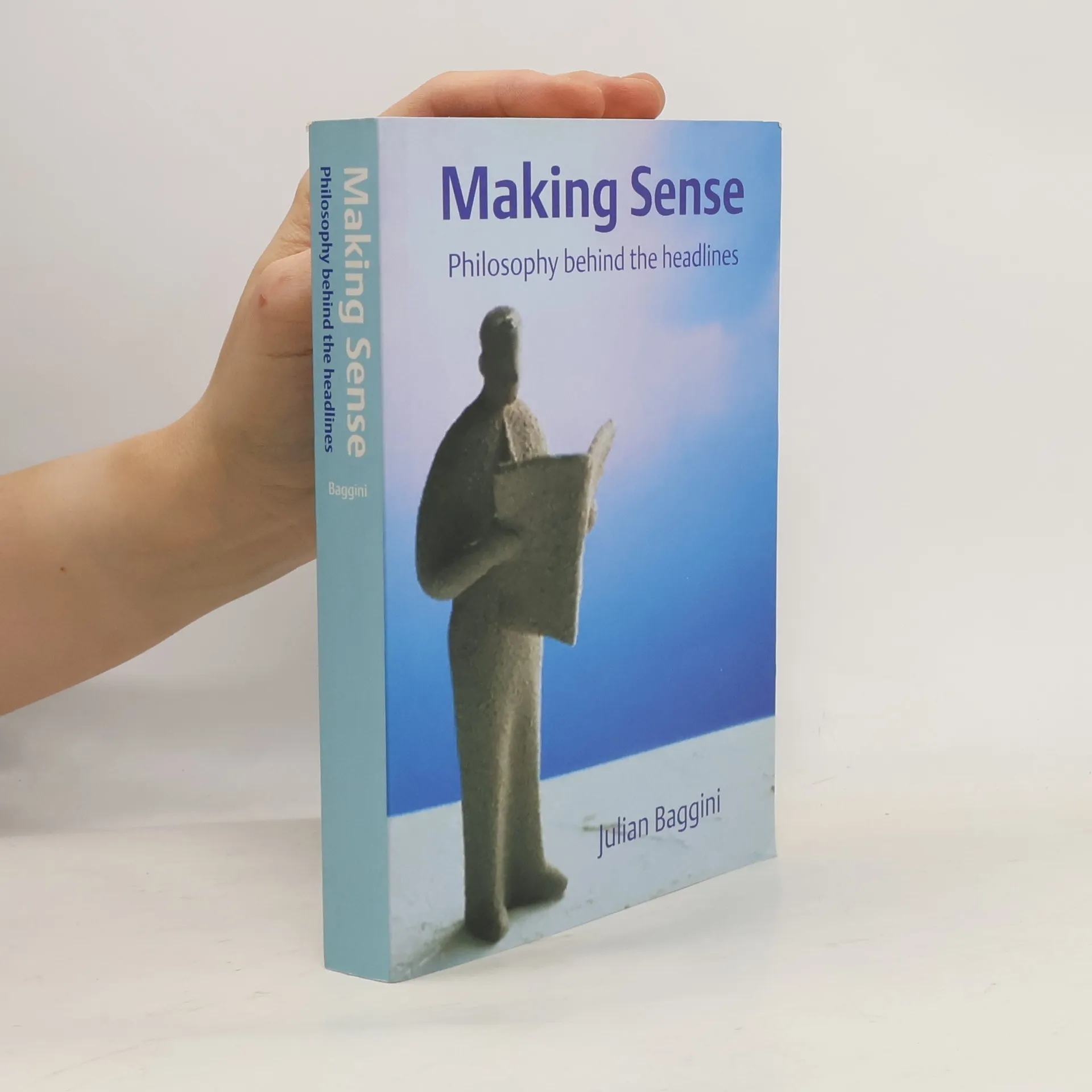
In Making Sense, Julian Baggini examines the philosophical issues and disputes that lie behind such news stories as the Clinton-Lewinsky affair, the war against terrorism, the siege at Waco, genetically modified foods, and advances in human therapeutic cloning. Baggini, founding editor of the highly popular Philosopher's Magazine, shows how we can use the techniques of philosophy and the insights of its greatest practitioners to understand the issues behind the headlines. He explains the proper role of philosophy in such inquiries, showing both the limits and the reach of the philosophical analysis of current affairs, and also argues that applying philosophy to news stories can and should inform our wider understanding--what we know, believe, and value. Baggini covers themes such as war, truth, morality, the environment, religious faith, the ending of life, and the meaning of value. He weaves philosophy and current affairs to create a compelling narrative that challenges how we make sense both of the world around us and of our own beliefs.