Britský novinář a politický aktivista, známý svým zapojením do hnutí proti válce ve Vietnamu. Jeho dílo se zaměřuje na společenské a politické nepokoje, jako jsou události z května 1968 ve Francii a další dělnická a studentská povstání konce 60. let. Harmanův přístup k analýze těchto událostí a jeho aktivistické postoje vzbudily v minulosti i kontroverze. Jeho práce nabízí pronikavý pohled na historické momenty sociálních a politických změn.
The year 1968 was a watershed. Millions of workers in France struck in protest at police violence, the black ghettos in the United States rose in protest at the assassination of Martin Luther King, and it was the year of the Prague Spring when students and workers rose against Stalinism, only to be crushed by Russian Tanks. Substantially revised and updated to coincide with the 30th anniversary of the revolt, this work analyses the period and draws lessons from the events of 1968 that will still have relevance today.
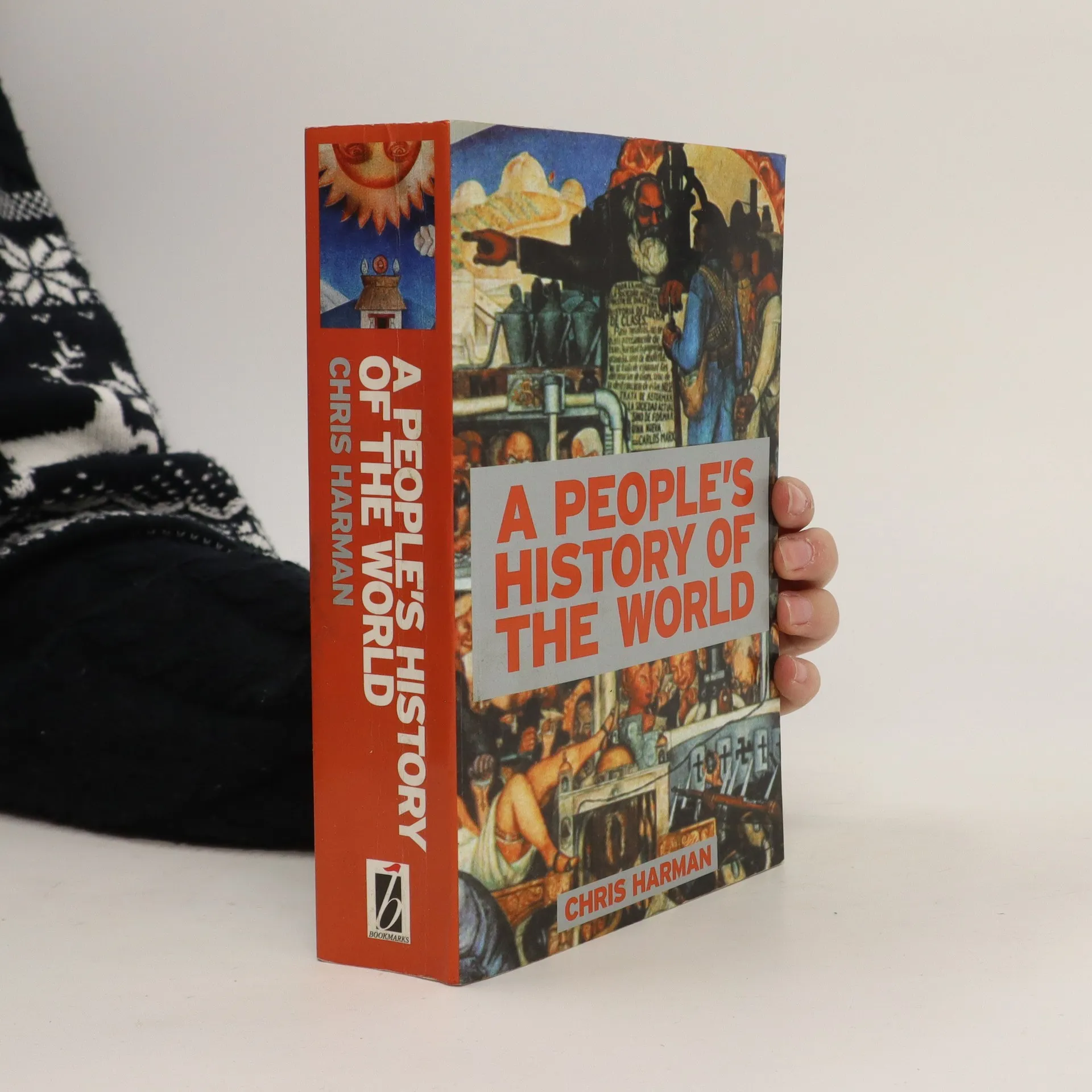
Die von dem britischen Marxisten Chris Harman zur Jahrtausendwende verfasste Menschheitsgeschichte – beginnend mit den urkommunistischen Gesellschaften und der neolithischen Revolution bis zum Jahr 2000 fortschreitend – ist eine beeindruckende und zugängliche Erzählung über die Entstehung und die Bewegungen zur Überwindung von Klassengesellschaften. Es handelt sich im wahrsten Sinne um eine Weltgeschichte, in der Harman dem üblichen Eurozentrismus widersteht und den Bogen von Mesopotamien und Mesoamerika über Asien bis Europa spannt und gerade auch die Ähnlichkeit der jeweiligen Entwicklungen aufzeigt. Dies geschieht auf der Grundlage eines methodischen Ansatzes, der danach fragt, wie Gesellschaft durch das Zusammenwirken von technischer Entwicklung, neuen Formen der Arbeitsteilung, Klassenstrukturen und Klassenkämpfen geprägt wird. In Harmans Weltgeschichte sind nicht »große Männer« wie Könige, Staatsmänner, Religionsstifter oder Philosophen die Triebkräfte der Geschichte, sondern herrschende und beherrschte Klassen. All dies ist eingebettet in eine breite Ideen- und Kulturgeschichte, die das hinduistische Verbot des Verzehrs von Rindern wie die Kunst der Renaissance oder die Filme Charlie Chaplins einschließt.
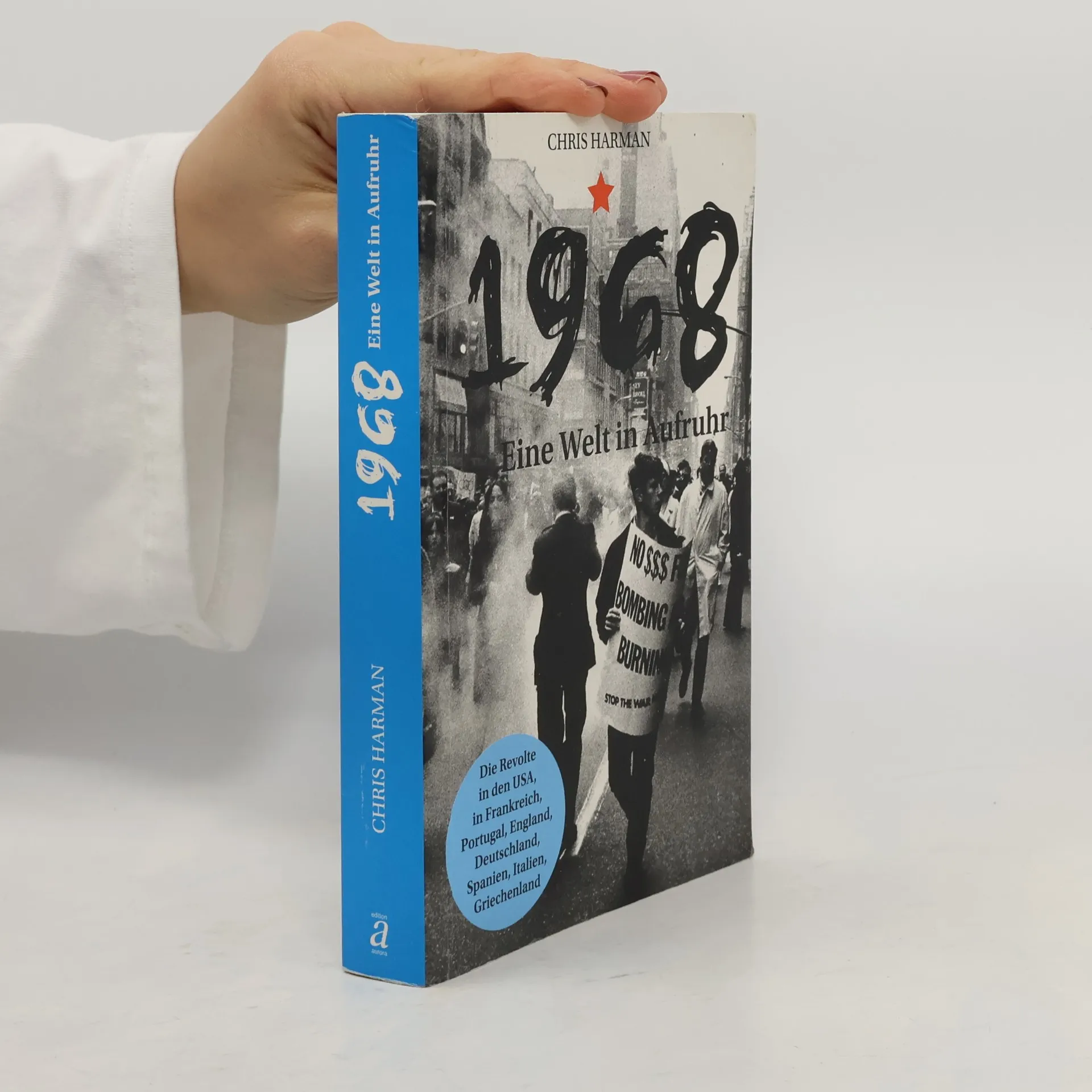
Chris Harman schildert die Ereignisse rund um das Jahr 1968 in verschiedenen Ländern und arbeitet die Wechselwirkung zwischen den zunächst scheinbar getrennt voneinander ablaufenden Protesten heraus. Er analysiert die Stärken und Schwächen der 68er Bewegung und diskutiert, warum am Ende der Kapitalismus zwar schwer erschüttert war, aber nicht gestürzt wurde.
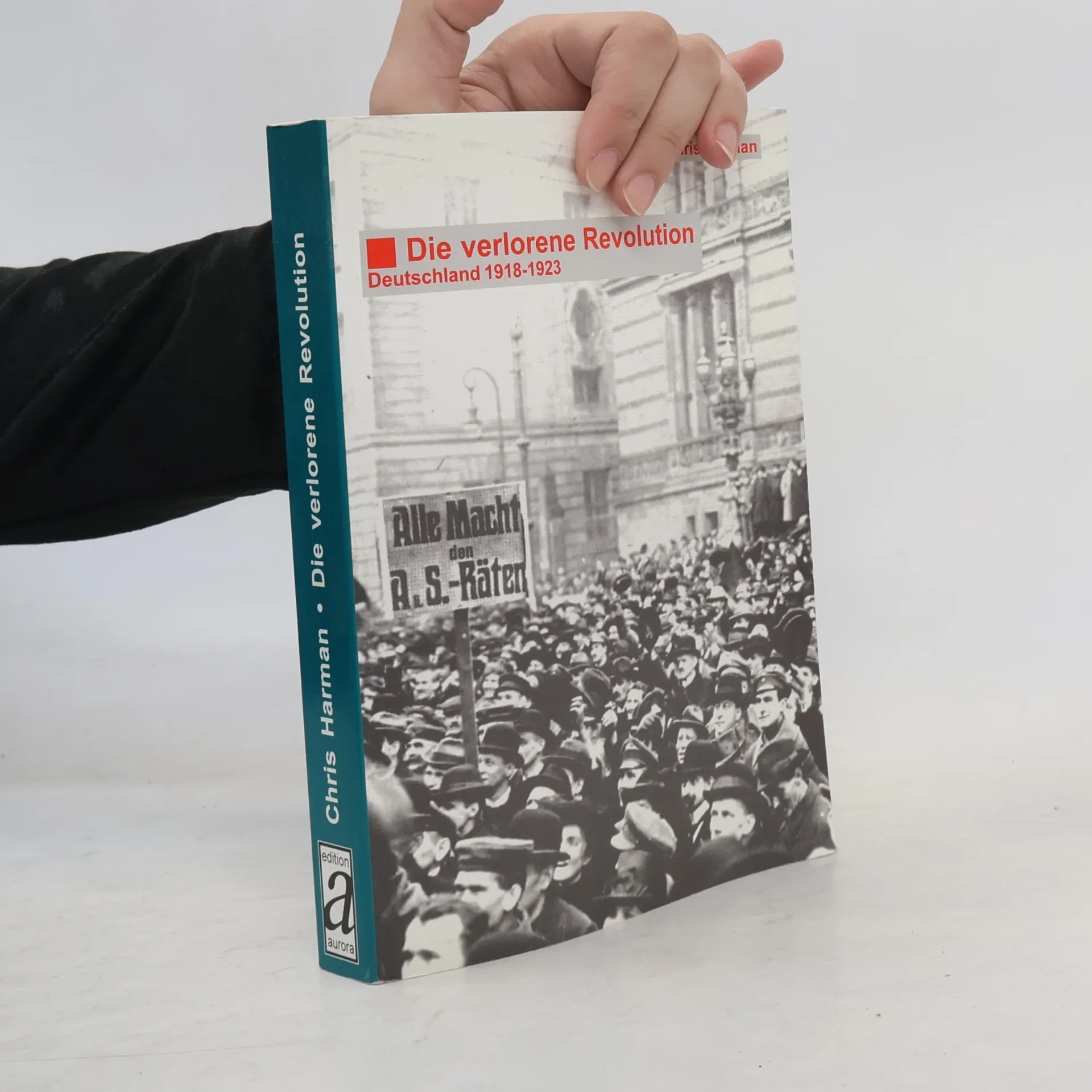
Die lebendige Schilderung der Novemberrevolution von 1918 verbindet Chris Harman mit einer prägnanten Analyse der Fehler und Schwächen der Politik der beiden großen Arbeiterparteien, insbesondere der KPD.