

A model of clarity, grace, and intelligence, François Ricard's book joins the great French tradition of the literary essay as a meditation on the writing of Milan Kundera. Agnès's Final Afternoon imitates the protagonist of Kundera's novel Immortality on the last afternoon of her life. Like all readers of fiction, Agnès steps out of her car -- out of the world of planned routes, responsibilities, and social self -- and gives herself up to the discovery of a new landscape, an experience that will transform her. François Ricard's essay enters into the writings of Milan Kundera in much the same way. The landscape he explores includes a chain of ten novels, composed between 1959 and 1999, and two books containing one of the most lucid reflections on the novel. From The Joke to Ignorance, Ricard uncovers the richness of theme and character in the novels, their structural composition, polyphony of voices, and innovations of form and subject matter that stretch the boundaries of the novel to a breaking point. Readers need not be familiar with all of Milan Kundera's oeuvre to appreciate this unusual and original book. Agnès's Final Afternoon will inspire a sense of wonder and lead you to appreciate the beauty and profundity of Kundera's art.
Aaron Asher Knihy

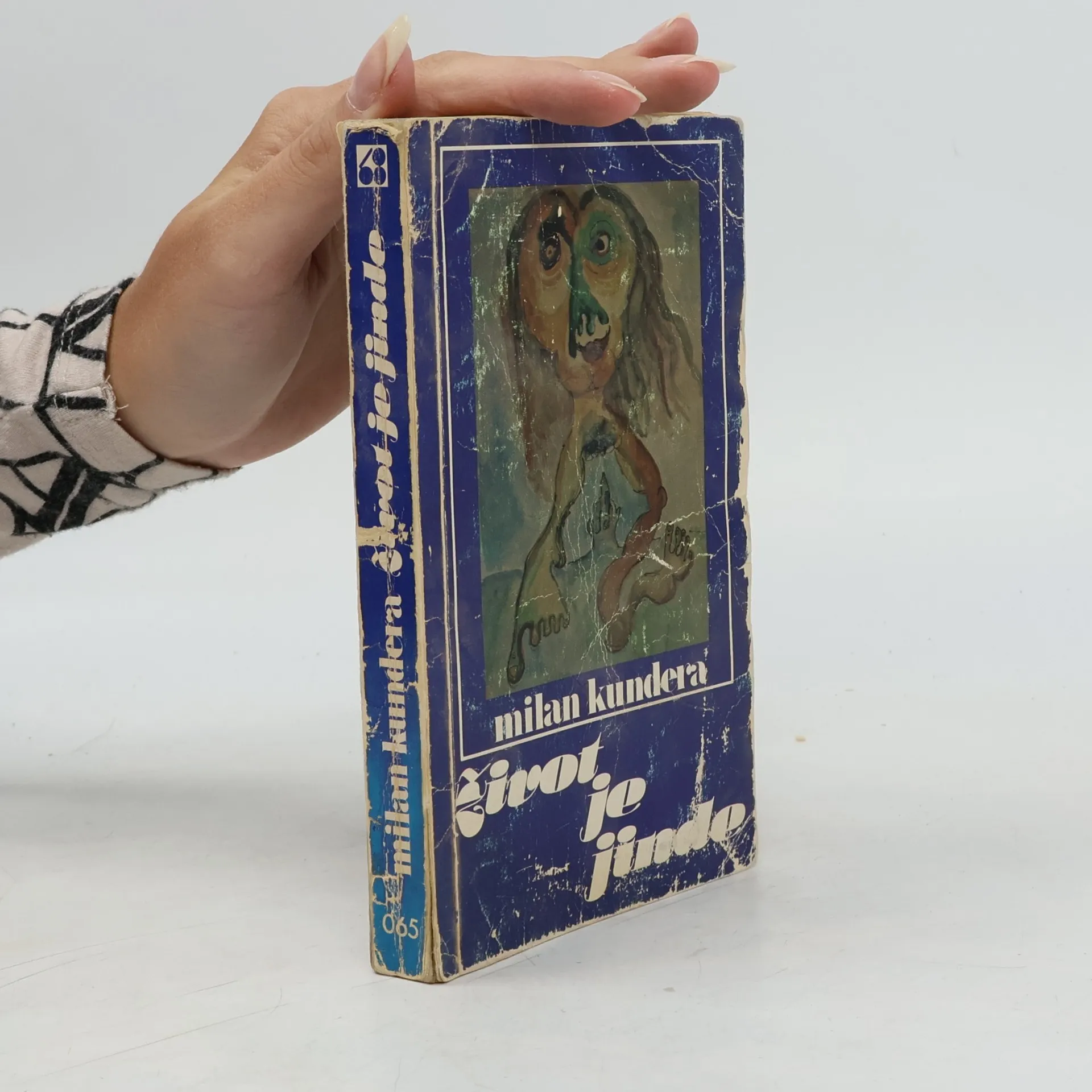

Život je jinde
- 365 stránek
- 13 hodin čtení
„Tématem mých románů není kritika společnosti. Život je jinde je situován do roku 1948, do doby zešílevšího stalinismu. Ale mou ambicí nebylo kritizovat režim! Kritizovat ho v roce 1969, kdy jsem román dopisoval, by bylo nošení dříví do lesa. Téma románu je existenciální: je to téma lyrismu. Revoluční lyrismus komunistického teroru mne zajímal, protože vrhal netušené demaskující světlo na odvěký lyrický sklon člověka.“ Milan Kundera: Poznámka autora [prosinec 1992] v románu Nesmrtelnost, Atlantis 2006, s. 376. Milan Kundera napsal Život je jinde česky v roce 1969; poprvé vyšel francouzsky pod názvem La vie est ailleurs v Éditions Gallimard roku 1973. V témže roce román získal francouzskou literární cenu Prix Médicis. První, exilové české vydání vydalo v roce 1979 nakladatelství Sixty-Eight Publishers manželů Škvoreckých v Torontu. Obálku s použitím autorova obrazu navrhla Barbora Munzarová.
Kniha smíchu a zapomnění
- 260 stránek
- 10 hodin čtení
„Celá tato kniha je román ve formě variací. Jednotlivé oddíly následují po sobě jako jednotlivé úseky cesty, která vede dovnitř tématu, dovnitř myšlenky, dovnitř jedné jediné situace, jejíž pochopení se mi ztrácí v nedohlednu. Je to román o Tamině, a ve chvíli, kdy Tamina odchází ze scény, je to román pro Taminu. Ona je hlavní postavou i hlavním posluchačem a všechny ostatní příběhy jsou variací jejího příběhu a sbíhají se v jejím životě jako v zrcadle. Je to román o smíchu a o zapomnění, o zapomnění a o Praze, o Praze a o andělích. Ostatně není to vůbec náhoda, že mladík, jenž sedí u volantu, má andělské jméno Rafael.“