
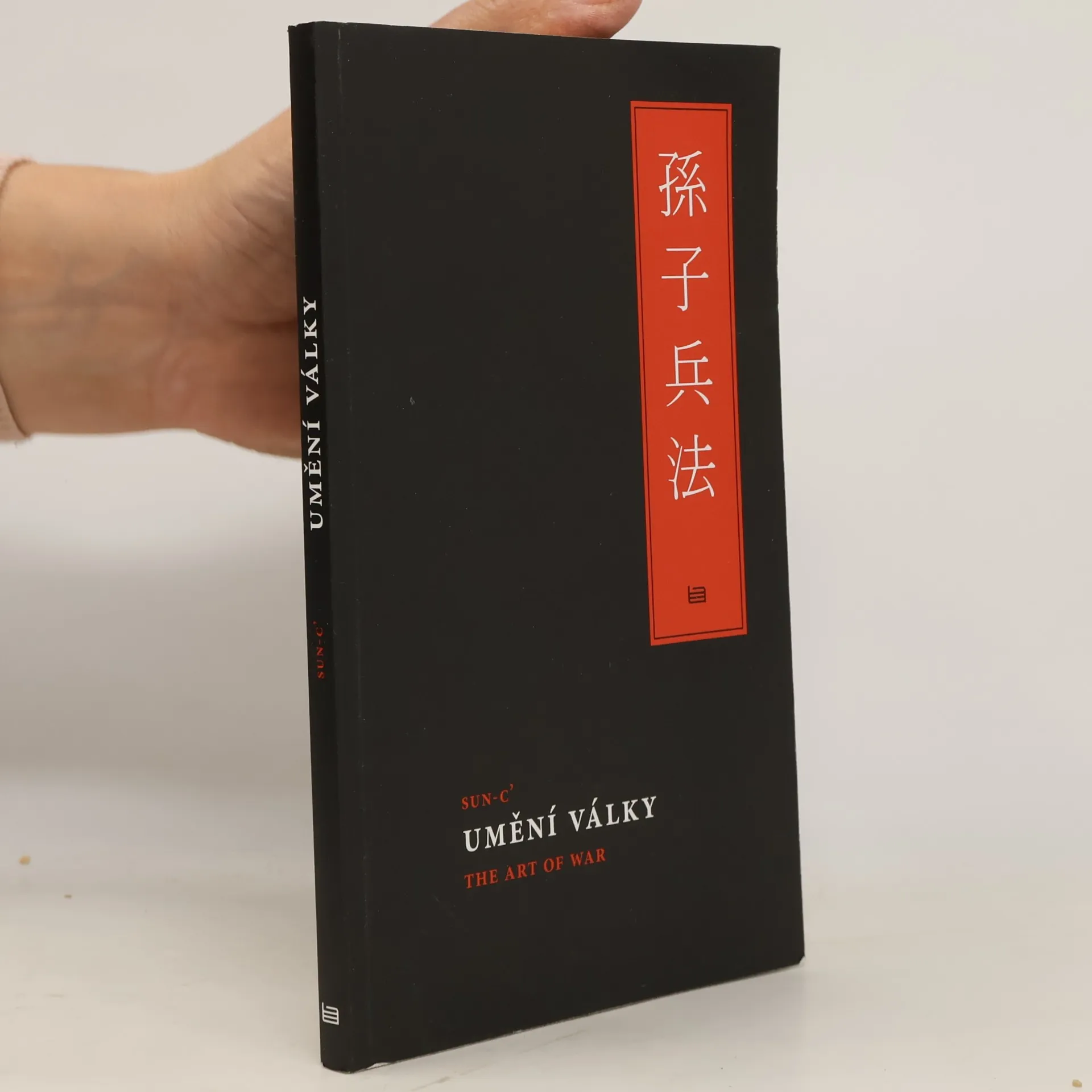
Pojednání Mistra Suna Umění války je nejstarší knihou o strategii boje v dějinách lidstva. Už dva a půl tisíce let představuje pramen inspirace jak pro generály a politiky, tak pro manažery a podnikatele. Toto vydání je výjimečné tím, že starobylé pojednání přímo z čínského originálu přeložil sinolog Vít Vojta a každou kapitolu doplnil aktuálním komentářem zaměřeným na to, jak strategie Umění války využít v podnikání.
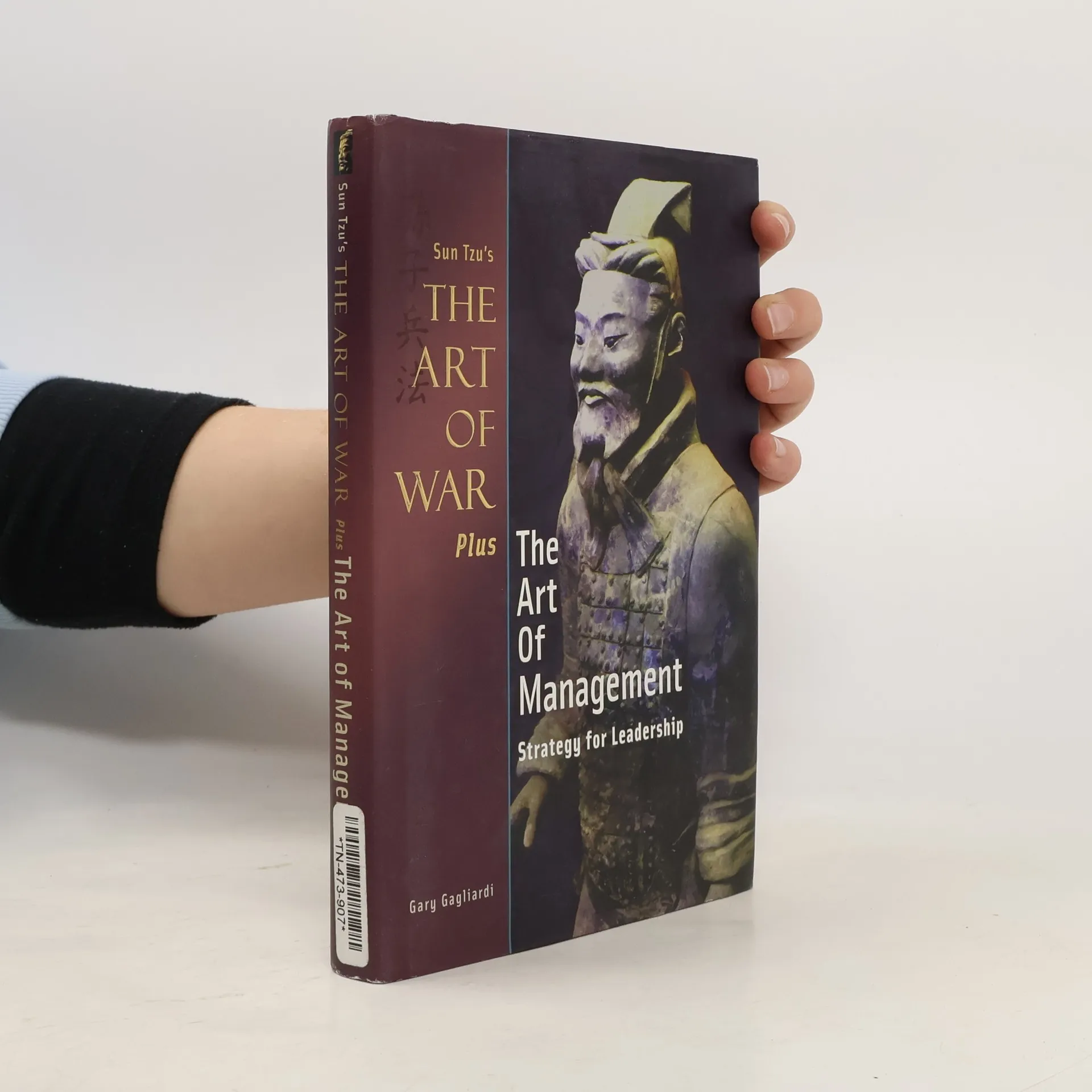
Two books in one, this book was written specifically for sales managers as a companion for our most popular book, The Art of War for the Sales Warrior. The management methods presented in this book follow Sun Tzu's principles line by line, with the complete text of The Art of War on the left-hand pages and the sales management adaptation, Strategy for Sales Managers, on the facing right-hand pages. Readers can see that they are getting a proven philosophy that has survived 2,500 years, not just another sales theory from the expert of the month. Recognized by the Independent Publishers Book Award as one of the best Business books of the year. Contents Foreword-Sales Force Introduction-5 Elements and 9 Skills 1-Sales Position 2-Profitable Sales 3-Sales Focus 4-Defense and Advance 5-Sales Excitement 6-Expansion Opportunities 7-Company Politics 8-Crucial Decisions 9-Outmaneuver Competitors 10-Guiding Salespeople 11-Management Challenges 12-Competitive Vulnerability 13-Information Power Glossary
This volume is the first of a 2 volume set aimed at making the important Chinese classic more accessible to students of the Chinese language. Volume 1 (this book) is a reprint of the original 1910 edition (published by Luzac & Co., London) of Sun Tzu on the Art of War: The Oldest Military Treatise in the World by Lionel Giles. The Chinese text, Giles' English translation, as well as his extensive notes are all faithfully reproduced. A Wade-Giles to Pinyin conversion table has been added to make the original classic more useful for the modern student. Volume 2, available separately, includes each chapter in Chinese traditional characters, the pinyin transcription, as well as the English translation.