Knihobot

David Doyle

    David Doyle
    Huey in Vietnam: Bell's UH-1 at War
    German Heavy Armored Cars: Sd.Kfz. 231, 232, 233, 263, and 234 in World War II
    Liberty Ships: America's Merchant Marine Transport in World War II
    USS Lexington (CV/CVA-16): From World War II to Present-Day Museum Ship
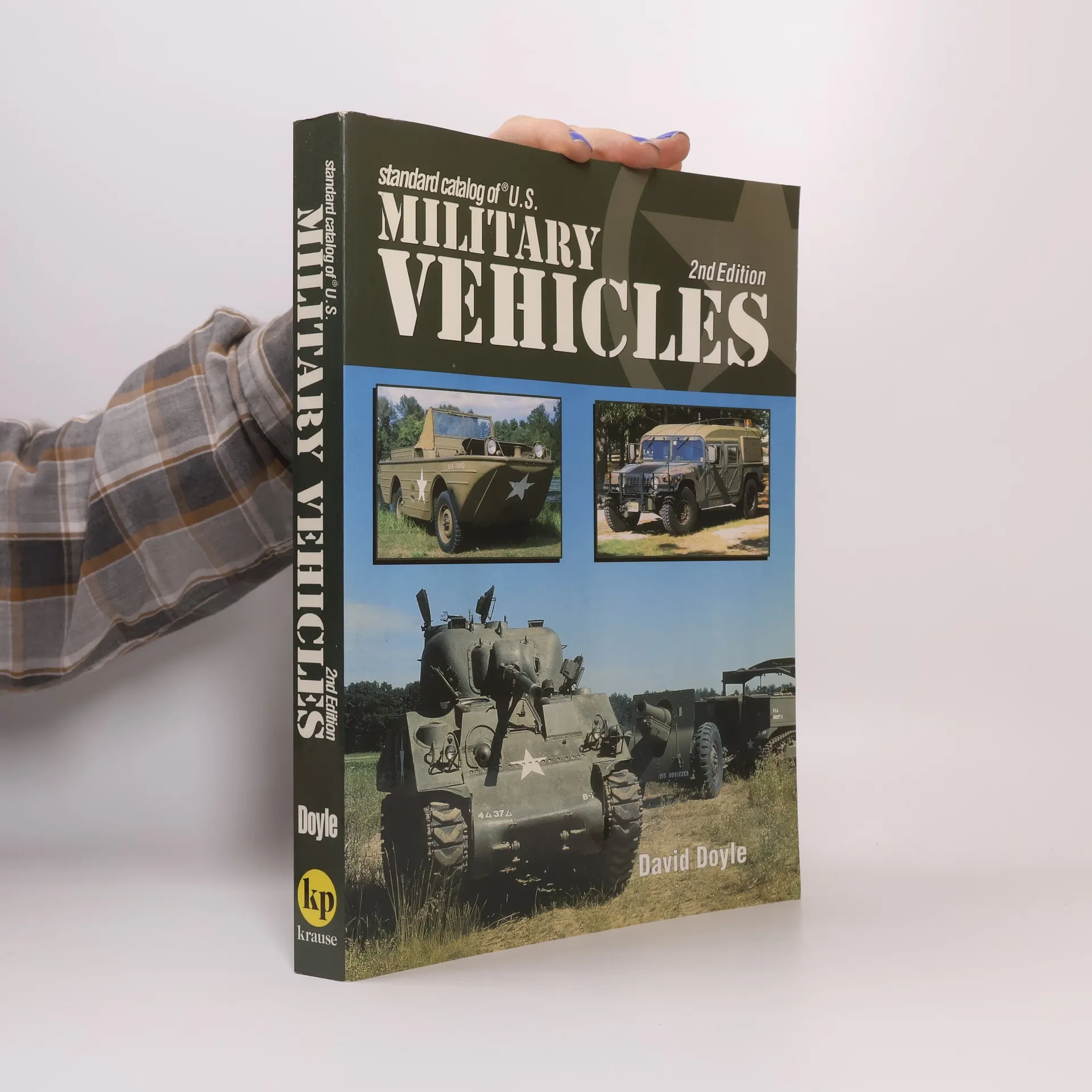
    Vehicles and Heavy Weapons of the Vietnam War
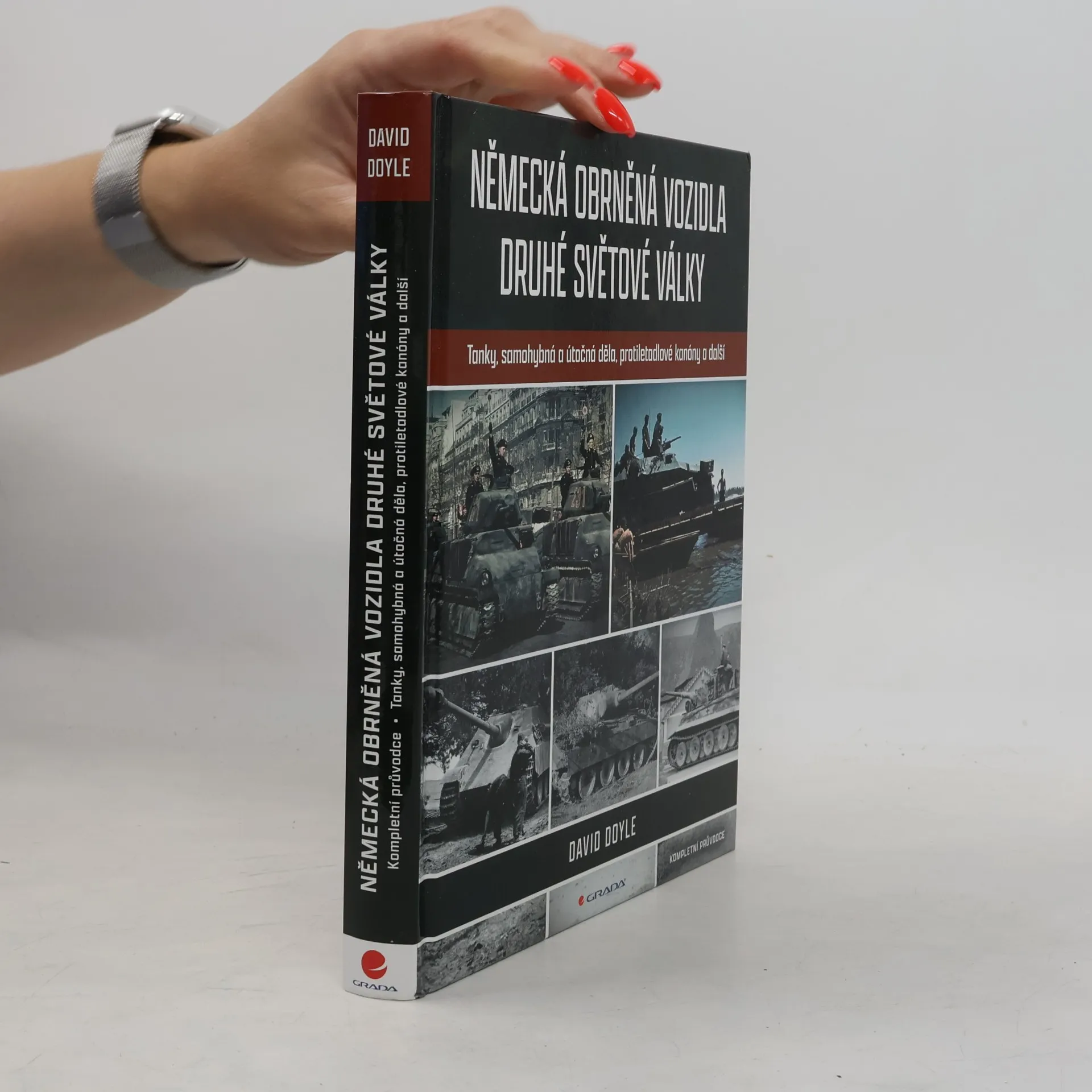
    Německá obrněná vozidla druhé světové války
    • Kniha poskytuje čtenáři přehled o všech obrněných vozidlech, která používaly jednotky Wehrmachtu i SS během druhé světové války. Více než 300 stran textu, který doprovází přes 400 fotografií, z nichž mnohé nebyly doposud zveřejněny, činí z této knihy nejobsáhlejší dílo na toto téma. David Doyle jako zkušený autor sestavil publikaci ideální pro historika i modeláře, v níž nabízí technické informace, fotografie a historii nasazení: obrněných automobilů polopásových vozidel tanků útočných děl stíhačů tanků Jagdpanzer a Panzerjäger samohybných děl, houfnic a minometů protiletadlových vozidel plamenometných vozidel vyprošťovacích vozidel obrněných ženijních vozidel
      Německá obrněná vozidla druhé světové války
    • USS Lexington (CV-16), a member of the famed Essex class of carriers that made up the backbone of the US Navy's carrier force in WWII, served its nation from WWII into the 1990s. With almost a half-million arrested landings recorded, arguably more naval aviators have landed on its decks than on any other aircraft carrier in the world. Scarred in battle during WWII, the Lexington earned considerable distinction in that war, participating in the sinking of over a million tons of enemy ships and downing hundreds of Japanese aircraft. The history of this famed vessel is presented through over 200 photographs and accompanying narrative. These photos, coupled with descriptive and informative captions, put the reader on the deck of this historic warship throughout its history.

      USS Lexington (CV/CVA-16): From World War II to Present-Day Museum Ship
    • Although not a weapon in the traditional sense of the word, arguably no item in the Allied arsenal contributed as much to the defeat of the Axis during WWII as did the Liberty ships. The 2,710 Liberty ships placed into service between 1941 and 1945 provided a vital link in the supply chain not only of US but also Allied forces during WWII. Although the basic design itself was obsolete even before the first one slid down the builder's ways, it had the advantage of being relatively easy to produce, and simple to operate and maintain. Thus, the vessels were mass-produced by no fewer than eighteen shipyards. Building time, initially 244 days, dropped to forty-two days per ship, although as a publicity stunt the Robert E. Peary was launched four days and fifteen and a half hours after the keel was laid.

      Liberty Ships: America's Merchant Marine Transport in World War II
    • During WWII, Germany fielded a variety of six- and eight-wheeled armored cars, which were used in numerous ways, including reconnaissance, antitank, infantry support, and other roles. The earliest of these vehicles, the 6-Rad, or six-wheeled vehicles, were based on 6 × 4 truck chassis. Once the limitations of this design became evident, later models utilized specially designed all-wheel-drive power trains, with the final model, the 234 series, incorporating a unibody design. Similarly, armament evolved from 7.92 mm machine gun to 75 mm PaK 40 cannon and 7. 5 cm StuK40 howitzers. Based on the author’s earlier work, through over 250 photographs this volume explores 12 major types of these vehicles and delves into the subtle changes made during production.

      German Heavy Armored Cars: Sd.Kfz. 231, 232, 233, 263, and 234 in World War II
    • Huey in Vietnam: Bell's UH-1 at War

      • 112 stránek
      • 4 hodiny čtení
      5,0(1)Ohodnotit

      The design, development, and evolution of the Bell UH-1 Huey in combat during the Vietnam War.Few implements of war are as representative of the US presence in Vietnam as the Bell Huey UH-1-series helicopters. Whether serving in the role of troop transport for airborne assault, supply transports, aerial gunships, or medical evacuation, the Huey was seemingly everywhere. The versatile aircraft, officially the "Iroquois," was affectionately known to all as the "Huey," a name derived from its early model designation of HU-1A. The Huey, later redesignated UH-1, was a mainstay during America's presence in Vietnam, and 11 Huey crewmen earned the Medal of Honor. This comprehensive volume details the complete, colorful, and important history of this iconic helicopter and the men who flew it.

      Huey in Vietnam: Bell's UH-1 at War
    • A visual history of USS Intrepid , one of the most visited museum ships in the world!USS Intrepid , the "Fighting I," was one of America's longest-serving aircraft carriers. Launched during WWII, Intrepid and her crews weathered kamikazes, torpedoes, and typhoons throughout three years of heavy combat. With her days at sea over, Intrepid first hosted the Navy exhibits during the US bicentennial celebrations in 1976, before finding a new home as the Intrepid Sea, Air & Space Museum on the Hudson River waterfront in New York City.

      USS Intrepid (CV-11/CVA-11/CVS-11): From World War II, Korea, and Vietnam to Museum Ship
    • The complete history of the P-61 "Black Widow," one of the most advanced and most sinister-looking fighter aircraft of the Second World War.The striking P-61 Black Widow was the first purpose-built American night fighter. Designed by Jack Northrop and Vladimir Pavlecka, the P-61's menacing appearance was matched by the plane's advanced technology and fearsome weaponry. Interestingly, the Widow is credited with the final aerial kill of the war. Part of the Legends of Aviation series, this book—by prolific author David Doyle—tells the story of the Black Widow from the experimental XP-61 on through the final production variant, the F-15A.

      P-61 Black Widow: Northrop Night Fighter in WWII
    • Lvt(4) Amtrac

      The Most Widely Used Amphibious Tractor of World War II

      • 112 stránek
      • 4 hodiny čtení
      4,0(1)Ohodnotit

      The LVT(4), also known as the "Alligator," was a groundbreaking amphibious vehicle designed for military use during World War II. Developed by philanthropists Donald and John Roebling, it played a crucial role in the Pacific campaign, capable of navigating challenging terrains like coral reefs and swamps. The innovative rear ramp design allowed for easier troop deployment. With over 8,000 units produced by various manufacturers, the book features archival and detailed photographs that highlight the history and significance of this iconic vehicle, of which only a few remain today.

      Lvt(4) Amtrac
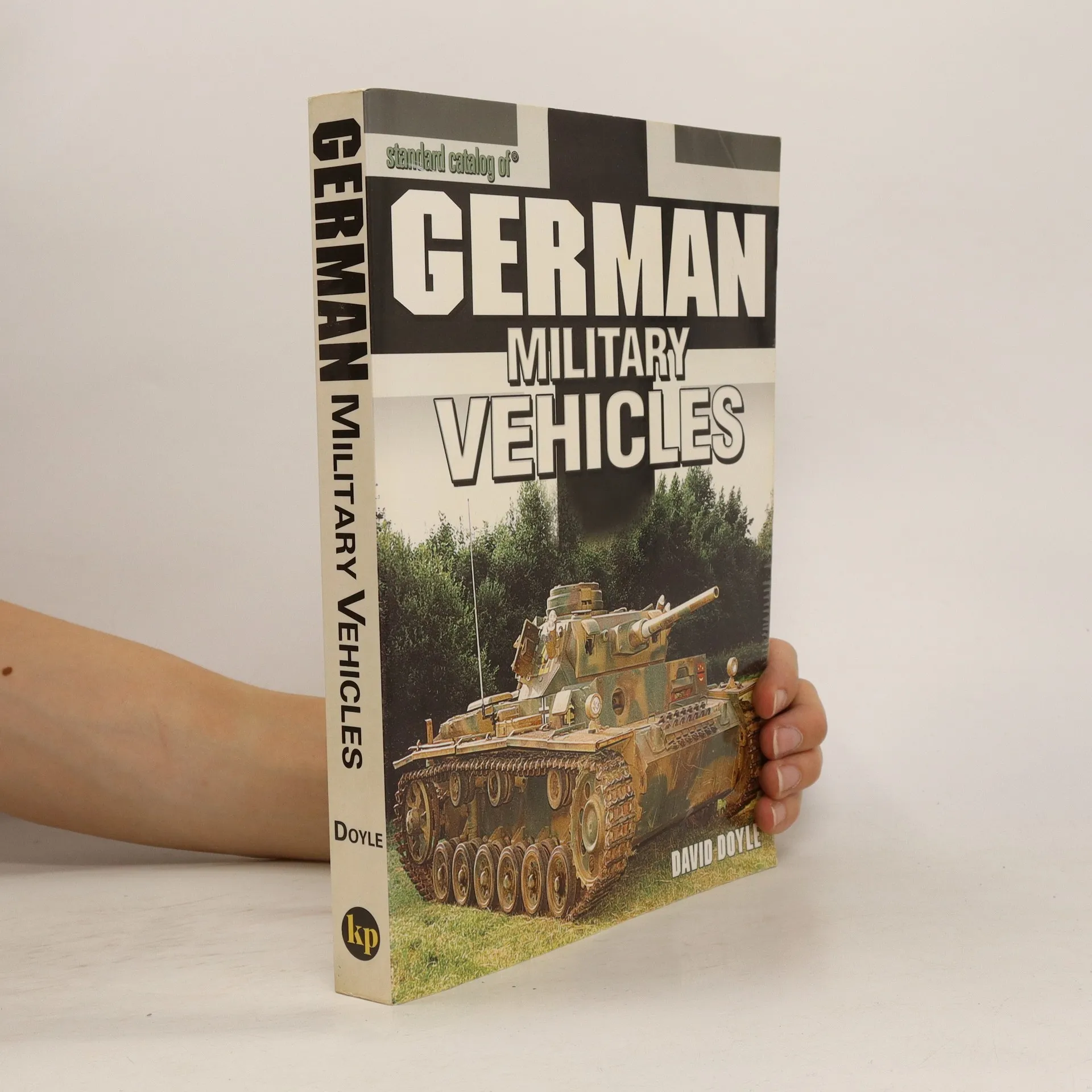
    • "This is the first-ever collection of images and data on German Military vehicles! Packed with never-before-seen photos and recently-discovered technical data, Standard Catalog of German Military Vehicles delivers comprehensive coverage of the most revered and feared war machines of WWII. Covering everything from the famous Tiger tanks to obscure and peculiar hybrids, motorcycles and tracked vehicles, this all-encompassing reference is a must-have for any military historian, military vehicle enthusiast or military modeler. With historical information behind each of the 200 featured vehicles, as well as specifications for each and more than 1,000 detailed photographs - Standard Catalog of German Military Vehicles is the best, biggest and most complete book on the market!"

      Standard Catalog of German Military Vehicles