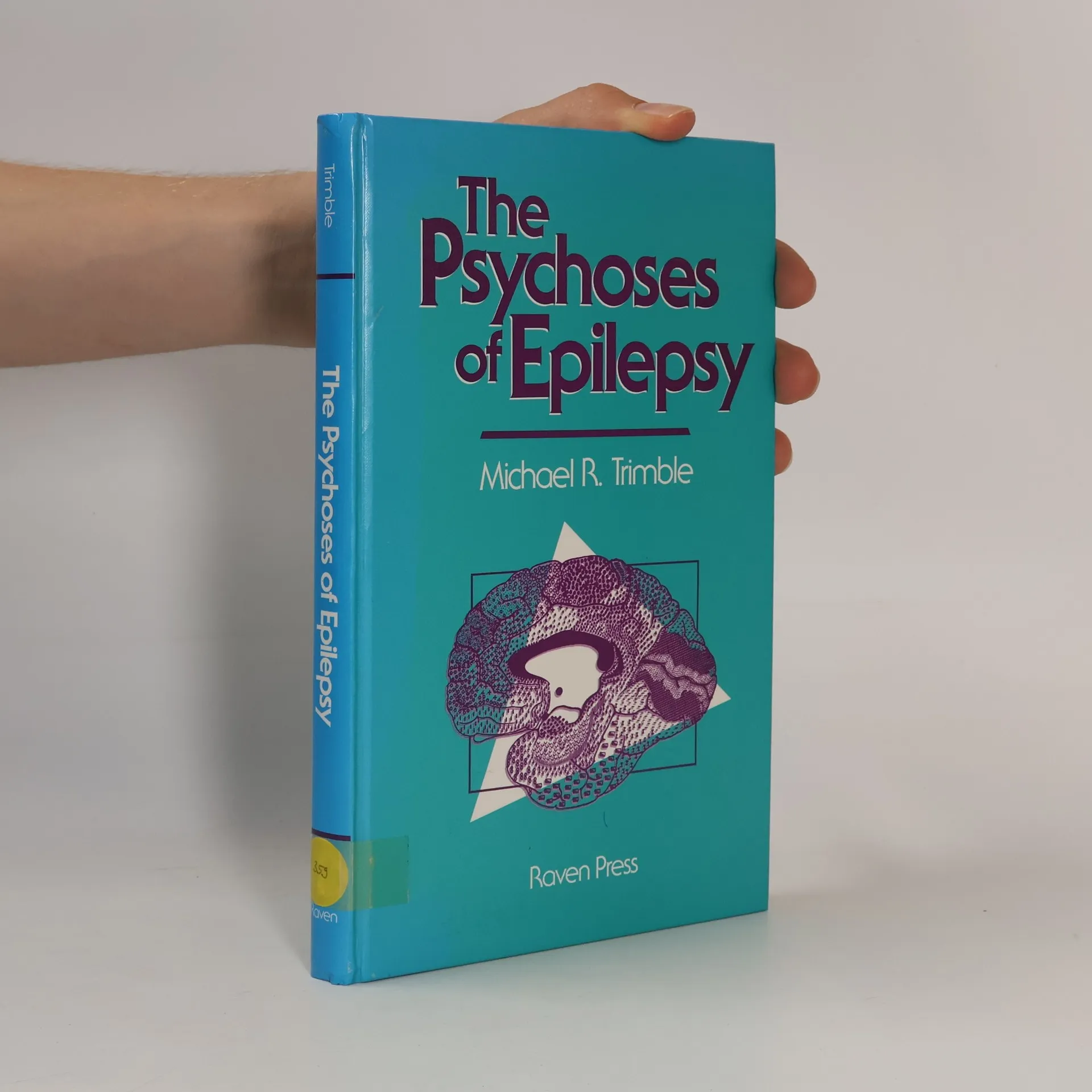
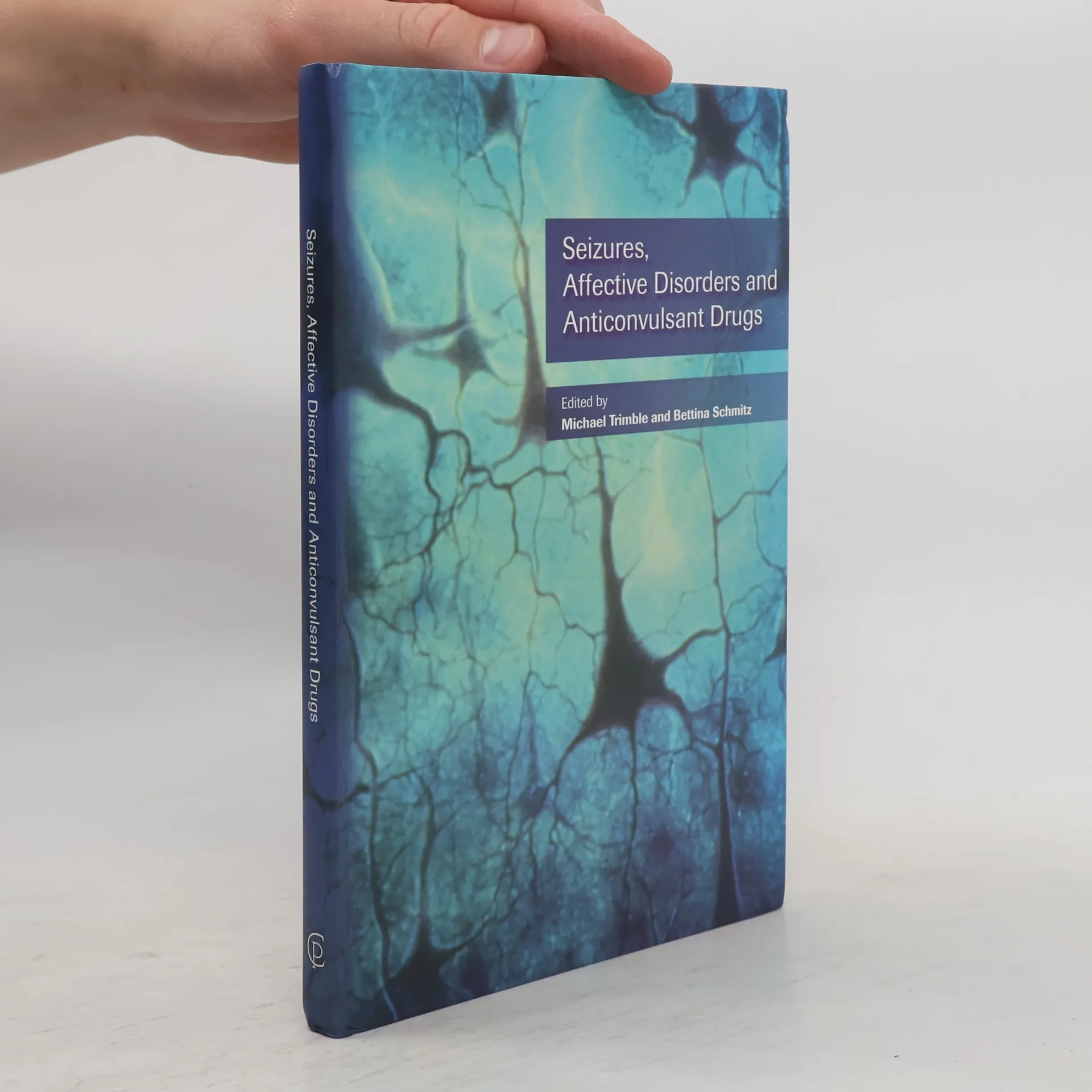
In this volume, a noted behavioral neurologist describes the various manifestations of psychosis in epileptic patients, reviews the mechanisms for development of psychosis, and offers practical advice on treatment. Of special value are the authoritative guidelines on use of anticonvulsants in patients with psychotic conditions, pharmacologic treatment of ictal and interictal psychoses, and indications for ECT.
Human beings are the only species to have evolved the trait of emotional crying. We weep at tragedies in our lives and in those of others - remarkably even when they are fictional characters in film, opera, music, novels, and theatre. Why have we developed art forms - most powerfully, music - which move us to sadness and tears? This question forms the backdrop to Michael Trimble's discussion of emotional crying, its physiology, and its evolutionary implications. His exploration examines the connections with other distinctively human features: the development of language, self-consciousness, religious practices, and empathy. Neuroanatomy and neurophysiology of the brain have uncovered unique human characteristics; mirror neurones, for example, explain why we unconsciously imitate actions and behaviour. Whereas Nietzsche argued that artistic tragedy was born with the ancient Greeks, Trimble places its origins far earlier. His neurophysiological and evolutionary insights shed fascinating light onto this enigmatic part of our humanity.
By examining the breakdown of language in several neuropsychiatric disorders, neuroscientists have identified brain circuits that are involved with metaphor, poetry, music, and religious experiences.
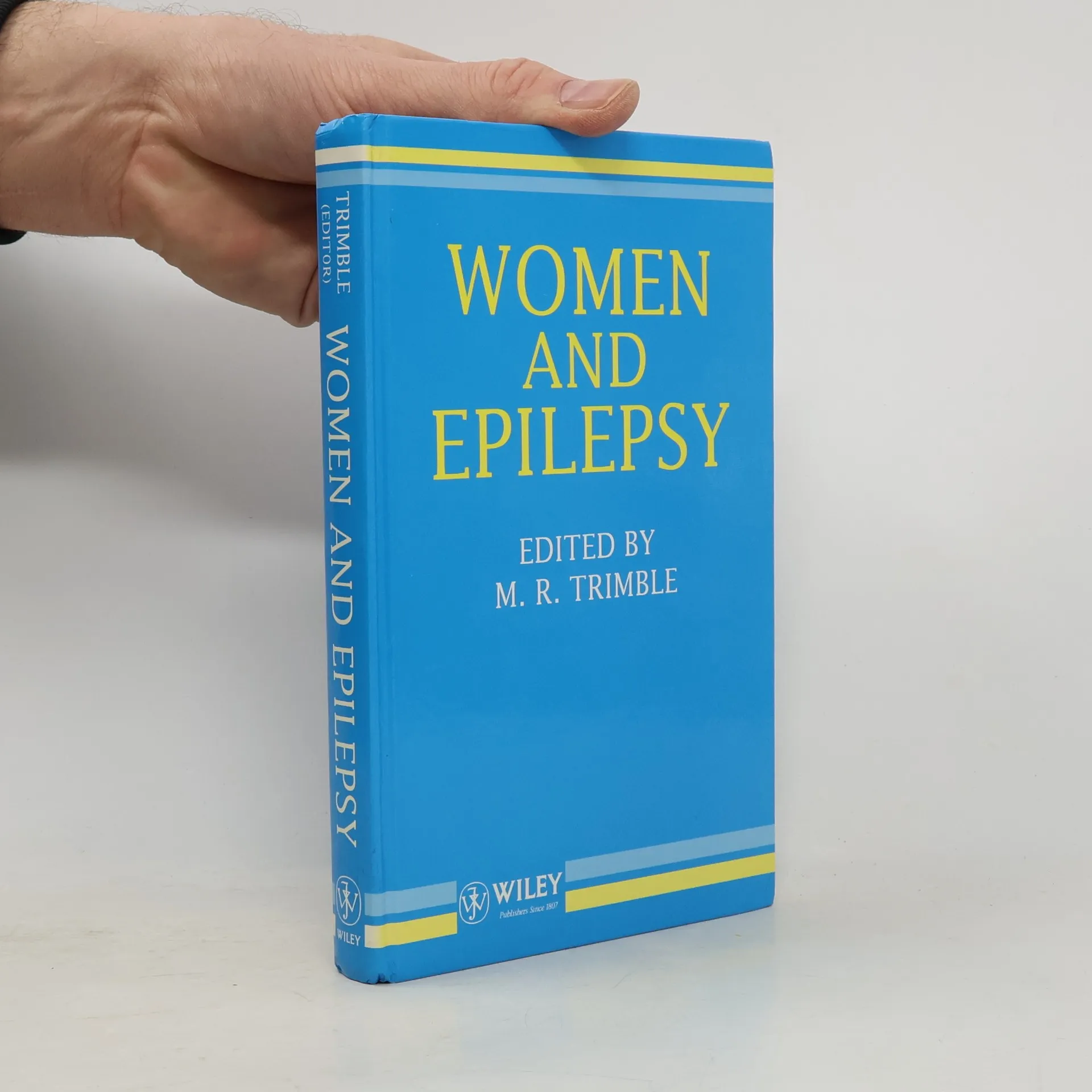
Women and Epilepsy Edited by M.R. Trimble Reader in Behavioural Neurology, Department of Neurology. Institute of Neurology, Queen Square, and Consultant Physician in Psychological Medicine, The National Hospital for Neurology and Neurosurgery, Queen Square, London, UK The purpose of this book is to reveal some of the very special problems of women with epilepsy. This is a multidisciplinary subject—ranging from psychosocial issues to clinical management—which has not previously been covered in a single text. Contributors drawn from diverse areas each lend their own expertise and perspectives to the overall theme. The topics are presented authoritatively and in a thought-provoking manner, such that the book will be important reading not just to epileptologists but to all those who care for female patients with epilepsy. They include chapters on assessment of the quality of life in epilepsy, counselling techniques, epidemiology, developmental differences between the sexes, problems of adolescence, sex hormones and contraception, catamenial epilepsy, teratogenesis and congenital malformations.
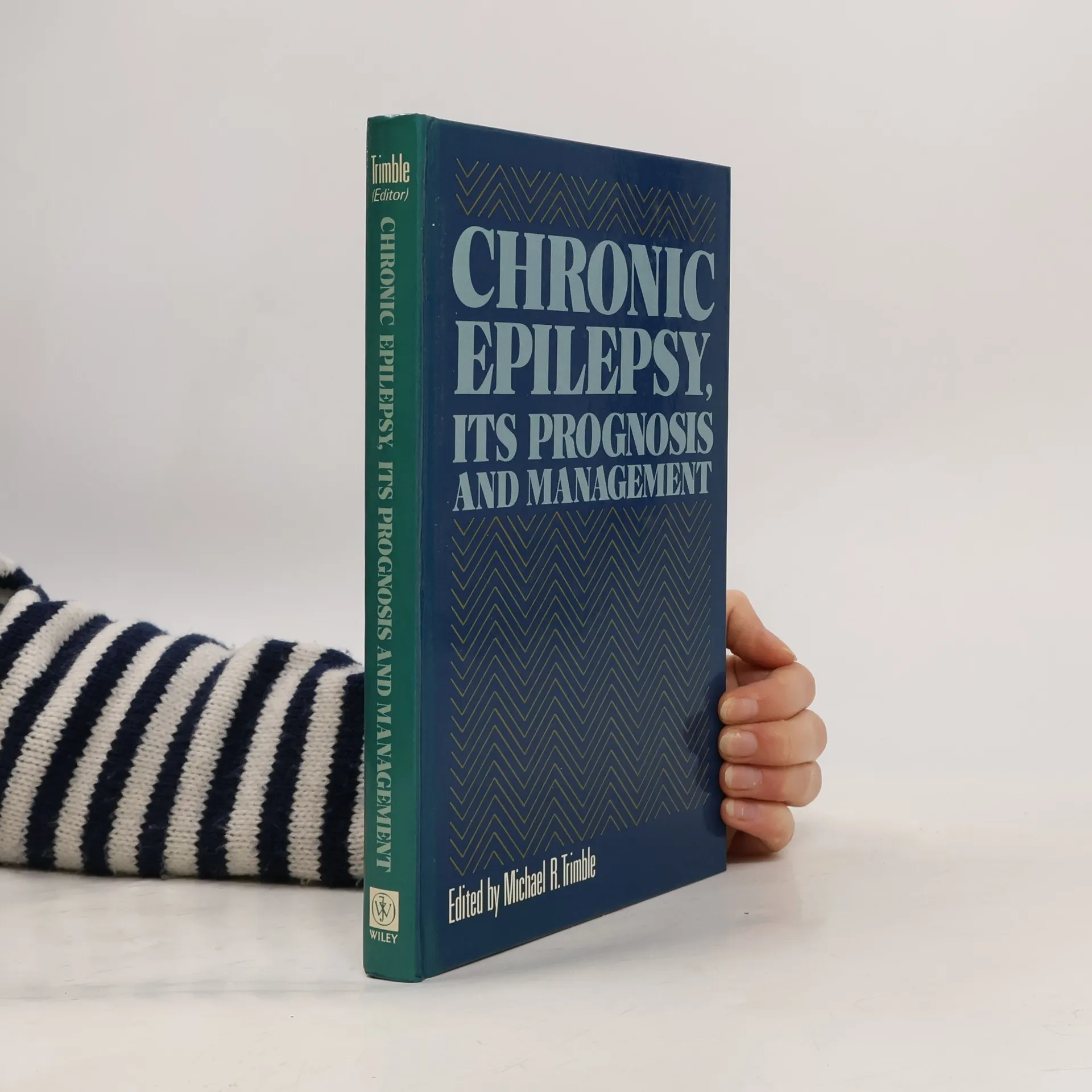
Chronic Epilepsy concentrates on the causes, problems, and management of epilepsy. Comprehensive in approach, the book presents medical, social, psychological, and behavioral difficulties associated with the disease. Several chapters are devoted to medical management, including drug treatment, and investigations such as modern EEG techniques and scanning are discussed. Covers the assessment of patients for surgery and describes surgical techniques.
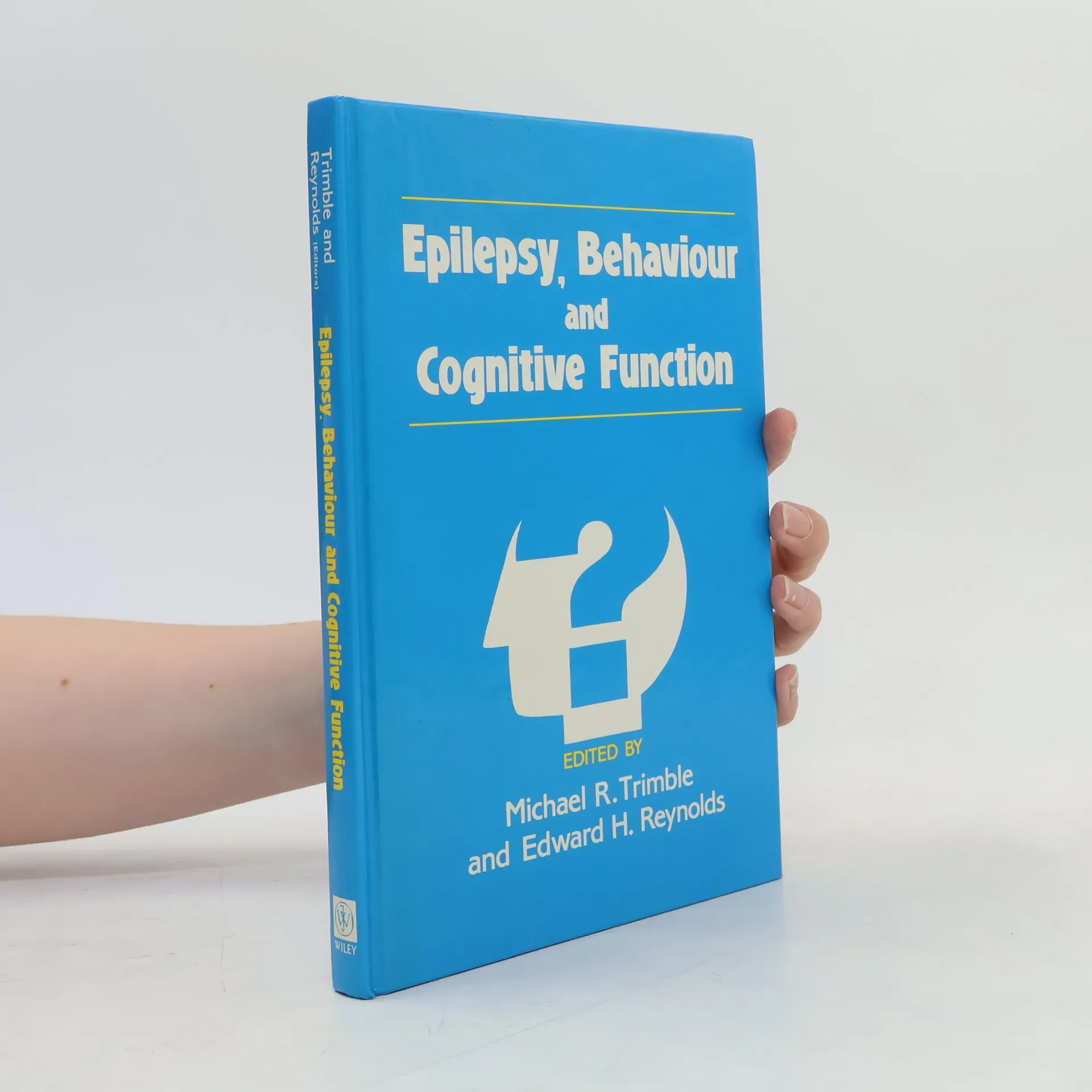
From the growing interest in the relationship between epilepsy and psychiatry, two main areas emerge. First is the academic debate as to whether or not psychopathology is interlinked with the biological processes of epilepsy and, secondly, how should we manage at a clinical level the cognitive and behavioural disturbances which arise in epileptic patients?
Hardcover (no dust jacket; printed boards). Very good condition. From the offices of a world-leading nuclear medicine research establishment. Spine ends and boards' corners are a little bumped and scuffed. A couple of minor marks on page block. Pages are sound and clear. TA
The cognitive and behavioral complications of epilepsy are recognized as important factors in the management of patients, and a group of specialists presents here the latest information on the relationships among seizures, EEG discharges, and the effects of anticonvulsant drugs on cognition and behavior. The methods and the problems inherent in measuring the effects of epilepsy, its complications and its treatment on mood, memory, performance and achievement are examined and discussed.
This collection presents key writings on understanding and treating Post Traumatic Stress Disorder (PTSD). Editor Mardi J. Horowitz introduces the evolution of our comprehension of PTSD, establishing the necessary conceptual framework and terminology. The essays that follow offer a comprehensive exploration of the disorder's complexities, addressing individual and cultural responses, as well as pre- and post-traumatic causative factors and the evolving nature of diagnostic categories.
Organized into sections on diagnosis, etiology, and treatment, the collection features both classic and more controversial essays. Notable contributors include Freud, Lindemann, Eitinger, Nadelson, Notman, Zackson, Gornick, Green, Grace, Lindy, Titchener, Lindy, Terr, Galante, Foa, Rothbaum, Riggs, Murdock, Shore, Tatum, Vollmer, Pittman, Orr, Forgue, Altman, de Jong, Herz, Herman, Yehuda, McFarlane, Putnam, Lifton, Olson, Wilner, Kaltrider, Alvarez, Trimble, Epstein, Keane, Zinering, Caddell, Krystal, Kosten, Southwick, Mason, Perry, Giller, Spiegel, Hunt, Dondershire, van der Kolk, Lang, Pynoos, Eth, Friedman, Shapiro, Wilson, Lindy, McCann, and Pearlman. This anthology serves as an essential resource for those seeking to deepen their understanding of PTSD and its treatment.