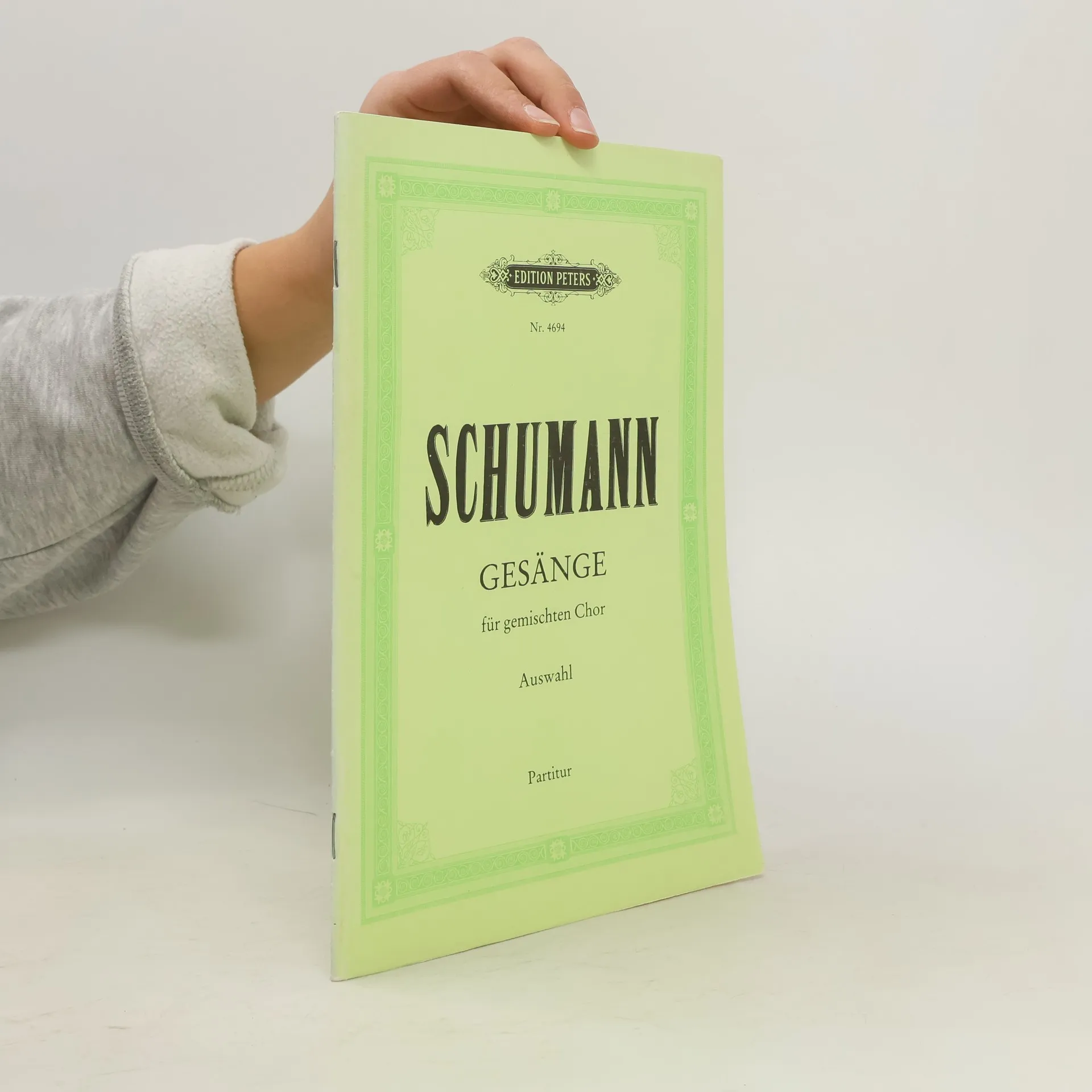
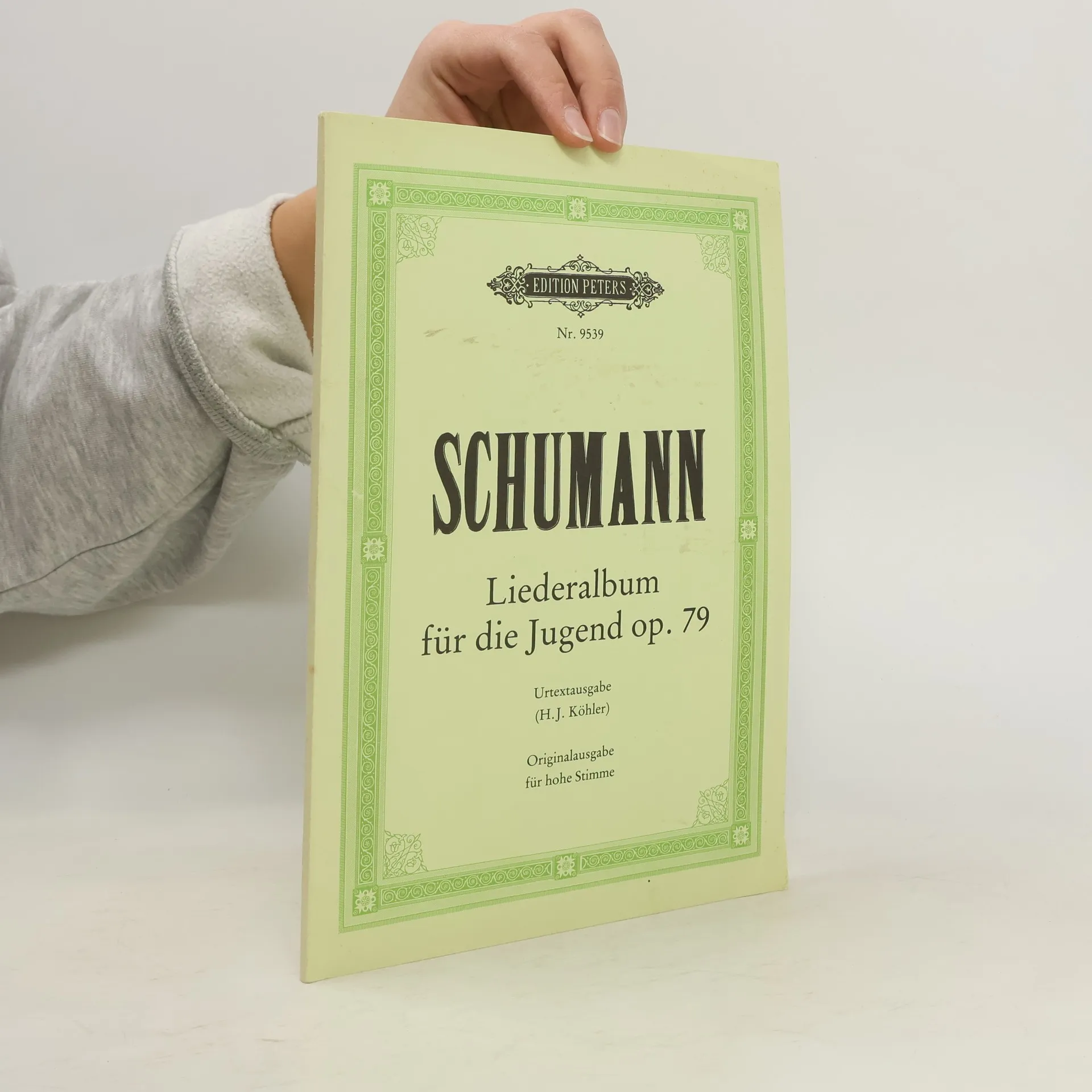
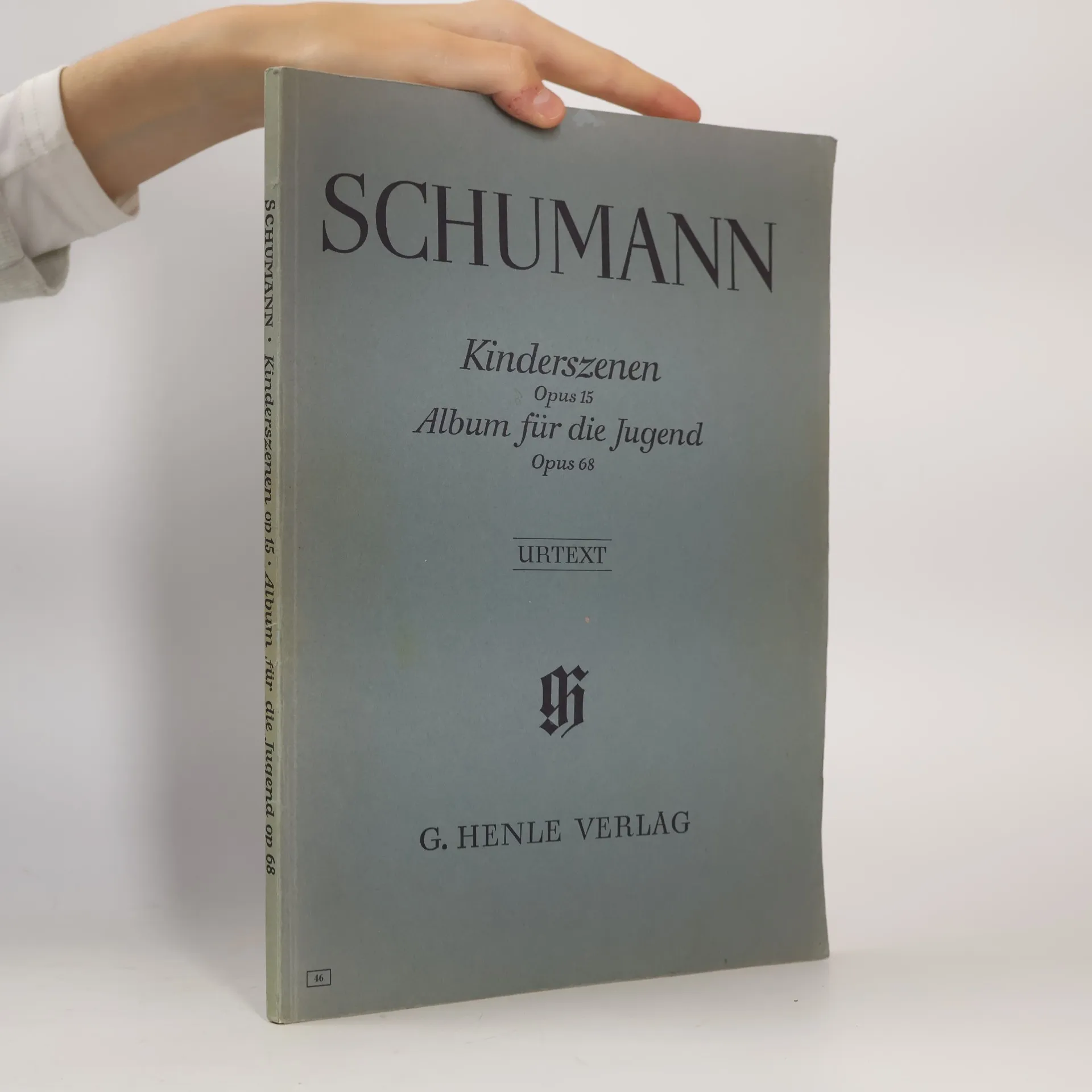
Robert Schumann Knihy



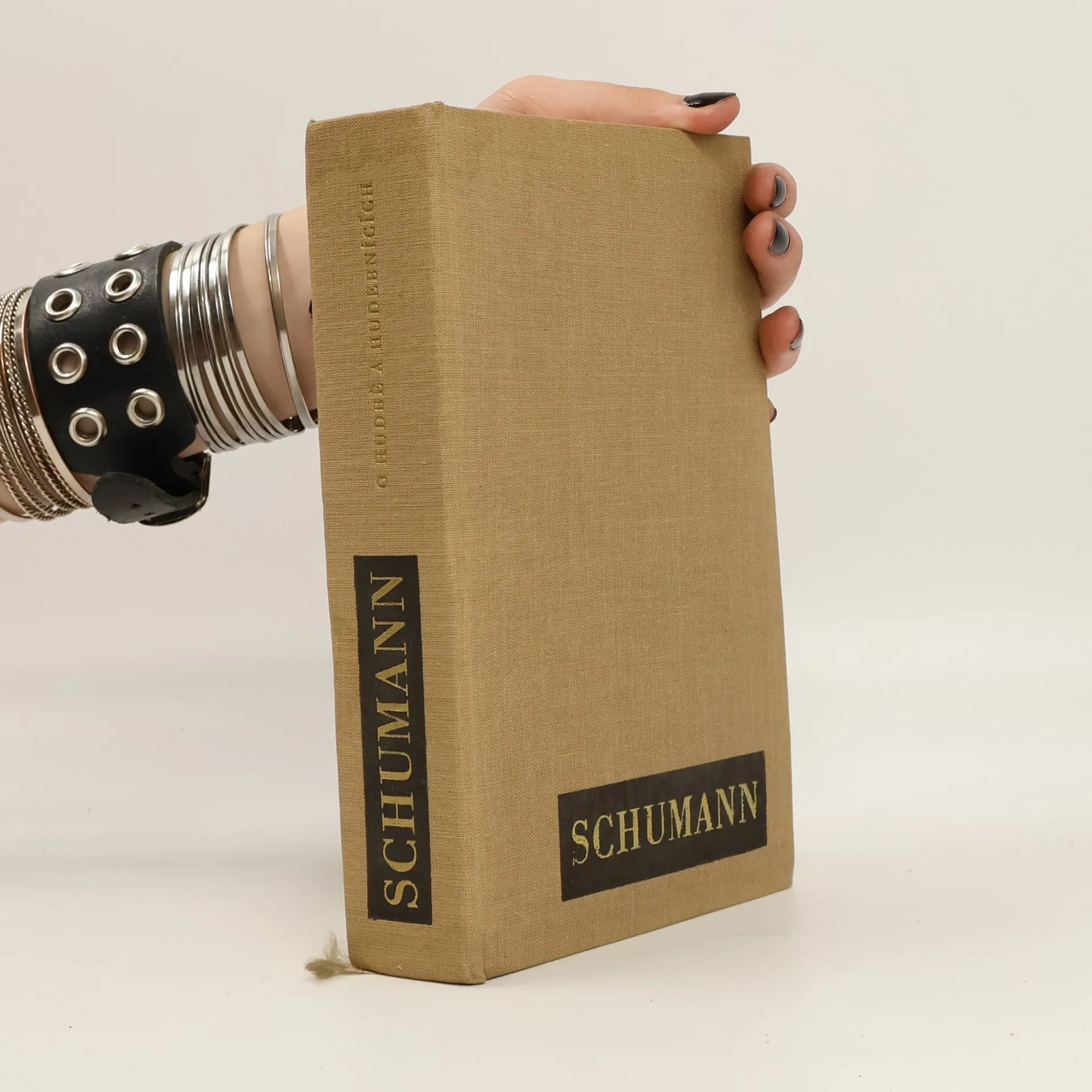

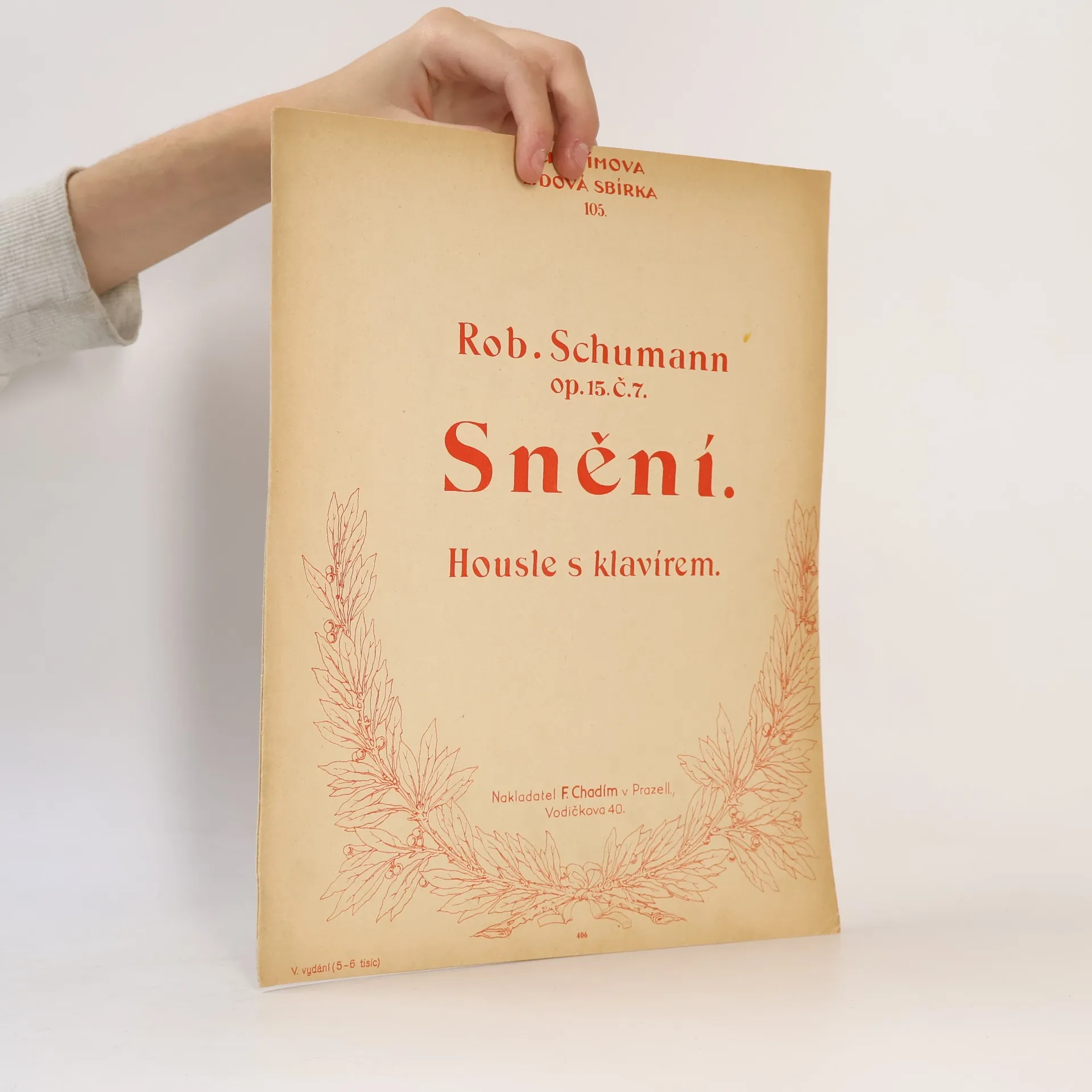
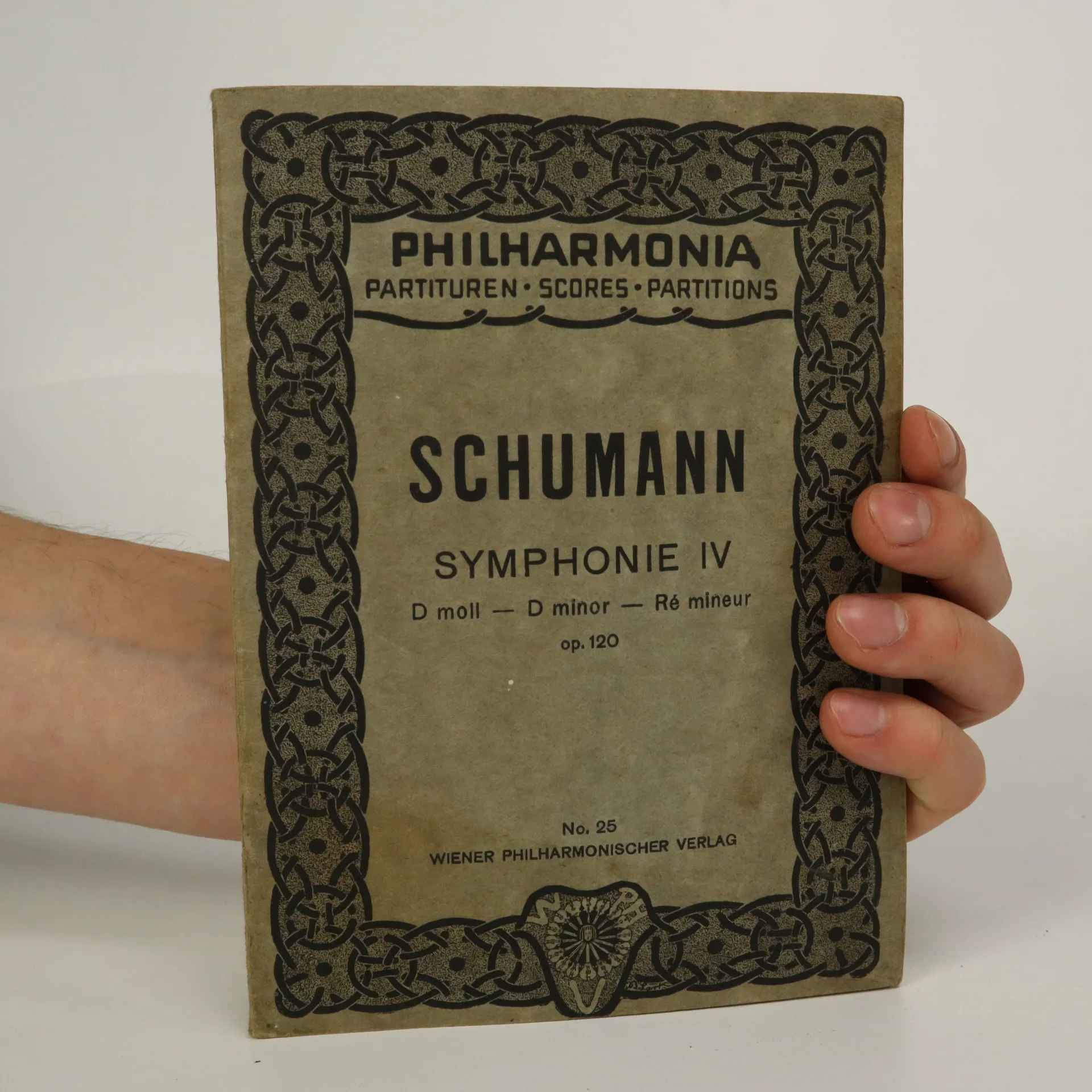
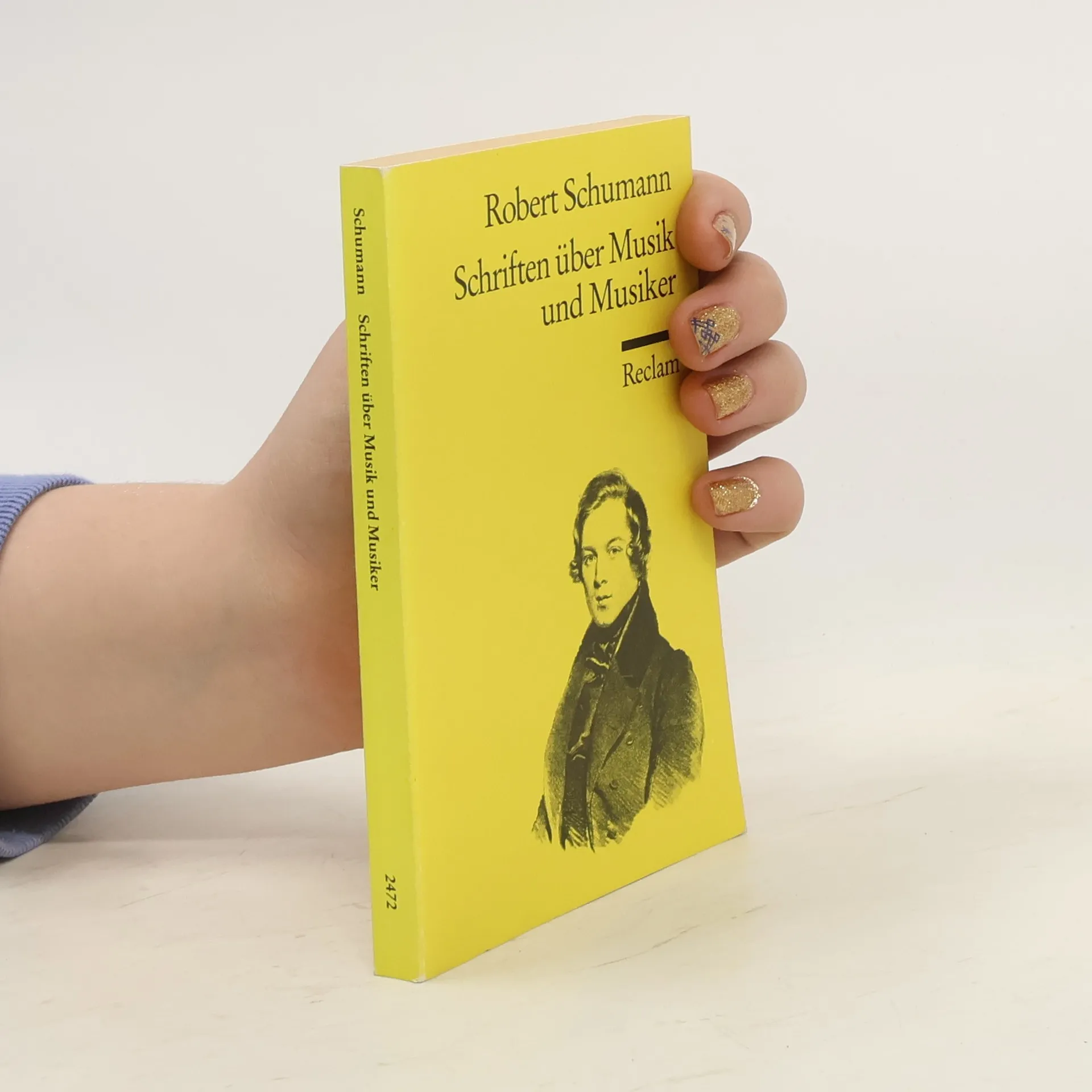
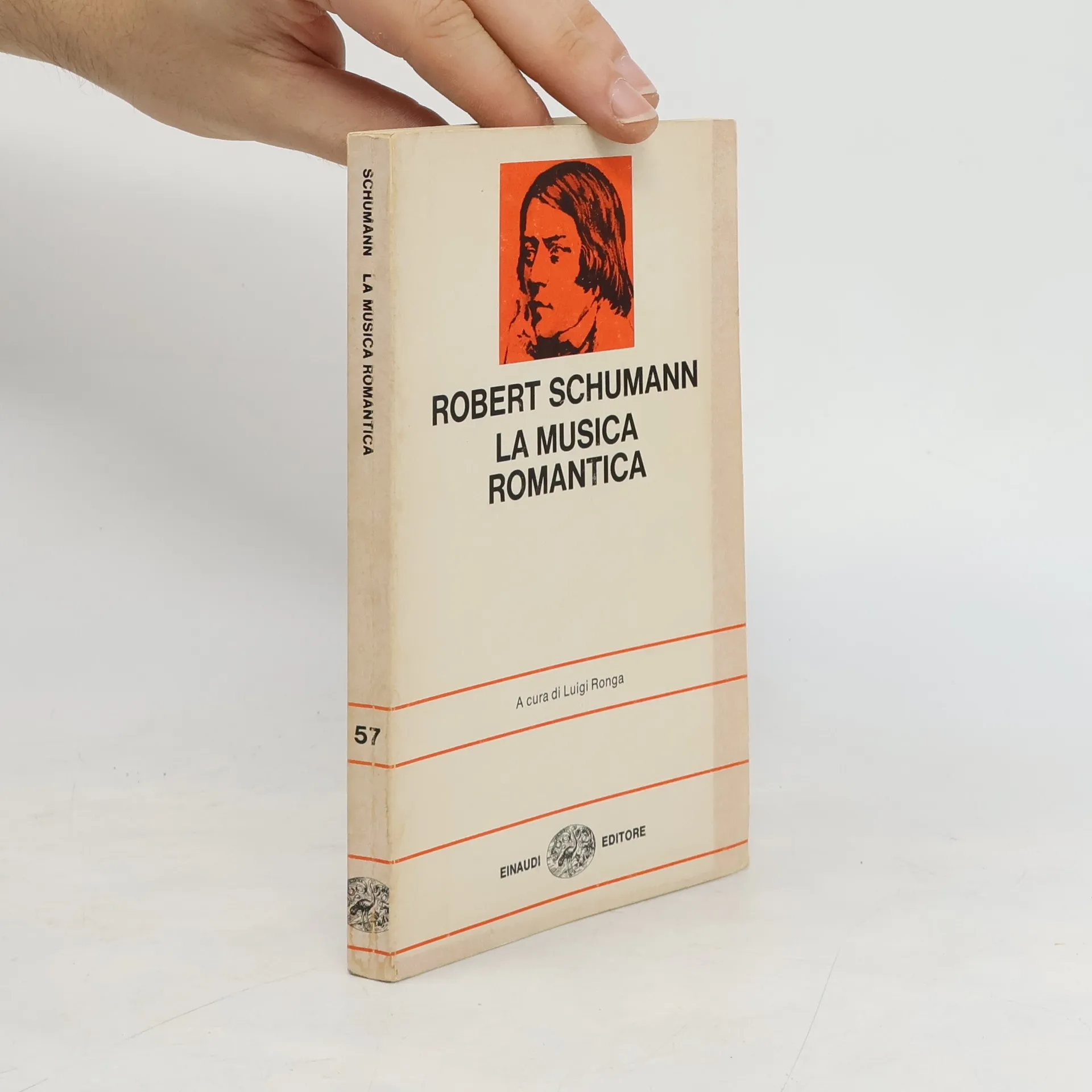
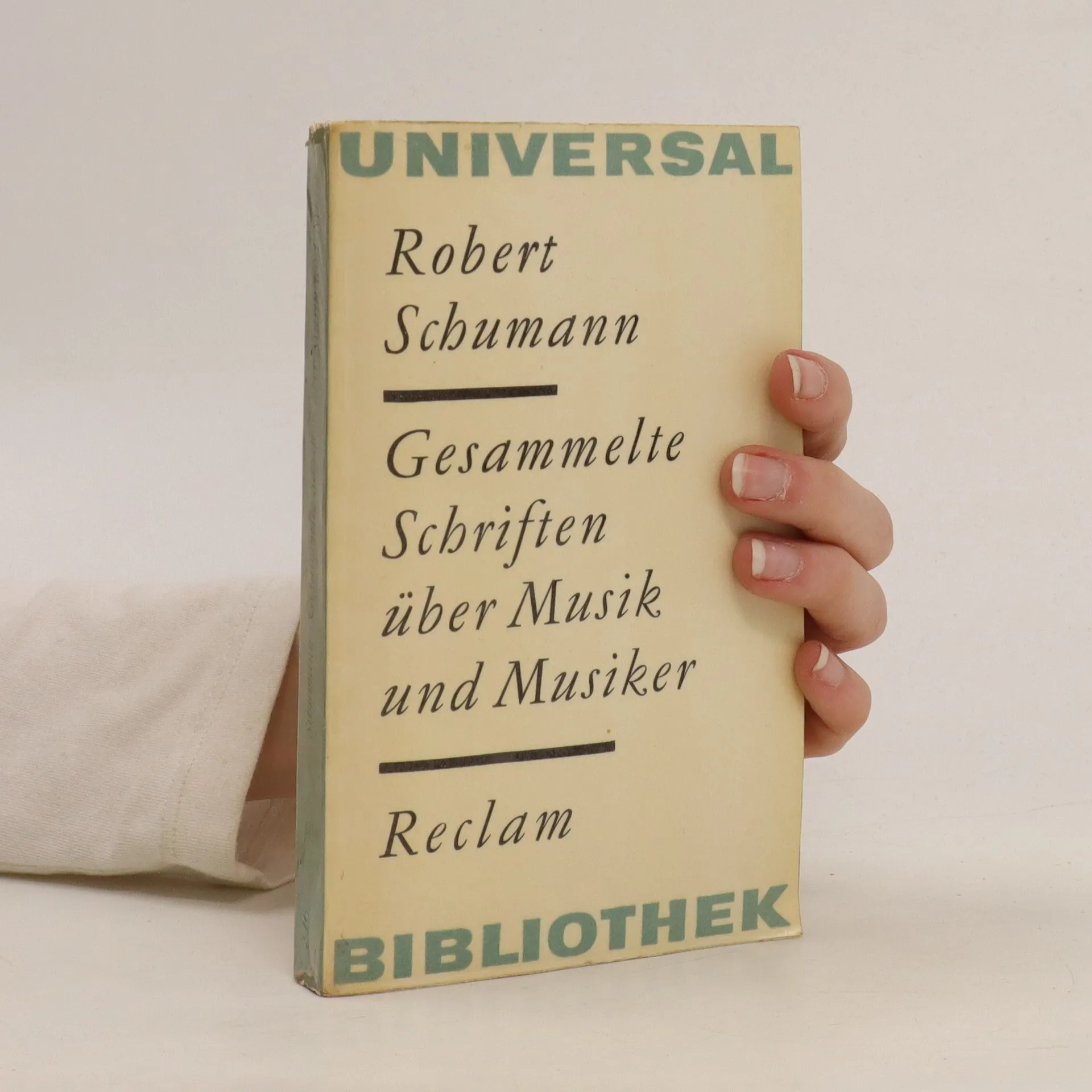
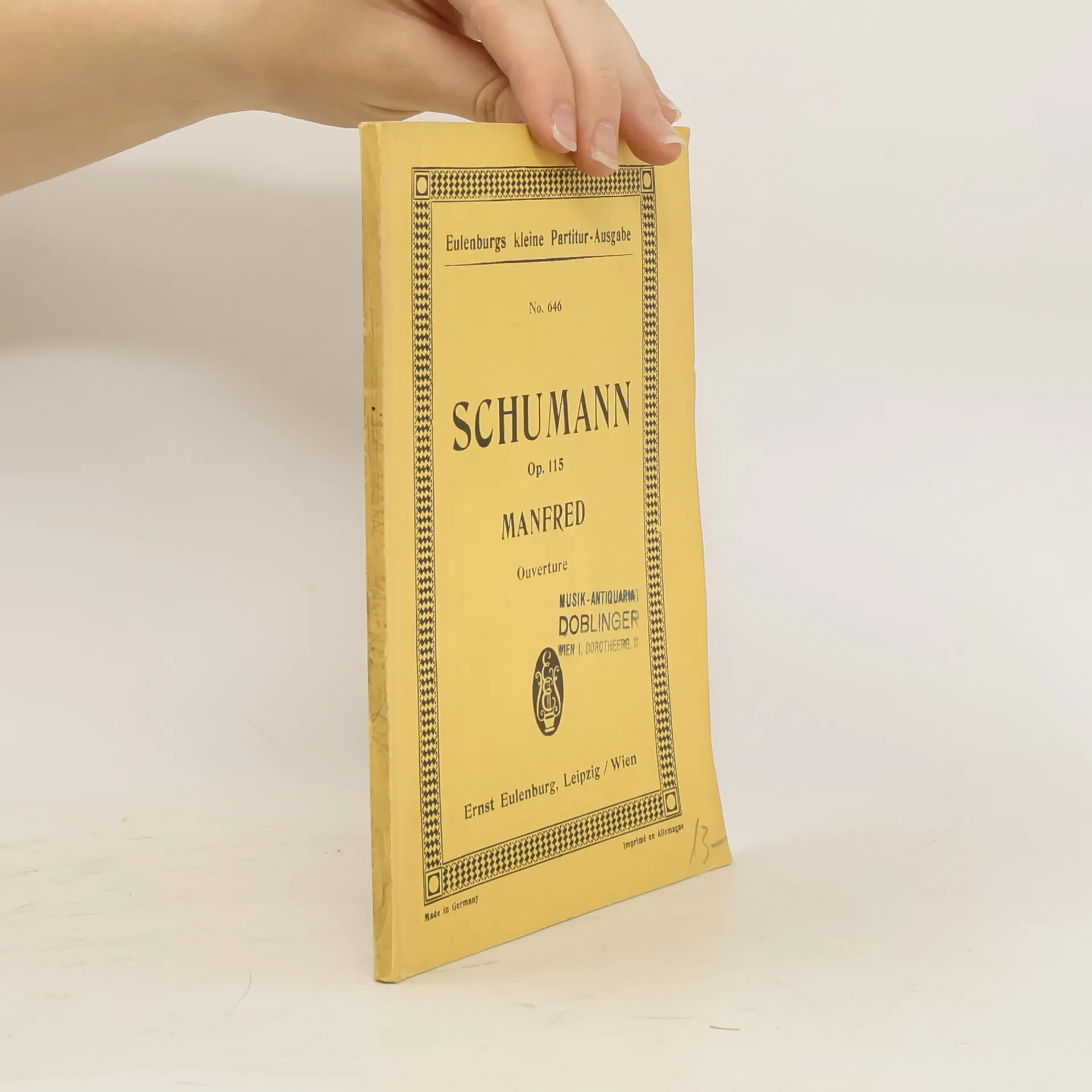
Výbor z článků otištěných vesměs v časopise "Neue Zeitschrift für Musik", jehož byl Schumann zakladatelem. Nejrůznější formou - od důkladného rozboru až k heslovitým poznámkám a aforismům - vyslovuje autor své názory na teoretické problémy hudební tvorby i své stanovisko hudebního kritika k jednotlivým zjevům světové hudby. Svazek je doplněn ukázkami z poezie a prózy mladých let. 1600 výt. • Vysvětl. • Seznam skladeb autora • Jmenný rejstřík • Pozn.
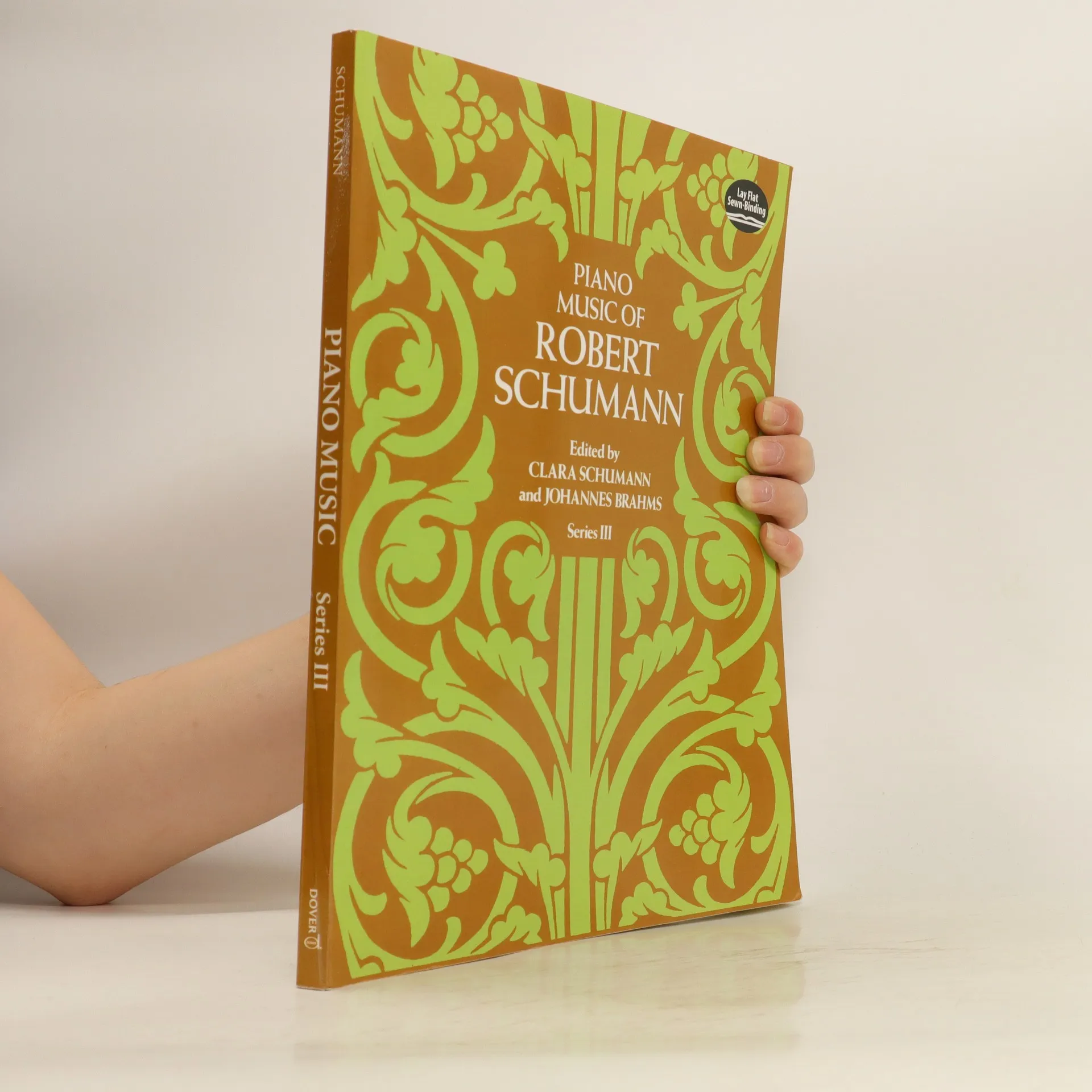
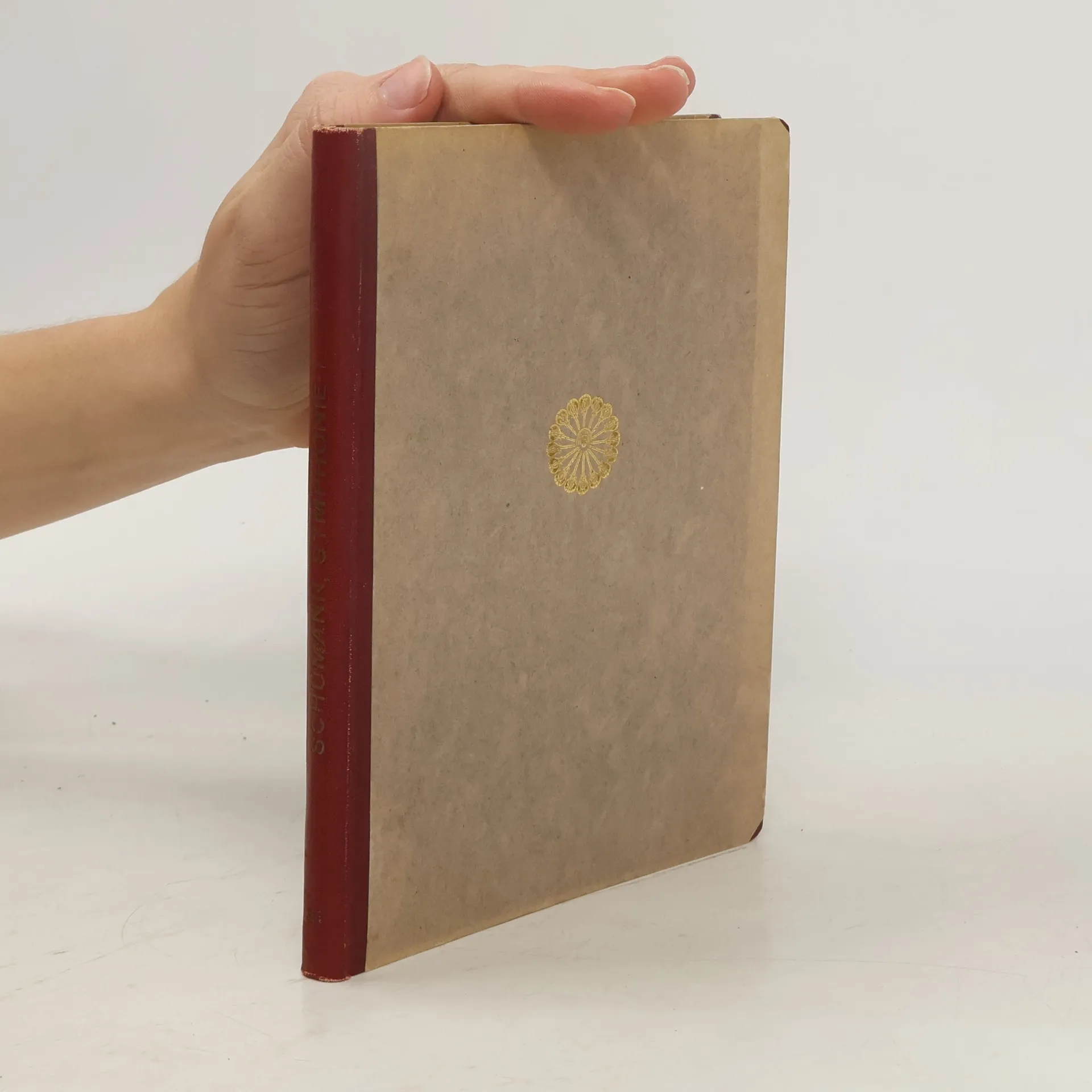
Piano Music of Robert Schumann
- 224 stránek
- 8 hodin čtení
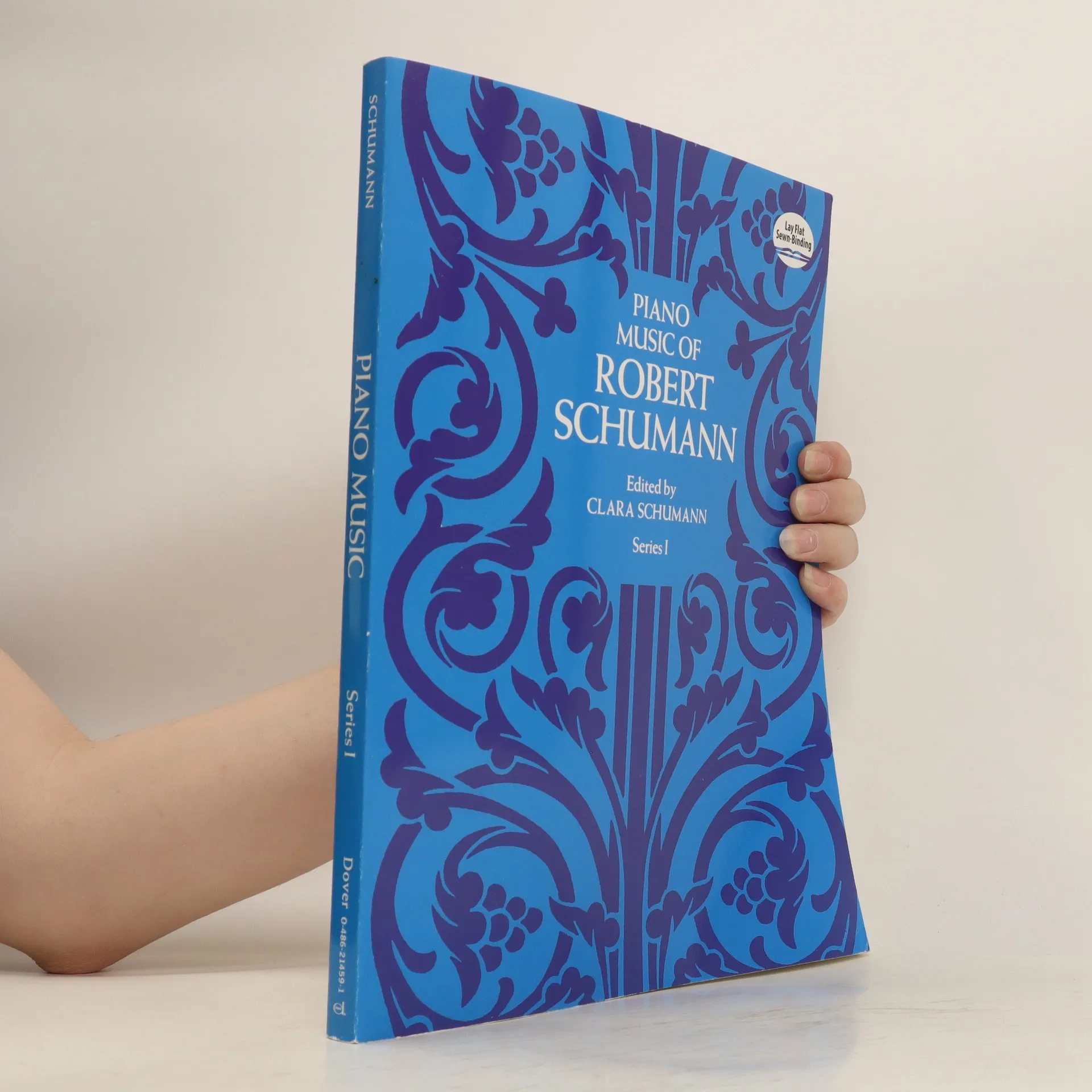
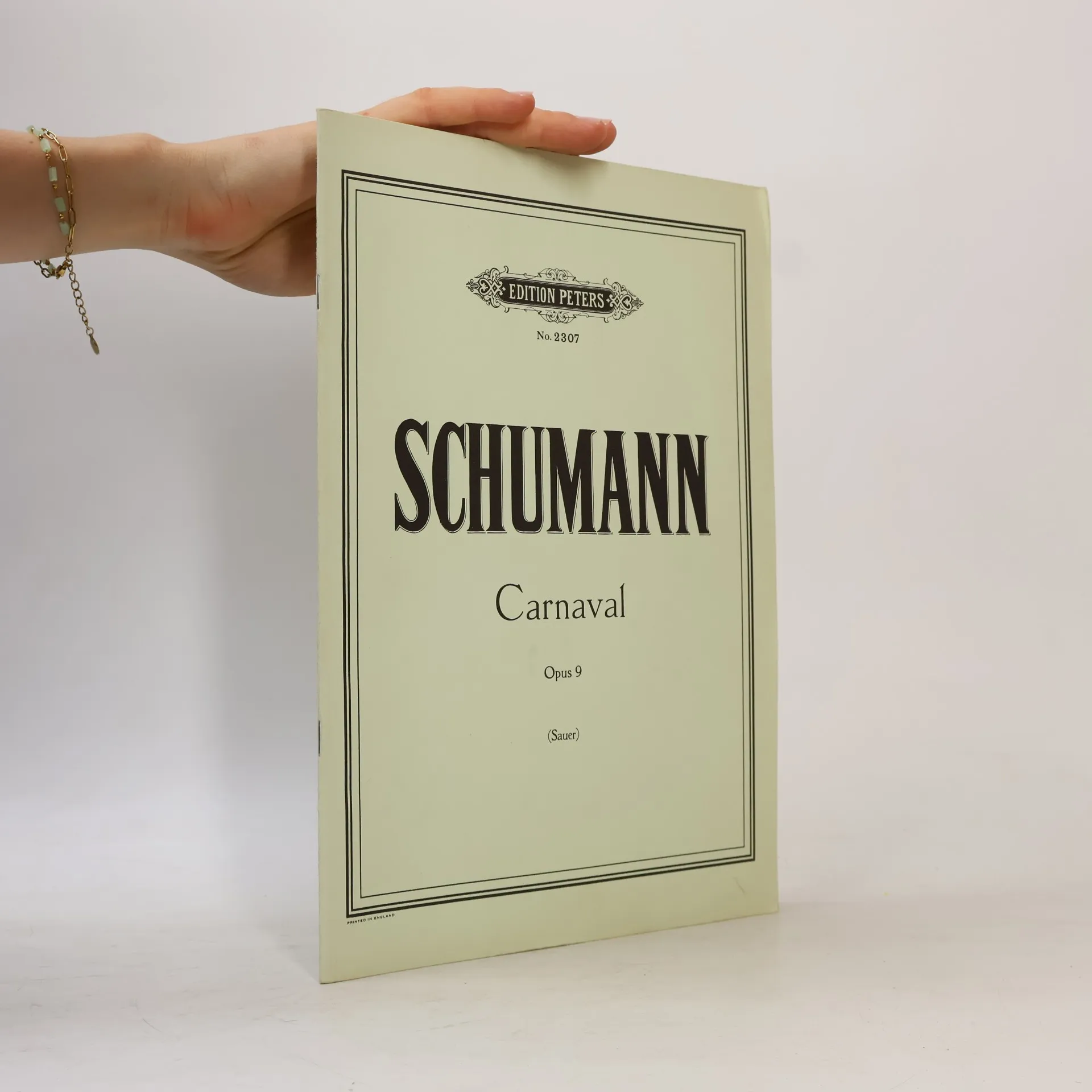
All solo music not in other volumes, including Symphonic Etudes, Phantasie, 13 other choice works. Definitive Breitkopf & Härtel edition.
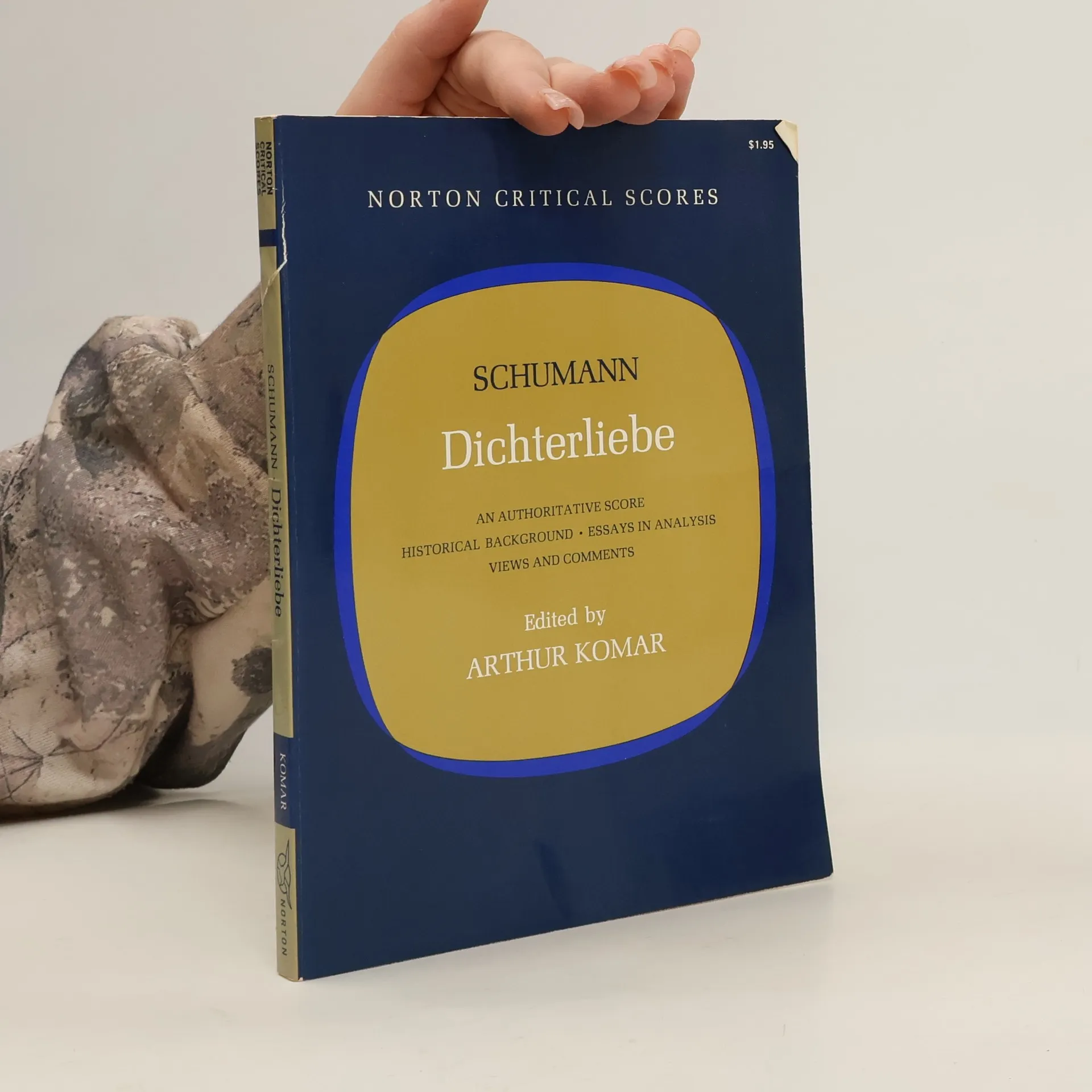
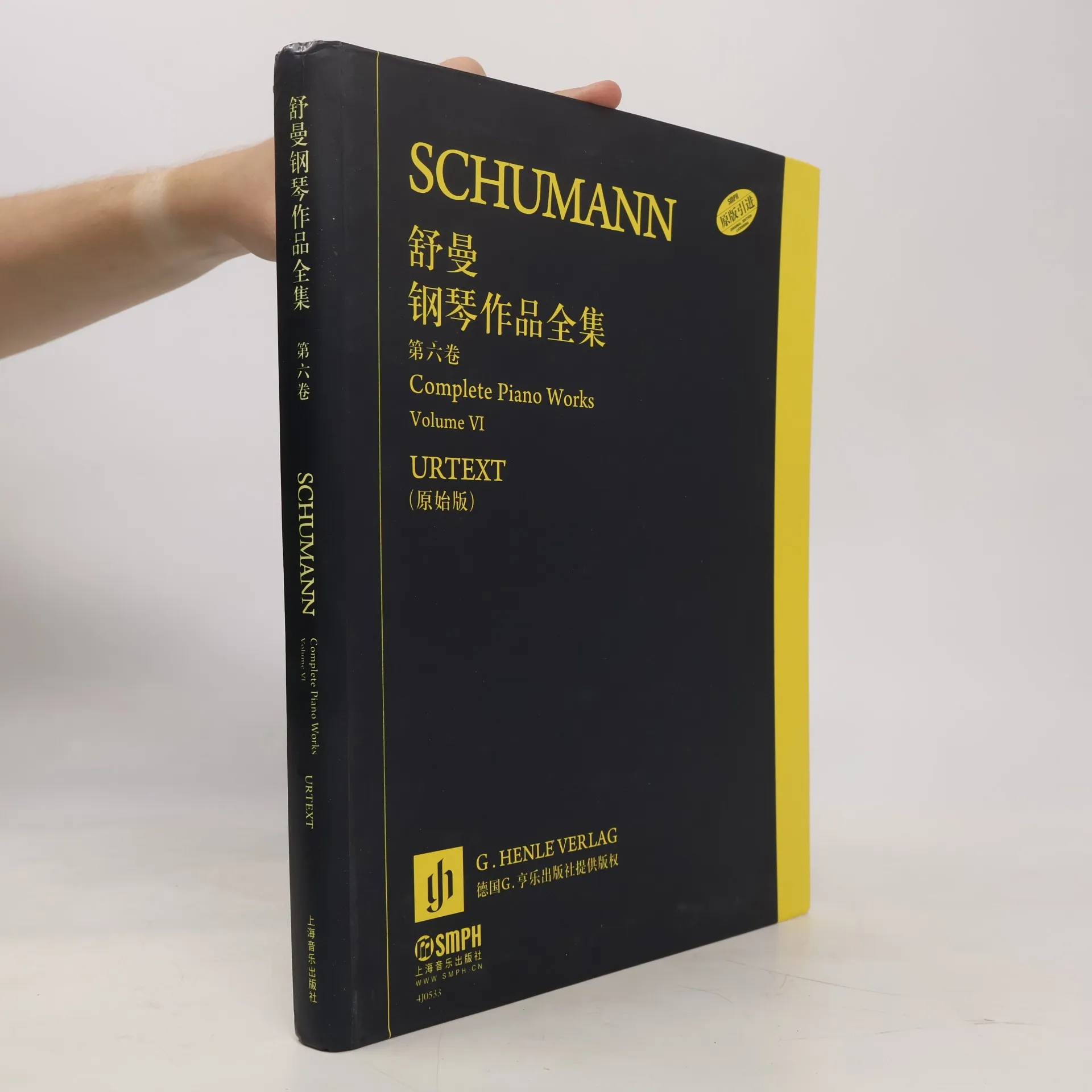
An original in one volume, a study-size score of a major musical work, and a comprehensive body of tools for the study of that work. Music examples and charts illustrate the analyses, and each essay is fully annotated by the editor. In some cases, the results of the original research by the editor or by others working in the field are published here for the first time. Much of the material has never before appeared in English. A score embodying the best available musical text. historical background―what is known of the circumstances surrounding the origin of the work, including (where relevant) original source material. A detailed analysis of the music, by the editor of the volume or another well-known scholar. Other significant analytic essays and critical comments, exposing the student to a variety of opinions about the music.
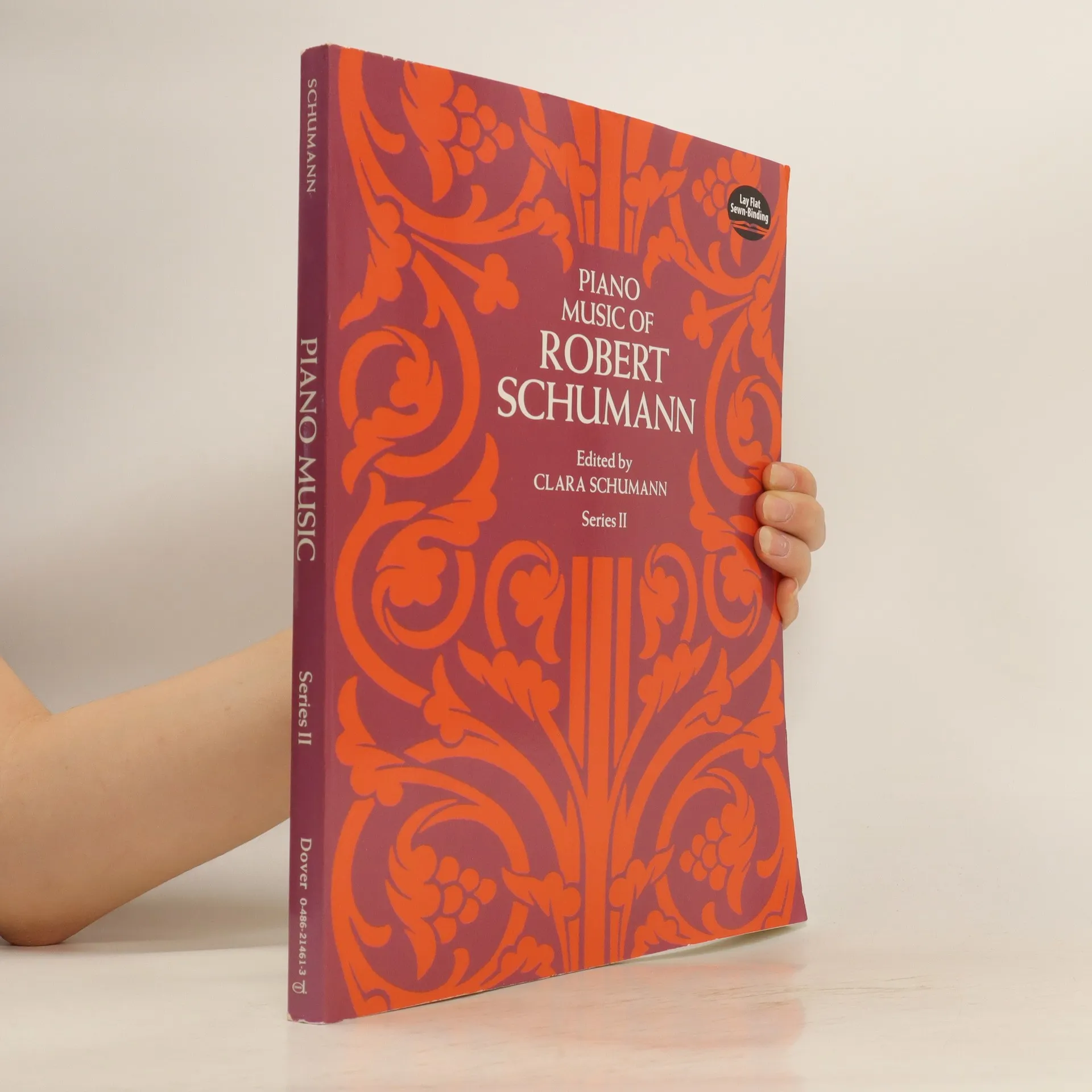
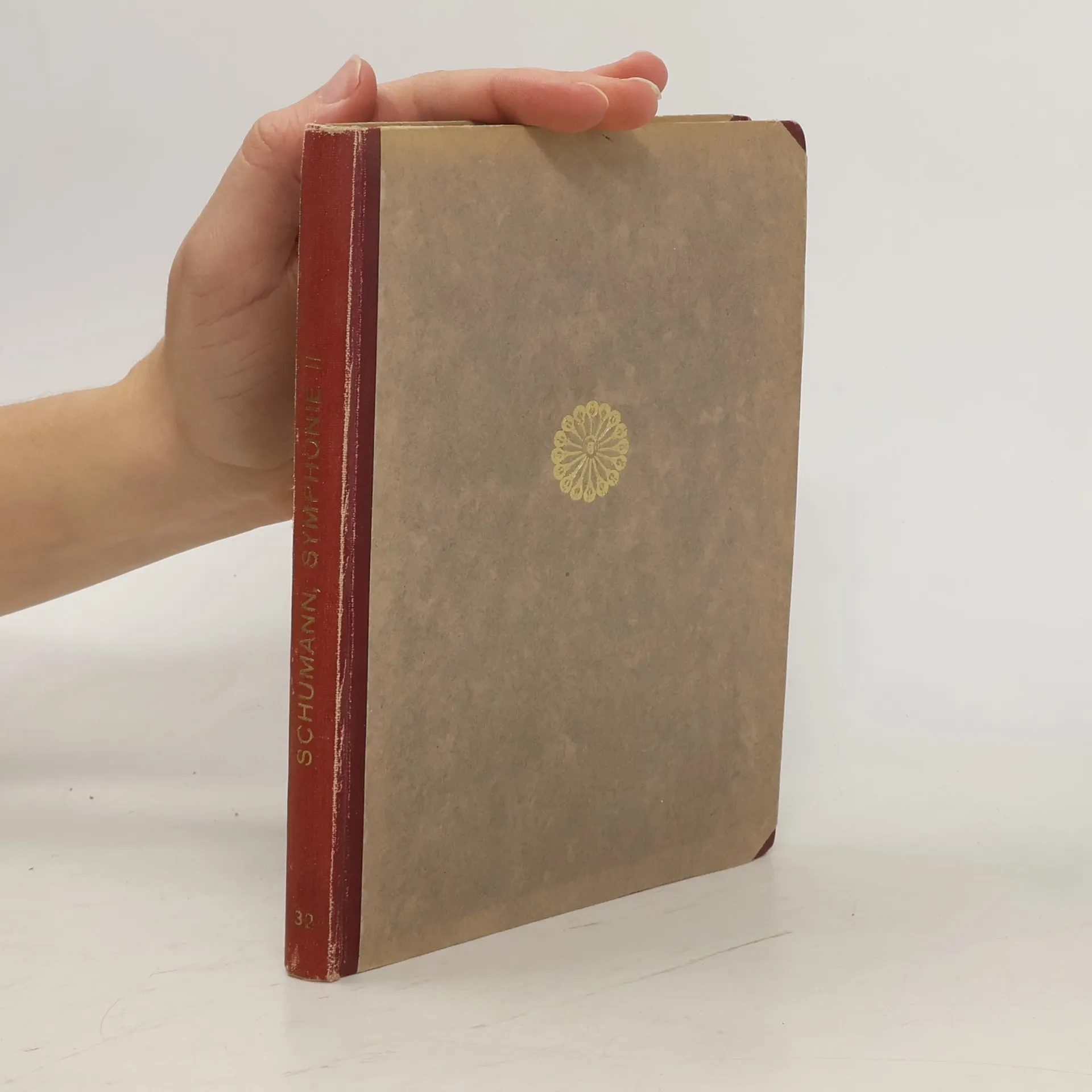
Dover Publications continues its series of playing editions of musical masterpieces with this selection of Robert Schumann's later compositions for solo piano, edited by Clara Schumann. This second volume contains the major compositions from the period 1838 53: "Humoreske," "Novelletten," "Sonate No. 2," Nachtstucke," "Faschingsschwank aus Wien," "42 Clavierstucke fur die Jugend," "4 Fugen," "Waldscenen," "Bunte Blatter," and "3 Clavier-Sonaten fur die Jugend." This book has been especially designed as a playing edition the noteheads are large and easily readable at the piano, and the margins and spaces between staves are adequate for written notes, fingerings, and turnovers. It is also most useful for analysis or as accompaniment to recordings. "
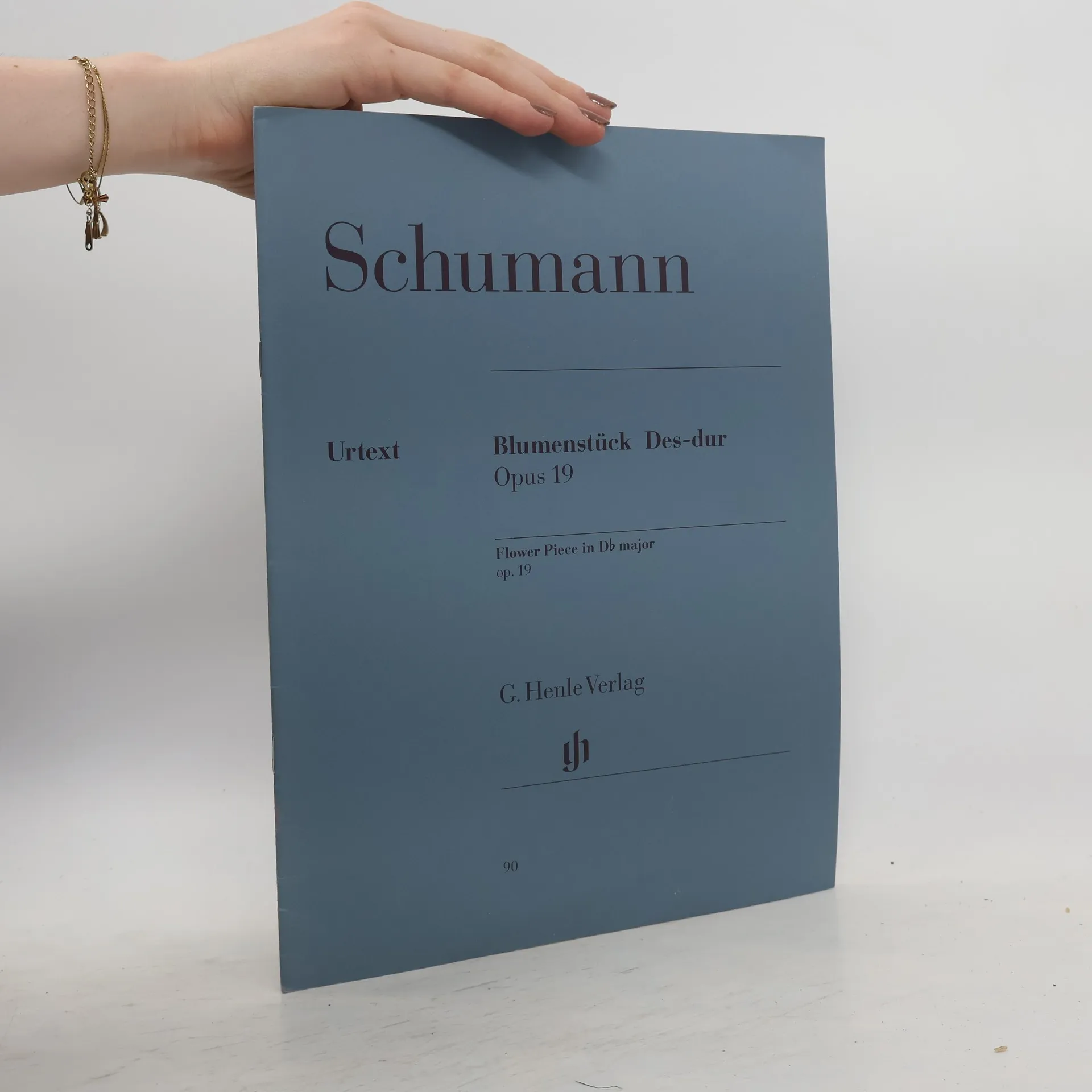
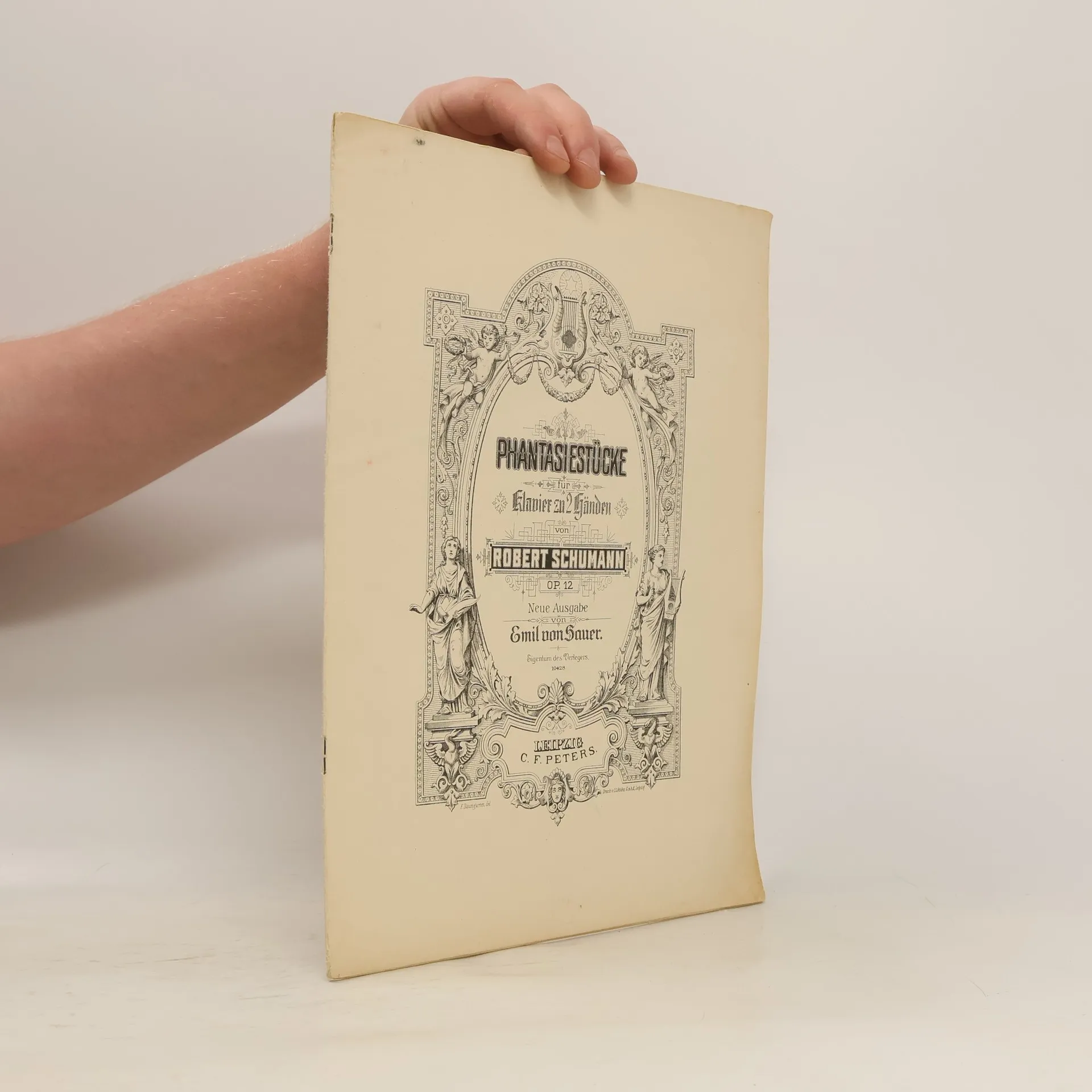
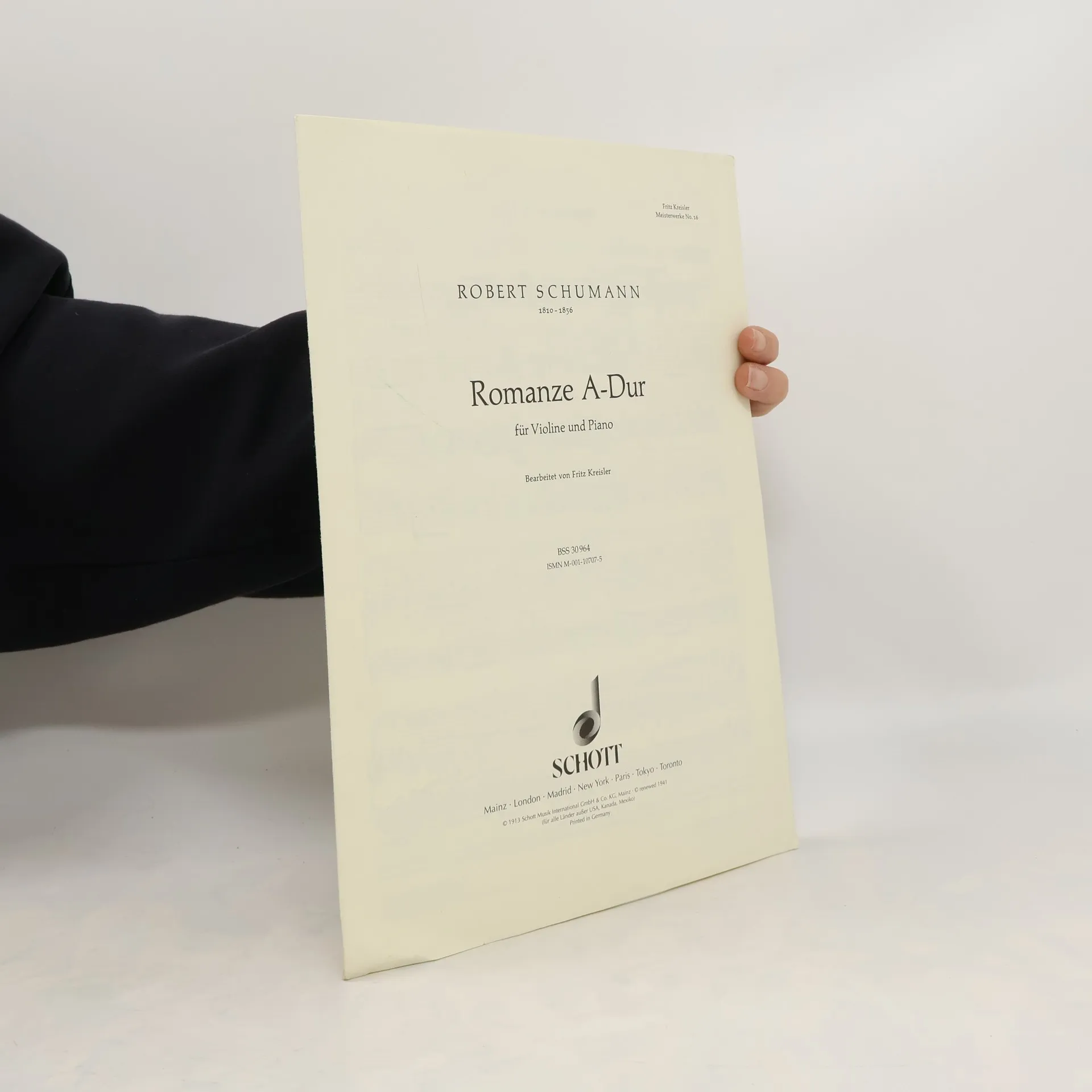
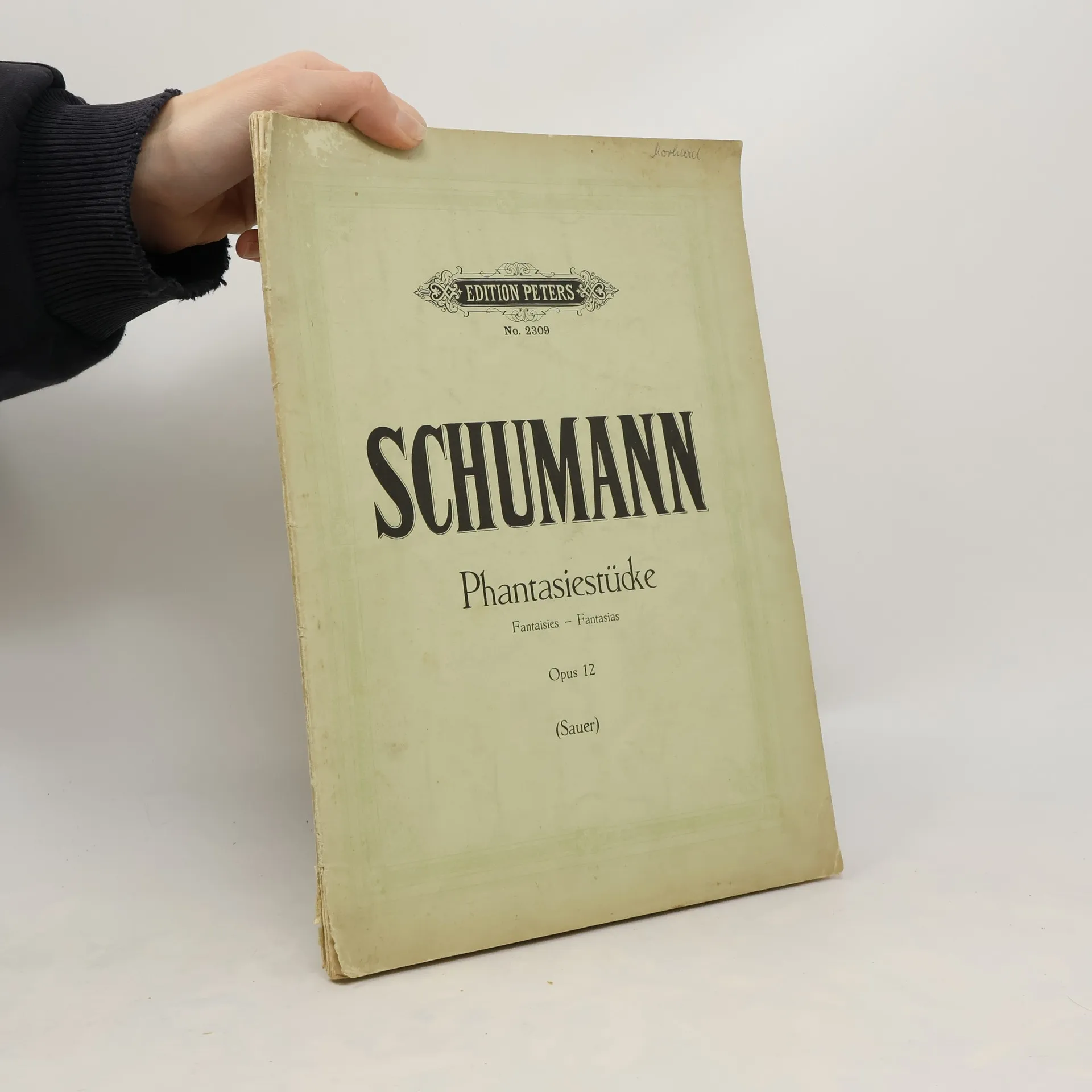
Major compositions from period 1830-39; Papillons, Toccata, Grosse Sonate No. 1, Phantasiestücke, Arabeske, Blümenstuck, and 9 other works. Reprinted from Breitkopf and Härtel edition.
Studies After Paganini's Caprices, Op. 3
- 42 stránek
- 2 hodiny čtení
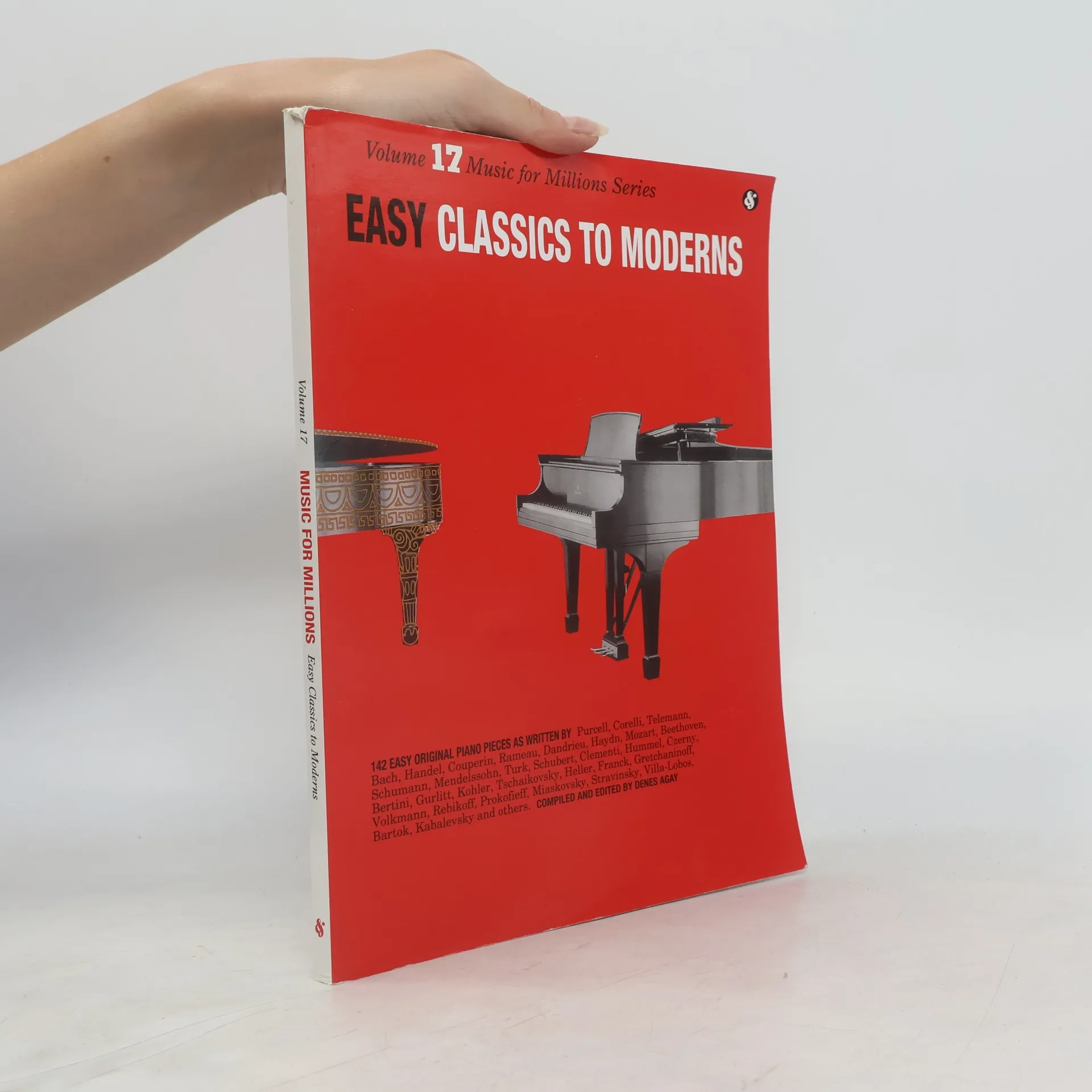
Music for Millions Series - 17: Easy Classics to Moderns Piano
142 Easy Original Piano Pieces
- 160 stránek
- 6 hodin čtení
(Music Sales America). These 142 pieces by the masters of piano literature date from the second half of the 17th century to the present day.
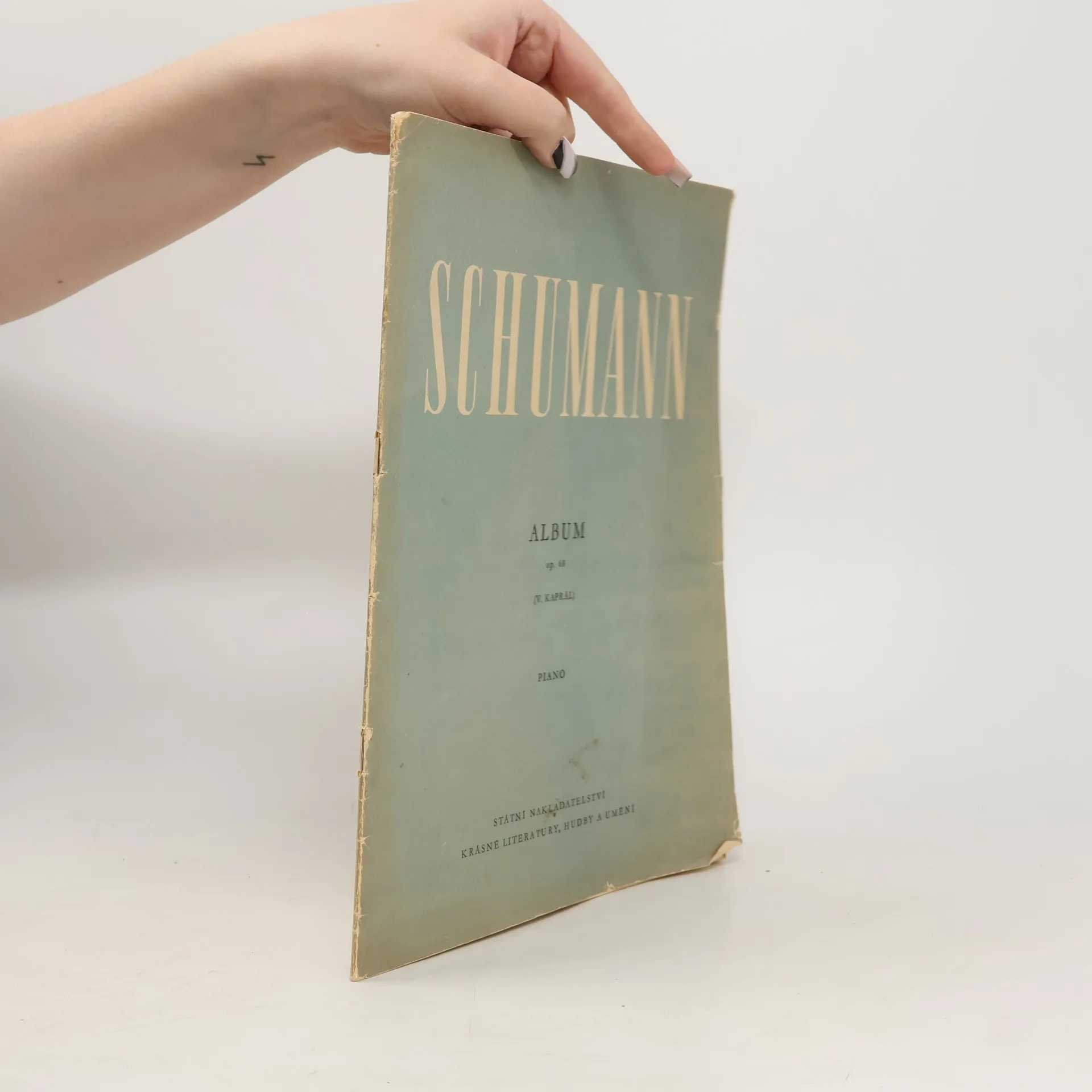
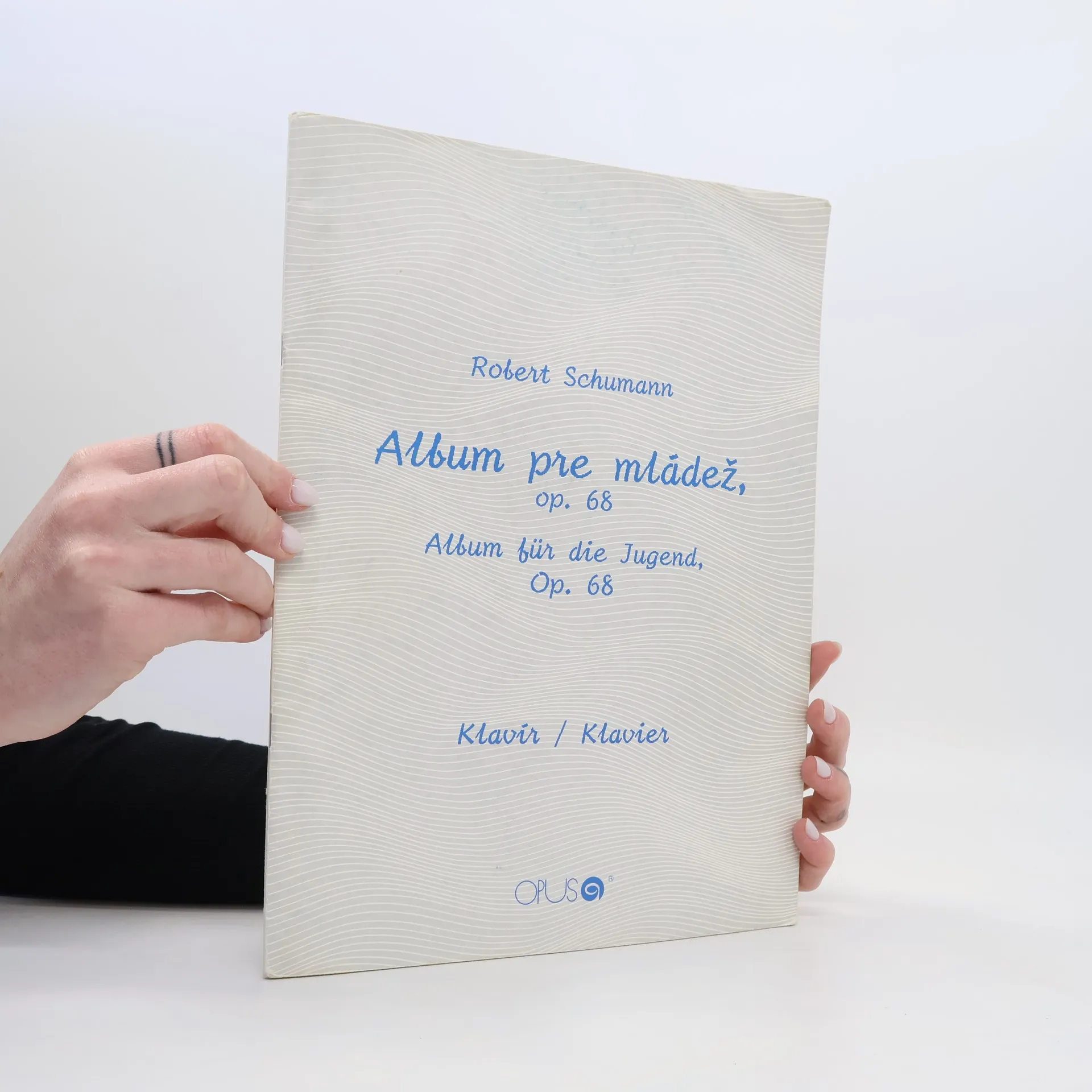
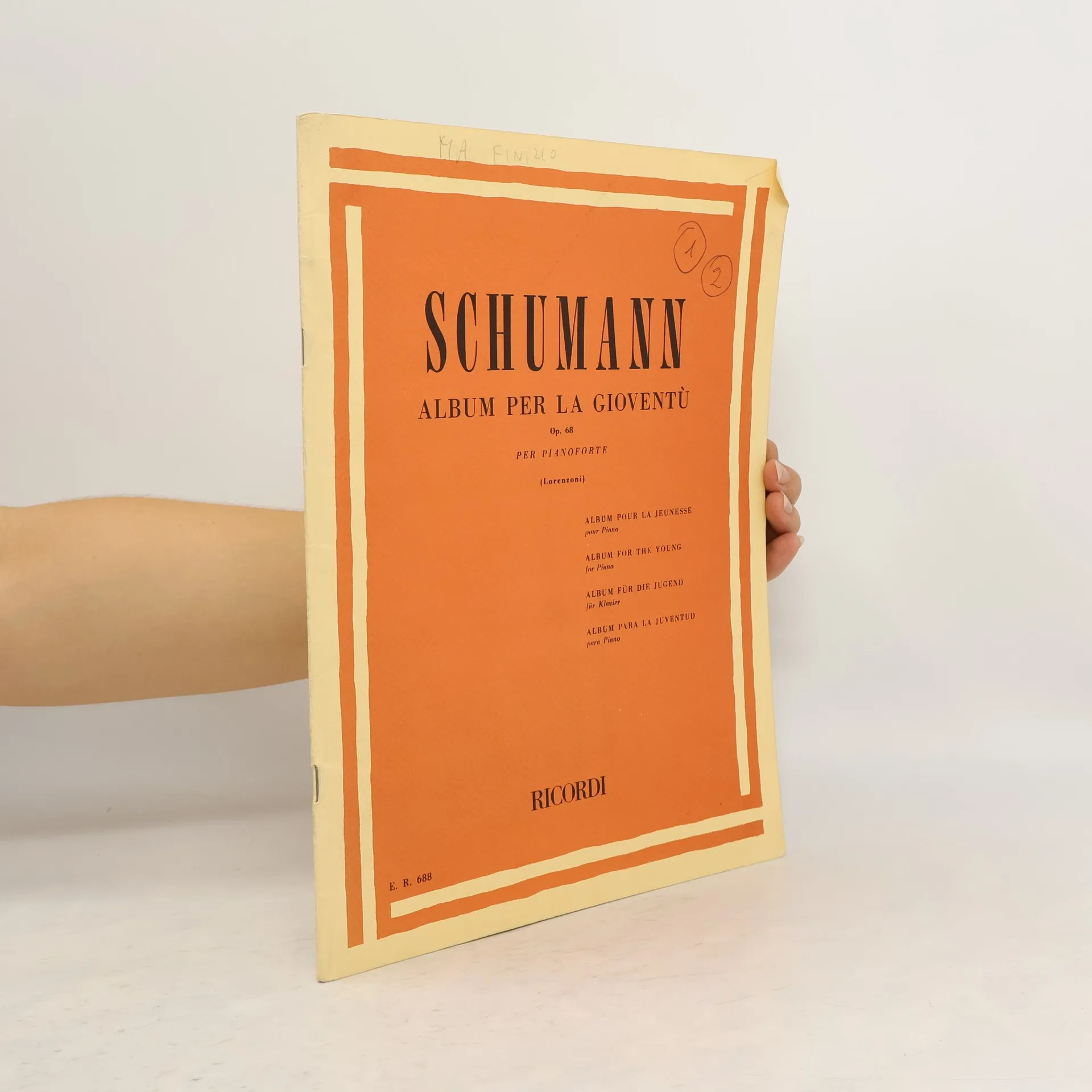
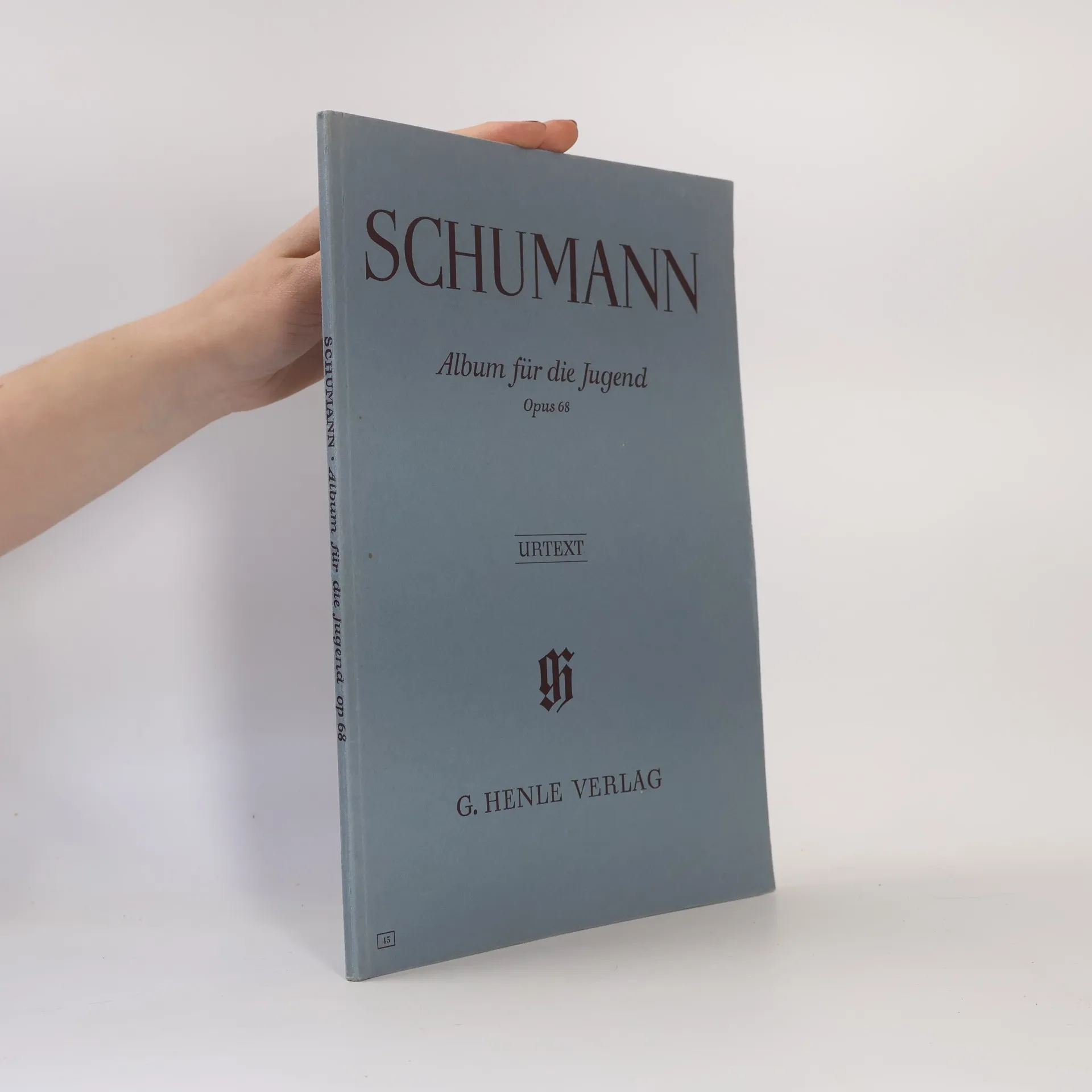
Album pre mládež, Op. 68. Album für die Jugend, Op. 68
- 59 stránek
- 3 hodiny čtení
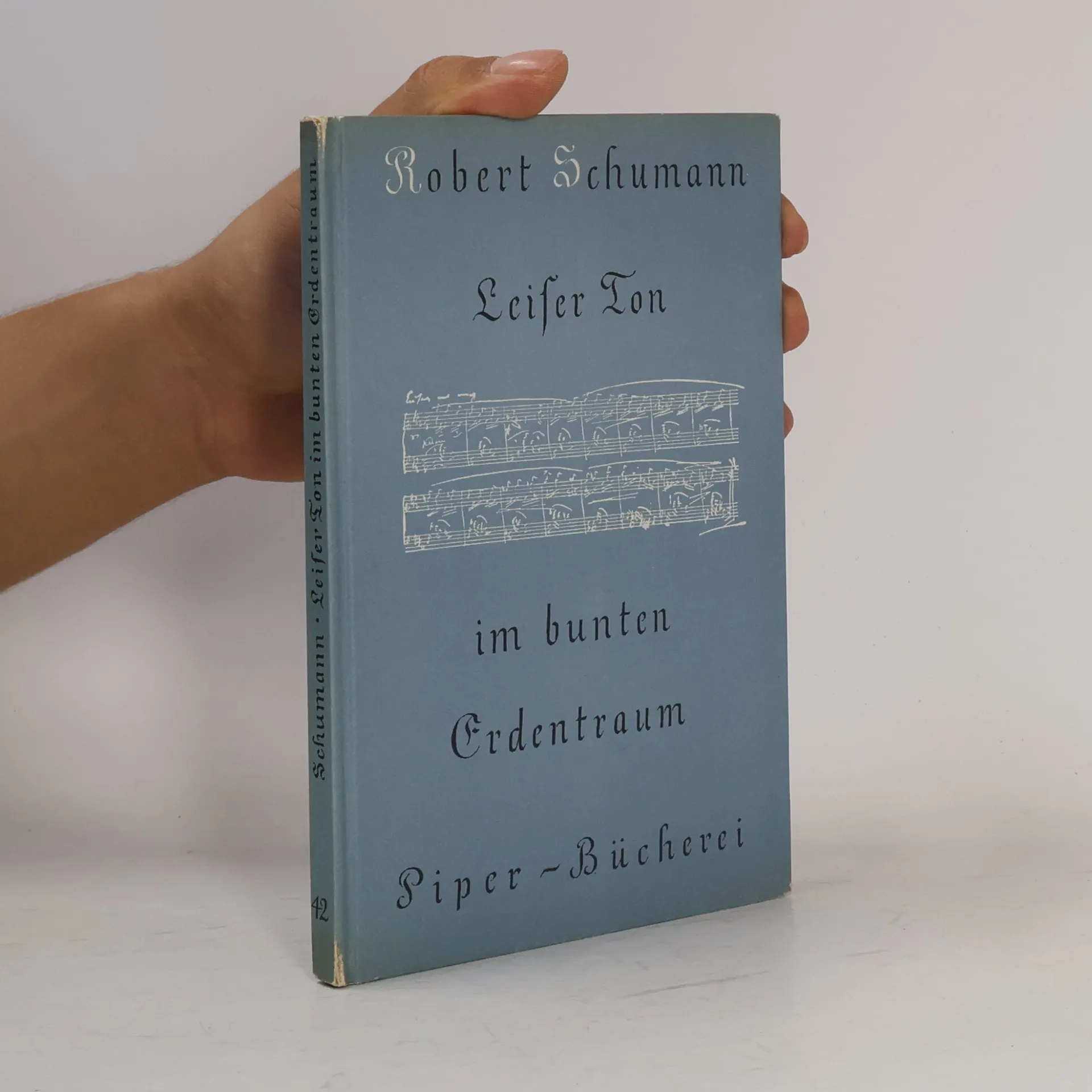
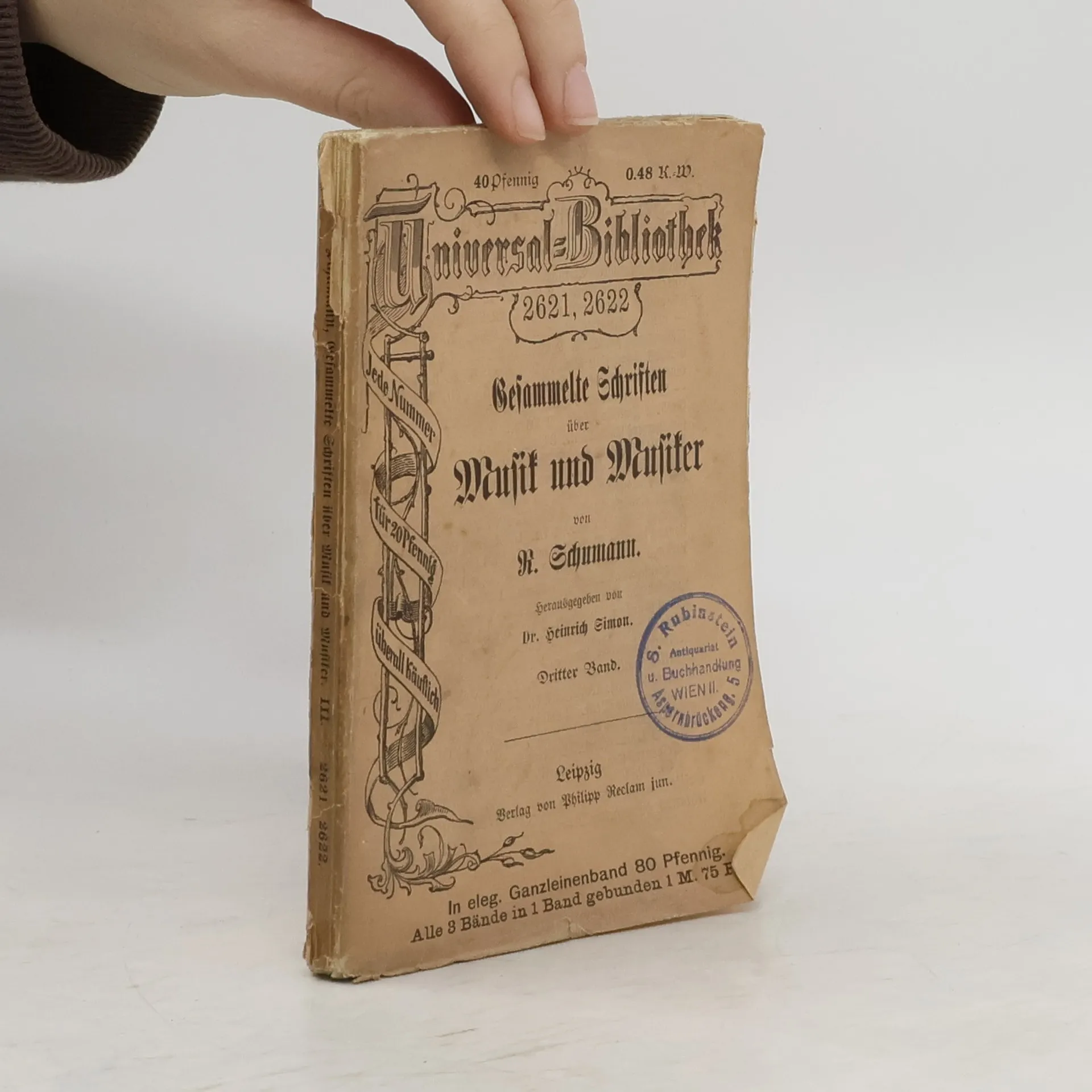
Schriften über Musik und Musiker
- 256 stránek
- 9 hodin čtení
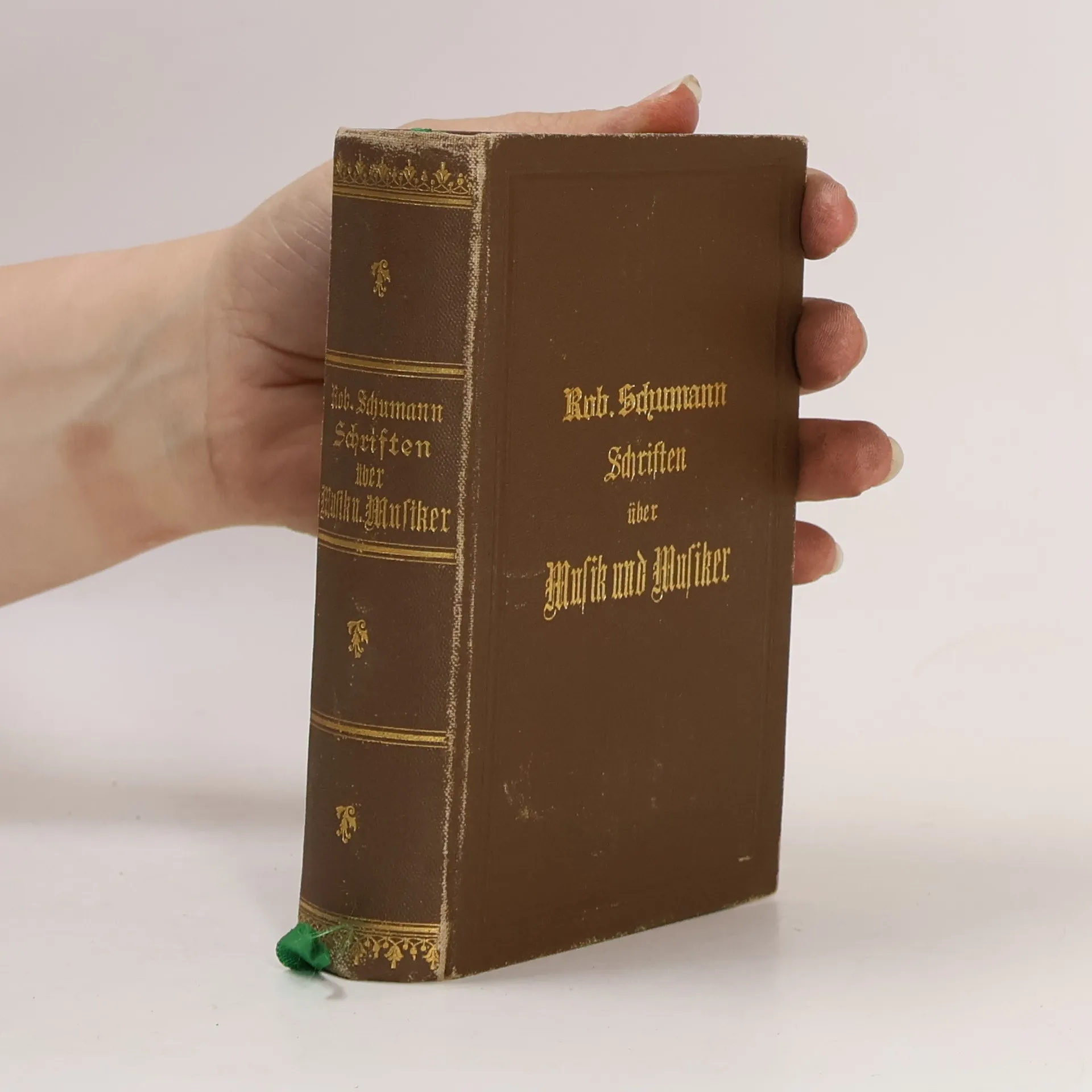
Bereits 1846, zwei Jahre nach Beendigung seiner Herausgebertätigkeit bei der Neuen Zeitschrift für Musik, befasste sich Schumann mit dem Plan einer Sammelausgabe seiner Schriften, die schließlich 1854 realisiert wurde. Die vorlie-gende Auswahl greift auf die 1914 von Martin Kreisig herausgegebene erweiterte Fassung zurück und vermittelt ein umfassendes Bild des Musikschriftstellers Schumann, konzentriert sich aber zugleich auf Werke, Themen, Dispute, Komponisten und Programmbeschreibungen, die nach wie vor von aktuellem Interesse sind, u.a. die Untersuchung der Symphonie fantastique von Berlioz, die Abrechnung mit Meyerbeer, Stellungnahmen zu zeitgenössischen Komponisten wie Chopin und Mendelssohn, Schumanns Beethovenbild und das Plädoyer für eine neue Bach-Gesamtausgabe.
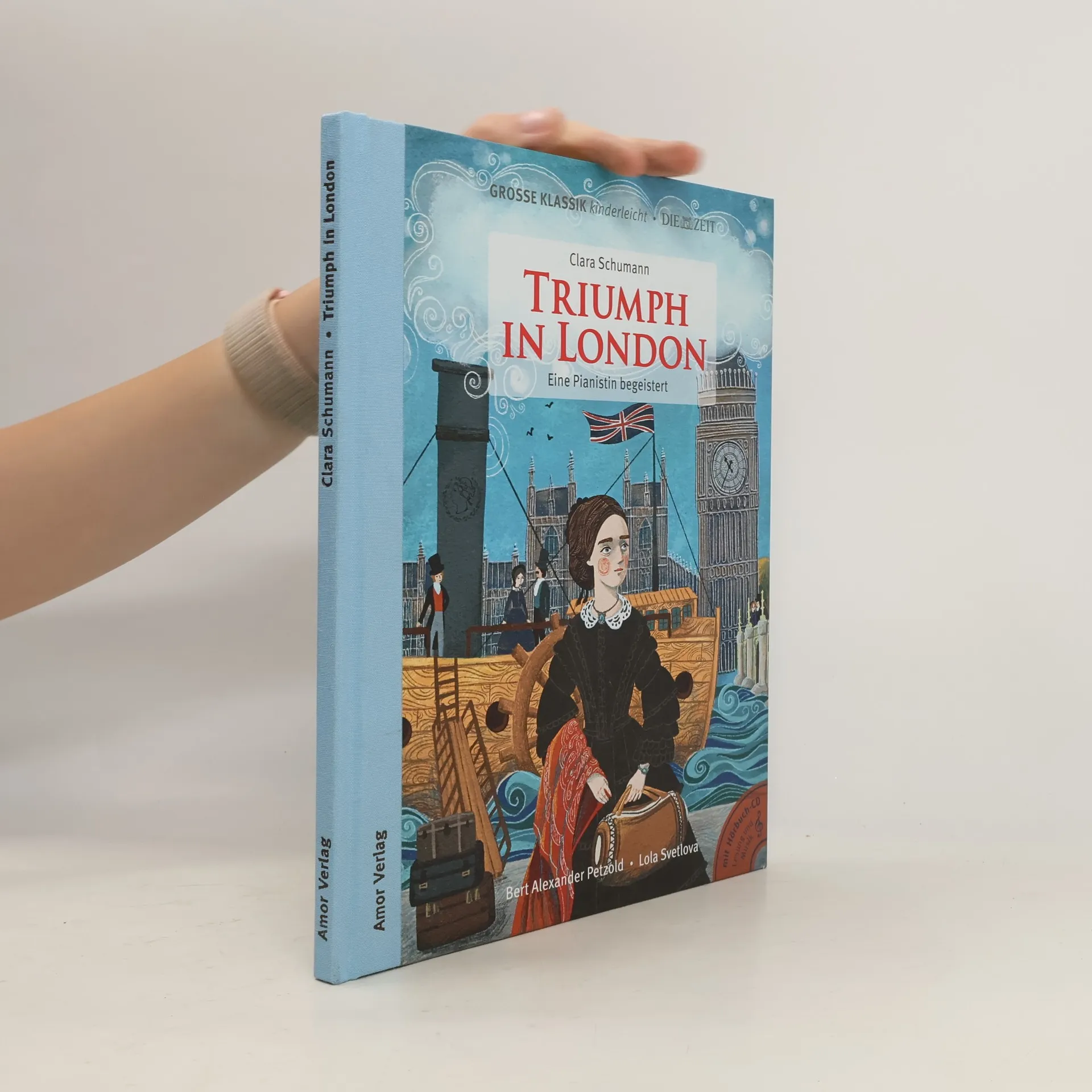
Triumph in London. Eine Pianistin begeistert.
Große Klassik kinderleicht. DIE ZEIT-Edition. (Buch mit CD)
- 32 stránek
- 2 hodiny čtení
Clara Schumanns Lebensgeschichte ist einzigartig. Sie ist eine der wenigen Frauen im 19. Jahrhundert, der Emanzipation von männlicher Vormundschaft und ein selbstbestimmtes Leben gelingen. Als Konzertpianistin steigt sie zur internationalen Musikelite auf und absolviert Auftritte in ganz Europa. Nach wechselvollen Ehejahren zieht es sie vermehrt nach London. Anfänglich ausgegrenzt und von der Queen missachtet, wird sie zum gefeierten Klassikstar und gibt Konzerte vor bis zu 2.000 Zuhörern. Das ereignisreiche Leben der Künstlerin Clara Schumann (1819–1896) wird von Bert Alexander Petzold unterhaltsam und zugänglich für Kinder ab fünf Jahren erzählt. Die sibirische Illustratorin Lola Svetlova beschenkt uns mit humorvollen, hintersinnigen Bildern zum Viktorianischen Zeitalter. Im Hörbuch ist, neben einer inszenierten Lesung mit Antje Hamer mit Geräuschen, reichlich Originalmusik zu hören. Das Hörbuch erscheint innerhalb der Serie »Große Klassik kinderleicht. DIE ZEIT-Edition«.
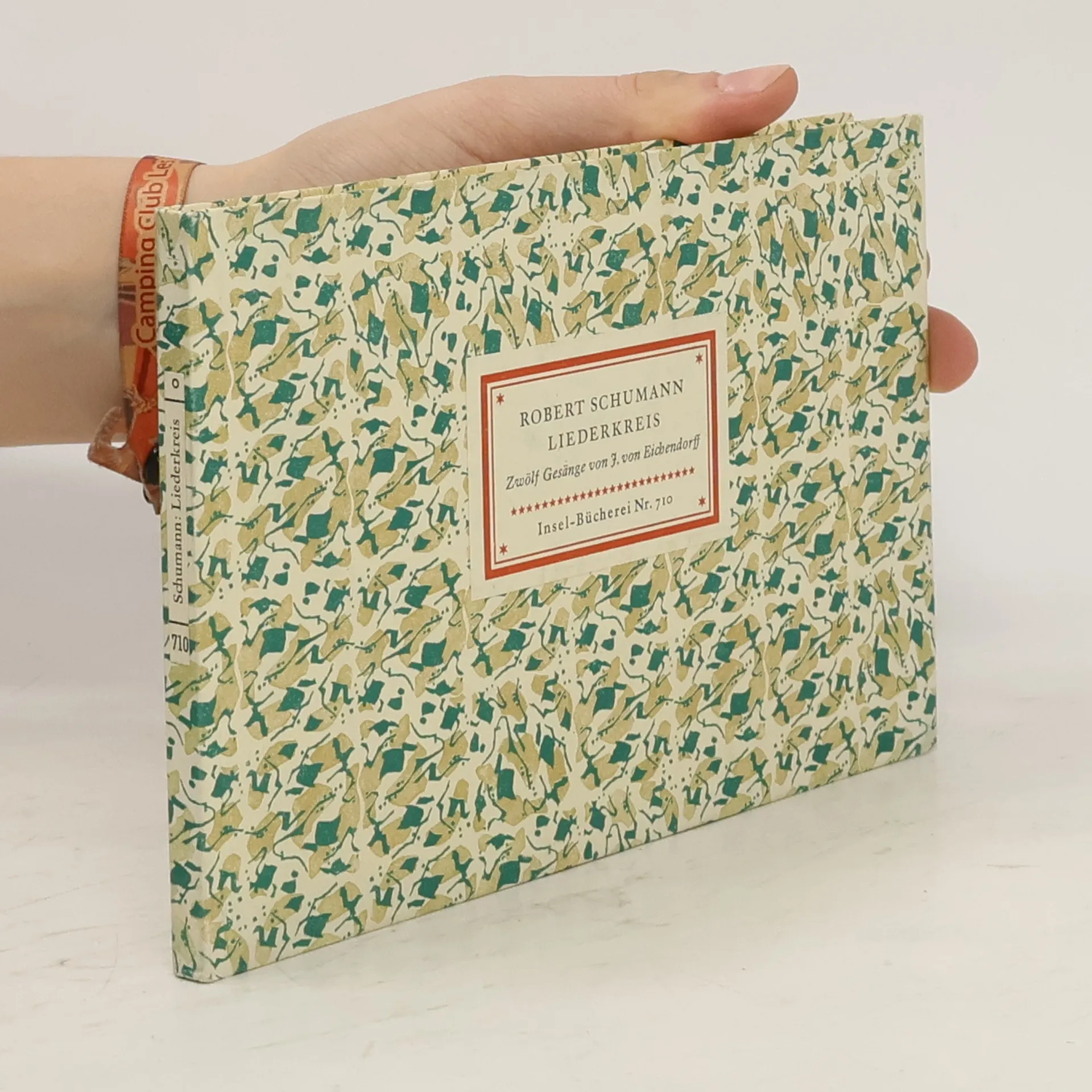
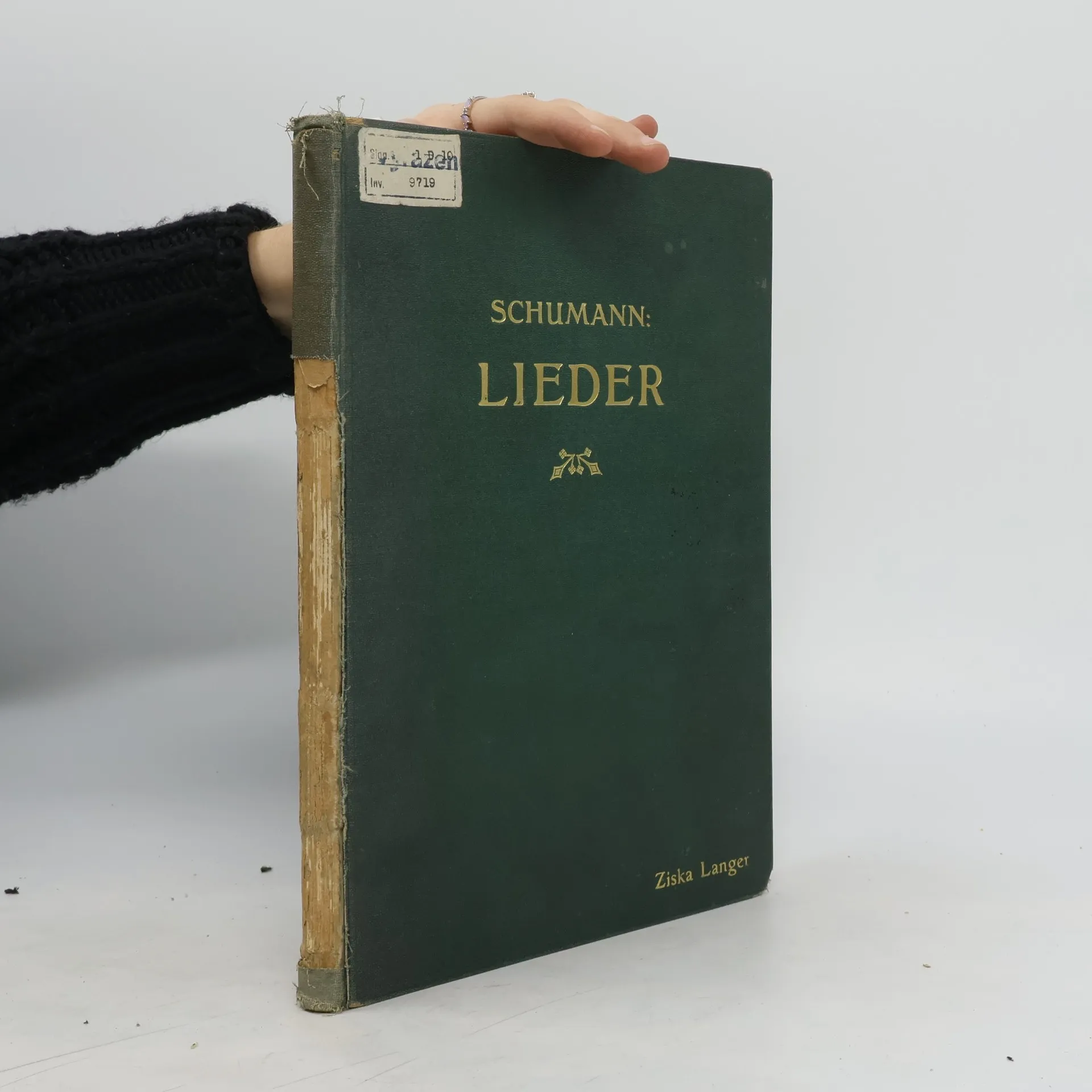
Liederkreis
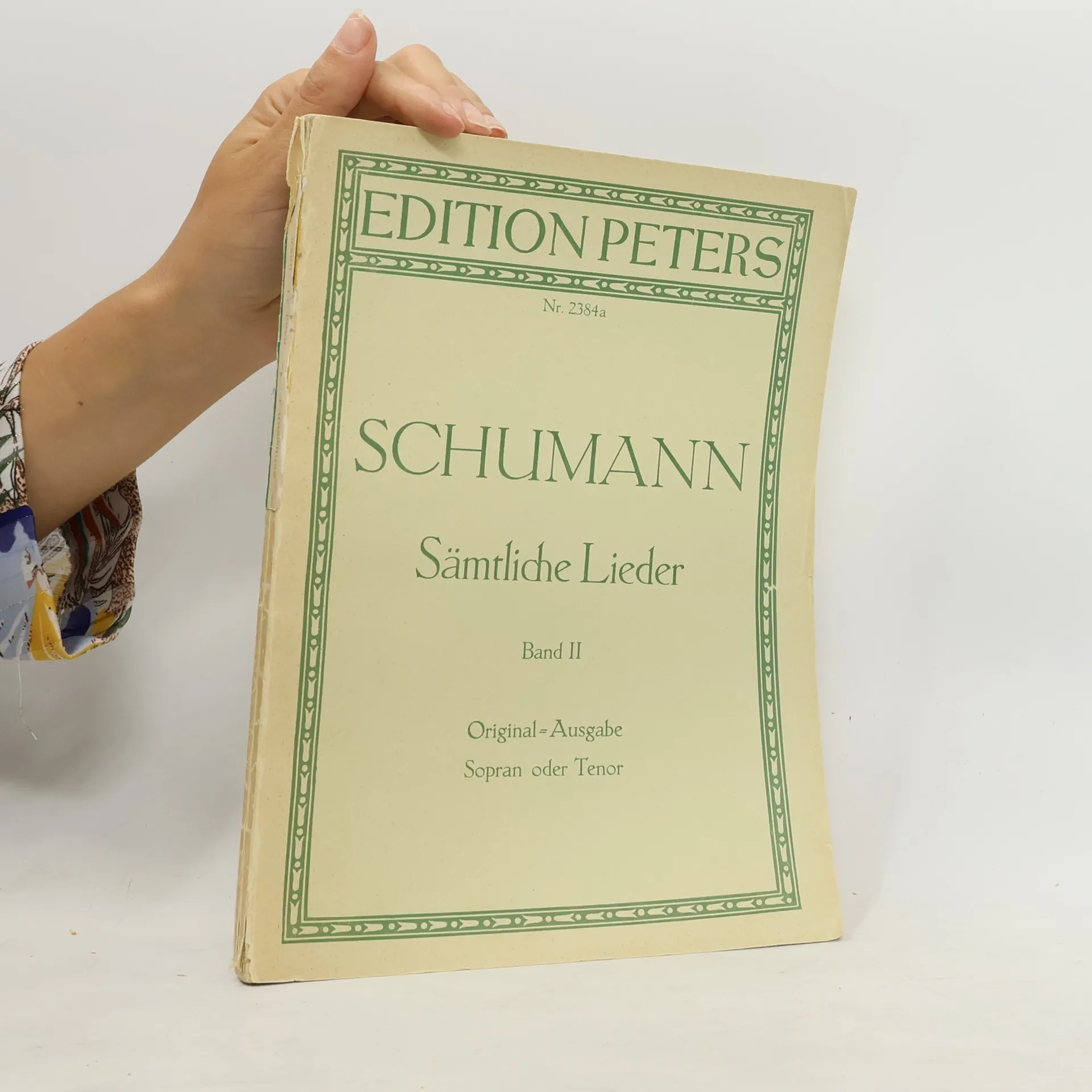
Zwölf Gesänge
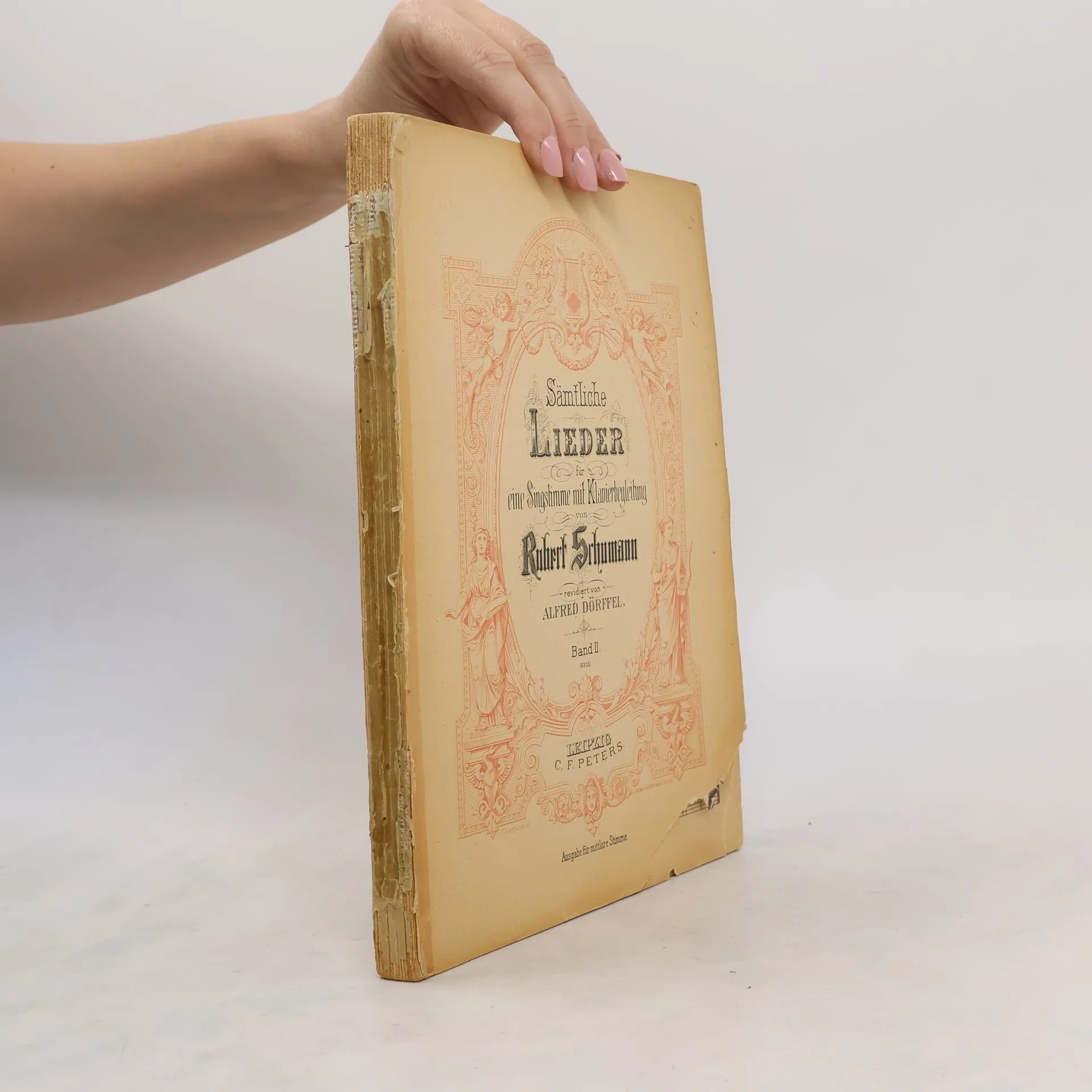
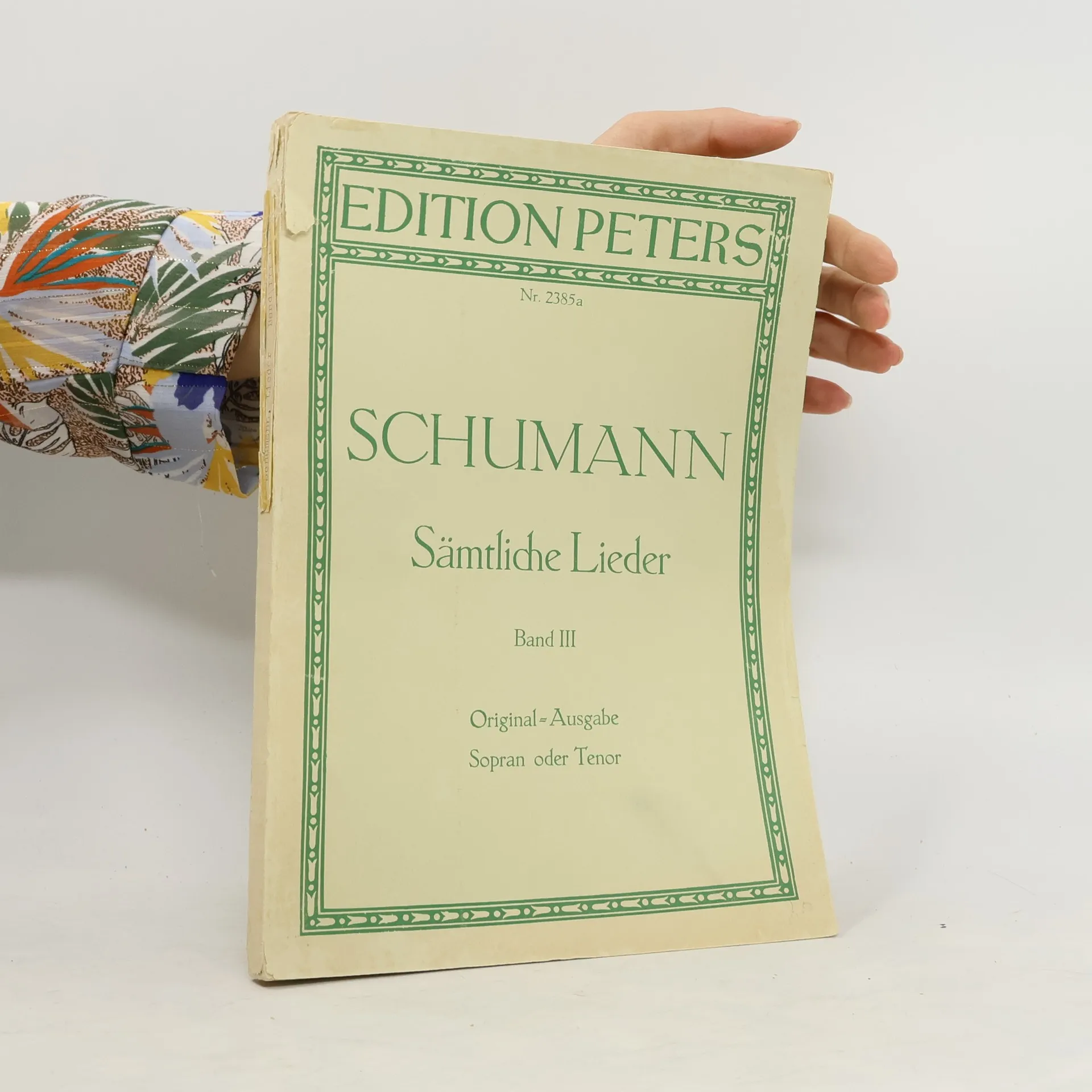
Sämtliche Lieder III.
Für eine Singstimme mit Klavierbegleitung
3 Romanzen op. 22
Vereinfache Klavierbegleitung
Missa sacra c-Moll (Klavierauszug)
- 76 stránek
- 3 hodiny čtení
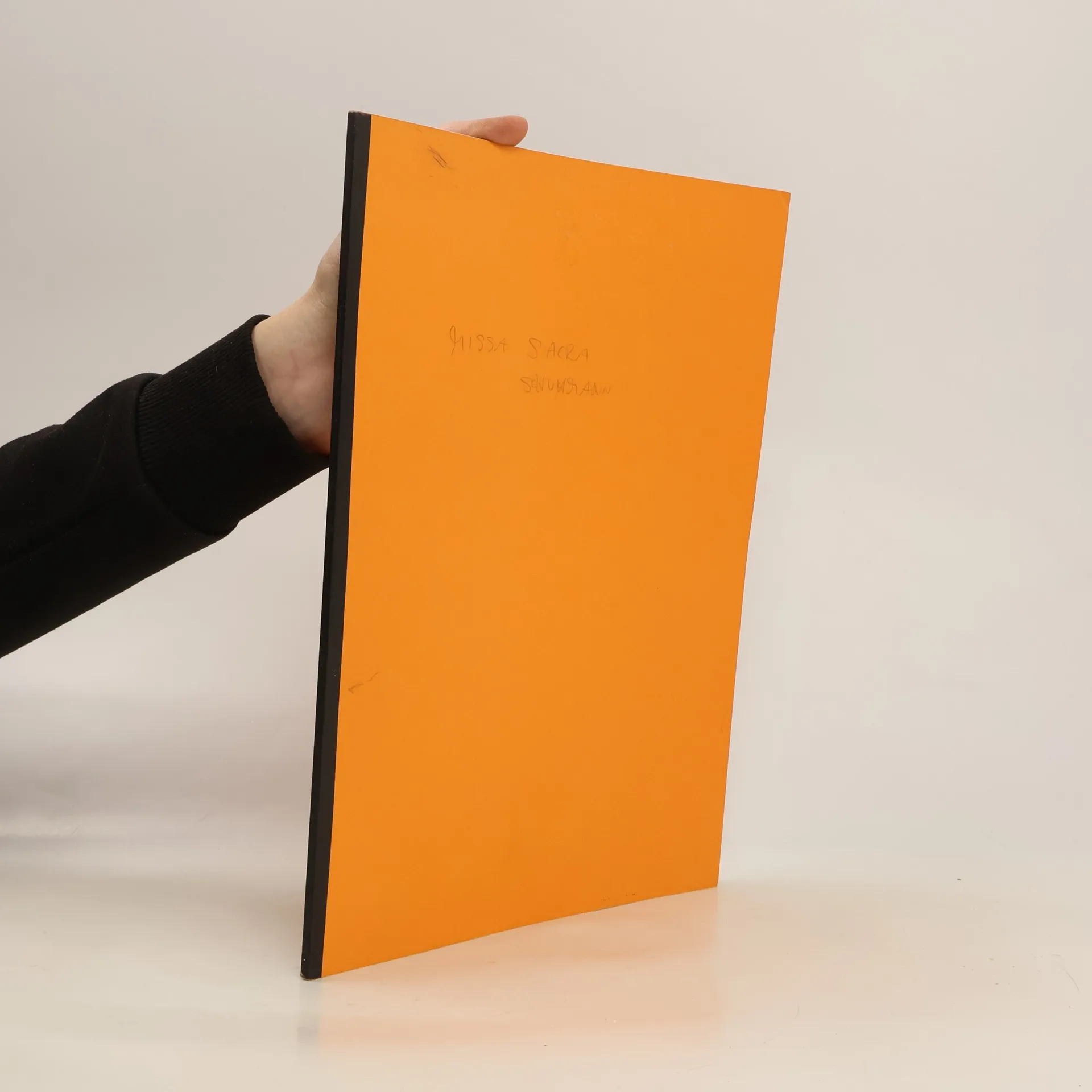
Die Missa sacra op. 147 von Robert Schumann überrascht als geistliches Werk, da der Komponist oft nicht in diesem Kontext wahrgenommen wird. Dieses Spätwerk verbindet emotionale Liturgie mit der praktischen Anwendbarkeit für städtische Gesangvereine. Die Musik reicht von sphärischen Klängen im Kyrie zu innigen, lyrischen Passagen und kraftvollen Fortissimo-Elementen, die große Empfindsamkeit und Freude an Dissonanzen zeigen. Die anspruchsvolle Orchestermesse kann mit begrenzten Mitteln aufgeführt werden, wobei die Solopartien auch von Chormitgliedern übernommen werden können.
Gesammelte Schriften über Musik und Musiker
Erster Band
Clara Schumann Johannes Brahms
- 656 stránek
- 23 hodin čtení
Clara Schumann (1819-1896) war eine bewunderte Pianistin und die Frau von Robert Schumann. Nach Roberts Tod pflegte Johannes Brahms eine enge Freundschaft mit Clara, die jedoch unerwidert blieb. Berthold Litzmann, ein Germanist, veröffentlichte eine dreibändige Biografie über Clara und edierte ihren Briefwechsel mit Brahms.
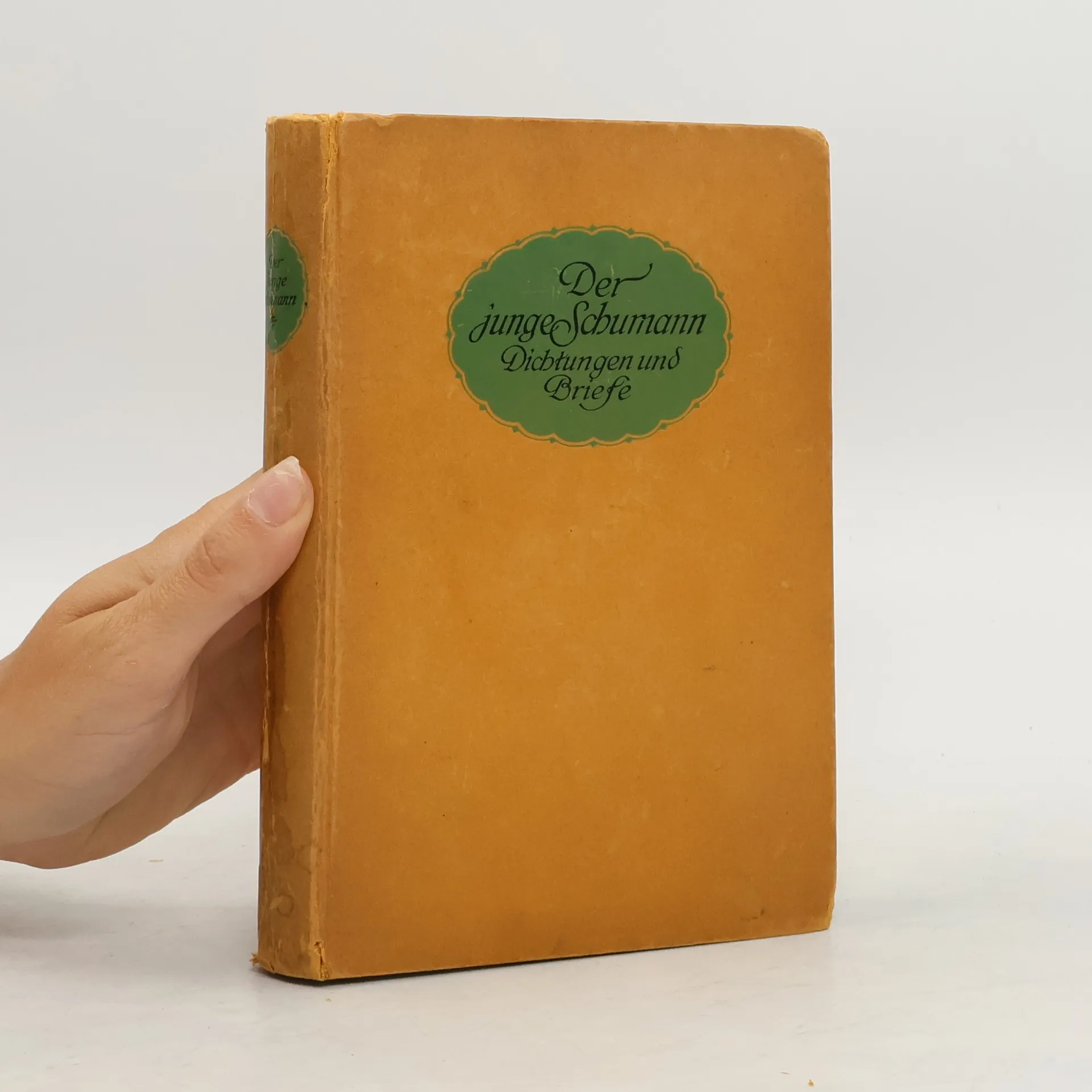
Jugendbriefe von Robert Schumann
- 324 stránek
- 12 hodin čtení
Erklärtes Ziel dieser Zusammenstellung war es, »Robert Schumann denen, die in ihm den Künstler ehren und lieben, auch den Menschen näher zu führen« – so Clara Schumann im Vorwort. Die Auswahl umfasst den Zeitraum zwischen dem 18. und 30. Lebensjahr des Komponisten, in denen sich seine künstlerischen Vorstellungen formten; dazu kommen noch einige Briefe, von denen nicht ganz klar ist, ob sie Schumann tatsächlich verschickt hat. Ihren besonderen Reiz erhält die Zusammenstellung durch eine Reihe von Briefen, die Schumann während der dramatischen Werbung um Clara Wieck bis zur Heirat 1840 verfasste. Nachdruck der 1886 in Leipzig erschienenen zweiten Auflage.