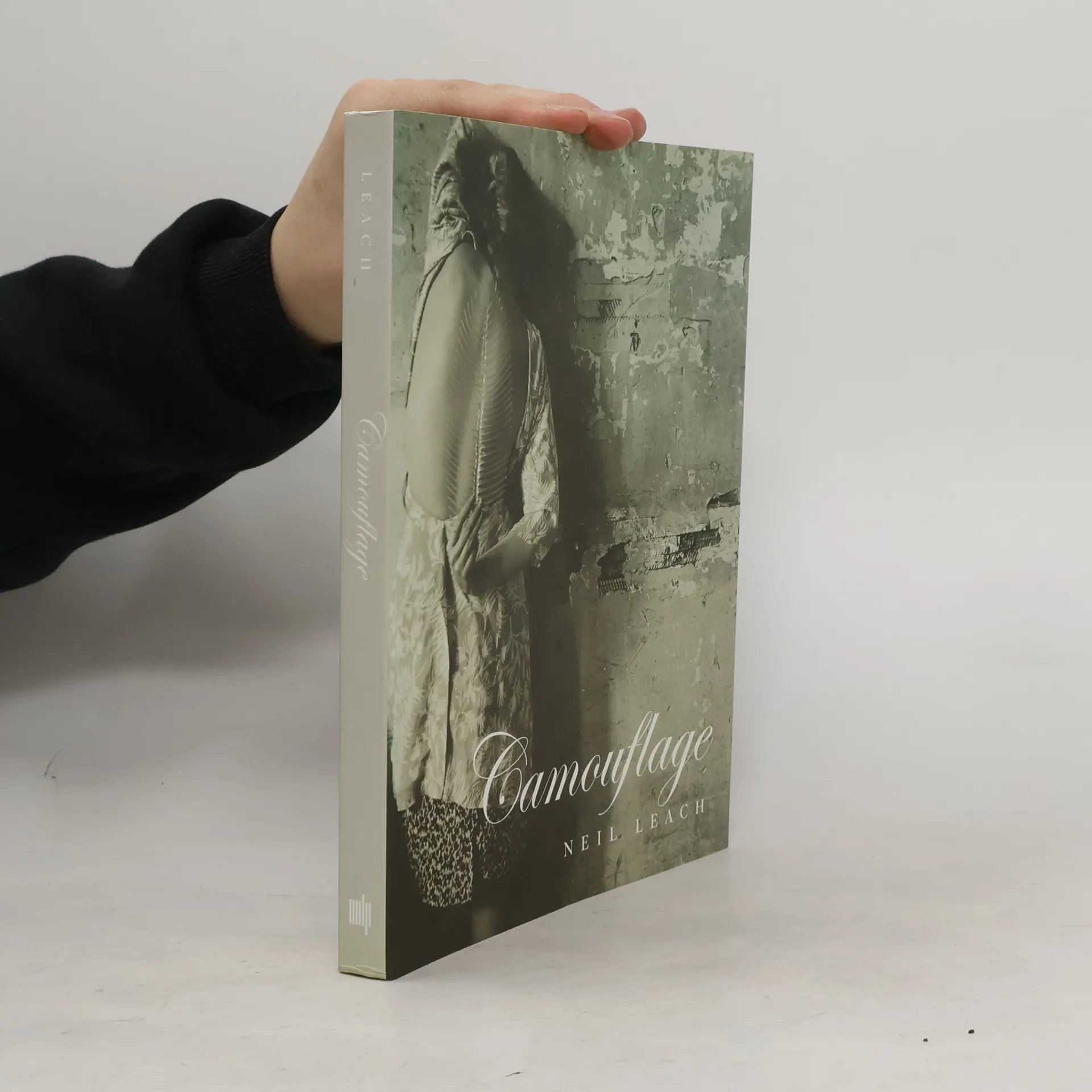
Camouflage
- 248 stránek
- 9 hodin čtení
An exploration of the urge in human beings to feel at home in the world, and the role that architecture plays in this process


An exploration of the urge in human beings to feel at home in the world, and the role that architecture plays in this process
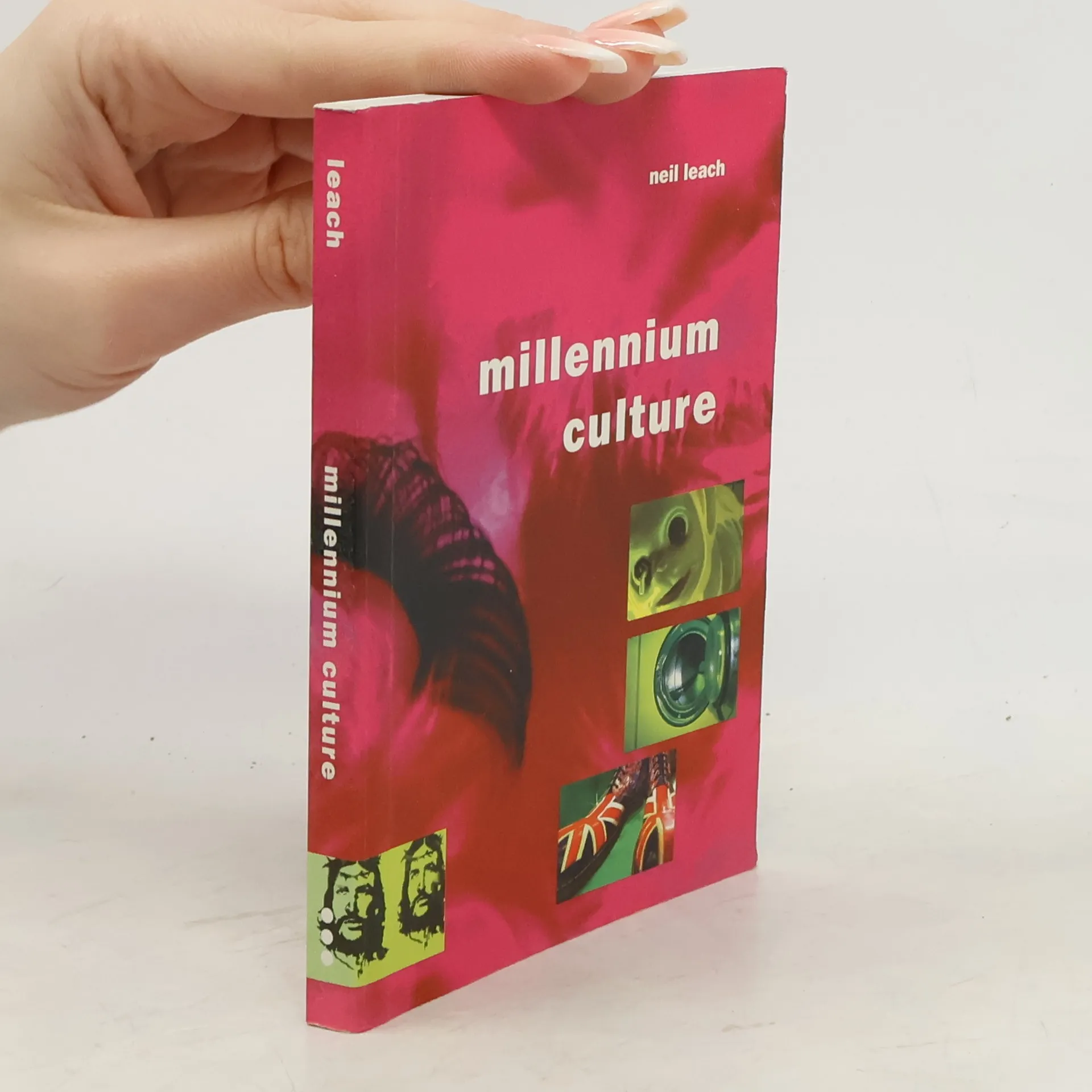
In this short, intentionally polemical book, Neil Leach draws on theideas of philosophers and cultural theorists such as Walter Benjaminand Jean Baudrillard to develop a novel and highly incisive critiqueof the consequences of the growing preoccupation with images andimage-making in contemporary architectural culture.
Opening with the pleasing contention (from Baudrillard) that the year 2000 will not happen, Millennium Culture focuses on the current importance of the visual and virtual experience, exemplified in the sublimely huge but ontologically vacant Millennium Dome. The book examines significant outpourings of contemporary culture - including religion, hypermarkets, the lottery, Teletubbies, technology, wallpaper culture, Jerry Springer, powder skiing and Saint Diana. Photographs by Katja Hock run throughout the book, conjuring up a series of preoccupations that represent a snapshot of contemporary culture. Leach expounds the full implication of The Millennium Dome Experience, and uses the 'circular temple to nothing in particular' as a central image to his discussion of the collapse of reality. But the book is not entirely negative, and seeks to redeem a positive role for the surface image as the site of identification in an increasingly meaningless world.
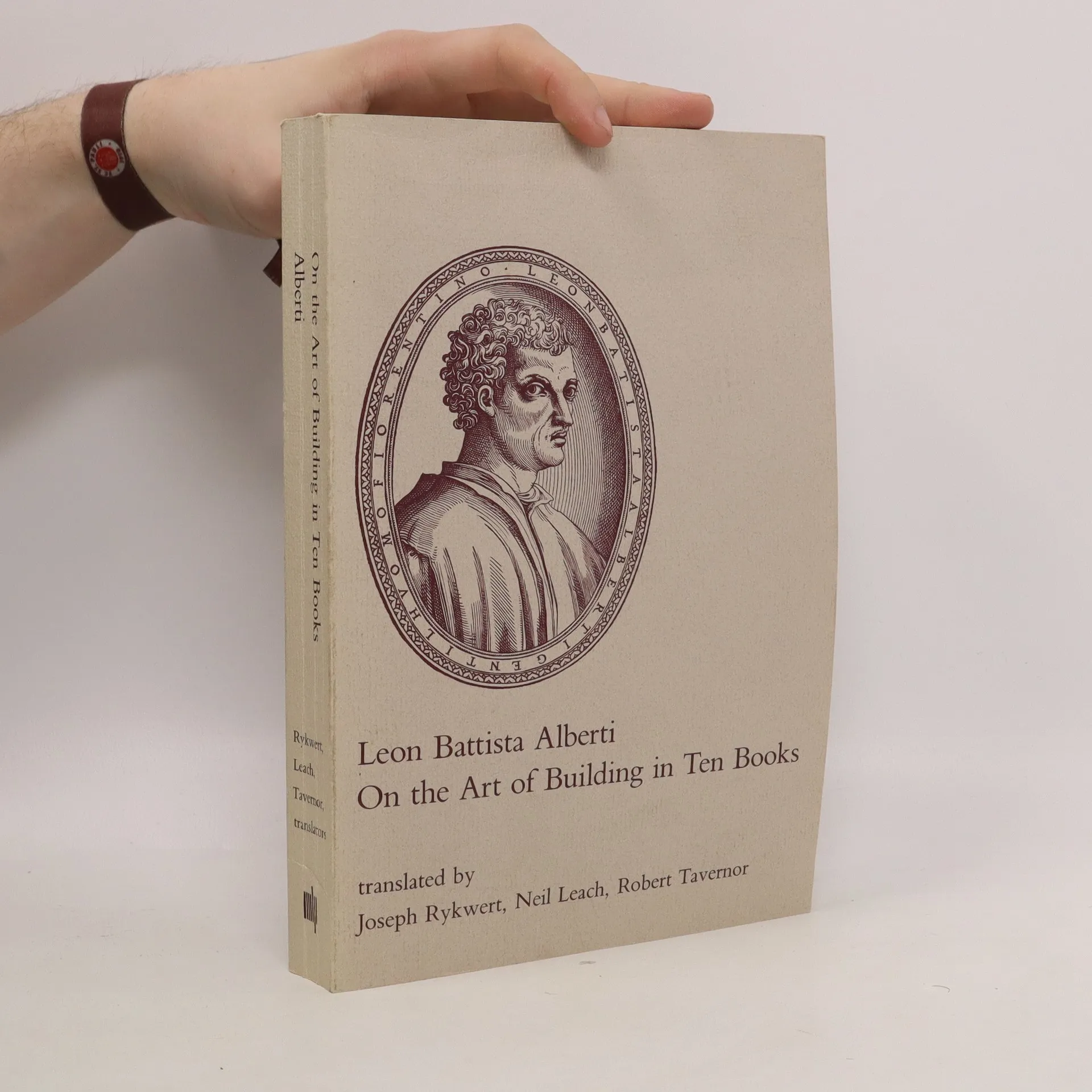
De Re Aedificatoria, by Leon Battista Alberti (1404-1472), was the first modern treatise on the theory and practice of architecture. Its importance for the subsequent history of architecture is incalculable, yet this is the first English translation based on the original, exceptionally eloquent Latin text on which Alberti's reputation as a theorist is founded.
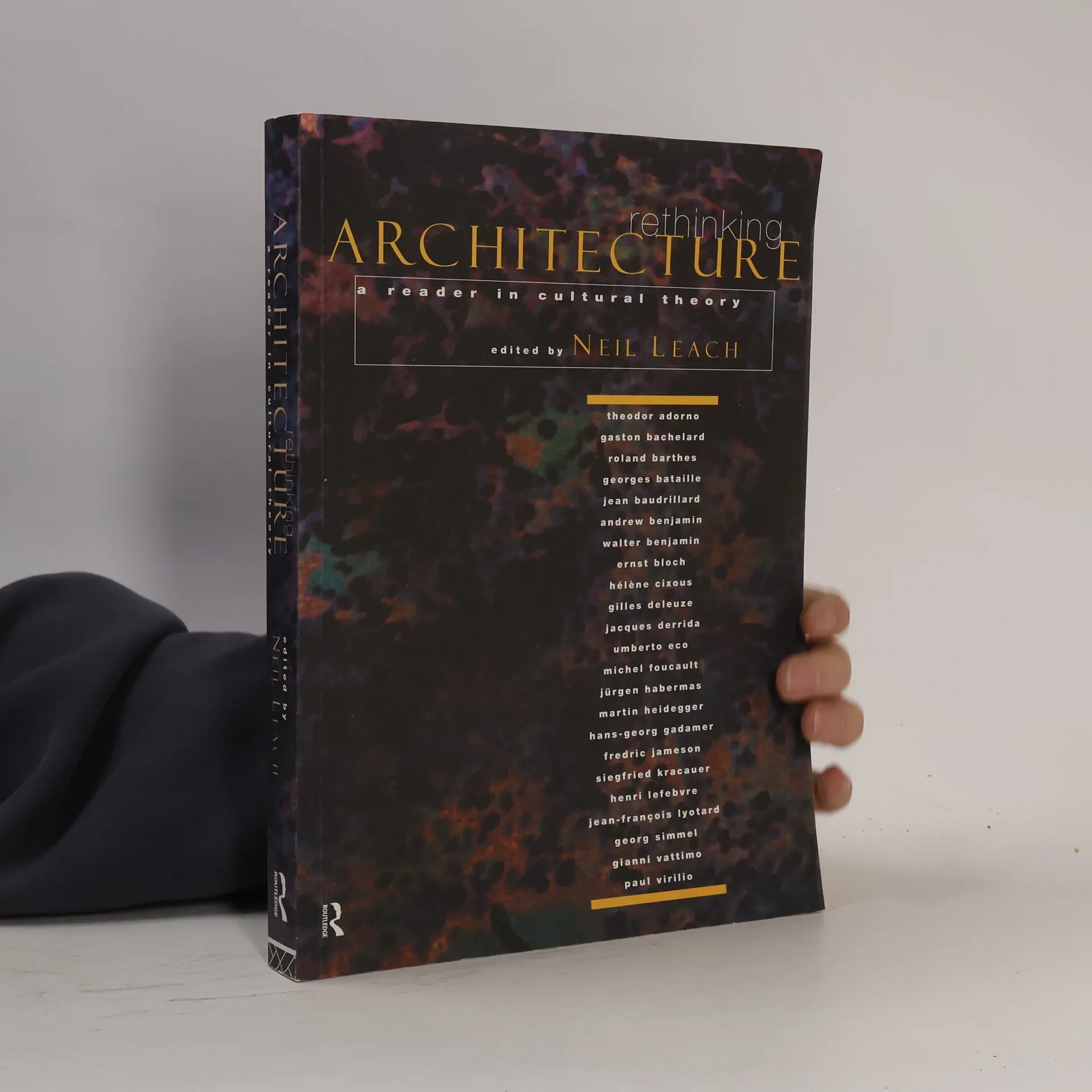
The collection features essential writings from influential philosophers and cultural theorists of the twentieth century, exploring the foundational ideas that have shaped urban environments and architectural experiences. It delves into the theoretical frameworks that underpin contemporary architecture, offering insights into the cultural and philosophical contexts that inform our understanding of space and design. This compilation serves as a critical resource for those interested in the intersection of architecture, philosophy, and urban theory.