

Knihobot

Eyal Weizman

    Eyal Weizman je uznávaný architekt a profesor, jehož práce se soustředí na průnik architektury, vizuálních kultur a technologie. Prostřednictvím své výzkumné agentury Forensic Architecture zkoumá, jak lze architektonické metody a vizuální důkazy využít k odhalování pravdy v kontextech ozbrojených konfliktů a porušování lidských práv. Weizman se hluboce zabývá způsobem, jakým jsou fyzické prostory formovány a utvářeny politickými a sociálními silami, a neúnavně hledá nové způsoby, jak architektonické myšlení využít pro spravedlnost.

    Eyal Weizman
    Vorher und Nachher
    Investigative Ästhetik
    The Least of All Possible Evils
    Hollow Land
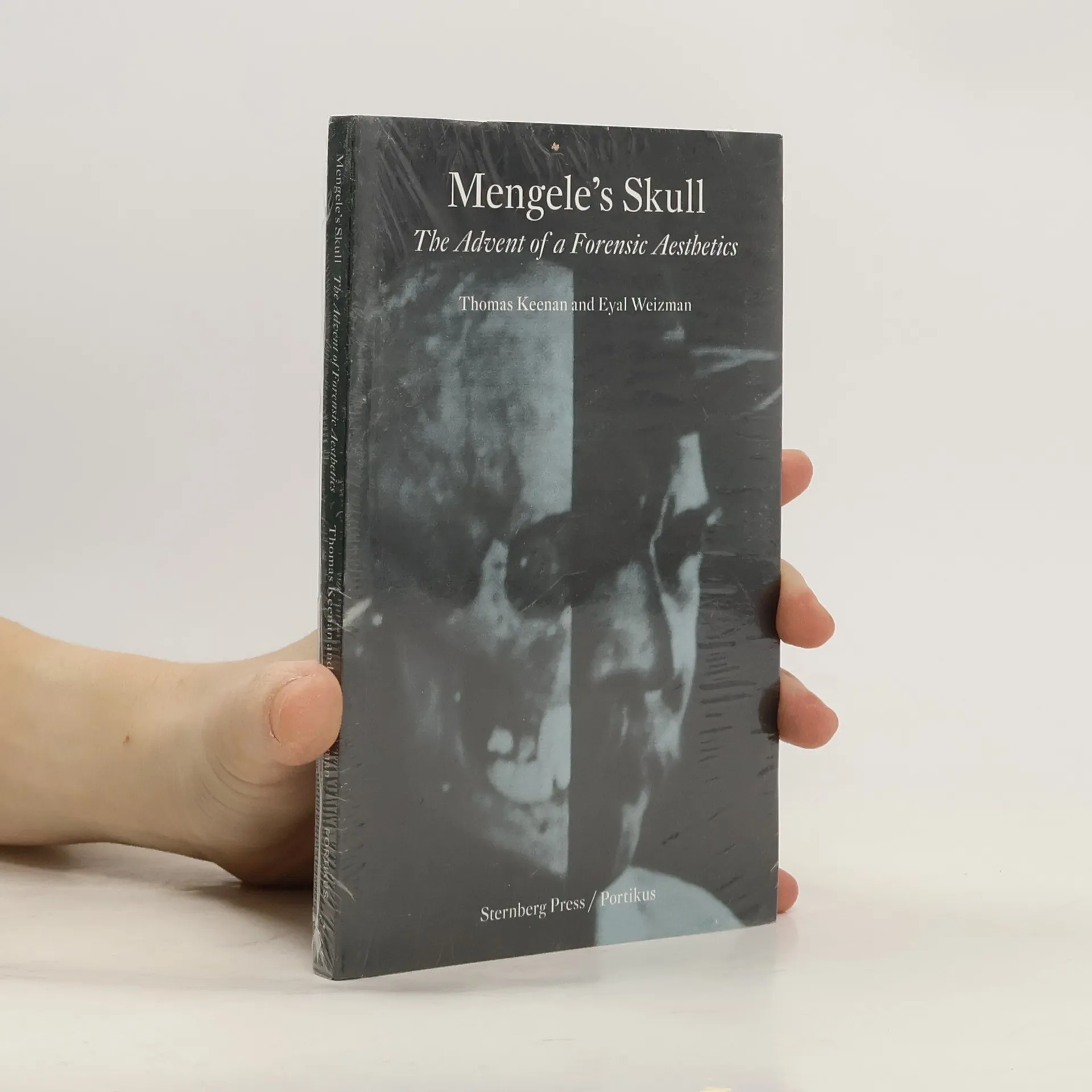
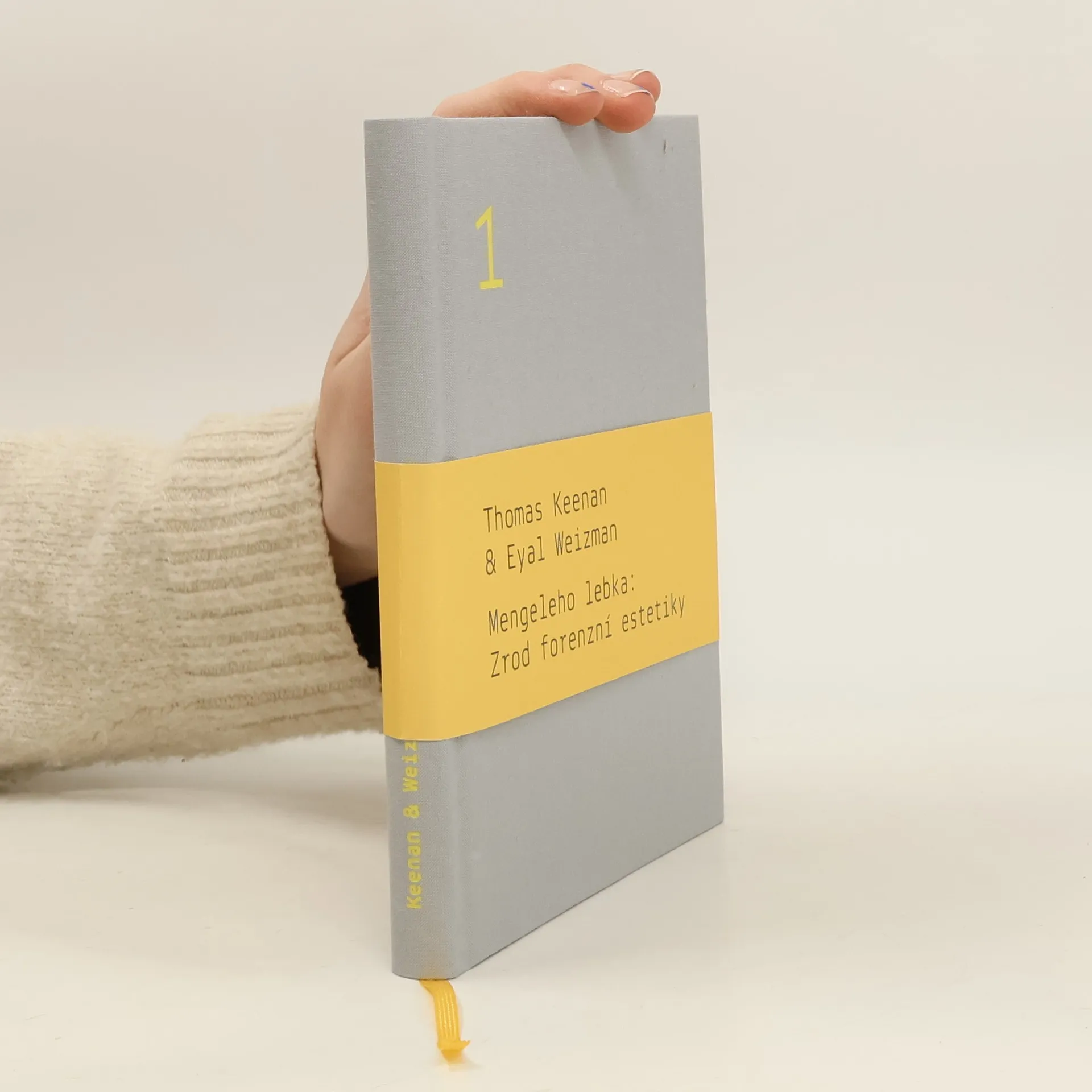
    Mengeleho lebka : zrod forenzní estetiky
    • V roce 1985 bylo v Brazílii nalezeno tělo Josefa Mengeleho, jednoho z posledních nacistických zločinců, kteří byli stále na svobodě. Studie autorů Thomase Keenana a Eyala Weizmana popisuje, jak identifikace Mengeleho ostatků otevřela cestu k vyšetřování válečných zločinů, které není založeno na svědectví a paměti, ale na forenzním přístupu. Vědci začínají vystupovat v lidskoprávních trestních případech jako expertní svědci, jejichž úlohou je interpretovat většinou kosti a lidské pozůstatky a mluvit za ně. Publikaci doplňuje český doslov Tomáše Dvořáka a Martina Charváta.

      Mengeleho lebka : zrod forenzní estetiky
    • Hollow Land

      Israel's Architecture of Occupation

      • 318 stránek
      • 12 hodin čtení
      4,5(408)Ohodnotit

      Acclaimed exploration of the political space created by Israel’s colonial occupation This new edition of the classic work on the politics of architecture—and the architecture of politics—appears on the fiftieth anniversary of the Six-Day War, which expanded Israel’s domination over Palestinian lands. From the tunnels of Gaza to the militarized airspace of the Occupied Territories, Eyal Weizman unravels Israel’s mechanisms of control and its transformation of Palestinian homes into a war zone under constant surveillance. This is essential reading for those seeking to understand how architecture and infrastructure are used as lethal weapons in the formation of Israel.

      Hollow Land
    • Eyal Weizman's work has become an indispensable source of both insight and guidance in these difficult times. He understands the evolving dynamics of war and sovereignty better than anyone. -Paul Gilroy, Professor of Social History, London School of Economics This is a wonderful book, written with clarity, precision, and passion. It takes the reader into the heart of contemporary necro-politics and calculations of 'lesser evils' by powerful states and their humanitarian accomplices. Deeply learned and informative on every page, this is essential reading for anyone who cares about contemporary conditions of warfare and state-controlled violence; about the spatial practices that reinforce and regulate systemic forms of violence, such as the calculation of minimal requirements for human survival. In the spirit of Doctors Without Borders, Weizman is an architect without borders, at home in political philosophy, military history, just war theory, and the spatial systems of controlled, calculated violence that constitute Israel-Palestine, and much of the world today. -W. J. T. Mitchell, Professor of English and Art History, University of Chicago Originality, ingenuity, and brilliance do not even begin to do justice to this amazing study, this architectural forensics of battle and human rights as pieced together from the study of the ruin and the terrifying logic of 'the lesser evil.' How astonishing to see our new world this new way. -Michael Taussig, Professor of Anthropology, Columbia University Weizman continues to offer daring social and political commentary, questioning taken-for-granted structures and processes that perpetuate oppression and violence. -Legacy Russell, BOMB Magazine

      The Least of All Possible Evils
    • Investigative Ästhetik

      • 400 stránek
      • 14 hodin čtení

      Die Untersuchung beleuchtet die Verbindung zwischen forensischen Methoden und künstlerischer Schöpfung, die auf den ersten Blick unvereinbar erscheinen. Künstler:innen, Journalist:innen und NGOs integrieren zunehmend investigative Techniken und ästhetische Darstellungen in ihre Arbeit. Eyal Weizman und Matthew Fuller analysieren diese transdisziplinären Ansätze und entwickeln das Konzept der Investigativen Ästhetik, das eine materialistisch-sinnliche Herangehensweise an die Evidenzfindung und deren ästhetische Aufbereitung beschreibt.

      Investigative Ästhetik
    • Vorher und Nachher

      Die Architektur der Katastrophe

      Katastrophen, zerbombte Städte, politische Umstrukturierungen ganzer Länder: »Bildkomplexe« humanitärer und ökologischer Umwälzungen dokumentieren die Welt als Abfolge von Katastrophen. Wer aber entscheidet über die Darstellung von Ereignissen, bestimmt die Pixelanzahl unserer Bildwelten, herrscht über Zirkulation oder Zensur von Bildern? Eyal und Ines Weizman lesen die Geschichte des Vorher-Nachher-Bildes von der Fotografie des 19. Jahrhunderts bis zu zeitgenössischen Satellitenbildern und entdecken in ihnen jene Lücke, in der sich nicht nur das verheerende Ereignis verbirgt: Es sind die Menschen selbst, die aus den Bildern zu verschwinden drohen. Treten die humanitäre Arbeit und die Rekonstruktionen von Kriegsverbrechen, bei denen doch Menschen, deren Schicksale und Rechte im Zentrum stehen müssten, heute paradoxerweise in eine post-humane Phase ein? Wie kann die Lücke zwischen den Bildern Ort einer kritischen Gegen-Lektüre statt Zeichen der Auslöschung werden? Im exklusiven Gespräch mit Marie Glassl vertiefen Eyal und Ines Weizman entlang aktueller Arbeiten die Frage nach der Geschichte, Gegenwart und Zukunft des Paradigmas des Vorher-Nachher-Bildes.

      Vorher und Nachher