Great Ideas - 93: The Wolfman
- 160 stránek
- 6 hodin čtení
Presents a study of a wealthy young Russian man, subject to psychotic episodes and neuroses.


Tato americká psychoanalytička se vyškolila ve Vídni a stala se významnou postavou v oboru. Její práce se ponořila do hlubin lidské psychiky a zkoumala složité vztahy mezi myslí a emocemi. Během své kariéry se snažila porozumět základním motivacím lidského chování a nabídnout pohled na sebepoznání. Její vliv přetrvává a ovlivňuje současné chápání psychologie.
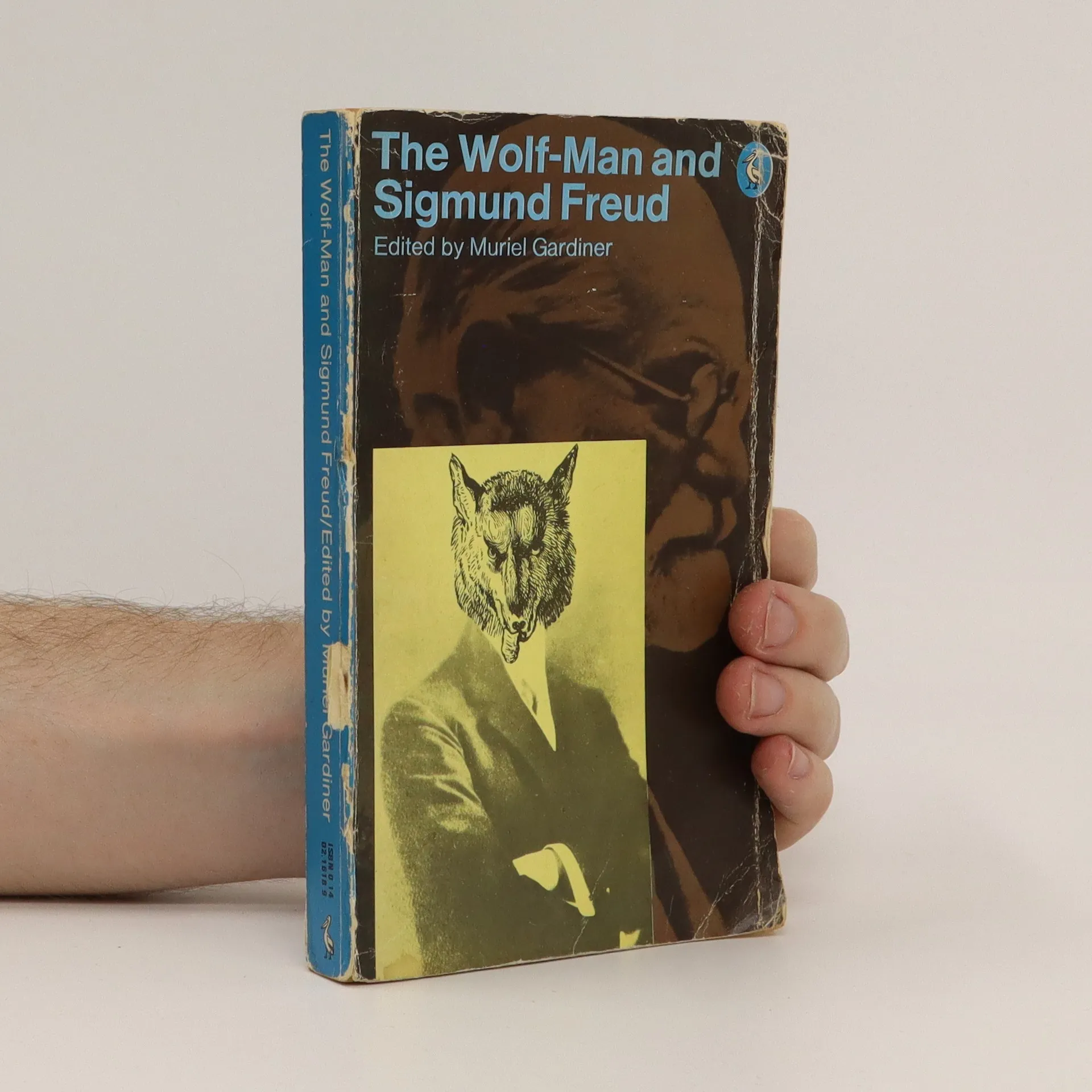
Presents a study of a wealthy young Russian man, subject to psychotic episodes and neuroses.
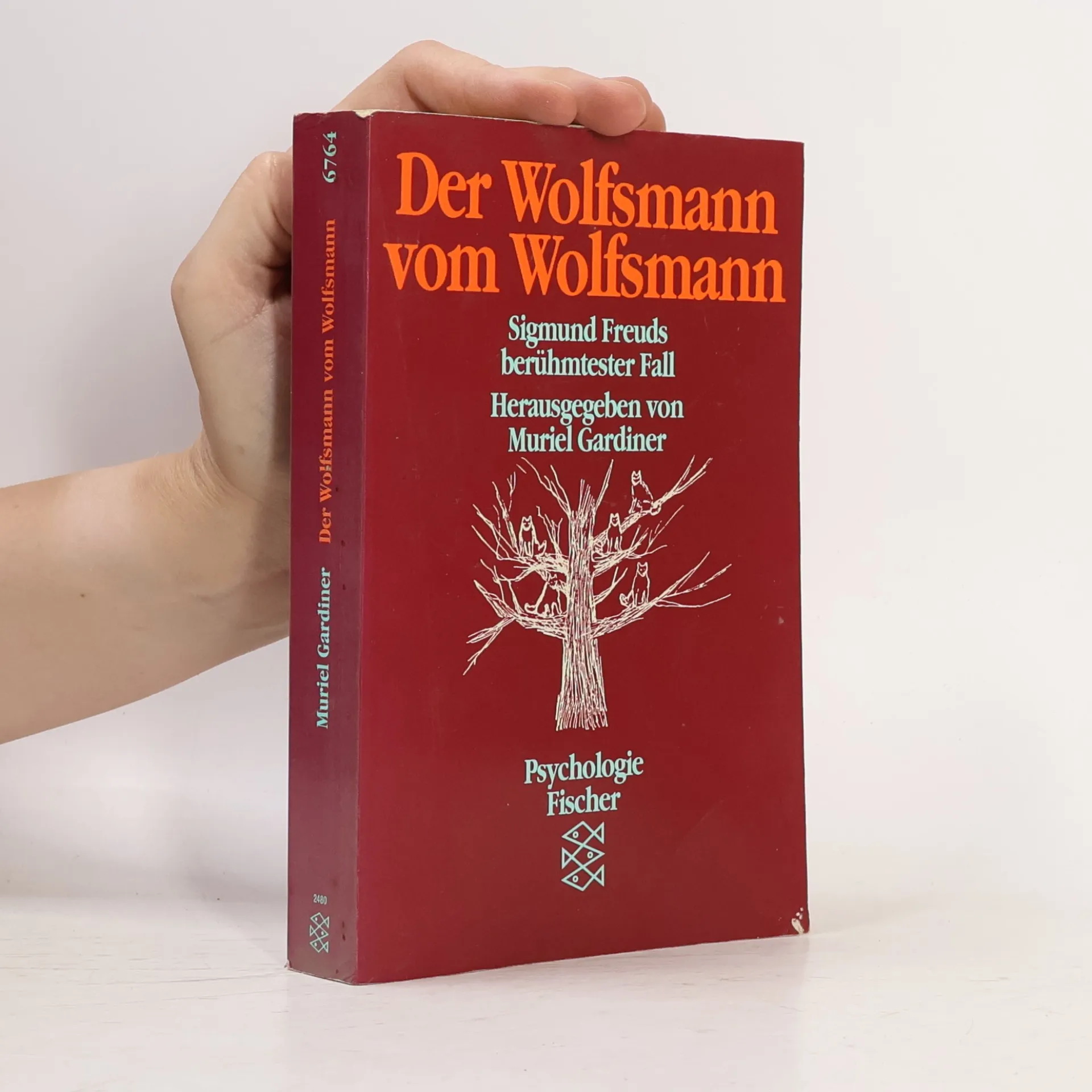
The Wolf-Man was the subject of what James Strachey described as 'the most elaborate and no doubt the most important of all Freud's case histories'. He was still living in Vienna more than half a century after his analysis with Freud. In this remarkable biographical account, the Wolf-Man comes alive not only through Freud's case history, which is reprinted in full, and Ruth Mack Brunswick's account of the follow-up analysis she conducted, but also through his own autobiographical memoirs covering his childhood in Russia, his recollections of Freud, his marriage, and the circumstances of his life in Vienna after the First World War. The story of the Wolf-Man's later years is told by the author, who kept in close touch with him following the shattering suicide of his wife in 1938.
Das aussergewöhnliche Leben
Memoirs of an American Woman in the Austrian Underground