

Focusing on the institutional impact of blockchain networks, this book delves into DAOs and purpose-driven tokens, blending theoretical insights with practical applications. It aims to foster a common understanding of Web3-based institutions, while exploring the evolution of money and finance in the context of tokenization. This edition is part of a trilogy, with companion volumes addressing the history of finance and the technical and political dimensions of blockchain infrastructure, providing a comprehensive overview of the changing financial landscape.
Shermin Voshmgir Knihy
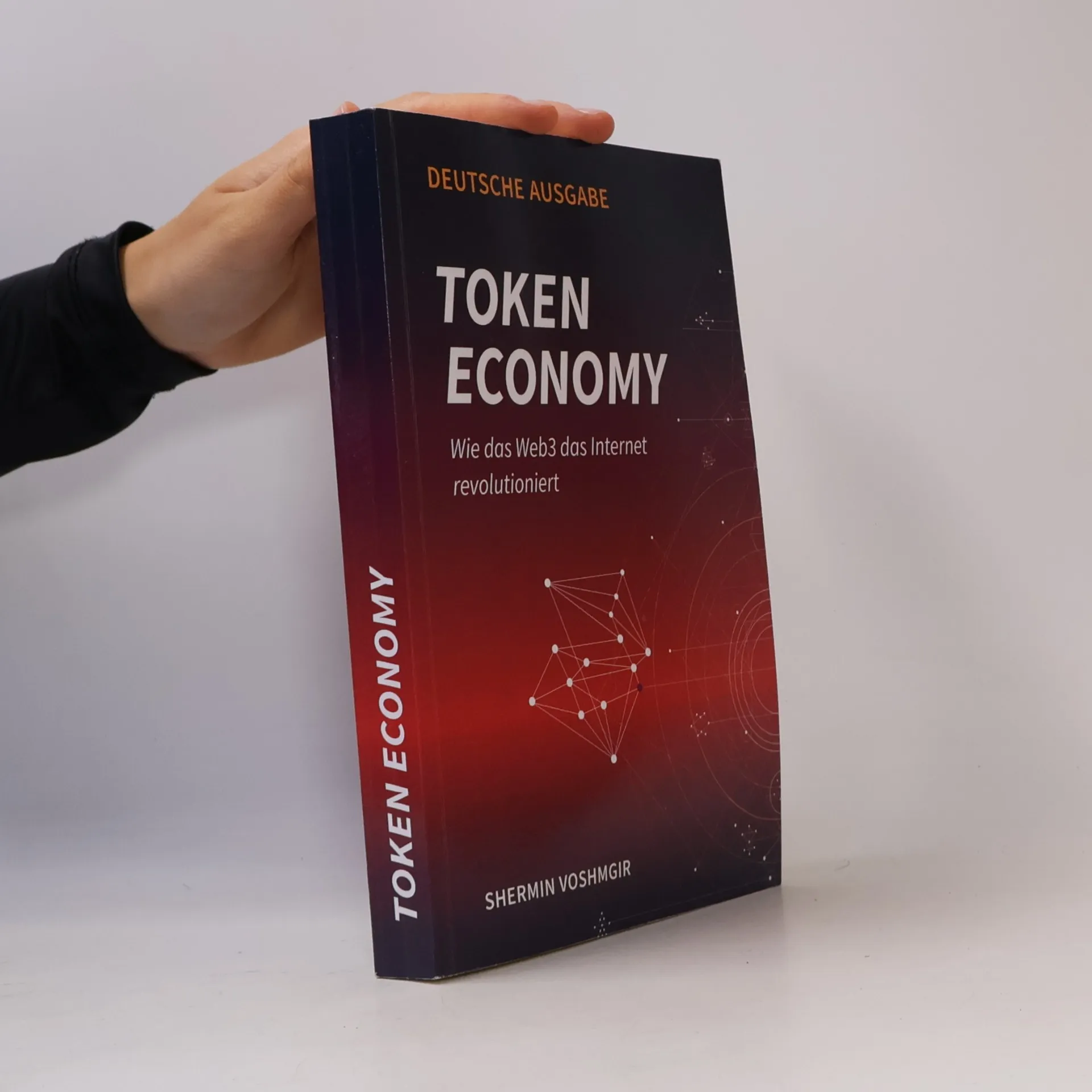



Blockchains & smart contracts have made it easy for anyone to create a token with just a few lines of code. The book gives an intro to tokens and the underlying technology, the socio-economic implications, and selected use cases. It is written for a general audience, features many graphics, and could be a useful textbook for university students.
This book caters to an interdisciplinary audience, including academics and practitioners, and serves as an excellent primer on technology and token use cases, making it suitable as a textbook for students. It is blockchain/DLT agnostic and focuses on the technology basics from a token perspective. The text introduces a token taxonomy from economic and governance angles and explores various use cases, such as stable tokens, asset tokens, social media tokens (like Steemit), attention tokens (BAT), and purpose-driven tokens like CO2 tokens. It also discusses token sales, exchanges, and atomic swaps. With blockchains and smart contracts simplifying token creation, tokens can represent diverse assets or rights, from gold and diamonds to concert tickets. They can incentivize social media contributions or encourage CO2 emission reductions. Despite the ease of creating tokens within public blockchain infrastructures, understanding their applications remains unclear. The book emphasizes the term "token" over "cryptocurrency," clarifying that many tokens were not designed to serve as currencies. It thoroughly analyzes the role of money as a medium of exchange and provides insights into the mechanisms and socio-economic implications of tokens, along with in-depth examinations of specific use cases like Basic Attention Token, Steemit, and Token Curated Registries.
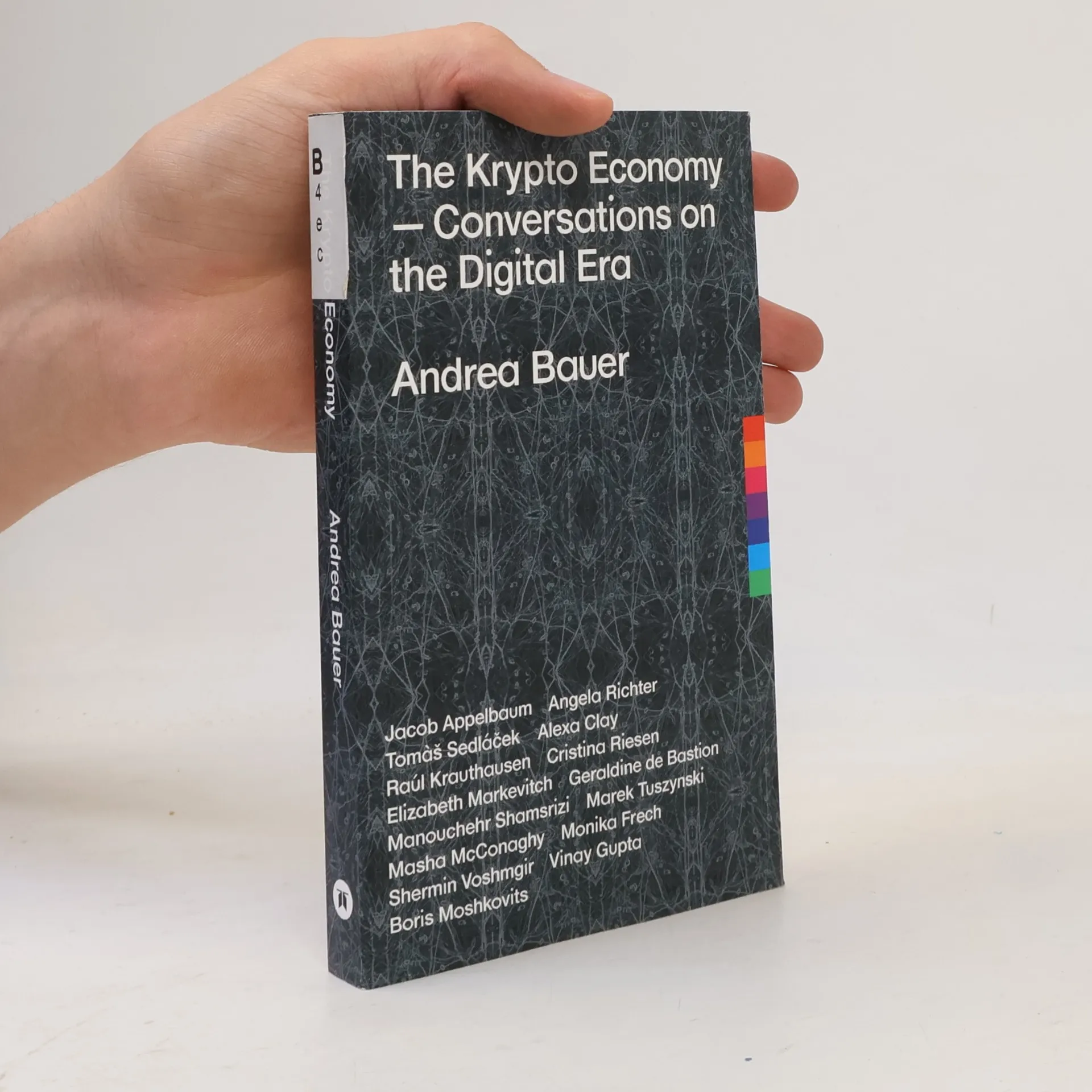
The Krypto Economy. Conversations on the Digital Era
- 276 stránek
- 10 hodin čtení
The Krypto Economy explores the dynamics of our digital age to foster a responsible technological future. Through seven panel discussions, it examines both the benefits and risks of digital tools, such as mass surveillance and privacy loss, encouraging readers to engage in the discourse for a utopian future.
Deutsche Ausgabe Die Bedeutung von Tokens für das Web3 ist mit der von HTML-Webseiten für das Internet der 90er-Jahre vergleichbar. Kryptografische Tokens können mithilfe von Smart Contracts mit geringem Programmieraufwand erstellt und von einem Blockchain-Netzwerk, also einer öffentlichen Infrastruktur, gemeinschaftlich verwaltet werden. Tokens haben das Potenzial das Internet zu revolutionieren, da durch sie jegliche Werte bis hin zu verschiedensten Zugangsrechten, Stimmrechten und Management-Rechte einfach verwaltet werden können. Mit Tokens kann man nicht nur digitale Währungen kreieren, sondern diese auch als digitale Repräsentanten analoger Werte wie beispielsweise von Immobilien, Kunstgegenständen, Gold, Aktien und traditionellen Währungen nutzen oder um Zugangsrechte wie Mitgliedschaften, Zertifikate, Eintrittskarten und Zugangsberechtigungen zu realisieren. Tokens können darüber hinaus als Anreizmechanismen verwendet werden: beispielsweise um Aktivität in sozialen Netzwerken oder das Einsparen von CO2 zu belohnen.