Yale and Slavery
- 448 stránek
- 16 hodin čtení
A comprehensive look at how slavery and resistance to it have shaped Yale University


Fredrik Logevall je předním historikem, který se specializuje na historii zahraničních vztahů USA a moderní mezinárodní historii. Jeho práce se ponořuje do složitých událostí a rozhodnutí, které formovaly globální dějiny. Logevallův styl je charakteristický pronikavou analýzou a poutavým vyprávěním, které čtenářům odhaluje hlubší souvislosti mezinárodní politiky. Jeho odbornost přináší neocenitelný vhled do klíčových momentů minulosti, které rezonují dodnes.

A comprehensive look at how slavery and resistance to it have shaped Yale University
Volume 1: 1917-1956
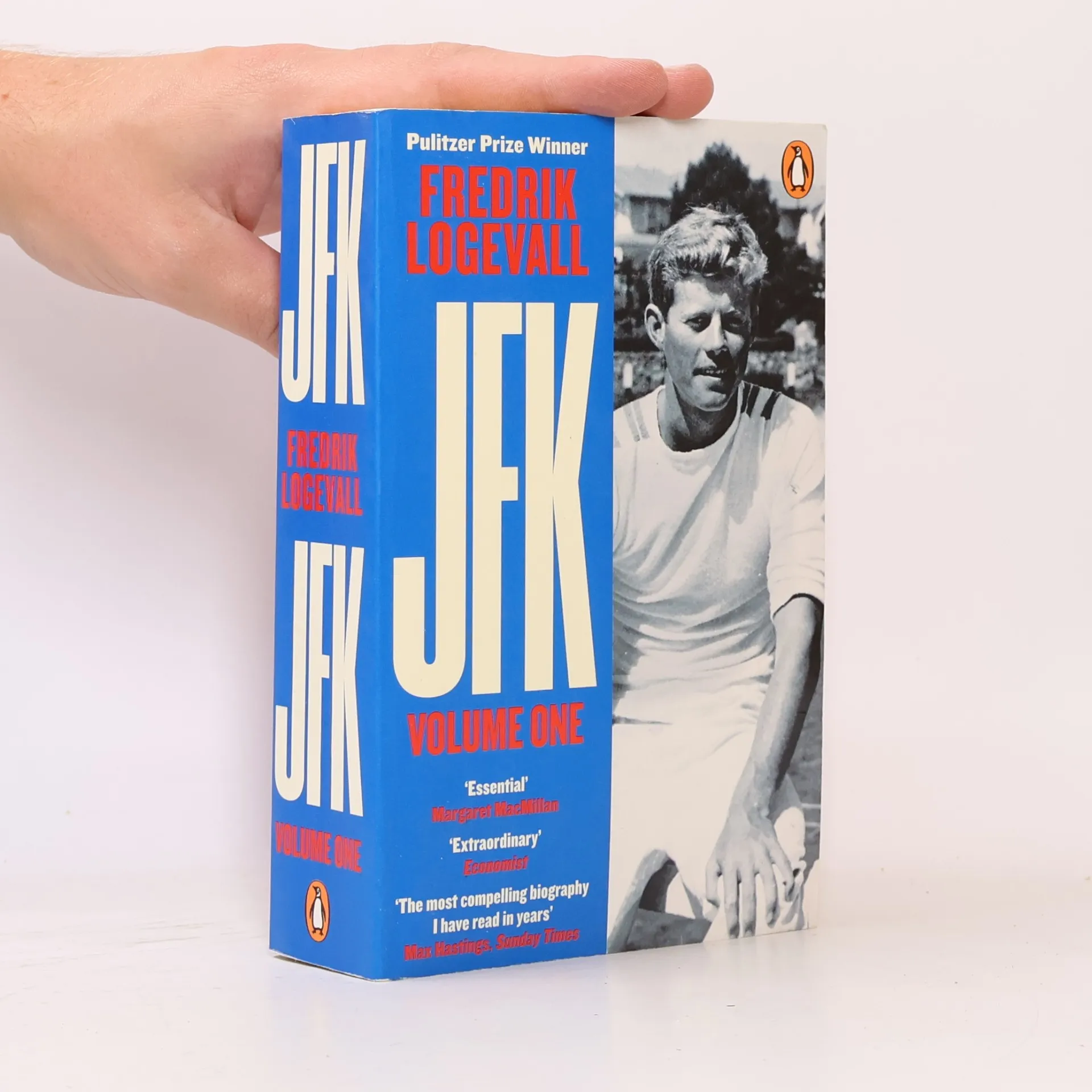
This biography offers a compelling and meticulously researched portrait of John F. Kennedy, capturing both the man and the era he influenced. Pulitzer Prize-winning historian Fredrik Logevall delves into previously unseen materials to present a nuanced view of the thirty-fifth president, whose political ambition was evident from an early age. By 1963, Kennedy had risen to lead the world's greatest power, becoming one of the most mythologized figures in modern history. This first volume spans his first thirty-nine years, exploring his early relationships, heroic World War II experiences, and his captivating romance with Jackie Kennedy. Logevall's narrative combines authority with a novelistic sensibility, immersing readers in the pivotal moments of Kennedy's life. Critics praise this work as a definitive biography, highlighting its engaging portrayal of a remarkable figure who continues to inspire globally. This riveting study not only chronicles Kennedy's journey but also provides a candid history of America's mid-century rise, making it a powerful and provocative read. The anticipation for the second volume is palpable, as readers are eager to see how Logevall will continue to unfold the life of this iconic leader.
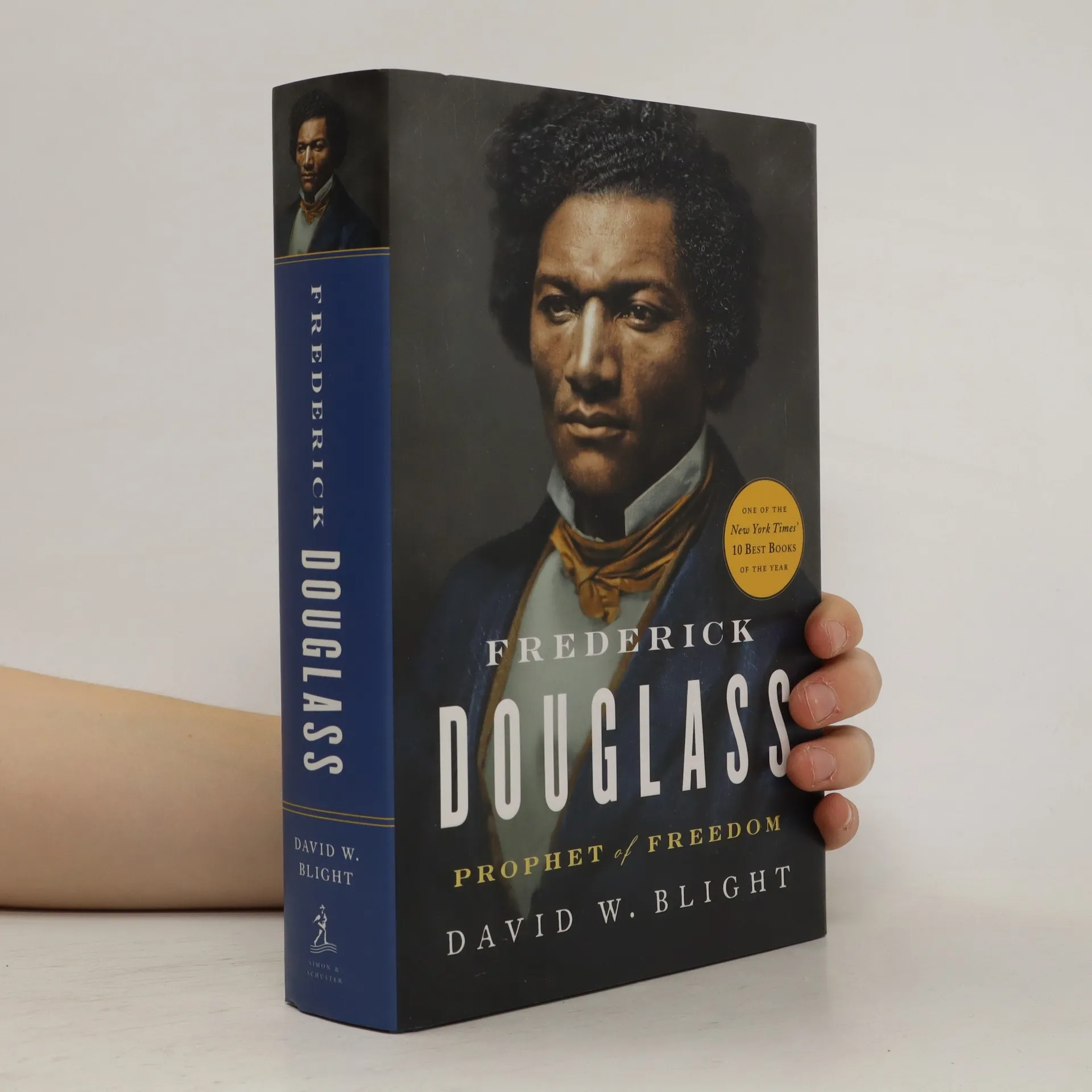
This dramatic biography chronicles the life of Frederick Douglass, the most significant African-American of the nineteenth century. Born into slavery in Baltimore in 1818, Douglass was fortunate to learn to read from his mistress, which paved the way for his emergence as a leading abolitionist and orator. Throughout his life, he authored three autobiographies and published his own newspaper, using his experiences to expose the horrors of slavery. Initially mentored by William Lloyd Garrison, Douglass captivated audiences with his powerful speeches, later evolving into a political abolitionist and supporter of the Republican Party and Abraham Lincoln. By the Civil War and Reconstruction, he had become the nation’s most renowned orator, vocally opposing the end of Reconstruction and the rise of Jim Crow laws. Douglass was a complex figure, critiquing the U.S. while remaining a radical patriot. He engaged in political debates with younger African-Americans but remained committed to civil rights. This biography by David Blight utilizes new sources, including private collections and Douglass's newspapers, to explore his two marriages and intricate family life. It presents Douglass not only as a master of words but also as a profound thinker influenced by Biblical theology, filling a significant gap in historical literature about this remarkable man.
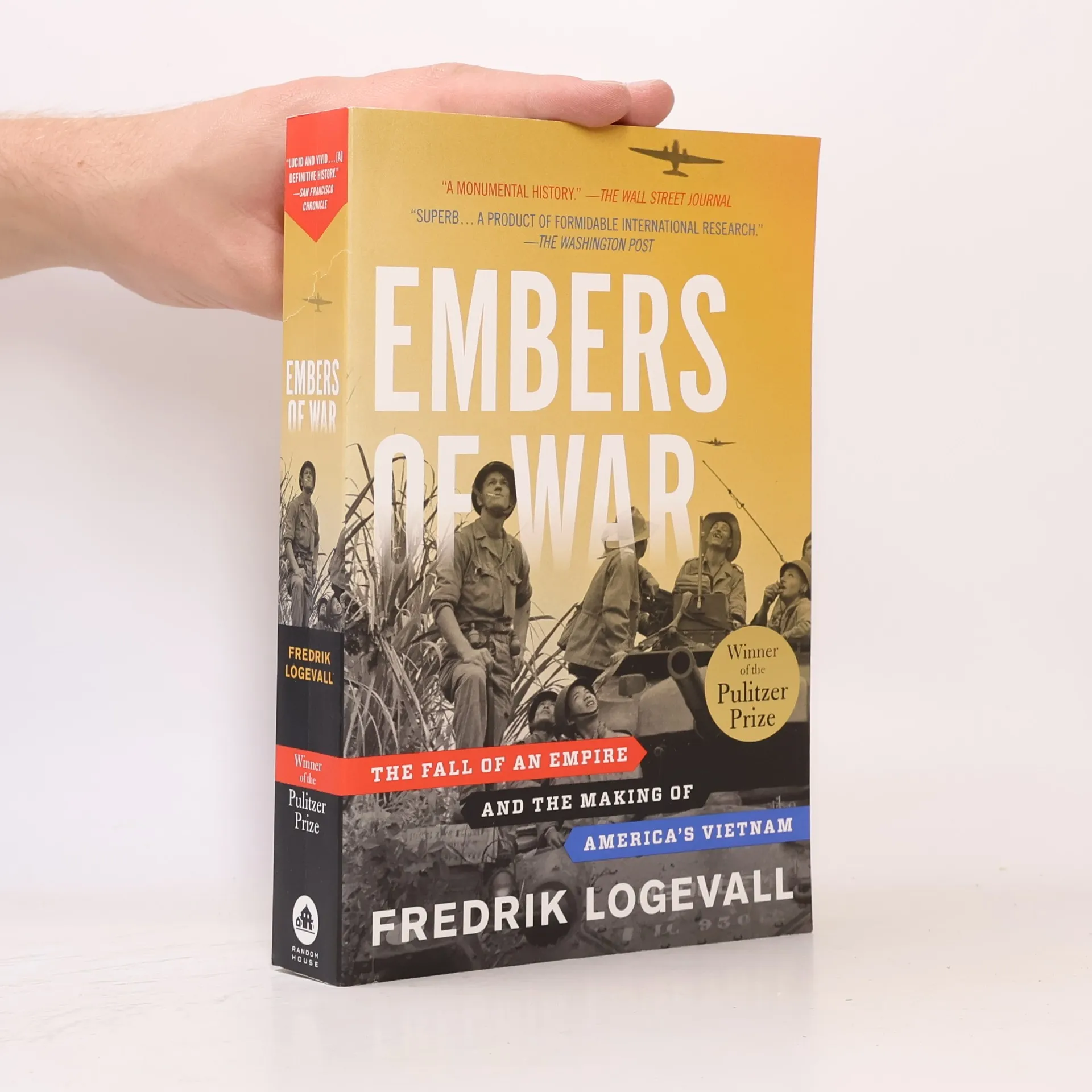
This monumental history asks the simple question: How did we end up in a war in Vietnam? Fredrik Logevall traces the forty-year path that led us from World War I to the first American casualties in 1959This monumental history asks the simple question: How did we end up in a war in Vietnam?
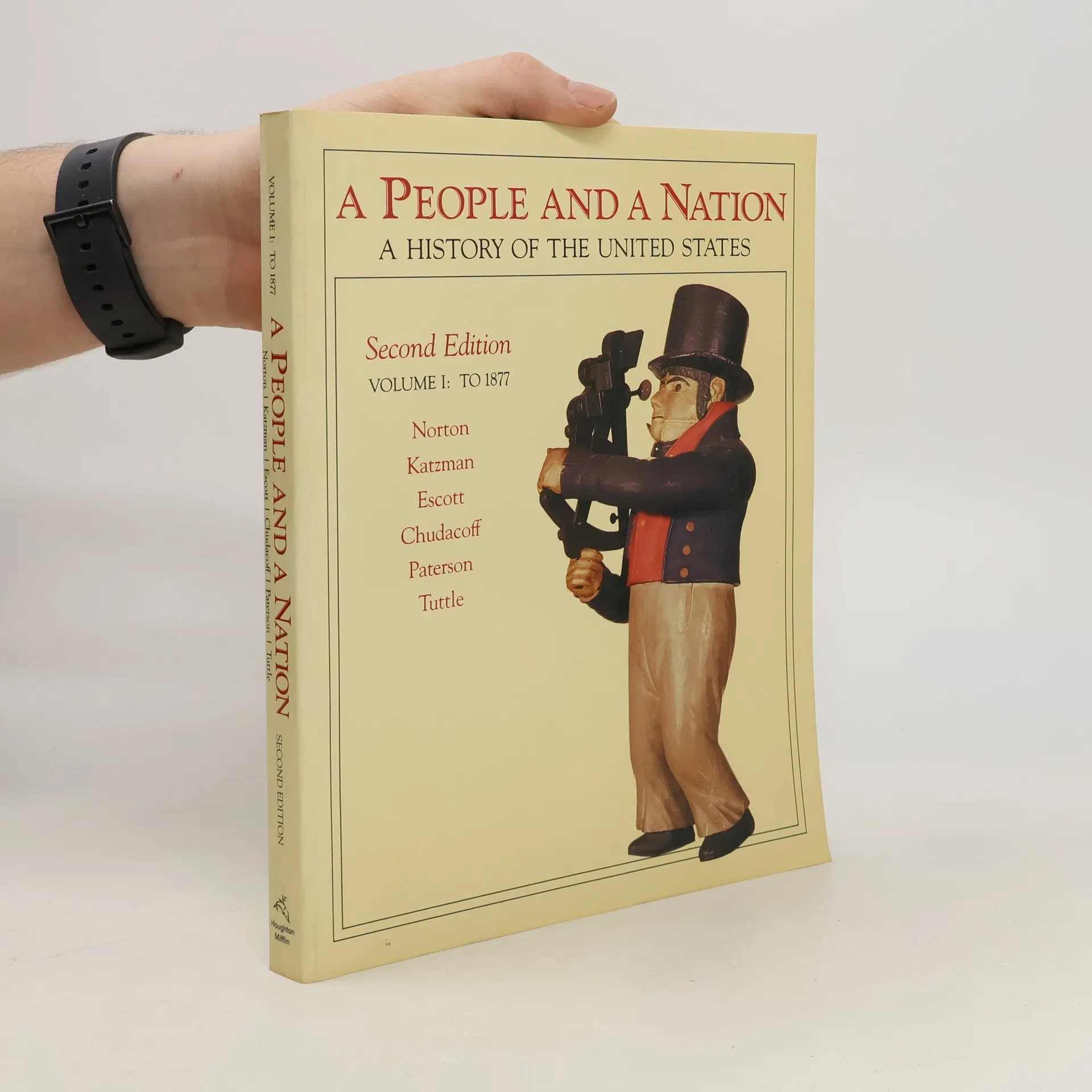
This spirited narrative challenges students to think about the meaning of American history. Thoughtful inclusion of the lives of everyday people, cultural diversity, work, and popular culture preserves the text's basic approach to American history as a story of all the American people. The Seventh Edition maintains the emphasis on the unique social history of the United States and engages students through cutting-edge research and scholarship. New content includes expanded coverage of modern history (post-1945) with discussion of foreign relations, gender analysis, and race and racial relations.
In 1865, in the aftermath of civil war, the North and South of America began a slow process of reconciliation. This book examines the construction of a culture of reunion during the ensuing decades and analyzes how this unity was created through increasing racial segregation.