The Sketchbook From Auschwitz
- 115 stránek
- 5 hodin čtení


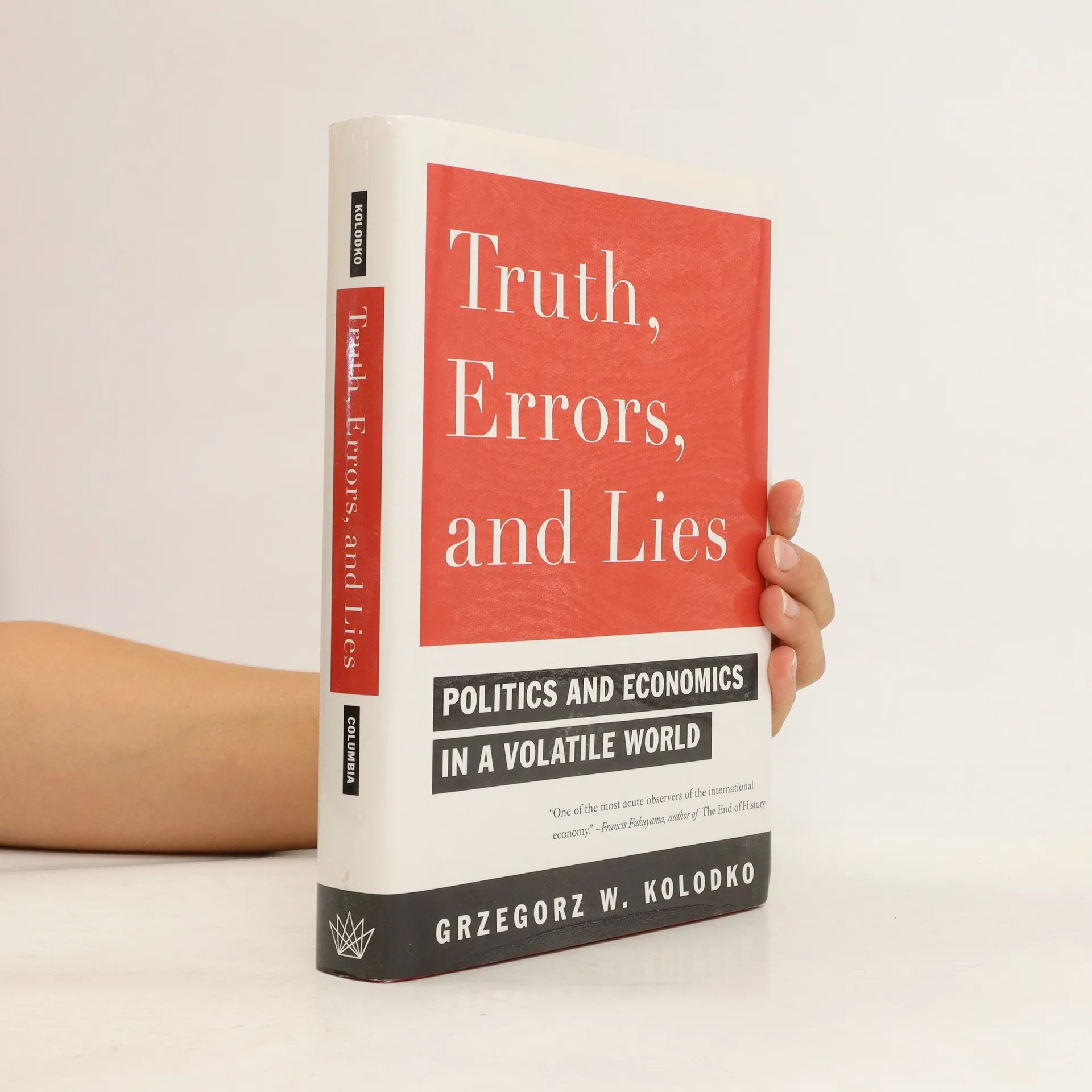

Grzegorz W. Kolodko, one of the world's leading authorities on economics and development policy and a key architect of Poland's successful economic reforms, applies his far-reaching knowledge to the past and future of the world economy, introducing a framework for understanding our global situation that transcends any single discipline or paradigm. Deploying a novel mix of scientific evaluation and personal observation, Kolodko begins with a brief discussion of misinformation and its perpetuation in economics and politics. He criticizes the simplification of complex economic and social issues and investigates the link between developments in the global economy and cultural change, scientific discoveries, and political fluctuations. Underscoring the necessity of conceptual and theoretical innovation in understanding our global economic situation, Kolodko offers a provocative study of globalization and the possibility of coming out ahead in an era of worldwide interdependence. Deeply critical of neoliberalism, which sought to transfer economic control exclusively to the private sector, Kolodko explores the virtues of social-economic development and the new rules of the economic game. He concludes with a look at our near and distant future, questioning whether we have a say in its making.
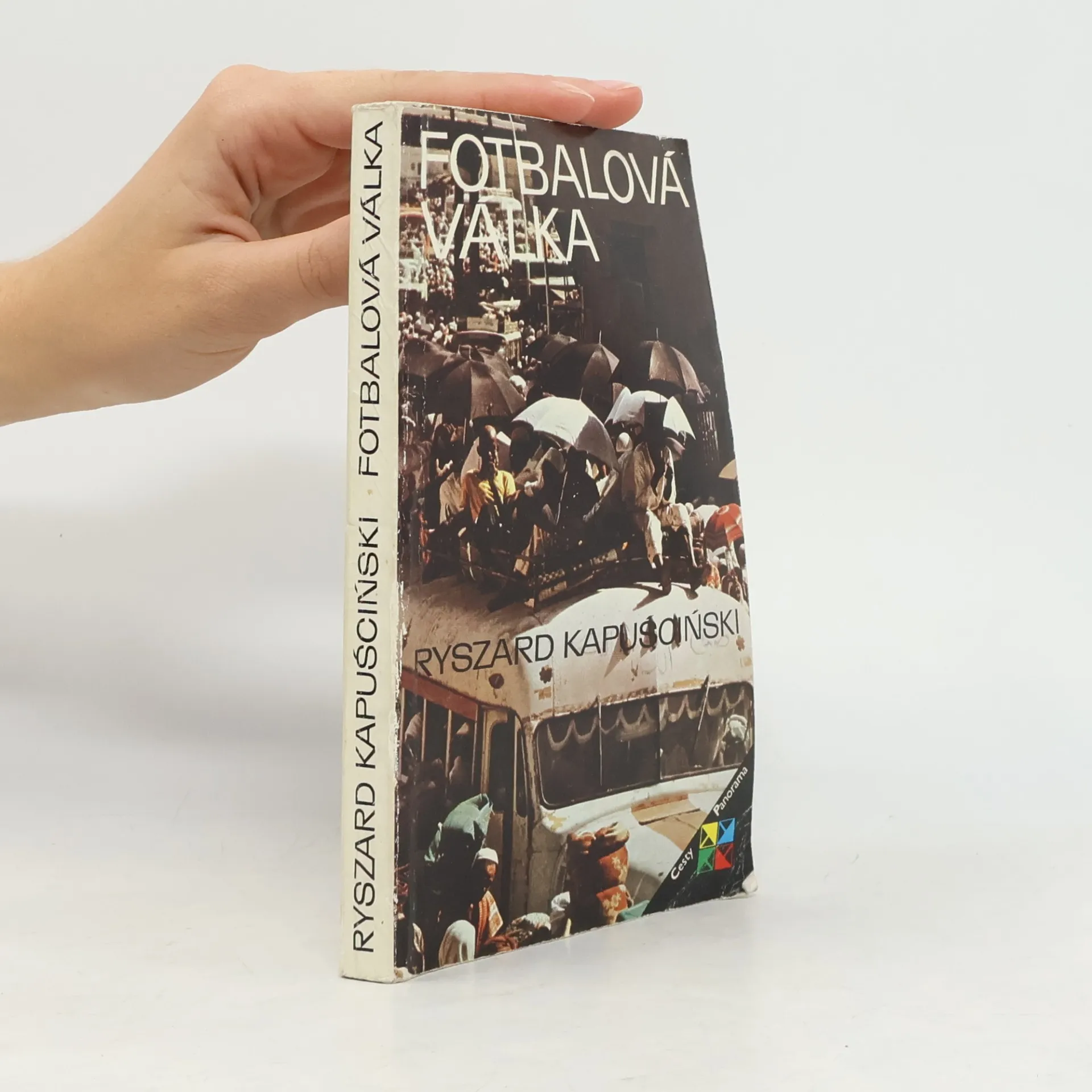
Výbor reportážních prací, které vznikly v době dlouhodobého působení polského reportéra v Asii, Africe, Latinské Americe.
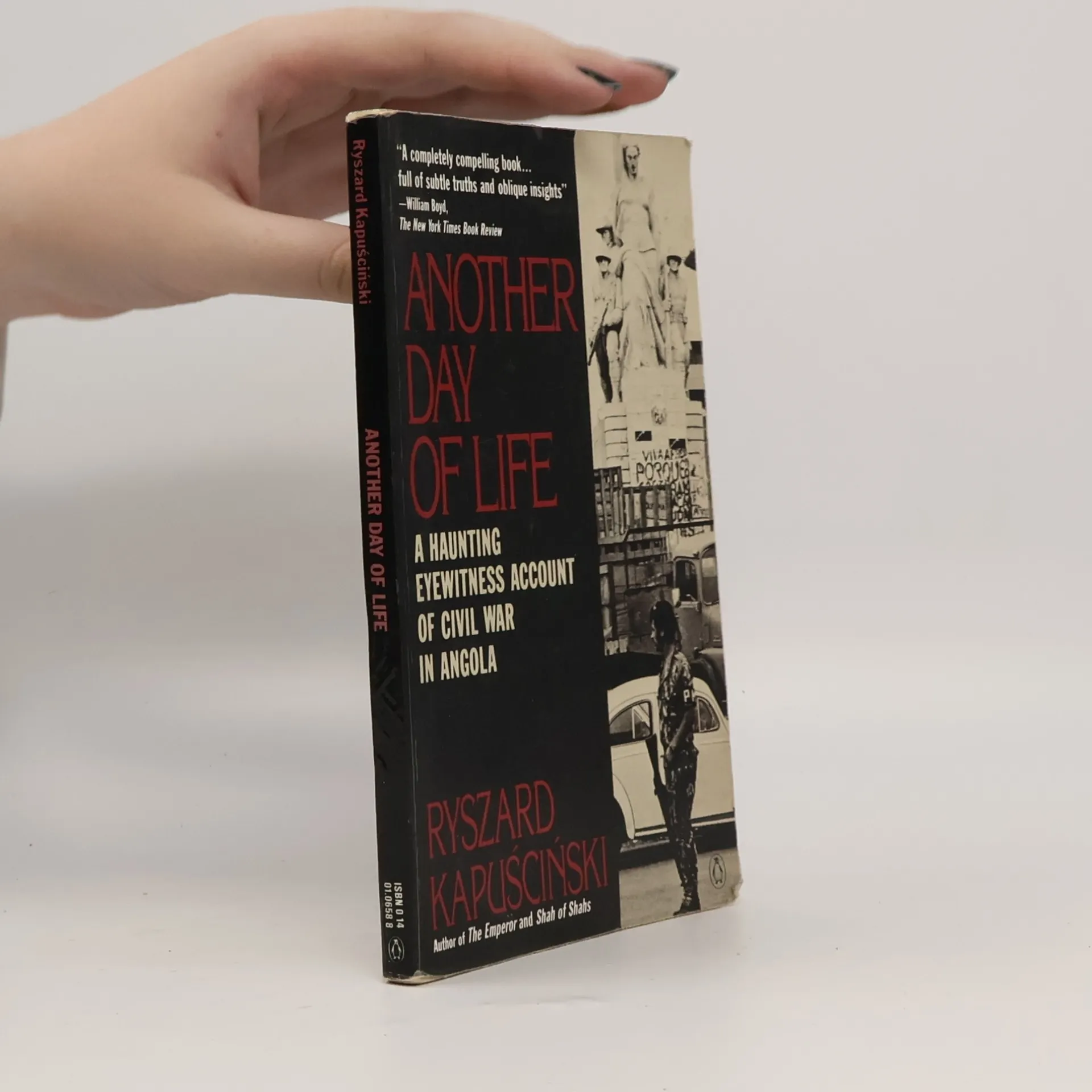
In 1975, Angola was tumbling into pandemonium; everyone who could was packing crates, desperate to abandon the beleaguered colony. With his trademark bravura, Ryszard Kapuscinski went the other way, begging his was from Lisbon and comfort to Luanda once famed as Africa's Rio de Janeiro and chaos.Angola, a slave colony later given over to mining and plantations, was a promised land for generations of poor Portuguese. It had belonged to Portugal since before there were English-speakers in North America. After the collapse of the fascist dictatorship in Portugal in 1974, Angola was brusquely cut loose, spurring the catastrophe of a still-ongoing civil war. Kapuscinski plunged right into the middle of the drama, driving past thousands of haphazardly placed check-points, where using the wrong shibboleth was a matter of life and death; recording his imporessions of the young soldiers from Cuba, Angola, South Africa, Portugal fighting a nebulous war with global repercussions; and examining the peculiar brutality of a country surprised and divided by its newfound freedom.Translated from the Polish by William R. Brand and Katarzyna Mroczkowska-Brand."