Think Stats: pravděpodobnost a statistika pro programátory
- 134 stránek
- 5 hodin čtení
Učí celý proces průzkumné analýzy dat pomocí jednoho případového studia.


Allen Downey je profesorem informatiky na Olin College a autorem série volně dostupných učebnic zaměřených na software a datovou vědu. Jeho práce se často zabývá bayesovskou pravděpodobností a statistikou, jak dokládá jeho blog. Downeyho přístup k výuce a psaní zdůrazňuje praktické porozumění složitým tématům.

Učí celý proces průzkumné analýzy dat pomocí jednoho případového studia.
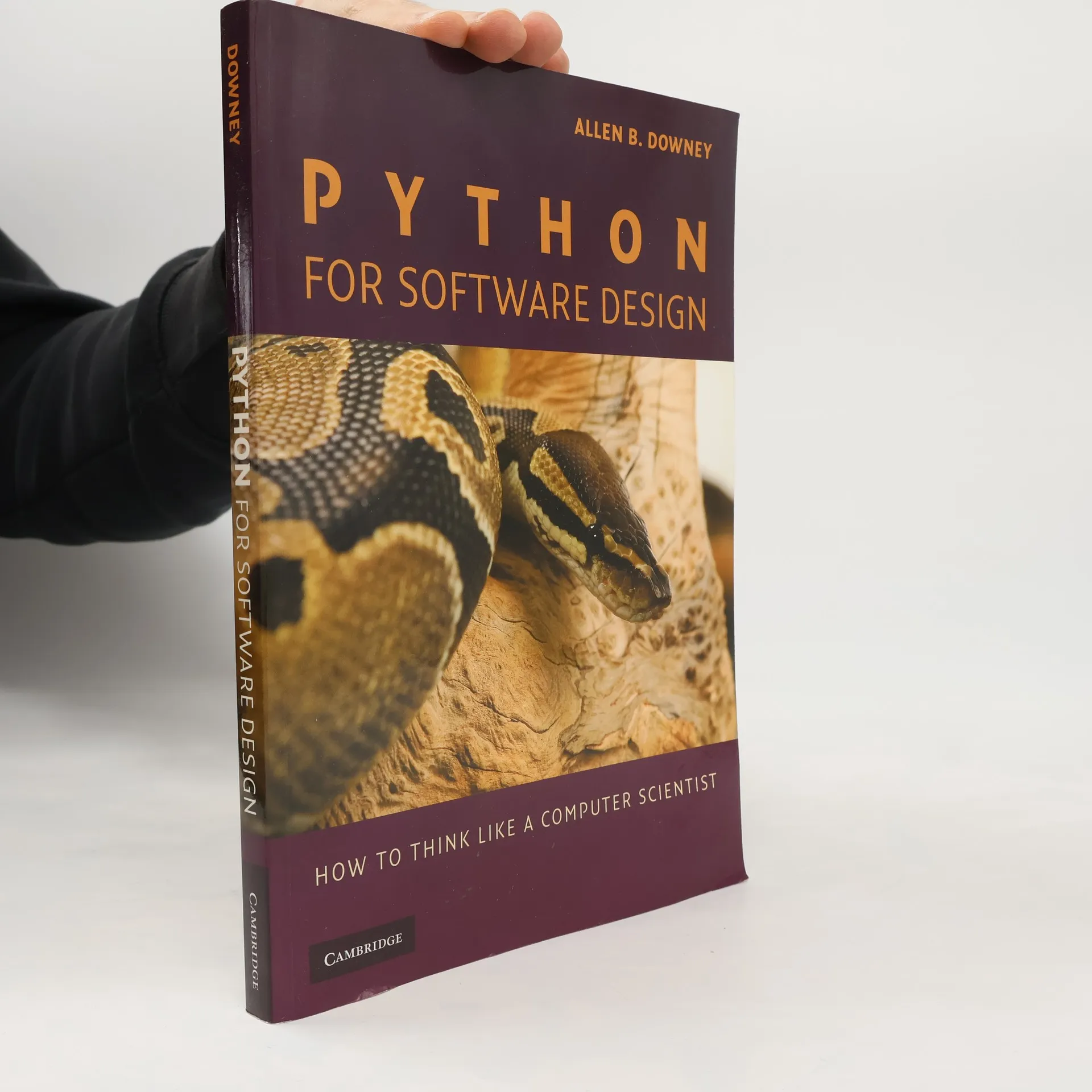
Python for Software Design is a concise introduction to software design using the Python programming language. Intended for people with no programming experience, this book starts with the most basic concepts and gradually adds new material. Some of the ideas students find most challenging, like recursion and object-oriented programming, are divided into a sequence of smaller steps and introduced over the course of several chapters. The focus is on the programming process, with special emphasis on debugging. The book includes a wide range of exercises, from short examples to substantial projects, so that students have ample opportunity to practice each new concept. Exercise solutions and code examples are available from thinkpython.com, along with Swampy, a suite of Python programs that is used in some of the exercises.
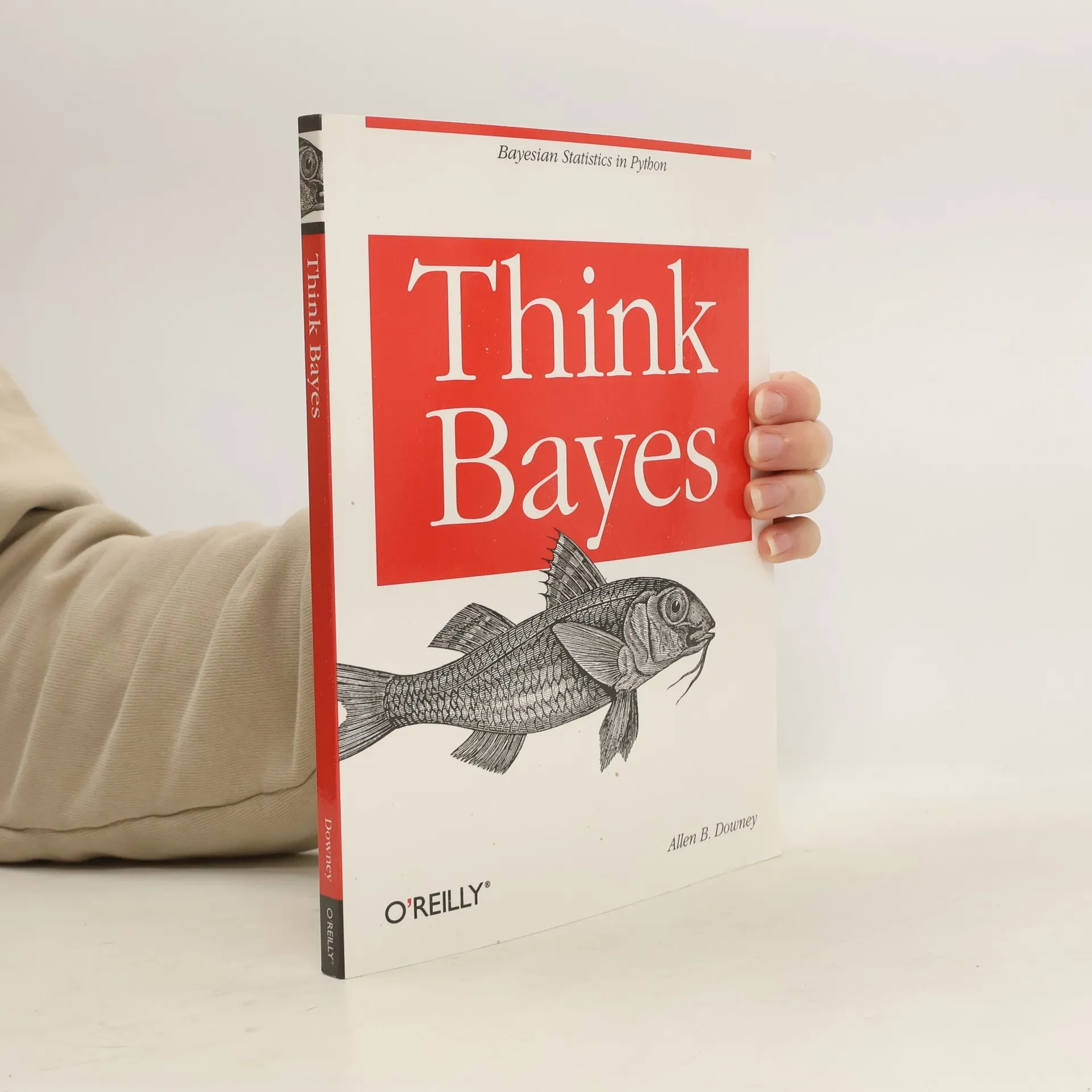
If you know how to program with Python, and know a little about probability, you're ready to tackle Bayesian statistics. This book shows you how to use Python code instead of math to help you learn Bayesian fundamentals. Once you get the math out of the way, you'll be able to apply these techniques to real- world problems.
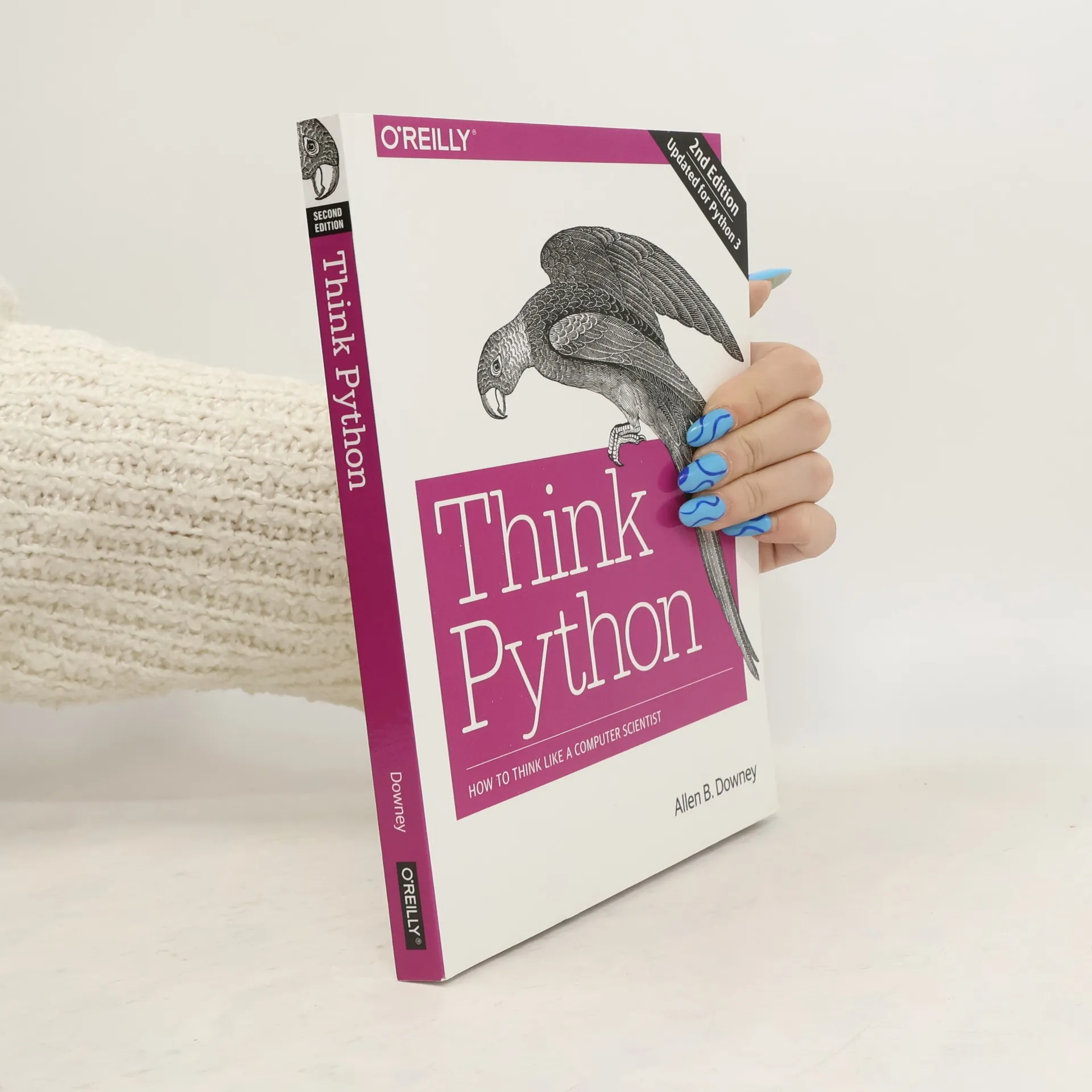
If you want to learn how to program, working with Python is an excellent way to start. This hands-on guide takes you through the language a step at a time, beginning with basic programming concepts before moving on to functions, recursion, data structures, and object-oriented design. This second edition and its supporting code have been updated for Python 3. Through exercises in each chapter, you’ll try out programming concepts as you learn them. Think Python is ideal for students at the high school or college level, as well as self-learners, home-schooled students, and professionals who need to learn programming basics. Beginners just getting their feet wet will learn how to start with Python in a browser. Start with the basics, including language syntax and semantics Get a clear definition of each programming concept Learn about values, variables, statements, functions, and data structures in a logical progression Discover how to work with files and databases Understand objects, methods, and object-oriented programming Use debugging techniques to fix syntax, runtime, and semantic errors Explore interface design, data structures, and GUI-based programs through case studies
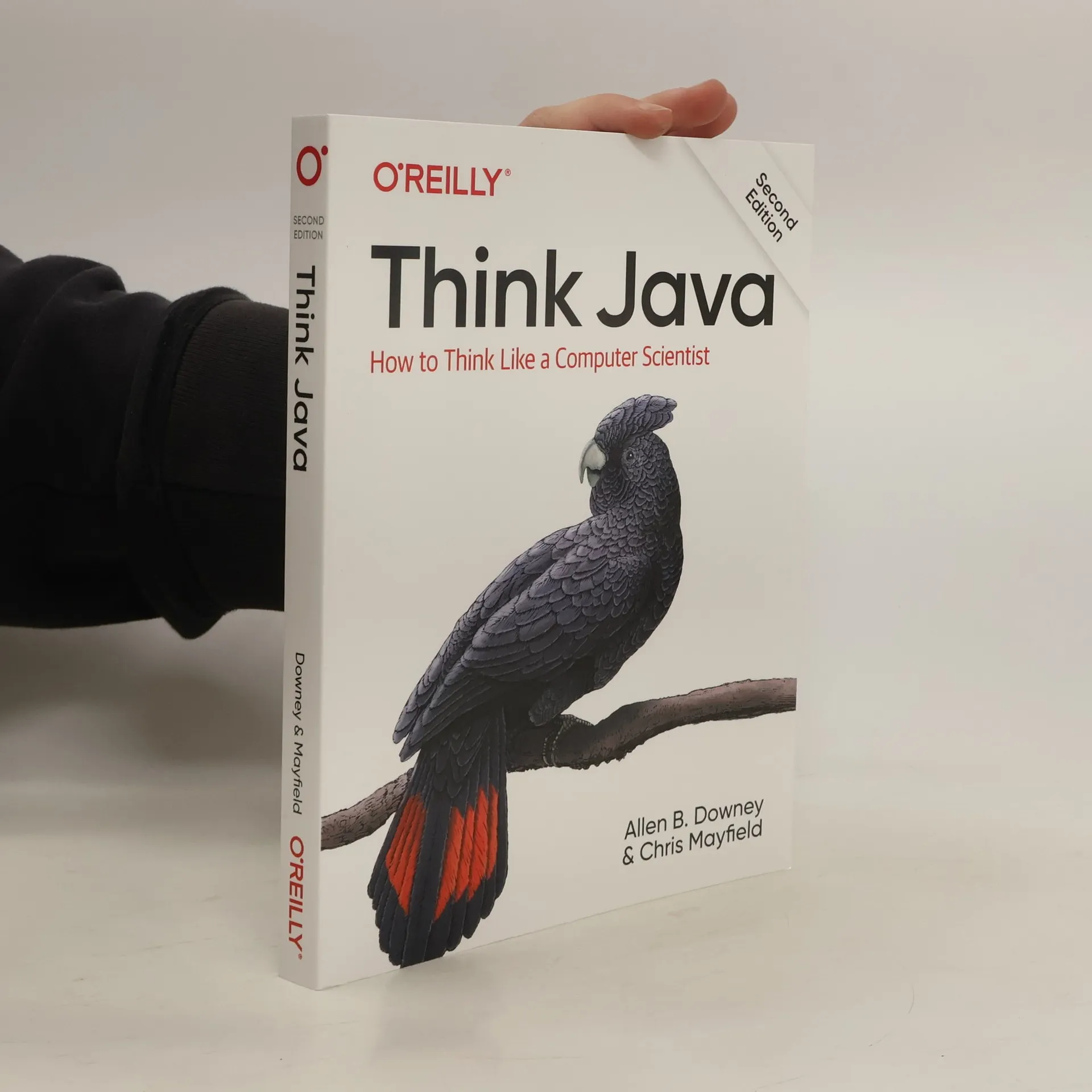
Think Java is a hands-on introduction to computer science and programming used by many universities and high schools around the world. Its conciseness, emphasis on vocabulary, and informal tone make it particularly appealing for readers with little or no experience.
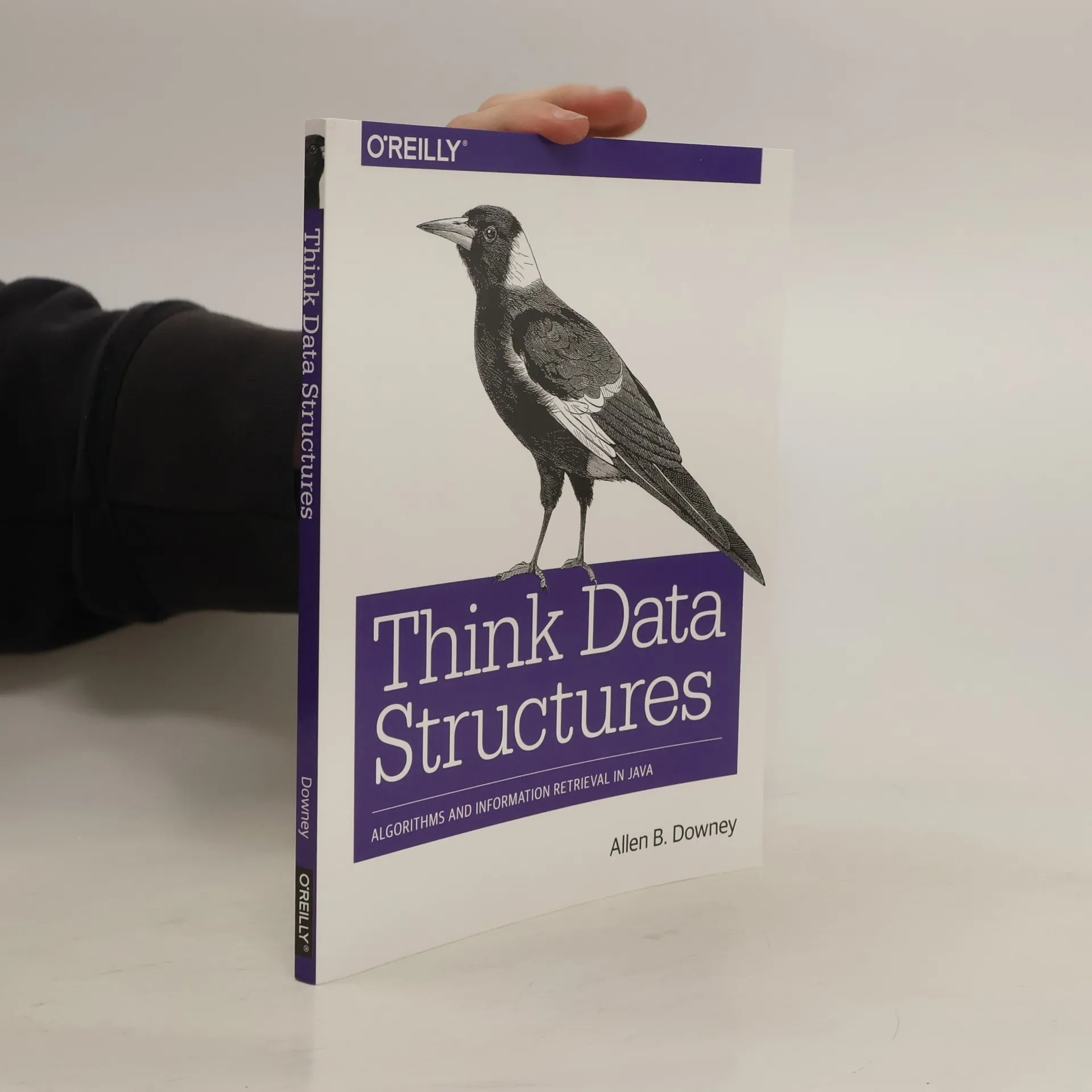
If you're a student studying computer science or a software developer preparing for technical interviews, this practical book will help you learn and review some of the most important ideas in software engineering-data structures and algorithms-in a way that's clearer, more concise, and more engaging than other materials.
Einstieg in die Programmierung mit KI-Unterstützung
Eine der ersten Einführungen in die Programmierung nutzt virtuelle Assistenten wie ChatGPT (LLMs) aktiv und didaktisch durchdacht für einen besseren Lernerfolg. Die Übungsaufgaben werden mit ChatGPT gelöst, wobei der Einsatz von KI-Assistenten als Hilfsmittel für die Programmierung demonstriert wird. Dazu gehören Prompting, Testen von Code und Debugging mit LLMs. Jupyter Notebooks dienen als Lernumgebung. Dieser abwechslungsreiche Praxiskurs eignet sich hervorragend für den Einstieg in die Programmierung mit Python. Er führt Schritt für Schritt in die Sprache ein, beginnend mit grundlegenden Programmierkonzepten, über Funktionen, Syntax und Semantik, Rekursion und Datenstrukturen bis hin zu objektorientiertem Design. Allen Downey zeigt, wie LLMs wie ChatGPT den Lernprozess beschleunigen können und wie diese KI-Tools die Programmierung in der Praxis vereinfachen. Die Kapitel enthalten zahlreiche Übungen, in denen die KI zum Einsatz kommt, sowie ein Glossar der Fachbegriffe, Fallstudien, kurze Verständnistests und kleinere Projekte in Jupyter Notebooks. So können Sie die neu erlernten Programmierkonzepte direkt anwenden, Ihr Verständnis für die Programmierpraxis festigen und erfahren, wie künstliche Intelligenz Sie auch zukünftig im Programmieralltag unterstützen kann.
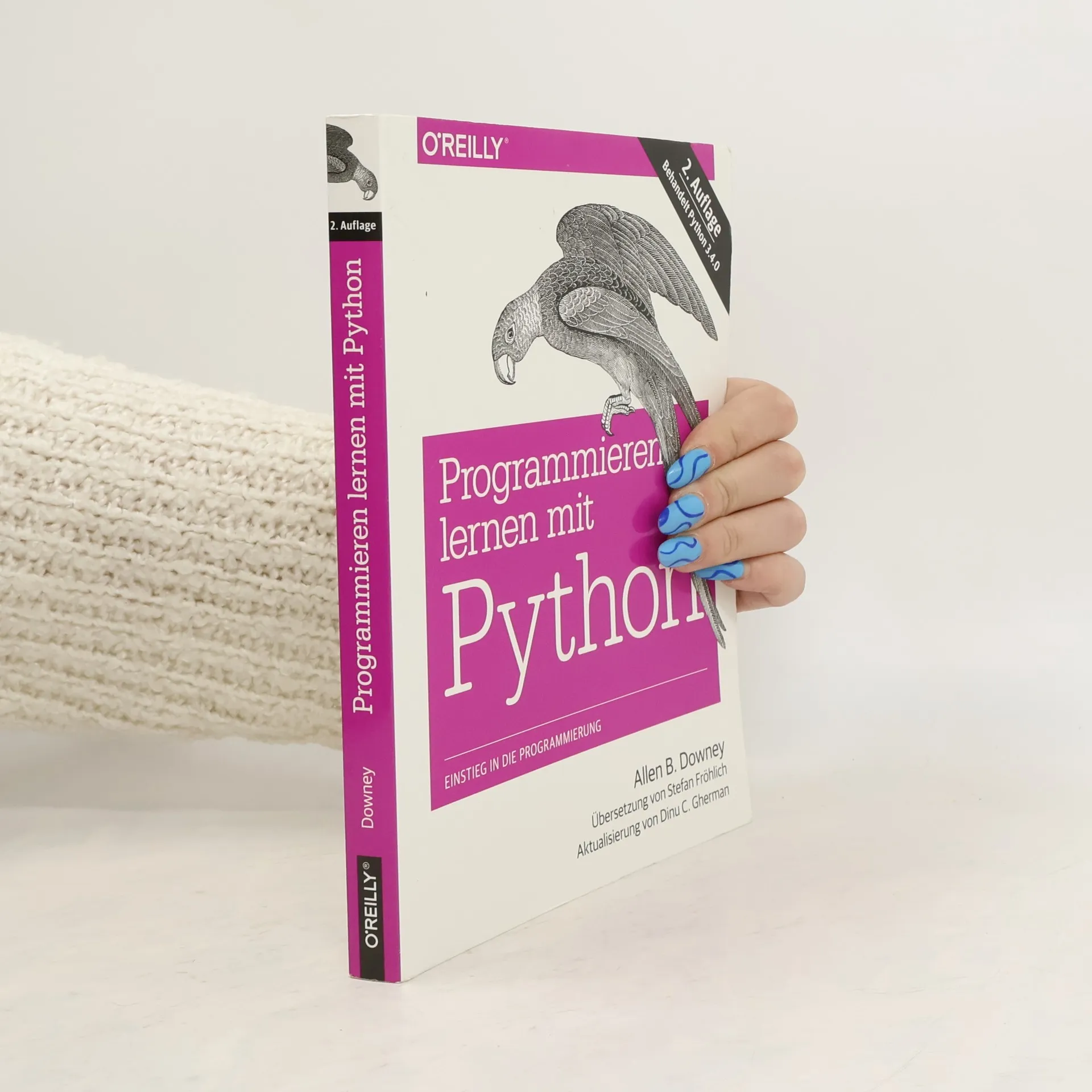
Python ist eine moderne, interpretierte, interaktive und objektorientierte Skriptsprache, vielseitig einsetzbar und sehr beliebt. Mit mathematischen Vorkenntnissen ist Python leicht erlernbar und daher die ideale Sprache für den Einstieg in die Welt des Programmierens. Das Buch führt Sie Schritt für Schritt durch die Sprache, beginnend mit grundlegenden Programmierkonzepten, über Funktionen, Syntax und Semantik, Rekursion und Datenstrukturen bis hin zum objektorientierten Design. Zur aktualisierten Auflage Diese Auflage behandelt Python 3, geht dabei aber auch auf Unterschiede zu Python 2 ein. Außerdem wurde das Buch um die Themen Unicode, List und Dictionary Comprehensions, den Mengen-Typ Set, die String-Format-Methode und print als Funktion ergänzt. Jenseits reiner Theorie Jedes Kapitel enthält passende Übungen und Fallstudien, kurze Verständnistests und kleinere Projekte, an denen Sie die neu erlernten Programmierkonzepte gleich ausprobieren und festigen können. Auf diese Weise können Sie das Gelernte direkt anwenden und die jeweiligen Programmierkonzepte nachvollziehen. Lernen Sie Debugging-Techniken kennen Am Ende jedes Kapitels finden Sie einen Abschnitt zum Thema Debugging, der Techniken zum Aufspüren und Vermeiden von Bugs sowie Warnungen vor entsprechenden Stolpersteinen in Python enthält.