

Knihobot

James Suzman

    1. leden 1970
    James Suzman
    Work. A History of How We Spend Our Time
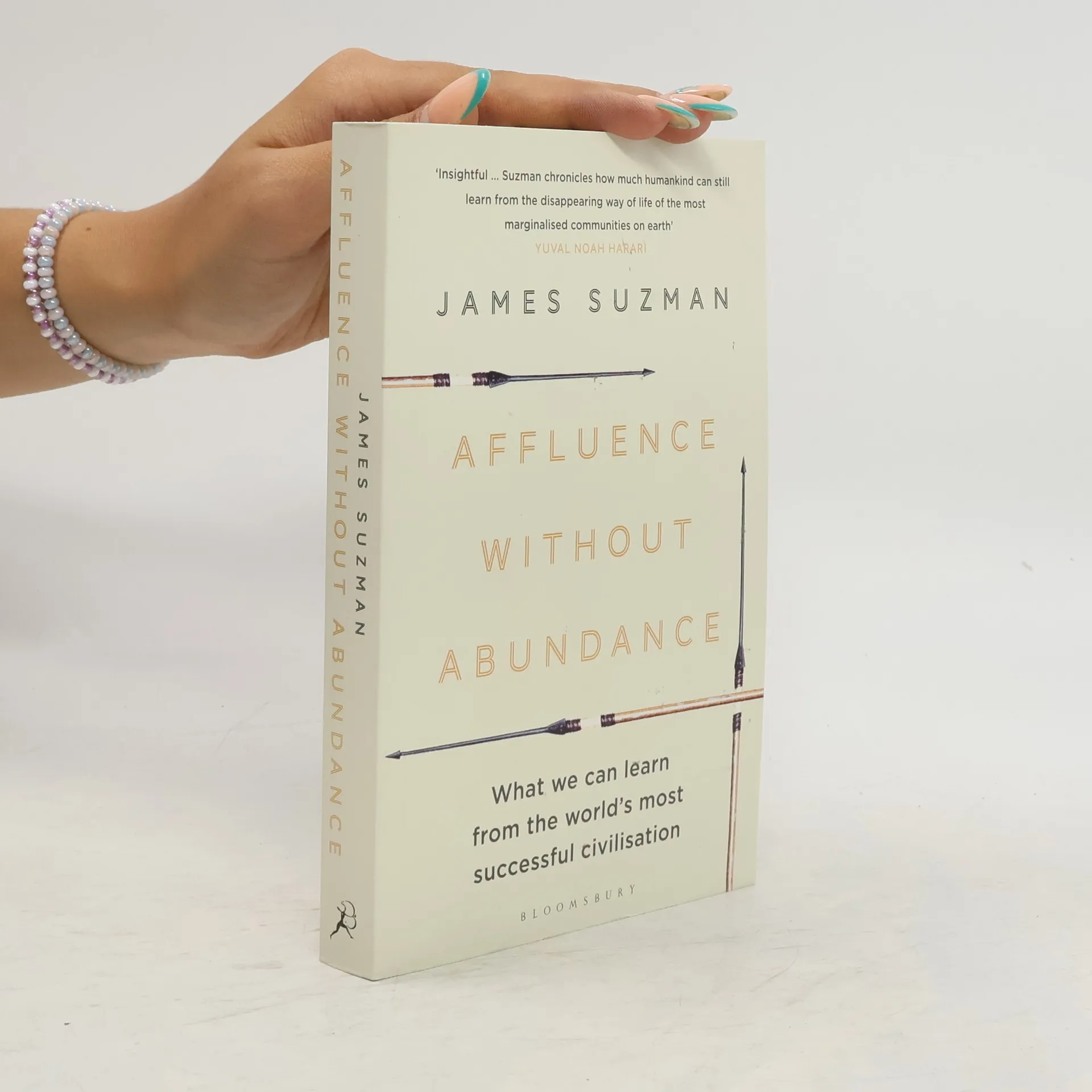
    Affluence Without Abundance
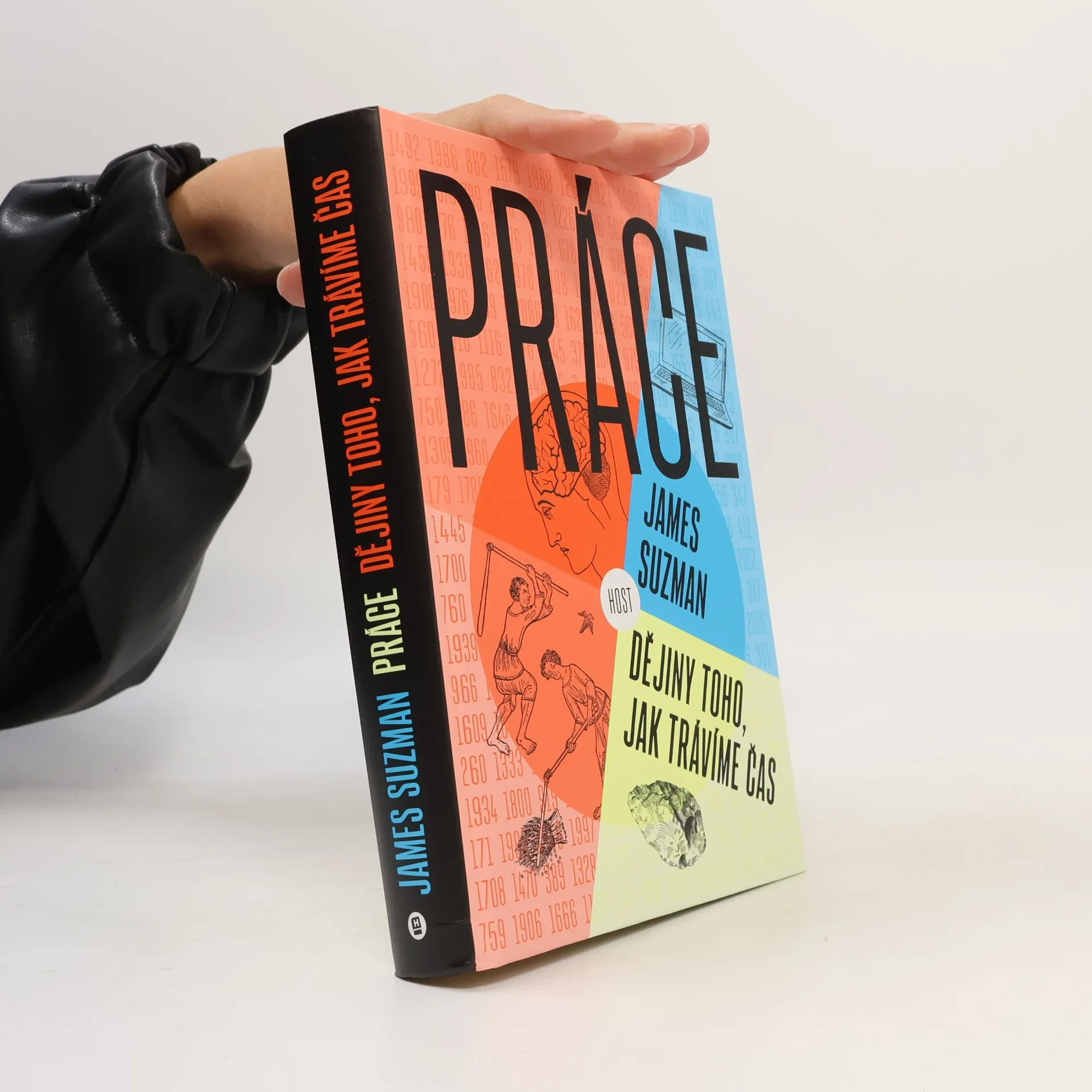
    Práce
    • Práce

      Dějiny toho, jak trávíme čas

      Bez práce nejsou koláče. Někdy to ale jde i bez nich. Práce určuje náš osobní čas, formuje naši identitu a točí se kolem ní organizace celé moderní společnosti. Je prostě přirozené pracovat nebo si práci hledat. Po většinu lidských dějin tomu tak ovšem nebylo a v některých kulturách i v současnosti nezastává práce takovou zásadní roli jako v západní společnosti. Lidé na Západě přitom žijí v nadbytku, v narušeném životním prostředí a také v kontextu zrychlující se automatizace čehokoli. Paradoxně se ale pracuje stále více. Antropolog James Suzman v knize Práce pátrá po zdrojích a příčinách fenoménu politické, kulturní i osobní posedlosti prací. Odhaluje kořeny současného pojetí práce v ideologických sporech devatenáctého století, ale také v tehdejším chápání biologie. A na vlastních výzkumech i historických příkladech ukazuje, že žít a prospívat se dá i bez neustálého pracovního nasazení. Zvlášť když k tomu lidstvo má prostředky i motivaci.

      Práce
      3,8
    • Affluence Without Abundance

      • 320 stránek
      • 12 hodin čtení

      What can we learn from the Bushmen? If the success of a civilisation is measured by its endurance over time, then the Bushmen of the Kalahari are by far the most successful in human history. Anthropologist James Suzman spent twenty-five years in Southern Africa documenting their way of life and encounters with modern society, gathering invaluable lessons about work, wealth, happiness, equality and time

      Affluence Without Abundance
      4,0
    • _______________'A fascinating exploration that challenges our basic assumptions of what work means' - Yuval Noah Harari'There is eminently underlinable stuff on most pages ... Fascinating' - The Times'One of those few books that will turn your customary ways of thinking upside down' - Susan Cain'Illuminating' - New Statesman_______________A revolutionary new history of humankind through the prism of work, from the origins of life on Earth to our ever more automated presentThe work we do brings us meaning, moulds our values, determines our social status and dictates how we spend most of our time. But this wasn't always the case: for 95% of our species' history, work held a radically different importance.How, then, did work become the central organisational principle of our societies? How did it transform our bodies, our environments, our views on equality and our sense of time? And why, in a time of material abundance, are we working more than ever before?

      Work. A History of How We Spend Our Time
      3,8