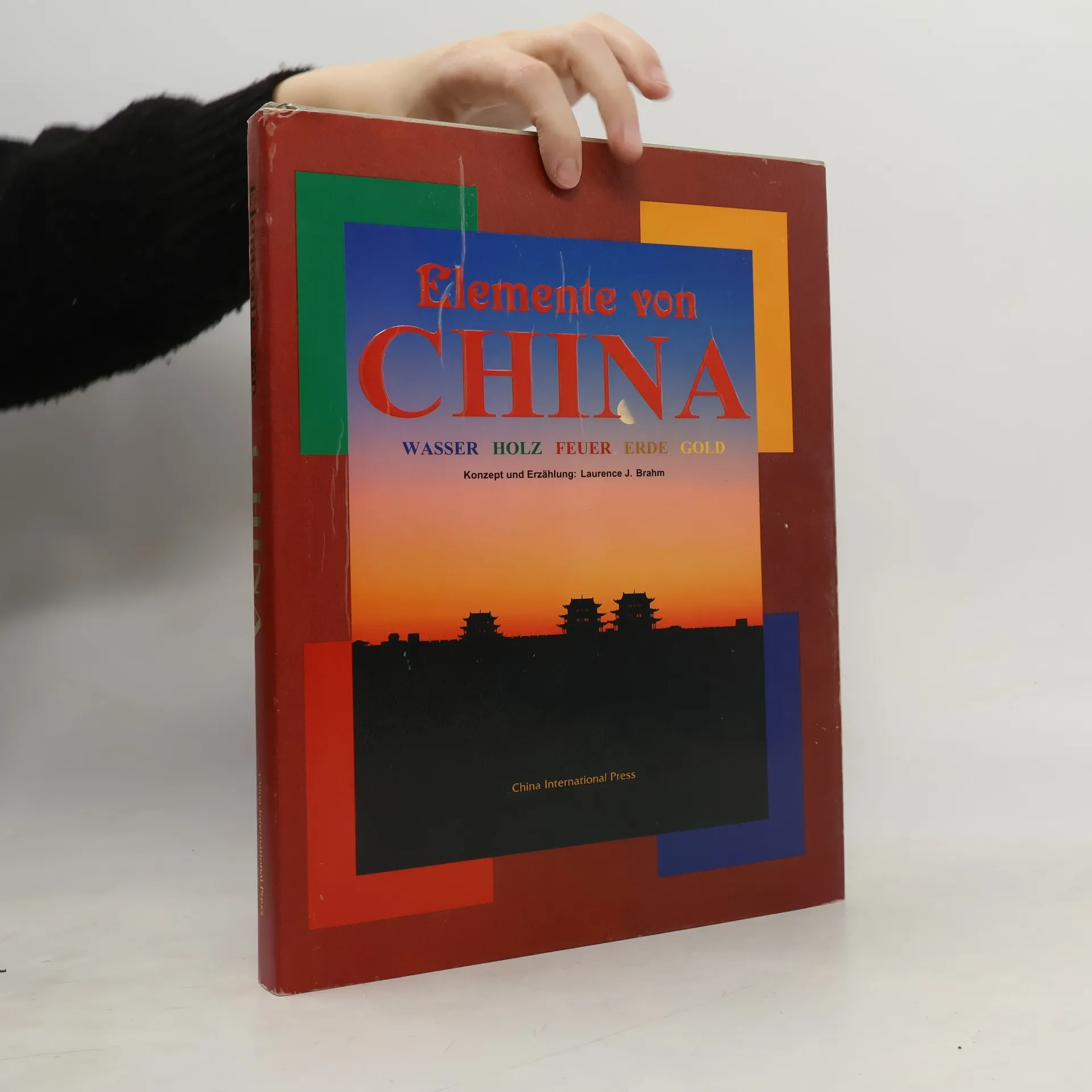
Laurence J. Brahm je globální aktivista a autor, který obhajuje nový rozvojový model nazvaný Himalájský konsensus. Tento přístup zdůrazňuje posílení místních komunit prostřednictvím pragmatismu spíše než globálních ideologií. Brahmův důraz na lokální řešení odráží jeho hluboké porozumění dynamice mezi globalizací a místními perspektivami. Jeho práce podněcuje k zamyšlení nad udržitelnými a lidsky orientovanými cestami rozvoje.
Pandemic, Capital Collapse, and Recoding a New Planet Paradigm
370 stránek
13 hodin čtení
The narrative explores the profound impact of a global pandemic, highlighting the vulnerabilities in economic and financial systems as lockdowns lead to supply chain disruptions and business shutdowns. It examines the resulting capital market collapse and the onset of a global depression, shedding light on the fragility of structures that were previously considered stable. This timely analysis prompts reflection on the consequences of taking economic systems for granted.
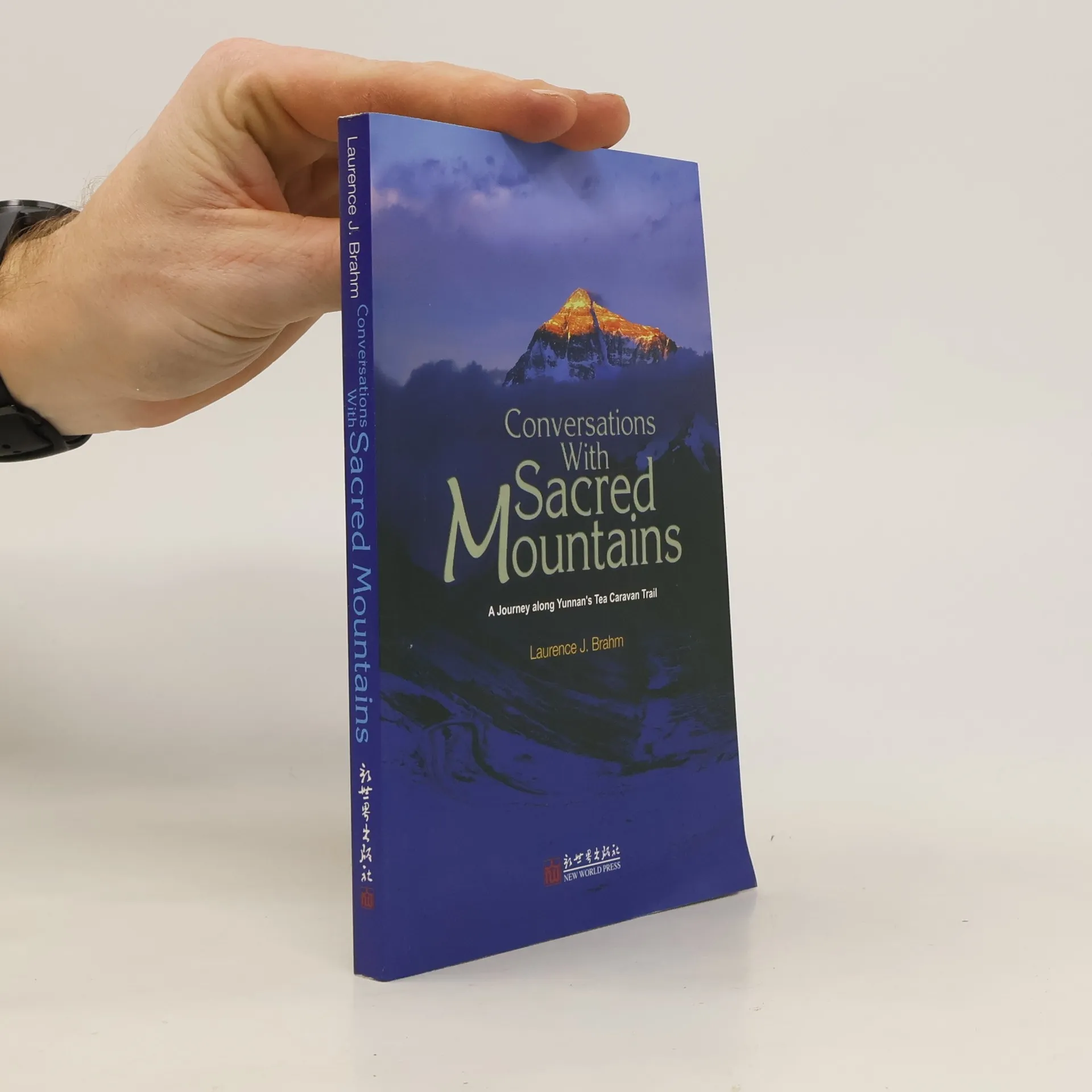
Following the Shambhala Sutra an ancient manuscript written by Penchen Lama over two hundred years ago Laurence Brahm started his journey to Shambhala in Lhasa and continued deep into the harsh regions of Tibet. Shambhala Sutra presents Brahm s expedition across western Tibet s Ngari region where he learned that the ancient sutra was actually a metaphorical guidebook. He traces a route embedded with riddles through deserts and mountains. The lessons learned from this journey (as told in the sutra as a prophecy) are that shortsighted greed, war, and failure to protect our environment will cause kingdoms and empires to vanish. Mankind s future depends on ensuring a sustainable planet through more holistic economics, empowering communities and people, and preserving our environment. These are the messages hidden in the Shambhala Sutra. "
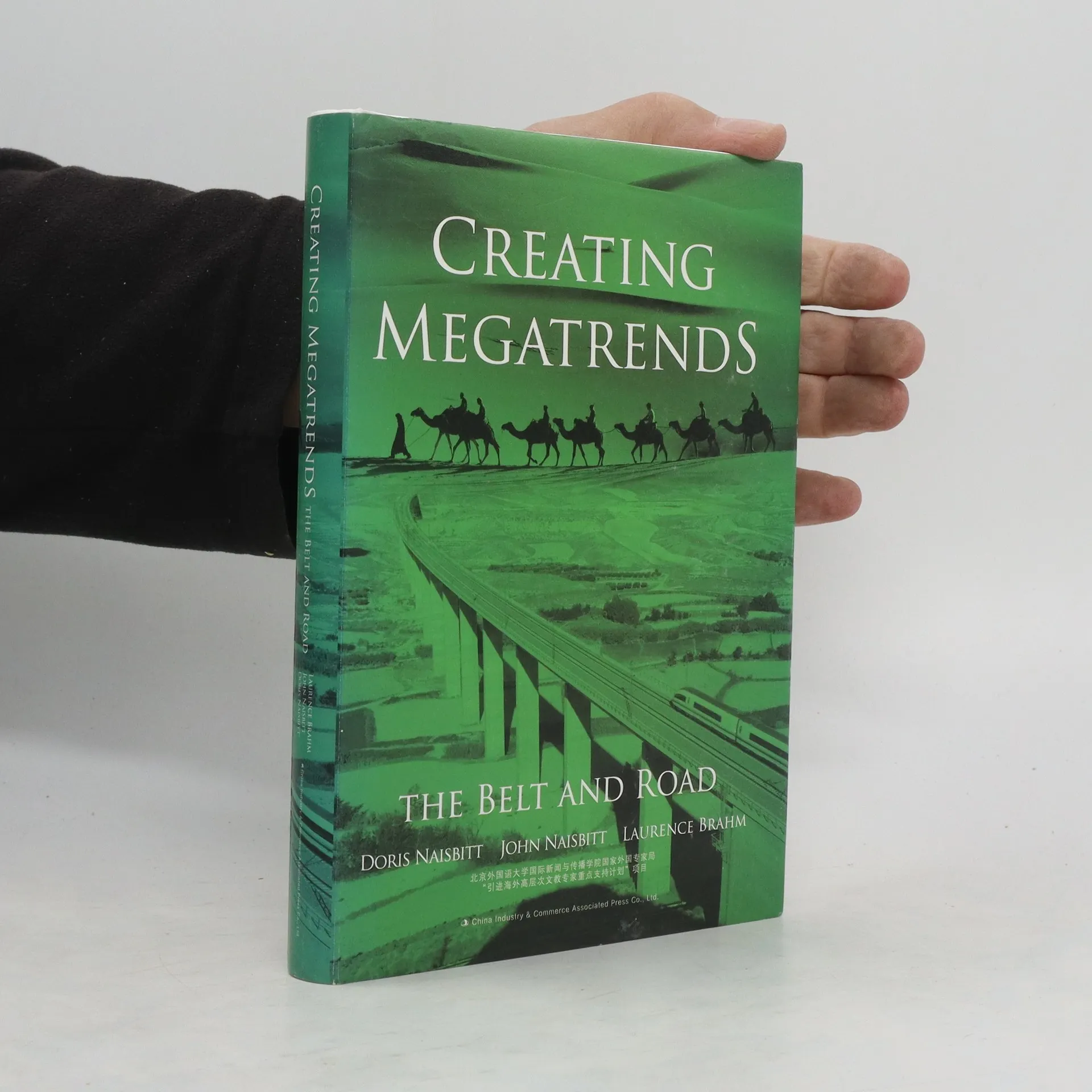
This book aims to introduce the geographical and economic foundations and the expected goals of "The Belt and Road" in a clear and logical manner. Readers are expected to understand the potential implications of this vision for China, countries and regions countries involved, as well as its potential impacts on investors and corporations. In addition, the book tells interested readers how to get involved and benefit from it. ''The Belt and Road'' idea involves more than 100 countries and over 60% of the world's population. Creating Megatrends: The Belt and Road fully reveals the opportunities, challenges and risks of this magnificent yet experimental initiative.
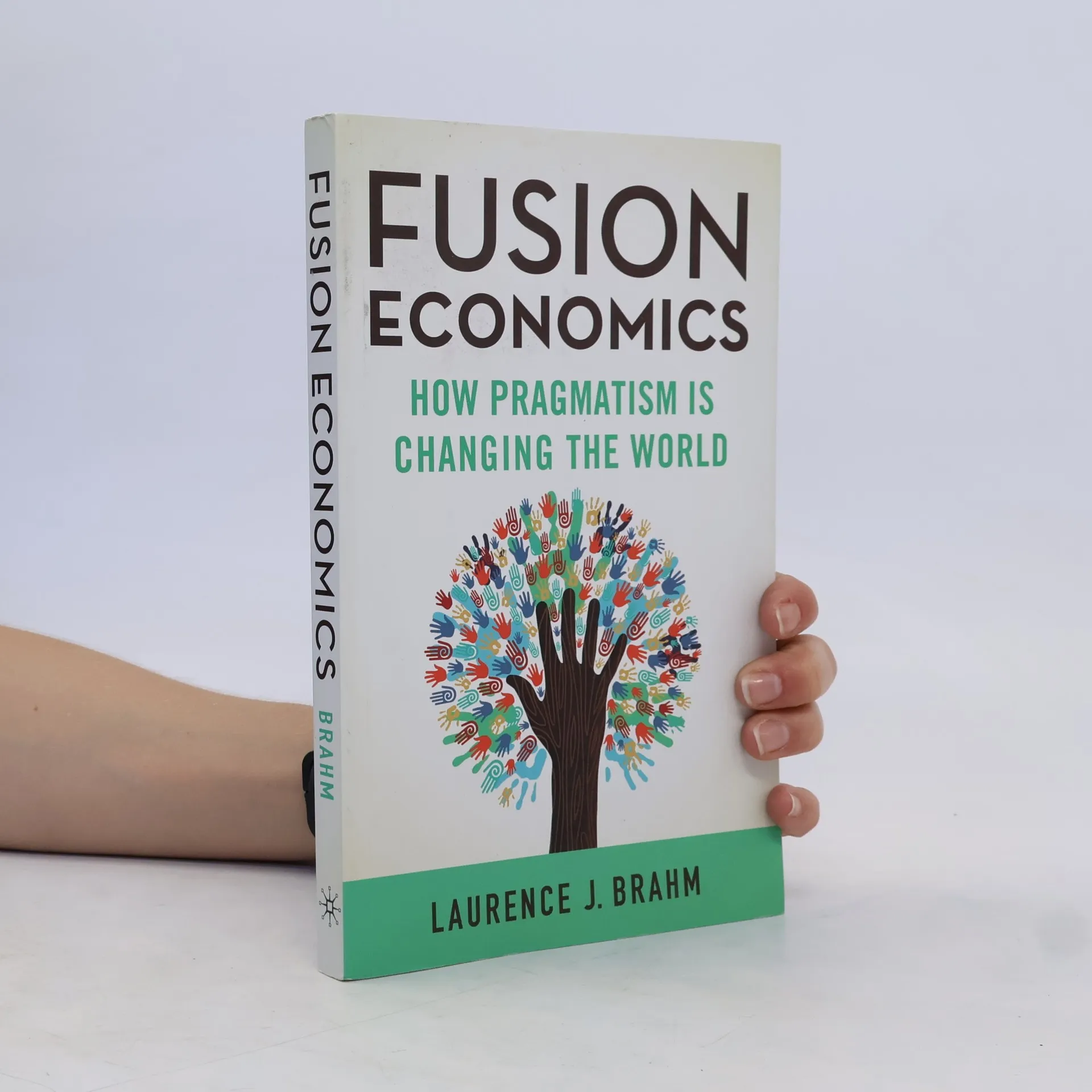
The current international financial system has created a huge gap between the wealthy and the rest. Grounded and straightforward in his approach, Brahm calls for a turn away from economic systems dangerously steeped in ideology and stymied by politics, outlining a new global consensus based on pragmatism, common sense, and grass-roots realities.
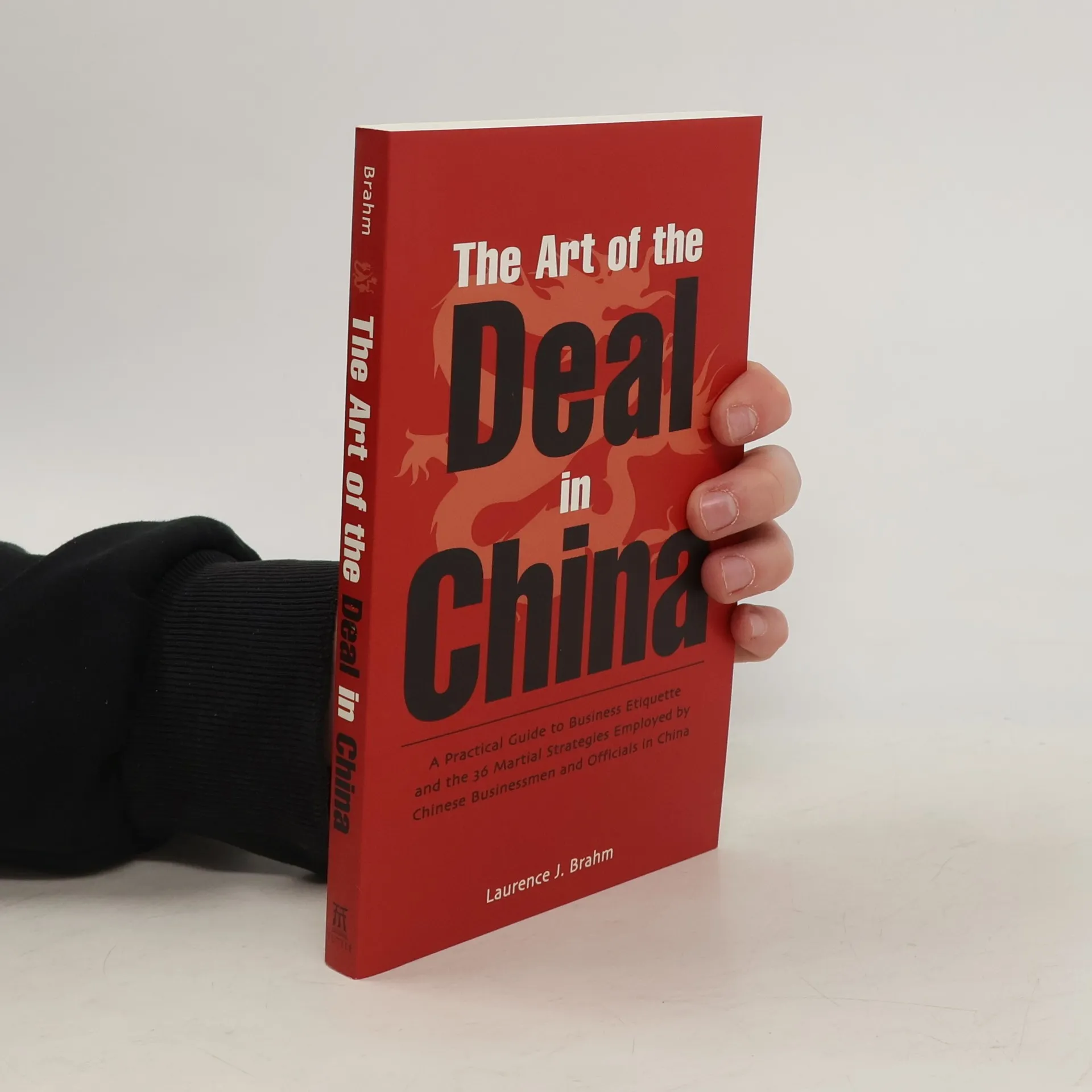
A Practical Guide to Business Etiquette and the 36 Martial Strategies Employed by Chinese Businessmen and Officials in China
160 stránek
6 hodin čtení
This is a practical guide to the traditional strategies employed by Chinese businessmen and officials. Combining philosophy and interpretations, it reveals the secrets of negotiating - offering hope to those frustrated by the complex art of successful deal making in China.
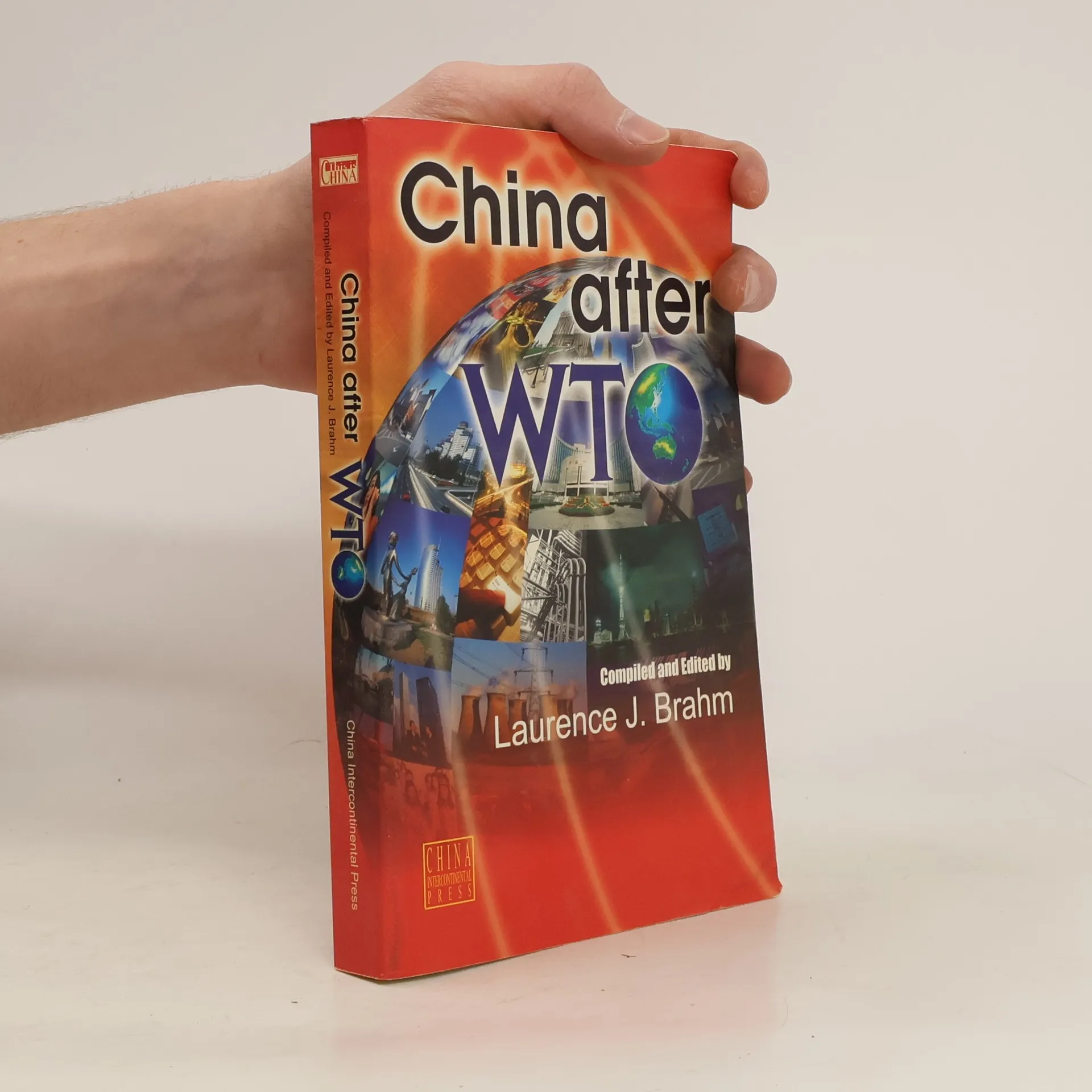
This book comprises articles written by CEOs and chief representatives of foreign commercial organizations in China. They predict changes to China¡¦s law, accounting, finance and information fields in relation to its WTO accession, and give personal impressions gained from engaging in commercial activities in China. The book is appended with economical data, charts and sample contracts and can, therefore, also be used as a guide to business investment.
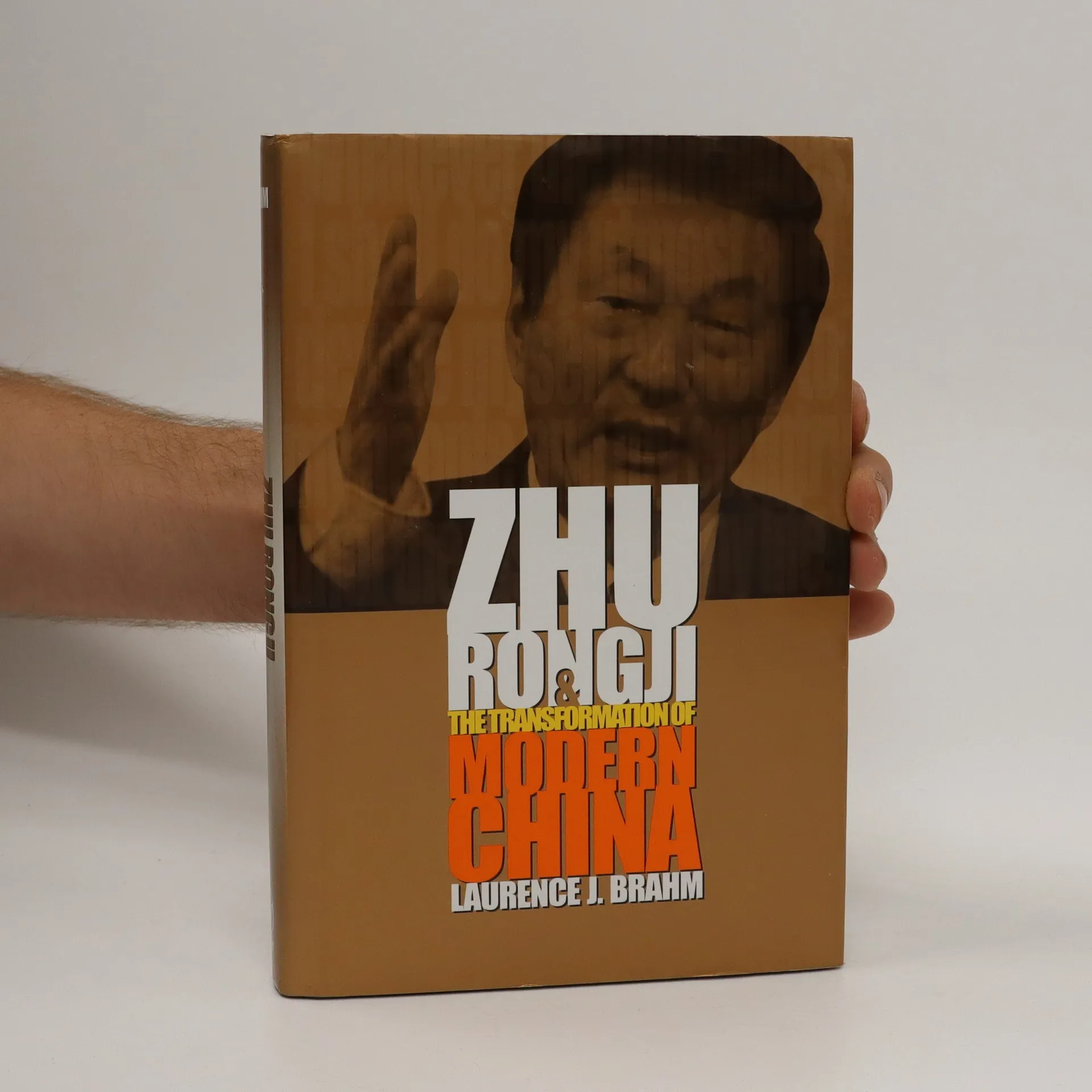
China's astonishing transformation from a centrally planned to a market economy was one of the most remarkable stories of the twentieth century. It has set the stage for what many see as a period of unparalleled future growth. During this spell of delicate and risk-fraught economic transition, one defining figure stands out as the true driving force - Zhu Rongji.A remarkable visionary, Zhu has consistently refused to follow the conventional wisdom of established economics. Instead, he has developed a unique approach for a unique situation. Author Laurence Brahm tells the inside story of Zhu's rise to power, the political obstacles that he has overcome and the policies that he has engineered to set China on a new path. While other developing countries such as Russia, have floundered badly, China continues to excite the world with its phenomenal growth. Brahm skillfully argues that Zhu's policies of managed marketization deserve international recognition as a new economic model for both developing and transitional economies.In Zhu Rongji and the Transformation of Modern China, Laurence Brahm provides a fascinating inside account of the man dubbed an "economic czar" by many western commentators. This is the untold story of Zhu and his strategies, and the key events that have shaped China into a modern nation and economic powerhouse.
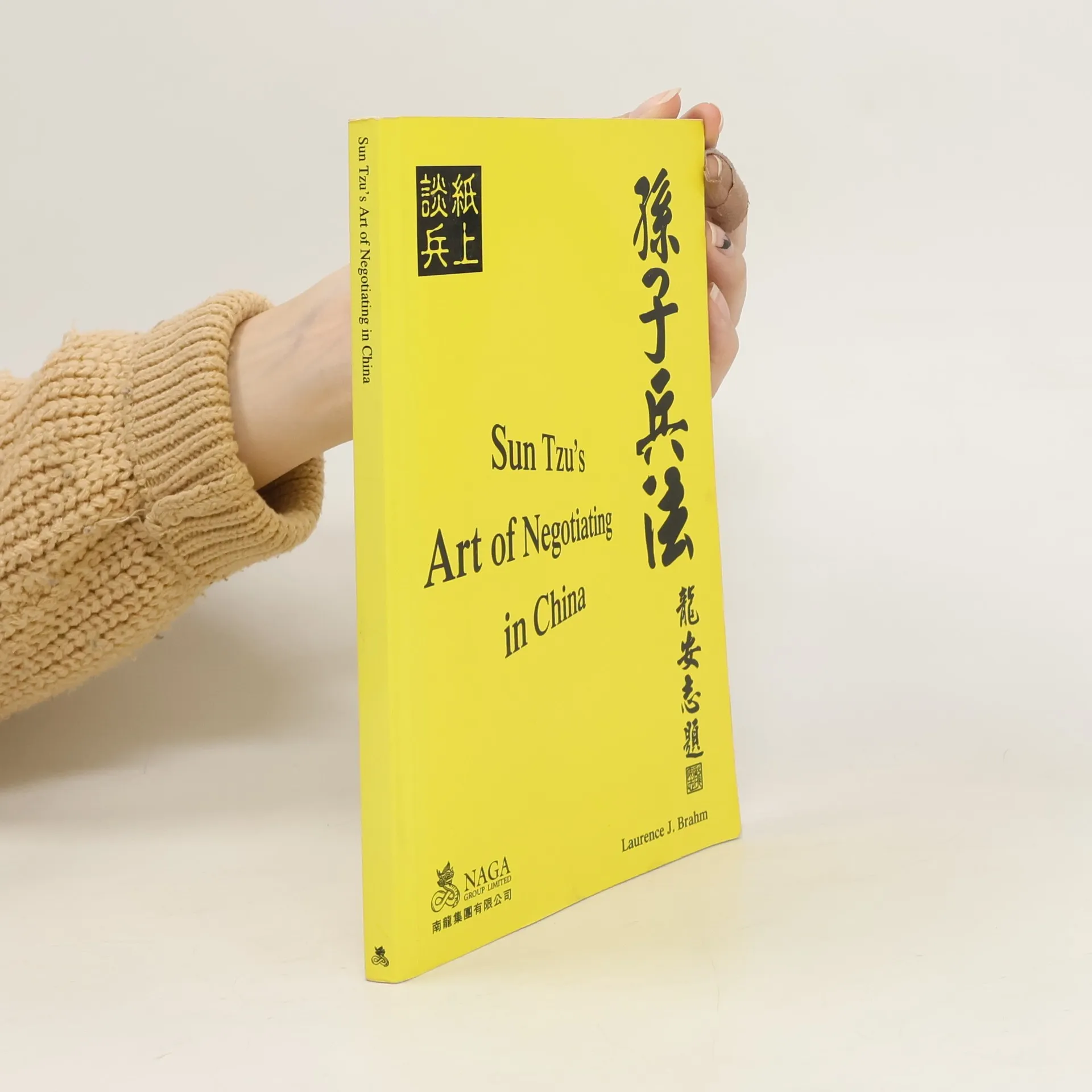
"Sun Tzu's Art of Negotiating in China" is a most humourous book drawing from the lessons of China's ancient military Classic "Sun Tzu's Art of War," the author applies the lessons to foibles and successes of negotiators in China.