Knihobot

Lea Vergine Knihy

    Lea Vergine byla italská artová kritička a kurátorka, která obohatila současné umění svými hlubokými eseji a vlivnými výstavami. Své myšlenky a analýzy sdílela prostřednictvím prestižních novin a zanechala nesmazatelnou stopu v oblasti umělecké kritiky. Její práce se vyznačovala pronikavým pohledem na umělecké trendy a jejich interpretací.

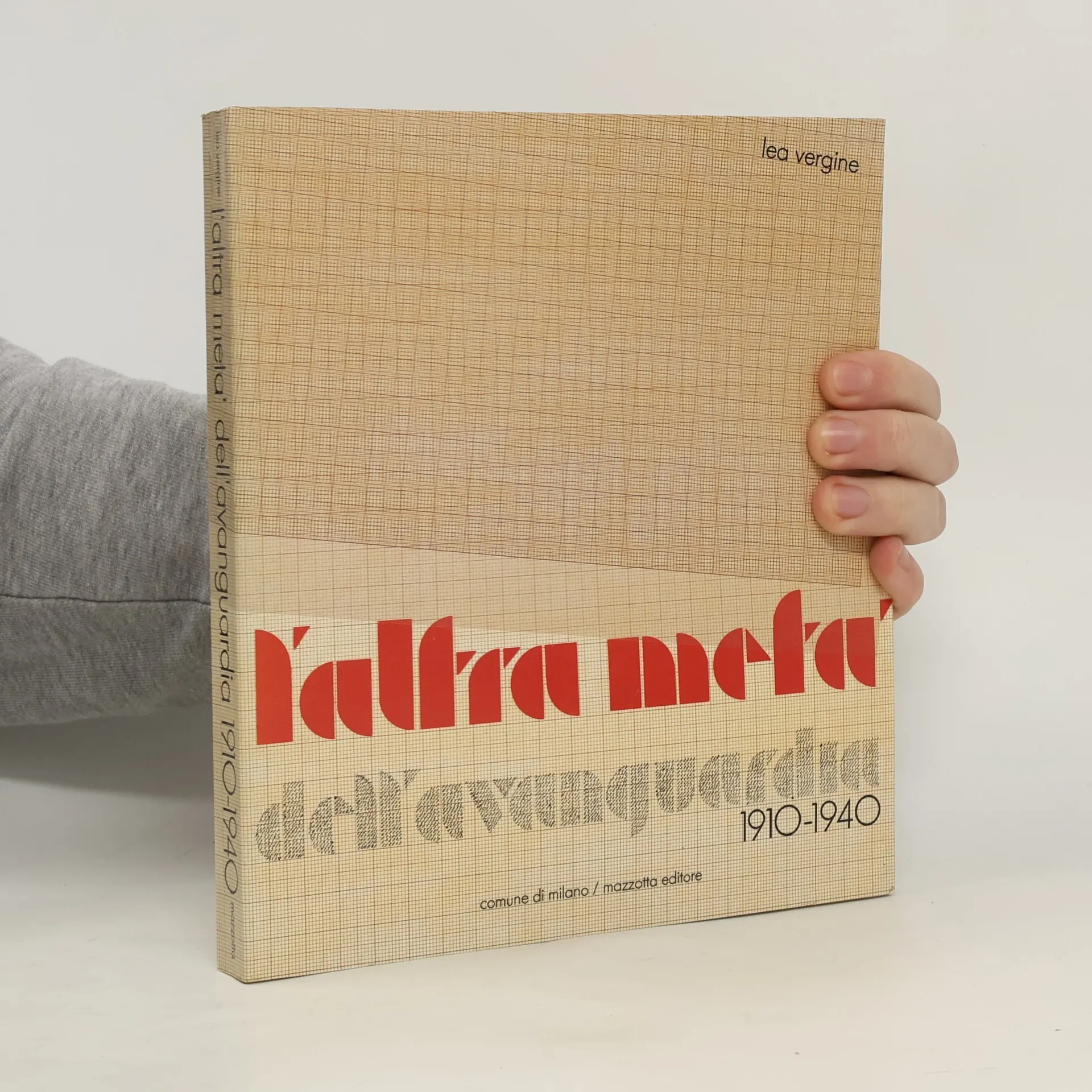
    L'altra metà dell'avanguardia, 1910-1940
    Trash
    Art on the Cutting Edge
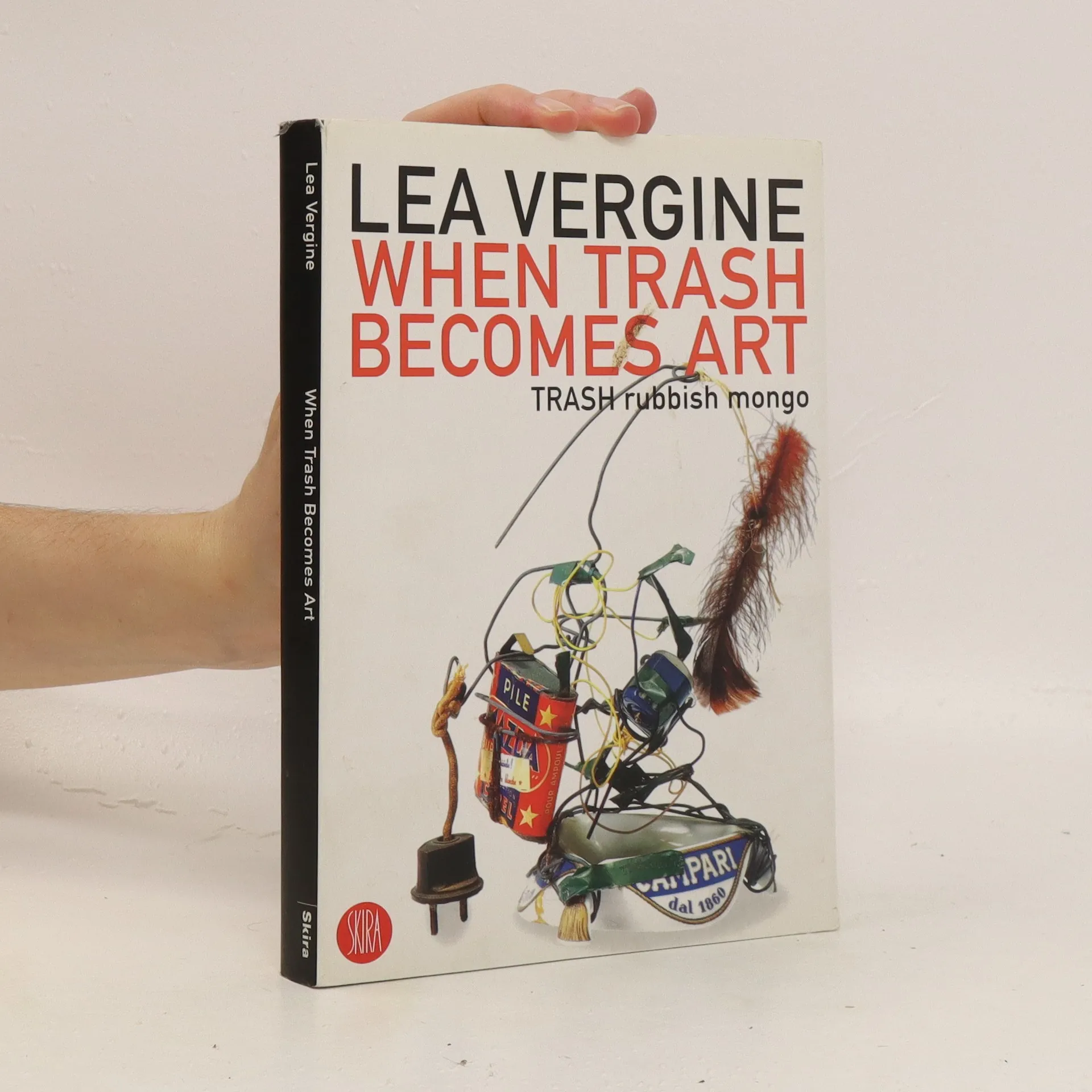
    When trash becomes art : TRASH rubbish mongo
    • Trash as material in art, from Kurt Schwitters to Louise Bourgeois When Trash Becomes Art examines the work of artists who use garbage as their artistic medium, creating art that mirrors our alienation and consumerism. Author Lea Vergine suggests trash is a natural “It has been said that trash represents risk and fascination, impending disaster and seduction. Now and then it is the mark of a creativity as menacing as it is ambiguous-garbage cannot be foreseen and therefore cannot be eluded.” In fact, trash and found objects can be seen in works from the early part of the twentieth-century by Fortunato Depero, Kurt Schwitters, and others, as well as through current works by Christian Boltanski, Cindy Sherman, Louise Bourgeois, and Andreas Serrano.Vergine's view is not limited to figurative art; she also explores the use of trash in other expressive modes such as architecture, cinema, dance, music, and theatre, thus providing a multifaceted interpretation of the artistic use of the very things cast off and abandoned by society.
      When trash becomes art : TRASH rubbish mongo
      3,6
    • Art on the Cutting Edge

      A Guide to Contemporary Movements

      • 304 stránek
      • 11 hodin čtení

      The concept of the beautiful has undergone profound changes during the last half of the twentieth century, as has our way of considering everything that is called art. We need a new key to help us "know how to see" so that we can stay attuned to what is going on in the contemporary world of art where new aesthetic styles are appearing and being challenged one after the other." "This book by Lea Vergine, which discusses seventeen different art movements in separate chapters, offers, within the panorama of contemporary art criticism books, a blend between a handy art-history manual and an assessment of a cultural adventure that has passed through and overturned the parameters of taste of the last forty years. The clear and incisive writing style guides the reader, student or specialist, whatever his or her specific interests and curiosities, like an essential travel kit for understanding today's reality, grasping its raison d'etre, and above all, plunging into its multiple mutations.

      Art on the Cutting Edge
    • Trash

      From Junk to Art

      • 336 stránek
      • 12 hodin čtení
      Trash
    • L'altra metà dell'avanguardia, 1910-1940

      Pittrici e scultrici nei movimenti delle avanguardie storiche. Catalogo della mostra (Milano-Stoccolma, 1980). Ediz. illustrata

      • 281 stránek
      • 10 hodin čtení

      C'è stato un tempo in cui Varvara Stepanova era solo la moglie di Rodcenko e la fama di Frida Kahlo non oltrepassava i confini del Messico. In quegli anni, molte pittrici e scultrici che avevano contribuito al rinnovamento artistico della prima metà del Novecento erano relegate in una posizione marginale nella storia dell'arte. Solo alcune personalità erano state risparmiate dall'oblio causato da disattenzione, pregiudizi, autocensura, persecuzioni razziali e guerre mondiali. L'altra metà dell'avanguardia, una mostra ideata da Lea Vergine nel 1980, rivelò l'attività di oltre cento artiste europee, russe e americane, che avevano arricchito l'avanguardia con il loro straordinario talento. Questa scoperta fissò un canone internazionale e portò all'attenzione opere e talenti che da allora hanno suscitato un costante interesse, come nel caso di Carol Rama. Il catalogo dell'esposizione, insuperato per rigore critico e ampiezza delle esperienze, è ora ripubblicato come libro, diventando un riferimento essenziale per chi desidera comprendere il ruolo dell'arte femminile nei movimenti di punta del secolo scorso.

      L'altra metà dell'avanguardia, 1910-1940