Summarizes what is known about the sun, stars, and planets, traces the history of astronomy, and includes maps and satellite photographs.
Bernard Lovell Knihy
31. srpen 1913 – 6. srpen 2012
Bernard Lovell byl průkopnický fyzik a radioastronom, jehož práce v oblasti radarových technologií během druhé světové války položila základy pro jeho pozdější klíčový výzkum vesmíru. Po válce založil observatoř Jodrell Bank, kde s využitím inovativních radioteleskopů zkoumal meteory a kosmické záření. Jeho zájem o univerzální otázky vesmíru se projevil v sérii rozhlasových přednášek, které zasahovaly do filozofických úvah o našem místě ve vesmíru. Přes svou vědeckou kariéru si Lovell uchoval lásku k hudbě a přírodě, což odráží jeho celoživotní zájem o harmonii ve vědě i v osobním životě.
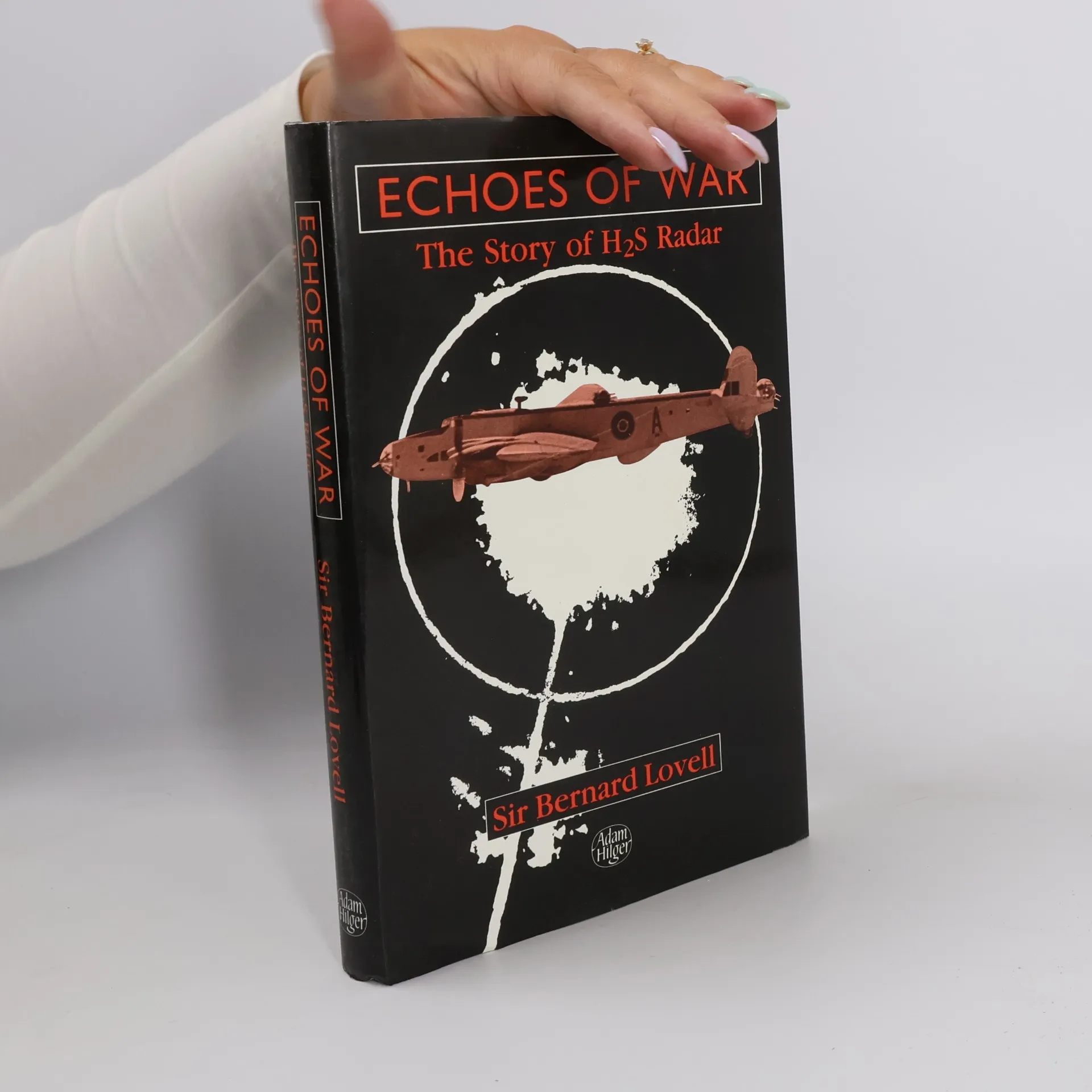
August 1939 marked a period of significant change, driven by the looming threat of war and the aggressive actions of Nazi Germany. Young researchers found themselves pivoting to urgent wartime projects, with Bernard Lovell playing a crucial role in the development of radar technology. This account offers a passionate, first-hand perspective on the creation of the Home Sweet Home (H2S) radar systems during World War II, highlighting the scientific culture of wartime Britain. It reveals the personal sacrifices, setbacks, and triumphs of those involved in this vital research. Lovell's journey began in Taffy Bowen's airborne radar group, where he contributed to the groundbreaking application of the 10-centimeter cavity magnetron in airborne radar. The failure of Bomber Command to locate targets in overcast skies led to the establishment of a new group under Lovell's leadership to develop a blind bombing system. The H2S radar system, capable of identifying towns and targets at night or in heavy cloud cover, was first operationally used by the Pathfinder Squadrons during the attack on Hamburg in January 1943. Modified units later had a significant impact on the air war against U-boats. This chronicle vividly captures the atmosphere and challenges of the wartime years as Lovell recounts the H2S radar project.
Signale aus dem Weltall
- 155 stránek
- 6 hodin čtení