

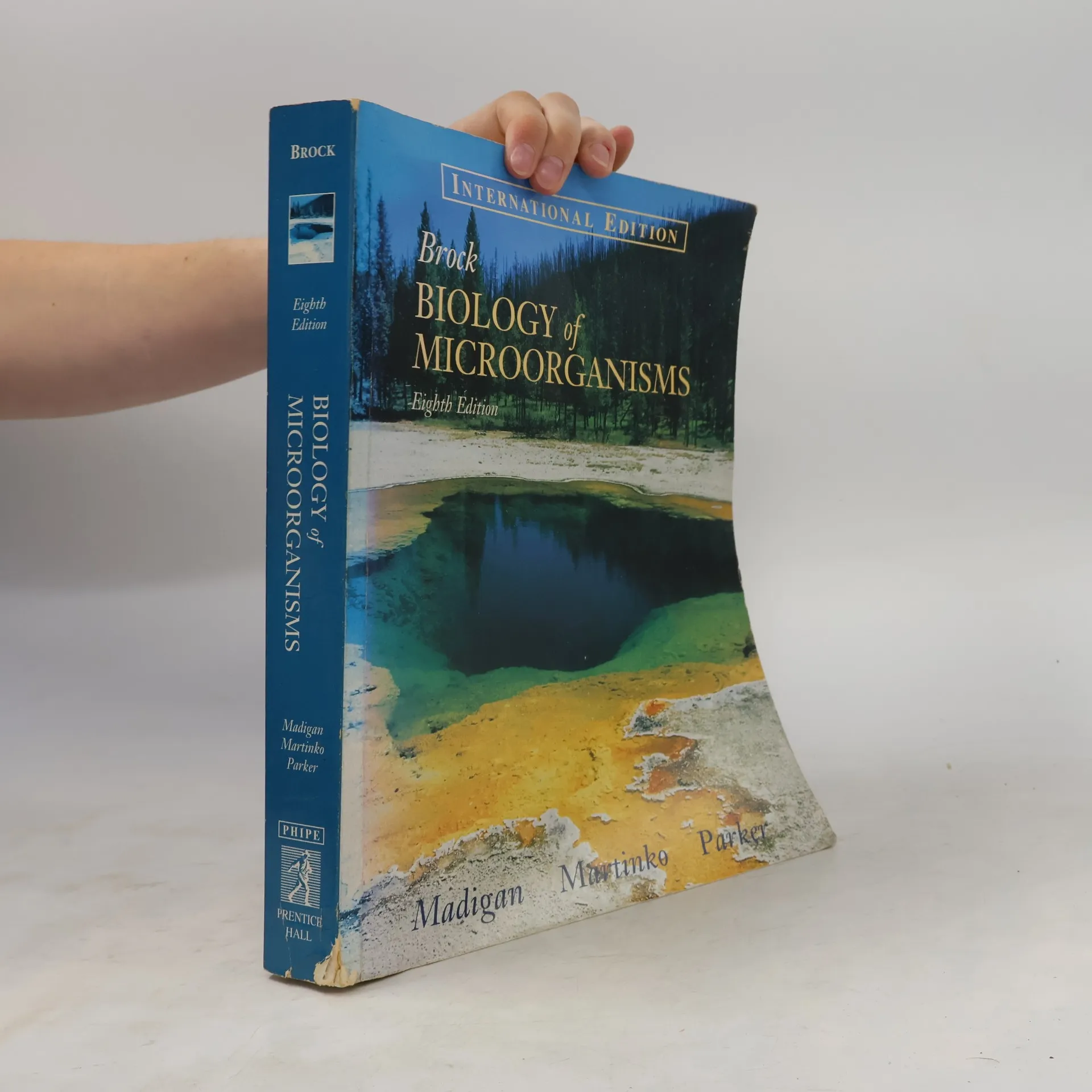
Student access code for Kindle eText version of Brock Biology of Microorganisms, and access code for MasteringMicrobiology online resource. Access Code ISBN: 9780321948328 (Emailed to your purchasing email address within one hour) Before You Buy: This product is accessed in browser and does not require a Kindle. Several custom versions of Pearson’s MyLab™ & Mastering™ products exist for each title and access codes are not transferable. Before you purchase, ensure you have the correct ISBN. You will also need a CourseID, provided by your instructor, to register for and use this product. Break Through to Improving Results: Driven by our understanding of the challenges and aspirations inherent to education, MyLab™ & Mastering™ engages learners continuously and offers data-driven guidance that helps them reach specific, measurable learning outcomes.
Thomas D. Brock Knihy
Robert Koch
- 364 stránek
- 13 hodin čtení
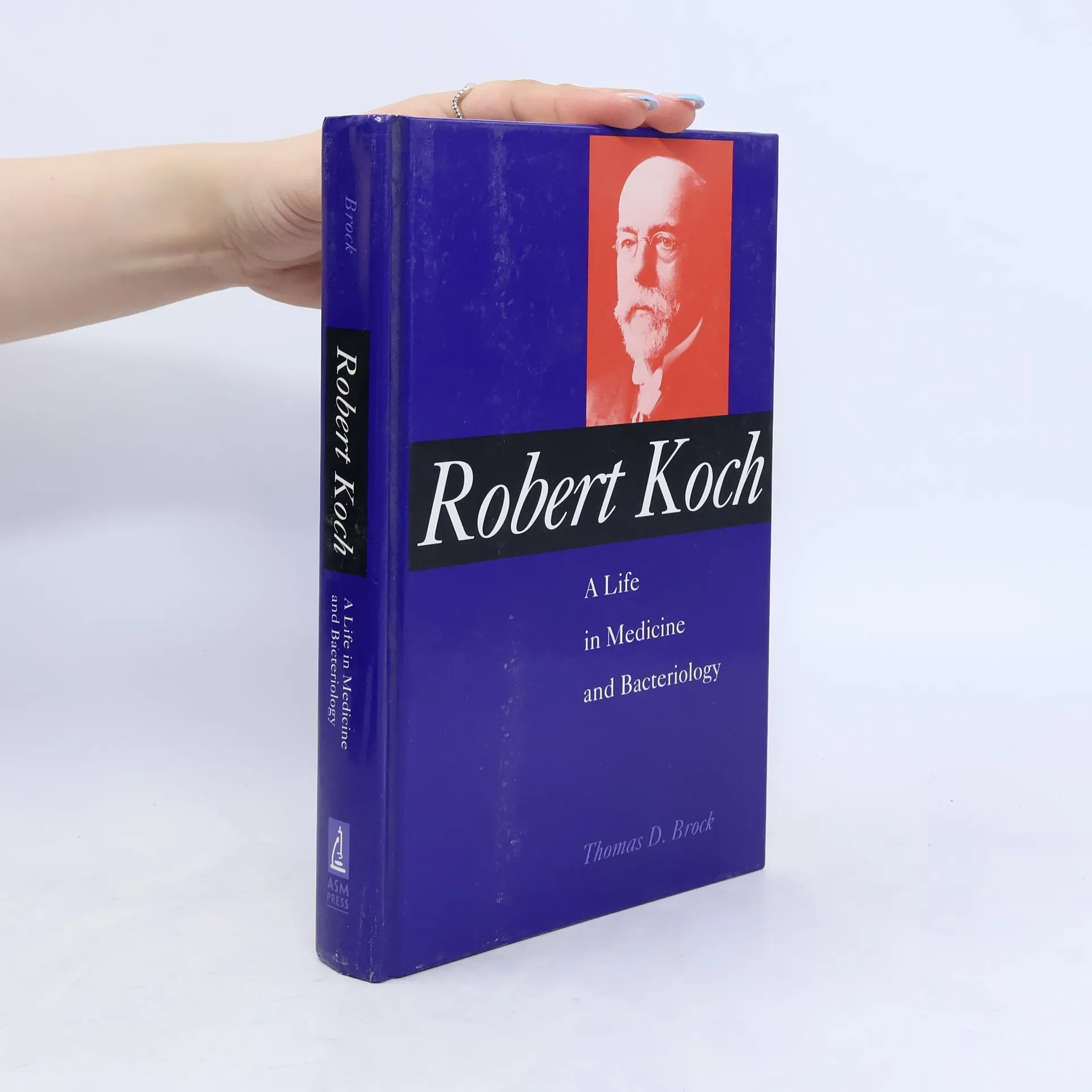
Robert Koch may be considered the founder of medical bacteriology, and he was the driving force in the development of microbiology. Koch discovered the causes of tuberculosis and cholera and played a major role in the development of hygiene and public health. The techniques he developed, have served as major tools of research in the whole field of medicine. Koch's associates and followers, using his techniques, discovered the whole array of bacteria that were the major scourges of humans. These discoveries led directly to the development of vaccines and other immunological procedures, and (ultimately) to the discovery of antibiotics. Koch's major contributions were recognized by the award of the Nobel Prize in 1905.
Schlachtfeld Archäologie - Sonderheft
- 112 stránek
- 4 hodiny čtení
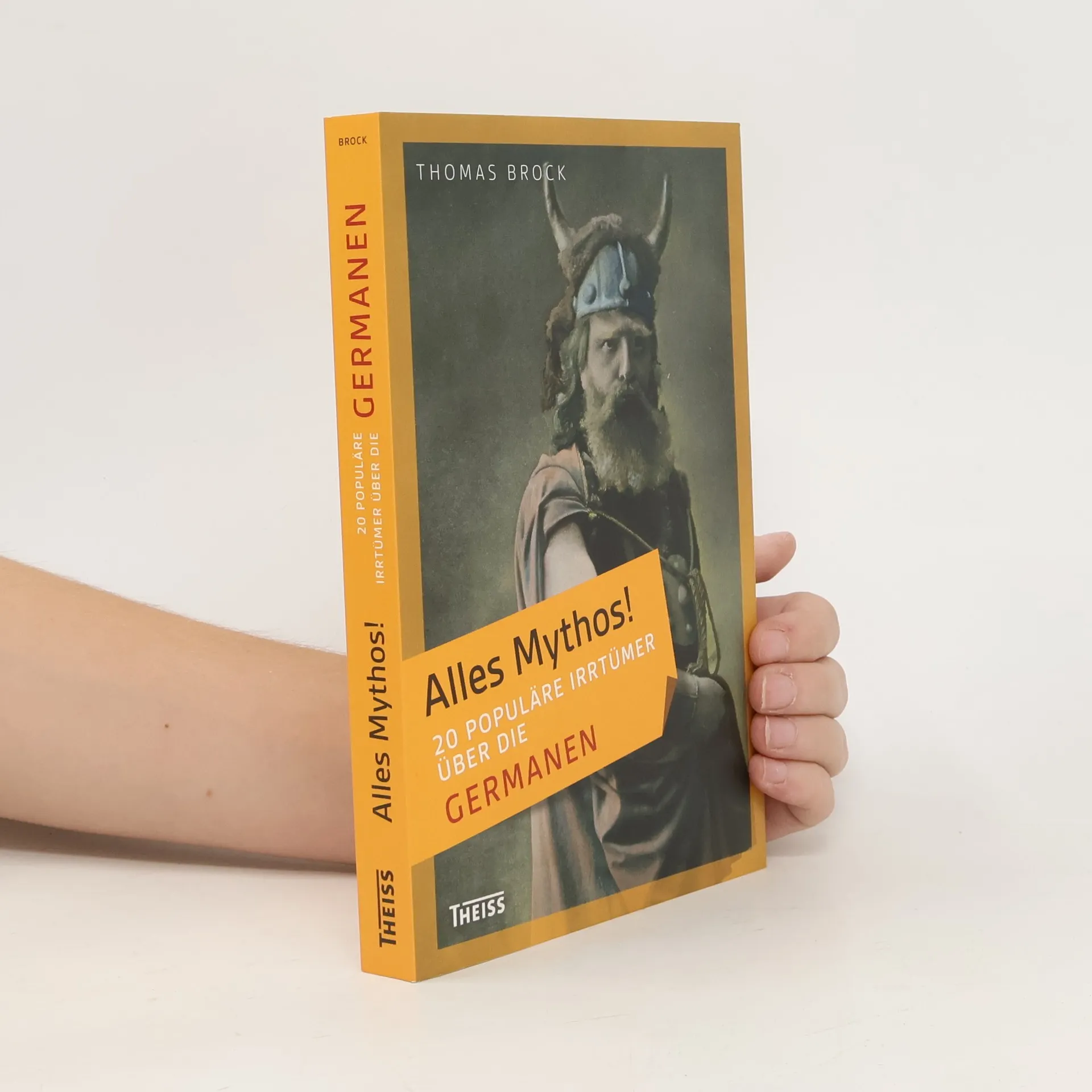
Rein und unvermischt, Urväter deutscher Nation und von überlegener Rasse - die Nationalsozialisten wollten mit den Germanen eine Jahrtausende alte, rassische Überlegenheit der „Deutschen“ konstruieren. Auch wir, die es heute besser wissen, stellen uns die Germanen oft recht einseitig vor. Raubeinige Horden, unbarmherzige Krieger und gefürchtete Gegner der Römer - oder doch ein Volk mit reicher Kultur und wechselvoller Geschichte? Thomas Brock zeigt in diesem Buch, wer die Germanen wirklich waren und stellt 20 der populärsten Germanen-Klischees auf den Prüfstand. War Germanien wirklich ein einziger Urwald? Tranken die Germanen nichts anderes als Met und Bier? Und blieben nach der Völkerwanderung wirklich ganze Landstriche menschenleer und öde zurück?
Archäologie des Krieges
- 240 stránek
- 9 hodin čtení
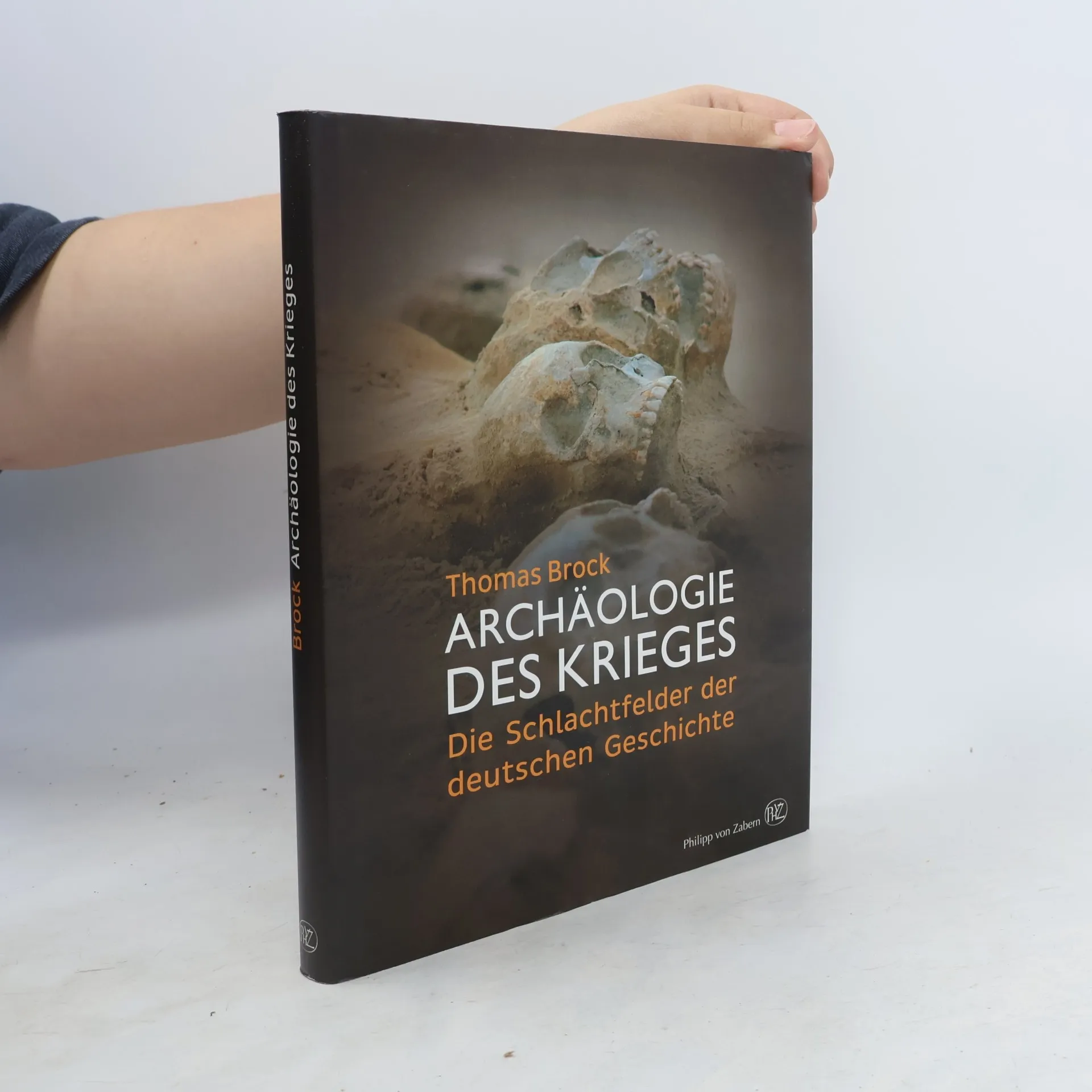
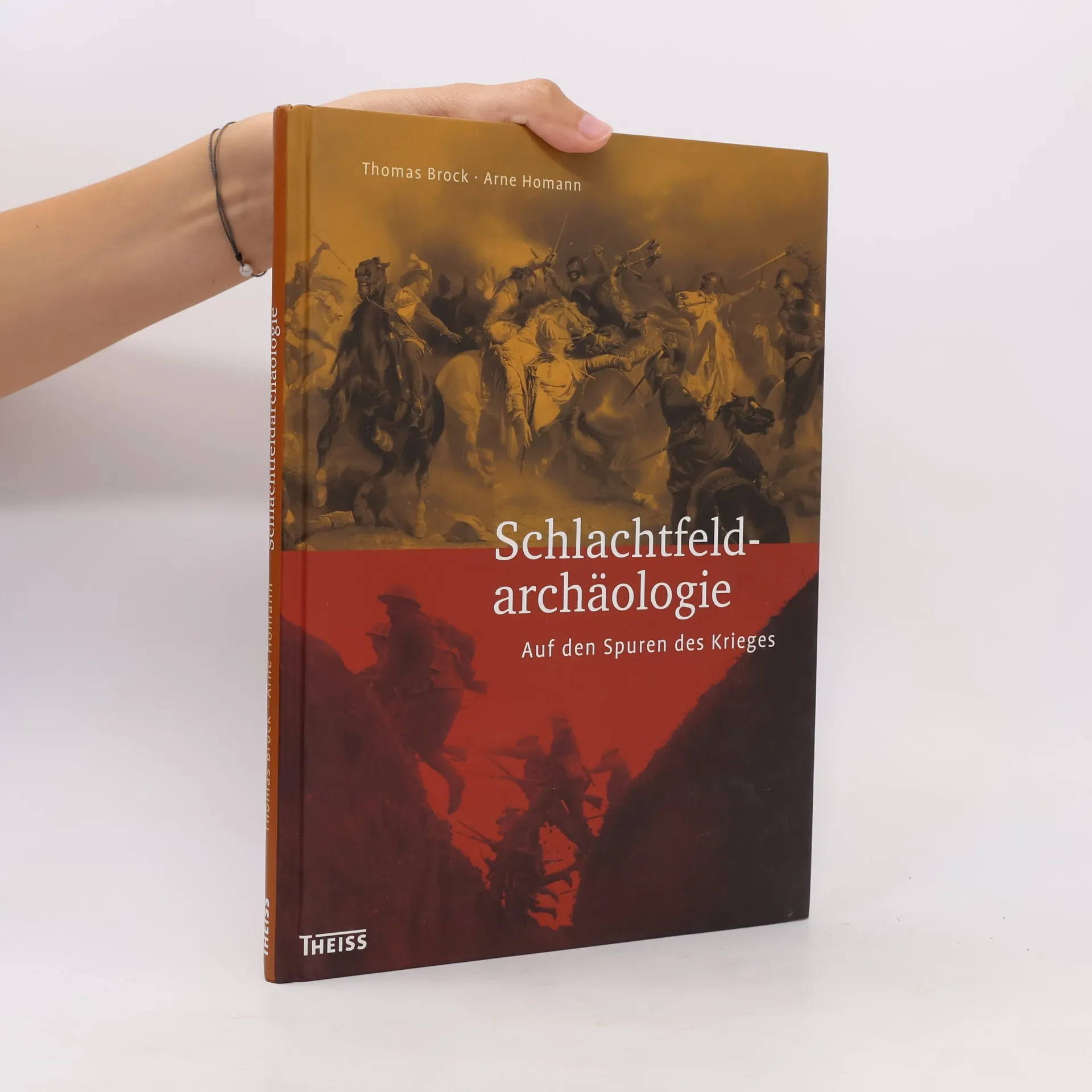
Bereits seit der Steinzeit trägt der Mensch bewaffnete Konflikte aus und wir meinen die Geschichte von Kriegen aus den Quellen zu kennen. Doch was bleibt, wenn ein Krieg vorbei ist? Seit Neuestem beschäftigt sich ein junger Zweig der Archäologie mit den realen Orten des Geschehens und bietet bisweilen völlig neue Sichtweisen. Funde und Befunde offenbaren die schrecklichen Geschehnisse vergangener Tage und bringen uns die Menschen und ihre Schicksale näher, die häufig hinter den historischen Fakten verborgen bleiben. Erkennungsmarken identifizieren namenlose Tote, auf dem Schlachtfeld verbliebene Munition zeichnet Gefechte nach, Tatwerkzeuge, Täter und Opfer kommen wieder zu Tage. Der Archäologe Thomas Brock präsentiert und interpretiert in diesem einzigartigen Text-Bildband akribisch zentrale Schlachtorte und Kriegsschauplätze der deutschen Geschichte.