Simon Jenkins Pořadí knih (chronologicky)
Simon Jenkins je uznávaný autor, známý svými hlubokými vhledy do historie a architektury. Jeho díla zkoumají kulturní dědictví s vášní a pečlivostí, které odhalují skryté příběhy a významy. Jenkins má jedinečnou schopnost oživit minulost a spojit ji s dneškem, což čtenářům nabízí bohatý a poutavý zážitek. Jeho psaní je ceněno pro svou inteligenci a přístupnost.


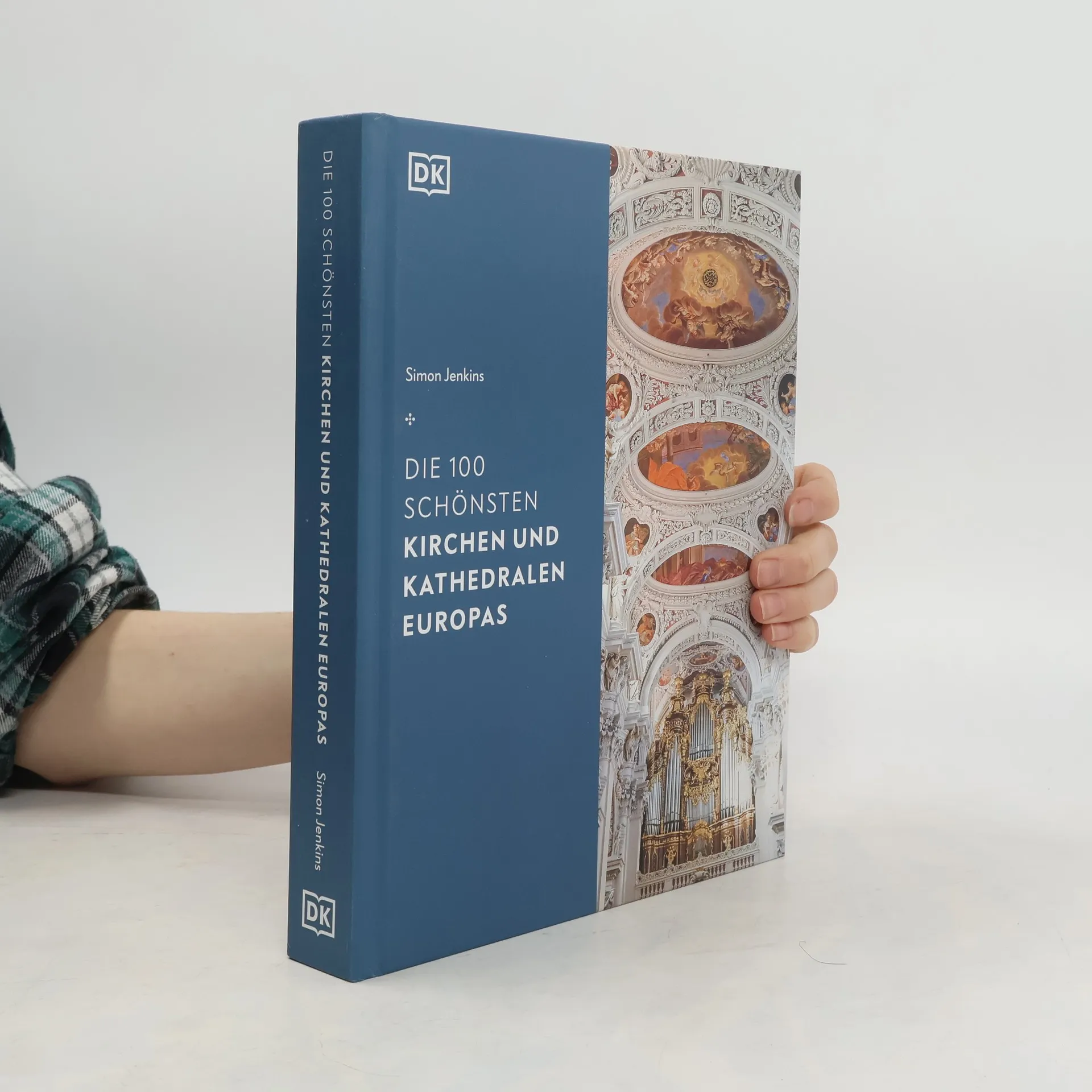
Die 100 schönsten Kirchen und Kathedralen Europas
- 360 stránek
- 13 hodin čtení
Die einzigartige Darstellung der schönsten Kirchen und Kathedralen Europas in diesem reich bebilderten Lesebuch zeigt, welche zentrale Rolle Sakralbauten bis heute in unserer Vorstellungswelt spielen. Von der Sagrada Familia über den Markusdom bis hin zum Kölner Dom und St. Paul's - Kathedralen stehen für acht Jahrhunderte der Bau-, Ingenieurs- und Handwerkskunst. Erfolgsautor Simon Jenkins hat alle Kirchen besucht und mit großer Sachkenntnis detailliert beschrieben
The Celts
- 304 stránek
- 11 hodin čtení
A short history of one of Ancient Britain's most enigmatic civilisations
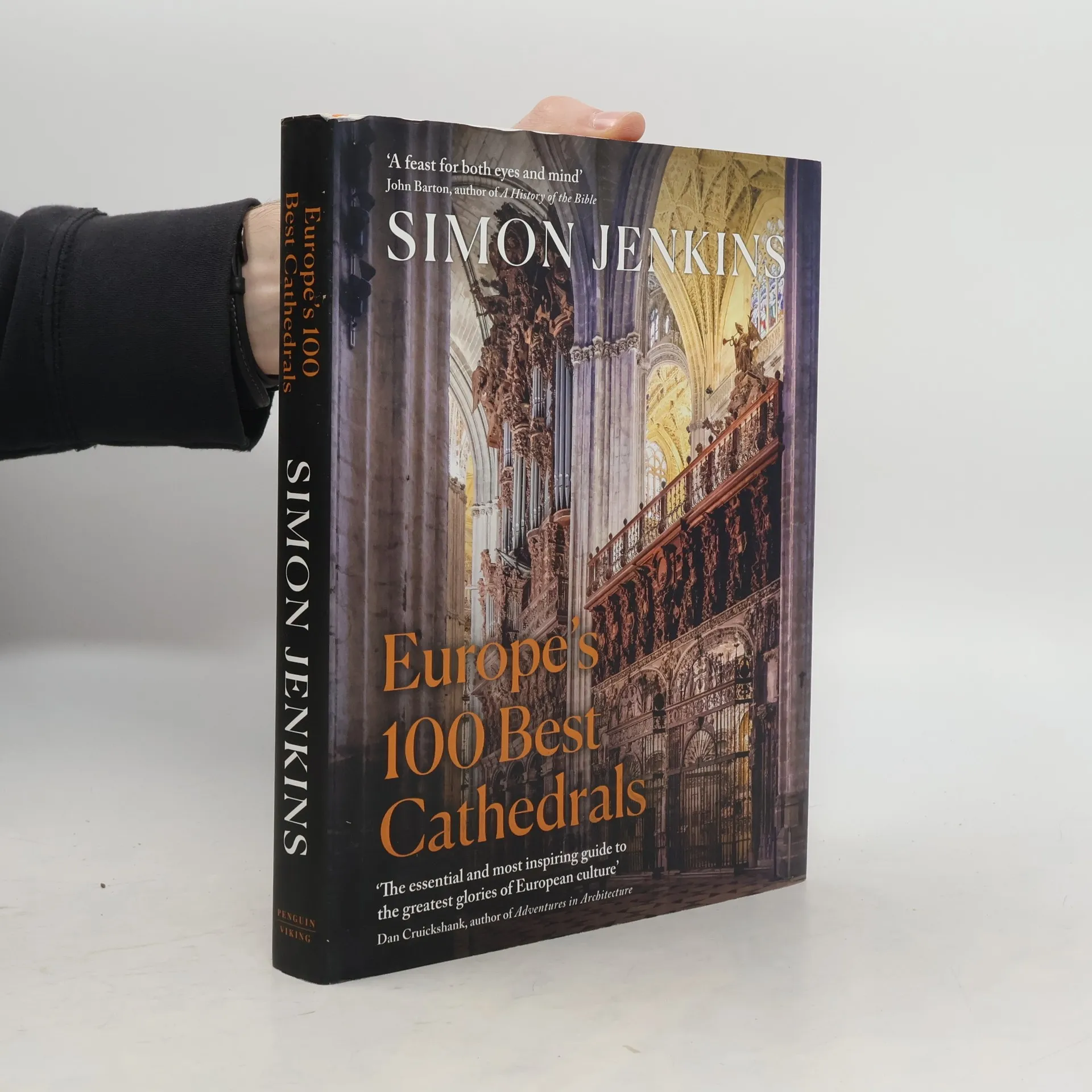
Europe’s 100 Best Cathedrals
- 360 stránek
- 13 hodin čtení
Europe's cathedrals are magnificent. They outstrip palaces and castles. They are the most sensational group of structures anywhere in the world - which everyone should 'see before they die'. They are also hugely popular, most of them absolutely packed. They are humankind's greatest creations. In Europe's 1oo Best Cathedrals, Simon Jenkins has travelled the continent - from Chartres to York, Cologne to Florence, Toledo to Moscow and Stockholm to Seville - to illuminate old favourites and highlight new discoveries. Beautifully illustrated with colour photographs throughout, this joyous exploration of Europe's history tells the stories behind these wonders, showing the cathedral's central role in the European imagination. Readers will be inspired to make their own pilgrimage to all one hundred of them.
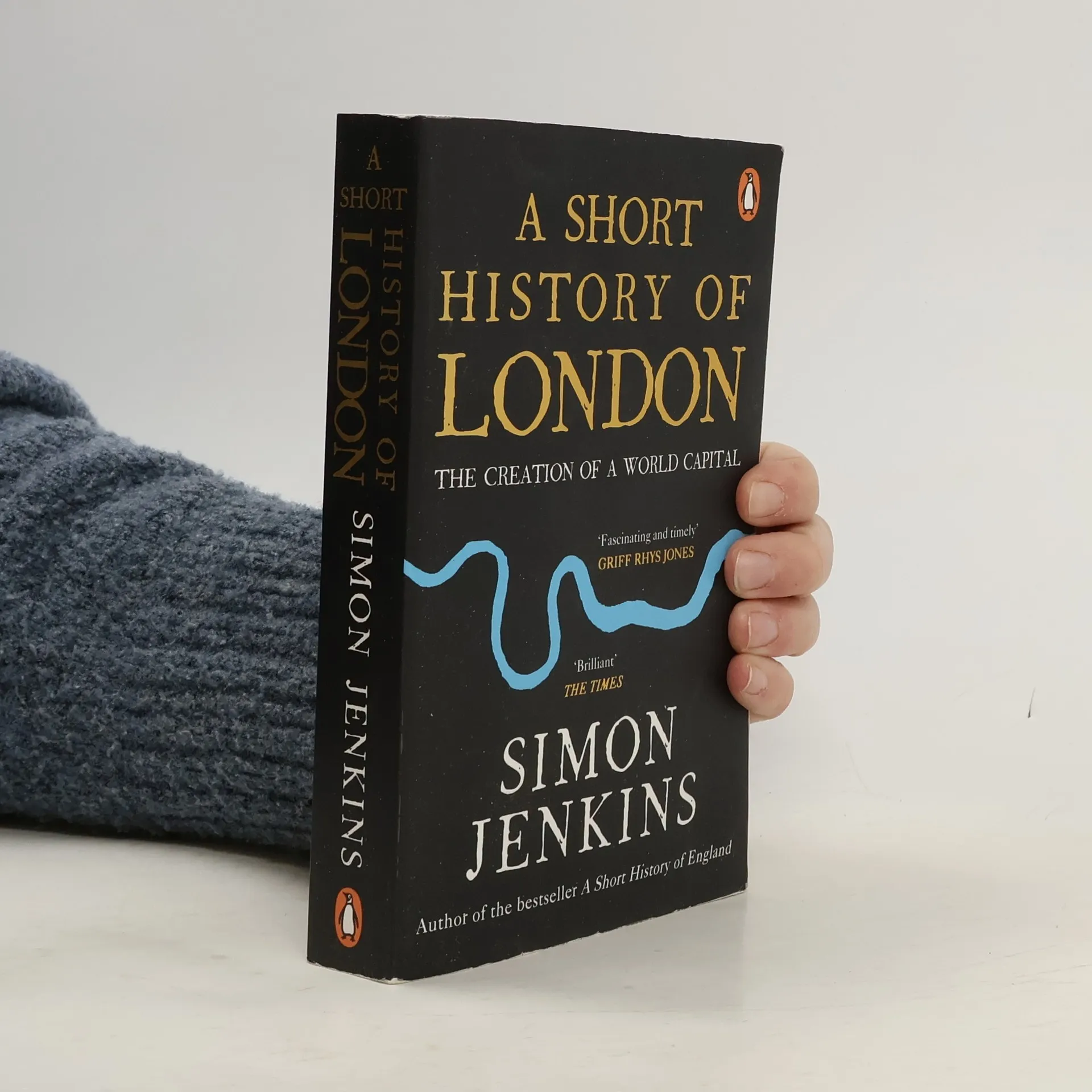
A Short History of London
- 432 stránek
- 16 hodin čtení
London: a settlement founded by the Romans, occupied by the Saxons, conquered by the Danes and ruled by the Normans. This unremarkable place - not even included in the Domesday Book - became a medieval maze of alleys and courtyards, later to be chequered with grand estates of Georgian splendour. It swelled with industry and became the centre of the largest empire in history. And rising from the rubble of the Blitz, it is now one of the greatest cities in the world. From the prehistoric occupants of the Thames valley to the preoccupied commuters of today, Simon Jenkins brings together the key events, individuals and trends in London's history to create a matchless portrait of the capital. Based in part on his own witness of the events that shaped the post-war city, and with his trademark colour and authority, he shows above all how London has taken shape over more than two thousand years. This is narrative history at its finest, from the most ardent protector of our heritage
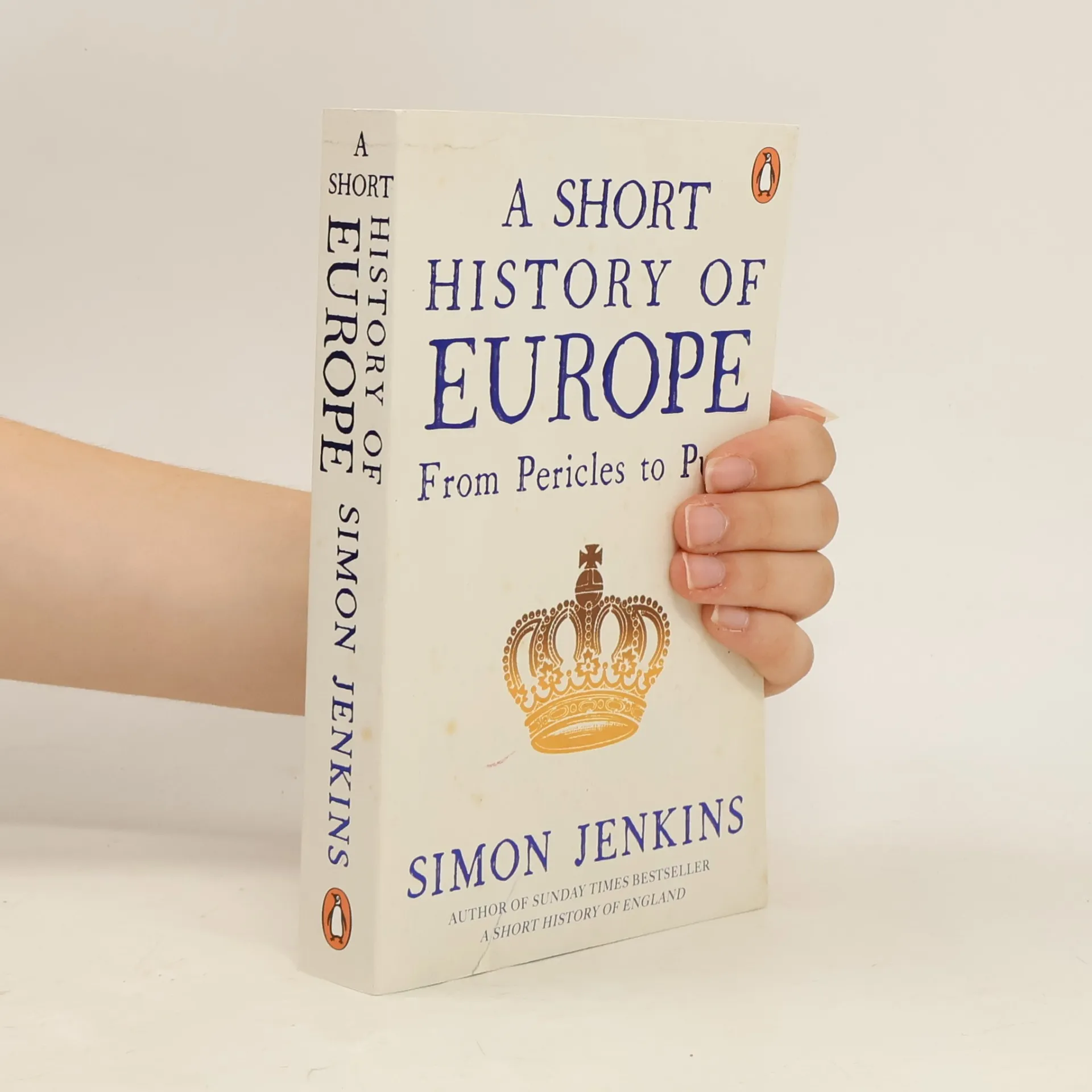
Europe is an astonishingly successful place. Simon Jenkins tells the story of its evolution from warring peoples to peace, wealth and freedom, a story that twists and turns from Greece and Rome, through the Dark Ages, the Reformation and the French Revolution, to the Second World War and up to the present day
Britain's 100 Best Railway Stations
- 352 stránek
- 13 hodin čtení
It is the scene for our hopeful beginnings and our intended ends, and the timeless experiences of coming and going, meeting, greeting and parting. It is an institution with its own rituals and priests, and a long-neglected aspect of Britain's architecture. And yet so little do we look at the railway station. Simon Jenkins has travelled the length and breadth of Great Britain, from Waterloo to Wemyss Bay, Betws-y-Coed to Beverley, to select his hundred best. Blending his usual insight and authority with his personal reflections and experiences - including his founding the Railway Heritage Trust - the foremost expert on our national heritage deftly reveals the history, geography, design and significance of each of these glories. Beautifully illustrated with colour photographs throughout, this joyous exploration of our social history shows the station's role in the national imagination; champions the engineers, architects and rival companies that made them possible; and tells the story behind the triumphs and follies of these very British creations. These are the marvellous, often undersung places that link our nation, celebrated like never before
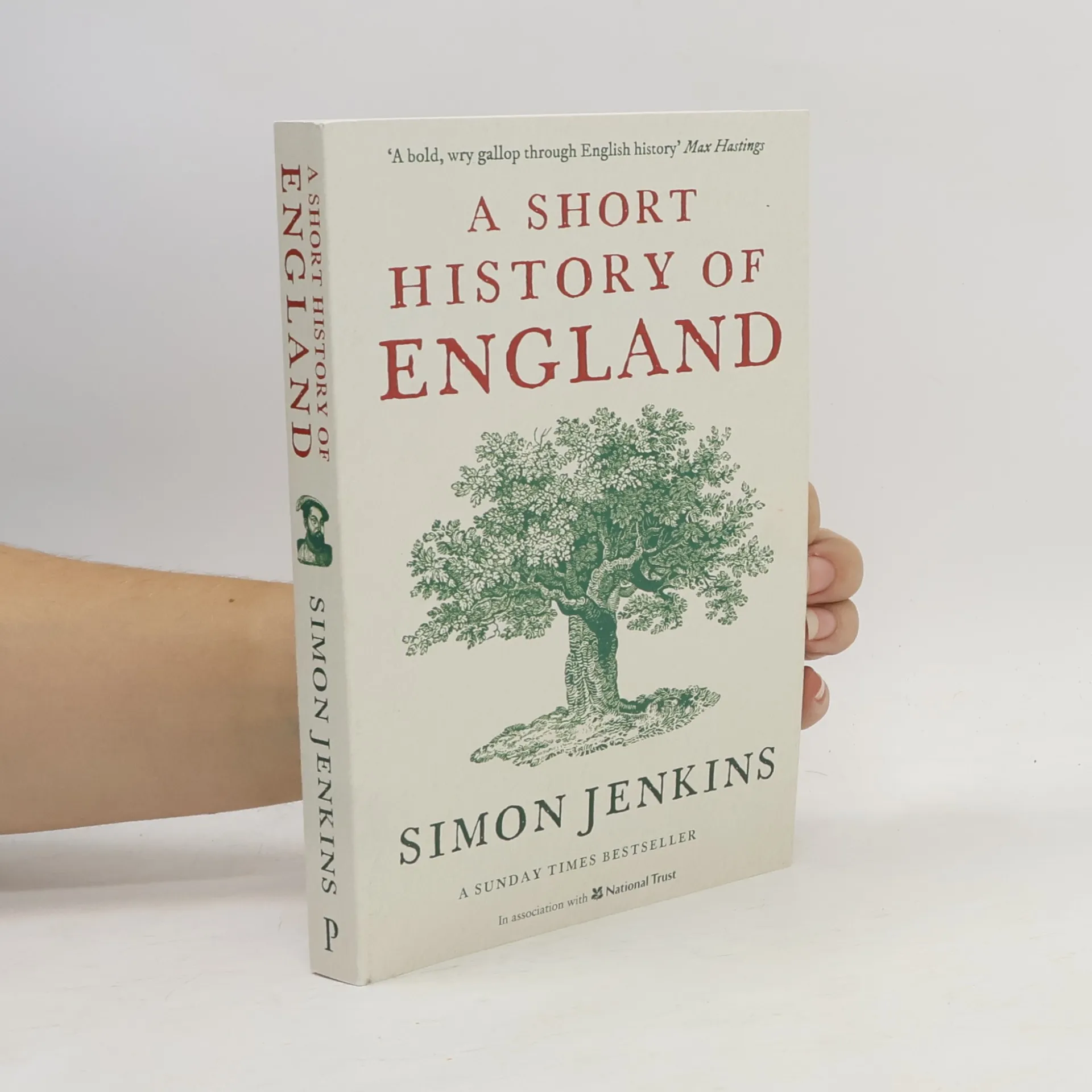
From the invaders of the dark ages to the aftermath of the coalition, one of Britain's most respected journalists, Simon Jenkins, weaves together a strong narrative with all the most important and interesting dates in a book that characteristically is as stylish as it is authoritative.A Short History of England sheds light on all the key individuals and events, bringing them together in an enlightening and engaging account of the country's birth, rise to global prominence and then partial eclipse.There have been long synoptic histories of England but until now there has been no standard short work covering all significant events, themes and individuals. Now updated to take in the rapid progress of recent events and beautifully illustrated, this magisterial history will be the standard work for years to come.
The Midlands
- 192 stránek
- 7 hodin čtení
Wales
- 192 stránek
- 7 hodin čtení
From the great citadels of Caernarvon, Harlech, Powis and Beaumaris in the north, to the Victorian glories of Cardiff in the south, St David's cathedral ('the loveliest church in Wales') in the west to the exquisite little hill church of Patrishow in the east, from Plas Newydd above the Menai Straits to the romantic citadel of Carreg Cennan in the heart of the country, the buildings of Wales embody its history and are the equal of any in the British Isles. Simon Jenkins has travelled, it seems, every mile of the country to celebrate, and in some cases to find the very best of them, and irresistibly conveys in this book his enthusiasm for them. Cumulatively they amount to a cultural history of Wales by one of its most devoted sons. Anyone who is visiting Wales or who loves it will want to own this glorious book.
Southern England
- 192 stránek
- 7 hodin čtení
Britain has more historic houses, great and small, that are open to the public than anywhere else in the world. Stately homes, ruined castles and abbeys, merchants' mansions, peasant cottages - the stories of such buildings and their occupants, past and present, add up to an extraordinary record of our history.Author Simon Jenkins is a leading writer on this rich heritage. Here we present his vision of the 83 most impressive or interesting dwellings to be seen in Dorset, Hampshire, the Isle of Wight and Wiltshire - from majestic Kingston Lacy to Jane Austen's house in Chawton, from the eclectic royal palace of Osborne House to the Palladian Wilton House - enhanced with photographs selected by the editors of Reader's Digest.
The Borders
- 192 stránek
- 7 hodin čtení
Descriptions of 70 impressive houses in Cumbria,Durham and Northumberland and 27 in the Scottish Borders,Dumfries and Galloway.
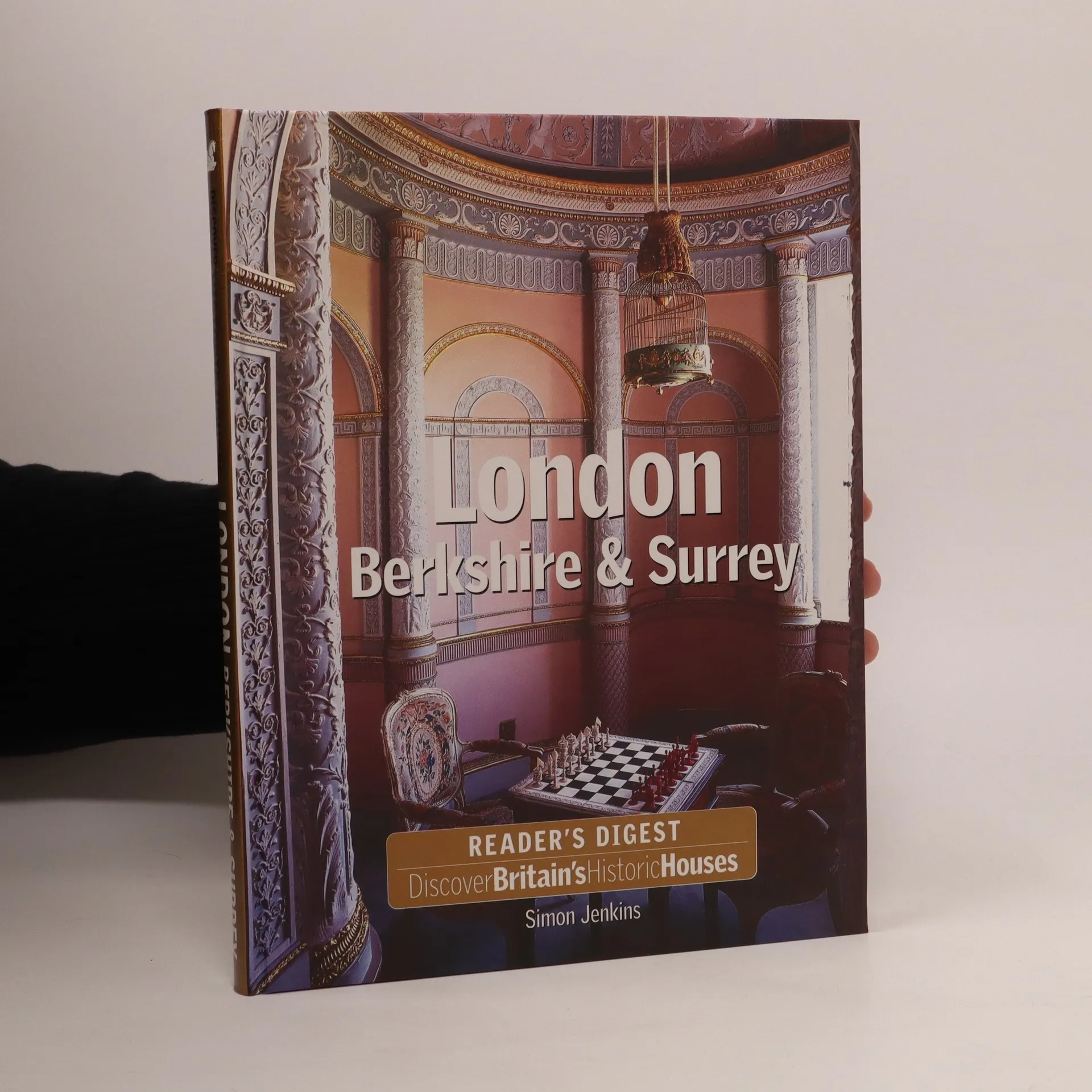
London: Berkshire & Surrey
- 192 stránek
- 7 hodin čtení
Britain has more historic houses, great and small, that are open to the public than anywhere else in the world. Stately homes, ruined castles and abbeys, merchants' mansions, peasant cottages - the stories of such buildings and their occupants, past and present, add up to an extraordinary record of our history.Author Simon Jenkins is a leading writer on this rich heritage. Here we present his vision of the 86 most impressive, interesting or unusual dwellings to be seen in Berkshire, London and Surrey - from palatial Windsor Castle and Syon House in the west to aristocratic Apsley, the medieval Tower and the Art Deco palace at Eltham - all enhanced with photographs selected by the editors of Reader's Digest.
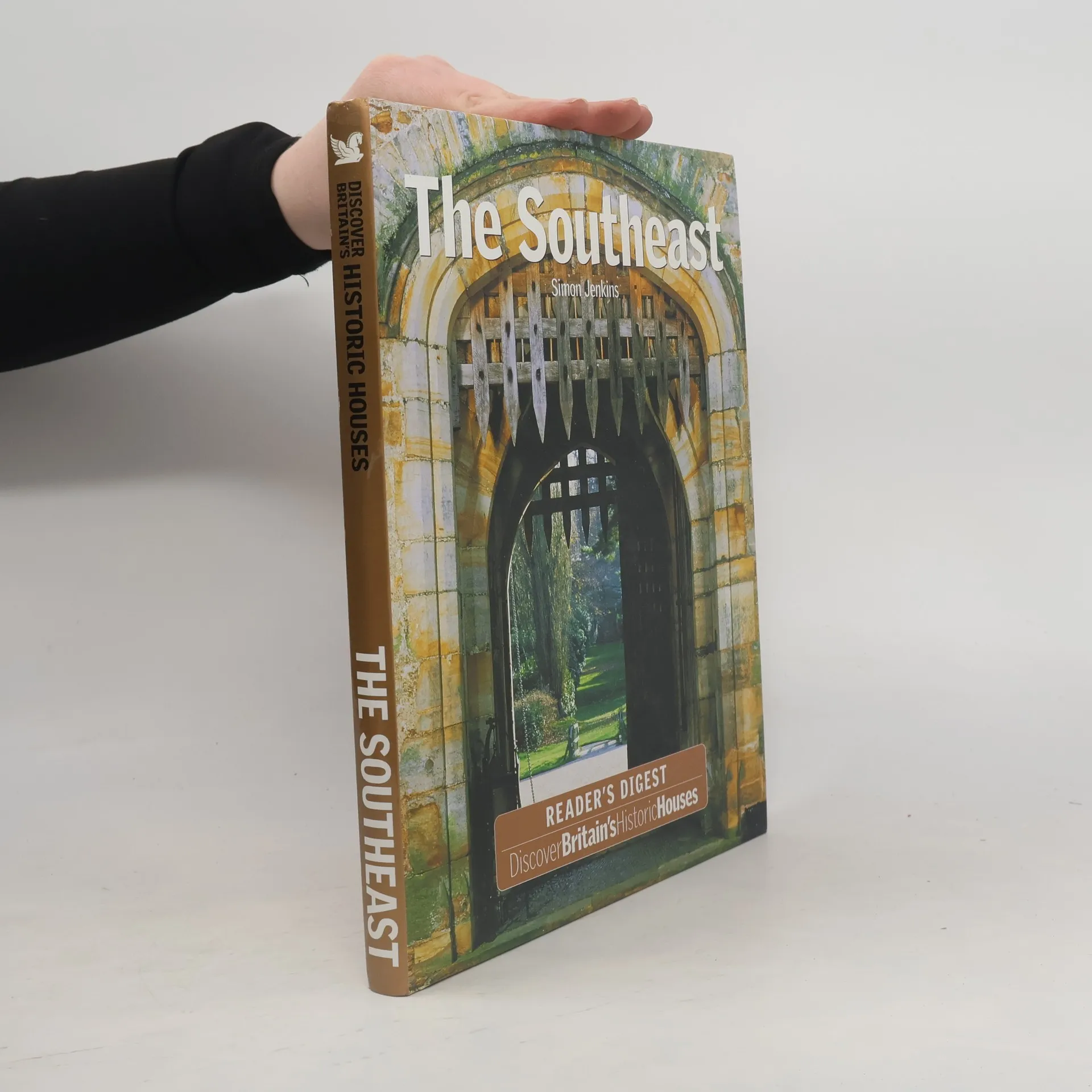
Britain has more historic houses, great and small, that are open to the public than anywhere else in the world. Stately homes, ruined castles and abbeys, merchants' mansions, peasant cottages - the stories of such buildings and their occupants, past and present, add up to an extraordinary record of our history.Author Simon Jenkins is a leading writer on this rich heritage. Here we present his vision of the 100 most impressive, interesting or unusual dwellings to be seen in Kent and Sussex - from ancient Knole to magical Bodiam Castle, from Brighton's exotic Pavilion to Elizabethan Parham - enhanced with photographs selected by the editors of Reader's Digest.
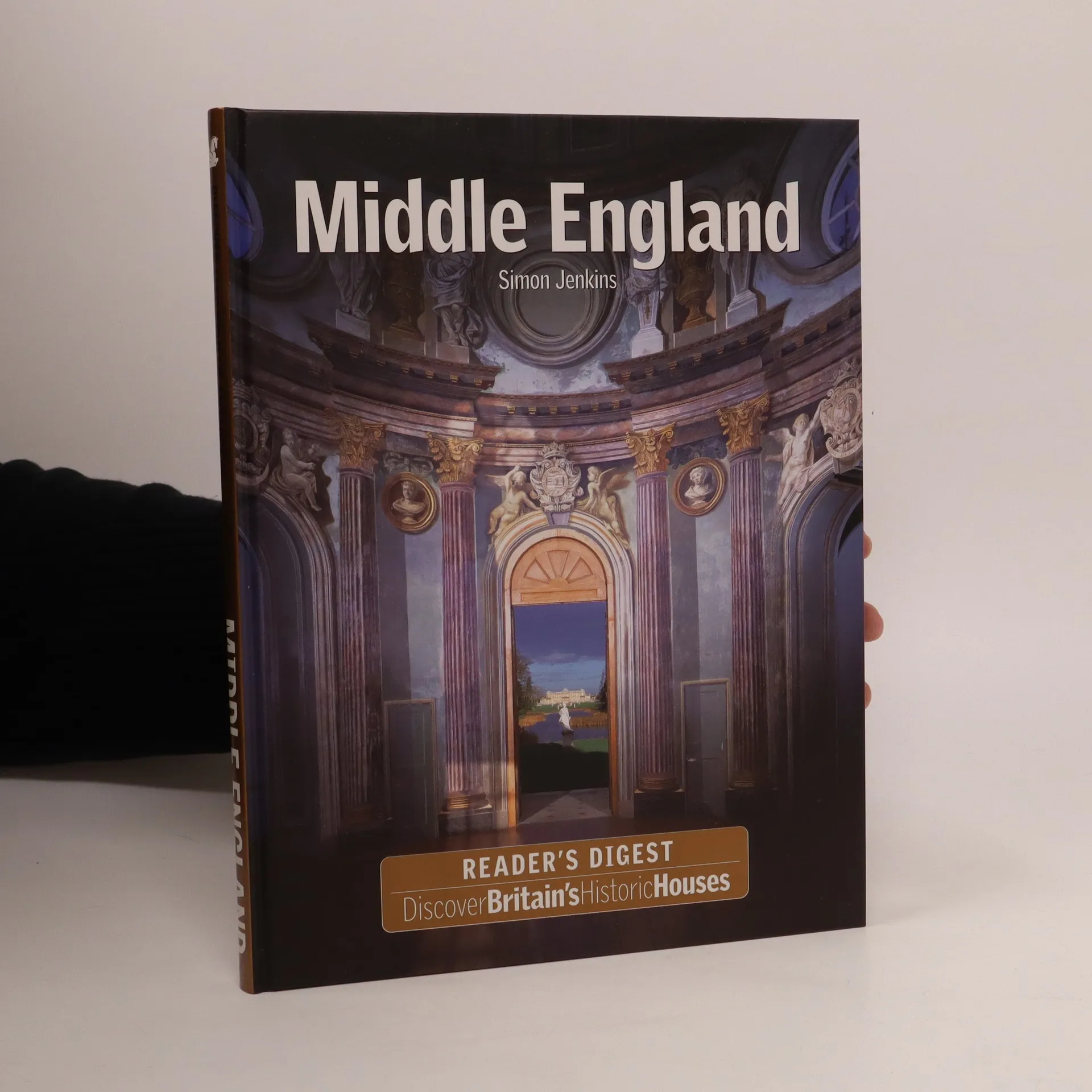
Middle England
- 192 stránek
- 7 hodin čtení
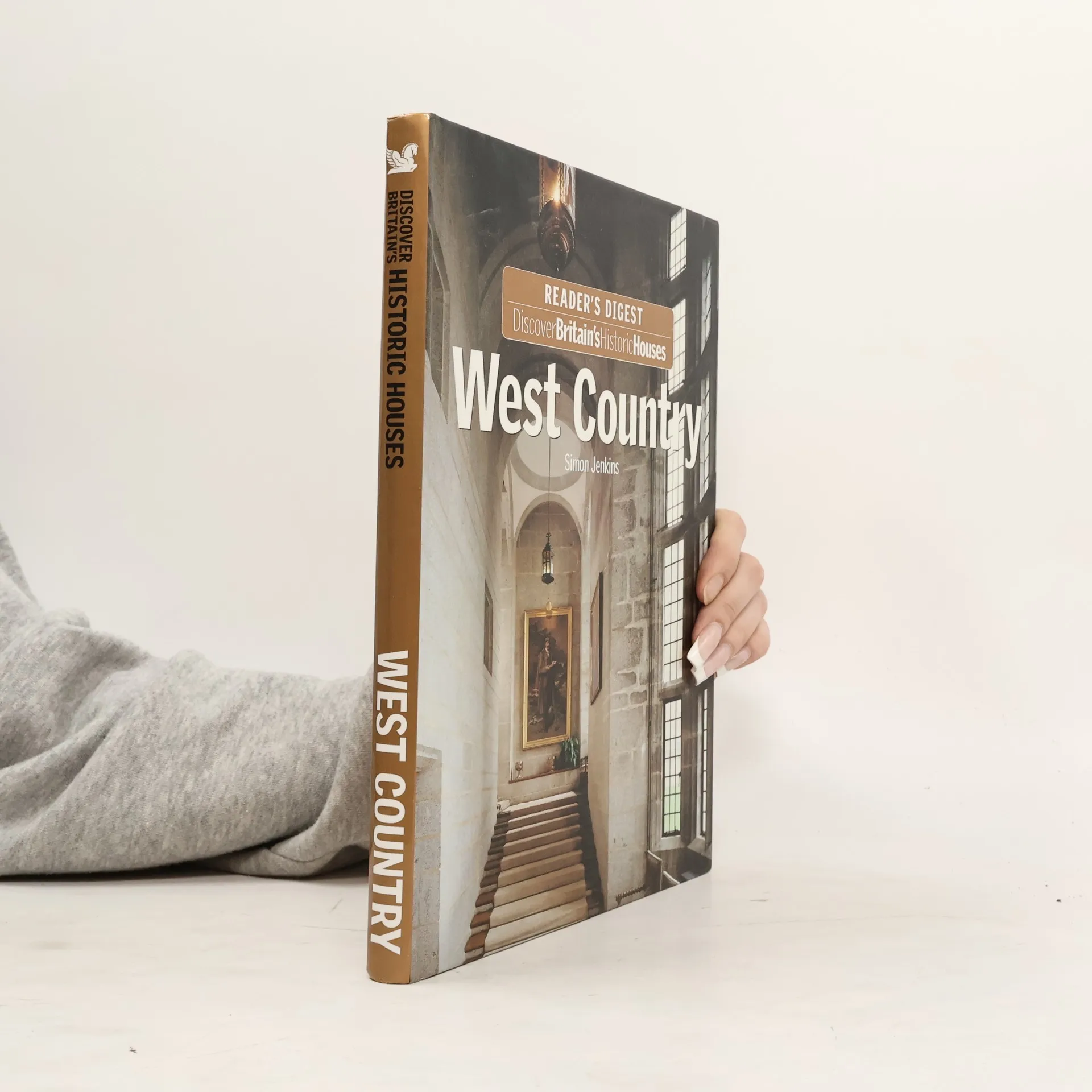
West Country
- 192 stránek
- 7 hodin čtení
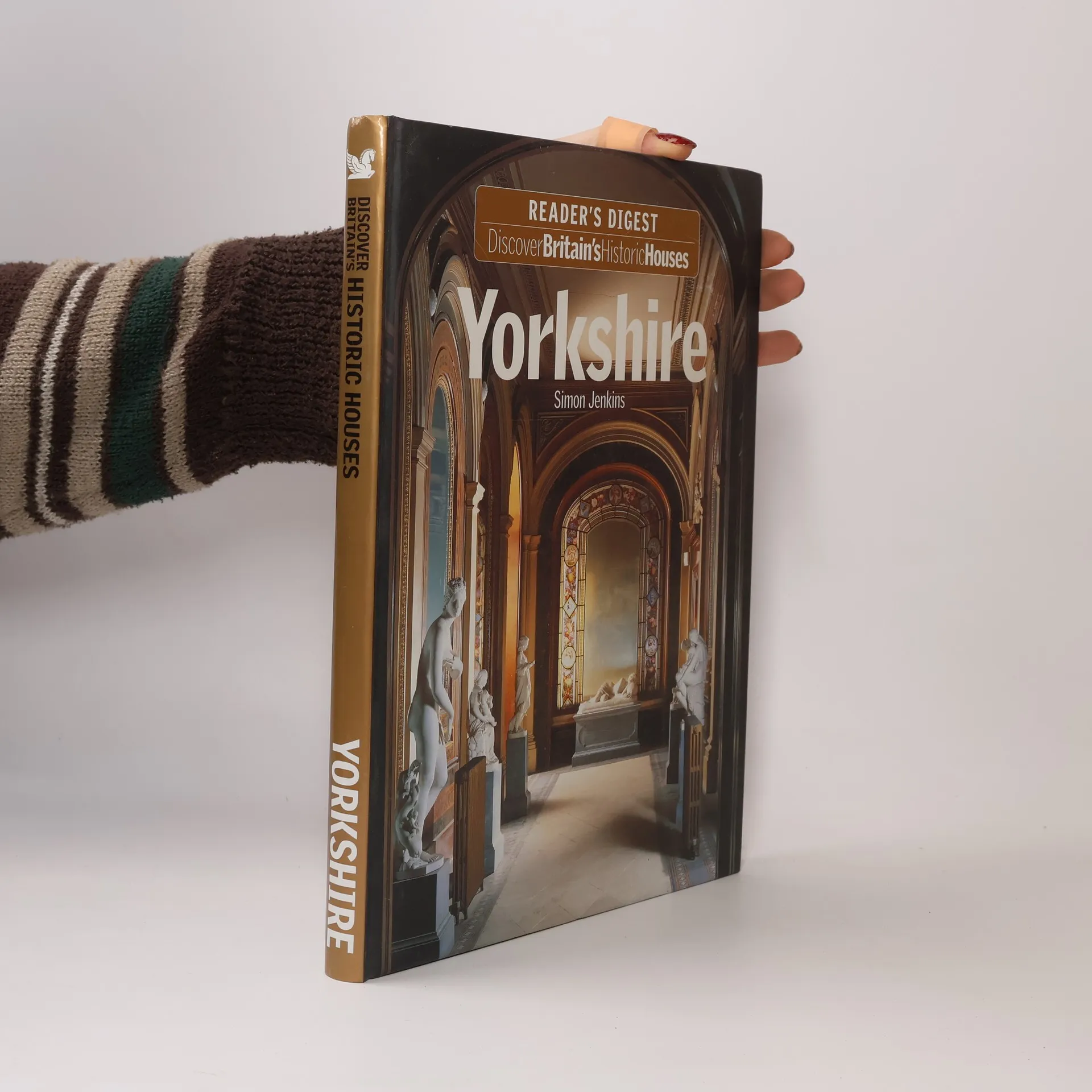
Yorkshire
- 192 stránek
- 7 hodin čtení
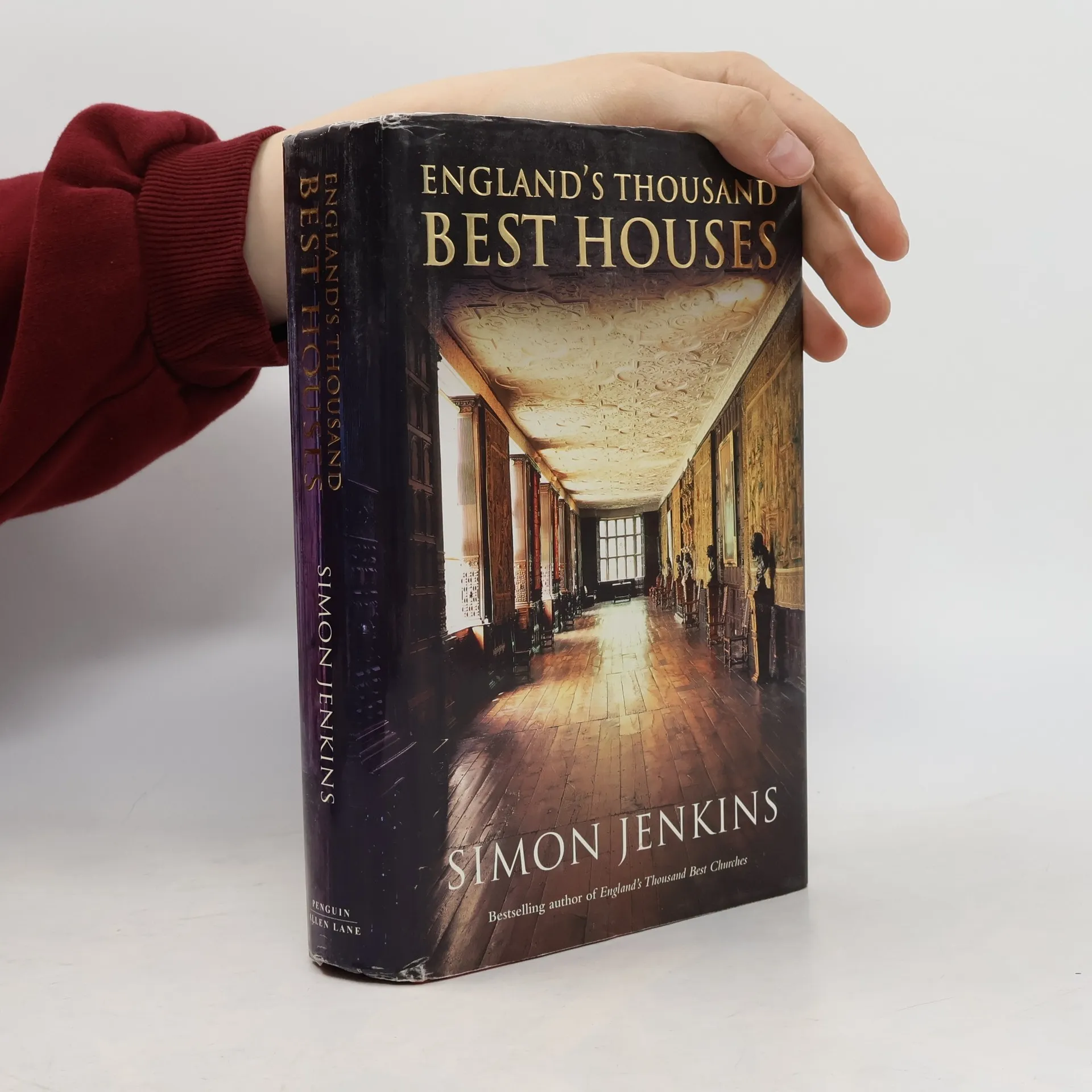
England's Thousand Best Houses
- 992 stránek
- 35 hodin čtení
England's houses are a treasure trove of riches and a unique, living record of the nation's history. This guide selects the finest palaces, mansions, halls, castles and cottages throughout the land, from the stately to the humble, in a glorious celebration of English life.
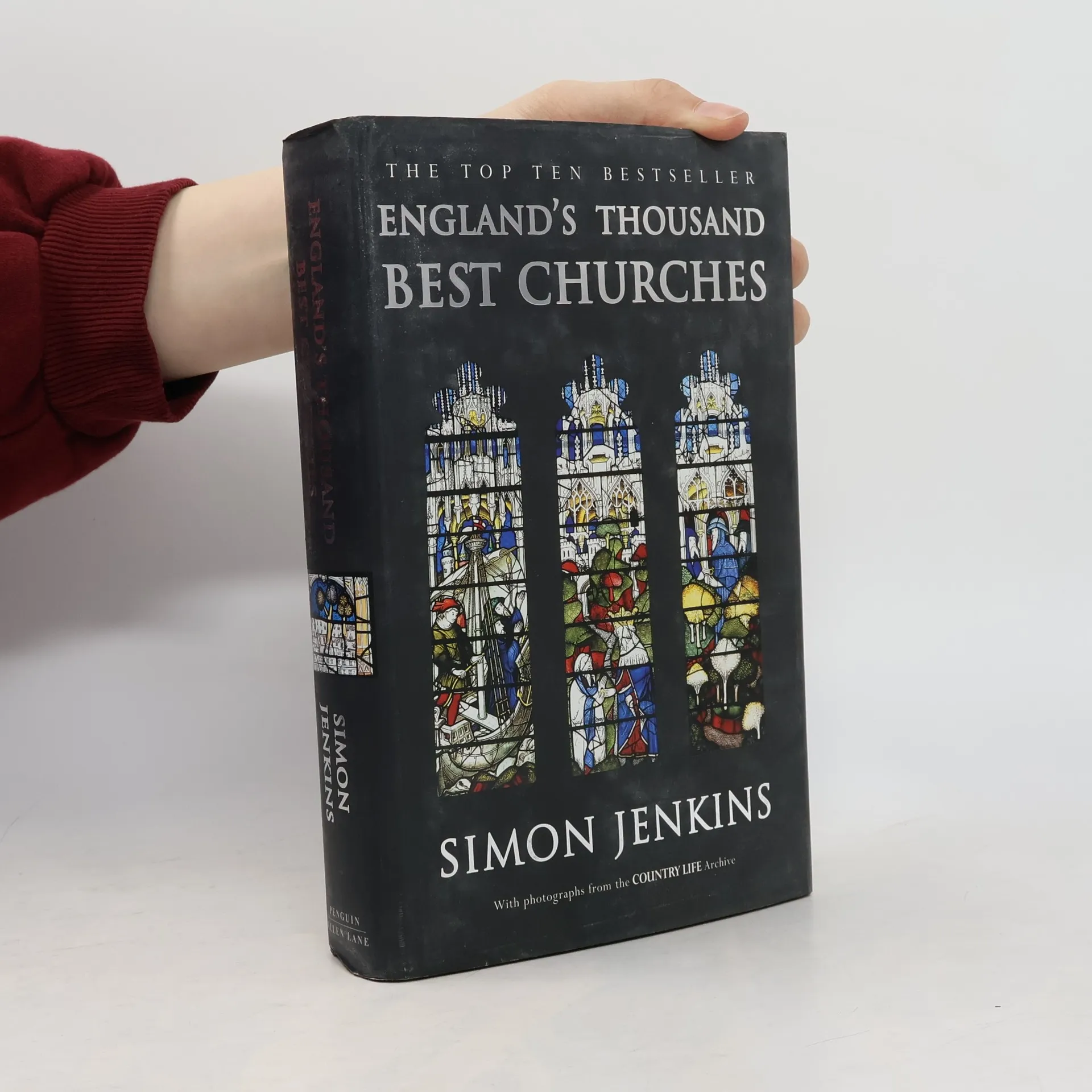
England's Thousand Best Churches
- 896 stránek
- 32 hodin čtení
Parish churches are England's glory. They enshrine the history of a people, most of whom have lived far from the capital, court and Parliament. These people - their art, architecture and faith -are seldom recorded or celebrated. The parish church is their public monument.
On This Day in History
- 272 stránek
- 10 hodin čtení
C'est l'évidence même
- 139 stránek
- 5 hodin čtení
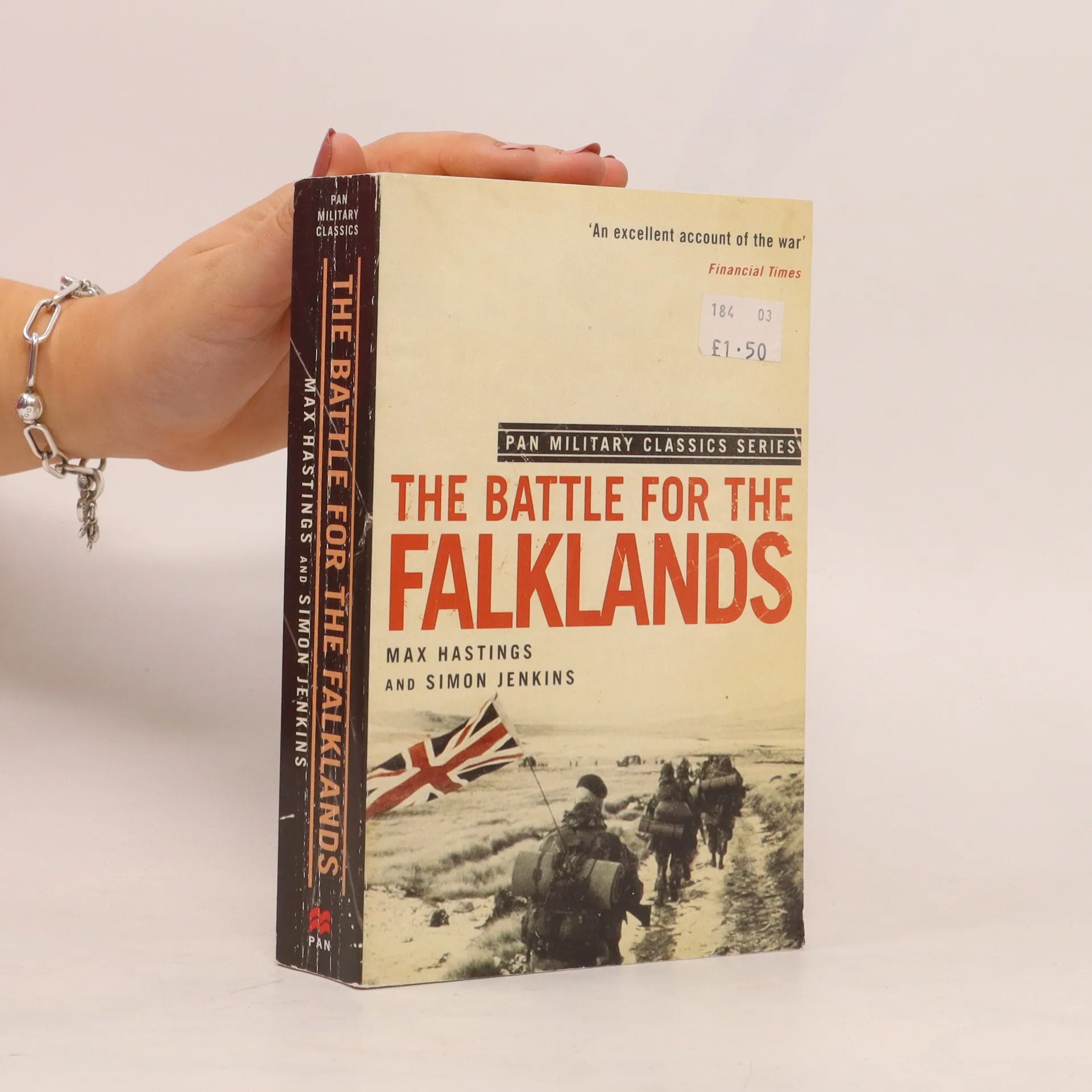
The Battle for the Falklands is a vivid chronicle of the political decision- making and military strategy during the Falklands conflict.
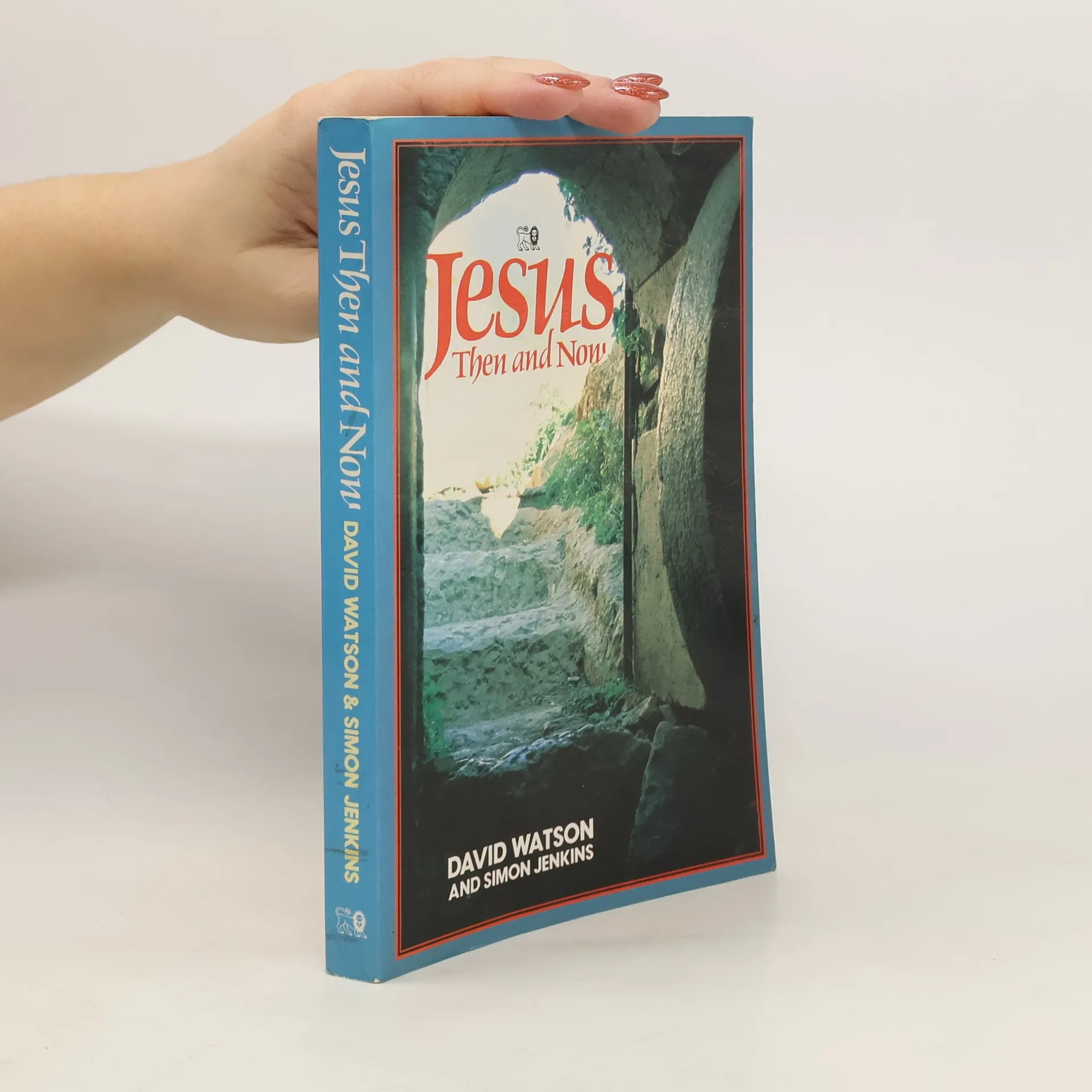
Jesus Then and Now
- 192 stránek
- 7 hodin čtení