Knihobot

Jonathan Bloom Pořadí knih (chronologicky)

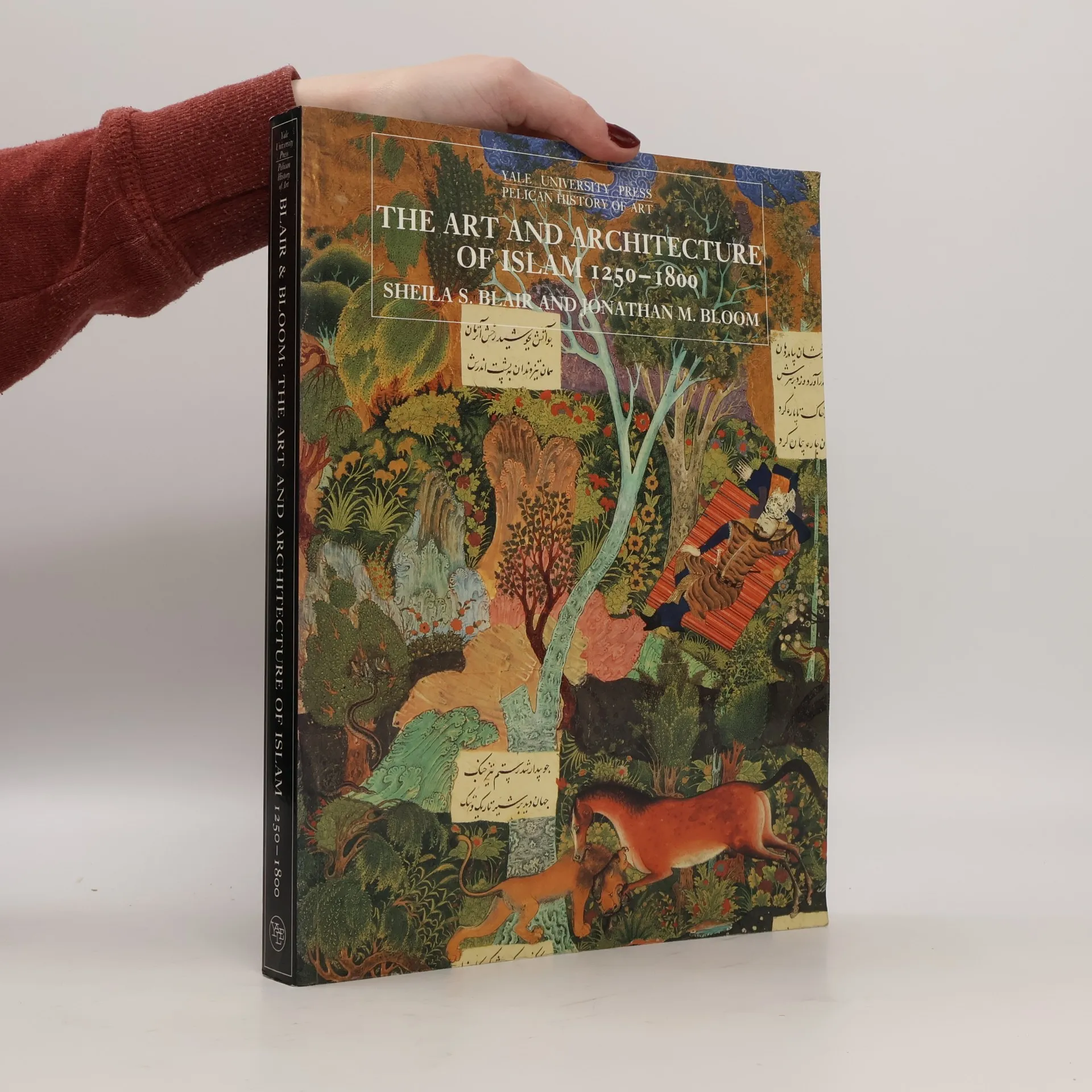
    Pelican History of Art: The Art and Architecture of Islam, 1250-1800
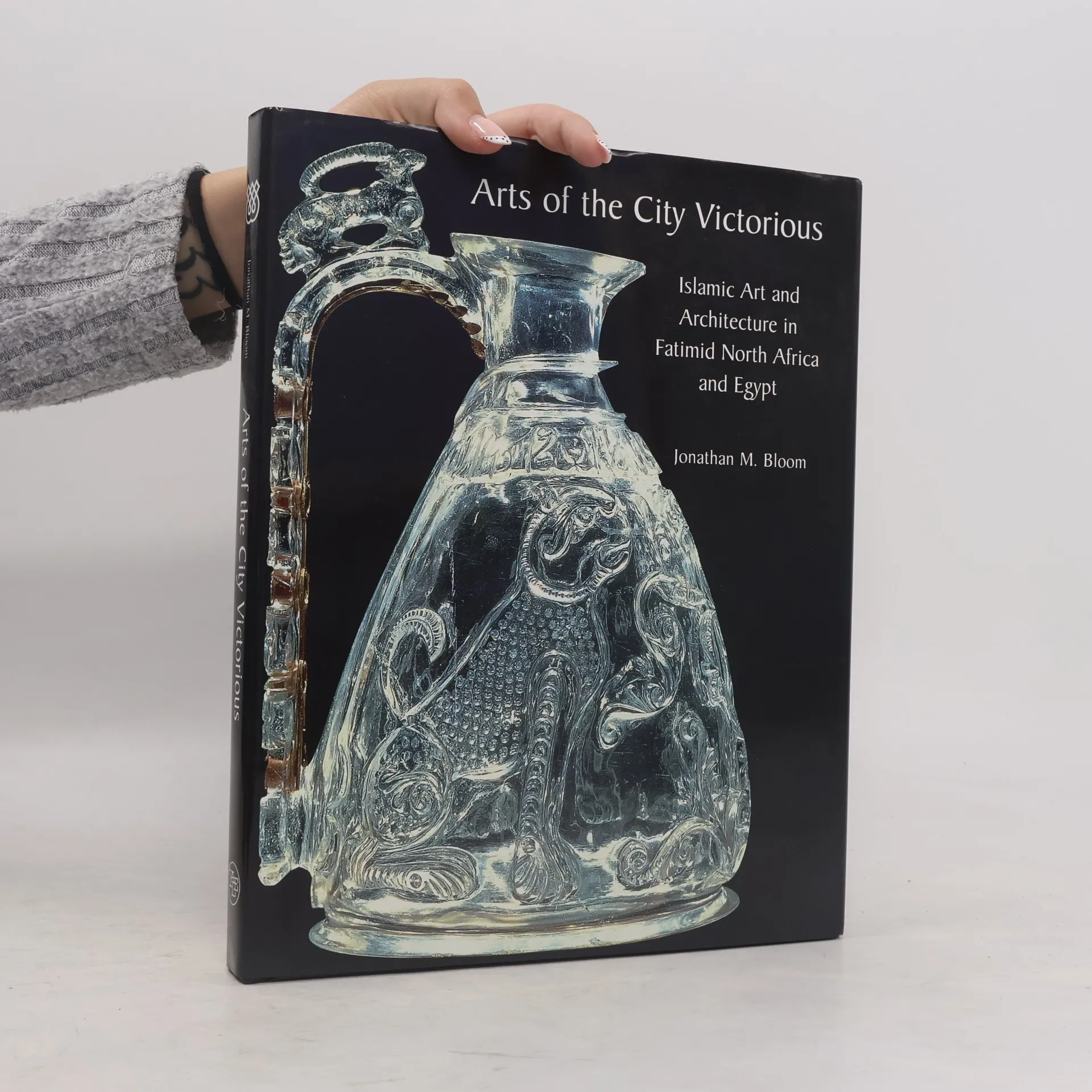
    Arts of the City Victorious
    Islamic Arts
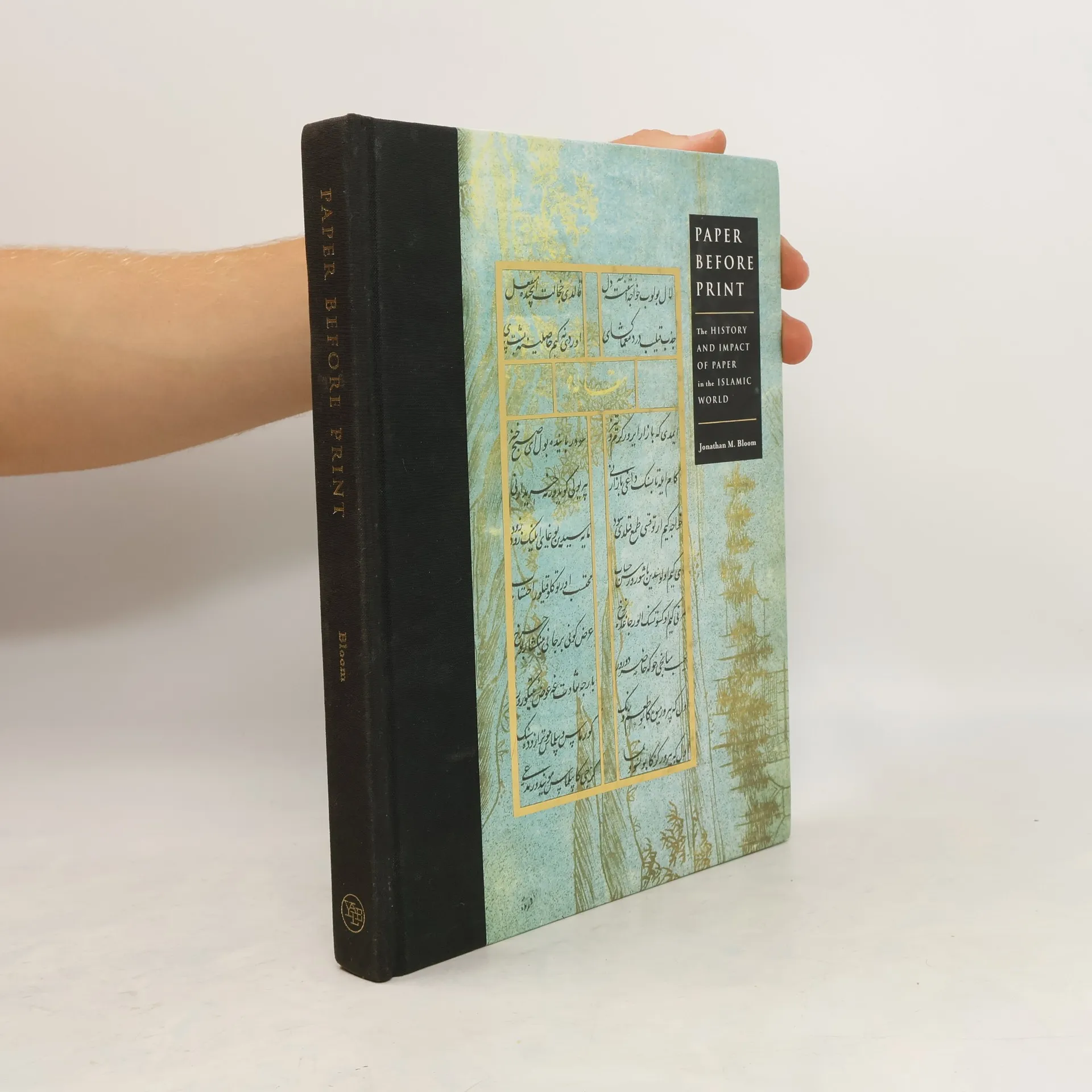
    Paper Before Print
    • Arts of the City Victorious

      Islamic Art and Architecture in Fatimid North Africa and Egypt

      • 236 stránek
      • 9 hodin čtení

      This is the first book-length study of the art and architecture of the Fatimids, the Ismaili Shi'i dynasty that ruled in North Africa and Egypt from 909 to 1171. The Fatimids are most famous for founding the city of al-Qahira (Cairo) in 969, and their art—particularly textiles and luster ceramics, but also metalwork and carved rock-crystal, ivory and woodwork—has been admired for nearly a millennium. In this engaging and accessible book, Jonathan M. Bloom concentrates on securely dated and localized examples of Fatimid art and architecture. His discussions focus on significant examples and are illustrated with over 100 photographs, many in color, and extensive notes and bibliography provide guidance for further reading and research.
      Arts of the City Victorious2007
    • Paper Before Print

      • 320 stránek
      • 12 hodin čtení

      Like the printing press, typewriter, and computer, paper has been a crucial agent for the dissemination of information. This engaging book presents an important new chapter in paper’s how its use in Islamic lands during the Middle Ages influenced almost every aspect of medieval life. Focusing on the spread of paper from the early eighth century, when Muslims in West Asia acquired Chinese knowledge of paper and papermaking, to five centuries later, when they transmitted this knowledge to Christians in Spain and Sicily, the book reveals how paper utterly transformed the passing of knowledge and served as a bridge between cultures.Jonathan Bloom traces the earliest history of paper―how it was invented in China over 2,000 years ago, how it entered the Islamic lands of West Asia and North Africa, and how it spread to northern Europe. He explores the impact of paper on the development of writing, books, mathematics, music, art, architecture, and even cooking. And he discusses why Europe was so quick to adopt paper from the Islamic lands and why the Islamic lands were so slow to accept printing in return. Together the beautifully written text and delightful illustrations (of papermaking techniques and the many uses to which paper was put) give new luster and importance to a now-humble material.

      Paper Before Print2001
      4,3
    • In this comprehensive survey, the authors highlight those characteristics that connect the various arts of all the Islamic lands, without minimizing the differences. Dividing the time into three periods: 600-900, 900-1500 and 1500-1800, they set the artistic development in each era within its historical context and use art as a window into Islamic culture. Written in a lively and accessible style, and illustrated throughout with photographs, maps and plans, the book captures the essence of Islamic culture as expressed in its buildings, books and applied arts, and provides an essential introduction to the subject for both the student and the general reader.

      Islamic Arts1997
      3,9
    • Virtually all the masterpieces of Islamic art—the Alhambra, the Taj Mahal, and the Tahmasp Shahnama—were produced during the period from the Mongol conquests in the early thirteenth century to the advent of European colonial rule in the nineteenth. This beautiful book surveys the architecture and arts of the traditional Islamic lands during this era.Conceived as a sequel to The Art and Architecture of Islam: 650-1250, by Richard Ettinghausen and Oleg Grabar, the book follows the general format of the first volume, with chronological and regional divisions and architecture treated separately from the other arts. The authors describe over two hundred works of Islamic art of this period and also investigate broader social and economic contexts, considering such topics as function, patronage, and meaning. They discuss, for example, how the universal caliphs of the first six centuries gave way to regional rulers and how, in this new world order, Iranian forms, techniques, and motifs played a dominant role in the artistic life of most of the Muslim world; the one exception was the Maghrib, an area protected from the full brunt of the Mongol invasions, where traditional models continued to inspire artists and patrons. By the sixteenth century, say the authors, the eastern Mediterranean under the Ottomans and the area of northern India under the Mughals had become more powerful, and the Iranian models of early Ottoman and Mughal art gradually gave way to distinct regional and imperial styles. The authors conclude with a provocative essay on the varied legacies of Islamic art in Europe and the Islamic lands in the nineteenth and twentieth centuries.

      Pelican History of Art: The Art and Architecture of Islam, 1250-18001995