

Seamus Heaney, Denis Donoghue, William Pritchard, Harold Bloom, and many others have praised the author as one of the most attentive readers of poetry. In this title, she turns her illuminating skills as a critic to 150 selected poems of Emily Dickinson. She serves as a guide, considering the stylistic and imaginative features of the poems.
Helen Vendler Pořadí knih (chronologicky)
30. duben 1933 – 23. duben 2024
Helen Vendler se zaměřuje na kritickou analýzu poezie, přičemž její práce se vyznačuje hlubokým vhledem do formy a jazyka lyrické tvorby. Zkoumá zejména díla předních světových básníků a odhaluje nuance jejich veršů. Její eseje se ponořují do podstaty lyrické formy a hledají její skryté struktury. Vendler svým přístupem obohacuje chápání poezie a jejího neustále se vyvíjejícího charakteru.

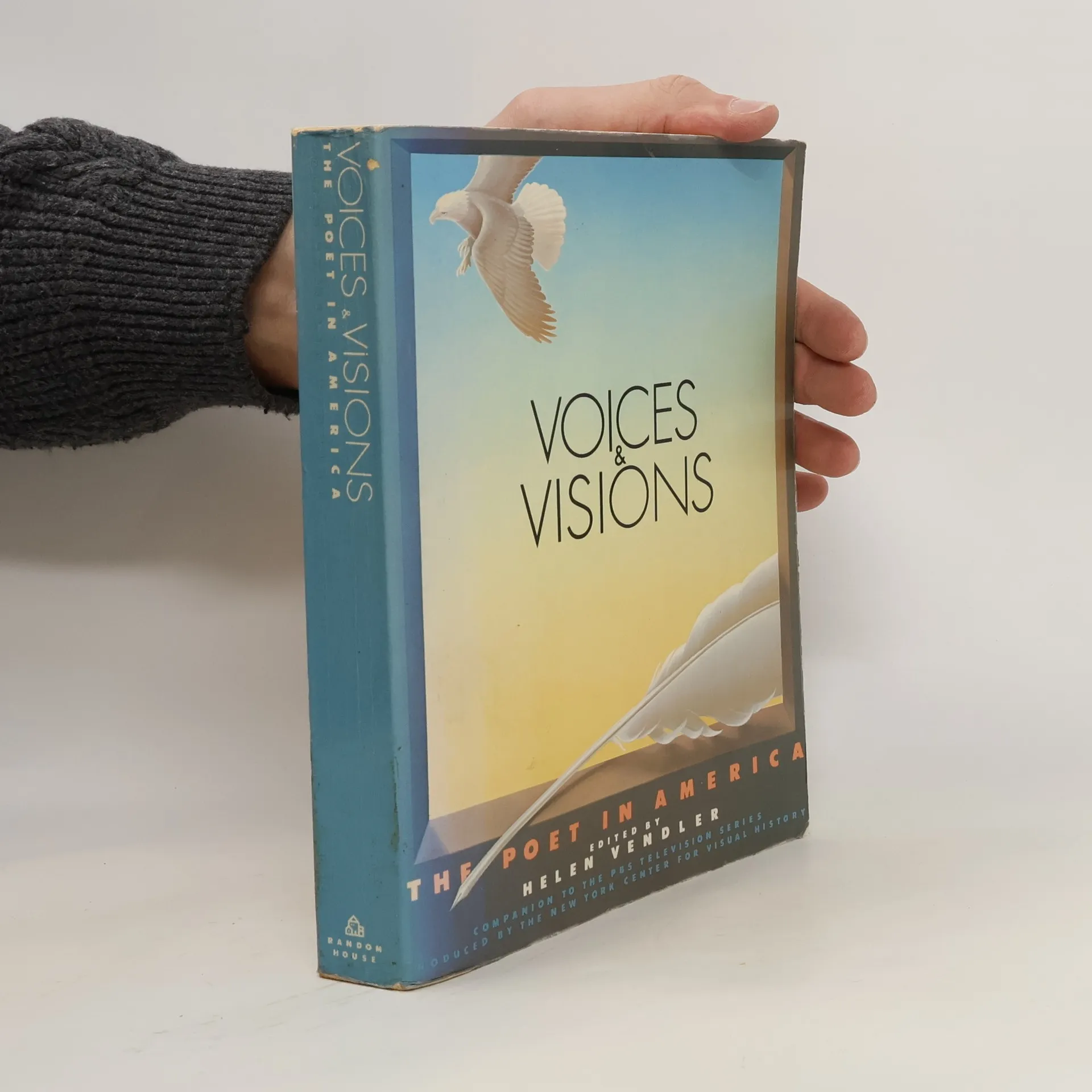
Series; Themen / Carl Friedrich von Siemens Stiftung ; Bd. 88. Physical description; 87 p. : ill. ; 21 cm. Notes; Expanded version of material originally presented at Carl Friedrich Siemens Stiftung, Munich, Germany, June 1, 2006. Includes bibliographical references. Includes text of Yeats's Supernatural songs in English with German translation on facing pages. Subjects; Yeats, William Butler (1865-1939). - Supernatural songs. Yeats, William Butler - Supernatural songs. Primitivism in literature. Genres; Bibliography. Illustrated.
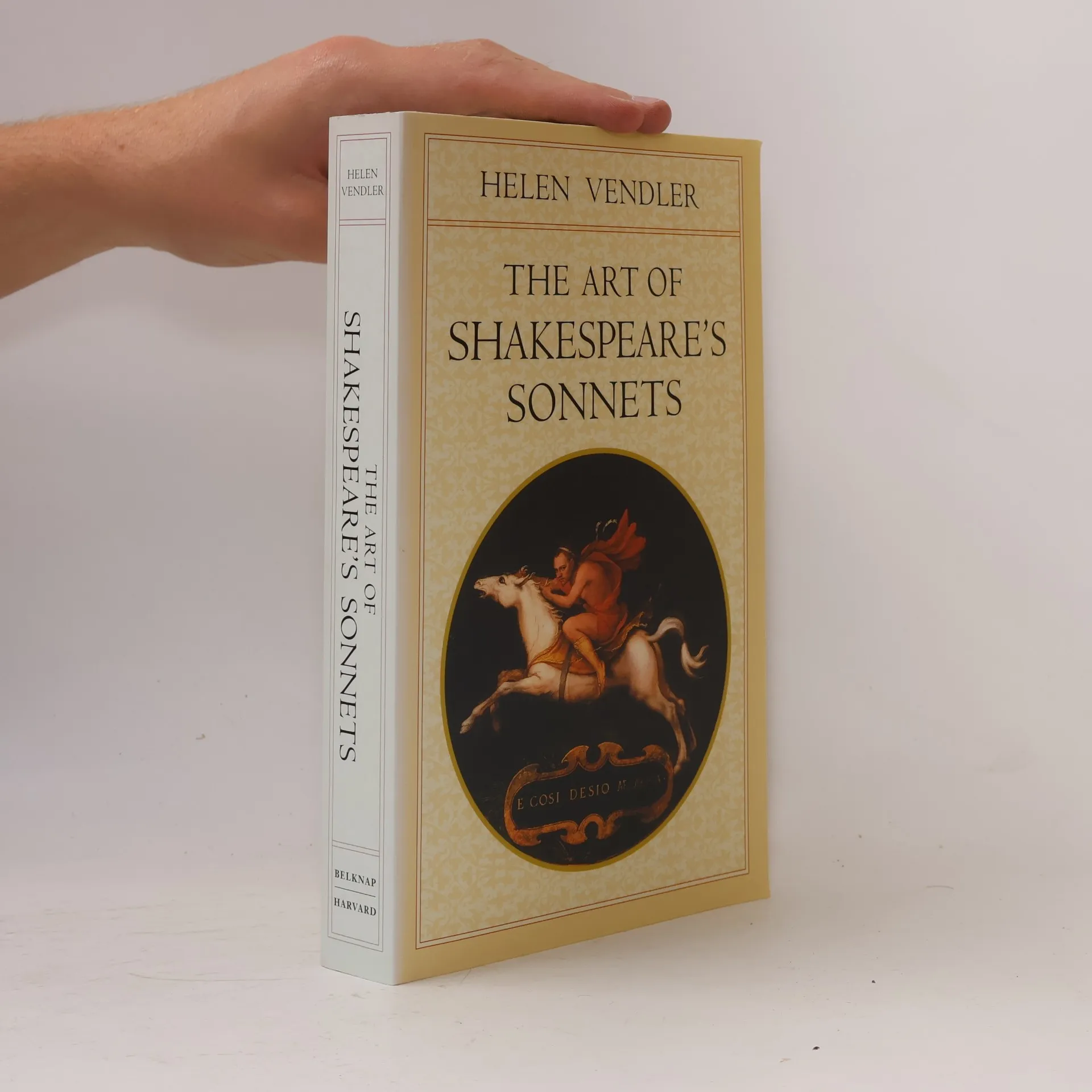
The Art of Shakespeare's Sonnets
- 696 stránek
- 25 hodin čtení
This text aims to provide a guide to the sonnets of Shakespeare. Commentaries, presented alongside the original text and a modernized version, offer perspectives on individual poems, stylistic features and ironic capacity.
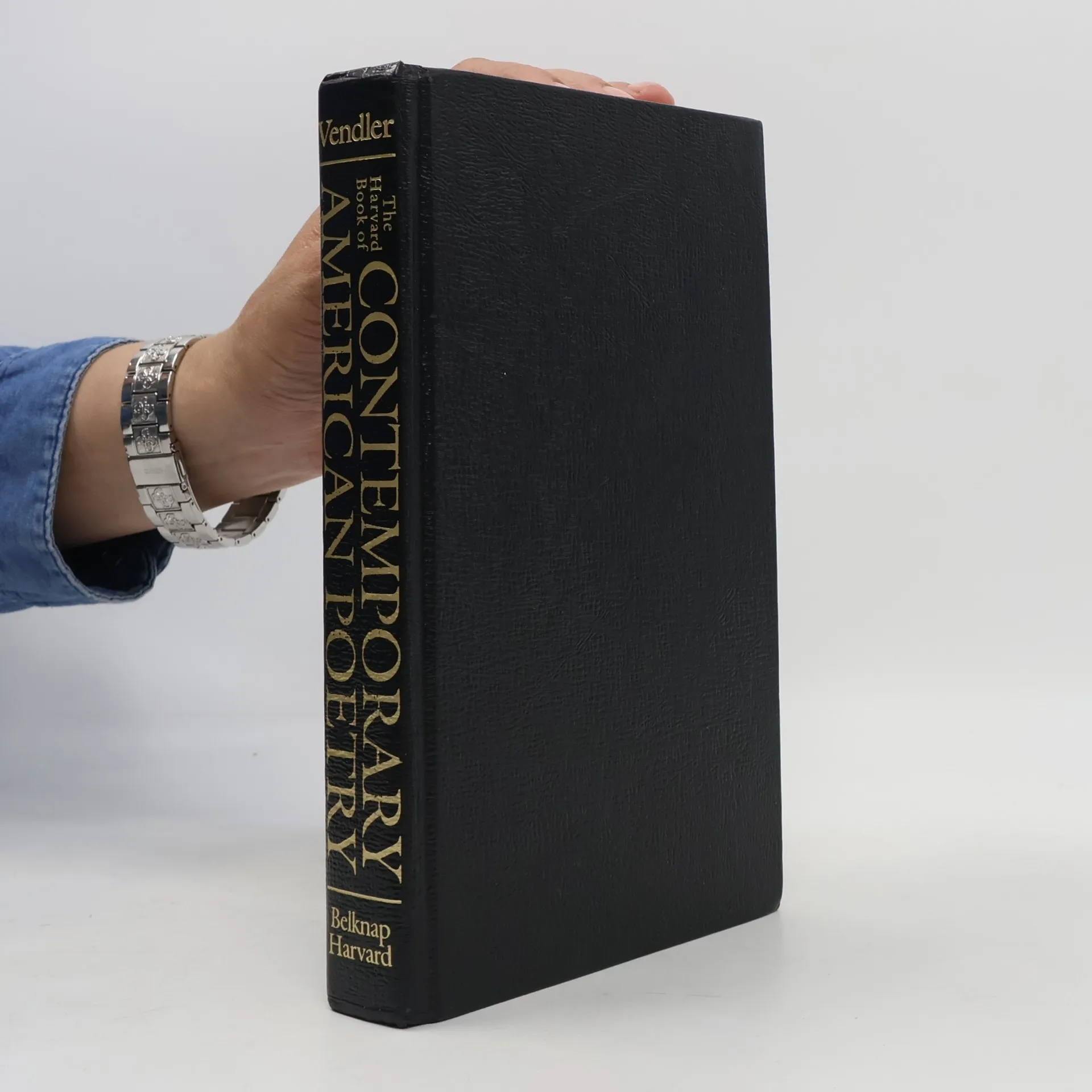
Join Professor Helen Vendler in her course lecture on the Yeats poem "Among School Children". View her insightful and passionate analysis along with a condensed reading and student comments on the course. The poetry collected in this volume reveals the range and power of the contemporary American imagination. The verve, freedom, and boldness of American English are combined with the new harmonies of modern cadence. Here are distillations of twentieth-century perception, feeling, and thought, and reflections of changing social realities, scientific and psychoanalytic insights, and the strong voices of feminism and black consciousness. This is a book for those who value fresh and original poetry and for readers worldwide who are curious about contemporary American experience. Helen Vendler relies on her own taste and judgment in singling out excellent poems, beginning with the late modernist flowering of Wallace Stevens and continuing to the present. Her wide-ranging Introduction places recent American poetry in its aesthetic and social contexts. The anthology provides an extensive offering of the work of major poets and introduces many writers who are only now beginning to make their reputation. Thirty-five poets are included, with a representative selection from the earlier to later work of each and a significant number of long poems. Brief biographies of the poets are appended.