

Knihobot

Simon Monk

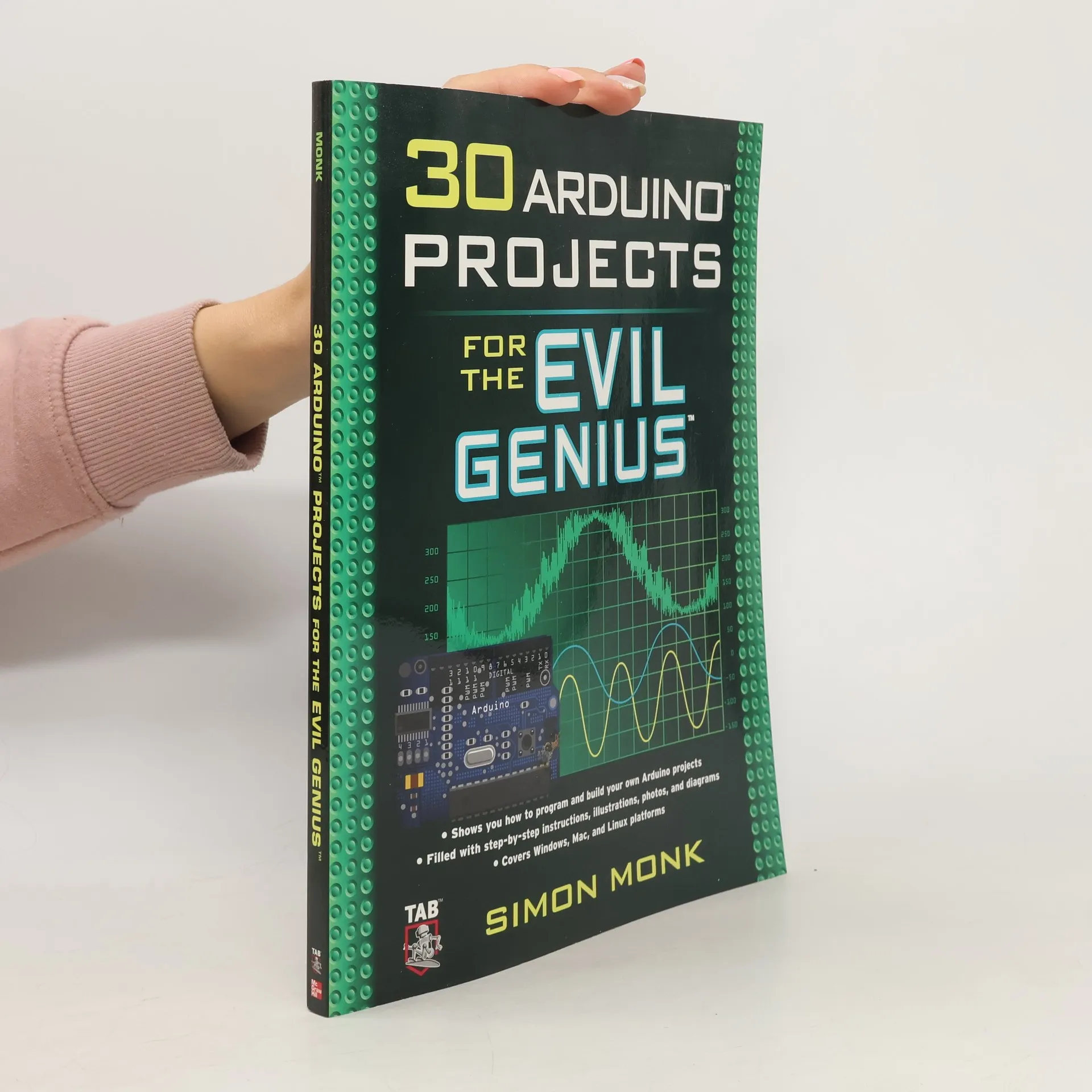
    30 Arduino Projects for the Evil Genius
    Arduino + Android Projects for the Evil Genius: Control Arduino with Your Smartphone or Tablet
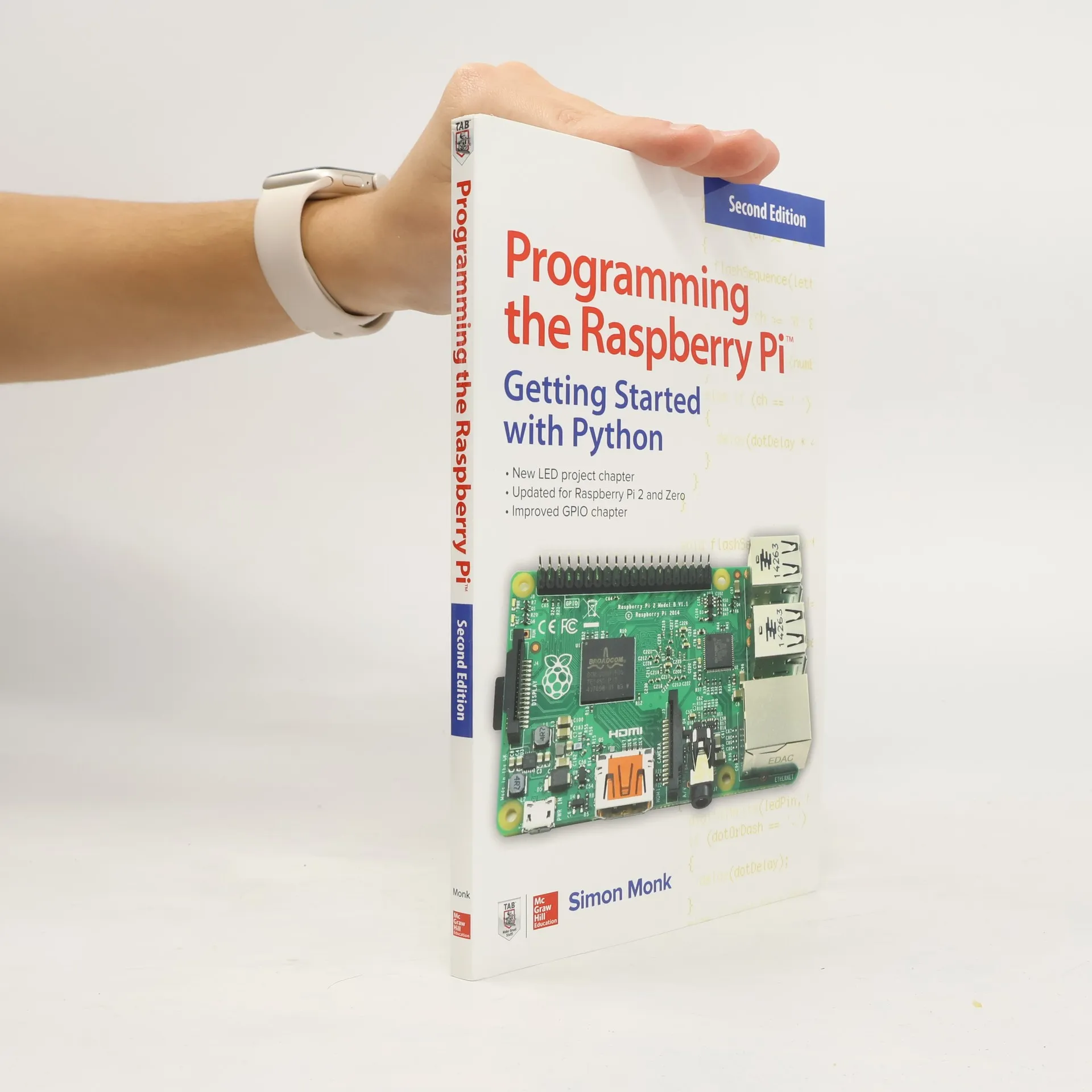
    Programming the Raspberry Pi, Third Edition: Getting Started with Python
    30 Arduino Projects for the Evil Genius, Second Edition
    Make Your Own PCBs with EAGLE: From Schematic Designs to Finished Boards
    Practical electronics for inventors
    • 2023

      An up-to-date guide to Arduino programming--no experience required! This fully updated guide shows, step by step, how to quickly and easily program all Arduino models using its modified C language and the Arduino IDE. You will learn how to configure hardware and software, write your own sketches, work with built-in and custom Arduino libraries, and develop apps for the Internet of Things. This edition features new coverage of using Arduino as a framework for programming other popular boards. Electronics guru Simon Monk gets you up to speed quickly, teaching all concepts and syntax through simple language and clear instruction designed for absolute beginners. Programming Arduino: Getting Started with Sketches, Third Edition features dozens of easy-to-follow examples and high-quality illustrations. All of the sample sketches featured in the book can be used as-is or modified to suit the reader's needs. Screenshots, diagrams, and source code illustrate each technique All sample programs in the book are available for download Written by a well-known hobbyist and experienced author

      Programming Arduino: Getting Started with Sketches, Third Edition
    • 2022

      Arduino jest bardzo prostym komputerem, który można wykorzystać w najróżniejszych gadżetach wykonywanych w zaciszu własnego domu. Potrafi komunikować się z komputerem, posiada także złącza służące do podłączania zewnętrznych elementów elektronicznych, takich jak silniki, przekaźniki, fotodiody, diody laserowe, głośniki, mikrofony itp. Oprogramowanie służące do programowania Arduino jest łatwe w użyciu i jest dostępne za darmo na platformy Windows, Mac i Linux. Przy tym wszystkim Arduino jest bardzo prosty w rozbudowie o kolejne elementy. Dzięki temu łatwo może posłużyć do budowy najprzeróżniejszych robotów, sterowników, czujników czy interfejsów do komunikacji z innymi urządzeniami. Dodatkowo Arduino jest znakomitym, ciekawym i bardzo przyjemnym sposobem na nauczenie się podstaw elektroniki, informatyki bądź programowania.

      Arduino dla początkujących. Podstawy i szkice w.2
    • 2021

      W pewnych kwestiach nic się nie zmienia - Arduino pozostaje praktycznym, tanim mikrokontrolerem, który może komunikować się ze światem zewnętrznym i obsługiwać przeróżne urządzenia elektroniczne. Daje też pole do popisu licznym amatorom i hobbystom. Środowisko programistyczne wciąż ma prosty interfejs, a programowanie płytki samo w sobie jest łatwym zadaniem nawet dla ludzi bez doświadczenia w pisaniu kodu. Zmiany w świecie Arduino dotyczą większych możliwości oraz sukcesywnie dodawanych funkcjonalności, takich jak obsługa bibliotek, czy kolejnych interfejsów. To drugie, starannie zaktualizowane wydanie przewodnika po programowaniu Arduino, przeznaczonego dla osób, które opanowały podstawy i chcą zdobyć umiejętności na wyższym, profesjonalnym poziomie. W książce dodatkowo ujęto zagadnienia wykorzystania Arduino do komunikacji z urządzeniami szeregowymi oraz z internetem rzeczy (IoT). Dowiesz się również, jak używać środowiska programistycznego Arduino do programowania kompatybilnych płytek. Prezentowane treści zostały zilustrowane praktycznymi przykładami stosowania omówionych technik. Nie zabrakło licznych kodów do pobrania, które ułatwią Ci pracę z nawet bardzo ambitnymi projektami. Dzięki książce dowiesz się, jak: konfigurować Arduino IDE i tworzyć efektywne szkice poprawić wydajność pracy przy zmniejszeniu natężenia prądu pobieranego przez Arduino pracować z różnymi interfejsami: I2C, 1-Wire, SPI, a także z układem TTL, USB i UART korzystać z Ethernetu, Bluetootha i DSP oraz z zasobów internetu tworzyć i udostępniać własne biblioteki Zostań mistrzem Arduino!

      Arduino dla początkujących. Kolejny krok. wyd.2
    • 2021

      An up-to-date guide to creating your own fun and useful Raspberry PiTM programs This fully updated guide shows how to create inventive programs and fun games on your powerful Raspberry Pi—with no programming experience required. Programming the Raspberry PiTM: Getting Started with Python, Third Edition addresses physical changes and new setup procedures as well as OS updates to the current version 4. You will discover how to configure hardware and software, write Python scripts, create user-friendly GUIs, and control external electronics. Step-by-step projects include a digital clock prototype and a fully functioning Raspberry Pi robot. Configure your Raspberry Pi and explore its features Start writing and debugging Python programs Use strings, lists, functions, and dictionaries Work with modules, classes, and methods Apply object-oriented development methods Create user-friendly games using Pygame Build intuitive user interfaces with guizero Interface with hardware using the gpiozero library Attach external electronics through the GPIO port Add powerful Web features to your projects

      Programming the Raspberry Pi, Third Edition: Getting Started with Python
    • 2017

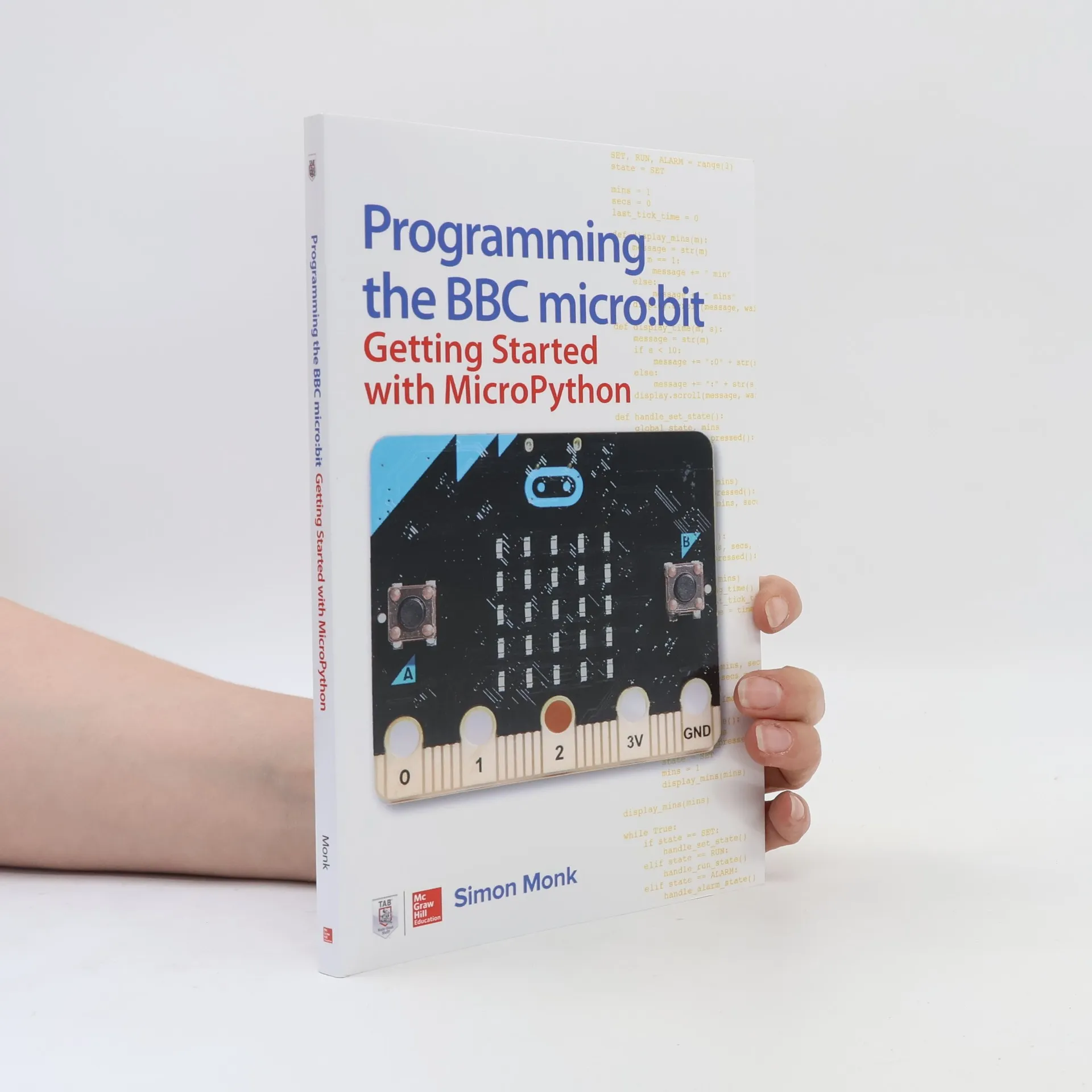
      Publisher's Note: Products purchased from Third Party sellers are not guaranteed by the publisher for quality, authenticity, or access to any online entitlements included with the product. Quickly write innovative programs for your micro:bit—no experience necessary! This easy-to-follow guide shows, step-by-step, how to quickly get started with programming and creating fun applications on your micro:bit.. Written in the straightforward style that Dr. Simon Monk is famous for, Programming the BBC micro:bit: Getting Started with MicroPython begins with basic concepts and gradually progresses to more advanced techniques. You will discover how to use the micro:bit's built-in hardware, use the LED display, accept input from sensors, attach external electronics, and handle wireless communication. •Connect your micro:bit to a computer and start programming!•Learn how to use the two most popular MicroPython editors •Work with built-in functions and methods—and see how to write your own•Display text, images, and animations on the micro:bit’s LED matrix•Process data from the accelerometer, compass, and touch sensor•Control external hardware by attaching it to the edge connector•Send and receive messages via the built-in radio module•Graphically build programs with the JavaScript Blocks Editor
      Programming the BBC micro:bit: Getting Started with MicroPython
    • 2016

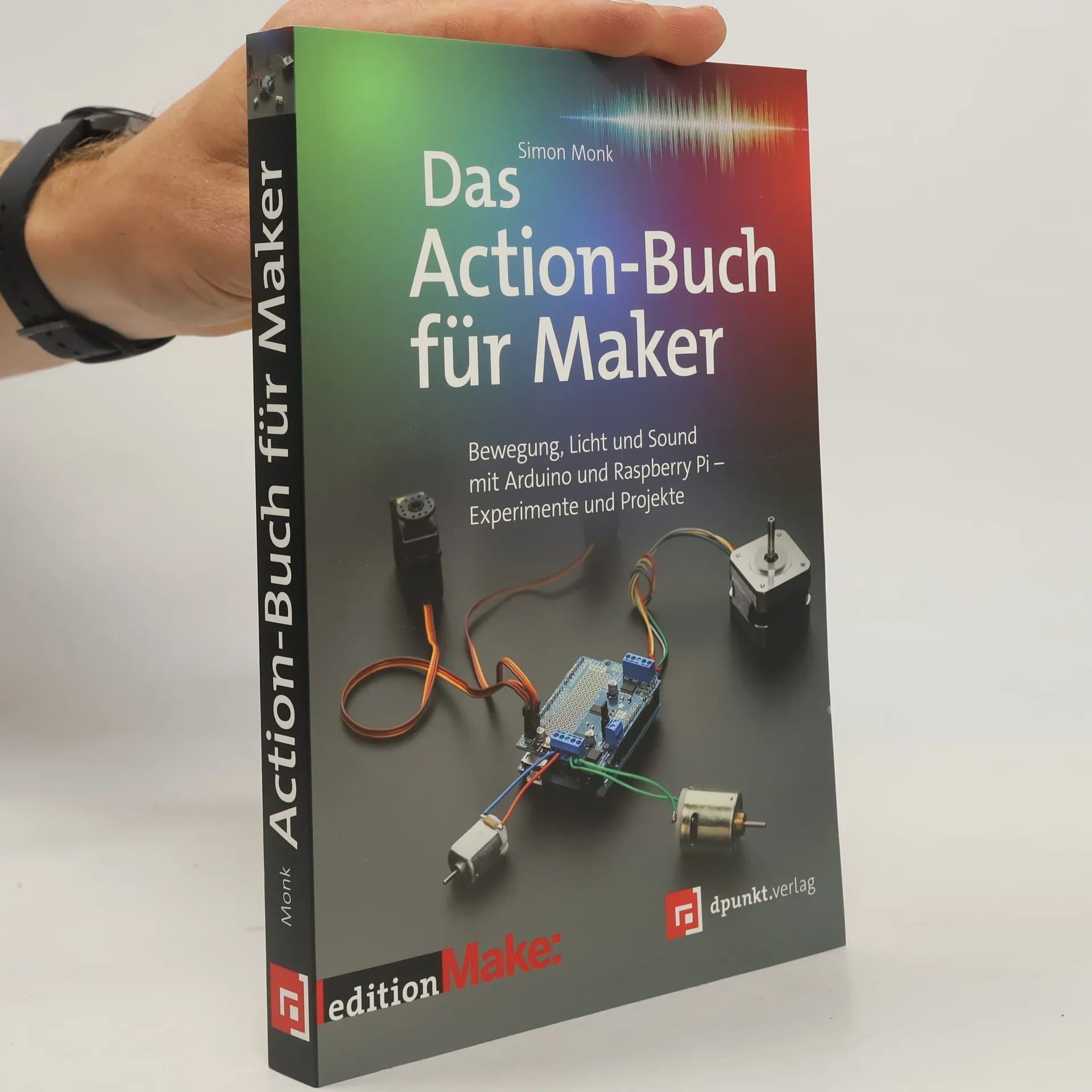
      Pendant zum erfolgreichen "Sensoren"-Buch- Einziges Buch, dass sich systematisch mit Aktoren beschäftigt- Erfolgsautor und Profi-Maker Simon Monk..

      Das Action-Buch für Maker
    • 2016

      The Maker's Guide to the Zombie Apocalypse

      • 296 stránek
      • 11 hodin čtení
      3,6(79)Ohodnotit

      Where will you be when the zombie apocalypse hits? Trapping yourself in the basement? Roasting the family pet? Beheading reanimated neighbors?No way. You’ll be building fortresses, setting traps, and hoarding supplies, because you, savvy survivor, have snatched up your copy of The Maker's Guide to the Zombie Apocalypse before it’s too late. This indispensable guide to survival after Z-day, written by hardware hacker and zombie anthropologist Simon Monk, will teach you how to generate your own electricity, salvage parts, craft essential electronics, and out-survive the undead.,p>Take charge of your –Monitor zombie movement with trip wires and motion sensors–Keep vigilant watch over your compound with Arduino and Raspberry Pi surveillance systems–Power zombie defense devices with car batteries, bicycle generators, and solar powerEscape imminent –Repurpose old disposable cameras for zombie-distracting flashbangs–Open doors remotely for a successful sprint home–Forestall subplot disasters with fire and smoke detectorsCommunicate with other –Hail nearby humans using Morse code–Pass silent messages with two-way vibration walkie-talkies–Fervently scan the airwaves with a frequency hopperFor anyone from the budding maker to the keen hobbyist, The Maker’s Guide to the Zombie Apocalypse is an essential survival tool.Uses the Arduino Uno board and Raspberry Pi Model B+ or Model 2

      The Maker's Guide to the Zombie Apocalypse
    • 2014

      "Fully updated coverage of PCB design and construction with EAGLE. This thoroughly revised, easy-to-follow guide shows, step-by-step, how to create your own professional-quality PCBs using the latest versions of EAGLE. Make your own PCBs with Eagle: from schematic designs to finished boards, Second Edition, guides you through the process of a developing a schematic, transforming it into a PCB layout, and submitting Gerber files to a manufacturing service to fabricate your finished board. Four brand-new chapters contain advanced techniques, tips, and features. Downloadable DIY projects include a sound level meter, Arduino shield, Raspberry Pi expansion board, and more!"--Page 4 of cover

      Make Your Own PCBs with EAGLE: From Schematic Designs to Finished Boards
    • 2013