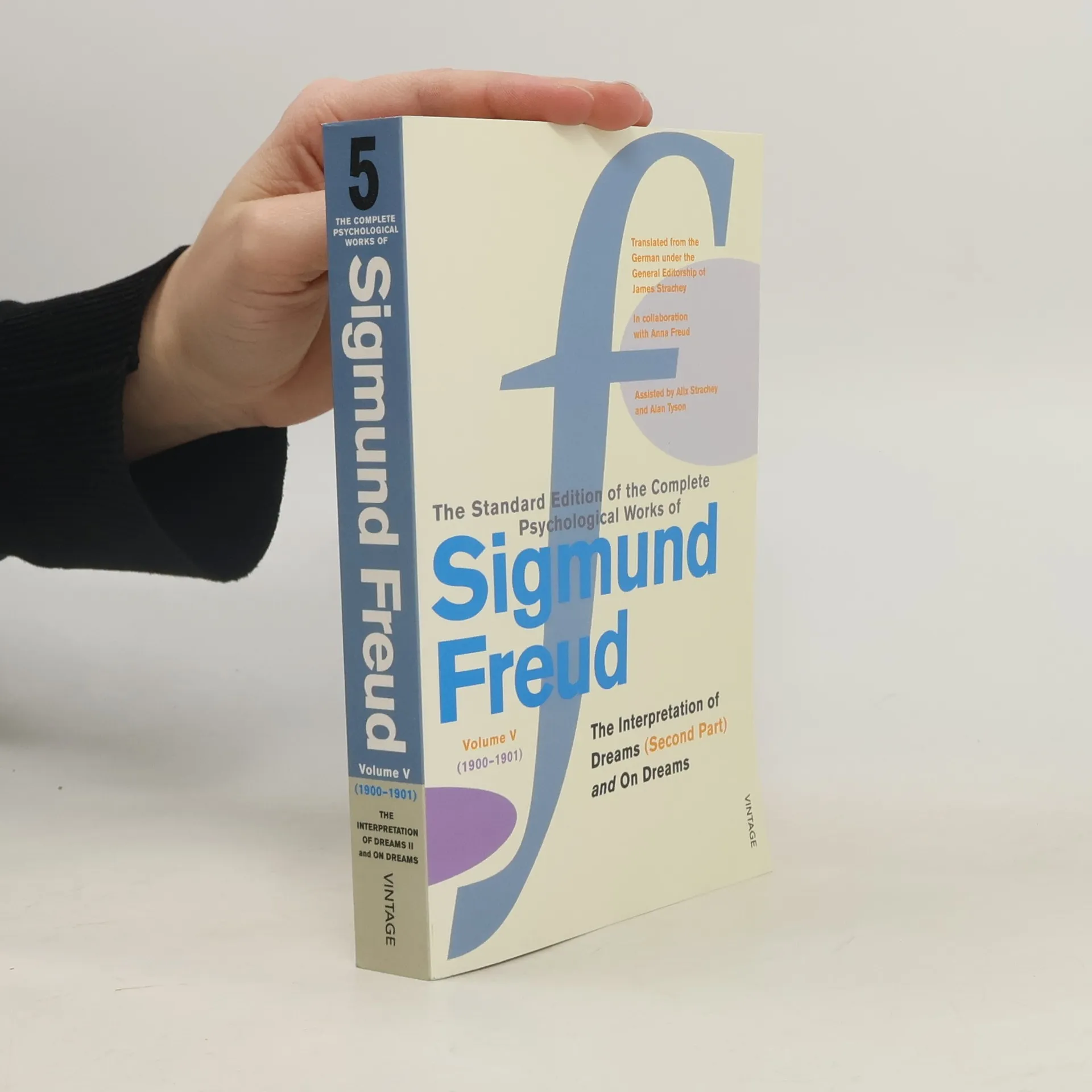
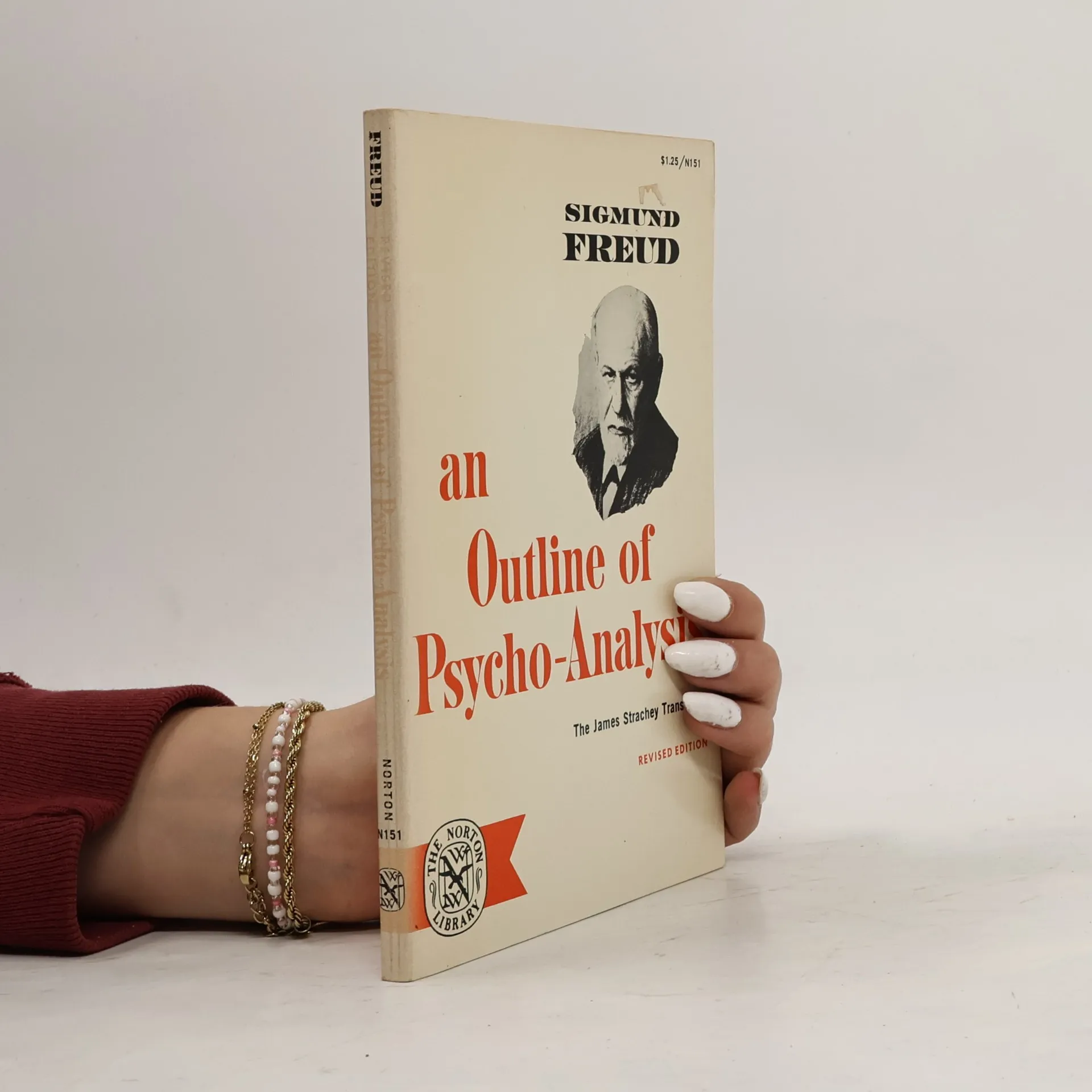
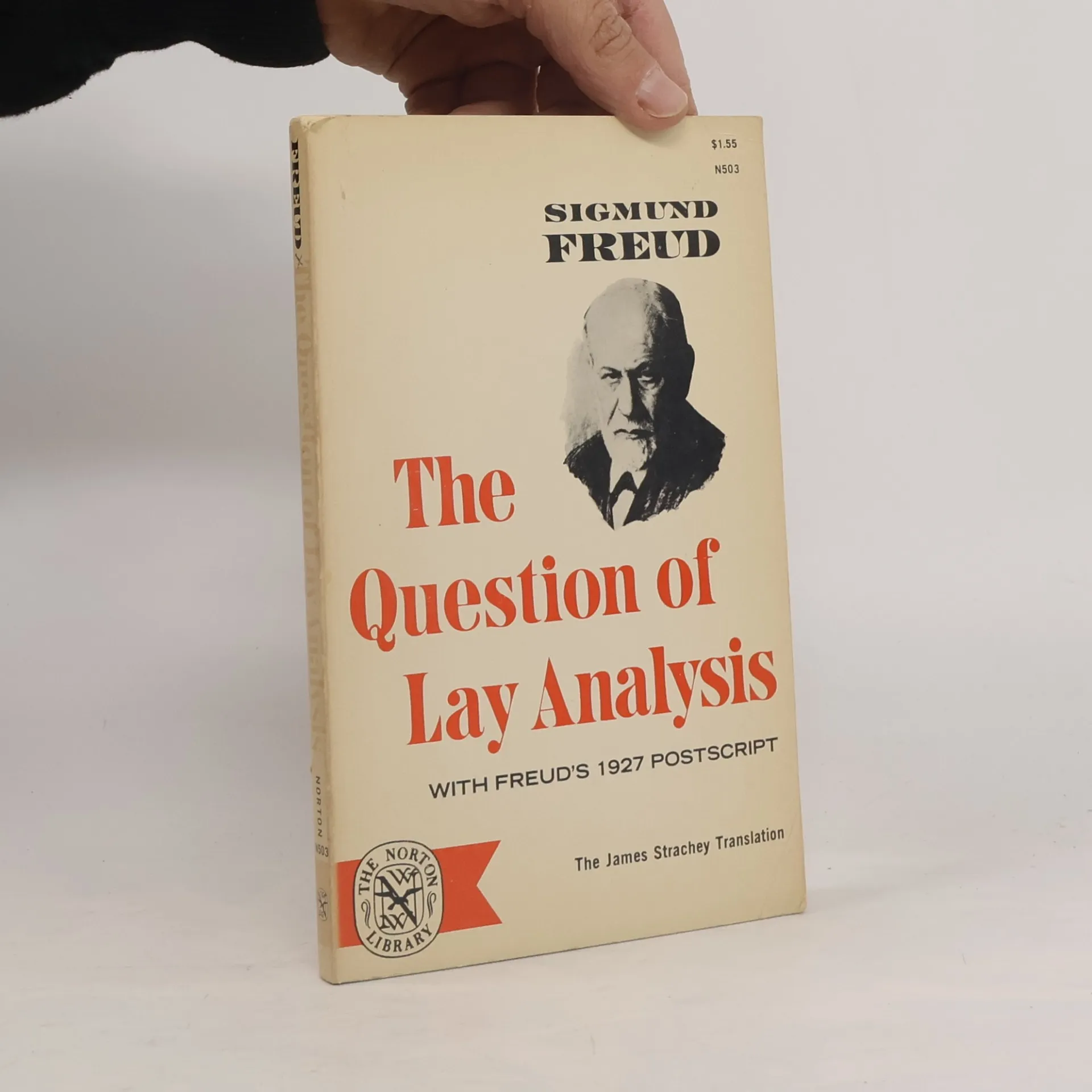
The Standard Edition of the complete works of the father of psychoanalysis - the only definitive paperback edition on the market. Translated from the German under the General Editorship of James Strachey; in collaboration with Anna Freud; assisted by Alix Strachey and Alan Tyson.
Freud approved the overall editorial plan, specific renderings of key words and phrases, and the addition of valuable notes, from bibliographical and explanatory. Many of the translations were done by Strachey himself; the rest were prepared under his supervision. The result was to place the Standard Edition in a position of unquestioned supremacy over all other existing versions.Newly designed in a uniform format, each new paperback in the Standard Edition opens with a biographical essay on Freud's life and work--along with a note on the individual volume--by Peter Gay, Sterling Professor of History at Yale.
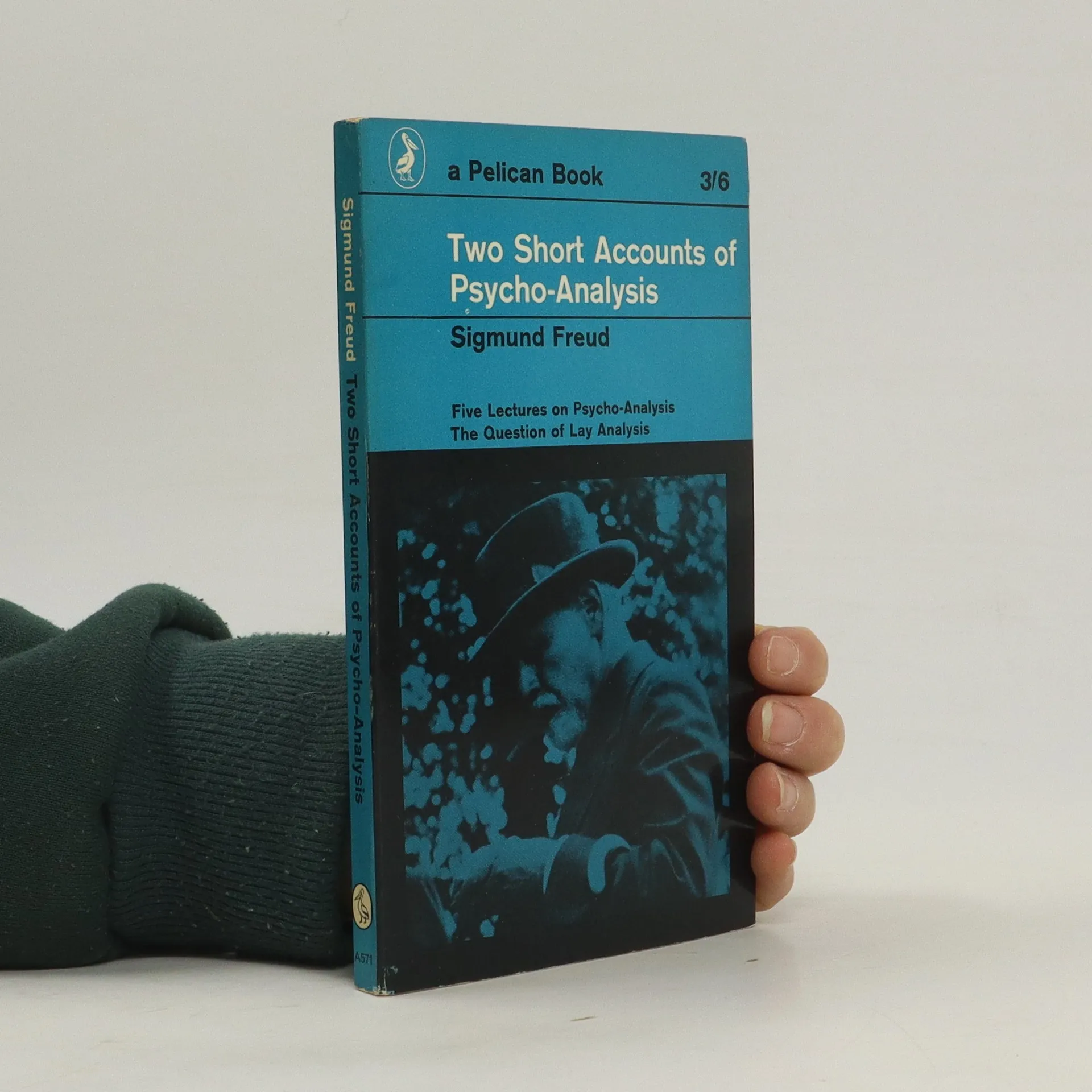
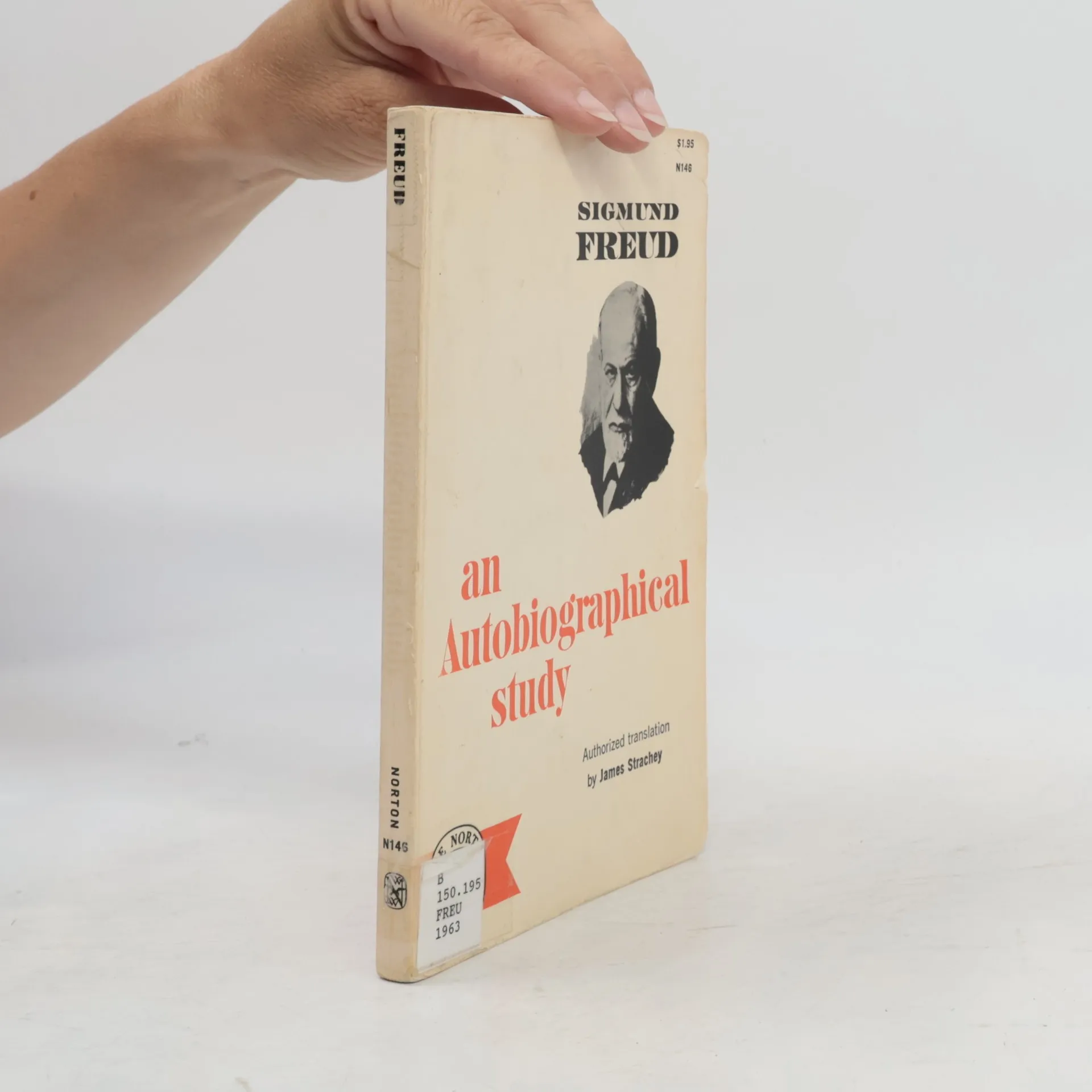
These two short accounts, written respectively in 1909 and 1926, are a good introduction to psychoanalysis for the general reader, for whom they were originally prepared.
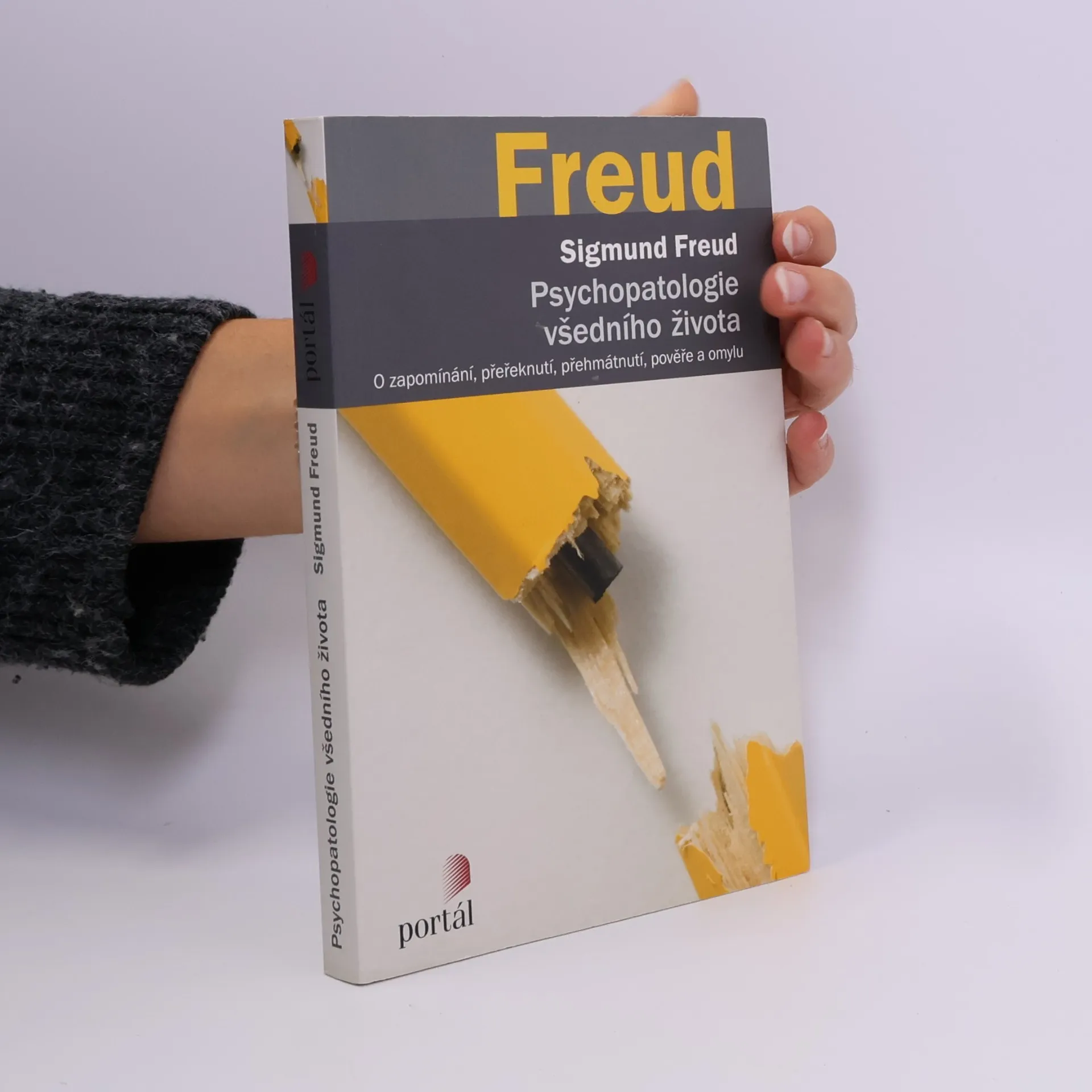
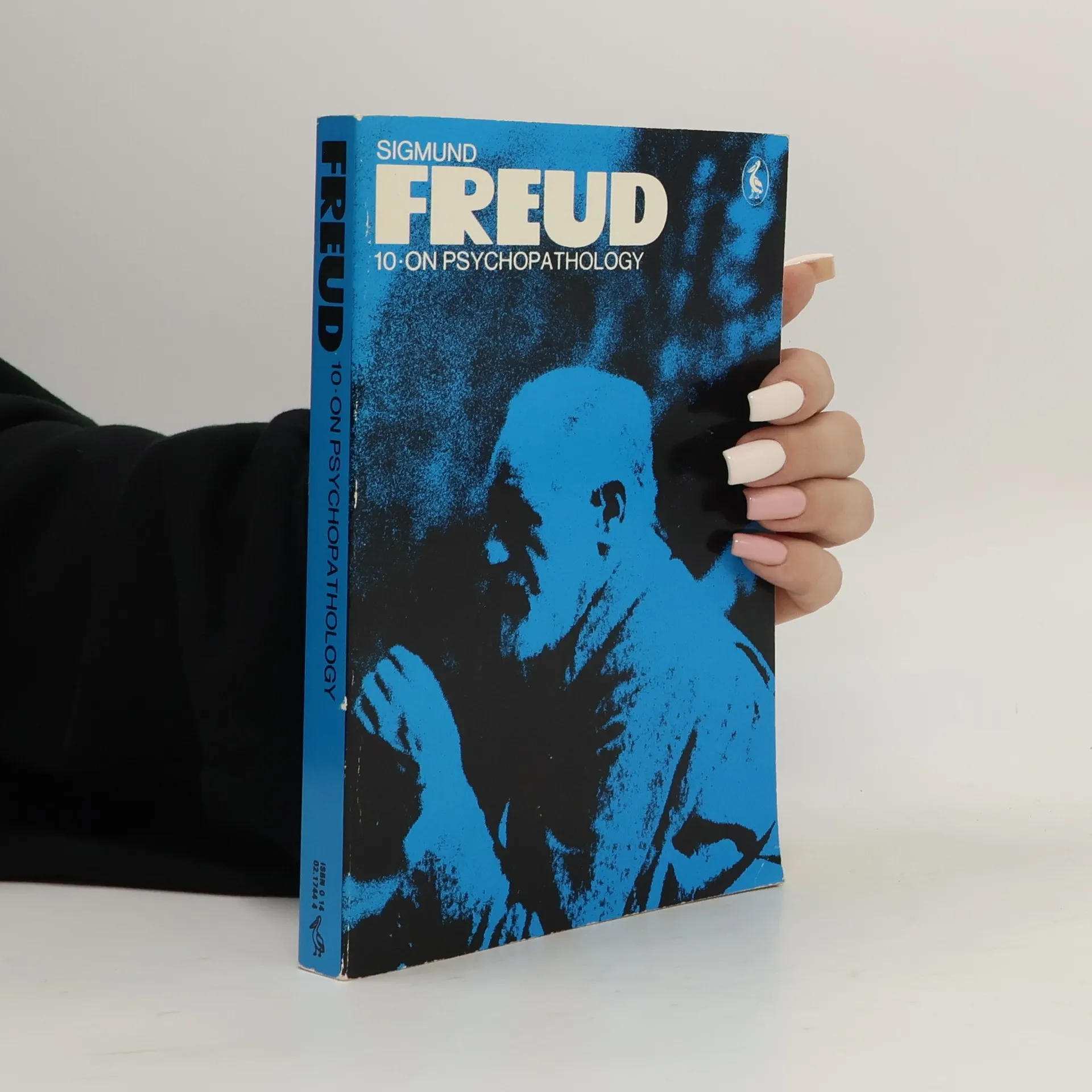
Kniha z roku 1901 je založená na výzkumech chybných úkonů (zapomínání, přeřeknutí, chybné čtení, přepsání, přehmátnutí atd.). Ty lze podle Freuda racionálně vysvětlit jako produkt činnosti nevědomí, a vyloučit tak pouhou náhodu. Protože chybné úkony projevuje každý z nás, jsme podle autora všichni tak trochu neurotici. Kniha, která není tolik zatížena teorií a je spíše praktická než spekulativní, může sloužit jako vhodný úvod do Freudova učení. Řadí se zároveň mezi vůbec nejznámější Freudovy spisy a je považována za důležitý příspěvek nejen studia psychopatologie, ale i lingvistiky, sémantiky a filosofie.
Sigmund Freud (1856–1939), vídeňský neurolog a psychoterapeut, zakladatel psychoanalýzy, třetí nejcitovanější osoba v psychologii 20. století.
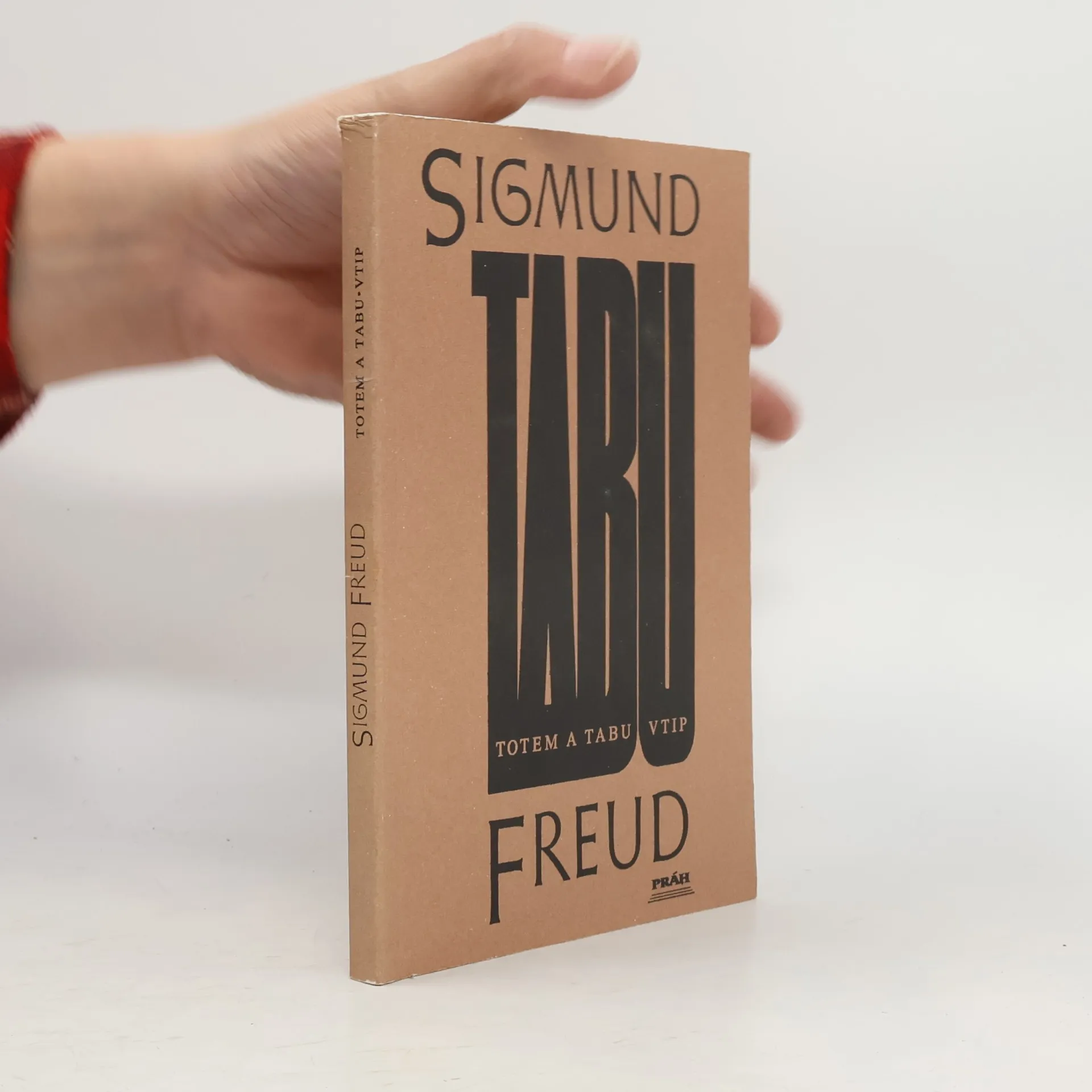
Srovnávací studie odhaluje shodné rysy mezi duševními procesy neurotiků a příslušníky přírodních národů. První mravní omezení primitivních společností (totemismus, tabu) vznikly jako reakce na oidipovský komplex, který vytvořil prvotní pocit zločinu. Žádná generace nemůže skrýt významné duševní procesy před svými potomky.
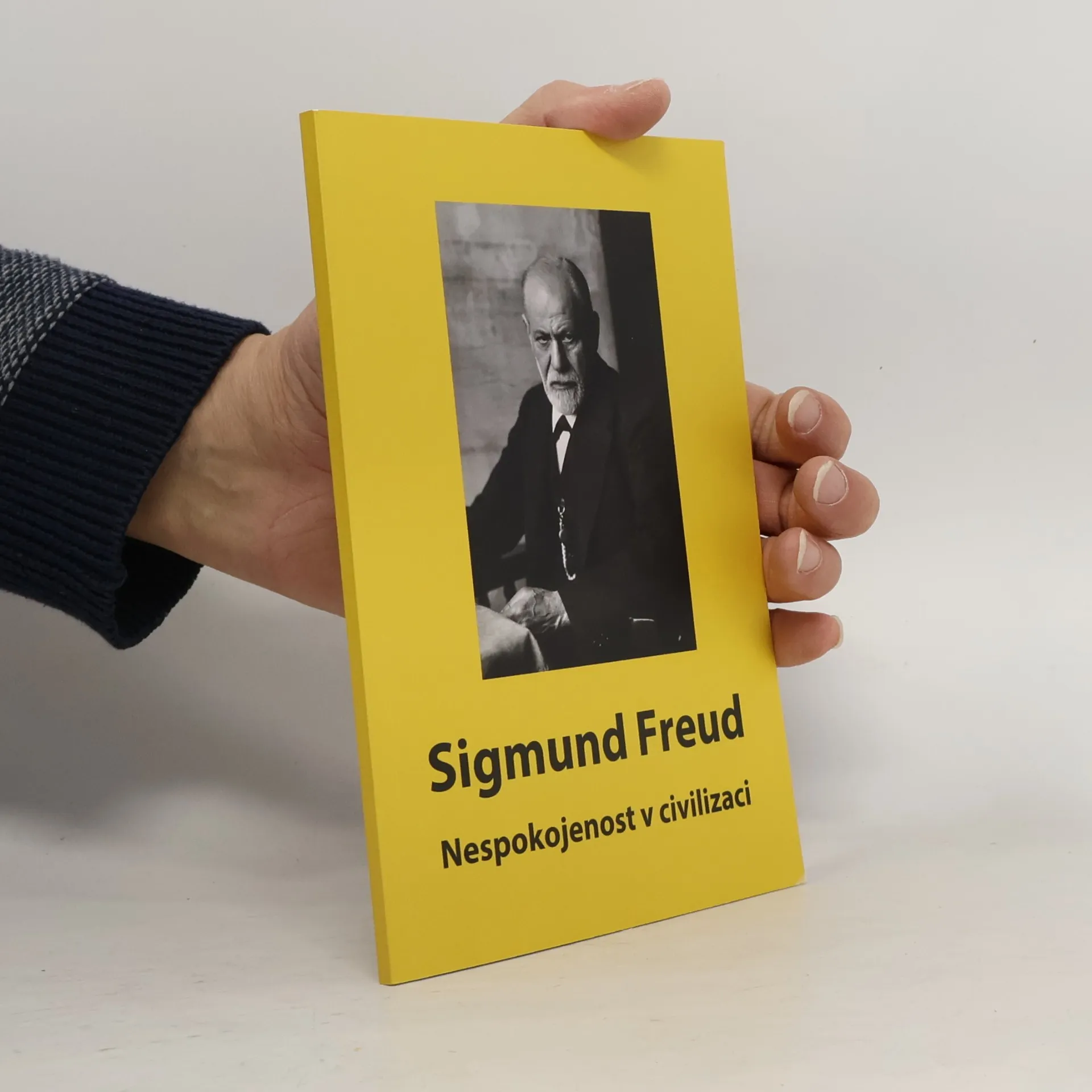
Jedna z nejslavnějších knih Sigmunda Freuda se zabývá naší lidskou kulturou,
která je založena na potlačování vrozených pudů člověka, což mu znemožňuje
realizaci dlouhodobého štěstí a je příčinou mnoha duševních nemocí. Sigmund
Freud (1856–1939) byl vídeňský neurolog, psycholog a zakladatel psychoanalýzy.
Jeho teorie měly a stále mají hluboký vliv na psychologii, filozofii,
antropologii, umění a další odvětí.
Setting forth in rich detail Freud's new theory of anxiety, Inhibitions, Symptoms and Anxiety (1926) is evidence for one of them. In rethinking his earlier work on the subject, Freud saw several types of anxiety at work in the mind and here argues that anxiety causes repression, rather than the other way around.
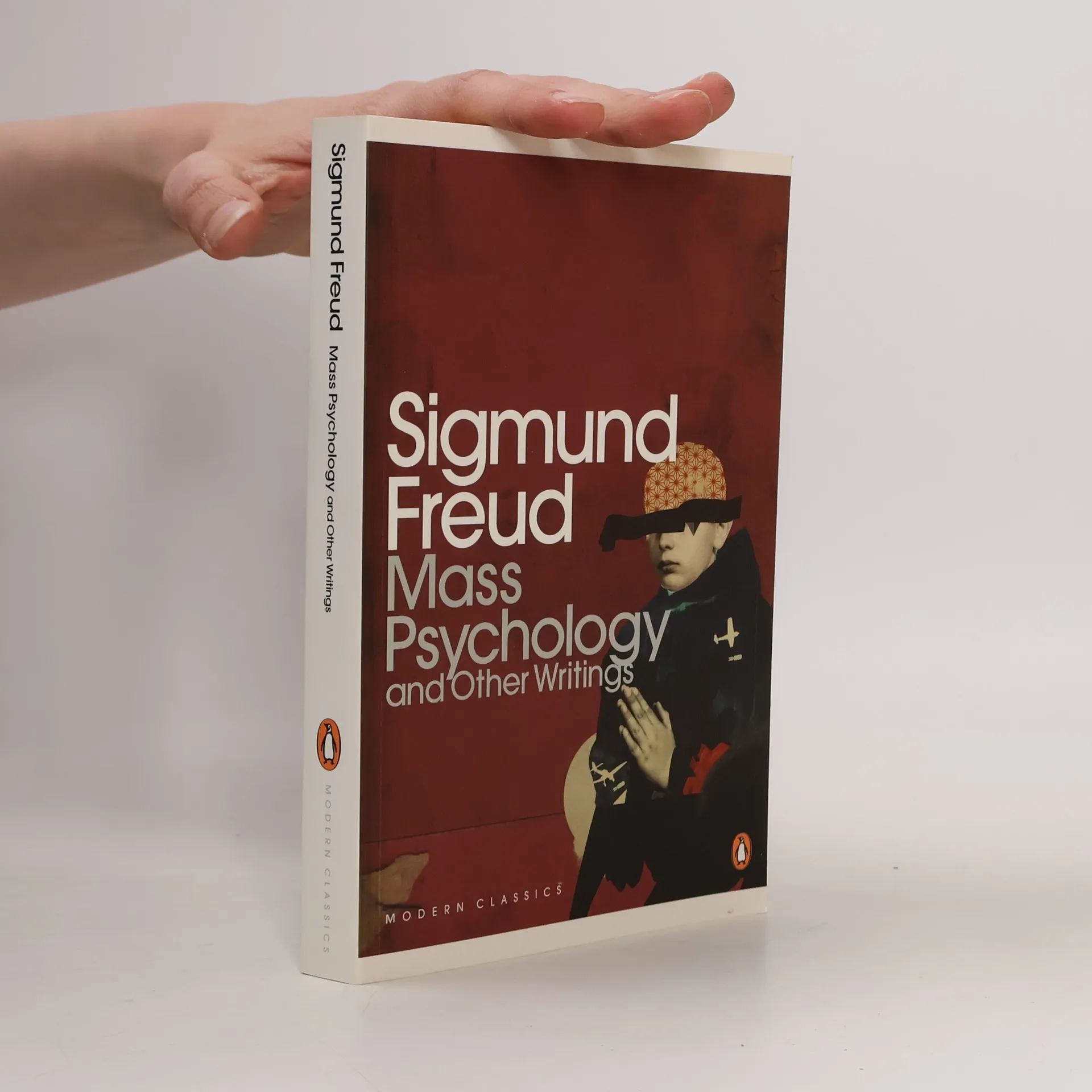
These works reveal Freud at hi s most iconoclastic, asking challenging questions about the powerful attraction of group identity - how this has the power to bind us and drive us to hatred. In Mass Psychology (1921) he explores the psyche as a social force, with a compelling analysis of how institutions such as the Church and army can generate unquestioning loyalty to a leader and provoke us to commit atrocities - Freud's finding s would prove all too prophetic in the years that followed. Works such as Moses the Man, written at the time of Freud's flight from Nazism in 1938, warn of the dangers of nationalism. And other writings like The Future of an Illusion examine religion and ritual in a painstaking critique of religious faith.
In what is considered one of his most prominent ideas, Austrian psychiatrist, Sigmund Freud explains the dynamic of the human psyche in terms of the roles and conflicts produced by the id, ego, and super-ego. Freud suggests that all human behaviors and traits, including personality disorders, are created by the complex conflicts and workings of these three components of human personality.