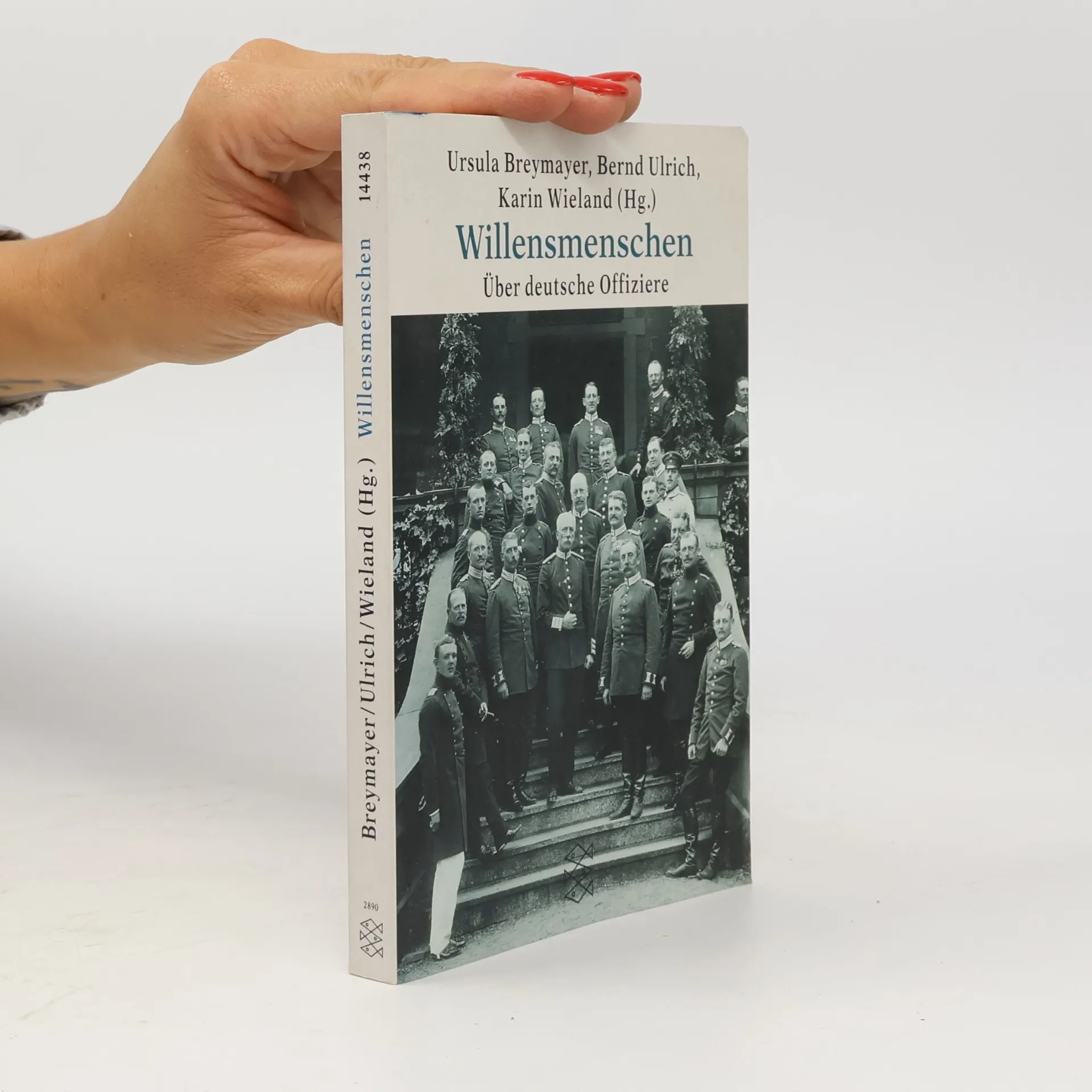
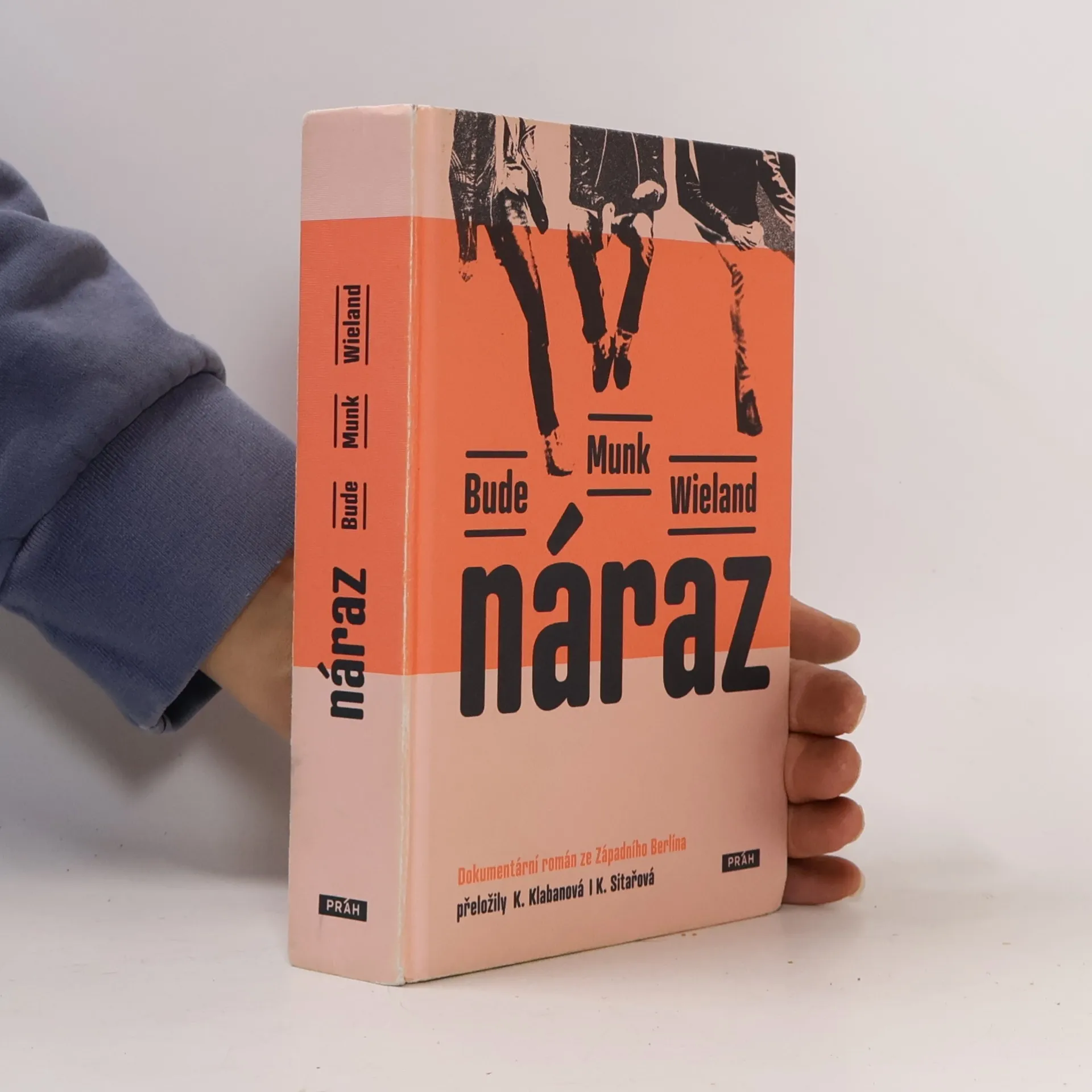
Dokumentární román ze Západního Berlína Město přeťaté zdí, osmdesátá léta: punk a pouliční bitvy, aids a drogy, syrové umění i divoké teorie. Náraz je románem jedné generace. A několika levicovým rebelům ze Západního Berlína dá havárie nahlédnout do našeho reálsocialismu. „No Future“: pod tímto heslem obsazují mladí počátkem osmdesátých let domy v západoberlínském Kreuzbergu. Jsou politicky a umělecky aktivní a chtějí žít mimo spolkovou republiku a její lži. Pod ustavičným tlakem státní moci ale počáteční euforii hnutí drobí vnitřní neshody. Náraz není jen příběhem nesourodé skupiny squaterů, do jejíž koexistence zasáhne tragická nehoda v socialistickém Československu, ale i generační výpovědí. Svědectvím o potřebě razit si svou cestu, definovat vlastní svobodu, experimentovat v životě i umění, navzájem je propojovat, filozofovat a stavět se proti systému.
Karin Wieland Knihy


Dietrich & Riefenstahl
- 624 stránek
- 22 hodin čtení
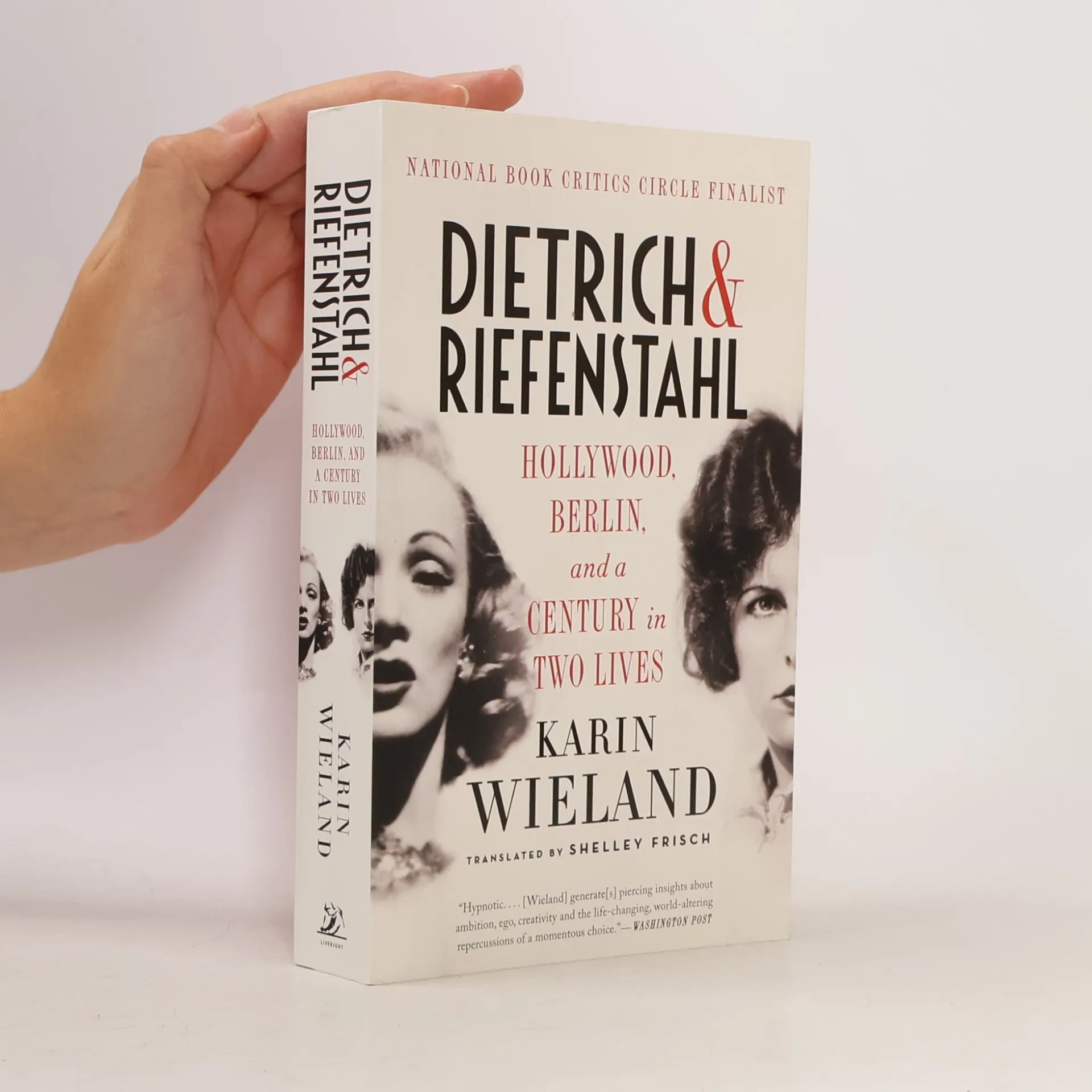
Finalist for the National Book Critics Circle Award (Biography) Named of the Best Books of the Year by the Washington Post and the Boston Globe Magisterial in scope, this dual biography examines two complex lives that began alike but ended on opposite sides of the century’s greatest conflict. Marlene Dietrich and Leni Riefenstahl, born less than a year apart, lived so close to each other that Riefenstahl could see into Dietrich’s Berlin apartment. Coming of age at the dawn of the Weimar Republic, both sought fame in Germany’s burgeoning motion picture industry. While Dietrich’s depiction of Lola-Lola in The Blue Angel catapulted her to Hollywood stardom, Riefenstahl—who missed out on the part—insinuated herself into Hitler’s inner circle to direct groundbreaking if infamous Nazi propaganda films, like Triumph of the Will. Dietrich, who toured tirelessly with the USO, could never truly go home again; Riefenstahl could never shake her Nazi past. Acclaimed German historian Karin Wieland examines these lives within the vicious crosscurrents of a turbulent century, evoking piercing insights into "the modern era’s most difficult questions, about illusion and mass intoxication, art and truth, courage and capitulation" (New Yorker).
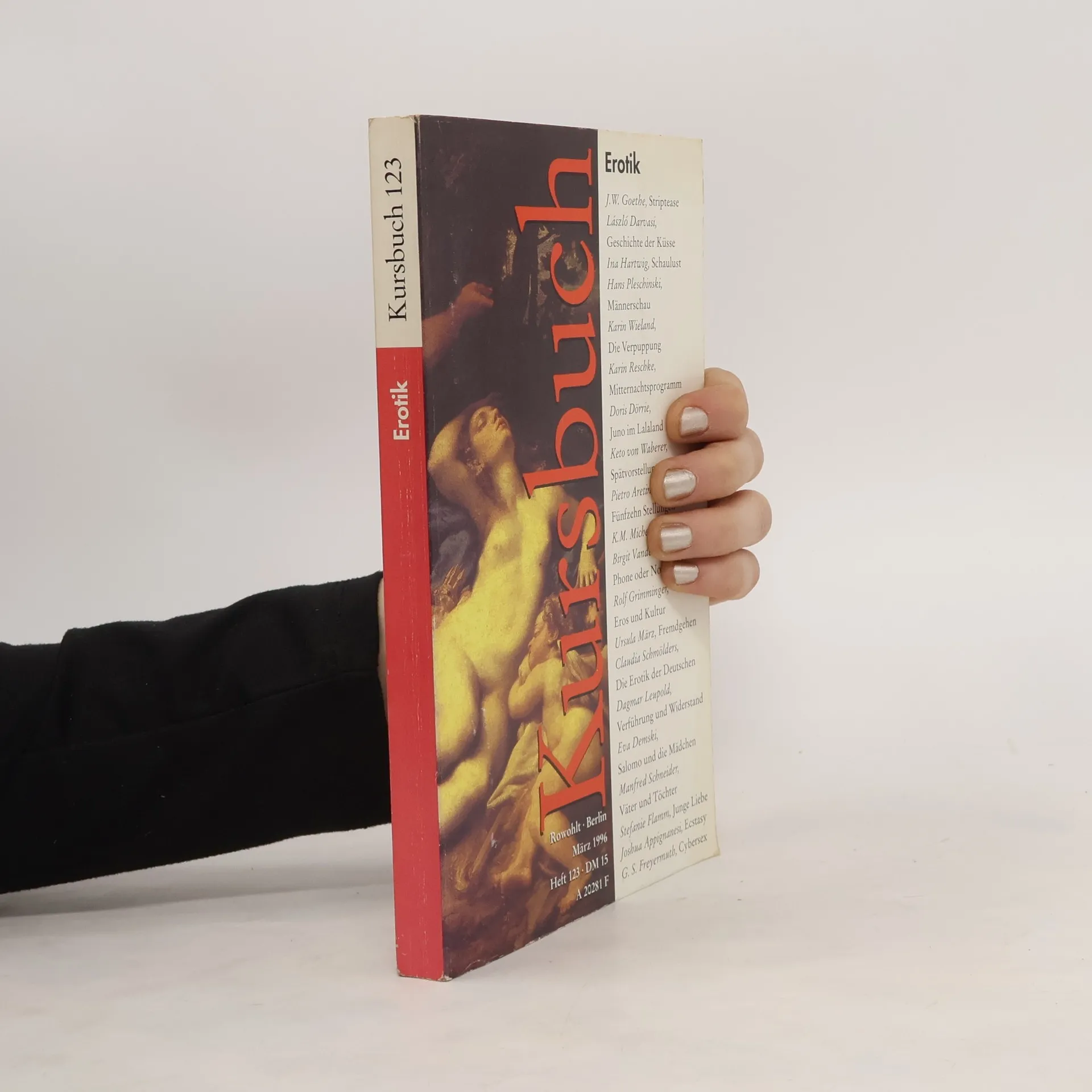
Politisches Denken - 1995/96: Jahrbuch
- 388 stránek
- 14 hodin čtení
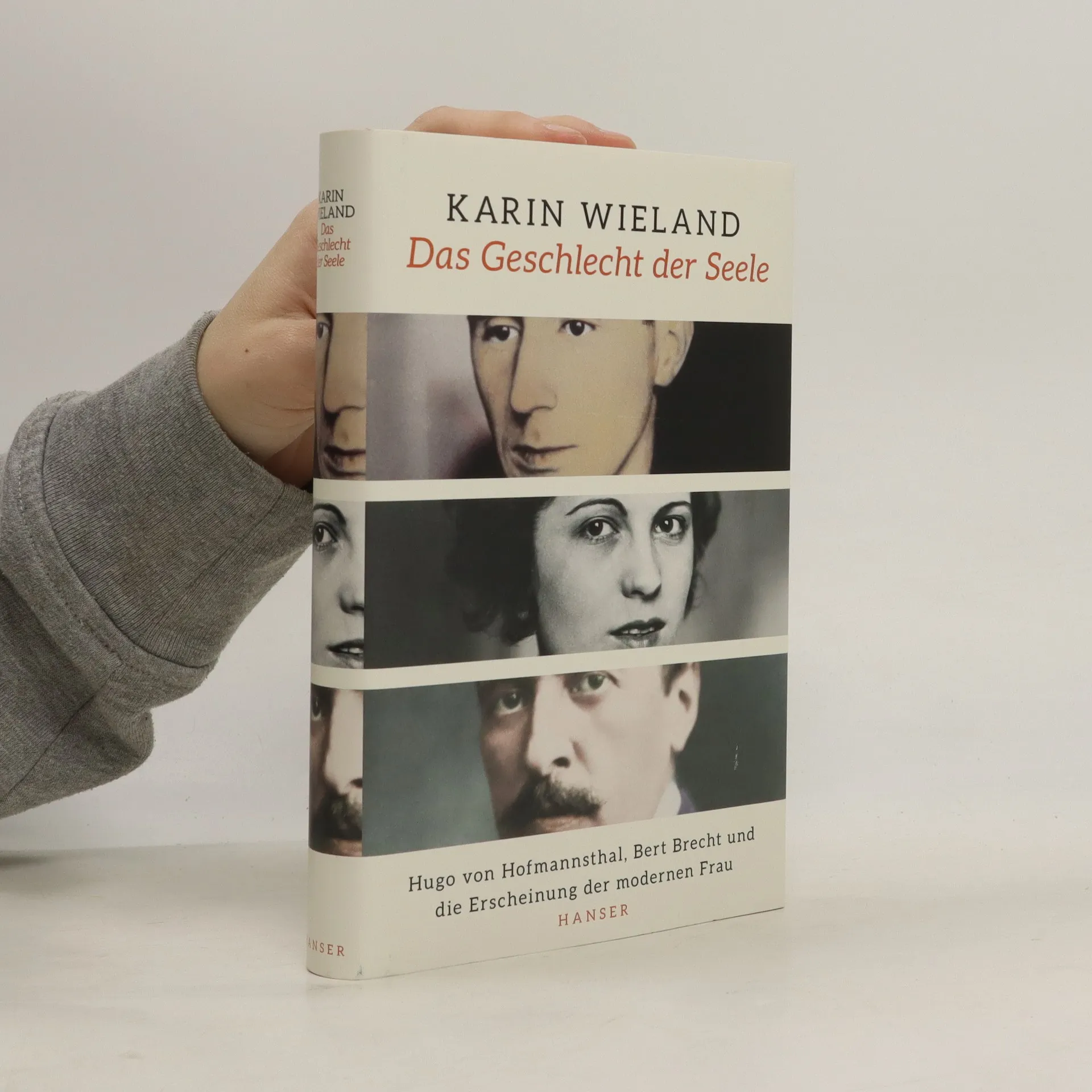
Das Geschlecht der Seele
Hugo von Hofmannsthal, Bert Brecht und die Erscheinung der modernen Frau
- 302 stránek
- 11 hodin čtení
Im Theater hatte die moderne Frau ihren ersten Auftritt. Hier wurde das Verhältnis der Geschlechter neu bestimmt. Wenn Gertrud Eysoldt, gebückt und mit offenen Haaren, die Szene betrat, verkörperte sie das ganze Elend der Elektra. Hugo von Hofmannsthal hatte ihr die Rolle auf den Leib geschrieben. Er nennt Schauspielerinnen die „Interpreten des neuen seelischen Verhaltens“. 20 Jahre später ist Bert Brecht Stückeschreiber und Regisseur. Mit Helene Weigel und Carola Neher zeigt er die kalte Frau, die auch in der Liebe an die Nützlichkeit denkt. Neher und Weigel sind Brechts Instrumente einer Kunst, die im 20. Jahrhundert auch Politik ist: Von diesem Bündnis handelt Karin Wielands neues Buch.
Die Geliebte des Duce
Das Leben der Margherita Sarfatti und die Erfindung des Faschismus
Sie machte aus Mussolini den Duce und verlieh dem Faschismus ästhetischen Glanz: Margherita Sarfatti. Die wohlhabende Jüdin verliebte sich in den jungen Mussolini und wurde seine geheime Geliebte. Erst ihrem Einfluss verdankte er seine Verwandlung in den charismatischen Duce. Das dramatische Leben einer fast vergessenen Frau.
German
Shulamith Firestone - eine radikale Feministin
Mittelweg 36, Zeitschrift des Hamburger Instituts für Sozialforschung
- 124 stránek
- 5 hodin čtení
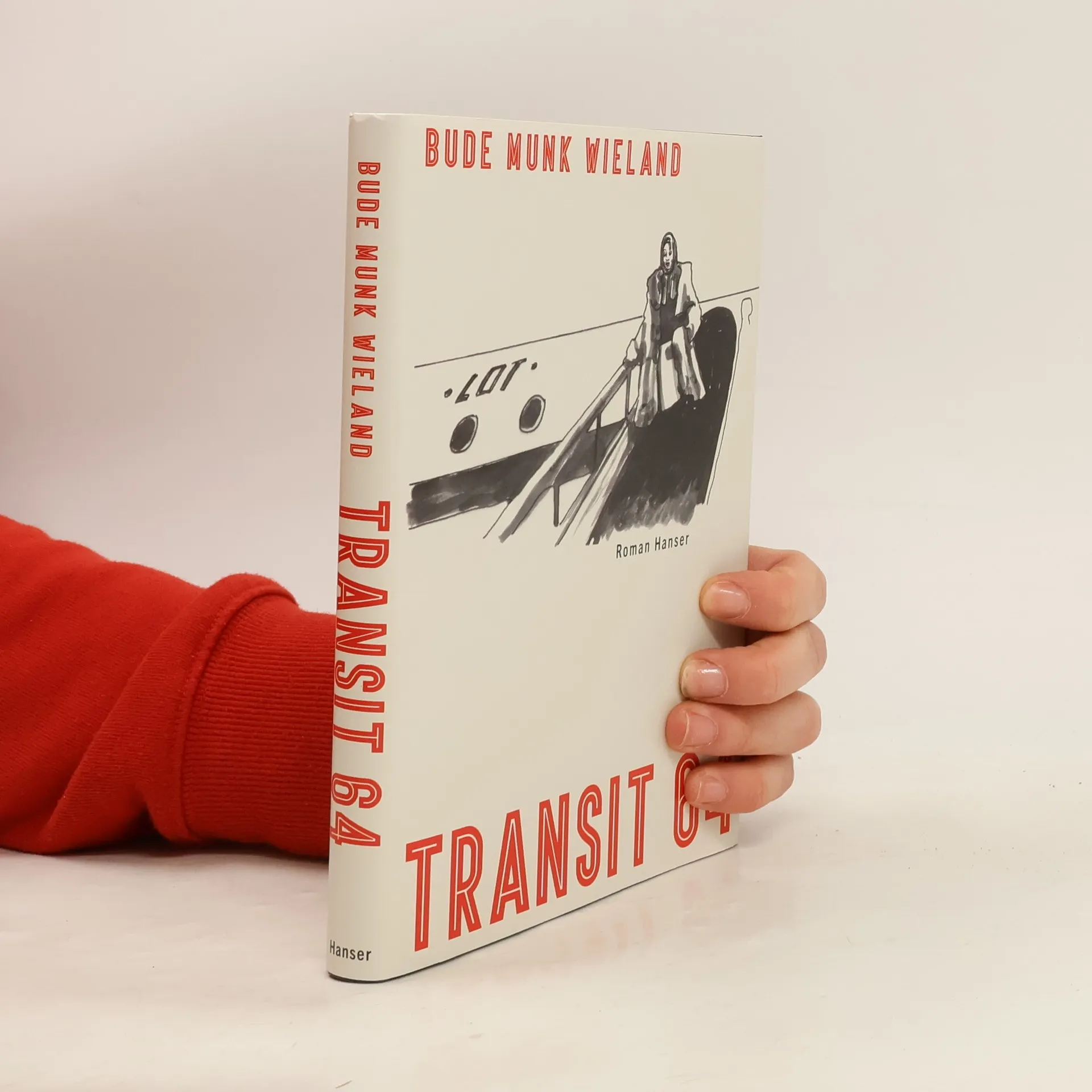
Es ist kalt in Ostberlin, als Marlene Dietrich im Januar 1964 für einen Zwischenstopp in ihrer früheren Heimatstadt landet. Mit Deutschland hat sie gebrochen und möchte so schnell wie möglich nach Warschau weiterreisen. Doch in Westberlin warten zwei Männer auf sie: Der regierende Bürgermeister Willy Brandt und sein Sprecher Egon Bahr wollen sie bei der Wahl des Bundespräsidenten gegen den Alt-Nazi Heinrich Lübke antreten lassen. Was, wenn es so passiert wäre? Auf der Bühne des Kalten Krieges entwickeln BudeMunkWieland aus Fiktionen, Fakten und Bildern eine irrwitzige Geschichte. Sie handelt von Freiheit, Diktatur, Widerstand, Exil und Anpassung und verlängert das 20. Jahrhundert in die Gegenwart.