Herzl
- 176 stránek
- 7 hodin čtení
Second edition of highly accessible biography of the founder of modern Zionism, published to mark the centenary of his death in 1904.


Steve Bell je anglický politický karikaturista známý svou ostrou levicovou kritikou světa. Jeho dílo, které se objevuje v předních britských publikacích, zachycuje složitost politických a společenských témat s bystrým okem pro absurditu. Skrze svůj charakteristický styl poskytuje Bell satirický komentář, který nutí čtenáře k zamyšlení nad aktuálním děním. Jeho satirické postřehy jsou neodmyslitelnou součástí britského politického diskurzu.



Second edition of highly accessible biography of the founder of modern Zionism, published to mark the centenary of his death in 1904.
Democracy is in crisis. This is a crisis of growth on the one hand, with the Arab Spring and possible change in Burma and elsewhere, but also a crisis of alienation and stagnation in the more established democracies, in the United States and in Europe, where apathy and the uncontrolled power exerted by financial markets and the wealthy are threatening the core of democratic effectiveness and democratic values. We can no longer take democracy for granted, if we ever could, because it is both more powerful and widespread than it has ever been, and more under threat. This short book, of about 25,000 words, spells out the basic characteristics of modern-day democracy, its origins, its history, its current practice and problems, and its potential future.
This book studies the role played by Jews in the explosion of cultural innovation in Vienna at the turn of the century, which had its roots in the years following the Ausgleich of 1867 and its demise in the sweeping events of the 1930s. The author shows that, in terms of personnel, Jews were predominant throughout most of Viennese high culture, and so any attempts to dismiss the "Jewish aspect" of the intelligentsia are refuted. The book goes on to explain this "Jewish aspect," dismissing any unitary, static model and adopting a historical approach that sees the "Jewishness" of Viennese modern culture as a result of the specific Jewish backgrounds of most of the leading cultural figures and their reactions to being Jewish.
This accessible introduction to quantitative finance demystifies a complex subject that often intimidates even seasoned financial professionals. It offers straightforward guidance on applying mathematics to investment decisions, enabling readers to grasp essential concepts like futures, options, and risk management. You'll become familiar with key equations, methods, formulas, and models, including the Black-Scholes model, which are crucial in this technical field known as mathematical finance. As investment companies and hedge funds increasingly rely on quantitative methods, this guide breaks down the subject into easily digestible parts, making it suitable for both personal investors and finance students. With this resource, you'll acquire the mathematical skills needed for success in quantitative finance, learn about the latest portfolio and risk management applications, and understand the fundamentals of derivatives pricing. The book covers core models and methods, provides examples and exercises to enhance comprehension, and explains how quantitative finance methods are used to determine the current market value of derivative securities. Whether you're an aspiring quant or an experienced investor, this guide serves as a valuable tool for navigating the world of quantitative finance and risk management.
In this Very Short Introduction, Steven Beller explores the historical and political intricacies of Antisemitism, an issue which has been a worryingly persistent presence in the last millennium, and one that continues to provoke debate and discussion.
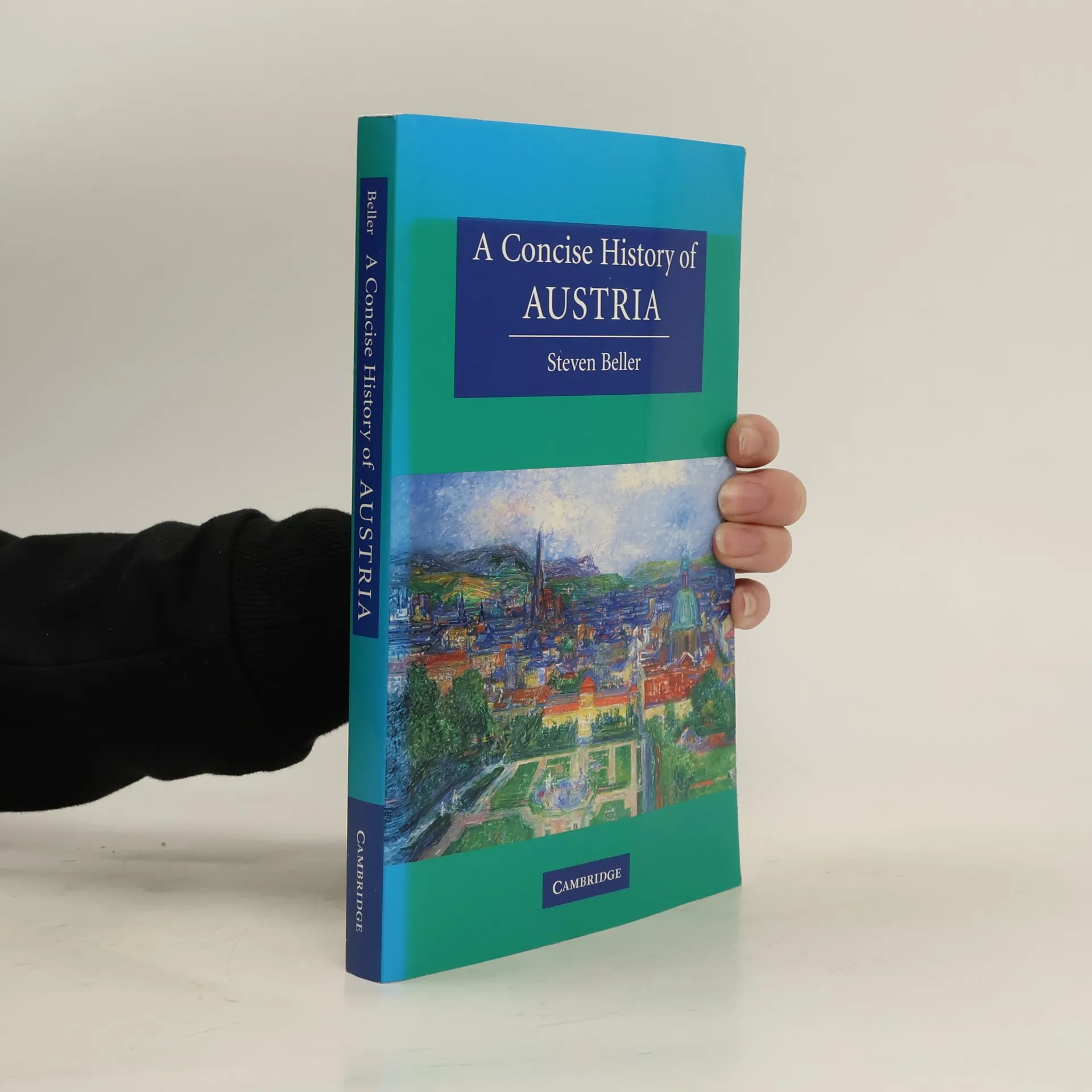
For a small, prosperous country in the middle of Europe, modern Austria has a very large and complex history, extending far beyond its current borders. In a gripping narrative supported by beautiful illustrations, Steven Beller traces the remarkable career of Austria from German borderland to successful Alpine republic.
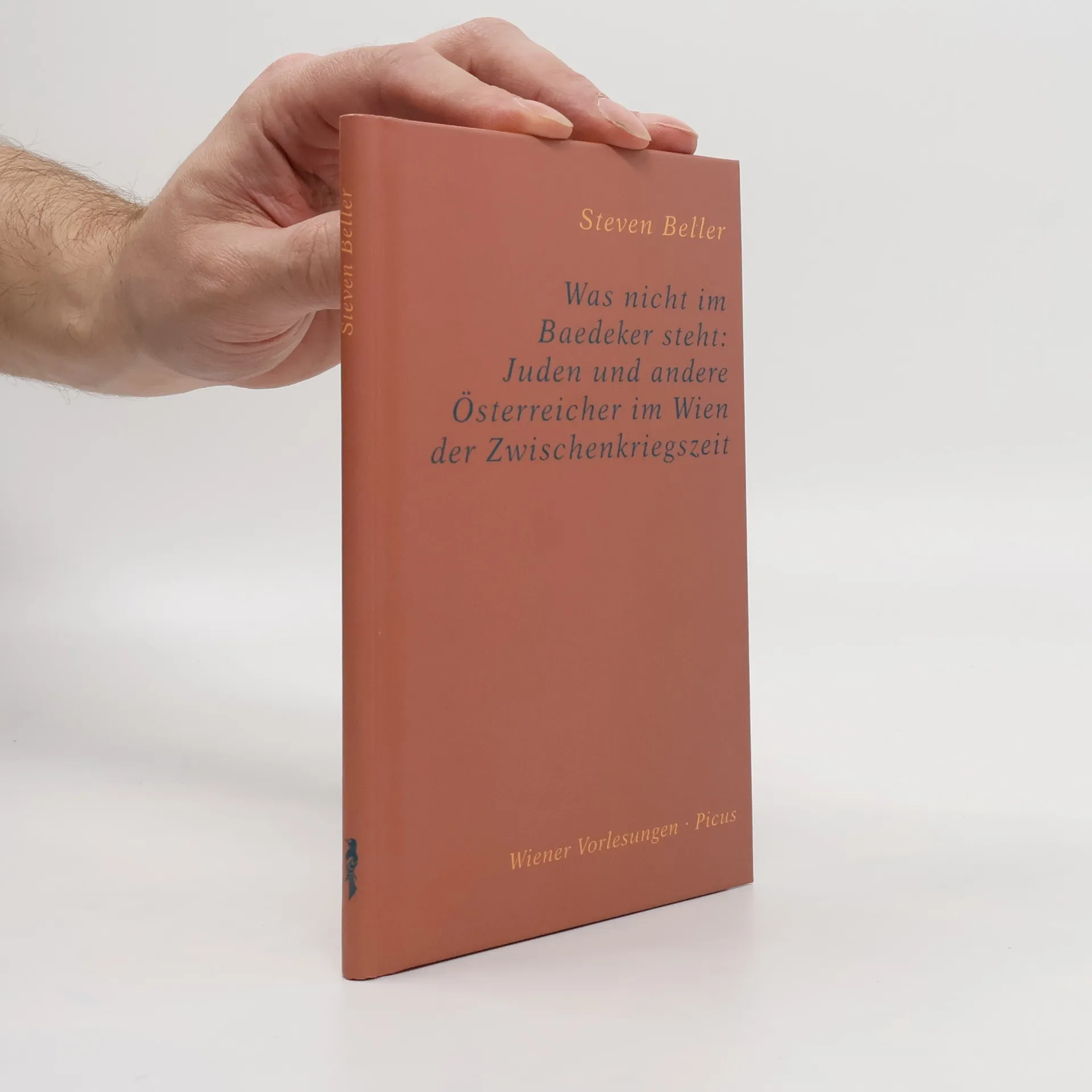
Der Historiker Steven Beller geht der Frage nach dem Beitrag von jüdischen Bürgerinnen und Bürgern am Wirtschafts- und Gesellschaftsleben im Wien der Jahrhundertwende und der Zwischenkriegszeit nach, einer Frage, die lange Zeit so nicht gestellt wurde. Mittlerweile ist man sich jedoch der großen Rolle der in Wien lebenden Jüdinnen und Juden für das kulturelle und intellektuelle Leben der Stadt bewusst – man denke etwa an Vertreter von Jung-Wien, der Zweiten Wiener Schule der Musik, an Namen wie Max Reinhardt oder Hugo von Hofmannsthal oder an Wien als Ursprungsstadt der Psychoanalyse. Gemäß Bellers These ließ aber gerade die Tatsache, dass Österreichs Beitrag zur modernen Weltkultur ohne jüdischen Anteil undenkbar wäre, Wien zur Hauptstadt des Antisemitismus werden. Ausführlich und präzise behandelt der Autor dieses Thema und entfaltet so schrittweise ein vielschichtiges Bild der Gesellschaft des Fin de Siècle.
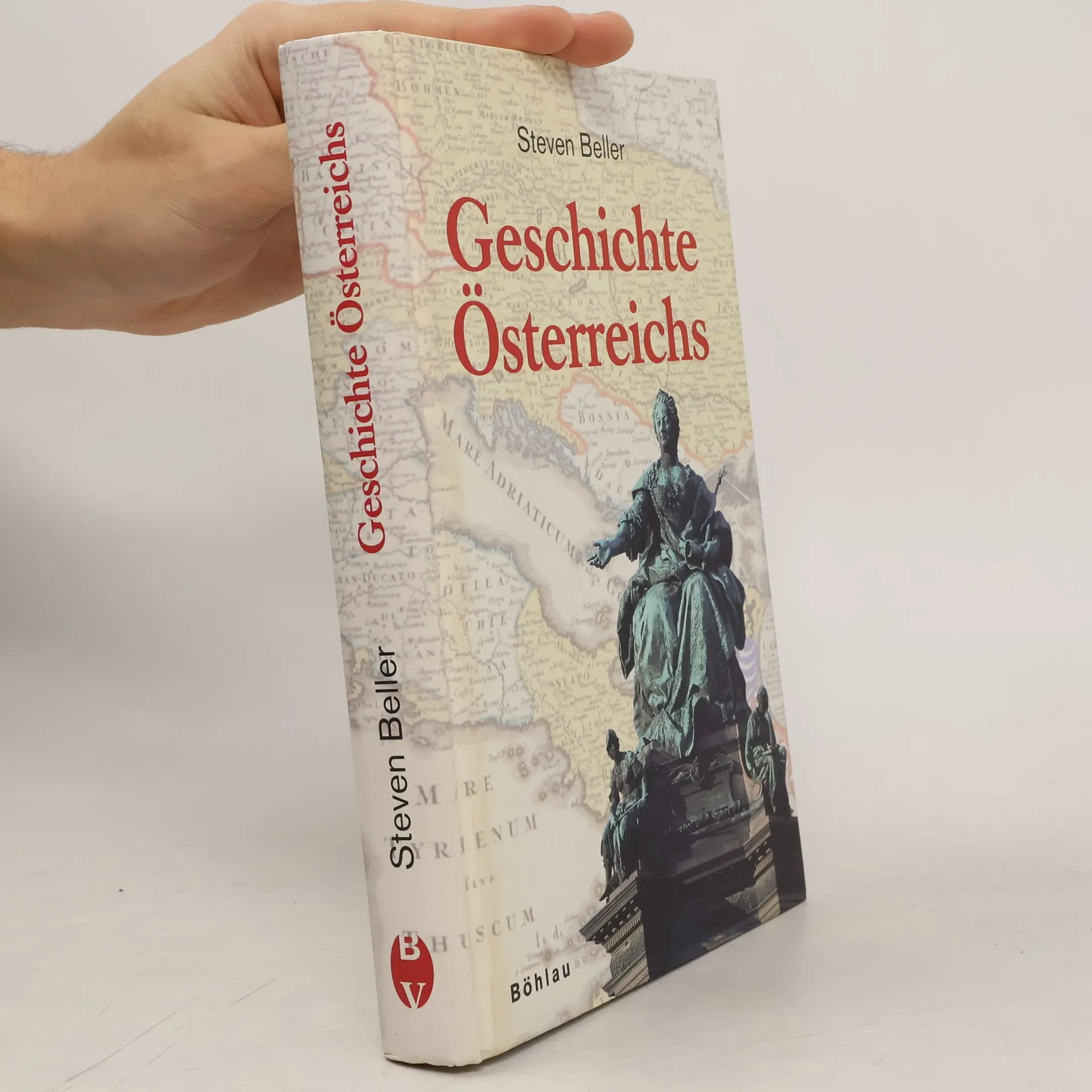
Steven Bellers Geschichte Österreichs ist kurz, prägnant und zugleich scharfsinnig sowie witzig. Er beleuchtet die komplexe Rolle des Landes in der europäischen Geschichte realistisch und aufrichtig, ohne nostalgische Verklärung. Österreich, ein kleines, wohlhabendes Land im Herzen Europas, hat eine lange, vielschichtige Geschichte, die über seine heutigen Grenzen hinausgeht. Die Beziehung Österreichs zu seiner Geschichte ist problematisch, insbesondere im Hinblick auf die Vielvölkergeschichte des Habsburgerreiches und die Zeit von 1938 bis 1945, als die Österreicher Teil von Hitlers Drittem Reich waren. Bellers umfassende Darstellung zeigt die bemerkenswerten Wandlungen des Landes: vom deutschen Grenzland über das Kaiserhaus bis hin zur gescheiterten Alpenrepublik und schließlich zur erfolgreichen Alpenrepublik. Er zeichnet ein facettenreiches Bild der österreichischen Identität und ihres Erbes, das von verschiedenen Quellen geprägt ist. Diese Geschichte ist reich an Ungewöhnlichkeiten und Ironien und bietet eine Fallstudie zu den komplexen Aspekten der europäischen Geschichte, die einfache Erklärungen nationaler Geschichten hinterfragt und somit für die heutige Welt von großer Bedeutung ist.
Perspektiven auf das Wien der Jahrhundertwende
In den Jahrzehnten um 1900 entwickelte sich Wien zu einer der grossten Stadte Europas. Die Zuwanderung aus allen Teilen der Habsburgermonarchie bedingte jene Diversitat, welche die Grossstadt Wien erst zur Metropole werden liess. Viele Protagonisten des kulturellen Booms der Jahrhundertwende waren Zuwanderer der ersten und zweiten Generation. Der Band versammelt Beitrage von osterreichischen und internationalen Forschern und Forscherinnen, die sich dem Zusammenhang von Migration und Innovation wahrend der Wiener Jahrhundertwende widmen. Sie beleuchten die diversen Entwicklungen in Kunst, Kultur, Theater, Musik, Wissenschaft, Wirtschaft und Politik und geben detaillierte Einblicke in die unterschiedlichen Zuwanderungsgeschichten, welche das Fin de Siecle pragten. Dabei werden Fragen von Identitatskonstruktionen, Netzwerken und kulturellen Transfers neu in den Blick genommen.