Paintings in the Musee d'Orsay
- 686 stránek
- 25 hodin čtení
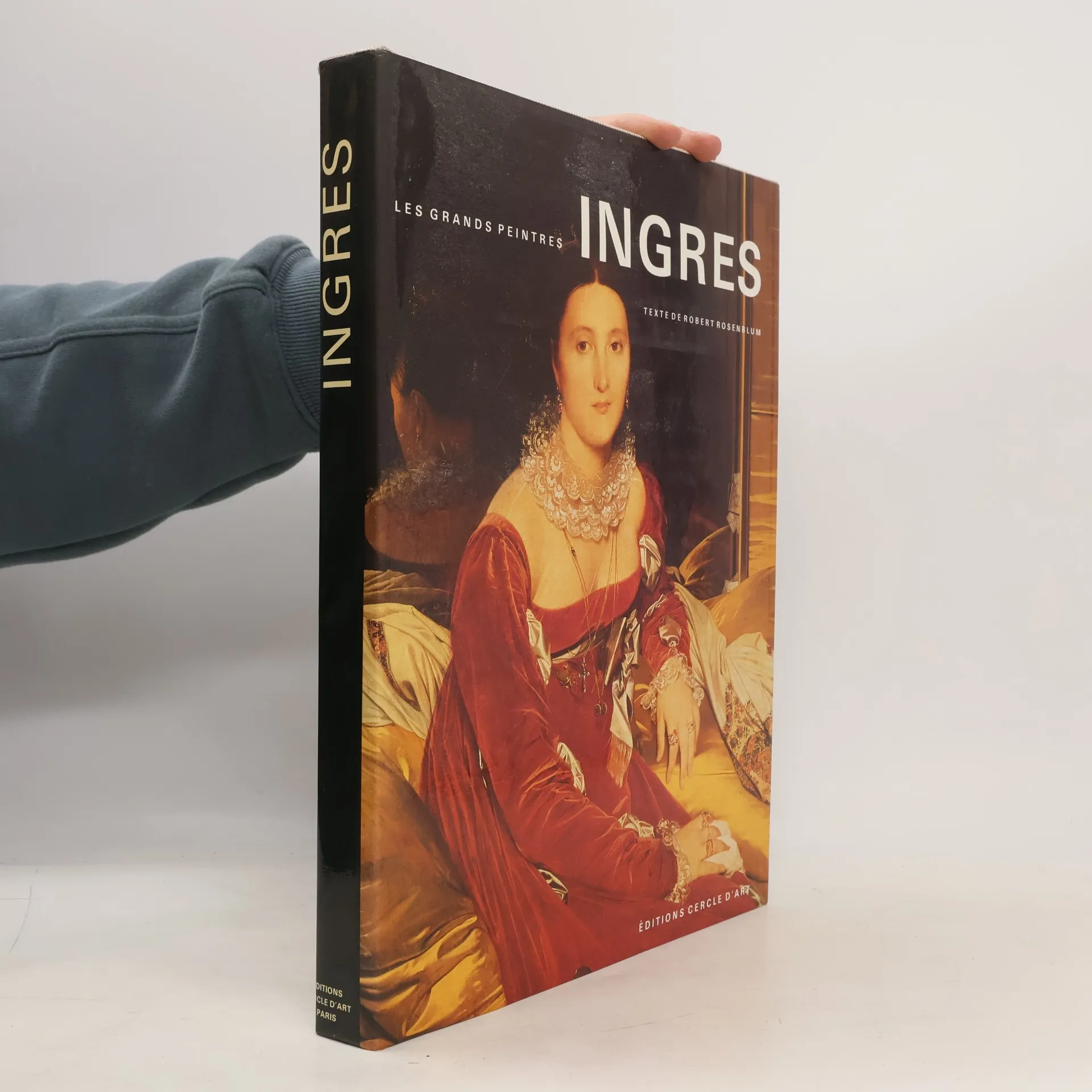
Hundreds of paintings are reproduced in a guide to the Paris museum and accompanied by essays by a renowned art historian on Realism, Impressionism, Symbolism, and many other topics

4,4


Robert Rosenblum was a renowned art historian and critic whose work illuminated the landscape of modern and contemporary art. His insightful analyses delved into the core of artistic expression, exploring the evolution of visual language and its profound impact. Through his prolific writings, he offered readers a deeper understanding of the masterpieces and movements that shaped the art world, solidifying his legacy as a pivotal voice in art criticism.

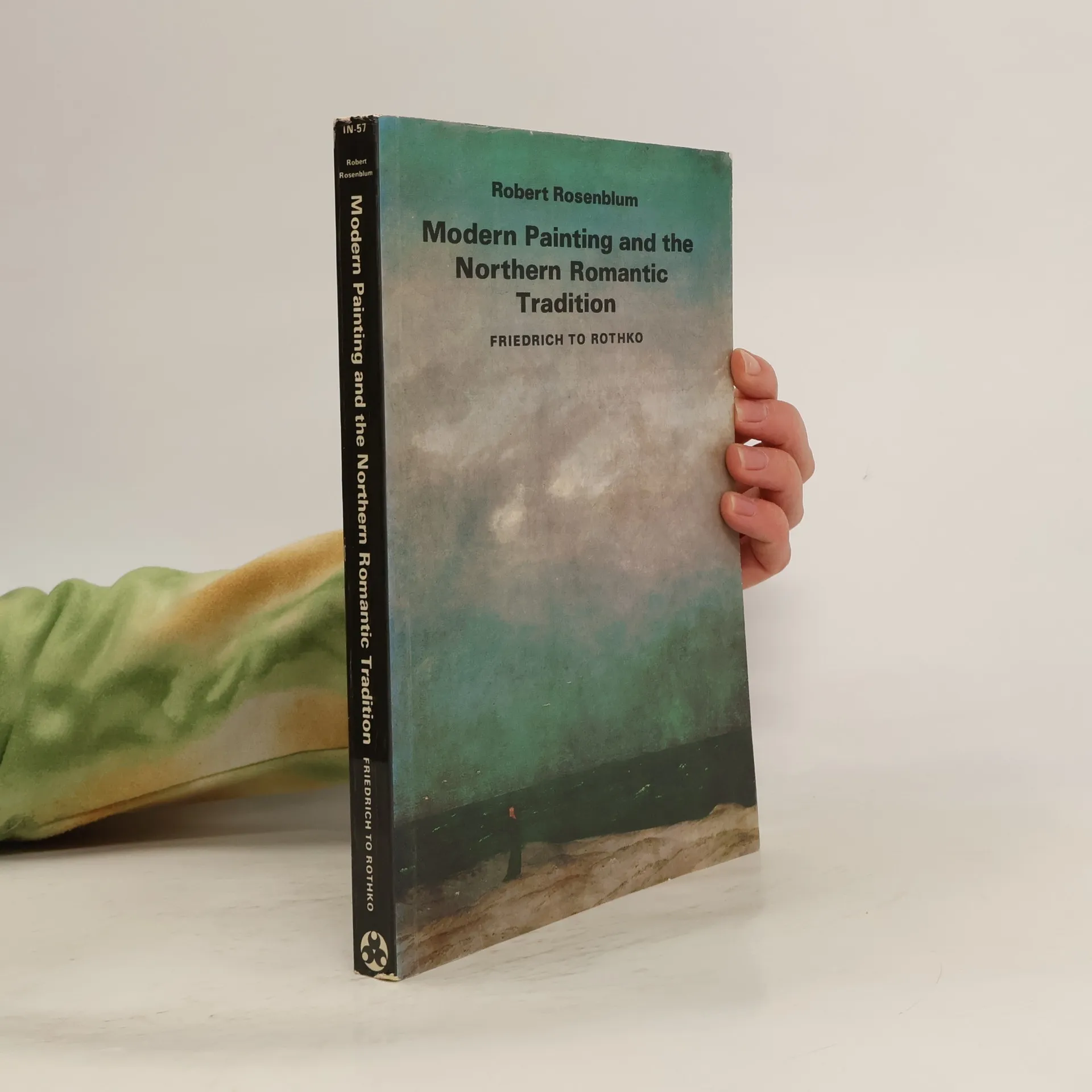
Hundreds of paintings are reproduced in a guide to the Paris museum and accompanied by essays by a renowned art historian on Realism, Impressionism, Symbolism, and many other topics
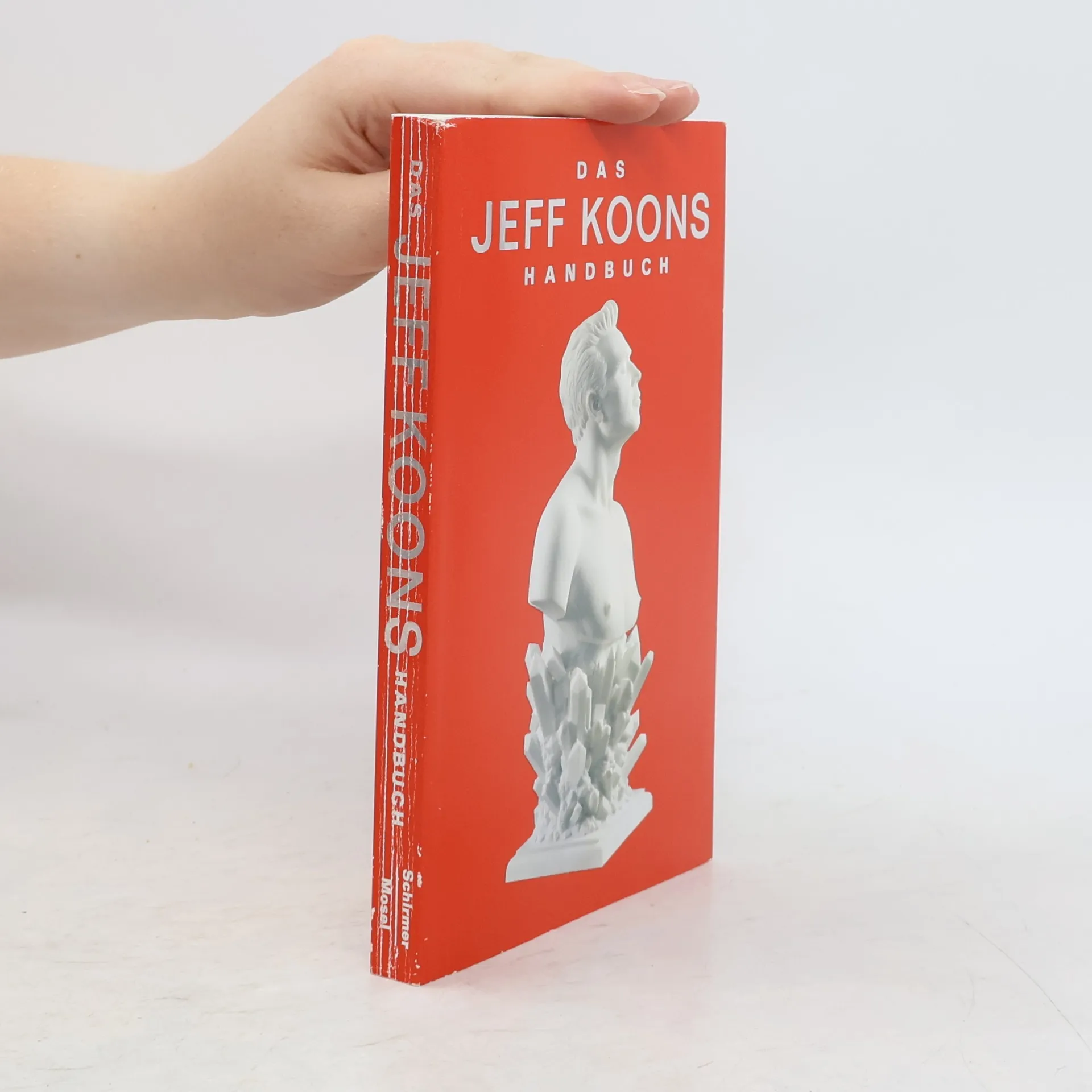
A view of artistic development which argues that the Paris-orientated orthodoxy of modern art does not allow for achievements which, in the eyes of the author, can be fairly called major. Other work by the author includes "The Romantic Child", and "The Jeff Koons Handbook".
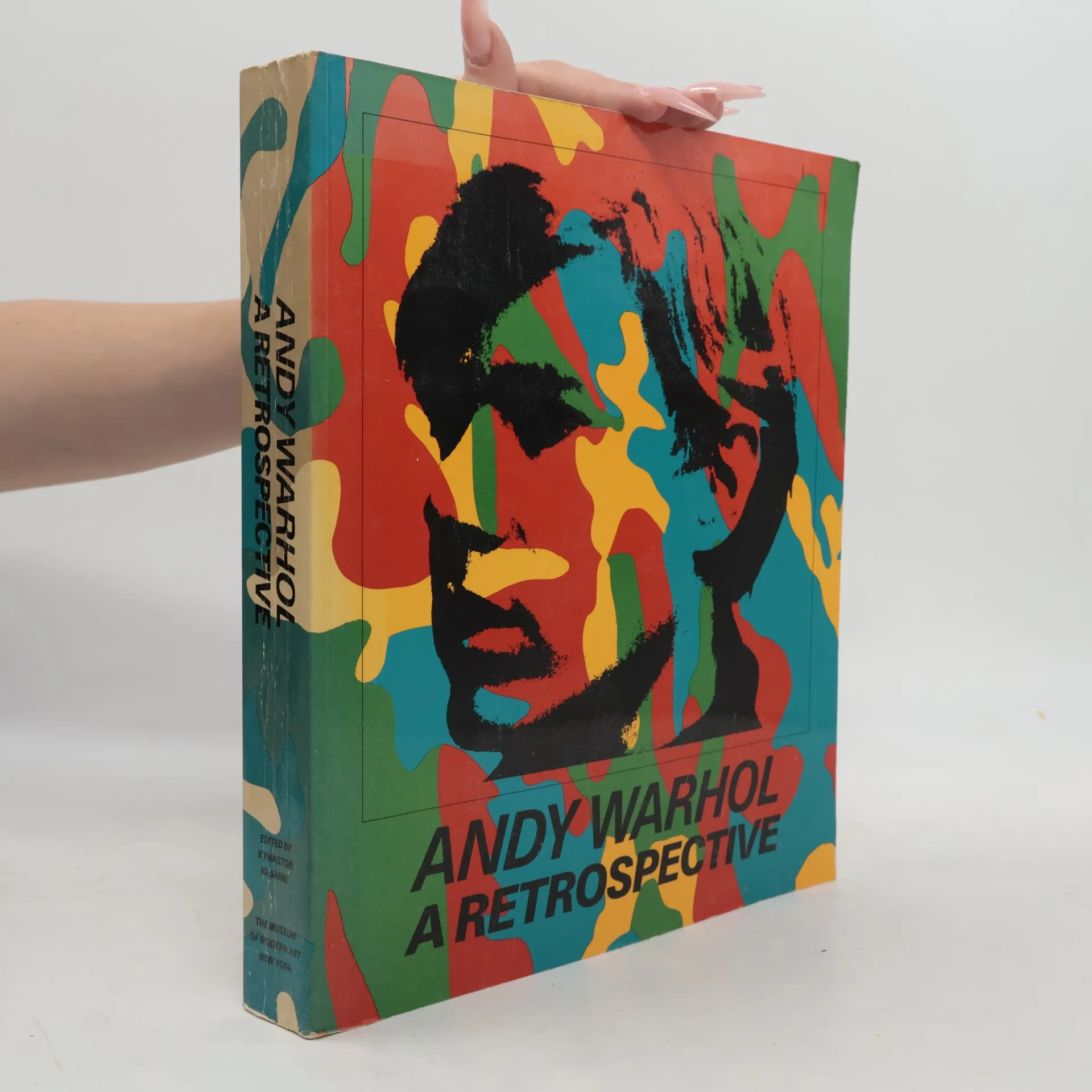
Exploring the evolution of Pop culture from the late 1950s to the late 1960s, this comprehensive survey examines its impact on art, film, photography, and architecture, highlighting the interplay between mass production and mass media. Unlike other works that focus solely on Pop art, it offers a holistic view of the movement's influence across America, Britain, and Europe, showcasing its diverse manifestations and cultural significance during this transformative era.
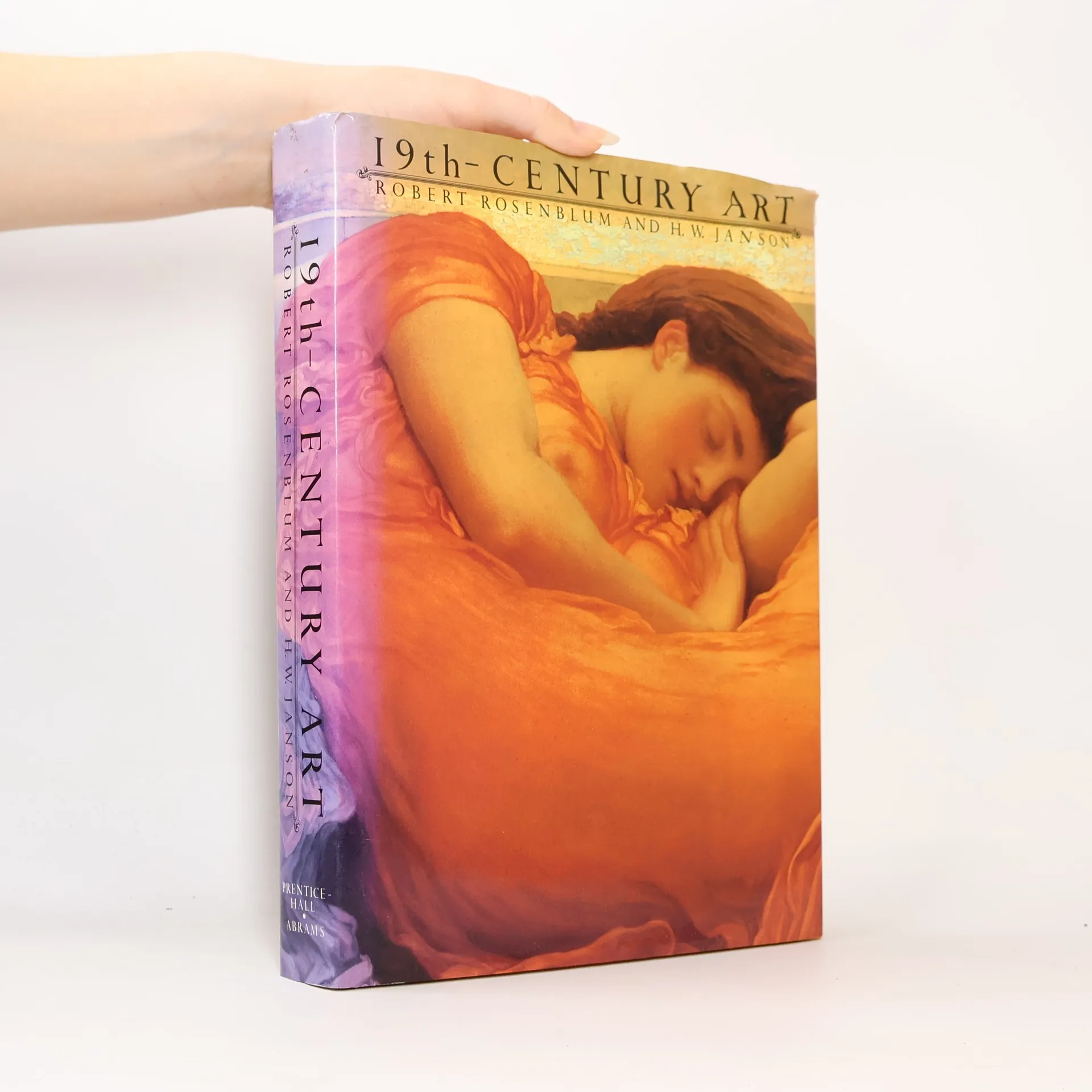
Providing detailed discussion of 232 painters, this text stresses the interconnections of painting and sculpture with the other arts, and to social and political conditions. The book reflects the revisionist interpretation of 19th-century art.
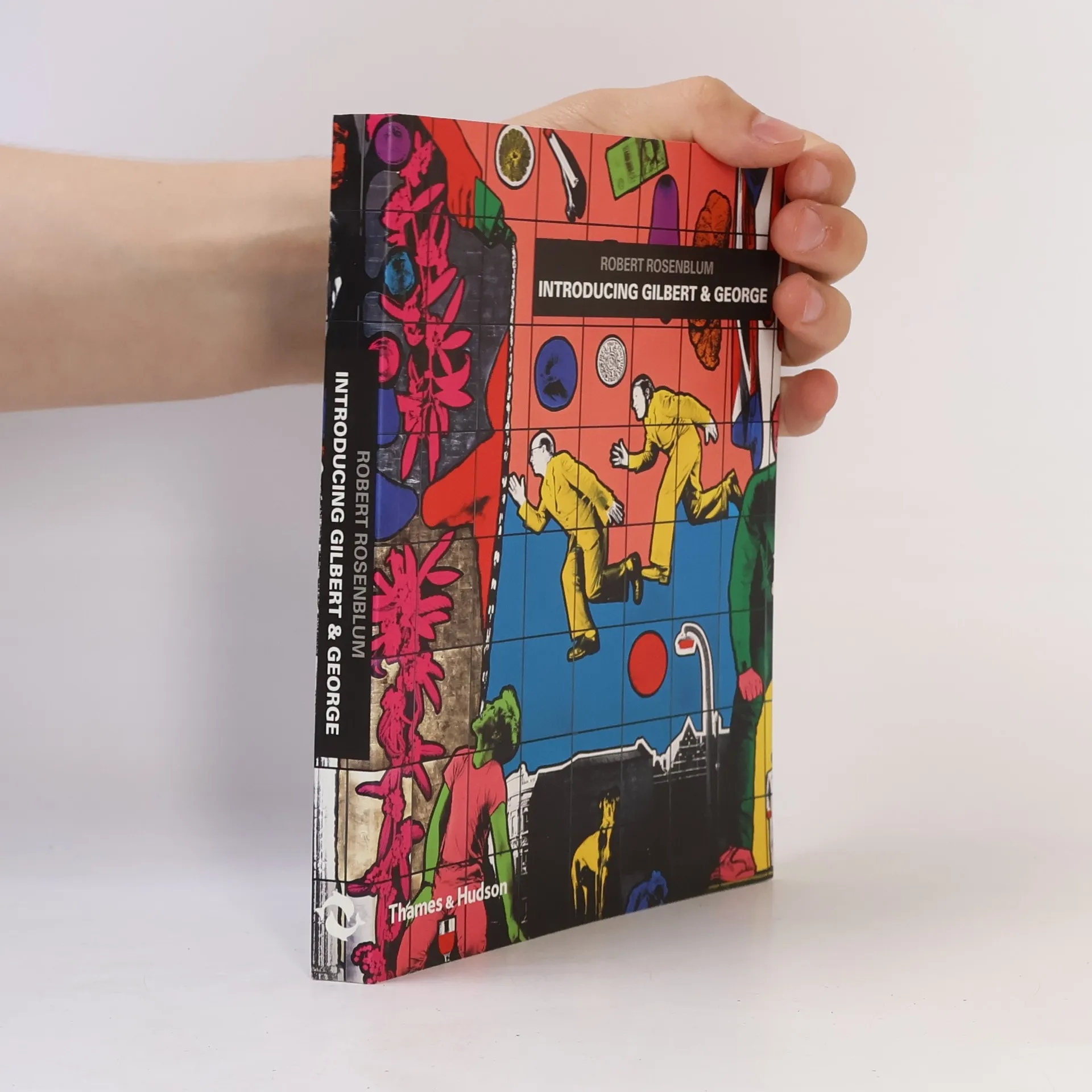
This lively and intimate exploration delves into the careers of two of the most influential living artists today. Since their meeting at St. Martin's School of Art in London in 1967, Gilbert & George have worked exclusively together, transforming their lives into art. Their large, colorful multipanel pictures, featuring them in either matching suits or completely naked, are instantly recognizable. Celebrated globally, their work has been showcased in major exhibitions across the United States, Europe, and Asia, significantly influencing younger generations of artists. Renowned art historian and critic Robert Rosenblum reflects on their lifetime of work, which has both amused and shocked, while addressing fundamental issues such as alcoholism, sex, fear, racial tension, religion, violence, unemployment, and corruption. He highlights how their sculptures, photographs, drawings, and performance pieces position them as humorous and subversive commentators in the tradition of socially engaged artists. Key works, from the "Singing Sculptures" of the late 1960s to their latest vibrant pieces, accompany Rosenblum's insights, complemented by quotes from the artists that reveal their lives and personalities. With a commitment to making art accessible to all, this entertaining book serves as an excellent introduction to their work, featuring 70 illustrations, 50 in color.

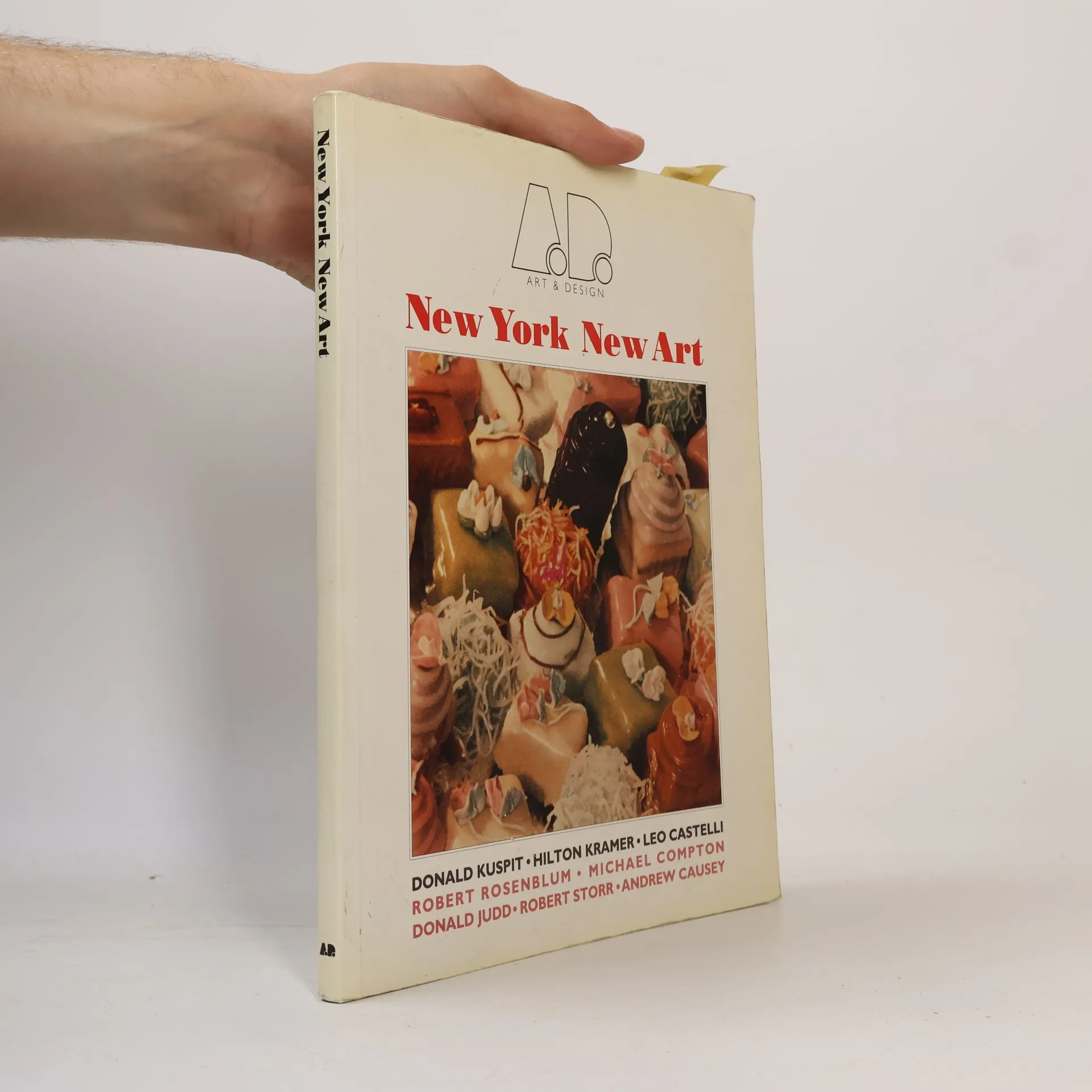
Book by Richard Morphet

"Form being the language of art, Clay has organized his presentation around those plastic qualities that not only distinguish the revolutionary departures made by Romantic artists but also established the aesthetic foundation upon which the whole modernist movement progressively flattened space, liberated line, purified color, the free handling of imagery, and construction by means of assemblage."
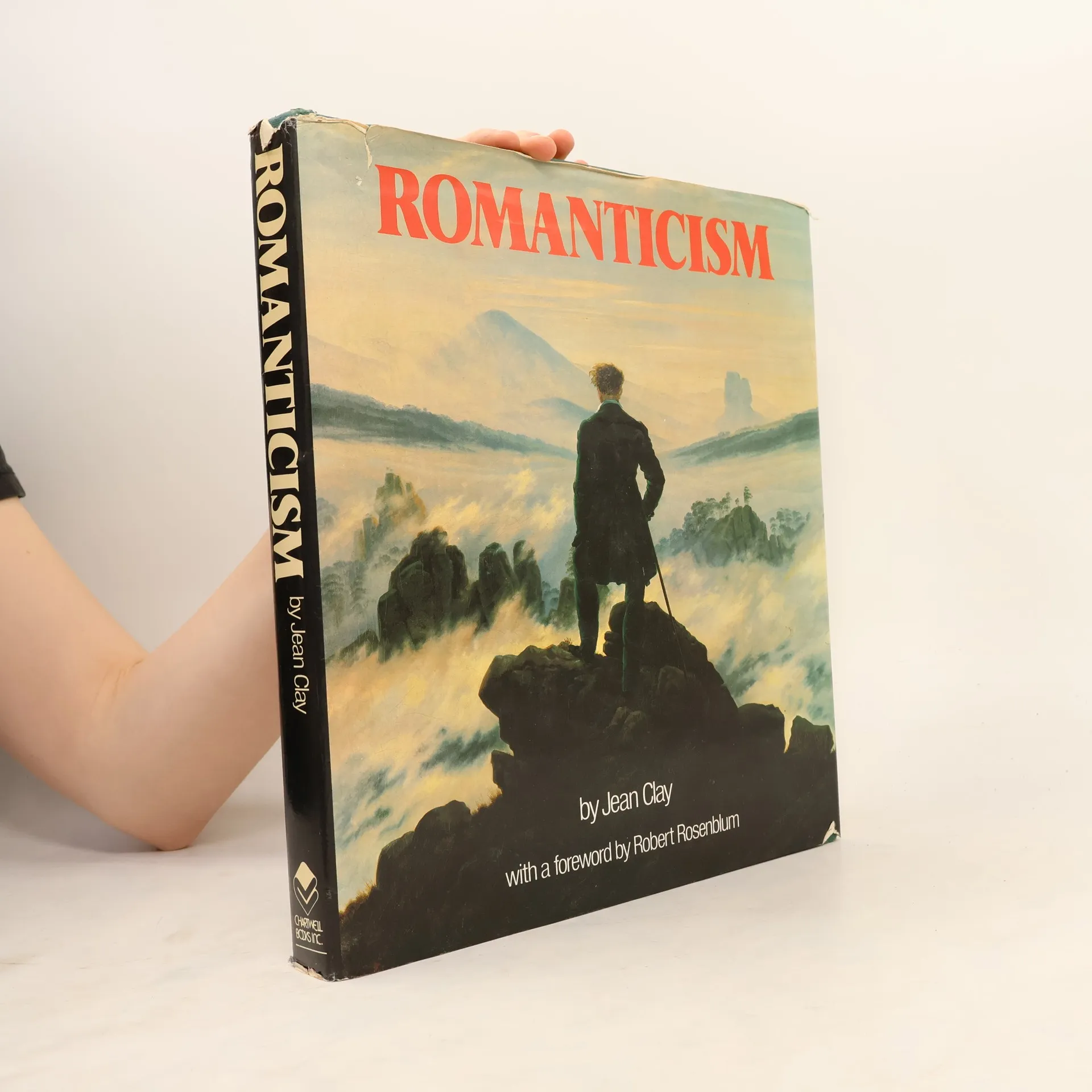
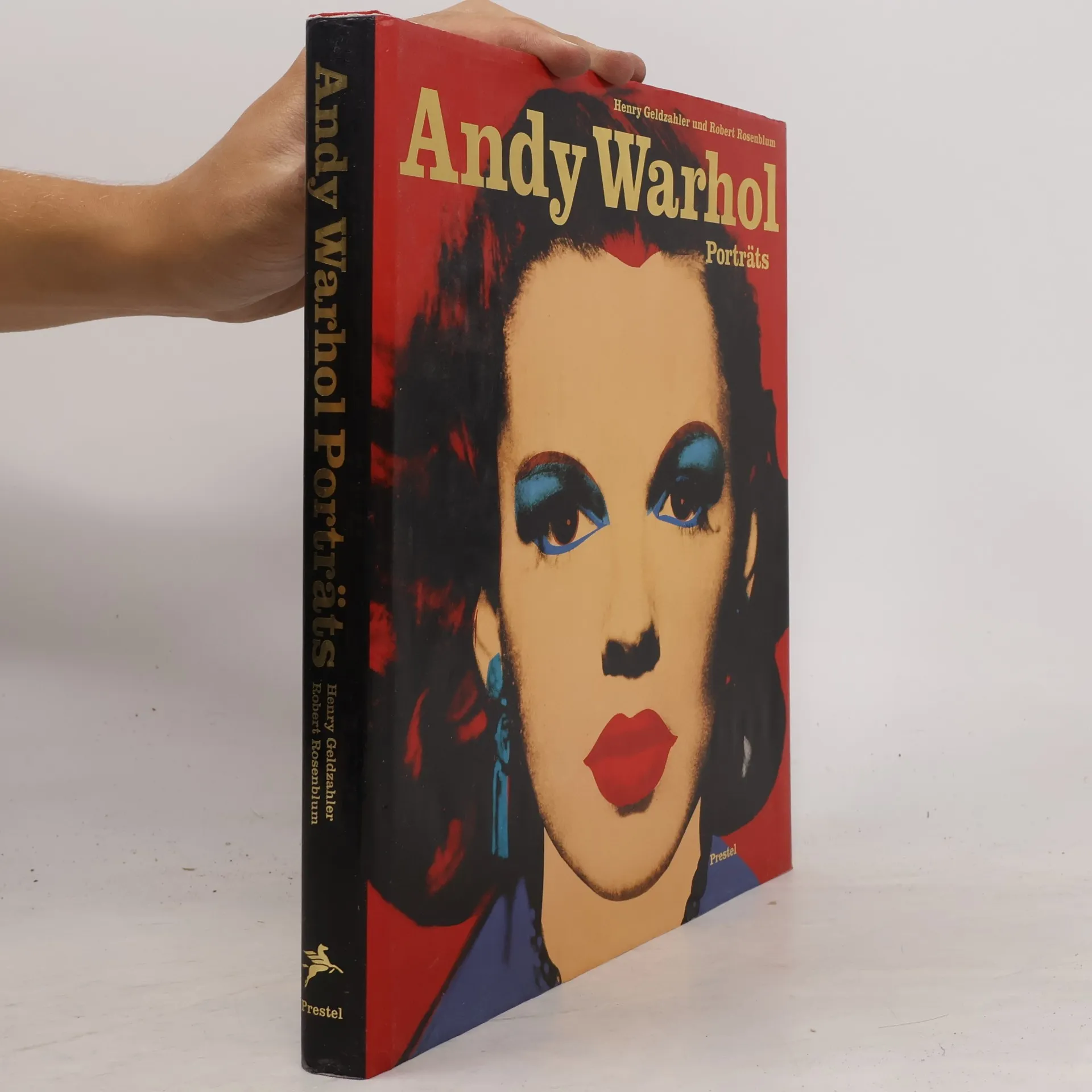
This mock-serious study features images of dogs spanning the flowering of 18th-century Romanticism to the present. Paintings, photographs, drawings, sculptures and architecture present a dog's-eye view of the world in works by Stubbs, Turner, Gauguin, Manet, Renoir, Picasso, Warhol and Wegman.
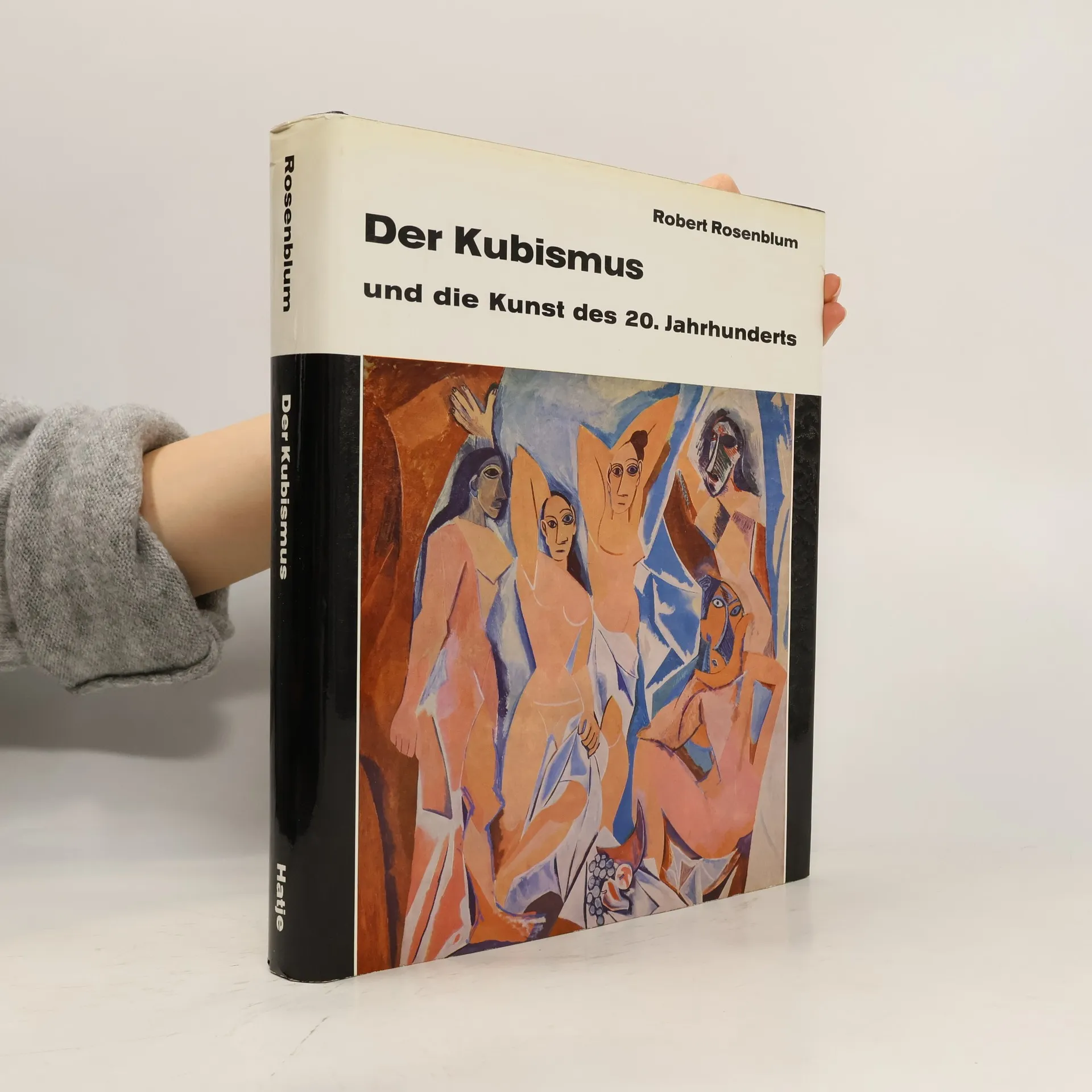
und die Kunst des 20. Jahrhunderts

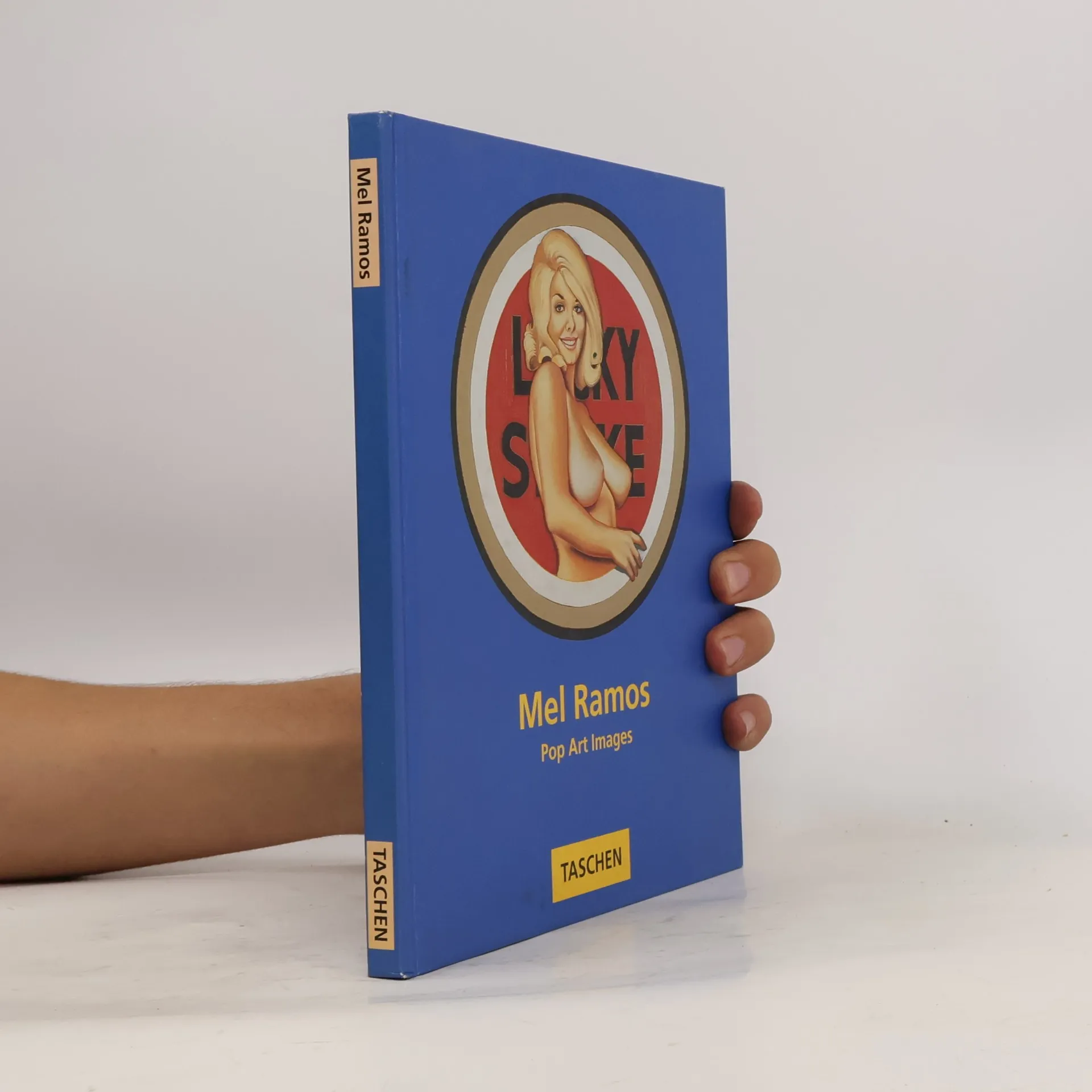
Eroticism, women, sex, women, fetishism, women, and obsession--of all the pop artists, it is perhaps Mel Ramos who has dealt most intensively and consistently with these enjoyable subjects. Always bright, always provocative, and always entertaining, his appropriations of some of the most vulgar yet familiar imagery to come out of the 1960s and 70s advertising world never fail to make the viewer blush with shame and almost simultaneously question such a moralistic reaction. If at first sight his paintings and graphic works are mistaken for typical, if raunchy, product placements, the absurdity of a naked girlie riding a giant cigar soon becomes apparent, as does the subtle surrealism of another naked pinup girl holding a giant spark plug in front of a corporate emblem. Sex and consumer culture never looked so good together, or so parodic.