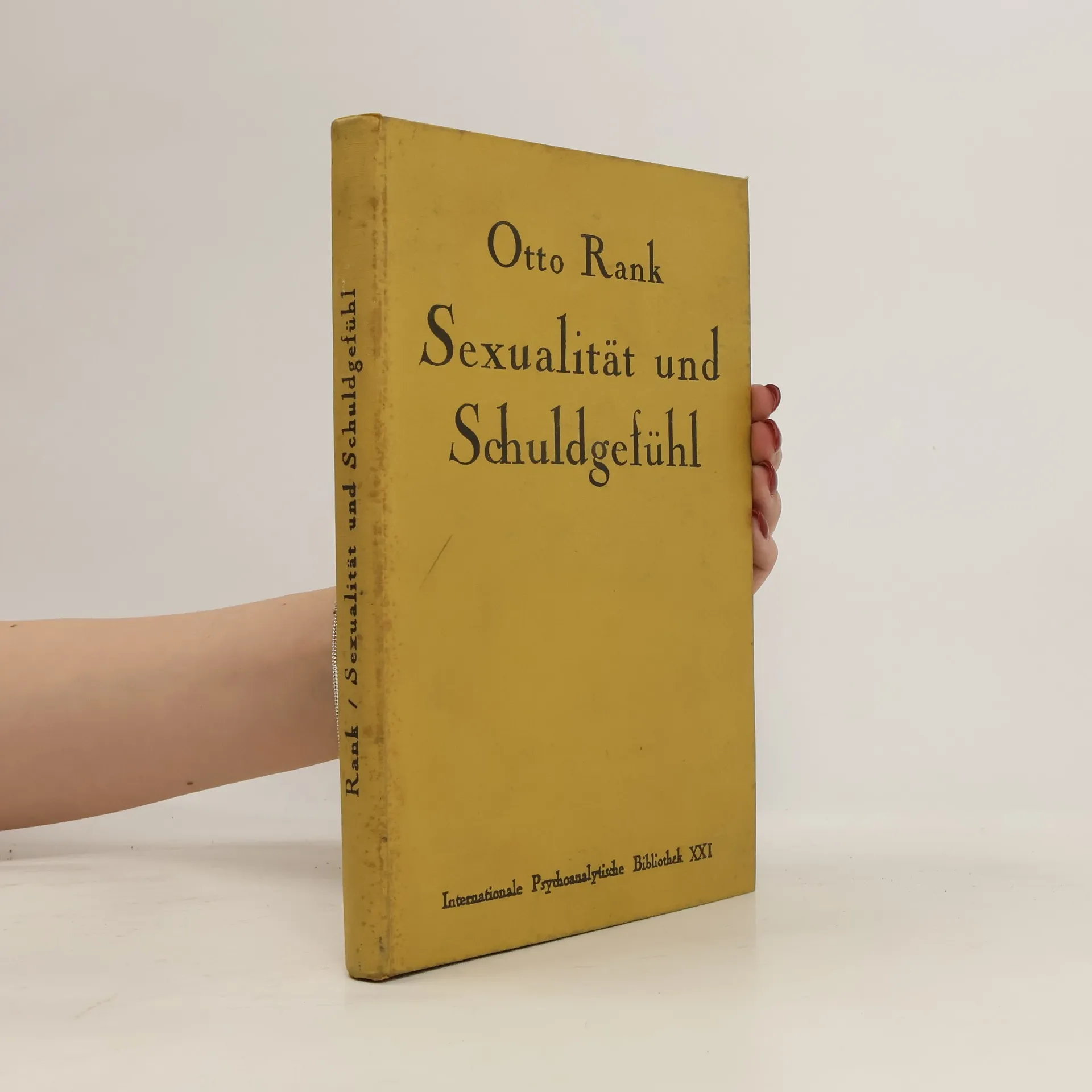
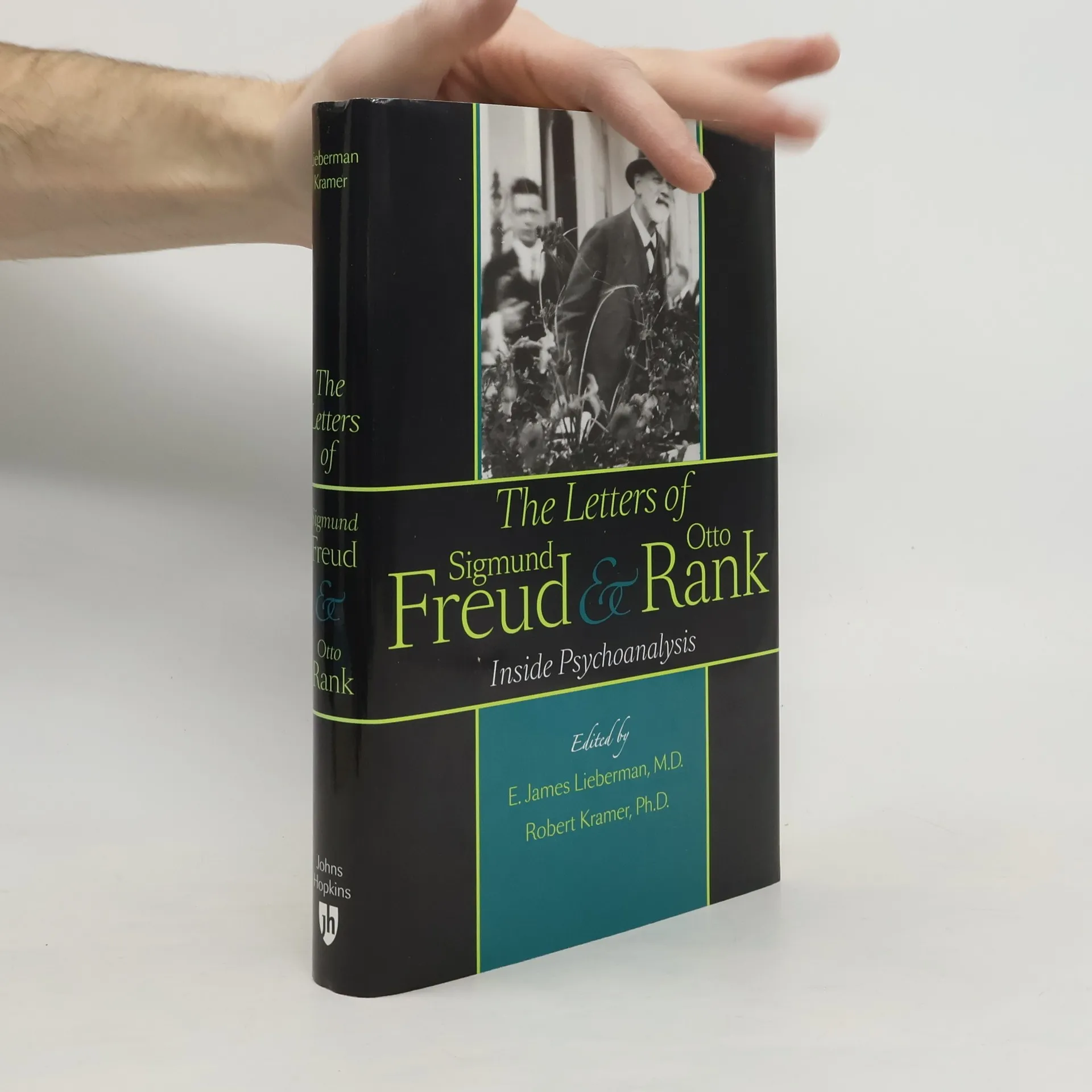
Sigmund Freud’s relationship with Otto Rank was the most significant of his professional life, with Freud regarding Rank as his most brilliant disciple. Their collaboration spanned psychoanalytic writing, practice, and politics; Rank served as the managing director of Freud’s publishing house and contributed two chapters to Freud's seminal work, The Interpretation of Dreams, marking the only instance of another name on its title page. This collection of 250 letters, compiled by E. James Lieberman and Robert Kramer, illuminates their twenty-year partnership and the eventual painful split. The correspondence, spanning from 1906 to 1925, reveals not only their professional insights but also their personal lives, including friendships, rivals, families, and travels. Notably, the letters document Rank’s growing independence, the father-son schism over his "anti-Oedipal" views, and their surprising reconciliation before their final separation. This candid correspondence offers a glimpse into how the pioneers of modern psychotherapy interacted with patients, colleagues, and each other, illustrating the development of psychoanalysis alongside early twentieth-century science, art, philosophy, and politics. This rich primary source serves as a powerful narrative of early psychoanalysis and its two most influential figures.
Otto Rank Knihy
Otto Rank, blízký spolupracovník Sigmunda Freuda, byl plodným autorem a tvůrčím teoretikem v oblasti psychoanalýzy. Po dvacetileté spolupráci s Freudem v jeho domovské Vídni působil následně v Paříži a ve Spojených státech jako úspěšný přednášející, spisovatel a terapeut. Jeho rozsáhlé dílo se zabývalo klíčovými psychoanalytickými tématy a zásadně ovlivnilo další vývoj tohoto oboru. Rank je uznáván pro svůj originální přínos psychoanalytické teorii a praxi.


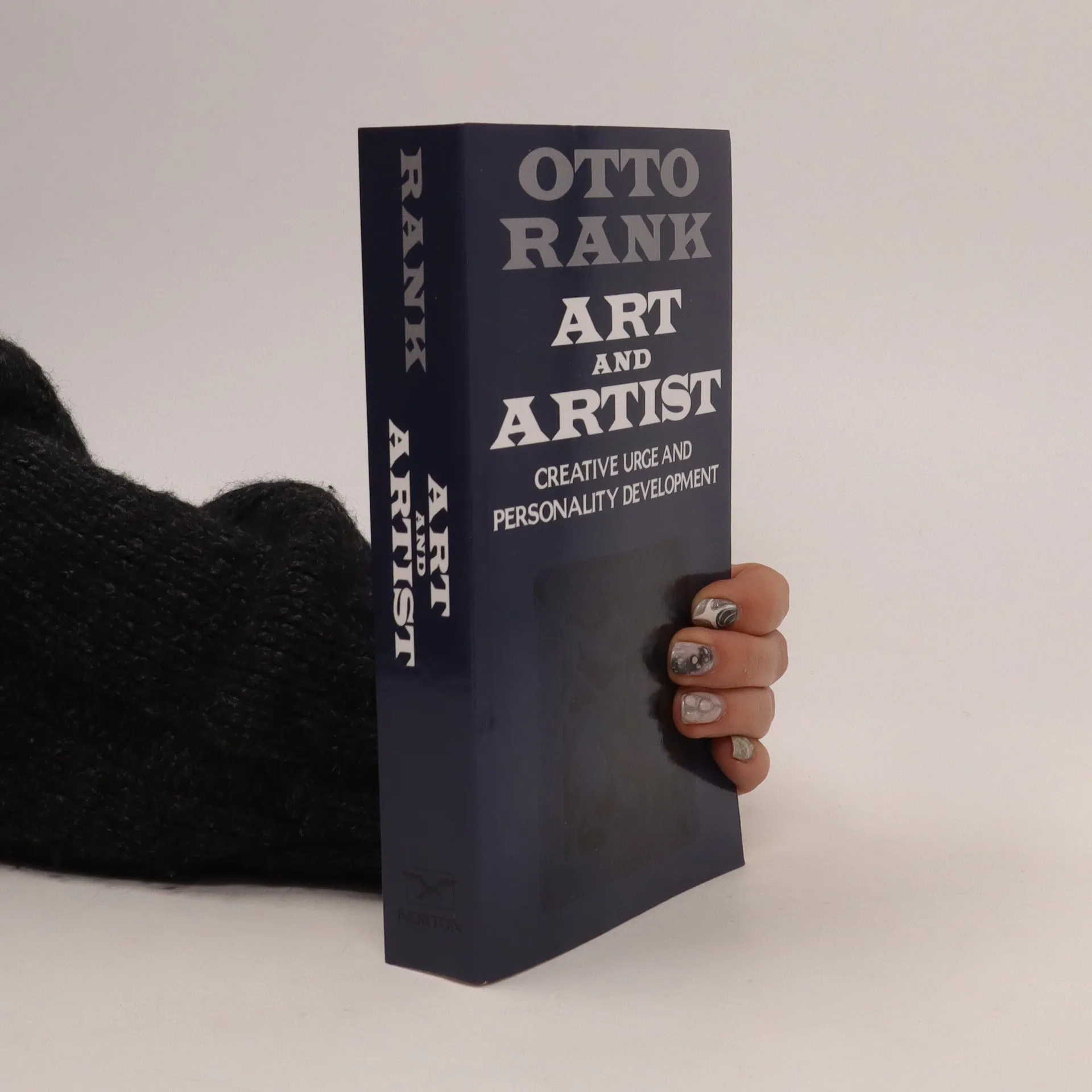
"[Rank's thought] has implications for the deepest and broadest development of the social sciences . . . and of all [Rank's] books, Art and Artist is the most secure monument to his genius." --Ernest Becker
2010 Reprint of 1952 Edition. First published in 1924, Otto Rank's The Trauma of Birth took as its starting point a note that Freud added to his The Interpretation of Dreams: "Moreover, the act of birth is the first experience of anxiety, and thus the source and prototype of the affect of anxiety." Rank set out to identify "the ultimate biological basis of the psychical," the very "nucleus of the unconscious" (p. xxiii). For him this was the physical event of birth, whereby the infant passes from a state of perfectly contented union with the mother to a state of parlous separation via an oppressive experience of asphyxiation, constriction, confinement in the vaginal canal, and so on-all feelings recognizable in anxiety states of every kind. It was the struggle against this traumatic experience of birth, in Rank's account, that structured the fantasy life of the child, including the disavowal of the difference between the sexes, infantile sexual theories, and oedipal scenarios. Castration anxiety was a defensive derivative of the anxiety associated with the birth trauma.
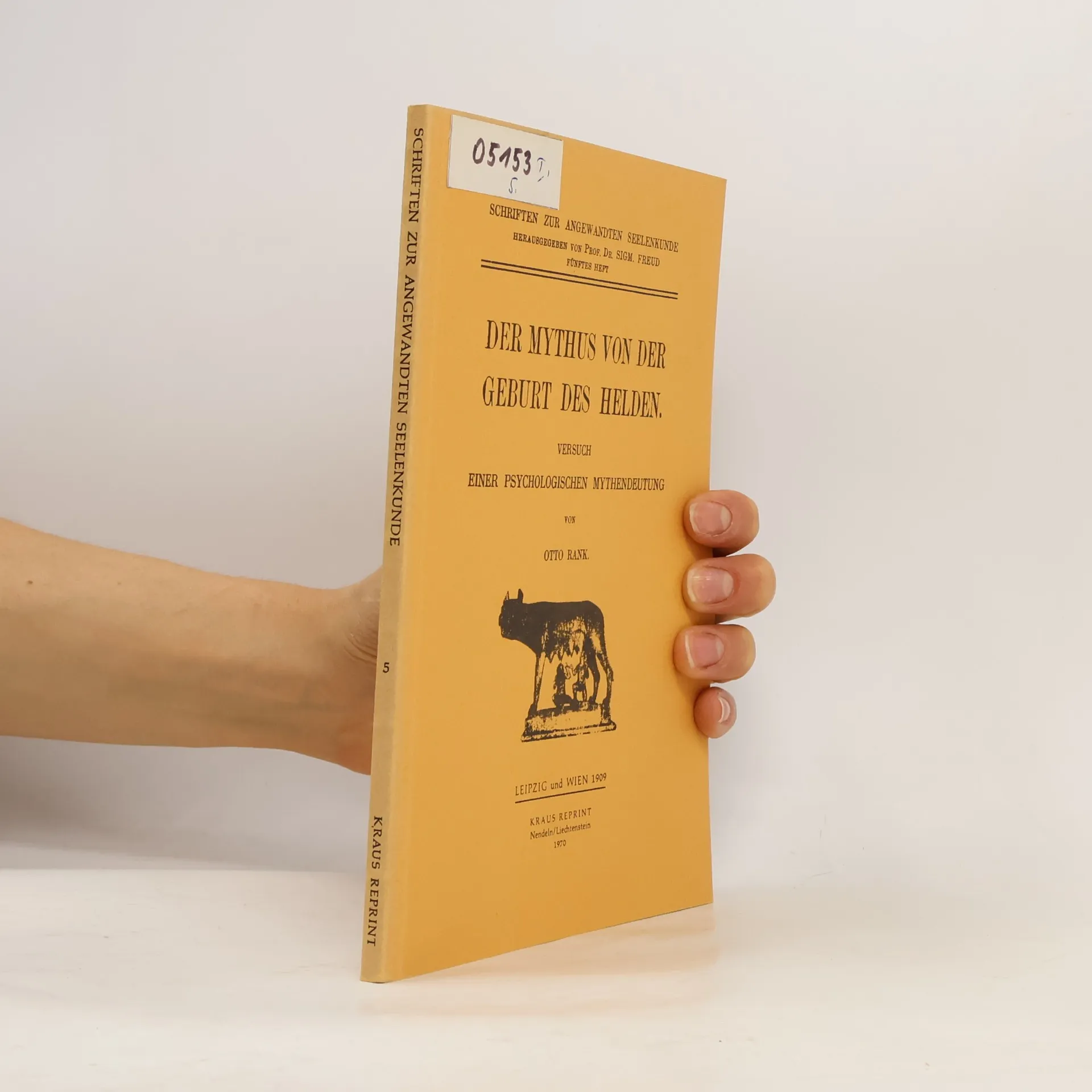
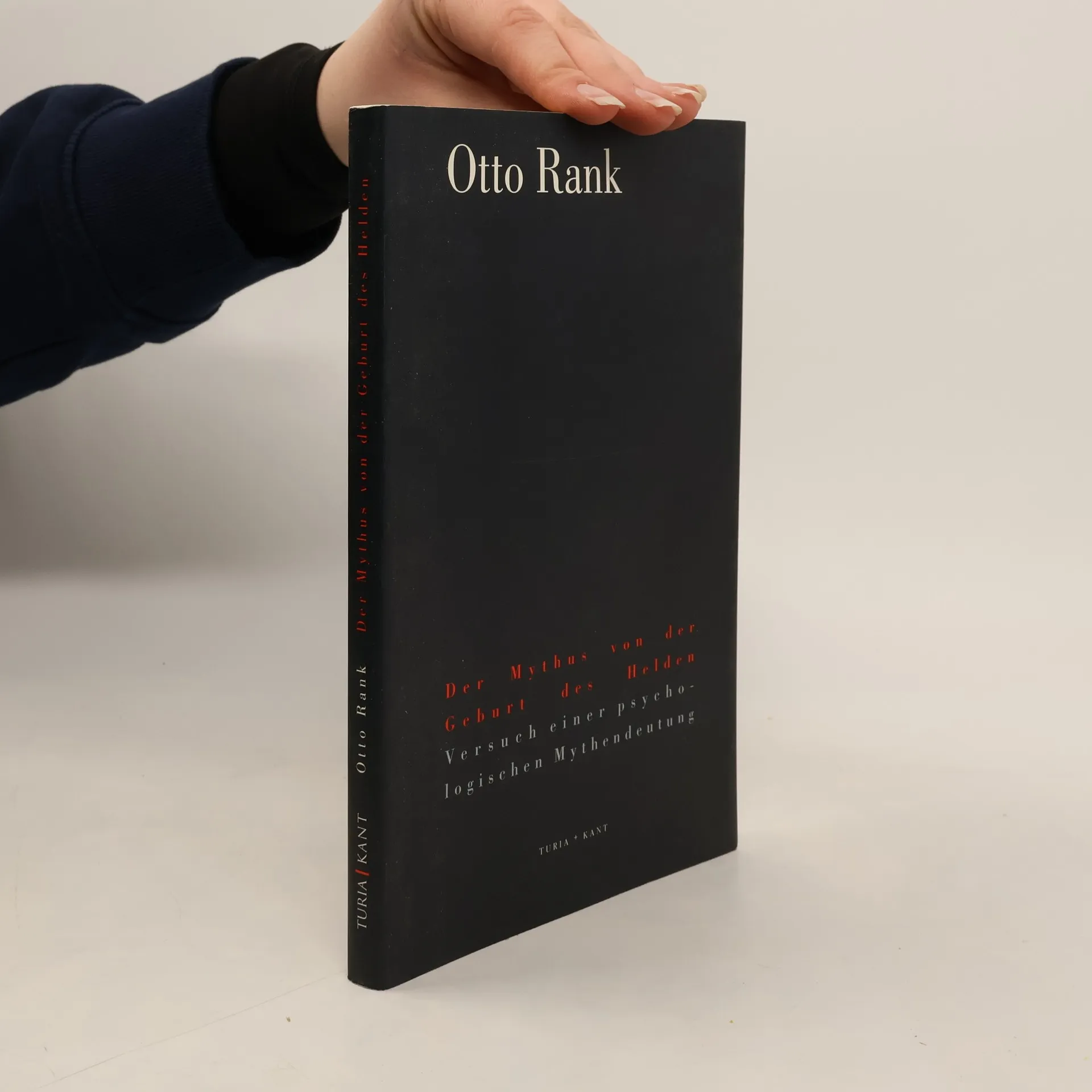
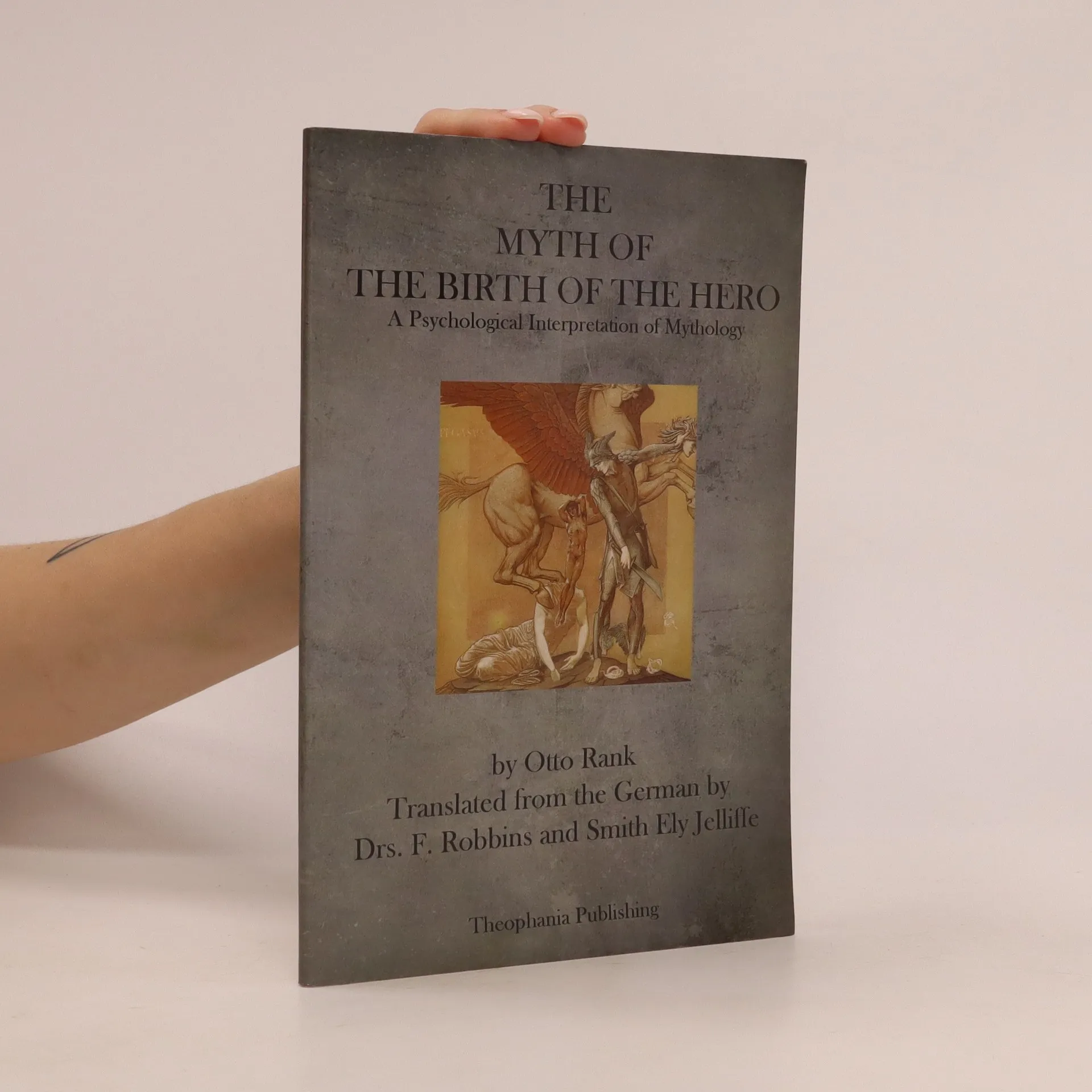
The myth of the birth of the hero
- 88 stránek
- 4 hodiny čtení
THE prominent civilized nations--the Babylonians and Egyptians, the Hebrews and Hindus, the Persians, the Greeks and the Romans, as well as the Teutons and others--all began at an early stage to glorify their national heroes--mythical princes and kings, founders of religions, dynasties, empires, or cities--in a number of poetic tales and legends. The history of the birth and of the early life of these personalities came to be especially invested with fantastic features, which in different nations--even though widely separated by space and entirely independent of each other--present a baffling similarity or, in part, a literal correspondence. Many investigators have long been impressed with this fact, and one of the chief problems of mythological research still consists in the elucidation of the reason for the extensive analogies in the fundamental outlines of mythical tales, which are rendered still more puzzling by the unanimity in certain details and their reappearance in most of the mythical groupings.
Das Trauma der Geburt und seine Bedeutung für die Psychoanalyse
- 220 stránek
- 8 hodin čtení
Das Inzest-Motiv in Dichtung und Sage
- 652 stránek
- 23 hodin čtení
Výklad snů (v německém originále Die Traumdeutung) je kniha zakladatele psychoanalýzy Sigmunda Freuda. Výklad snů patří k nejznámějším Freudovým knihám. Poprvé vyšla roku 1899 v nakladatelství Franz Deuticke. Nakladatel nicméně knihu plánoval na rok 1900, a proto je v prvním vydání uvedeno právě toto vročení. S distribucí však začal již na konci roku 1899. Kniha je považována za klíčový Freudův spis, neboť kromě popisu techniky výkladu snu obsahuje i definici pojmů vědomí a nevědomí (v pozdějších vydáních poté ještě předvědomí) a také tzv. Oidipovského komplexu. Freud v knize analyzuje především své vlastní sny a Výklad snů je tak jedním z klíčových informačních zdrojů Freudových životopisců, jiné možné zdroje Freud systematicky ničil. Kniha se dlouho nemohla u čtenářů prosadit, za prvních deset let se prodalo jen něco přes 300 výtisků.
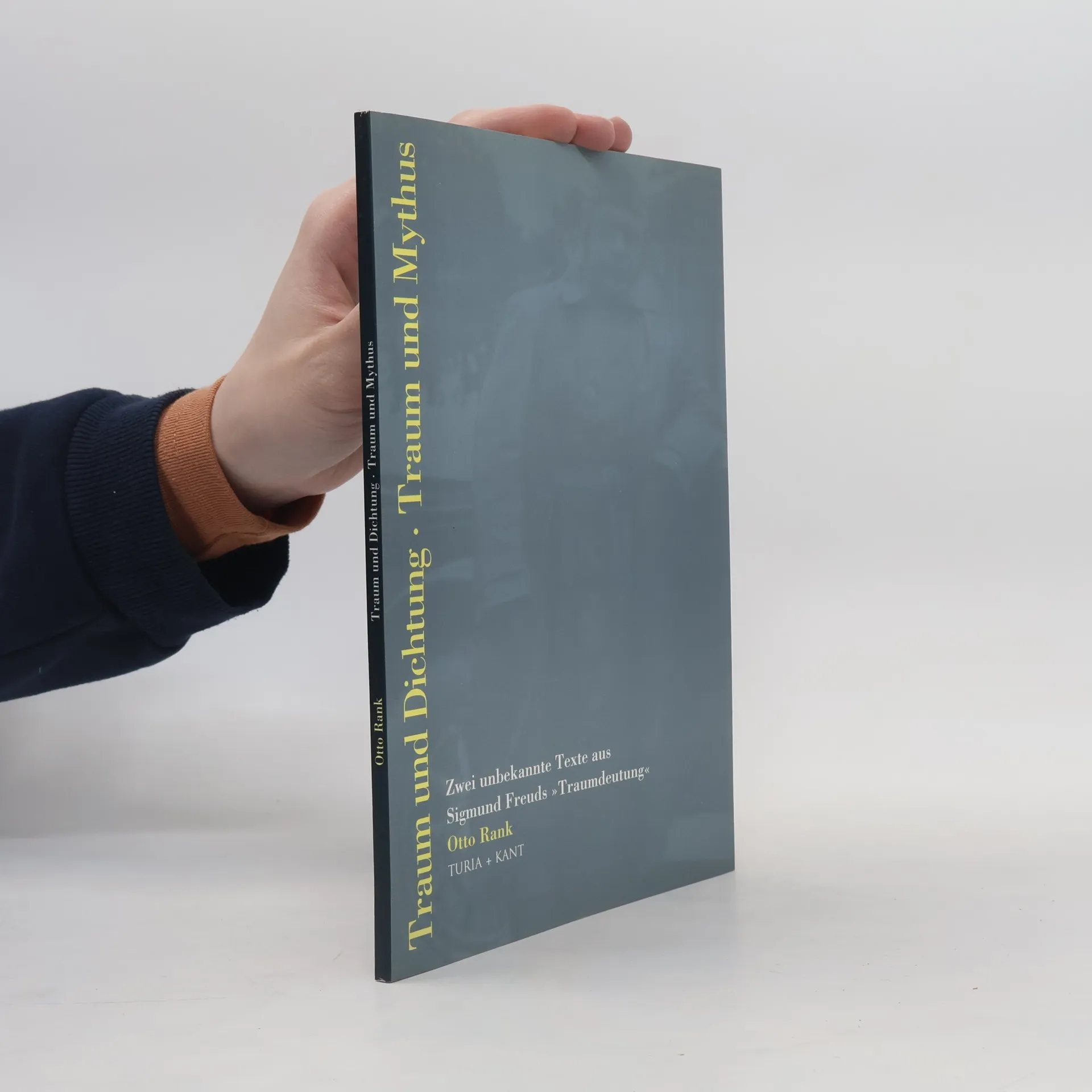
Traum und Dichtung
- 77 stránek
- 3 hodiny čtení
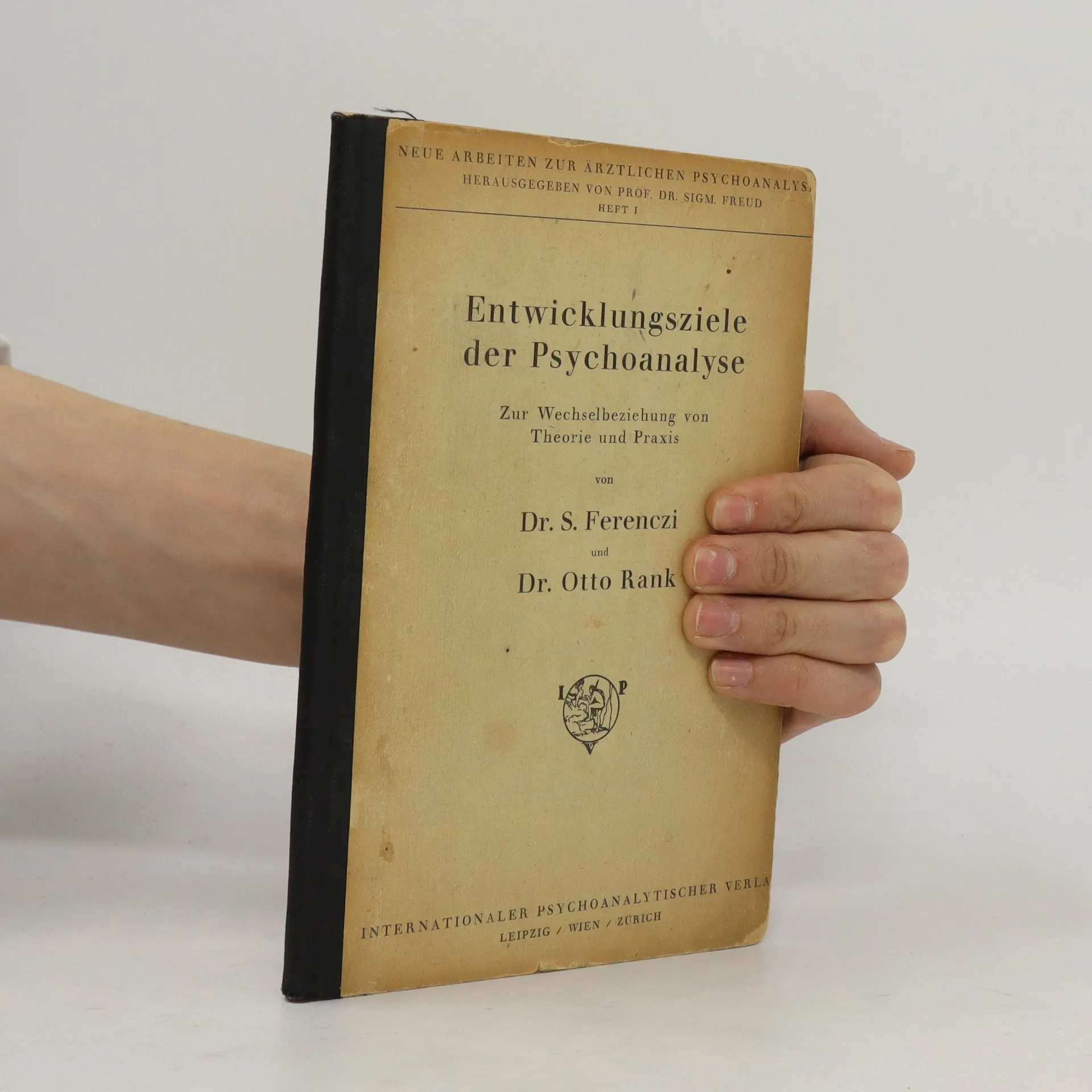
Entwicklungsziele der Psychoanalyse
Zur Wechselbeziehung von Theorie und Praxis (1924)
- 108 stránek
- 4 hodiny čtení
Der Mythos von der Geburt des Helden
Versuch einer psychologischen Mythendeutung
- 172 stránek
- 7 hodin čtení