

Knihobot

Peter Weibel

    1. leden 1947 – 1. leden 2023

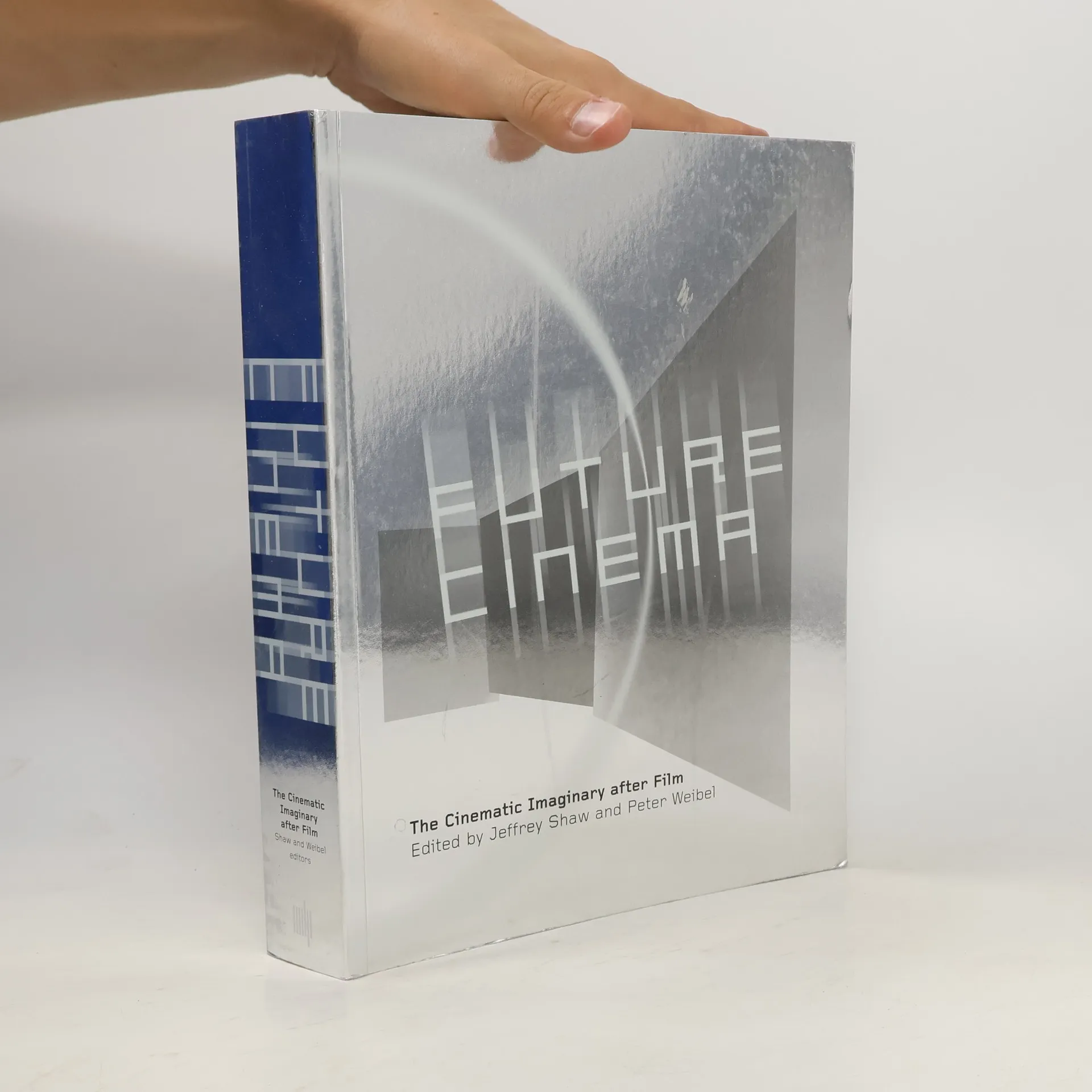
    Electronic Culture: History, Theory, and Practice: Future Cinema
    Net_condition
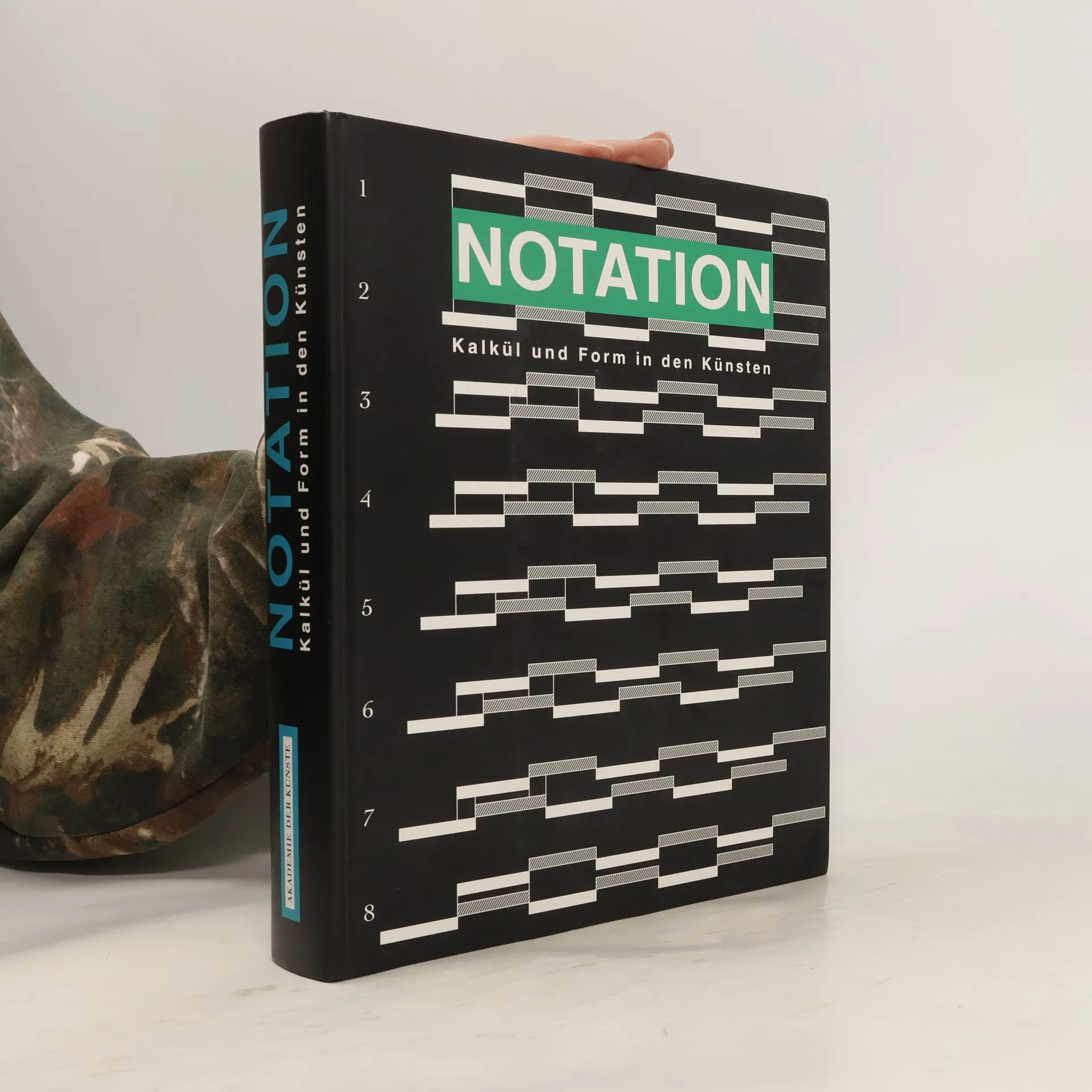
    From Xenakis's UPIC to Graphic Notation Today
    Kinetismus. 100 Years of Electricity in Art
    Kamila B. Richter : Ultima Culpa
    Kinetismus: 100 let elektřiny v umění
    • Kinetismus: 100 let elektřiny v umění

      • 269 stránek
      • 10 hodin čtení

      Od chvíle, kdy se elektřina stala všudypřítomnou, jsou umělci fascinováni širokou škálou možností, jak ji využít ve své umělecké tvorbě. Katalog Kinetismus:100 let elektřiny v umění, který doprovází úvodní výstavu v Kunsthalle Praha, zkoumá, jak elektřina od roku 1920 do současnosti proměnila uměleckou praxi. Věnuje se kinematografii, zvuku, kinetickým mechanickým sochám, počítačovému umění i imerzivním instalacím. Historická perspektiva ještě podtrhuje skutečnost, že se elektřina se svými rozmanitými způsoby využití - od umělého osvětlení po výpočetní techniku - stala charakteristickým prvkem naší společnosti. Kinetismus: 100 let elektřiny v umění obsahuje esej Petera Weibela, autora koncepce výstavy, čtyři tematické kapitoly napsané spolu-kurátorkou Lívií Nolasco-Rózsás a také popisy a reprodukce klíčových uměleckých děl tvůrců, jako jsou Mary Ellen Bute, William Kentridge, Christina Kubish, Zdeněk Pešánek, Anna Ridler, Nicolas Schöffer, Jeffrey Shaw, Takis, Steina a Woody Vasulka. Koncepce / redakce: Peter Weibel a Christelle Havranek. Texty: Václav Hájek, Jiří Hájek, Judith Bihr, Anne-Laure Chamboissier, Dávid Fehér, George Fifield, Jeanpaul Goergen, Idis Hartmann, Christelle Havranek, Anett Holzheid, Daniel Irrgang, Toby Kamps, Paul Kenig, Clara Kim, Pelin Kivrak, Anna Kodl, Rosemary Lee, Sandra Naumann, Lívia Nolasco-Rózsás, Márton Orosz, Andres Pardey, Sylva Poláková, Adriana Prodeus, Guillaume Richard, Barbora Ropková, Clara Runge, Leila Topić, Miloš Vojtěchovský, Peter Weibel, Siegfried Zielinski

      Kinetismus: 100 let elektřiny v umění
    • The kinetic century, from Takis to Kentridge Artists have long been fascinated by the creative possibilities of electricity. This catalog gathers works from 1920 to the present, in video, sound, mechanical sculpture and computer-based art by Mary Ellen Bute, William Kentridge, Christina Kubisch, Zdenek Pešánek, Anna Ridler, Takis, Steina, Woody Vasulka and others.

      Kinetismus. 100 Years of Electricity in Art
    • On the legacy of Xenakis’ innovations in music notation for contemporary composersTrained in mechanical engineering, Greek-French composer Iannis Xenakis (1922-2001) transformed mathematical models into architectonic musical entities.In the late 1970s Xenakis developed a digital apparatus that rendered waveforms drawn on a tablet as musical compositions. The device was called UPIC, or Unité Polyagogique Informatique du CEMAMu, named for the French contemporary music research institute that Xenakis had helped found a decade earlier. The device proved to be an essential tool for the development of contemporary music―a version of the software is still used by today’s composers.Featuring archival materials, this book examines the origins of Xenakis’ UPIC. It also serves as a compositional tool: embedded QR codes allow readers to create their own sound-images from UPIC compositions.

      From Xenakis's UPIC to Graphic Notation Today
    • Net_condition

      • 450 stránek
      • 16 hodin čtení
      4,0(5)Ohodnotit

      An investigation of the consequences of a society becoming inhabitants of information space explains how it is radically altering the public sphere, the private sphere, and the possibilities of creativity in the networked sphere. Original.

      Net_condition
    • Electronic Culture: History, Theory, and Practice: Future Cinema

      The Cinematic Imaginary After Film

      • 640 stránek
      • 23 hodin čtení

      Throughout the history of cinema, a radical avant-garde has existed on the fringes of the film industry. A great deal of research has focused on the pre- and early history of cinema, but there has been little speculation about a future cinema incorporating new electronic media. Electronic media have not only fundamentally transformed cinema but have altered its role as a witness to reality by rendering "realities" not necessarily linked to documentation, by engineering environments that incorporate audiences as participants, and by creating event-worlds that mix realities and narratives in forms not possible in traditional cinema. This hybrid cinema melds montage, traditional cinema, experimental literature, television, video, and the net. The new cinematic forms suggest that traditional cinema no longer has the capacity to represent events that are themselves complex configurations of experience, interpretation, and interaction.This book, which accompanies an exhibition organized by the ZKM Institute for Visual Media, explores the history and significance of pre-cinema and of early experimental cinema, as well as the development of the unique theaters in which "immersion" evolved. Drawing on a broad range of scholarship, it examines the shift from monolithic Hollywood spectacles to works probing the possibilities of interactive, performative, and net-based cinemas. The post-cinematic condition, the book shows, has long roots in artistic practice and influences every channel of communication.

      Electronic Culture: History, Theory, and Practice: Future Cinema
    • What happens when beliefs are interwoven with personal revenge?After a terrorist attack on a café in London, Clint Maitland and Ben-Zion Mahmudi, both CIA agents, face Zaynab Kahn, widow of the terrorist. Having been brought in for questioning, Zaynab's interview begins a cat and mouse game of strike, retreat and revenge amongst the three of them.The hunt starts in London, progresses to South Africa, and then explodes in the horn of Africa. Zaynab is determined to lead Islamic militant extremist groups to attack the western world. Clint is equally determined to stop her. But at what personal cost to both of them?

      Woven Web of Revenge
    • When retired police detective, turned PI, Kathy Mason, arrives on Mercer Island, fate steps in bringing her face to face with a nightmare she believed she had left behind in New York. Reluctantly she is drawn into the investigation of missing women. Memories of the tragedy which befell her sister Jessie spur her on. Billy, a devilishly handsome psychopath, visualizes his mother, who abandoned him, in every woman he lures. An abusive foster system has created a monster. Is there one murderer, or two? Each young victim has a family; each murder has Mercer Island shivering with fear.

      Wicked Games
    • BioMedia

      The Age of Media with Life-like Behavior

      The research exhibition BioMedia: The Age of Media with Life-like Behavior at ZKM ! Center for Art and Media Karlsruhe presents works that intersect the realms of art, science, and technology. The media systems on show, which range from digital, computer-generated, and computer-simulated systems to complex adaptive robots and interactive installations, simulate various different aspects of life beyond movement and raise fundamental questions about the interaction between human and non-human beings and what inorganic life might mean in the future. The term BioMedia or biomimetic media is used here to refer to media that exhibit life-like forms of behaviour. Over sixty artists have contributed works illustrating the exhibition themes. The book accompanying the show focuses on the artworks, which are described in detail in richly illustrated texts. The internationally renowned Austrian artist, curator, and art and media theorist Peter Weibel has been CEO and scientific-artistic chairman of ZKM ! Center for Art and Media Karlsruhe since 1999.

      BioMedia