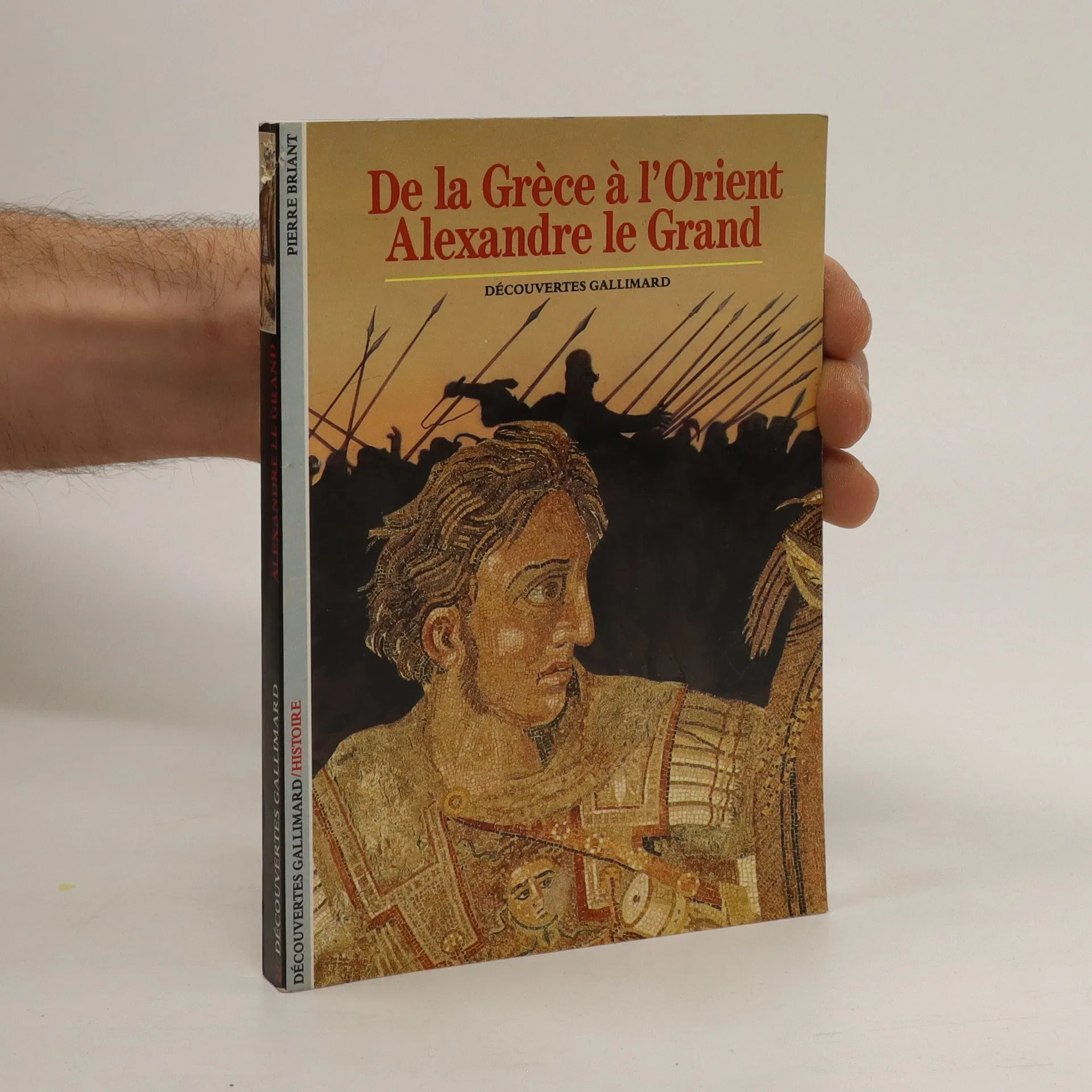
Pierre Briant se zaměřuje na studium achajmenovské říše a souvisejících témat, jako je Alexandr Veliký a helénistické období. Jeho práce se vyznačují hlubokým vhledem do historie a civilizace tohoto starověkého světa. Jeho přístup kombinuje pečlivé historické bádání s porozuměním kulturním a politickým nuancím. Čtenáři jeho děl objevují fascinující portrét klíčového období světových dějin.
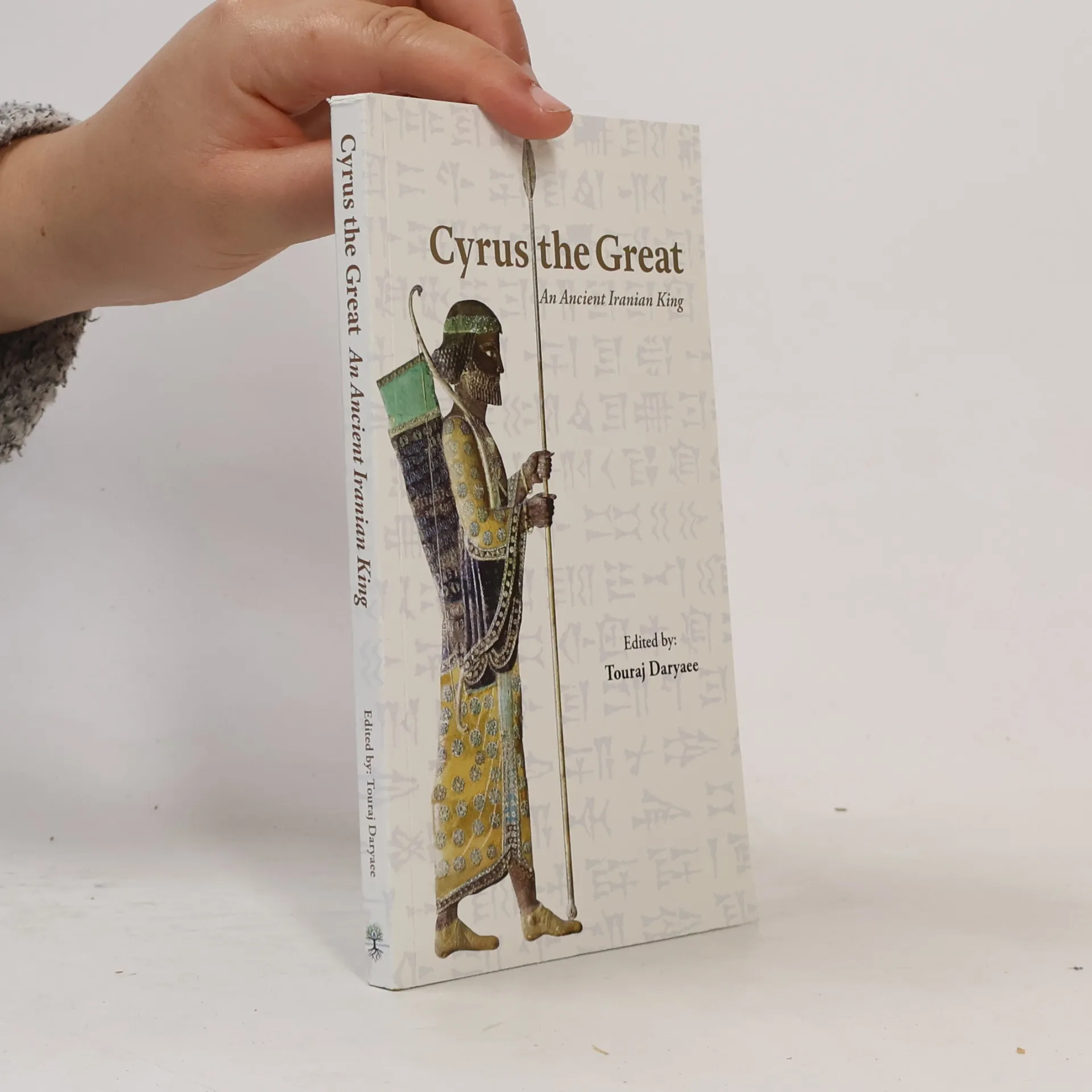
Around 550 BCE, the Persian people emerged from Iran and engaged in an adventure that, under the leadership of Cyrus the Great and his successors, culminated in the creation of an Empire that stretched from central Asia to Upper Egypt, from the Indus to the Danube. This book helps you understand how such an Empire emerged, developed, and faded.
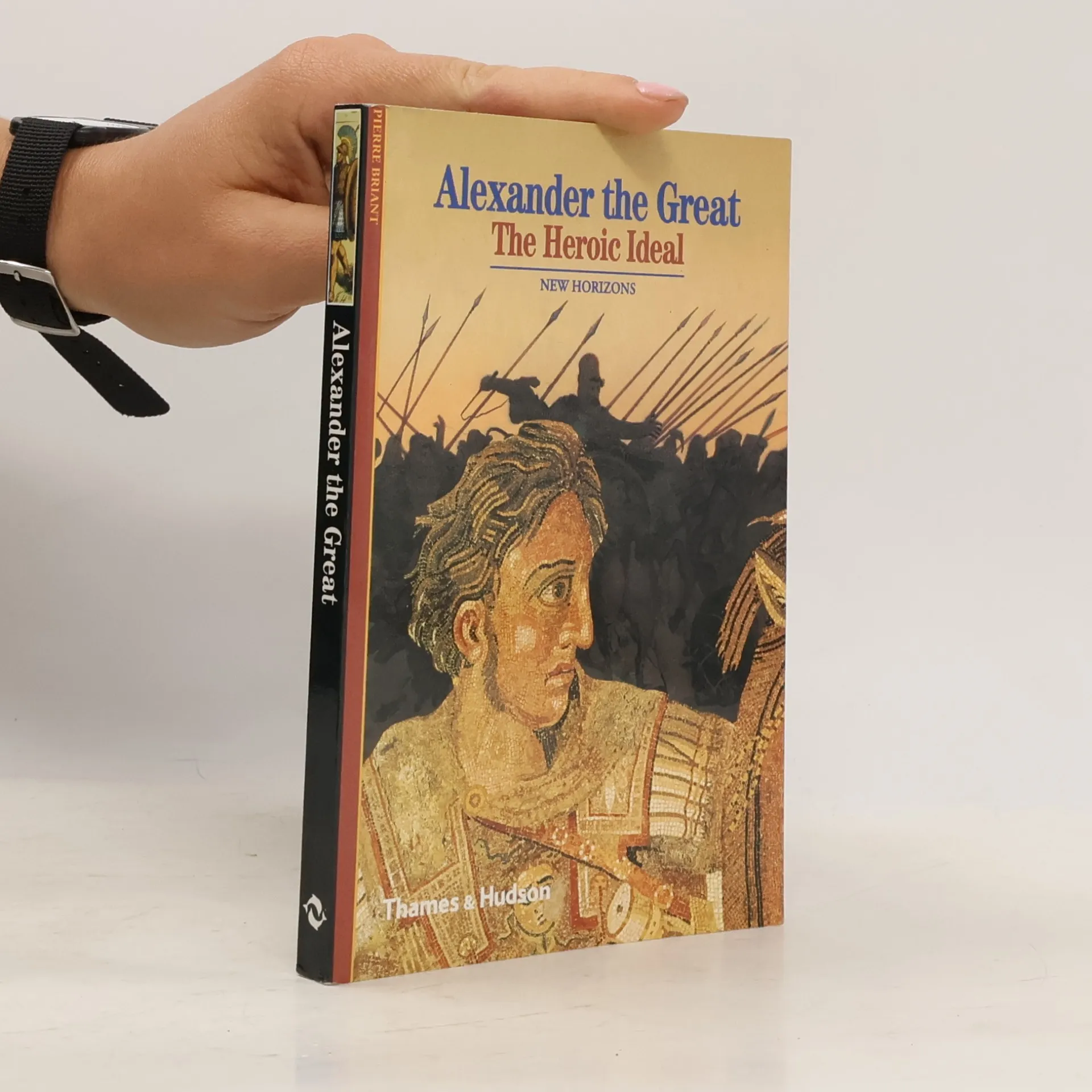
Defeating the mighty Persian Empire at the age of 22, Alexander the Great rapidly conquered the rest of the then known world. This book traces the career of Alexander who was destined to become one of the greatest generals the world has known, and celebrates his legacy to Greek civilization.
This volume is a unique, multi-authored social history of war from the third millennium B.C.E. to the tenth century C.E. in the Mediterranean, the Near East, and Europe (Egypt, Achaemenid Persia, Greece, the Hellenistic World, the Roman Republic and Empire, the Byzantine Empire, the early Islamic World, and early Medieval Europe), with parallel studies of Mesoamerica (the Maya and Aztecs) and East Asia (ancient China, medieval Japan). The product of a colloquium at Harvard’s Center for Hellenic Studies, this volume offers a broadly based, comparative examination of war and military organization in their complex interactions with social, economic, and political structures as well as cultural practices.
Cyrus is among the most impressive characters in the ancient world. From the Old Testament to Xenophon's Cyropaedia, ancient texts have made him to an example of tolerance and just kingship. Hailing from a small principality in southwest Iran, he rapidly rose to power, creating a world empire. The five articles included here, along with the English and Persian translation of his cylinder, provide a scholarly and readable exposition of one of the great figures of antiquity. Cyrus the Great's political career, monuments, religious practices and literary remains are all discussed in this concise and informative book.
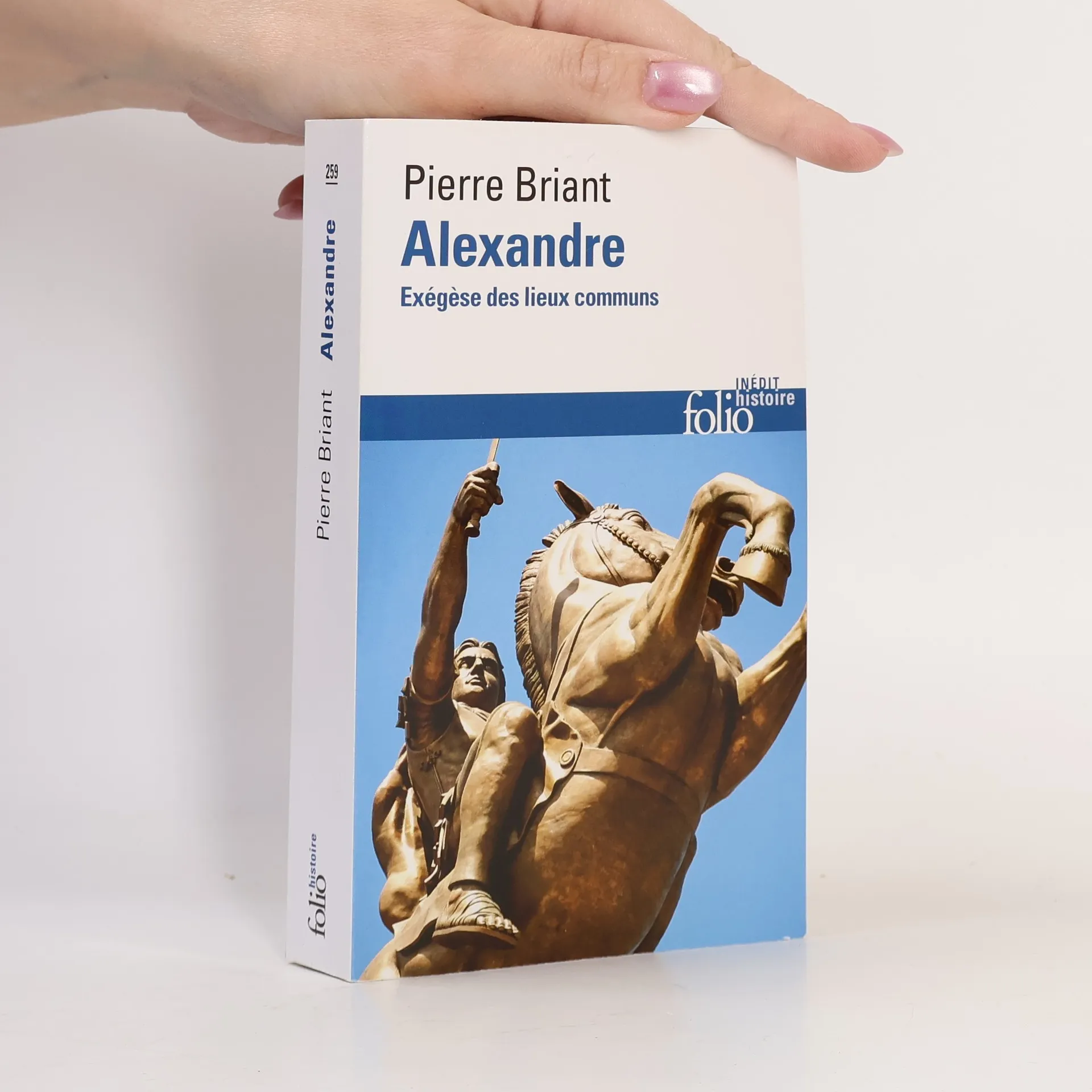
Est-il encore nécessaire et utile de parler d'Alexandre le Grand - dira-t-on peut-être -, alors même que le rythme et l'ampleur des publications qui lui sont consacrées paraissent incontrôlables ? André Aymard, l'un des plus perspicaces parmi les historiens de l'Antiquité, eut en 1953 une formule lapidaire : "Alexandre ne manque pas d'historiens, et ceux-ci ne manquent pas d'Alexandres." Le moment est venu, non pas tant de faire un bilan des connaissances que de proposer une réflexion sur les manières variées et contradictoires selon lesquelles, au cours des siècles, de l'Islande à Java, ont été échafaudées, contestées, déconstruites et reconstruites les images et interprétations sur lesquelles les historiens continuent de se disputer et leurs lecteurs de rêver. On ne sera donc pas désarçonné de voir fleurir, dans cette analyse critique des lieux communs et de leurs usages selon les époques, des entrées telles que "Croisade", " Mission civilisatrice", " Sikandar", " Maison de Bourgogne" ou " Chute de Constantinople", "Heavy Metal", "Mali", "Maudit Aliksandar" ou encore "Napoléon". Chacune traite de la mémoire d'Alexandre et de ses différentes strates, manifestations et instrumentalisations au cours des siècles, d'Est en Ouest et du Couchant au Levant.
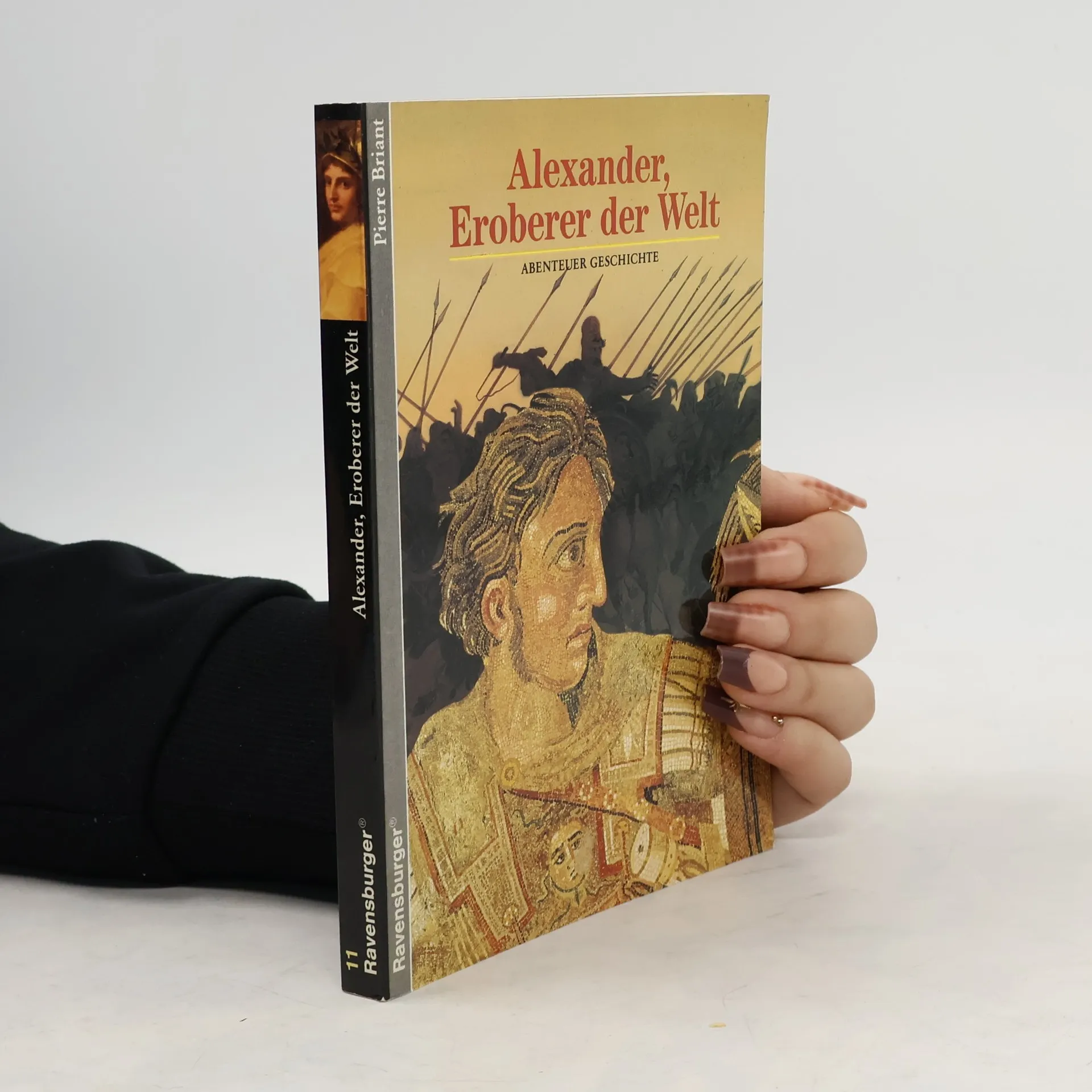
Au printemps de 334 av. J.-C., le jeune roi macédonien Alexandre, à la tête de cinquante mille soldats, envahit l'Asie Mineure et atteint l'Inde, conquérant la Perse en onze ans. Il parcourt des milliers de kilomètres, se distinguant par son esprit guerrier et ses manœuvres politiques pour soumettre les chefs ennemis, ouvrant ainsi la voie à la culture grecque en Asie.
Éduqué à Pella, Alexandre, fils du roi Philippe de Macédoine, est destiné à une vie hors du commun. À la mort de Philippe, il monte sur le trône, dirigeant un royaume macédonien dominant la Grèce, qui aspire à se libérer de la domination perse. Franchissant l'Hellespont, il affronte le roi perse Darius, qui, confiant, ne se méfie pas.
Les généraux de Darius, désireux de combattre, mobilisent la cavalerie perse sur la rivière Granique. Bien qu'Alexandre frôle la mort, il relance l'attaque à la nuit tombée et remporte la victoire, libérant les cités d'Asie Mineure. Darius, inquiet, décide de lutter contre lui, mais à Issos, son armée est vaincue.
Les conquêtes se poursuivent avec la prise de Sidon et Tyr, ouvrant la voie vers l'Égypte, où Alexandre est reconnu comme « fils d'Ammon ». À Gaugamèles, Darius subit une nouvelle défaite, et les portes de Babylone s'ouvrent. Alexandre soumet la Perse et avance vers l'Inde, où seul le roi Poros résiste avec une grande armée. Après une bataille acharnée, Alexandre l'emporte et permet à Poros de conserver son trône, mais