


Knihobot

Richard Hofstadter

    Richard Hofstadter byl americký intelektuál, historik a profesor, jehož práce se dodnes těší oblibě. Ve svých dílech pronikal do podstaty americké mentality a politické historie, odhaloval její klíčové hybné síly a často kriticky hodnotil její společenské a intelektuální proudy. Jeho vliv spočívá v pronikavé analýze amerického myšlení a jeho schopnosti propojit historické události s aktuálními společenskými otázkami. Hofstadterův styl je oceňován pro svou intelektuální hloubku a zasvěcený pohled na vývoj americké společnosti.

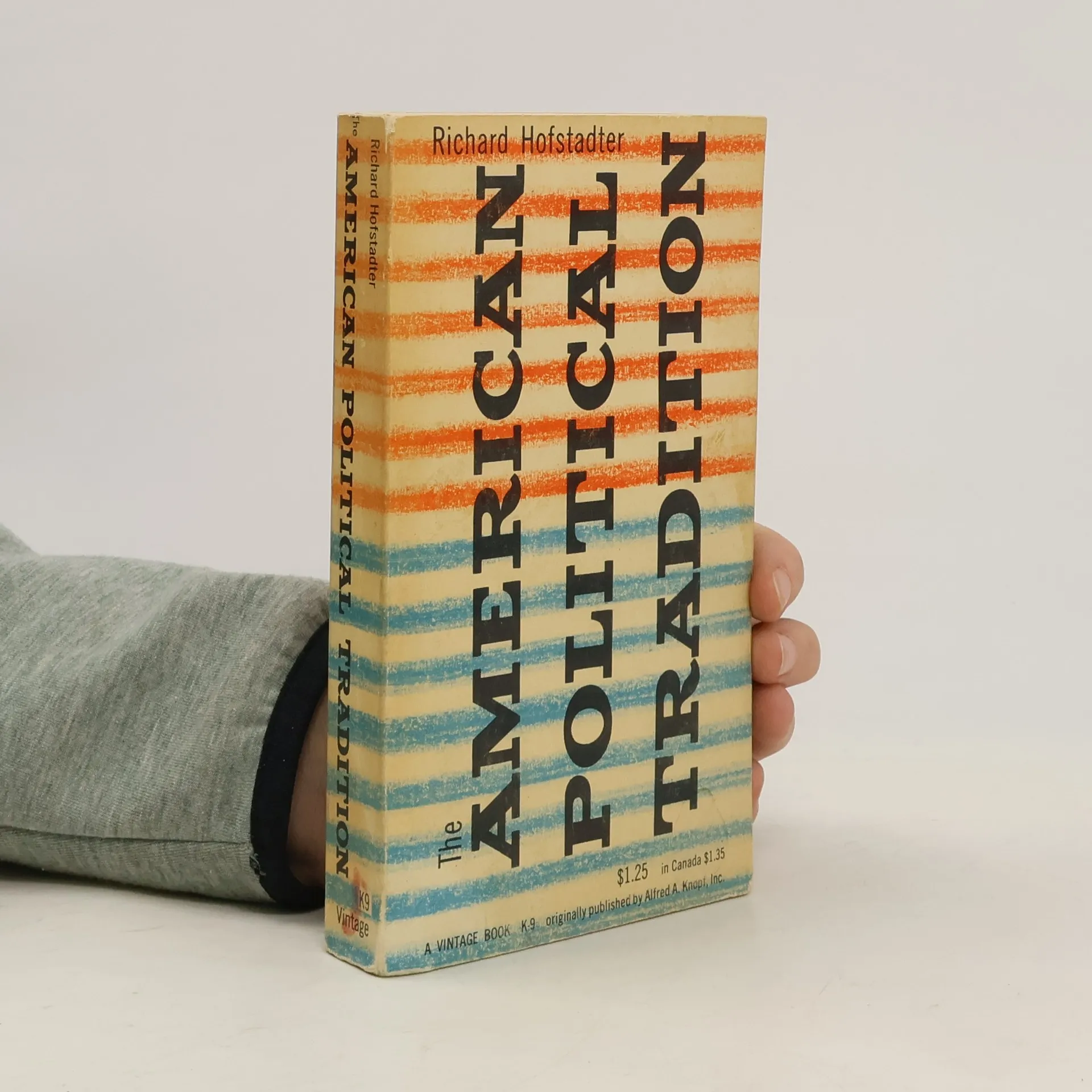
    The American Political Tradition
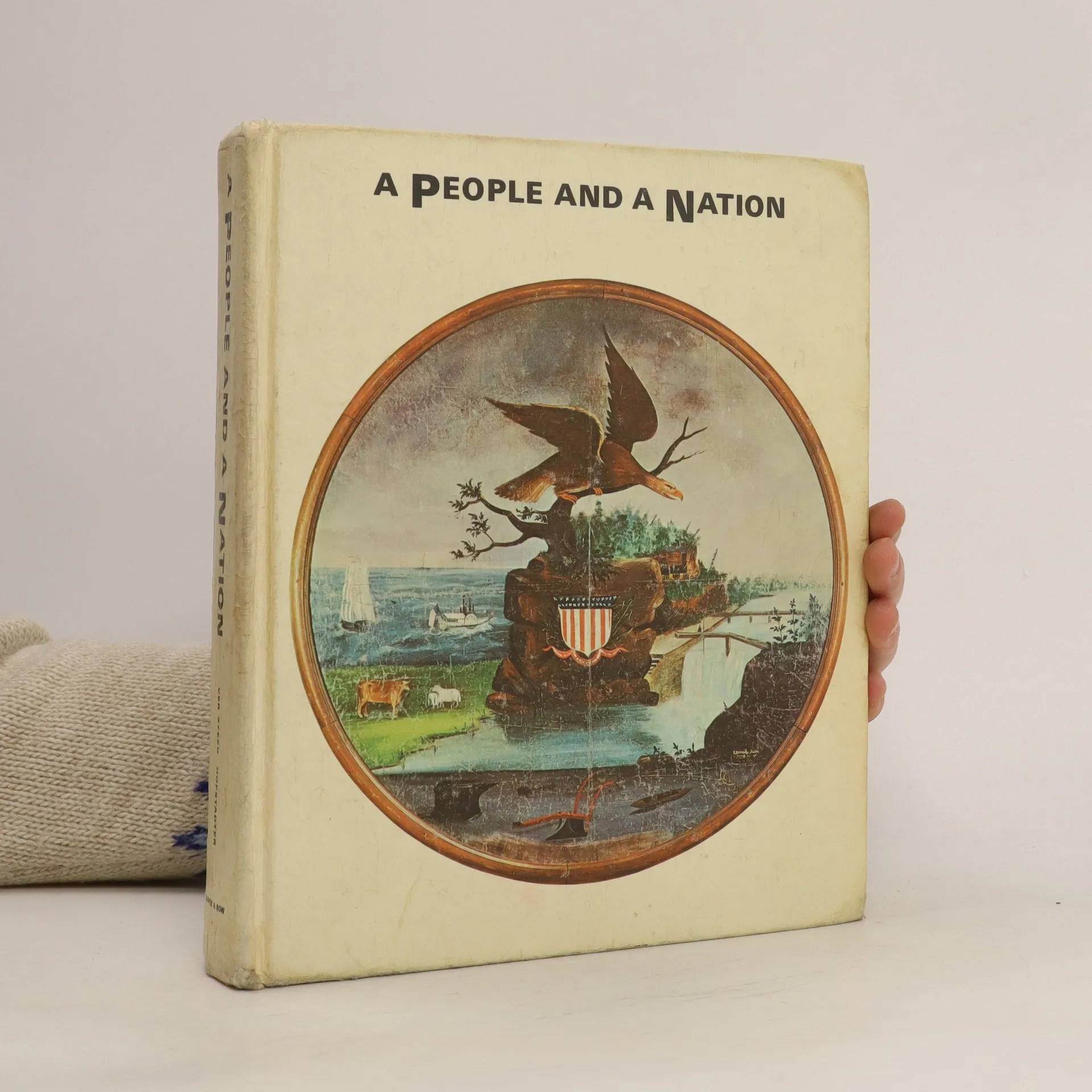
    A People and a Nation
    Richard Hofstadter: Anti-Intellectualism in American Life, the Paranoid Style in American Politics, Uncollected Essays 1956-1965 (Loa #330)
    Anti-Intellectualism in American Life
    The Paranoid Style in American Politics
    • The Paranoid Style in American Politics

      • 368 stránek
      • 13 hodin čtení
      4,3(160)Ohodnotit

      Examining the influence of fringe groups on American electoral politics, this work delves into the irrational aspects of political behavior and its disproportionate impact on broader party agendas. Hofstadter's analysis reveals how individual actions can shape collective political discourse, offering insights into contemporary domestic affairs. Alongside classic essays, the book serves as a foundational text in political history, exploring the dynamics of political movements and their implications in the United States.

      The Paranoid Style in American Politics
    • Anti-Intellectualism in American Life

      • 464 stránek
      • 17 hodin čtení
      4,2(2967)Ohodnotit

      Anti-intellectualism in American Life was awarded the 1964 Pulitzer Prize in Non-Fiction. It is a book which throws light on many features of the American character. Its concern is not merely to portray the scorners of intellect in American life, but to say something about what the intellectual is, and can be, as a force in a democratic society.Hofstadter set out to trace the social movements that altered the role of intellect in American society from a virtue to a vice. In so doing, he explored questions regarding the purpose of education and whether the democratization of education altered that purpose and reshaped its form.In considering the historic tension between access to education and excellence in education, Hofstadter argued that both anti-intellectualism and utilitarianism were consequences, in part, of the democratization of knowledge.Moreover, he saw these themes as historically embedded in America's national fabric, an outcome of her colonial European and evangelical Protestant heritage. Anti-intellectualism and utilitarianism were functions of American cultural heritage, not necessarily of democracy.

      Anti-Intellectualism in American Life
    • Exploring the complexities of the American psyche, this collection features two significant works by a renowned historian. It delves into the historical and cultural influences that shape American thought, offering insights into societal behaviors and beliefs. Readers will gain a deeper understanding of the nuances within the American experience, as the author weaves together narratives that reflect both the triumphs and struggles of the nation. This compilation is essential for those interested in American history and its psychological dimensions.

      Richard Hofstadter: Anti-Intellectualism in American Life, the Paranoid Style in American Politics, Uncollected Essays 1956-1965 (Loa #330)