

Knihobot

David J. Linden

    3. listopad 1961

    David J. Linden se věnuje zkoumání buněčných základů ukládání paměti v mozku a dalších aspektů neurovědy. Jeho práce se zaměřuje na vědeckou komunikaci a přibližuje komplexní témata širokému publiku. Linden se zabývá biologickými základy chování a zkoumá, jak naše smysly a vnímání ovlivňují naše prožitky. Jeho knihy o vědě pro laiky jsou oceňovány pro svou přístupnost a hloubku.

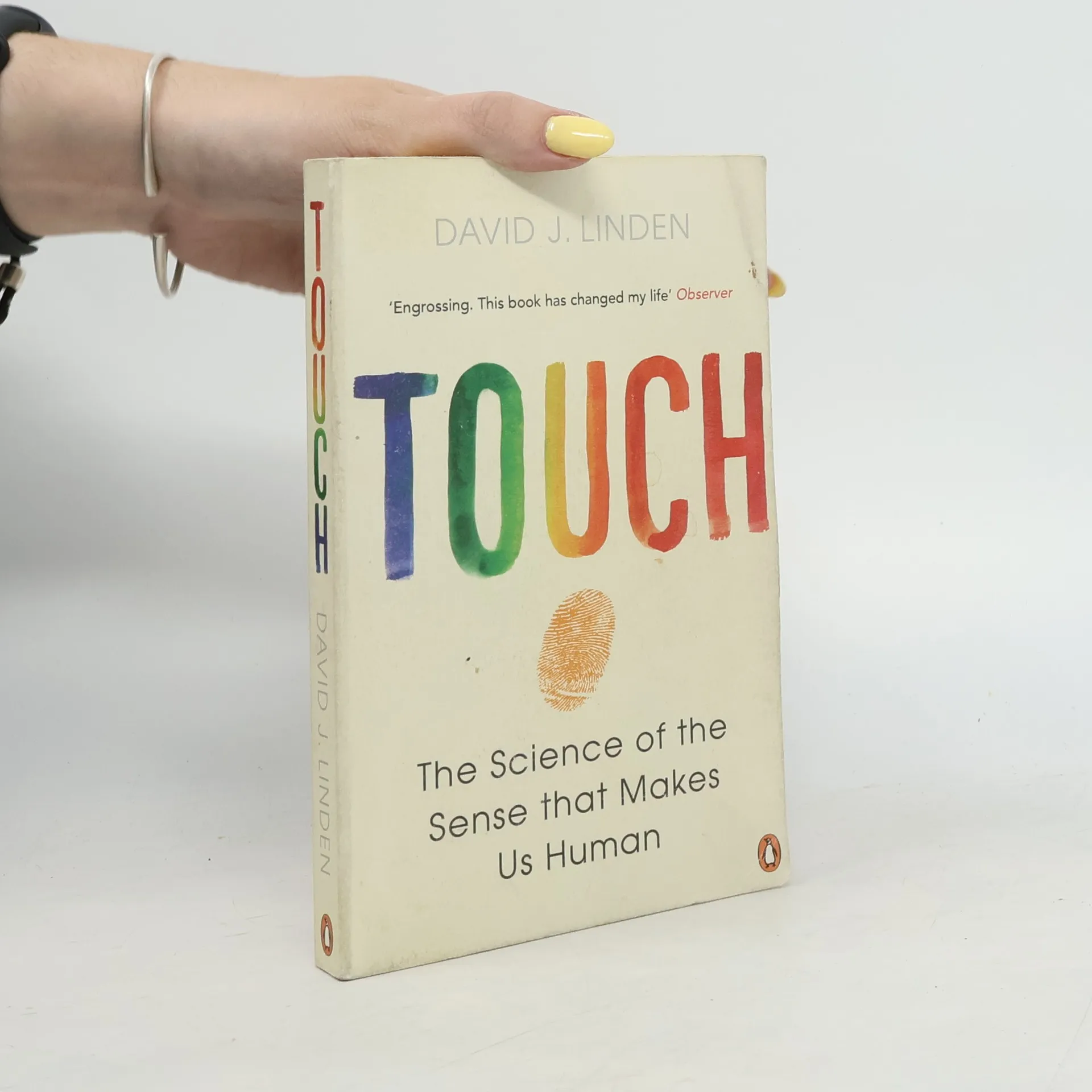
    Touch: the science of the sense that makes us human
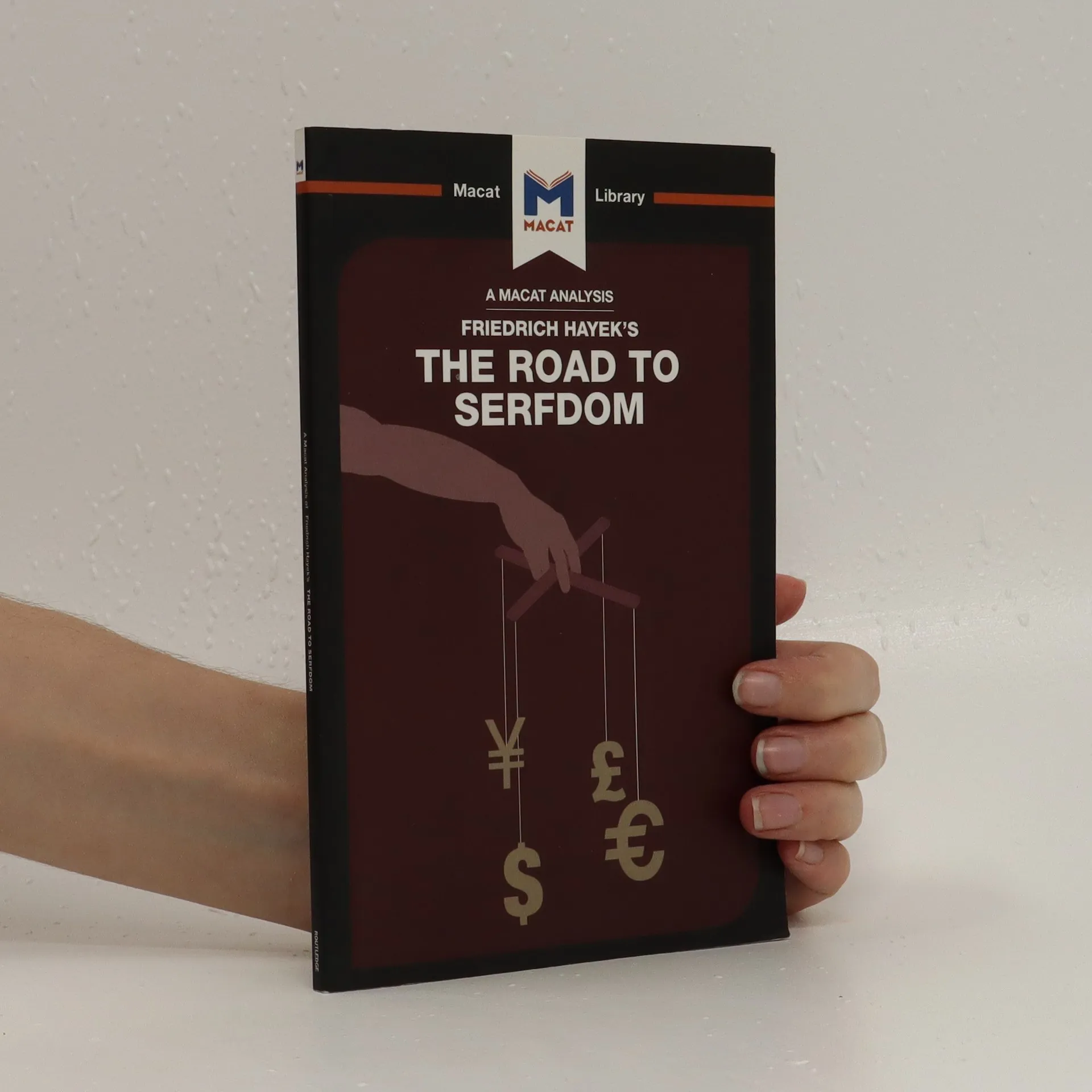
    An analysis of Friedrich Hayek's The road to serfdom
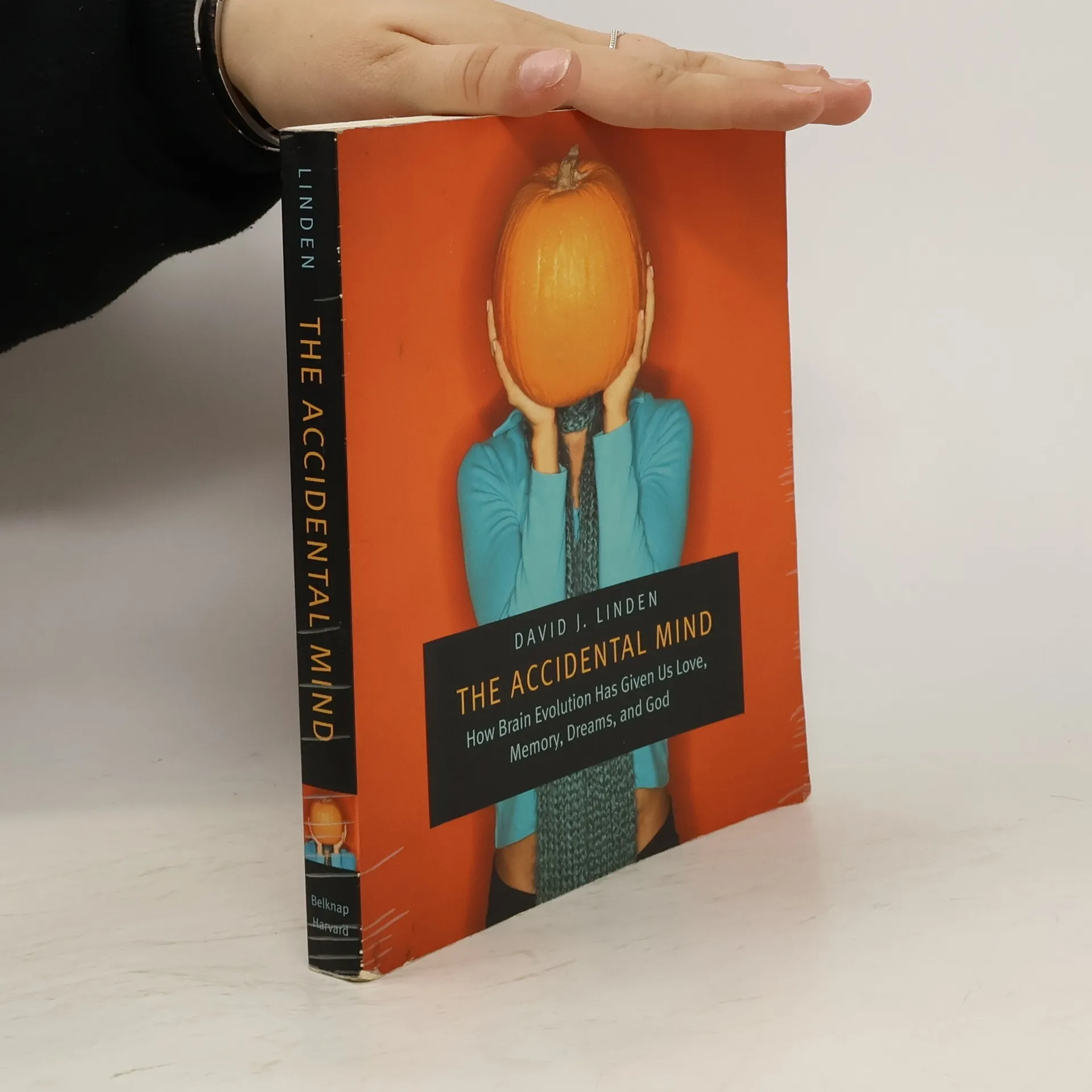
    The Accidental Mind
    Unique
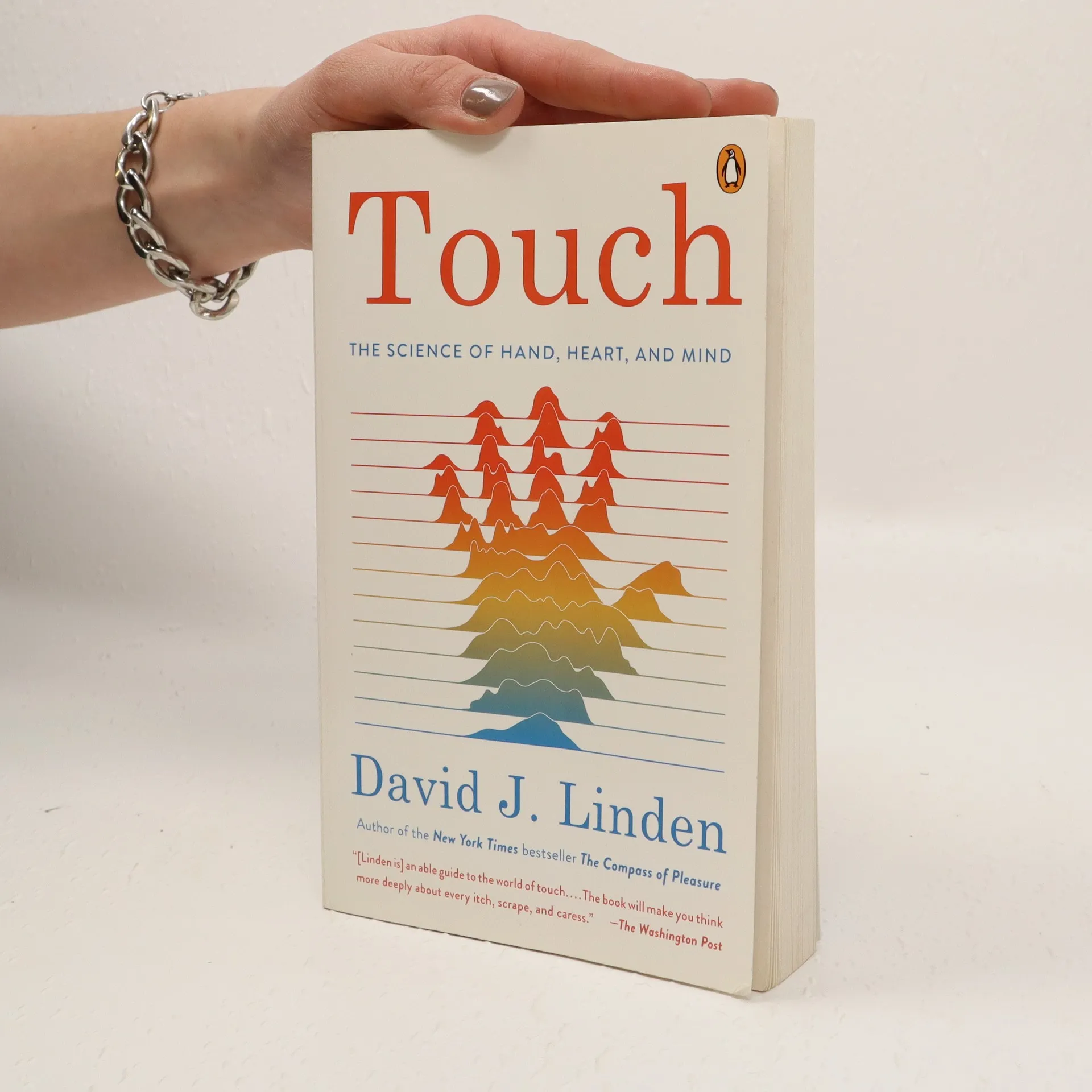
    Touch - The science of hand, heart, and mind
    The Biology of Psychological Disorders
    • 2021

      Wybitni naukowcy o fascynujących funkcjach ludzkiego mózgu! Zbiór intrygujących esejów autorstwa należących do światowej czołówki neuronaukowców, zawierający analizy dziwnych i sprzecznych z intuicją aspektów funkcjonowania ludzkiego mózgu David J. Linden, który jest neuronaukowcem, zwrócił się do koleżanek i kolegów po fachu z takim samym pytaniem: „Jaką koncepcję dotyczącą funkcjonowania mózgu najbardziej chciałabyś/chciałbyś wyjaśnić światu?”. Z ich odpowiedzi powstał jedyny w swoim rodzaju zbiór popularnonaukowych tekstów, których celem jest poszerzenie naszej wiedzy o umyśle i jego możliwościach. Autorzy, specjalizujący się w takich dziedzinach, jak zachowanie, genetyka molekularna, biologia ewolucyjna i anatomia porównawcza, poruszyli całą gamę interesujących tematów, od osobowości przez percepcję, uczenie się i piękno po miłość i seks, a nawet co neuronauka może powiedzieć o marketingu i reklamie. A wszystko po to, by objaśnić biologiczne podstawy naszego życia psychicznego i społecznego oraz sposoby, w jakie wchodzą one w interakcje z doświadczeniem pojedynczego człowieka, z kulturą, nieustającym procesem ewolucji i jak same są przez nie kształtowane. I szczerze mówią, co już wiadomo, a czego nie. Profesor Linden i zaproszeni przez niego autorzy otwierają nowe okno na krajobraz ludzkiego mózgu oraz świat błyskawicznie rozwijającej się neuronauki. To fascynująca lektura zarówno dla profesjonalistów, jak i miłośników nauki. Świadomość jest pierwszym krokiem prowadzącym do zmiany. Wiedza o tym, co kieruje naszym postępowaniem, stanowi istotną część świadomości. Zebrana tu ekipa znakomitych neuronaukowców pomaga nam to właśnie zrozumieć… nie tylko dzięki odpowiedziom, których udzielają, lecz i pytaniom, które wysuwają.- BEAU LOTTO, autor książki Deviate: The Science of Seeing Differently i założyciel Lab of Misfits. Gdzie znajdziesz jasne, zwięzłe, a przy tym wnikliwe omówienie rozmaitych aspektów mózgu? Właśnie tutaj! David Linden zgromadził naprawdę świetnych naukowców opowiadających przystępnym językiem o tajemnicach życia.- MICHAEL GAZZANIGA, autor książki Instynkt świadomości. Jak z mózgu wyłania się umysł? Specjaliści piszą dla specjalistów. David Linden doskonale zdaje sobie z tego sprawę, ale wie również, że nauka zyskuje moc, gdy jest rozumiana przez laików. Rzucił zatem wyzwanie wybitnym neuronaukowcom, prosząc, by napisali eseje poświęcone szerszym implikacjom swojej dyscypliny. W rezultacie powstała fascynująca opowieść o mózgu. Można nie zgadzać się z niektórymi opiniami, ale ta lektura z pewnością będzie cennym doświadczeniem.- György Buzsáki, autor książki Rhythms of the Brain. Rzadko spotyka się naukowców, którzy potrafią skutecznie przekazywać swoją specjalistyczną wiedzę, tymczasem tutaj mamy czterdzieścioro najlepszych opisujących jasno i z entuzjazmem wyniki najnowszych badań mózgu oraz jego wpływ na nasze życie.- GORDON M. SHEPHERD, współredaktor książki Handbook of Brain Microcircuits.

      W zakamarkach mózgu
    • 2020

      Unique

      • 336 stránek
      • 12 hodin čtení
      3,9(164)Ohodnotit

      As a scientist, the author had devoted his career to understanding the brain processes and behaviors that are common to us all. That is, until a few years ago, when he found himself on OKCupid. Looking through that vast catalog of human difference, he got to thinking, where does it all come from? Why does one person have perfect pitch, a taste for hoppy beer, and an aversion to bathroom selfies? That is, what makes you, you, and me, me? In this book, the author tells a riveting and accessible story of human individuality. Exploring topics that touch all of our lives - among them sexuality, gender identity, food preferences, biological rhythms, mood, personality, memory, and intelligence - the author shows that human individuality is not simply a matter of nature versus nurture. Rather, it is a product of the complex, and often counterintuitive, interplay between our genetic blueprints and our experiences. Experience isn't just how your parents reared you, but the diseases you have had, the foods you have eaten, the bacteria that reside in your body, the weather during your early development, and the technology you've been exposed to. Drawing all those factors together, the author argues that human individuality is key to how we live as individuals and groups and explores how questions of individuality are informing social discussions of morality, public policy, religion, healthcare, education, and law. Like Carl Zimmer's She Has Her Mother's Laugh and Robert Sapolsky's Behave, this book unveils a vista on the intricacies of human existence. But, for all its brilliance and insight, this is not a weighty academic tome - here, the story of uniqueness is told with an unusual combination of authority and openness, seriousness of purpose, and a great sense of humor. -- Adapted from publisher's description

      Unique
    • 2017

      Friedrich Hayek’s 1944 Road to Serfdom is a classic of conservative economic argument. While undeniably a product of a specific time in global politics – which saw the threat of fascism from Nazi Germany and its allies beguilingly answered by the promises of socialism – Hayek’s carefully constructed argument is a fine example of the importance of good reasoning in critical thinking. Reasoning is the art of constructing good, persuasive arguments by organizing one’s thoughts, supporting one’s conclusions, and considering counter-arguments along the way. The Road to Serfdom illustrates all these skills in action; Hayek’s argument was that, while many assumed socialism to be the answer to totalitarian, fascist regimes, the opposite was true. Socialist government’s reliance on a large state, centralised control, and bureaucratic planning – he insisted – actually amounts to a different kind of totalitarianism. Freedom of choice, Hayek continued, is a central requirement of individual freedom, and hence a centrally planned economy inevitably constrains freedom. Though many commentators have sought to counter Hayek’s arguments, his reasoning skills won over many of the politicians who have shaped the present day, most notably Margaret Thatcher and Ronald Reagan.
      An analysis of Friedrich Hayek's The road to serfdom
    • 2016

      Touch is the sense that makes us human. If you are born blind or deaf, your body and brain will mostly develop normally and you can live a rich life. But deprive a baby of social touch and they will have higher life-long levels of stress and fear. From why brushing fingers with a waiter will make you leave a larger tip, to why a hot drink in a job interview improves your chances, this is a mesmerising journey into our senses. With surprising stories and cutting-edge research on pleasure and pain, it shows how touch shapes our sense of self and bonds us together.

      Touch: the science of the sense that makes us human
    • 2015

      Why can't we tickle ourselves? Why do footballers who hug score more goals? Why does holding a hot coffee make us feel more positively about people? In this book the author reveals the secrets of our senses, and how to harness them to change your personal and professional life.

      Touch
    • 2015

      The "New York Times" bestselling author of "The Compass of Pleasure" examines how our sense of touch is interconnected with our emotions Dual-function receptors in our skin make mint feel cool and chili peppers hot.

      Touch - The science of hand, heart, and mind
    • 2012

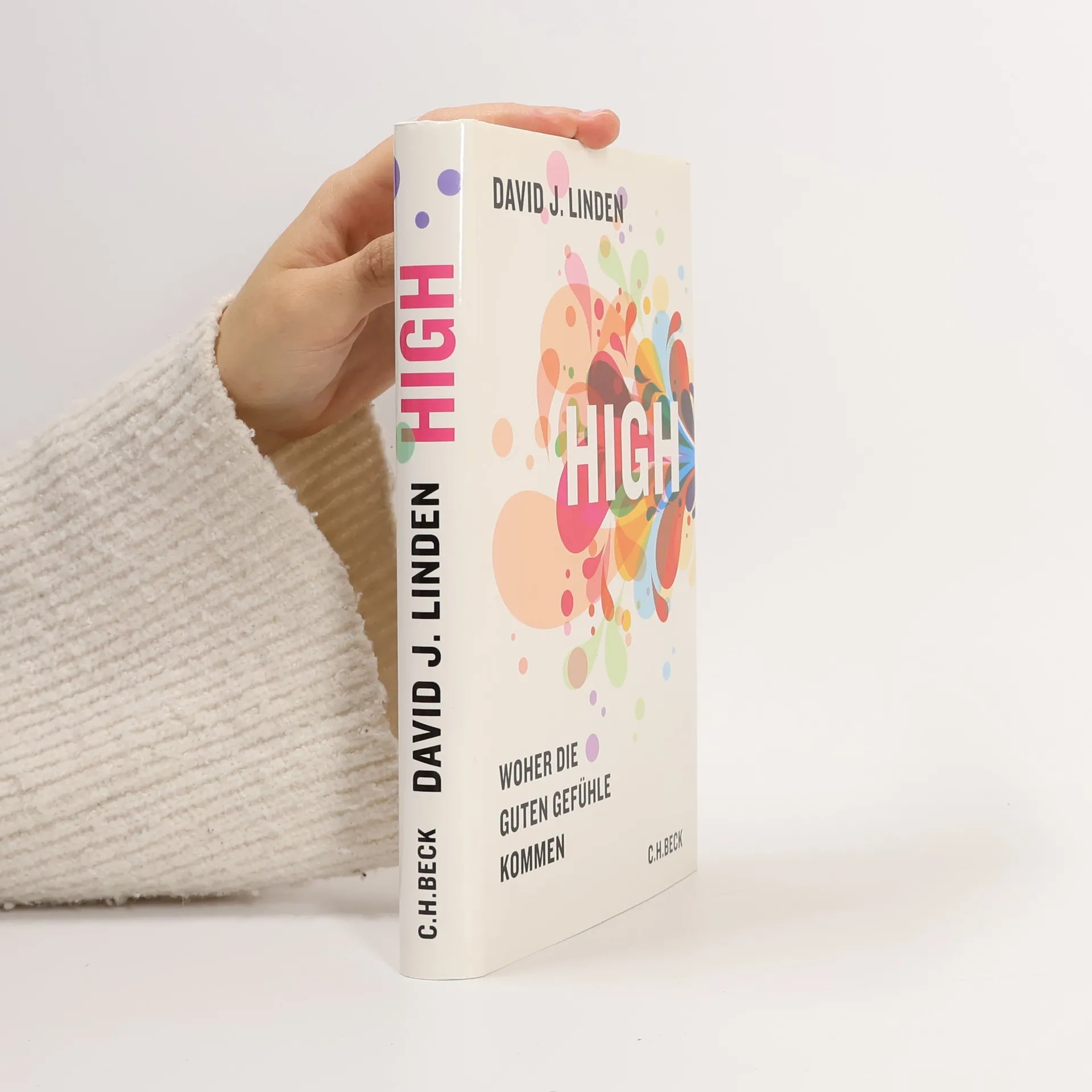
      High

      Woher die guten Gefühle kommen

      Was hat ein köstliches Essen mit einem Dauerlauf zu tun? Oder eine großzügige Spende mit dem Nervenkitzel beim Roulette? Ist es für unser Wohlbefinden egal, ob es durch Liebe oder Arbeit zustande kommt? Der renommierte Neurowissenschaftler David J. Linden erklärt, was in unserem Gehirn geschieht, wenn wir Freude, Vergnügen und Lust empfinden. Er entdeckt, dass die Lust am Essen und die Freude beim Sport oder Lernen sehr ähnlich sind. Alle diese Aktivitäten senden neurale Signale aus, die im Belohnungszentrum des Gehirns zusammenlaufen. Dieses Zentrum vermittelt uns auch das Hochgefühl, das wir bei Meditation oder großzügigen Spenden erleben. Doch das Wohlfühlzentrum hat eine dunkle Seite: Künstliche Stimulantia wie Nikotin, Alkohol oder Drogen nutzen ebenfalls die Vorgänge im Belohnungszentrum, was zur Entstehung von Süchten führt. Neueste Forschungsergebnisse zeigen, dass unser Gehirn zwischen Tugend und Laster keinen Unterschied macht. Die Lust fungiert als unser Kompass, unabhängig von unserem gewählten Pfad. Diese Erkenntnis hat jedoch auch einen positiven Aspekt: Sie kann uns helfen, Abhängigkeiten besser zu verstehen und wirksamer zu therapieren.

      High
    • 2011

      The Biology of Psychological Disorders

      • 426 stránek
      • 15 hodin čtení
      4,0(3)Ohodnotit

      Psychological disorders – their origins, clinical symptoms and treatment – have a central place in contemporary public health debate. Understanding how disruptions in the brain's biological mechanisms can influence our thoughts, feelings and actions is one of the most exciting challenges for psychologists in the twenty-first century. The Biology of Psychological Disorders is an authoritative account of some of the most prevalent psychological disorders, from schizophrenia, depression, mania and substance abuse to disorders of childhood, adolescence and ageing. Detailed and engaging coverage of these disorders is combined with a comprehensive grounding in the fundamentals of neuroscience and the principles of psychopharmacology that underpin their treatment. Drawing on the fields of psychology, psychiatry, neuroscience and biology, this highly relevant text is an invaluable resource for students of biological psychology and psychopharmacology, trainee psychiatrists and anyone interested in understanding, researching and treating psychological disorders.

      The Biology of Psychological Disorders
    • 2010
    • 2008

      The Accidental Mind

      • 288 stránek
      • 11 hodin čtení
      3,8(61)Ohodnotit

      Counters the assumption that the brain is a paragon of design - and offers an explanation of how the brain's serendipitous evolution has resulted in nothing short of our humanity.

      The Accidental Mind