William Alexander GerhardiePořadí knih (chronologicky)
21. listopad 1895 – 15. červenec 1977
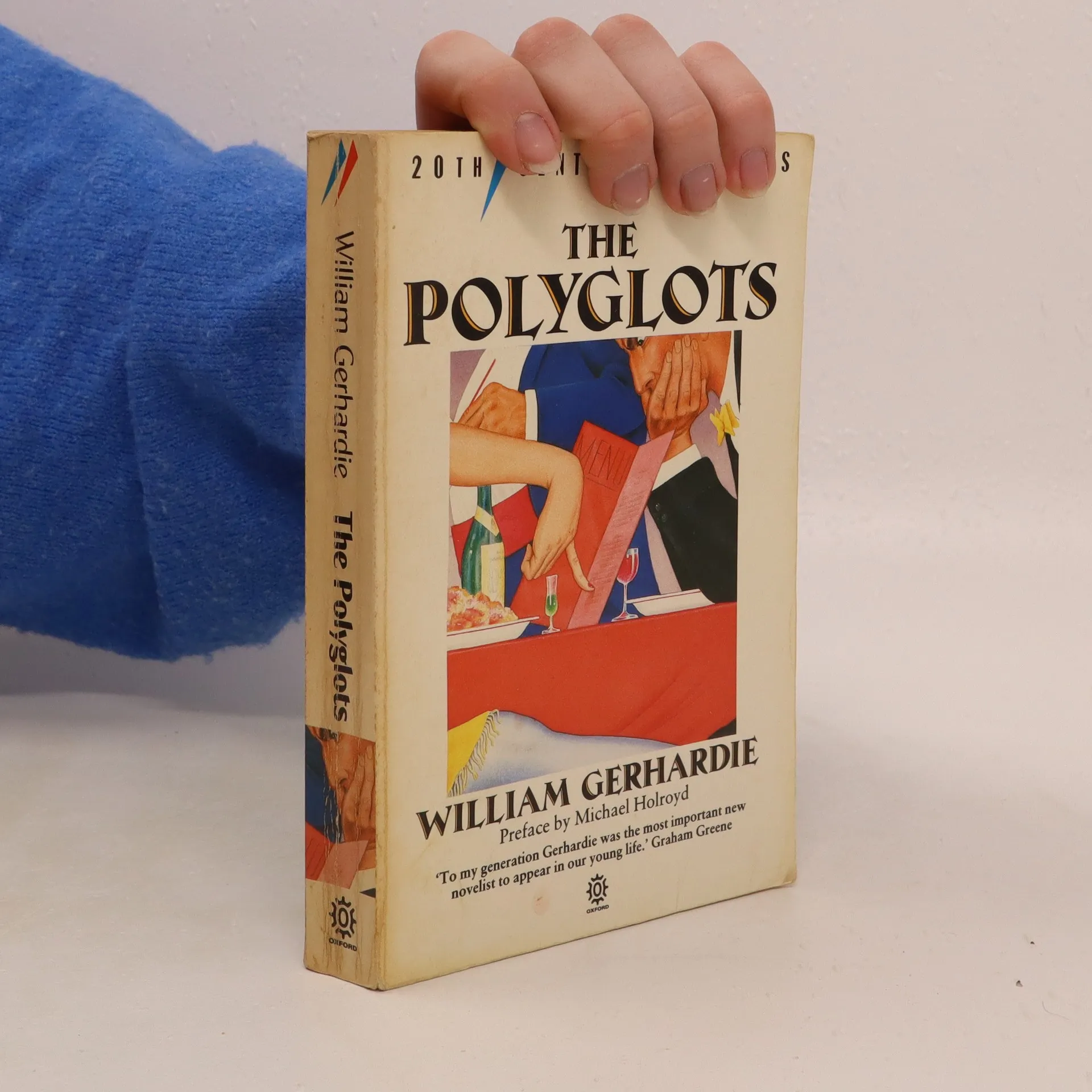
William Alexander Gerhardie byl anglo-ruský romanopisec a dramatik, který se stal jedním z nejuznávanějších anglických prozaiků 20. let. Jeho díla často čerpala z jeho zkušeností v Rusku a z dětství v předrevolučním Rusku, přičemž silně čerpal z tragikomického stylu ruských autorů jako Čechov. Gerhardieho romány, jako například "Futility" a "The Polyglots", jsou ceněny pro své prozkoumávání témat jako "čekání" a pro svůj komický nihilismus. I když jeho hvězda po druhé světové válce pohasla, jeho jedinečný literární hlas a jeho vliv na anglickou literaturu jsou dodnes uznávány a jeho díla jsou znovu objevována.
The Glasgow Boys revolutionized Scottish painting from 1880 until around 1895,
although their influence lasted until just before World War 1. They painted
outdoors, and captured a way of life that changed Scottish painting. This
title introduces them.
Hailed by his famous contemporaries including Edith Wharton, H.G. Wells, Katherine Mansfield, Graham Greene, and Evelyn Waugh, who called him a "genius," William Gerhardie is one of the twentieth century's forgotten masters, and his lovely comedy Futility one of the century's neglected masterpieces. It tells the story of someone very similar to Gerhardie himself: a young Englishman raised in Russia who returns to St. Petersburg and falls in love with the daughter of a hilariously dysfunctional family--all played out with the armies of the Russian Revolution marching back and forth outside the parlor window. Part British romantic comedy, part Russian social realism, and with a large cast of memorable characters, this astoundingly funny and poignant novel is the tale of people persisting in love and hope despite the odds.