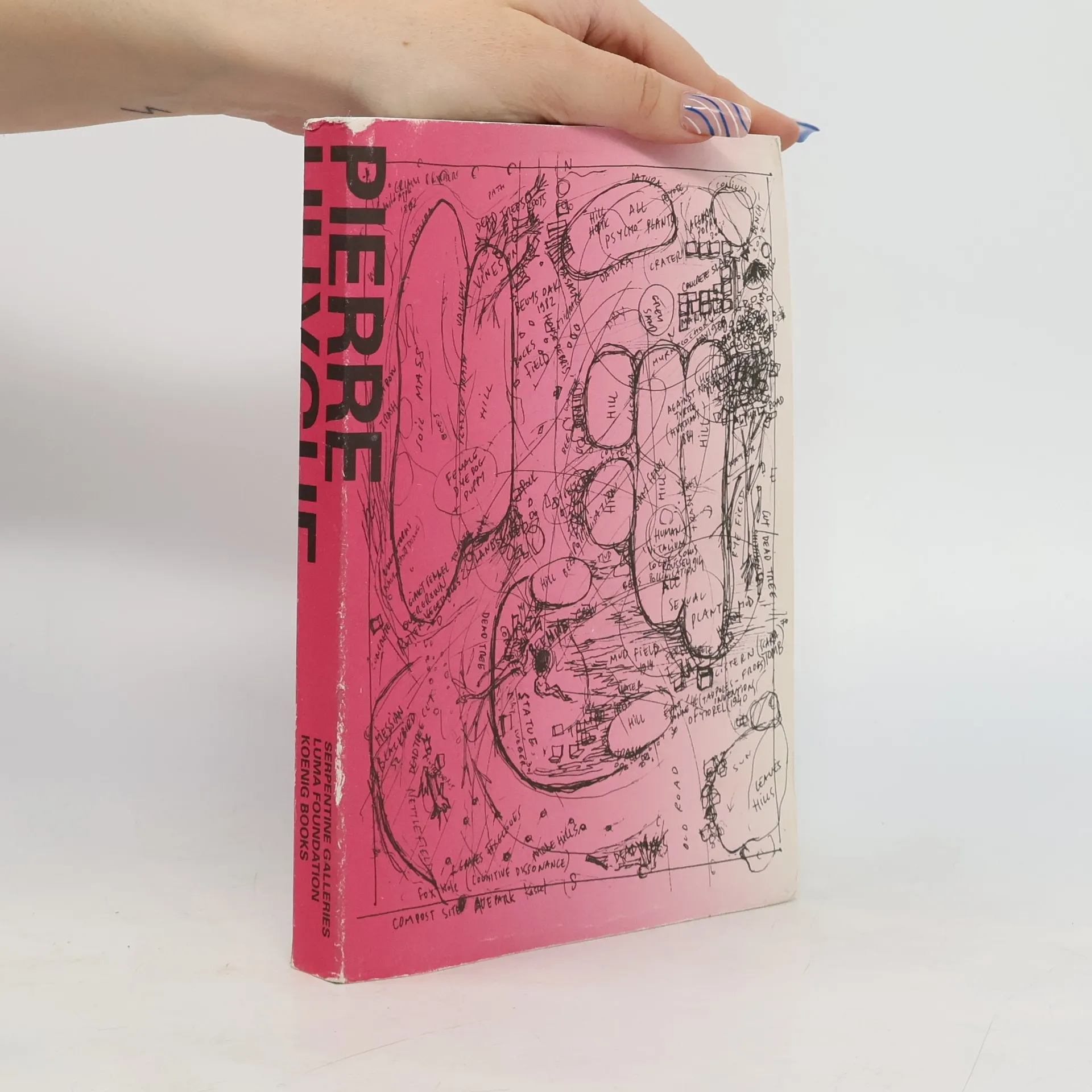
Pierre Huyghe’s works from the last decade, including his iconic Documenta 13 project Untilled This survey on renowned French artist Pierre Huyghe (born 1962) chronicles seminal works from the last decade. An interview between Huyghe and Hans Ulrich Obrist and an essay by Dorothea von Hantelmann accompany drawings, diagrams, photographs, film stills and more.
Jeff Koons engages with distinguished art curator Sir Norman Rosenthal resulting in a revealing portrait of the life and art of the most foremost international working artist today Here is what happens when Jeff Koons, one of the most important and controversial artists of the twenty-first century, sits down with distinguished art curator Sir Norman Rosenthal. Published to coincide with his 2014–2015 retrospective, this new book provides the most revealing portrait that exists of Jeff Koons’ singular personality and artistic vision as he discusses works across his thirty-five -year career with his long-time friend and collaborator Rosenthal. Rosenthal’s masterful interviews, conducted over three years, give unparalleled access to the thoughts of one of the most influential minds in contemporary culture, disclosing the artist undistorted and in his own words. As well as examining all his major series in depth, from his first inflatables to his latest series on antiquities, the interviews shed new light on the artist’s interest in other artists’ works, reveal the significance of his youth and family life on his art, and explain the key concepts of his practice, such as his ideas on self-acceptance, ecstasy and sex. A book of historic importance, extensively and comprehensively illustrated throughout, it will become the reference point for all who want to understand Koons and creativity in the twenty-first century.
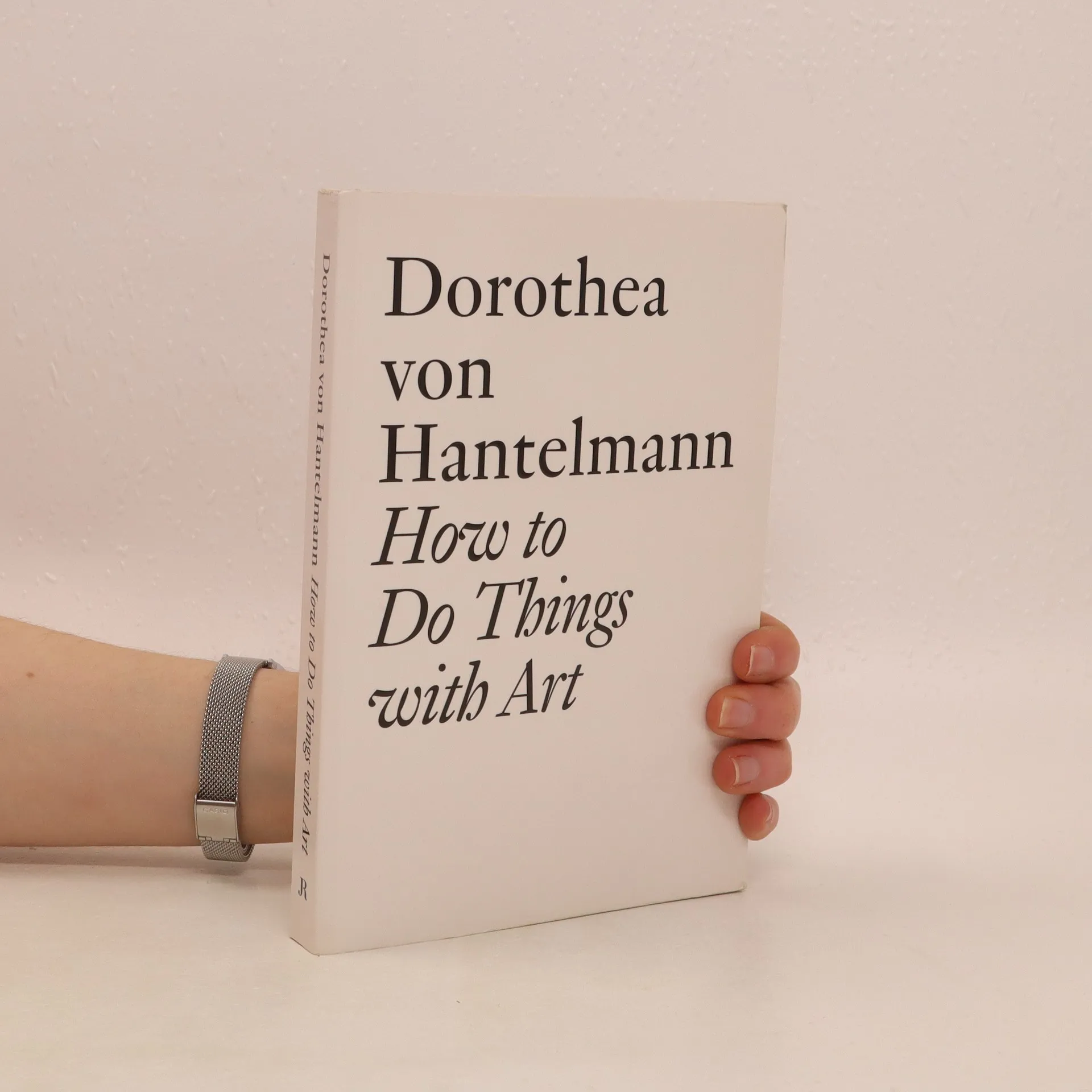
At the heart of "How to Do Things with Art" lies the question of art's relevance to society. How does art become politically or socially significant? This book attempts to answer this question on a theoretical level, and to indicate, through the analysis of works by James Coleman, Daniel Buren, Jeff Koons, and Tino Seghal, how artists can create and shape social relevance; in other words, to provide what could be called a pragmatic understanding of art's societal impact. The title of the book itself is a play on John Langshaw Austin's seminal lecture series "How to Do Things with Words", in which he discussed the performative, or reality-producing, capacity of language--Publisher.
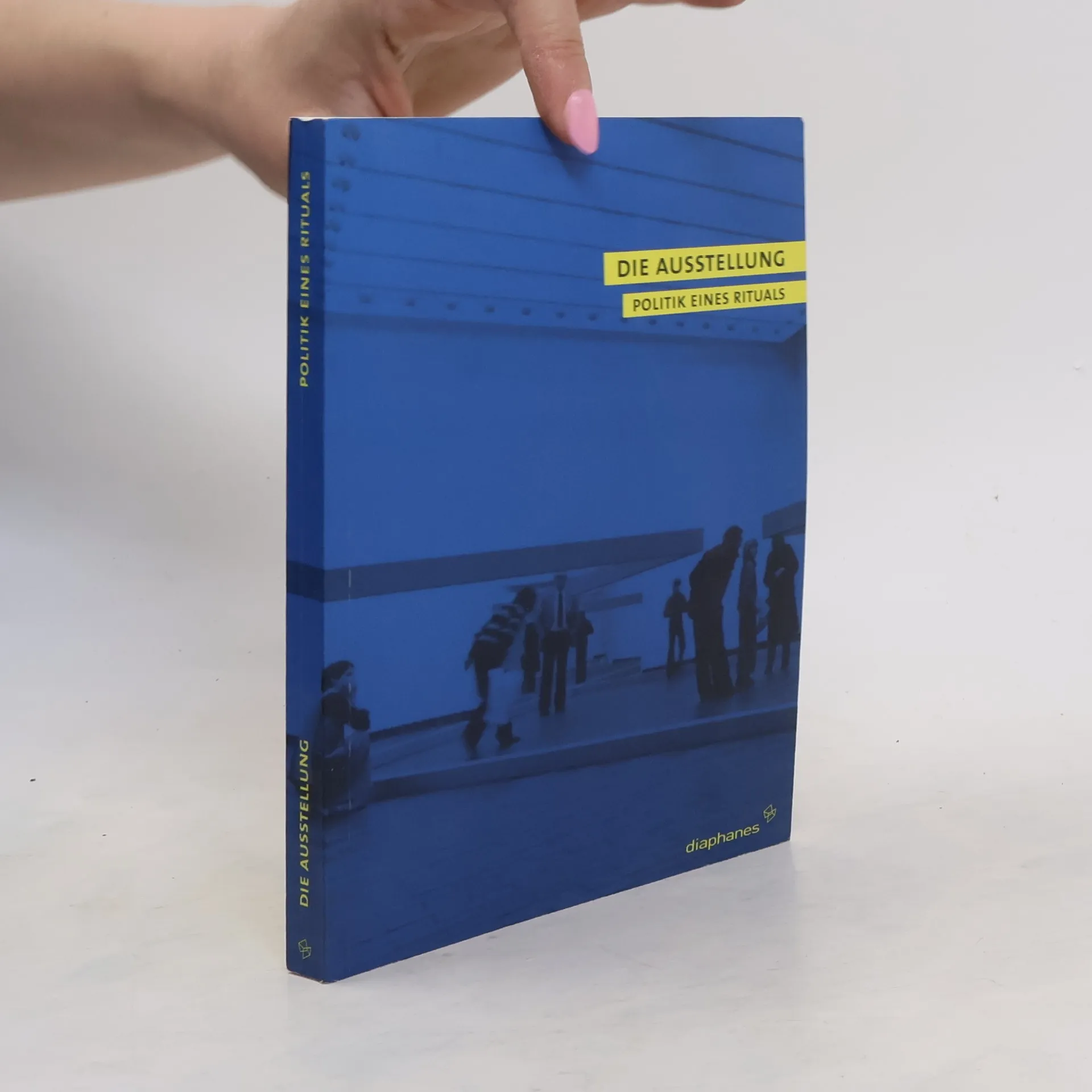
Die Ausstellung ist in den letzten Jahrzehnten zu einem der erfolgreichsten kulturellen Ereignisse avanciert. So zumindest scheint es angesichts der Vielzahl neuer Museumsbauten, der globalen Verbreitung sogenannter Biennalen und dem zunehmenden Maß an medialer und diskursiver Aufmerksamkeit, das der bildenden Kunst zuteil wird. Worin aber gründet dieser Erfolg? Welche gesellschaftliche wie kulturelle Bedeutung erfüllt die Ausstellung – historisch und aktuell? Worin liegen ihre ästhetischen und ihre nicht-ästhetischen, etwa rituellen oder gouvernementalen Züge? Eine Sammlung von Essays befasst sich aus philosophischer, soziologischer, künstlerischer und kunsthistorischer Perspektive mit diesem Thema. Die Bedeutsamkeit des Formats der Ausstellung, so die Ausgangsthese, liegt darin, eine Art Ritual zu schaffen. Und zwar ein Ritual, in dem ein spezifisches Set an Werten eingeübt und zur Aufführung gebracht wird: die Instantiierung eines linearen bzw. evolutionären Entwicklungsmodells, die Valorisierung des Individuums, die herausgehobene Bedeutung materieller Objekte und ihr Zirkulieren auf dem Markt. Die Ausstellung erscheint so gesehen als einer der zentralen Orte, an dem diese für westliche demokratische Marktwirtschaften grundlegenden Werte und Parameter zusammengebracht und in ihrem jeweiligen Verhältnis kultiviert werden.
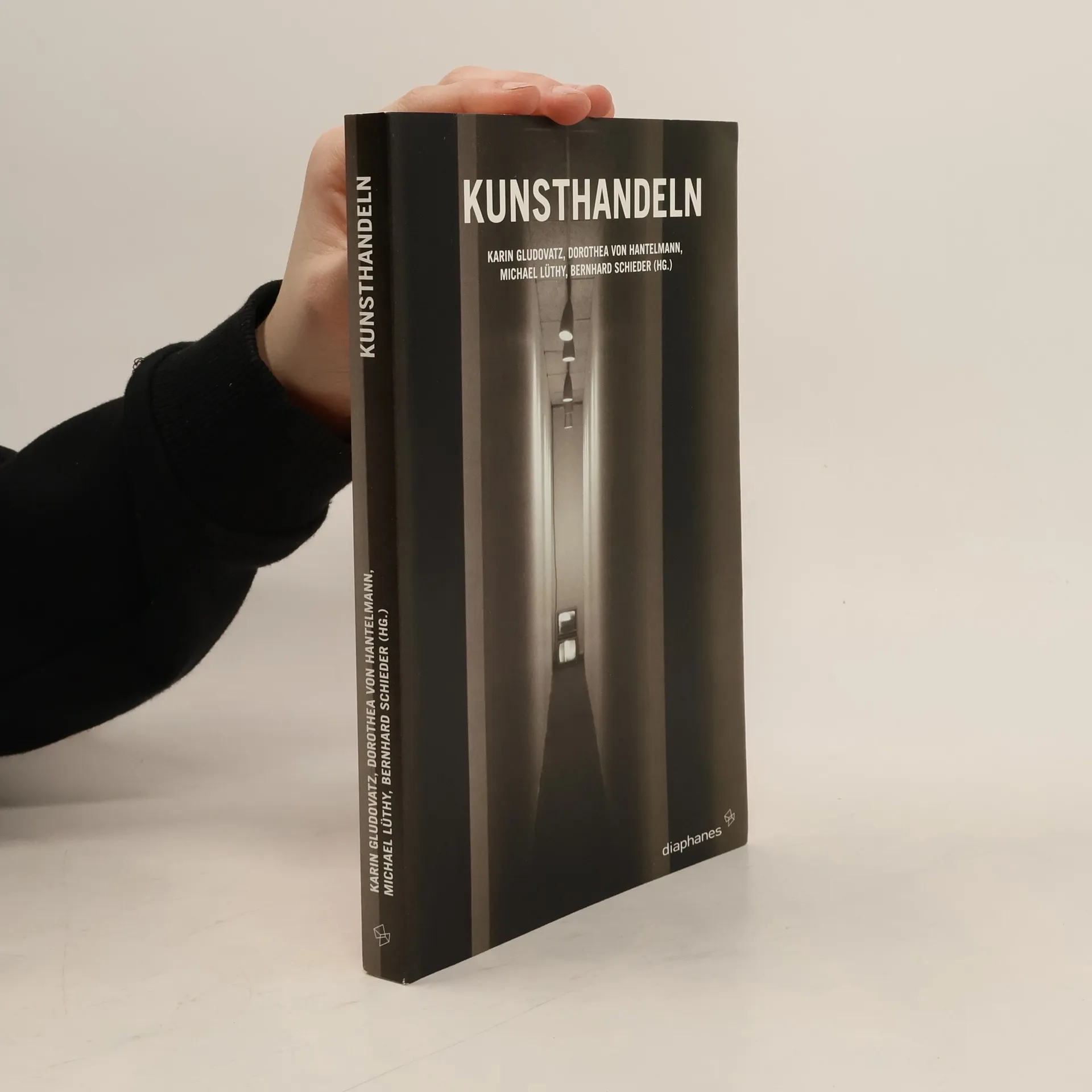
In der Moderne und zunehmend seit den 1960er Jahren verlagert sich in der Kunst die Aufmerksamkeit vom finalen Werk auf den Prozess des Produzierens. Dieser ist nicht Mittel zum Zweck, sondern gewinnt, in Analogie zu Aufführungspraktiken, Eigenwertigkeit. Im selben Zuge avanciert der kontemplative Betrachter zum Teilhaber, ja, zum ›Mithandelnden‹ des Kunstwerkes. Auch die Kunst insgesamt wird als prozessual begriffen: als ein gesellschaftlicher Bereich, der unterschiedlichste Akteure involviert und beständigen Begriffs- und Verfahrensänderungen unterliegt. Aus diesen Prozessualisierungen resultiert ein neuartiges Verhältnis von ›Kunst‹ und ›Handeln‹. Handeln wird zu einem Medium der Kunst, zugleich wird Kunst als Medium des (gesellschaftlichen) Handelns neu bestimmt. Diesen beiden Aspekten des Verhältnisses von ›Kunst‹ und ›Handeln‹ ist dieser Sammelband gewidmet. Sein erster Teil fragt nach dem Status von (Alltags-)Handlungen in der Kunst, sein zweiter nach den Möglichkeiten, Kunst als eine Form des Handelns zu begreifen, das Wirklichkeiten erzeugt oder verändert.