Kniha Státní převrat. Praktická příručka, poprvé vydaná v roce 1968, šokovala čtenáře podrobným návodem na svržení vlády. Autoritářské režimy reagovaly zavedením preventivních opatření proti popisovaným strategiím. V roce 2016 autor vydal aktualizovanou verzi pro 21. století, která zkoumá zranitelnost stabilních demokracií během dlouhých ekonomických krizí. I když se svět dramaticky změnil, podstata státního převratu zůstává stejná. Autor provádí čtenáře fázemi puče, od plánování po sliby stability po převratu. Klíčovým krokem je nábor vojenských důstojníků, kteří povedou loajální jednotky, jež musí rychle obsadit vládní úřady a strategická místa v hlavním městě. Podpora armády je nezbytná k zamezení kontrarevoluce, zatímco masová podpora obyvatel není podmínkou; stačí pasivní přijetí. Ideální převrat je rychlý a bez krveprolití, zatímco krvavé pokusy obvykle selhávají a vedou k občanským válkám. Kniha analyzuje vojenské, sociální a kulturní podmínky pro úspěšné puče a stala se klasikou v politologii. Nová předmluva autora v českém vydání reflektuje jeho vzpomínky na invazi okupačních vojsk do Československa v roce 1968.
Edward Luttwak Knihy
Edward Luttwak je uznávaným strategem, politologem a historikem, jehož práce se zabývají vojenskou strategií, historií a mezinárodními vztahy. Jeho texty se vyznačují bystrým analytickým vhledem do podstaty válek a mírových strategií. Hluboká znalost historie a mezinárodních vztahů mu umožňuje propojovat minulé strategické principy s dynamikou současného světa. Jeho dílo nabízí čtenářům fascinující pohled na logiku strategie a její dopady na globální dění.


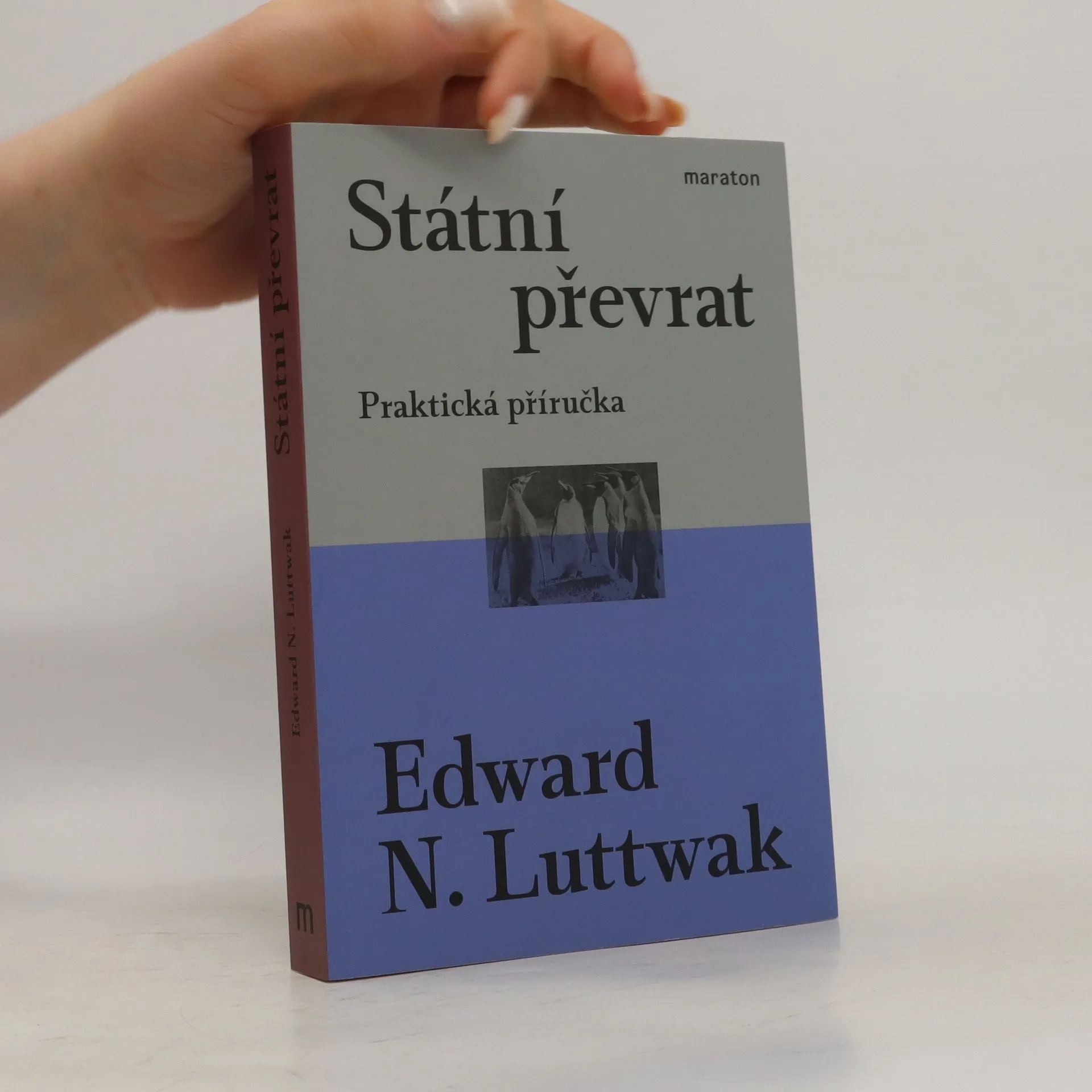
Coup D'etat
- 264 stránek
- 10 hodin čtení
Edward Luttwak's shocking 1968 handbook showed, step-by-step, how governments could be overthrown and inspired anti-coup precautions around the world. In addition to these instructions, his revised handbook offers a new way of looking at political power-one that considers the vulnerability of stable democracies after prolonged economic distress.
Luttwak's become the unthinkable. And here he has succeeded magnificently. For peacemakers and warmakers alike". -- Harry G. Summers, Jr., New York Times Book Review.
The Grand Strategy of the Byzantine Empire
- 512 stránek
- 18 hodin čtení
Presents the grand strategy of the eastern Roman empire we know as Byzantine, which lasted more than twice as long as the more familiar western Roman empire, eight hundred years by the shortest definition.
The Grand Strategy of the Roman Empire
- 296 stránek
- 11 hodin čtení
This illuminating book remains essential to both ancient historians and students of modern strategy.
As the world contemplates a future under Chinese dominance, Edward Luttwak focuses on China's own future. Known for his strategic insights, Luttwak posits that the world's most populous nation and second-largest economy may be on a precarious path. For nations whose ascent is evident, the universal logic of strategy dictates a choice between military and economic growth. China, however, is pursuing both simultaneously. Its military expansion and assertive foreign policy have already provoked resistance from neighboring countries, including India, Japan, and Vietnam, which collectively surpass China in population and wealth. If Chinese leaders do not temper their ambitions, they risk facing economic restrictions from these emerging coalitions. The challenge lies in balancing economic prosperity with military strength, a dilemma that could be difficult to communicate to the public. Furthermore, reliance on ancient strategic texts like Sun Tzu’s Art of War may hinder progress; while useful in internal conflicts, their tactics have alienated neighboring countries. To mitigate further global hostility, Luttwak suggests that Chinese leaders should adopt a more sustainable approach, prioritizing economic growth while exercising military and diplomatic restraint.
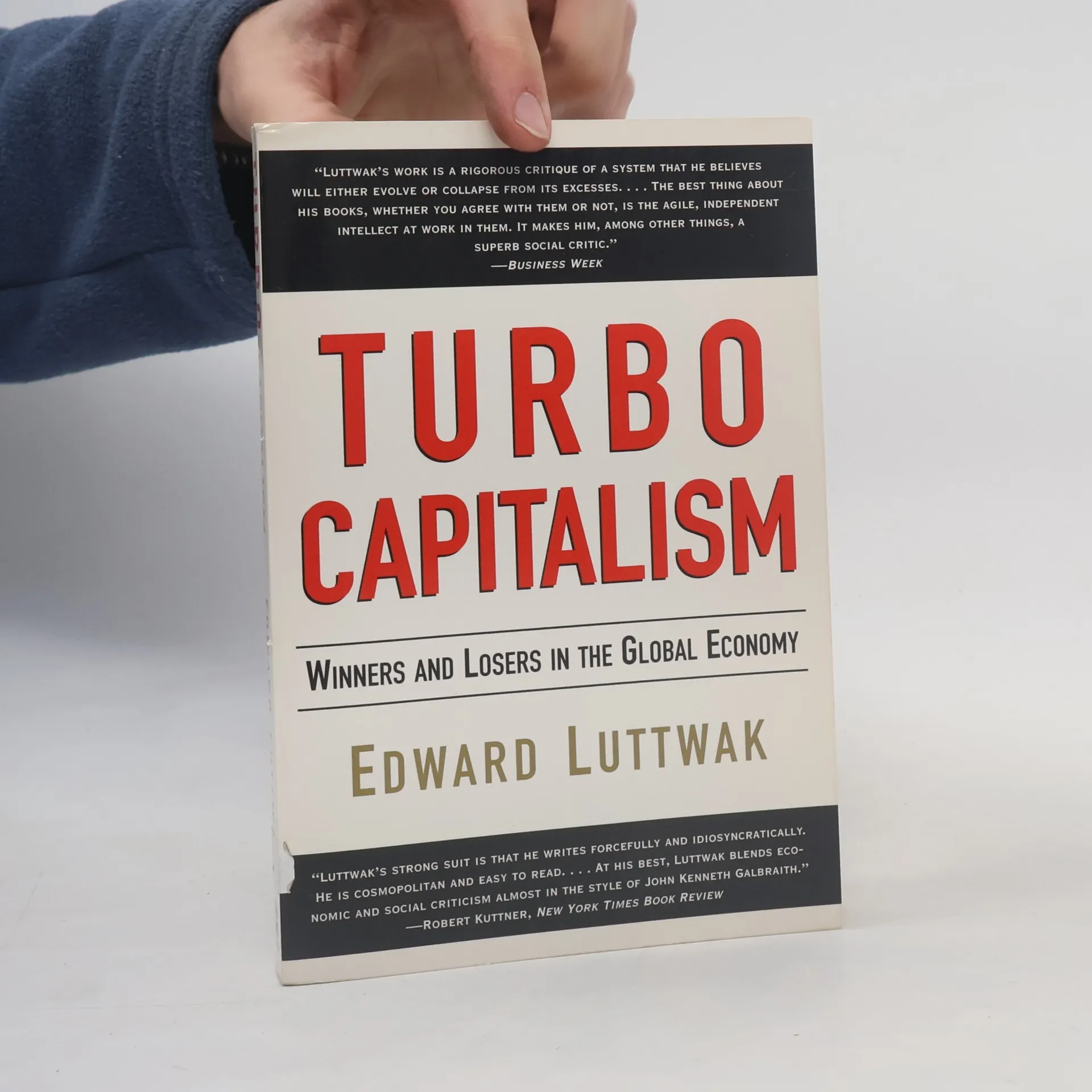
In this incisive and controversial exposé of the hidden effects of today's free-market capitalism, Edward Luttwak describes in powerful detail how it vastly differs from the controlled capitalism that flourished from 1945 to the 1980s. Turbo-capitalism is private enterprise liberated from government regulation, unchecked by effective trade unions, unfettered by concerns for employees or communities, and unhindered by taxation or investment restrictions. The winners in this free-for-all are getting much richer, while the losers are becoming poorer and are forced by downsizing to take the traditional jobs of the underclass. Led by the United States, closely followed by Britain, turbo-capitalism is spreading fast throughout Europe, Asia, and the rest of the world without the two great forces that check its enormous power in the United States: a powerful Legal system and the stringent rules of American calvinism. Luttwak exposes the major societal upheavals and inequities turbo-capitalism causes and the broad dissatisfaction and anxiety that may result.
Analyzes the foreign policy of the United States and recommends that the government make fundamental changes in diplomatic and military strategies
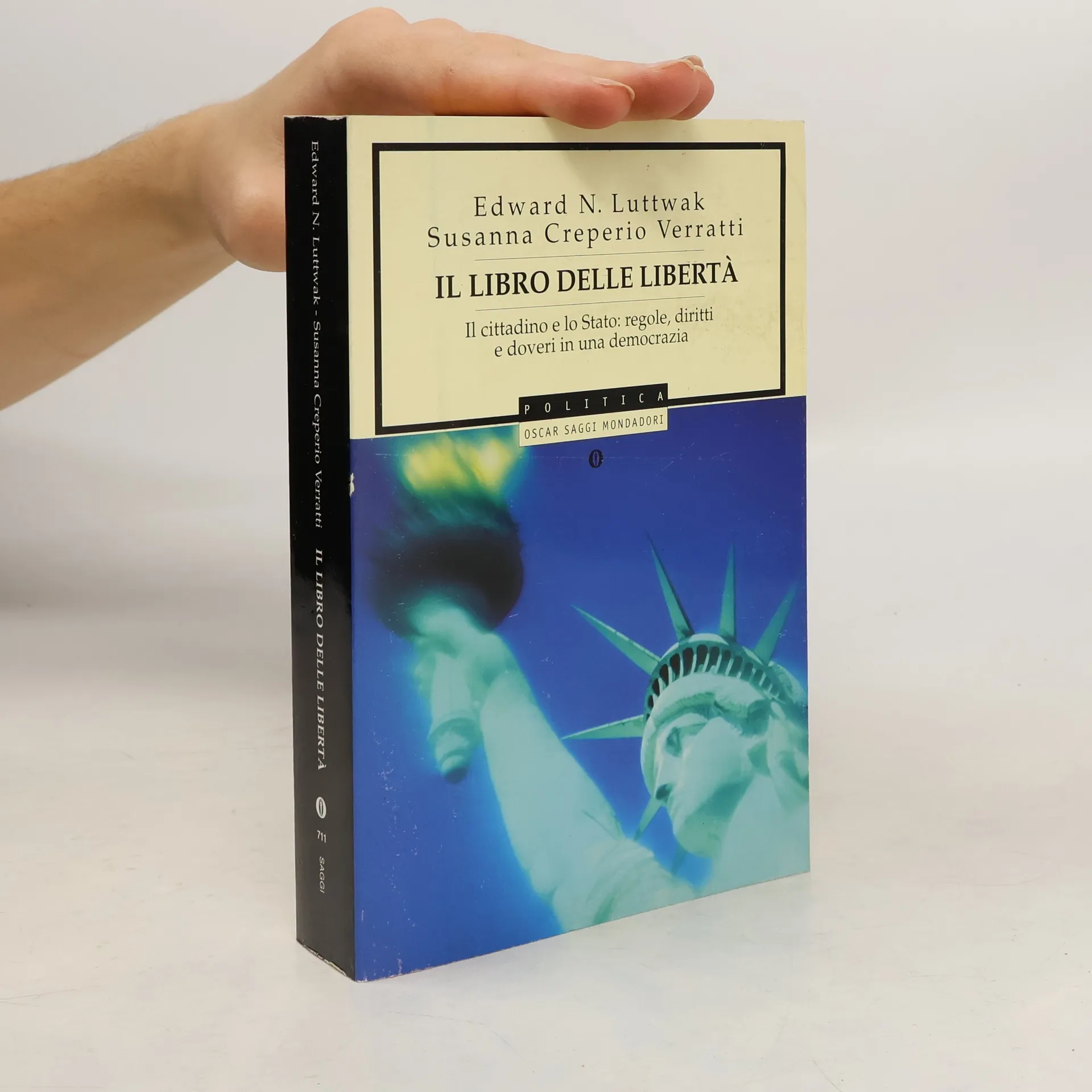
Il libro delle libertà. Il cittadino e lo Stato: regole, diritti e doveri in una democrazia
- 396 stránek
- 14 hodin čtení
Raccogliendo voci e testimonianze di filosofi e intellettuali antichi e moderni sulle libertà fondamentali di una democrazia, questo libro propone un itinerario ideale attraverso testi, documenti, dichiarazioni, e affronta argomenti sempre attuali: dai diritti politici e civili alla giustizia, dalla governabilità alla lotta al dispotismo, dal federalismo alla "devolution", per risalire alle fonti del pensiero politico, liberale e democratico.