
Knihobot

Moisés Silva

    Moisés Silva je uznávaný odborník na biblická studia, který přináší hluboké akademické znalosti z prestižních institucí. Jeho práce se zaměřuje na detailní analýzu biblických textů a jejich teologických implikací. Své rozsáhlé zkušenosti z výuky zúročuje v přístupném a pronikavém stylu, který oslovuje široké publikum. Silva je známý svým důrazem na metodologickou preciznost a literární charakter Písma.

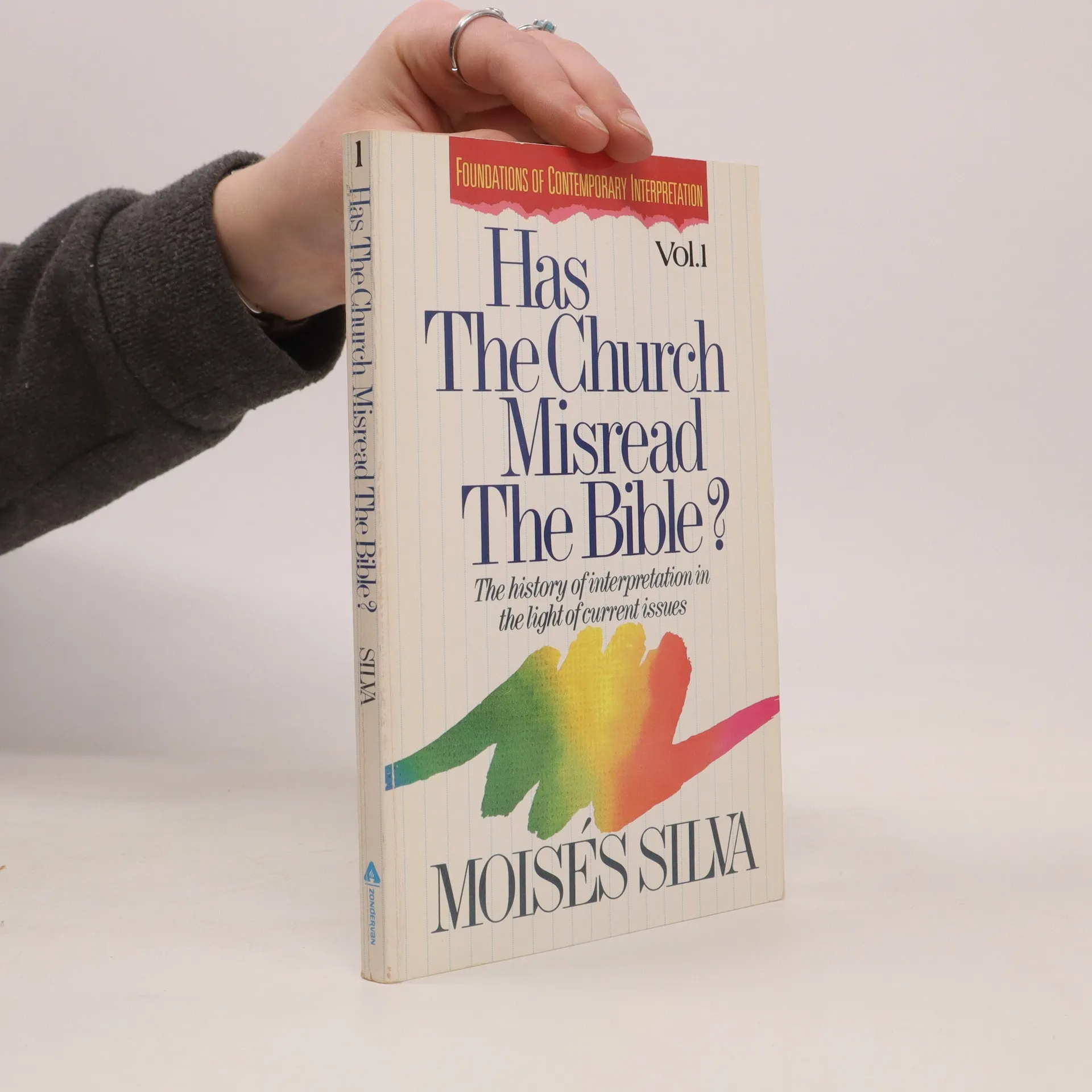
    Has the Church Misread the Bible?
    Philippians
    • Philippians

      • 272 stránek
      • 10 hodin čtení
      4,0(144)Ohodnotit

      With its user-friendly design, this commentary by Moisés Silva provides a substantive yet accessible discussion of Philippians to help pastors, students, and teachers understand and explain this letter.Each passage is presented in three Silva's own translation of the Greek text; exegesis and exposition of each unit of thought; and additional notes on textual matters. Throughout the commentary, Silva asks what is distinctive about this letter and shows how each passage contributes to Paul's overall argument.The second edition has been updated to interact with important recent scholarship on Philippians and to incorporate the well-regarded BECNT layout.

      Philippians
    • Has the Church Misread the Bible?

      • 136 stránek
      • 5 hodin čtení
      3,8(45)Ohodnotit

      In this, the first volume of Foundations of Contemporary Interpretation, Moises Silva presents a unique and practical perspective on the history of interpretation. 'I do not intend to provide in this volume a full-blown history of biblical hermeneutics . . . (Rather,) my thesis is that this history is characterized by the church's appreciation, sometimes implicit rather than consciously formulated, that we face a series of difficult 'tensions' in our reading of Scripture . . . . The attempt to hold these seeming polarities in tension is the principle that brings unity to the great diversity of problems surrounding the history of biblical interpretation.' Some examples of these areas of tension are, 'To what extent should we understand the biblical language as being literal and to what extent as figurative?' 'The Bible is God's Word, yet what it has come to is through human beings and in human form.' 'The commands of God are absolute, yet the historical context of the writings appear to relativize certain elements.' 'God's message should be clear, yet many passages seem to be ambiguous.' By showing how the church in the past has dealt with these same issues, Silva provide the reader with a clearer insight into the contemporary problems of interpretation.

      Has the Church Misread the Bible?