



Knihobot

Keith Devlin

    16. březen 1947

    Keith Devlin se zaměřuje na využití různých médií k výuce a komunikaci matematiky. Zkoumá také návrh informačních a odůvodňovacích systémů pro analýzu zpravodajských informací. Jeho další výzkumné zájmy zahrnují teorii informací, modely uvažování a matematickou kognici. Jeho práce se snaží zpřístupnit matematiku širšímu publiku prostřednictvím inovativních komunikačních přístupů.

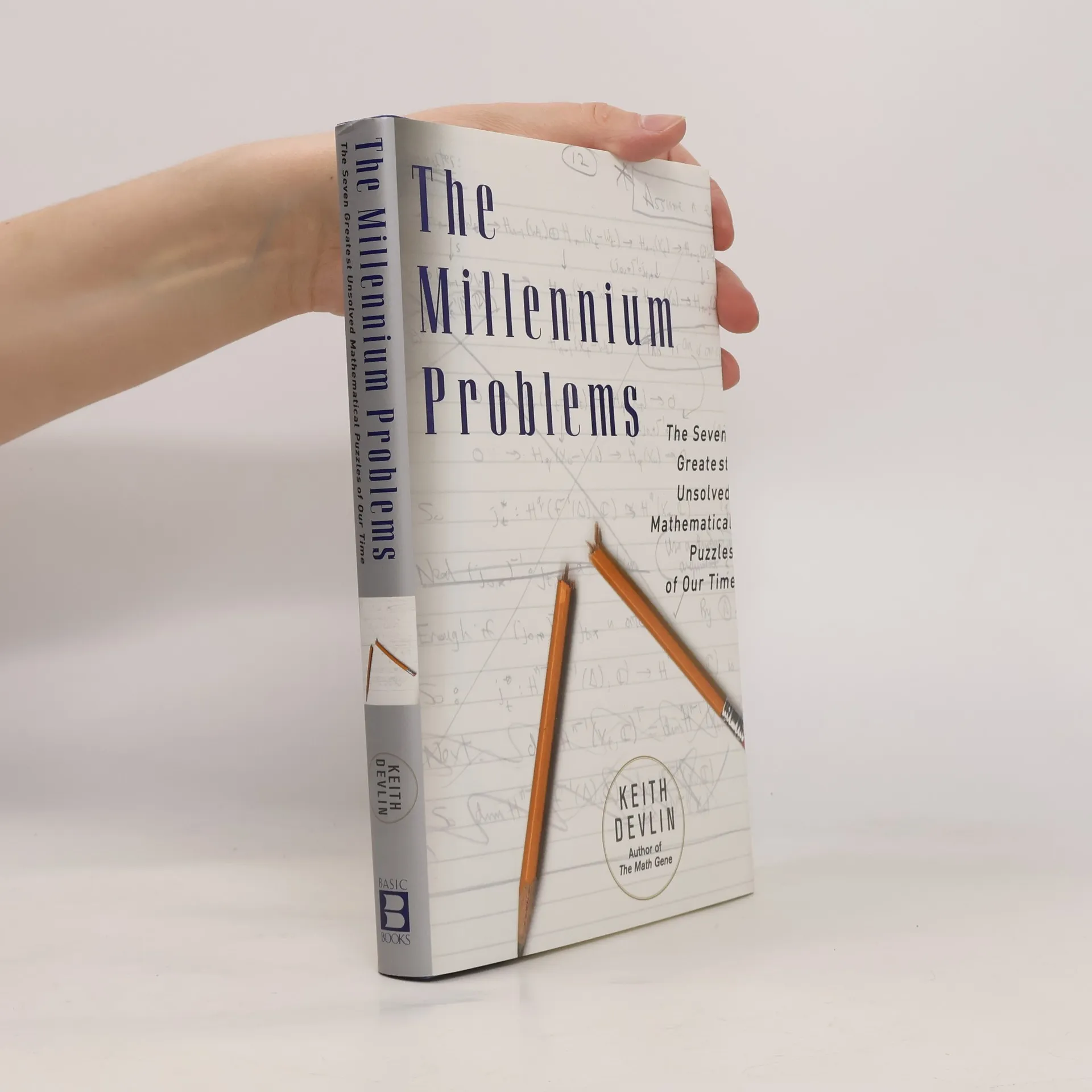
    The Millennium Problems
    Cryptography
    Mathematics
    Problémy pro třetí tisíciletí. Sedm největších nevyřešených otázek matematiky
    Jazyk matematiky : jak zviditelnit neviditelné
    Problémy pro třetí tisíciletí
    • Problémy pro třetí tisíciletí

      • 269 stránek
      • 10 hodin čtení
      4,5(11)Ohodnotit

      Sedm největších nevyřešených otázek matematiky. V roce 2000 uspořádala nadace Leonarda Claye působící při Harvardské univerzitě matematický kongres. Její představitelé vyhlásili sedm nejdůležitějších nevyřešených problémů matematiky a za vyřešení každého z nich vypsali odměnu jednoho milionu amerických dolarů. Problémy zasahují do mnoha moderních oborů současné čisté i aplikované matematiky, od topologie přes teorii čísel, kryptografii a výpočetní techniku až po letecký design. Keith Devlin, nedostižný popularizátor matematiky, v této knize formou srozumitelnou komukoli vysvětluje podstatu, původ a význam každého ze sedmi problémů. Po přečtení této knihy se čtenář hned může pustit do řešení některé z těchto sedmi hádanek — v sázce je přeci sedm milionů dolarů!
      Problémy pro třetí tisíciletí
    • Jak zviditelnit neviditelné. Kniha podává přehledný obraz současné matematiky a historického vývoje jejích nejzajímavějších oblastí, zároveň vyzdvihuje její základní rysy, jimiž je jednoduchost, čistota, přesnost a elegance, zdařile však předkládá i její mnohdy opomíjenou stránku – estetickou působivost intelektuální, vizuální i akustickou.

      Jazyk matematiky : jak zviditelnit neviditelné
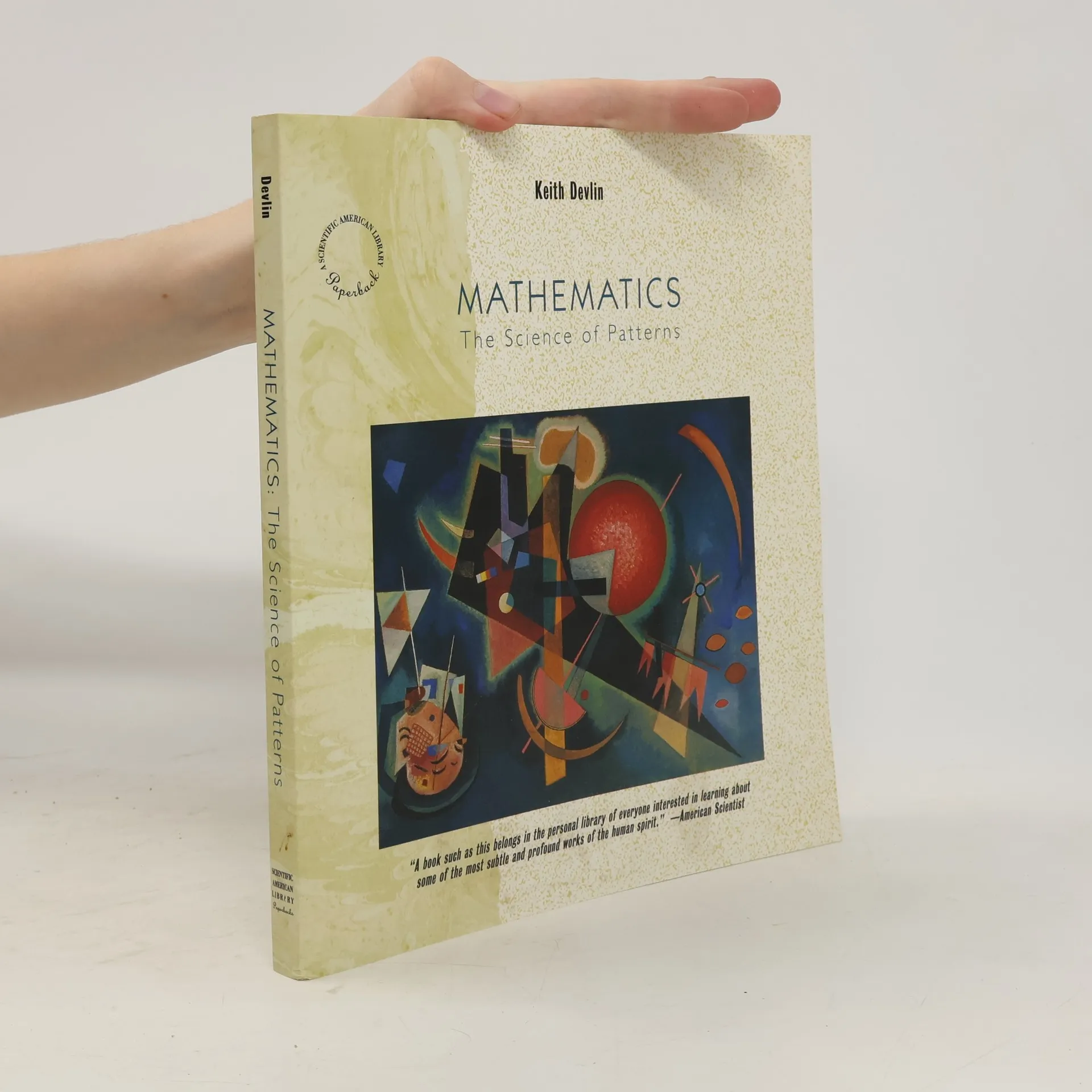
    • Mathematics

      The Science of Patterns

      • 216 stránek
      • 8 hodin čtení
      5,0(1)Ohodnotit

      "The great book of nature," said Galileo, "can be read only by those who know the language in which it is written. And this language is mathematics." A richly illustrated celebration of the beauty and elegance of this ever-evolving language, The Science of Patterns explores the many ways mathematics helps us understand our perceptions of reality--both the physical, biological, and social worlds without, and the realm of ideas and thoughts within.

      Mathematics
    • Cryptography

      • 320 stránek
      • 12 hodin čtení
      3,8(33)Ohodnotit

      A nuts-and-bolts explanation of cryptography from a leading expert in information security.

      Cryptography
    • The Millennium Problems

      The Seven Greatest Unsolved Mathematical Puzzles of Our Time

      • 237 stránek
      • 9 hodin čtení
      3,9(86)Ohodnotit

      In 2000, the Clay Foundation of Cambridge, Massachusetts, announced a historic competition: whoever could solve any of seven extraodinarily difficult mathematical problems, and have the solution acknowledged as correct by the experts, would receive $1million in prize money. The solutions, if any, to the so-called Milliennium Problems would play a strong role in determining the course of mathematics in the 21st century. They encompass many of the most fascinating areas of pure and applied mathematics, from topology and number theory to particle physics, cryptography, computing and even aircraft design. Keith Devlin describes here what the seven problems are, how they came about, and what they mean for mathematics and science. In the hands of Devlin, each Millennium Problem becomes a window onto the deepest questions in the field.

      The Millennium Problems
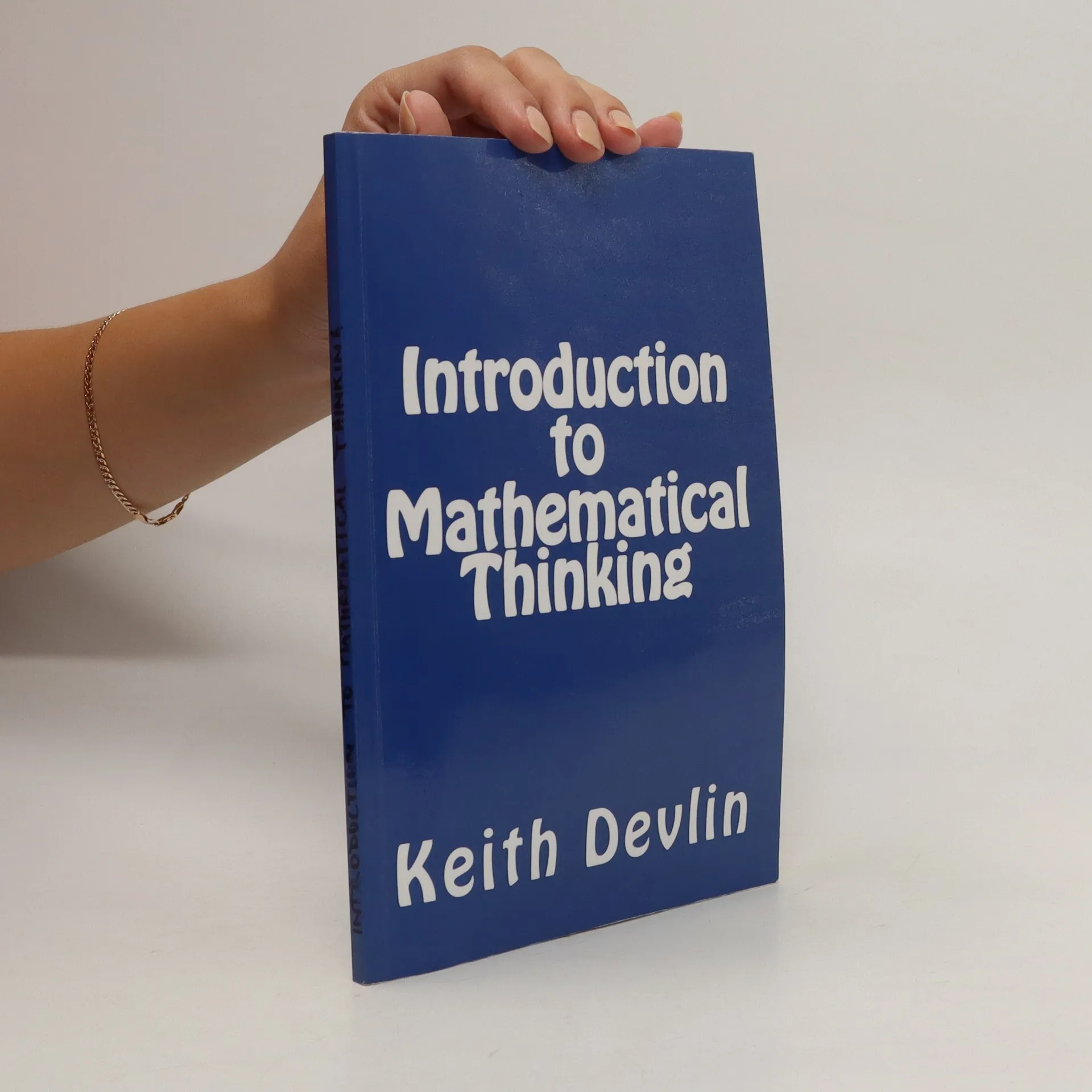
    • Introduction to Mathematical Thinking

      • 102 stránek
      • 4 hodiny čtení
      3,9(351)Ohodnotit

      "Mathematical thinking is not the same as 'doing math'--unless you are a professional mathematician. For most people, 'doing math' means the application of procedures and symbolic manipulations. Mathematical thinking, in contrast, is what the name reflects, a way of thinking about things in the world that humans have developed over three thousand years. It does not have to be about mathematics at all, which means that many people can benefit from learning this powerful way of thinking, not just mathematicians and scientists."--Back cover.

      Introduction to Mathematical Thinking
    • The Maths Gene

      • 320 stránek
      • 12 hodin čtení
      3,2(7)Ohodnotit

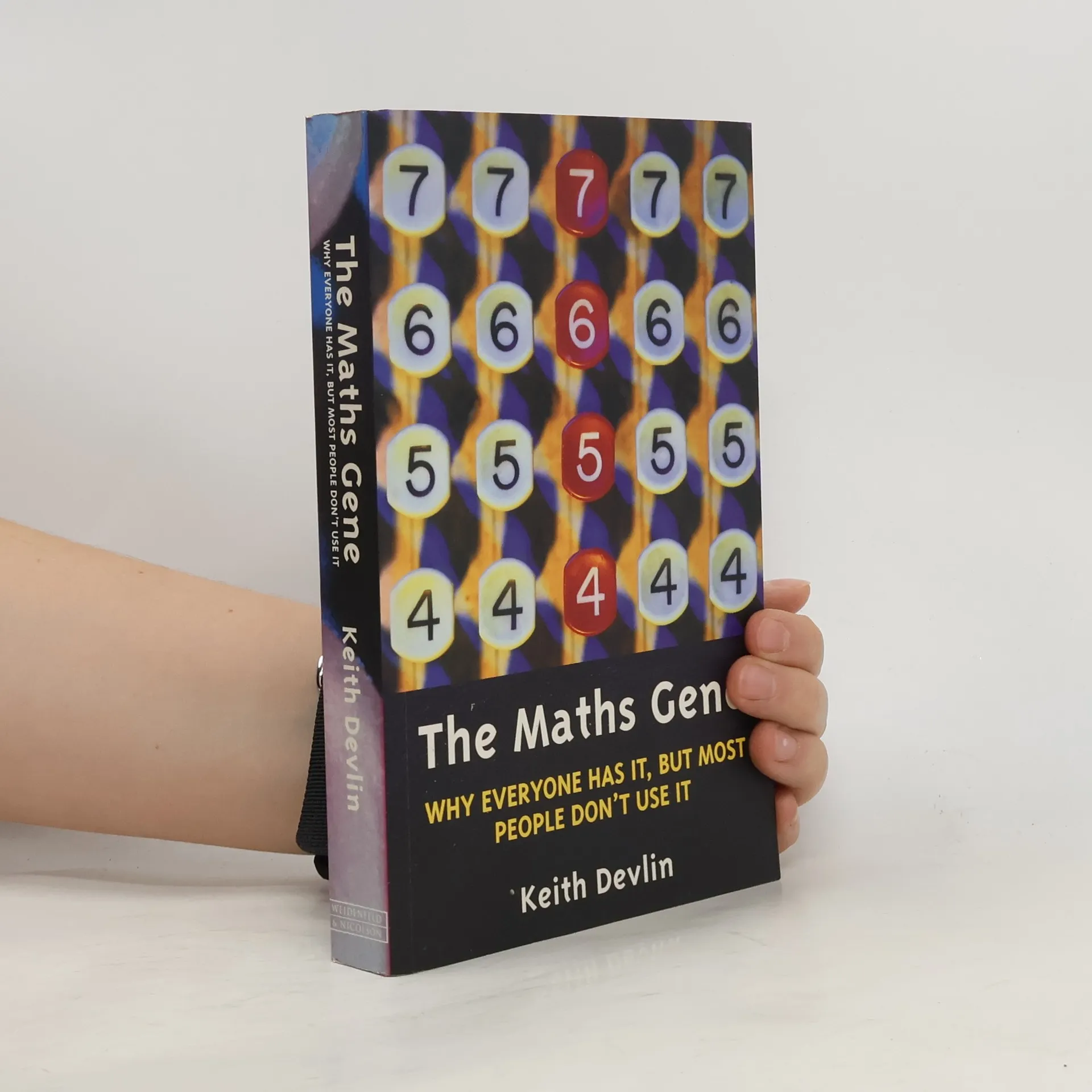
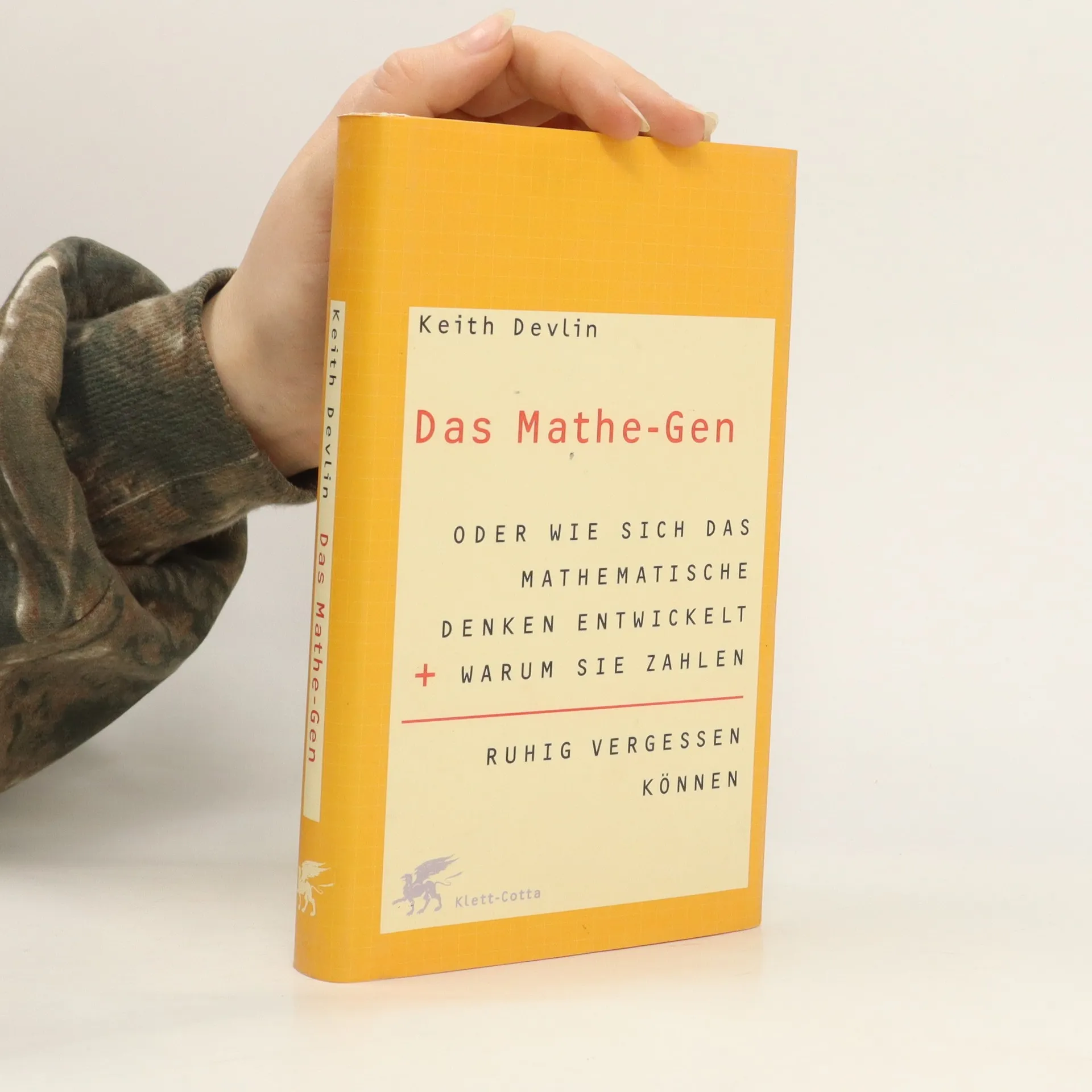
      Where does our mathematical ability come from? Our prehistoric ancestors' brains were essentially the same as ours, so they must have had the same underlying ability. What purpose could it serve in 50,000 BC? And what exactly goes on in our brains when we multiply 15 by 36 or prove Fermat's Last Theorem? The answer, according to Keith Devlin, is closely related to the evolutionary changes in the human brain that gave rise to language. It lies within our genes and more specifically with the pattern-making abilities with which we are born. Devlin uses these insights to show why some people loathe mathematics, why others find it so difficult, and why a select few excel at the subject. He also suggests ways in which we can improve our mathematical skills.

      The Maths Gene
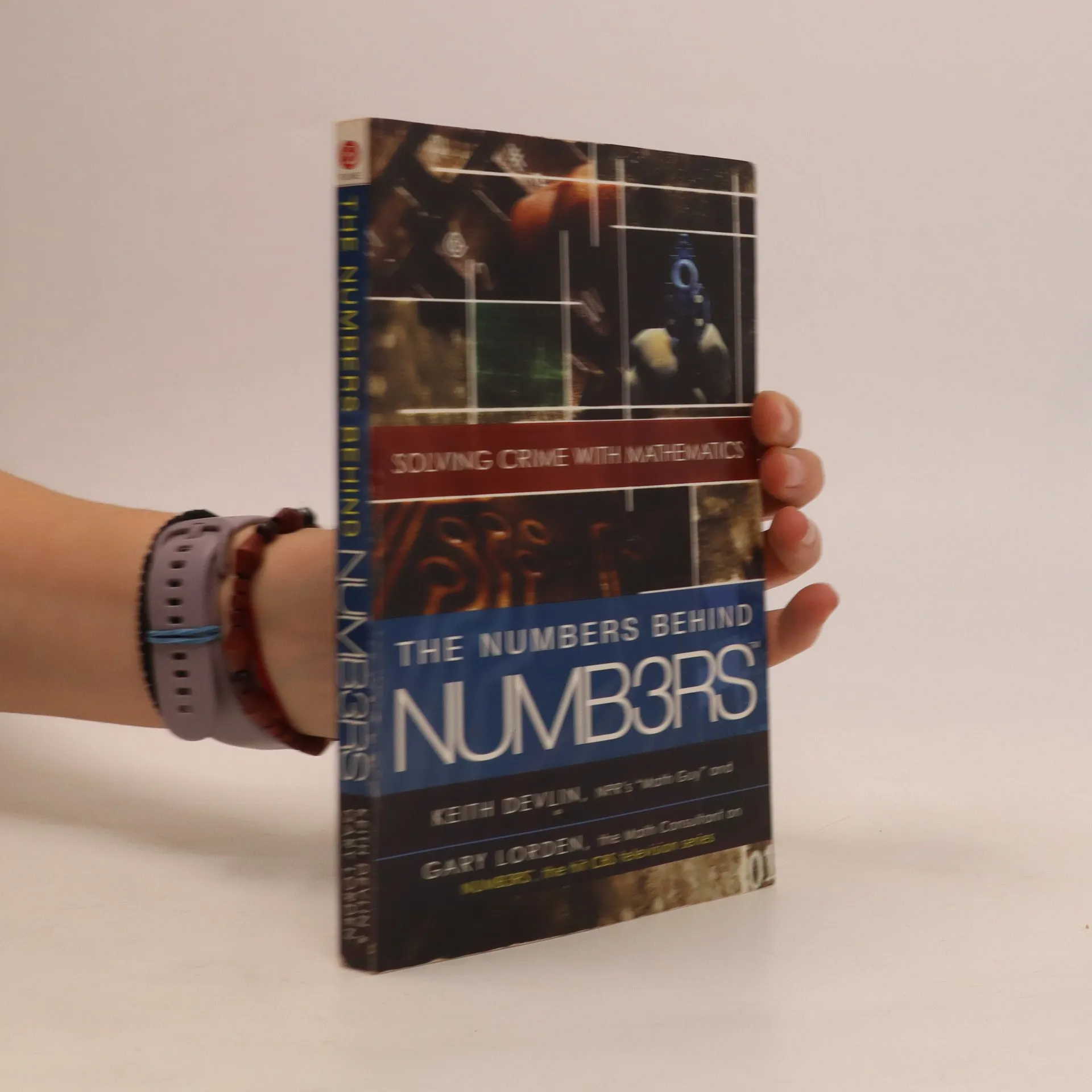
    • The companion to the hit CBS crime series Numb3rs presents the fascinating way mathematics is used to fight real-life crime Using the popular CBS prime-time TV crime series Numb3rs as a springboard, Keith Devlin (known to millions of NPR listeners as the Math Guy on NPR's Weekend Edition with Scott Simon) and Gary Lorden (the principal math advisor to Numb3rs) explain real-life mathematical techniques used by the FBI and other law enforcement agencies to catch and convict criminals. From forensics to counterterrorism, the Riemann hypothesis to image enhancement, solving murders to beating casinos, Devlin and Lorden present compelling cases that illustrate how advanced mathematics can be used in state-of-the-art criminal investigations.

      Solving Crime with Mathematics: The Numbers Behind Numb3rs
    • The Maths Gene

      Why Everyone Has It, but Most People Don't Use It

      • 305 stránek
      • 11 hodin čtení

      In The Maths Gene, Keith Devlin explains how the human mind came to perform mathematical reasoning. He claims the answer lies in our genes, and reveals why some people feel they can't do maths, while a select few excel.

      The Maths Gene