

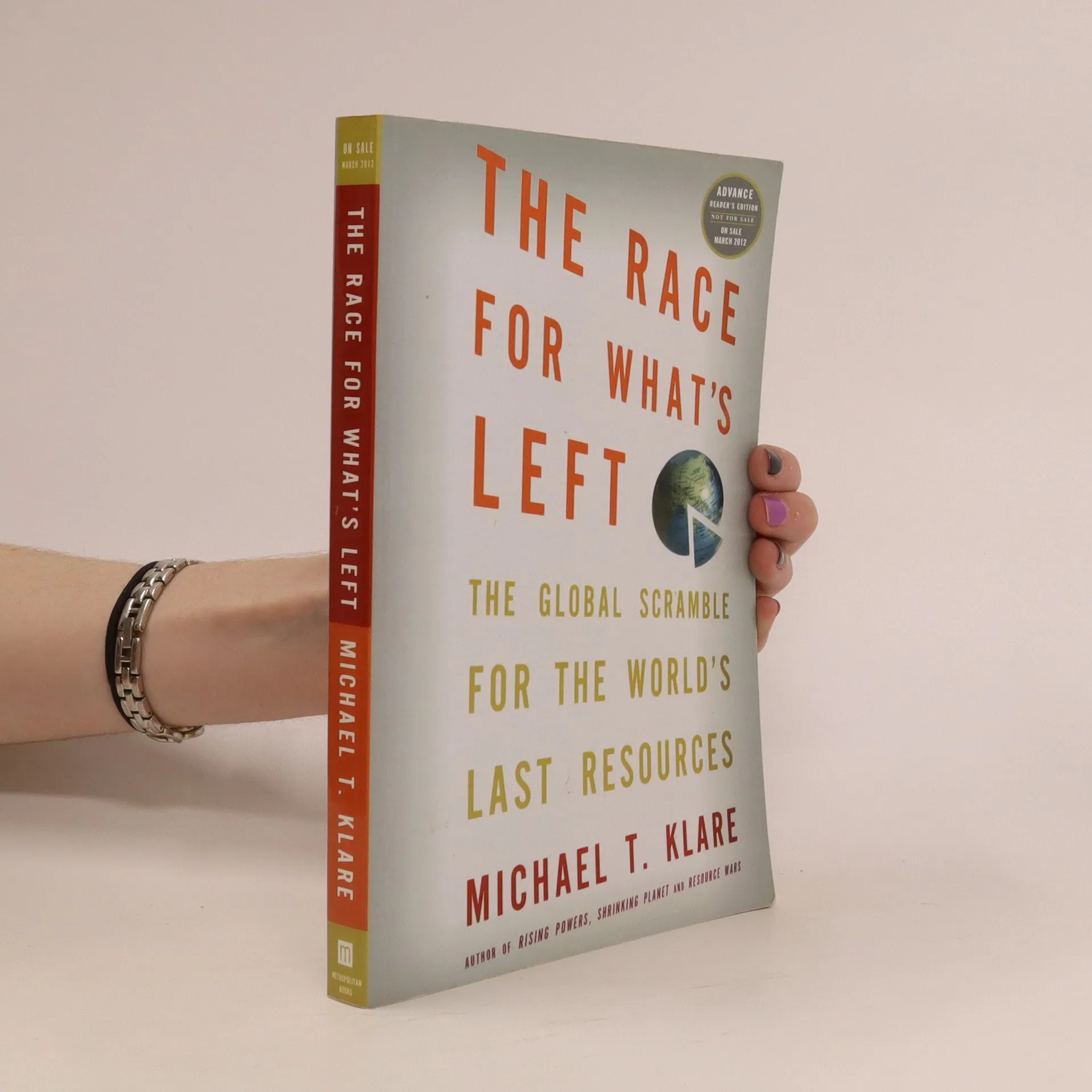
The world is in a crisis of resource depletion that extends beyond "peak oil" to include shortages of coal, uranium, copper, lithium, water, and arable land. As easily accessible resources near exhaustion, the race for supplies has intensified, with governments and corporations exploring previously dangerous and remote areas. This exploration spans from the Arctic to war zones and deep ocean floors, exemplified by a Russian submarine claiming the North Pole seabed and the large-scale acquisition of African farmland by food-importing nations like Saudi Arabia and China. The consequences of this invasion of final frontiers are severe. As resource extraction becomes more complex, environmental risks escalate, with disasters like Deepwater Horizon foreshadowing future dangers. Additionally, the fierce competition for dwindling resources is sparking new border disputes and increasing the likelihood of military confrontations. If this relentless pursuit continues, many essential resources for modern industry may vanish entirely. Klare emphasizes that the only solution is to fundamentally change our consumption patterns, a challenge that will be paramount in the century ahead.
Michael T. Klare Knihy
Michael T. Klare je profesor míru a světových bezpečnostních studií na Hampshire College, který se zabývá především analýzou globální politiky a konfliktů. Své poznatky publikuje v prestižních médiích a rozebírá v nich vzájemné propojení surovinových zdrojů, energetické závislosti a mezinárodních vztahů. Klareho práce se soustředí na nebezpečí plynoucí z rostoucí závislosti na fosilních palivech a na dopady těchto závislostí na světovou bezpečnost. Jeho hluboký vhled do problematiky mezinárodních vztahů a obranné problematiky z něj činí významného komentátora současných globálních výzev.
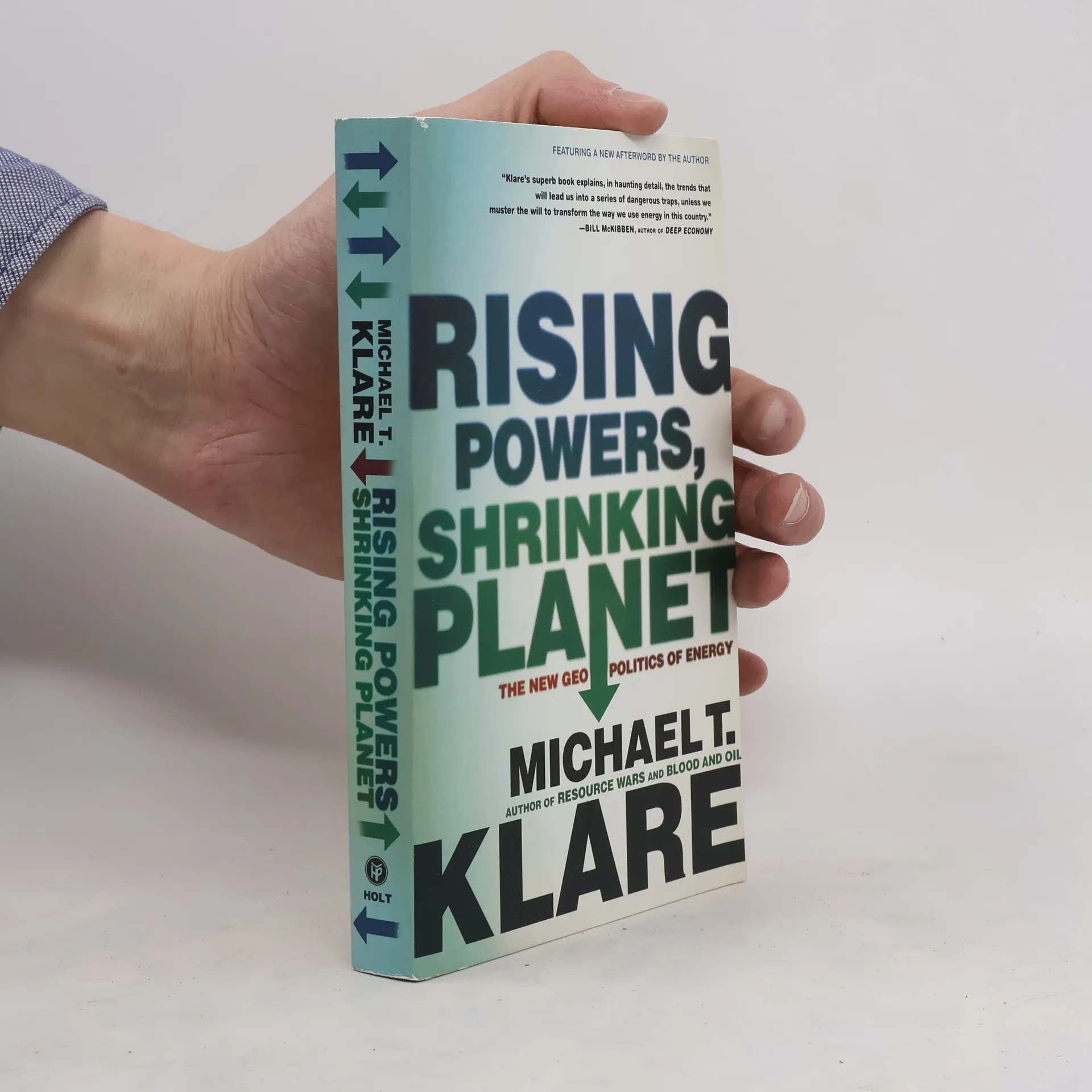
RISING POWERS, SHRINKING PLANET
- 354 stránek
- 13 hodin čtení
The book provides a critical examination of how dwindling energy resources are reshaping global power dynamics. It explores the implications of energy scarcity on international relations, highlighting the shifts in influence among nations as they compete for limited resources. The author, known for the acclaimed Resource Wars, offers insights into the geopolitical landscape and the strategic maneuvers countries may undertake in response to these challenges. This account is essential for understanding the intersection of energy and global politics.
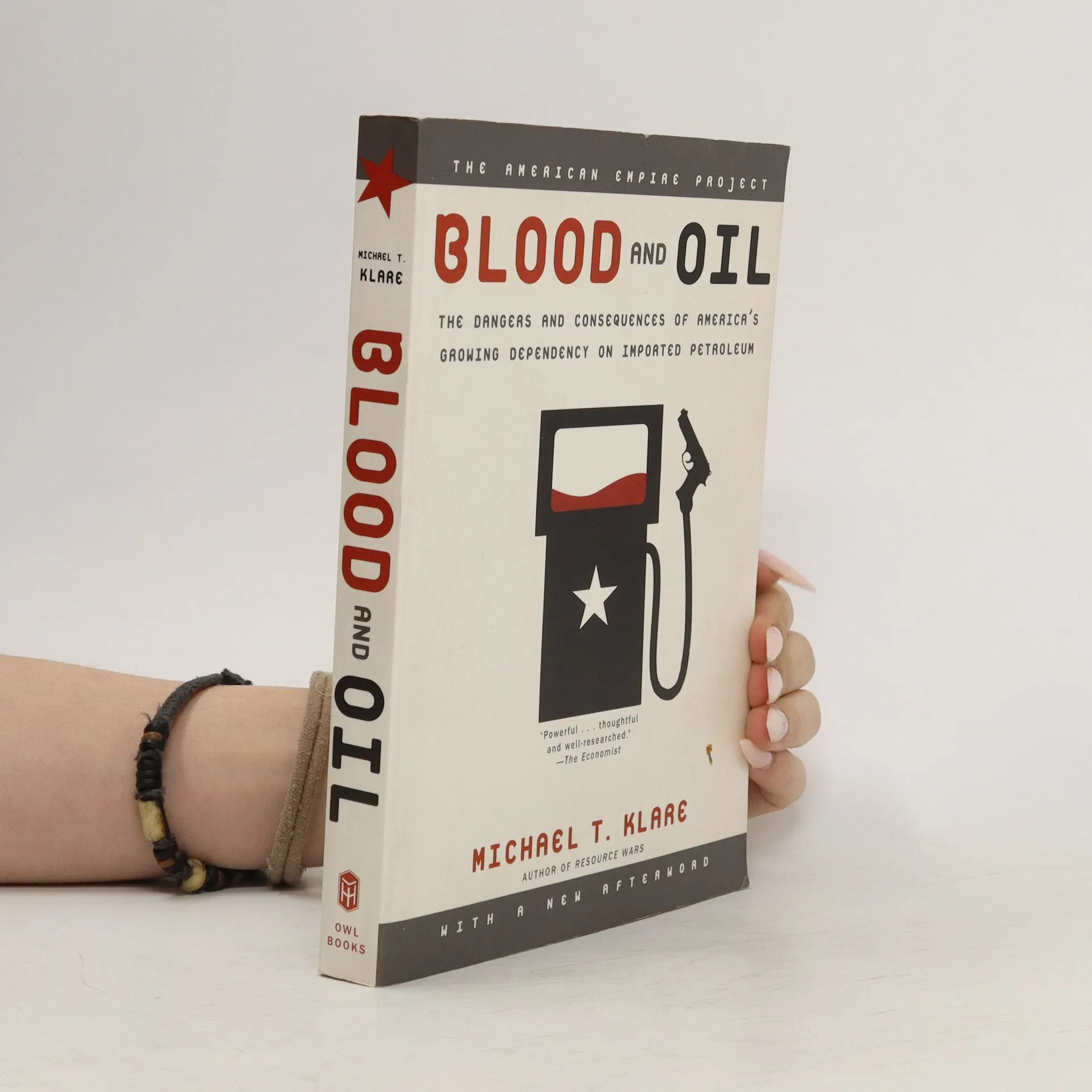
In his pathbreaking Resource Wars, world security expert Michael Klare alerted us to the role of resources in conflicts in the post-cold-war world. Now, in Blood and Oil, he concentrates on a single precious commodity, petroleum, while issuing a warning to the United States—its most powerful, and most dependent, global consumer. Since September 11 and the commencement of the "war on terror," the world's attention has been focused on the relationship between U.S. foreign policy in the Middle East and the oceans of crude oil that lie beneath the region's soil. Klare traces oil's impact on international affairs since World War II, revealing its influence on the Truman, Eisenhower, Nixon, and Carter doctrines. He shows how America's own wells are drying up as our demand increases; by 2010 the United States will need to import 60 percent of its oil. And since most of this supply will have to come from chronically unstable, often violently anti-American zones—the Persian Gulf, the Caspian Sea, Latin America, and Africa—our dependency is bound to lead to recurrent military involvement. With clarity and urgency, Blood and Oil delineates the United States' predicament and cautions that it is time to change our energy policies, before we spend the next decades paying for oil with blood.
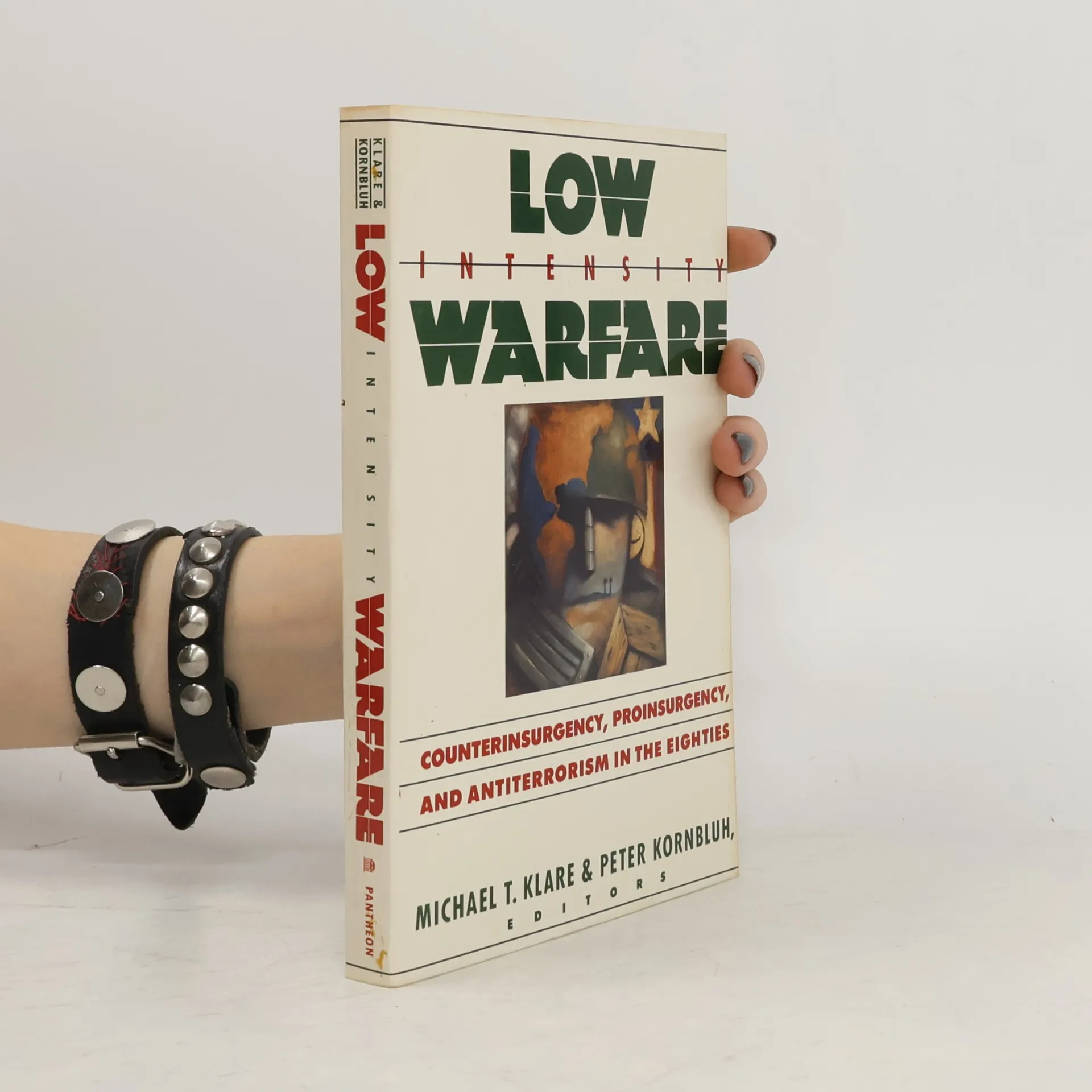
Low Intensity Warfare
Counterinsurgency, Proinsurgency, and Antiterrorism in the Eighties
- 250 stránek
- 9 hodin čtení
The first book to take on the hottest military/foreign policy issue of the post-Irangate eighties--low-intensity warfare. The issues in this book, as Irangate shows, will be the key to any foreign policy/defense debate in 1988.
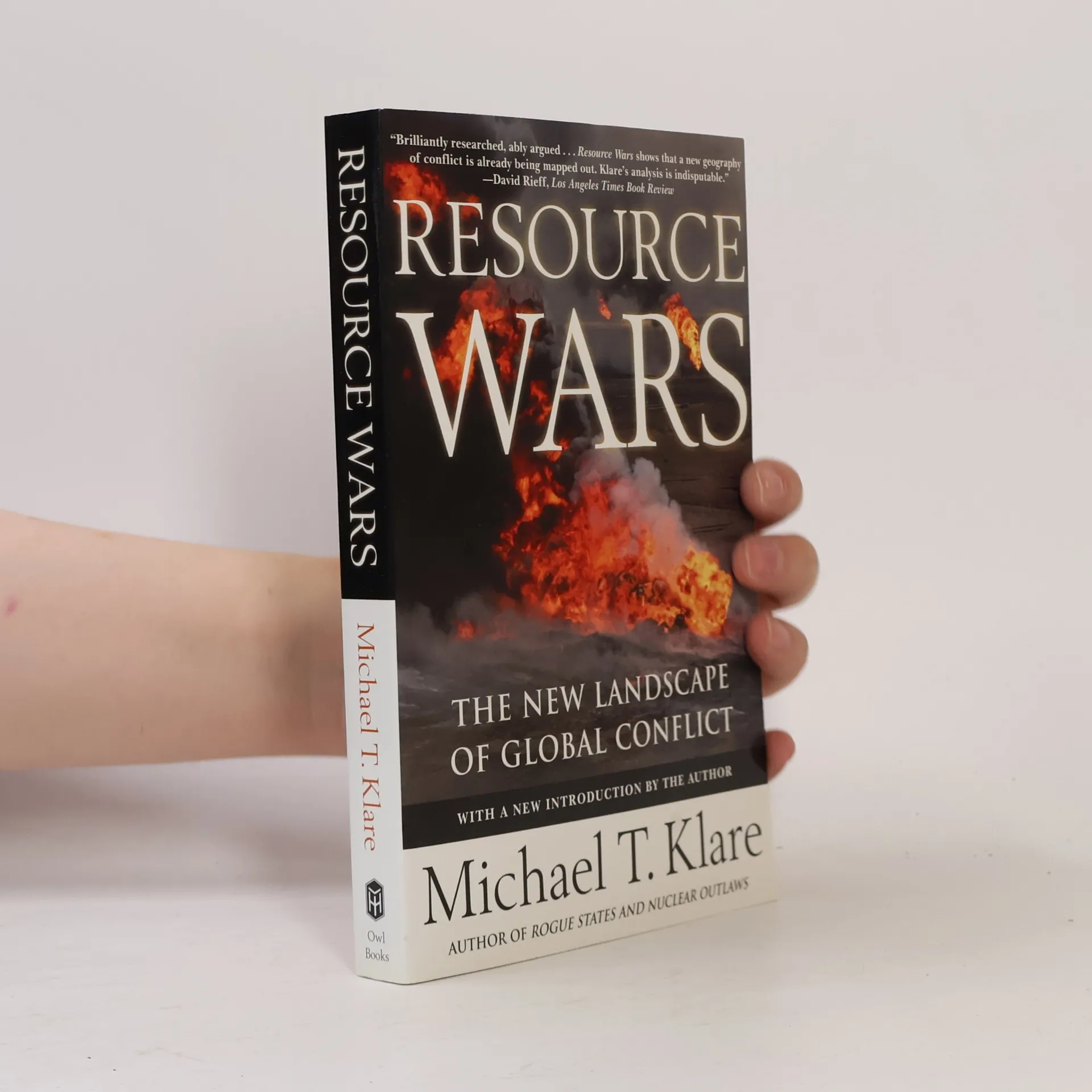
Resource Wars
The New Landscape of Global Conflict - With a New Introduction by the Author
- 304 stránek
- 11 hodin čtení
From the oilfields of Saudi Arabia to the Nile delta, from the shipping lanes of the South China Sea to the pipelines of Central Asia, Resource Wars looks at the growing impact of resource scarcity on the military policies of nations. International security expert Michael T. Klare argues that in the early decades of the new millennium, wars will be fought not over ideology but over access to dwindling supplies of precious natural commodities. The political divisions of the Cold War, Klare asserts, have given way to a global scramble for oil, natural gas, minerals, and water. And as armies throughout the world define resource security as a primary objective, widespread instability is bound to follow, especially in those areas where competition for essential materials overlaps with long-standing territorial and religious disputes. In this clarifying view, the recent explosive conflict between the United States and Islamic extremism stands revealed as the predictable consequence of consumer nations seeking to protect the vital resources they depend on.A much-needed assessment of a changed world, Resource Wars is a compelling look at warfare in an era of rampant globalization and intense economic competition.