

Paolo Zellini Knihy

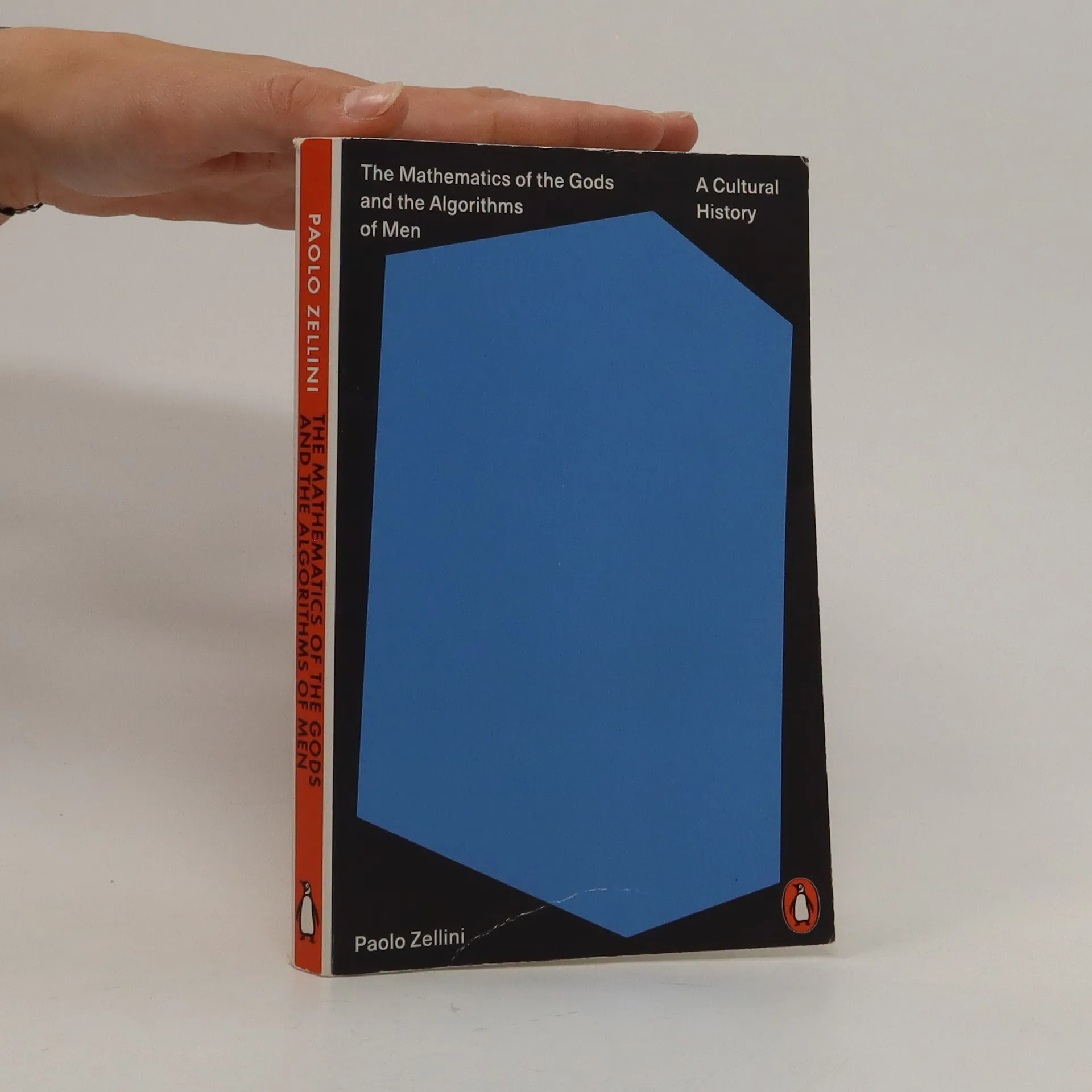

The mathematics of the gods and the algorithms of men : a cultural history
- 240 stránek
- 9 hodin čtení
Is mathematics a discovery or an invention? Do numbers truly exist? What sort of reality do formulas describe? The complexity of mathematics - its abstract rules and obscure symbols - can seem very distant from the everyday. There are those things that are real and present, it is supposed, and then there are mathematical concepts: creations of our mind, mysterious tools for those unengaged with the world. Yet, from its most remote history and deepest purpose, mathematics has served not just as a way to understand and order, but also as a foundation for the reality it describes. In this elegant book, mathematician and philosopher Paolo Zellini offers a brief cultural and intellectual history of mathematics, ranging widely from the paradoxes of ancient Greece to the sacred altars of India, from Mesopotamian calculus to our own contemporary obsession with algorithms. Masterful and illuminating, The Mathematics of the Gods and the Algorithms of Men transforms our understanding of mathematical thinking, showing that it is inextricably linked with the philosophical and the religious as well as the mundane - and, indeed, with our own very human experience of the universe.
Breve storia dell'infinito
- 265 stránek
- 10 hodin čtení
«C’è un concetto che corrompe e altera tutti gli altri. Non parlo del Male, il cui limitato impero è l’Etica; parlo dell’Infinito», scrive J.L. Borges, introducendo un viaggio attraverso la storia dell'infinito, dalla Grecia antica alla crisi dei fondamenti del pensiero scientifico. L'ápeiron, il «senza limiti», emerge con Anassimandro, ma l'infinito greco, considerato un principio «divino, immortale e indistruttibile», viene trattato con cautela. Si sviluppa così un infinito potenziale, concepito nella negazione e privazione. La contesa tra finito e infinito diventa una lotta tra l'Uno e il Molteplice, con il numero come punto di mediazione. La storia dell'infinito si intreccia con cambiamenti radicali nella concezione della realtà. Dalla cautela greca, l'infinito attuale diventa centrale, culminando nei tentativi di Leibniz, Bolzano e Cantor di rappresentarlo concretamente. Tuttavia, con la teoria del transfinito di Cantor, emergono paradossi che mettono in crisi i fondamenti della scienza, generando scoperte epistemologiche significative. Zellini narra queste vicende con rigore e duttilità, intrecciando l'evoluzione della nozione matematica di infinito con speculazioni mitiche, teologiche e letterarie. Attraverso le opere di grandi pensatori, il lettore esplora la scoperta dei numeri irrazionali, le teorizzazioni medievali, le innovazioni di Cartesio e Leibniz, fino alle suggestioni contemporanee dell’«infinito aperto», gui
Gli infiniti del pensiero
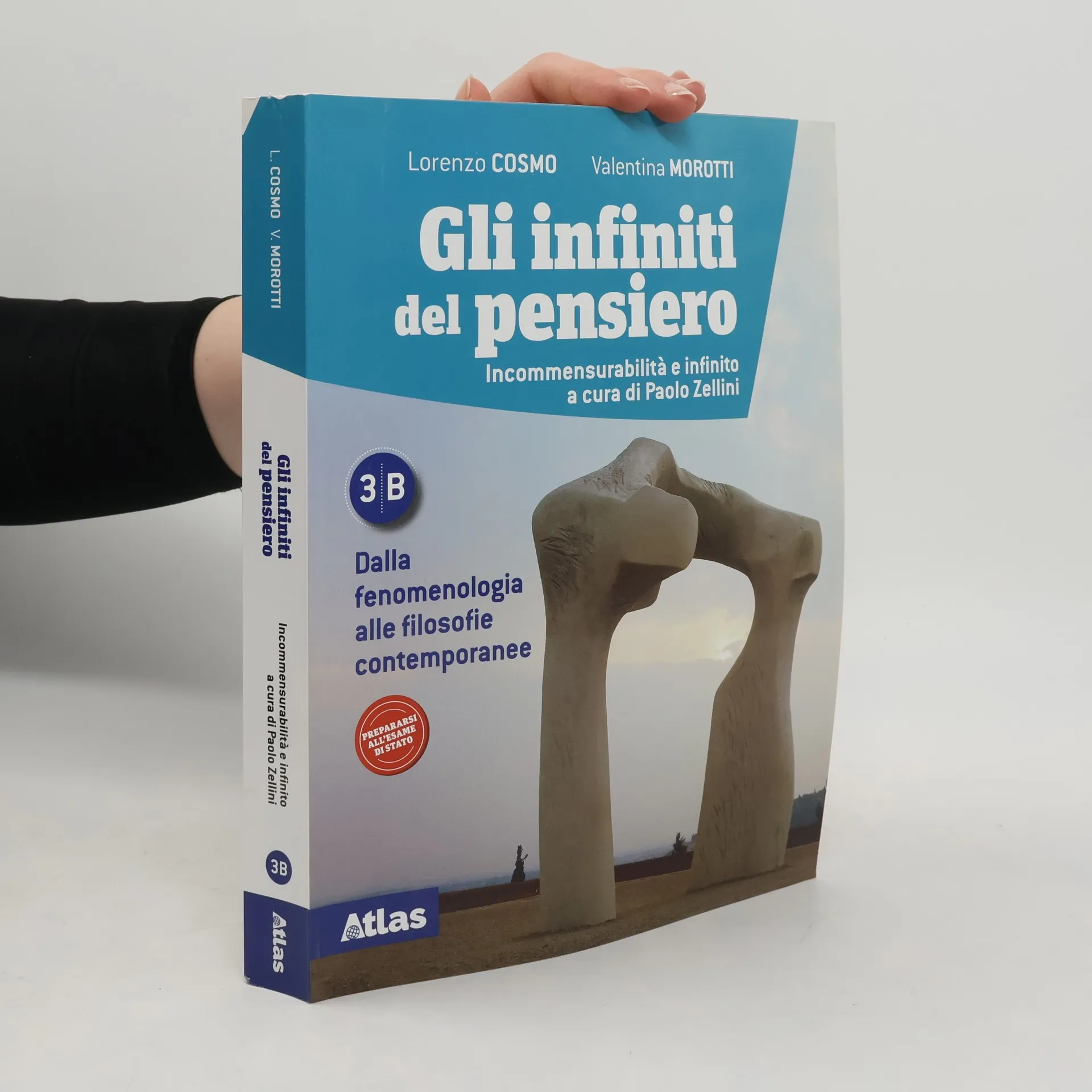
Incommensurabilità e infinito a cura di Paolo Zellini - Per le Scuole superiori. Con e-book. Con espansione online. - Da Kierkegaard alle filosofie contemporanee - Prepararsi all'esame di stato
- 1280 stránek
- 45 hodin čtení