

Knihobot

Otto Pächt

    7. září 1902 – 17. duben 1988
    Vita Sancti Simperti
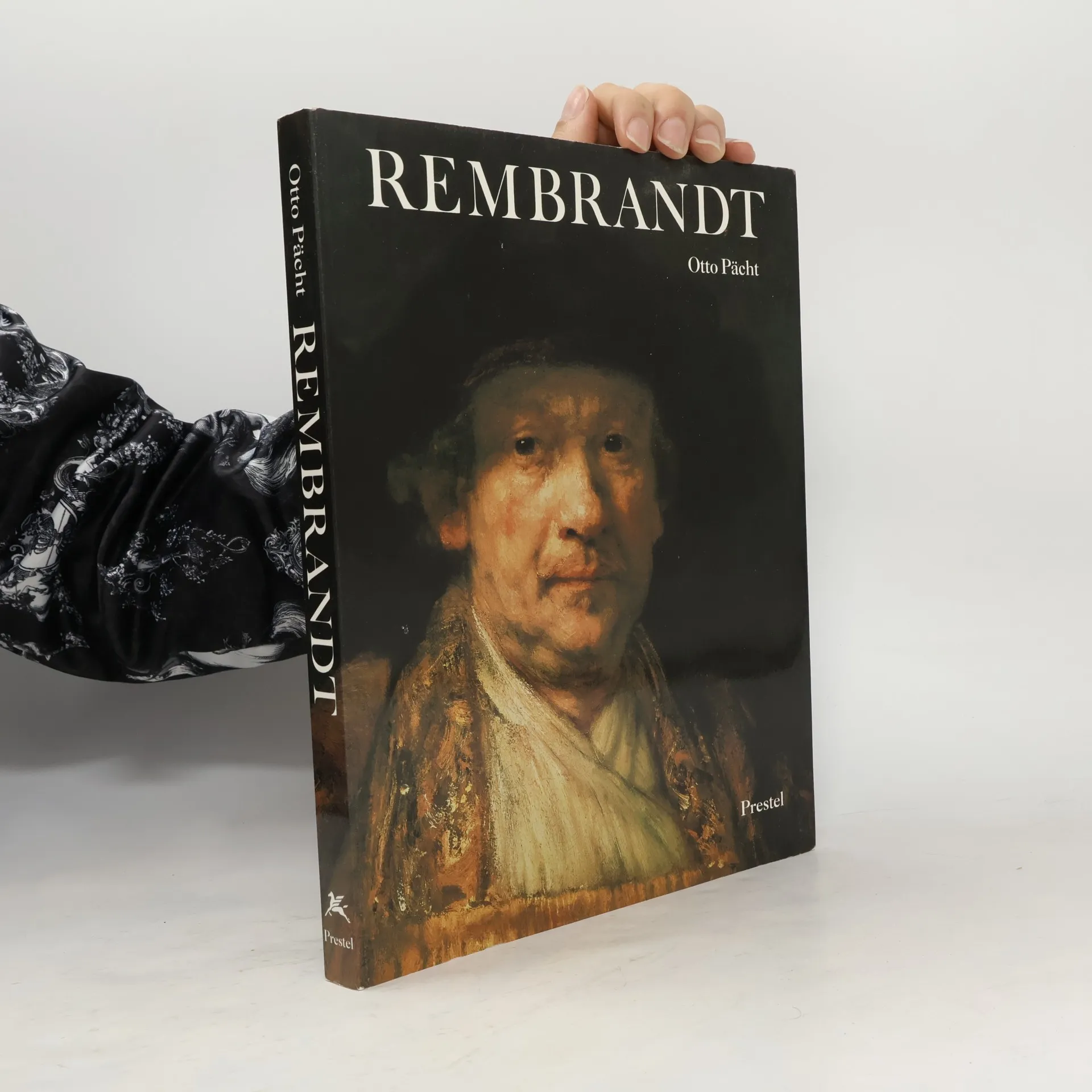
    Rembrandt
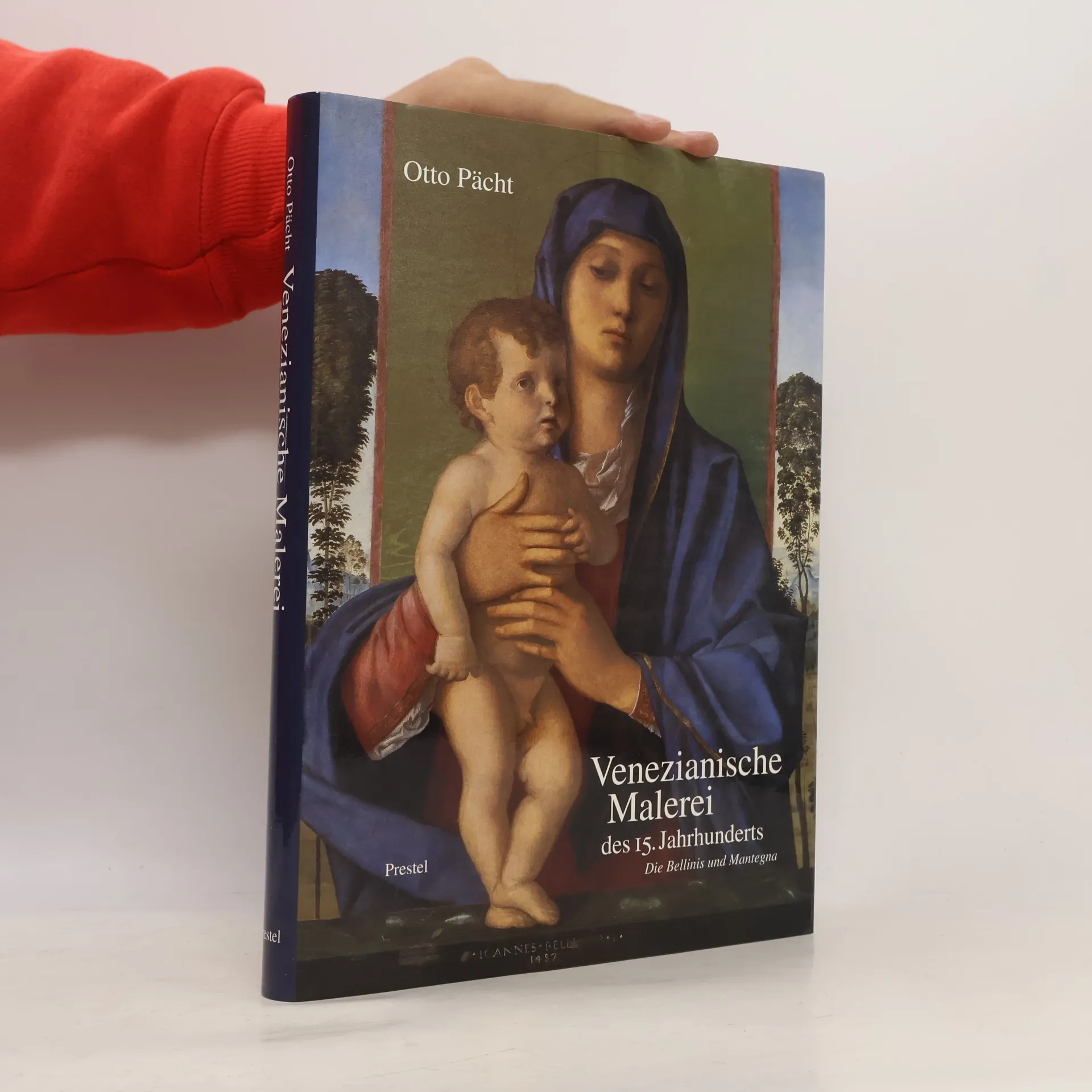
    Venezianische Malerei des 15. Jahrhunderts
    Book illumination in the Middle Ages
    Van Eyck and the founders of early Netherlandish painting
    The practice of art history
    • The practice of art history

      • 144 stránek
      • 6 hodin čtení

      This is the English version of Otto Pacht's classic text on art history. His approach to art history is shaped by his conviction that visual art, like music, can express ideas in its own medium that no other can. He aims to sharpen the reader's perceptions by recreating the social and cultural context in which an object was made, clarifying unfamiliar notions of space and time or significant gestures and symbols which are no longer recognizable. Pacht explores the major thinkers from Riegl, Wolfflin and Croce to Panofsky and Gombrich, but the emphasis always returns to the activity of looking, and Pacht manages to show the student and general reader alike how to practice art history in their own encounters with works of art.
      The practice of art history
      4,5
    • "In this volume, the great medieval scholar Otto Pacht is concerned with one of the key problems in the history of western art: the comet-like appearance of a new kind of painting in Northern Europe at the end of the 14th century and the first half of the 15th century. The leading artists of this phenomenon were the Master of Flemalle and the Brothers Van Eyck, and the most outstanding work produced was the famous Ghent Altarpiece; it has puzzled scholars to this day. It is a topic that occupied Pacht throughout his long career, and the present book is based on a series of lectures given at the University of Vienna in the 1960s and early 70s." "In this first English translation of the acclaimed German edition, Pacht examines the work of Jan and Hubert Van Eyck and their contemporaries in the context of a changing intellectual world - the transition from medieval thought to a perception that recognizes and embraces all facets of visible reality." "The illustrations, in colour and monochrome, cover not only the major work of the Brothers Van Eyck and the Master of Flemalle, but also many comparative works. A special attraction is the folding plate, in colour, of the entire Ghent Altarpiece."--Jacket

      Van Eyck and the founders of early Netherlandish painting
      5,0
    • Venezianische Malerei des 15. Jahrhunderts

      • 320 stránek
      • 12 hodin čtení

      Einer der größten Kunsthistoriker des 20. Jahrhunderts beleuchtet auf neuartige und originelle Weise die außergewöhnliche Epoche der venezianischen Malerei von den Bellinis bis Mantegna. Pacht, ein großer Kenner, verbindet sein Wissen mit der Sensibilität eines modernen Interpreten. Er widmet sich gerne dem faszinierenden Spiel der Ähnlichkeiten und Unterschiede: dem Brokat von Jacopo Bellini im Vergleich zu dem von van Eyck, der häuslichen Intimität der flämischen Verkündigungen und der Spektakularität derjenigen von Jacopo Bellini, die sich auch vom florentinischen Schema unterscheiden. Das Ziel des Buches ist es, die Konstanten der venezianischen Malerei aufzuzeigen, einer der größten und langlebigsten Schulen der europäischen Malerei. Die venezianischen Maler wussten aus der langen Geschichte Venedigs und Byzanz, aus den goldenen und reliefierten Ikonen, die in den Kirchen ihrer Stadt präsent sind, Wertvolles für die neue Zeit zu schöpfen.

      Venezianische Malerei des 15. Jahrhunderts
      4,5
    • Rembrandt

      • 254 stránek
      • 9 hodin čtení
      Rembrandt
      4,0
    • Questo libro di Otto Pächt si occupa di uno dei problemi centrali della storia dell'arte occidentale: la nascita di un nuovo tipo di pittura negli antichi Paesi Bassi, quella fiamminga; gli artisti che furono i promotori di questo rinnovamento sono il Maestro di Flémalle e i fratelli Van Eyck, mentre il Polittico di Gand appare come opera centrale che apre, al tempo stesso, nuove discussioni. Questa svolta non è caratterizzata soltanto da un nuovo tipo di tecnica pittorica, ma soprattutto da una inedita concezione della rappresentazione, liberata da costrizioni ideologiche. Intorno a questi temi, a questi artisti e alle loro opere (dal Maestro di Flémalle a Jan Van Eyck, dal Polittico di Gand a Hubert Van Eyck e al Libro d'Ore di Torino) si snodano i cinque capitoli in cui è suddiviso il testo che, senza voler trattare da un punto di vista monografico né le personalità artistiche, né tanto meno i loro celebri dipinti, mira a tracciare un disegno complessivo del nuovo linguaggio figurativo, che dissolse a nord delle Alpi la tradizione medievale e introdusse la prima idea di realismo moderno. Pächt procede attraverso una sapiente e serrata lettura formale del dipinto, dal quale non si allontana mai. Anche per questo le numerosissime riproduzioni a colori accompagnano costantemente il lettore in una vera e propria galleria di capolavori

      Van Eyck, i fondatori della pittura fiamminga
    • "Ma conviction relativement à l'histoire de l'art: au commencement était le regard, et non le verbe..." Otto Pächt. Qu'est-ce qu'une œuvre d'art? Comment l'approcher, la comprendre, l'interpréter? Quelle différence entre "oeuvre d'art" et "chose d'art"? Qu'en est-il des méthodes historique, génétique, iconographique, formaliste, sociologique? Faut-il les exclure, les combiner? Que faut-il penser de Riegl, Dvoràk, Sedlmayr, Gombrich et, en général, des fondateurs de l'esthétique du XXe siècle? Ce livre fut à l'origine un cours professé à l'université de Vienne pour donner aux étudiants et aux futurs historiens d'art une méthode d'investigation qui tirerait parti des différentes théories en présence. Rien d'abstrait: Otto Pächt analyse de très près un ensemble d'oeuvres célèbres: enluminures, mosaïques, tableaux de Dürer ou de Rembrandt, la Judith de Donatello, la chapelle Pazzi de Brunelleschi... Chemin faisant, il soumet des auteurs célèbres, Schlosser, Wind, Gombrich, au crible de la critique. Il plaide pour une appréhension génétique des écoles et des œuvres, emprunte avec modération à la psychologie de la forme et préconise un usage circonspect de l'iconographie: "Le recours - aujourd'hui plus que jamais fréquent - à l'iconographie répond en réalité à un désir secret: toucher au but sans avoir à pratiquer une difficile conversion du regard".

      Questions de méthode en histoire de l'art
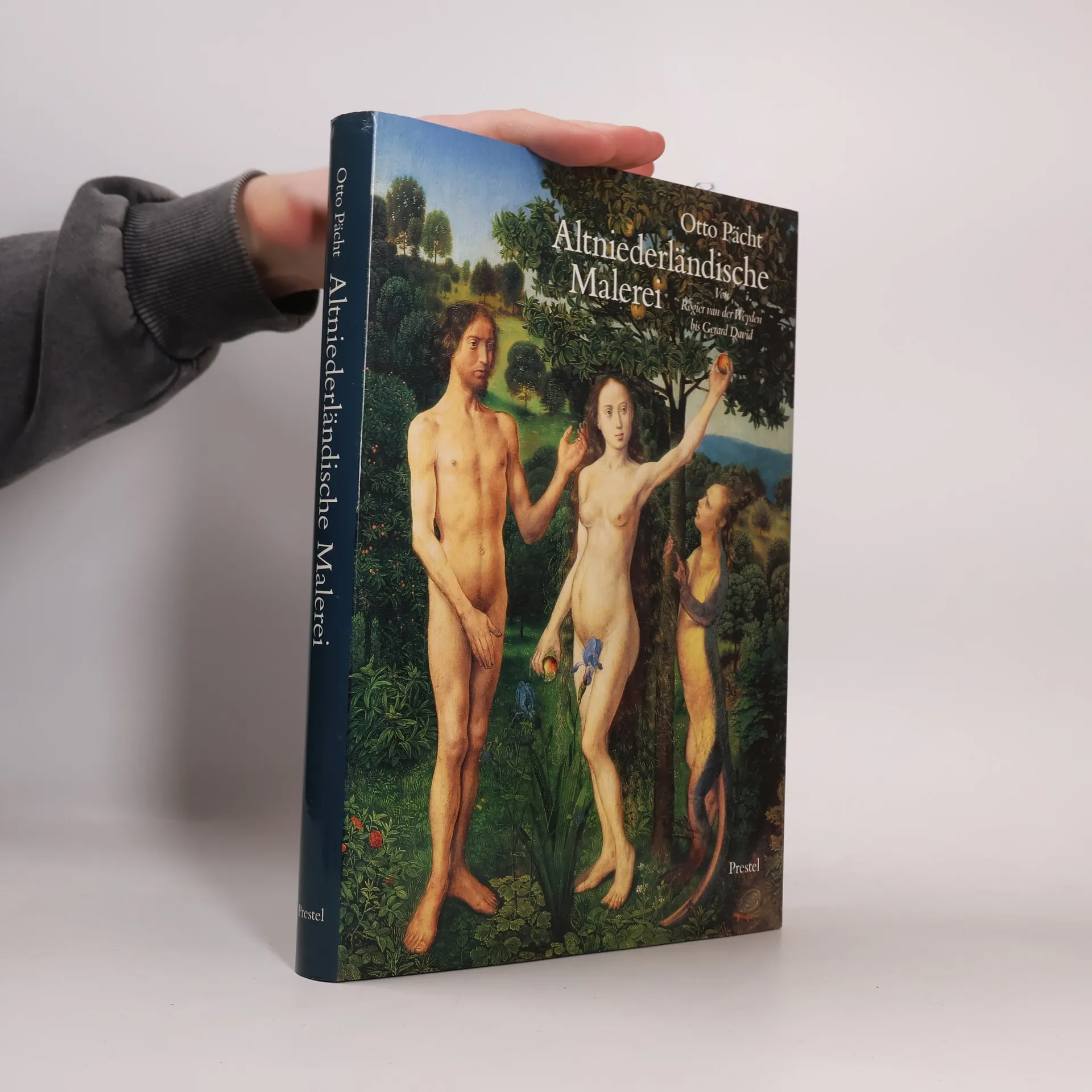
    • Otto Pächts Studien über die altniederländischen Maler sind das Ergebnis einer lebenslangen Forschung. Dieses Werk behandelt die nächste Generation von Künstlern, die großen Figuren des 15. und frühen 16. Jahrhunderts: Rogier van der Weyden, Petrus Christus, Aelbert van Ouwater, Dieric Bouts, Justus van Gent, Hugo van der Goes, Geertgen tot Sint Jans, Hans Memling und Gerard David. In der Tradition der Wiener Schule legt Pächt Wert auf formale Analyse und direkten Kontakt mit den Kunstwerken selbst. Anhand bestimmter Schlüsselwerke jedes Künstlers diskutiert er alle Facetten des Werks, einschließlich Stil, Stimmung, Ikonographie, Symbolik und Raumkonstruktion. Die Kapitel sind durch das Thema der Imitation und Fortsetzung verbunden: Der Autor vergleicht dasselbe Sujet, wie es von verschiedenen Künstlern behandelt wurde, und zeigt, wie Künstler entwickelte Ideen und Motive, die von ihren Vorgängern zuerst verwendet wurden, übernommen haben. Obwohl sein Maßstab die Evidenz seiner Augen war, war Pächt stets offen für die Theorien anderer Gelehrter, und dieses Werk ist ein Zugang zu einer einflussreichen Periode in der Kunstgeschichte. Die Nähe der Abbildungen zum Text verstärkt seinen Bericht über die großen Figuren der Zeit, und es gibt eine farbige Faltplatte des Jüngsten Gerichts von Rogier van der Weyden für den Altar der Kapelle des Krankenhauses, des Hôtel-Dieu, in Beaume.

      Altniederländische Malerei