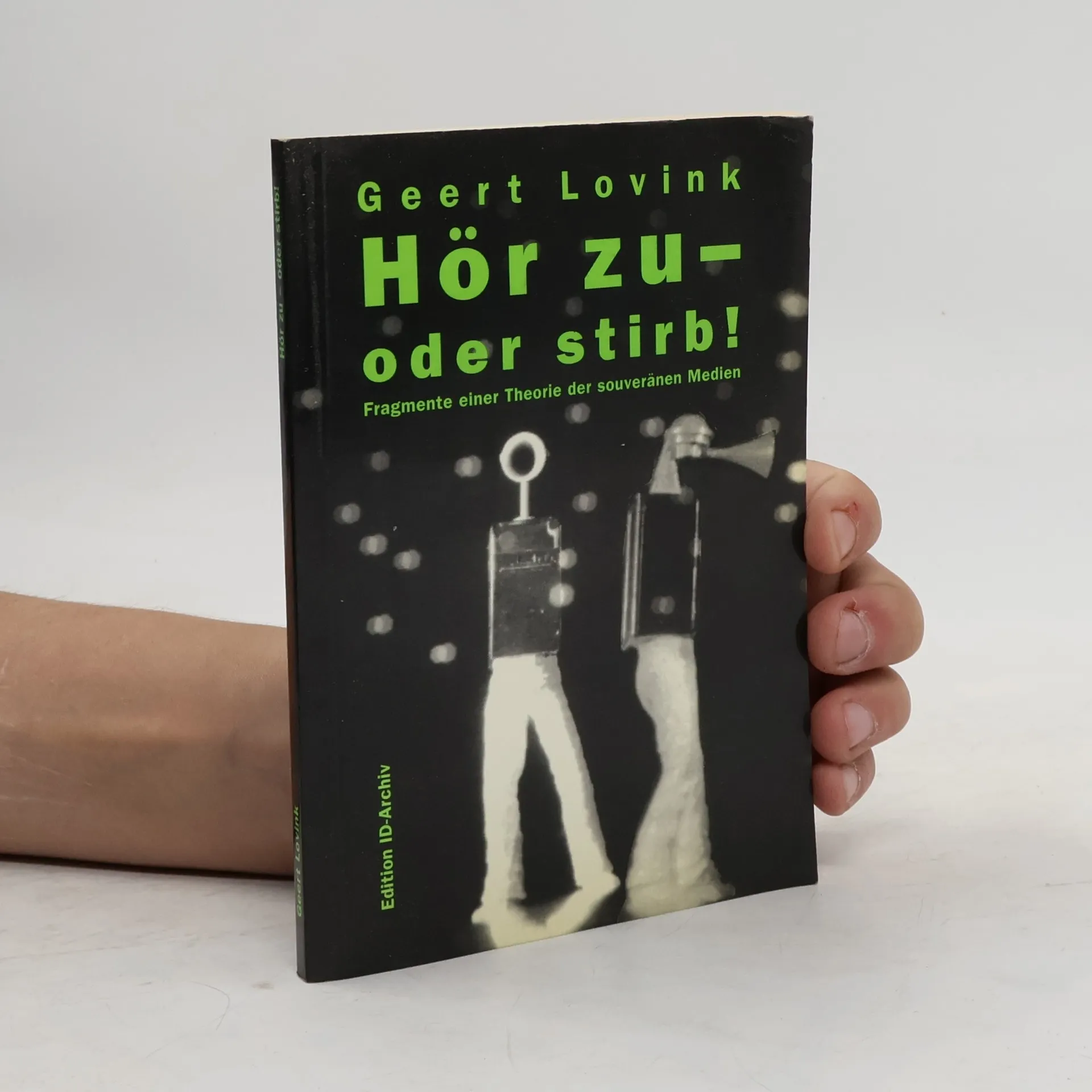
Platform Brutality: Closing Down Internet Toxicity (Making Public)
- 304 stránek
- 11 hodin čtení


Geert Lovink je teoretik, aktivista a kritik sítí, který se snaží utvářet vývoj webu. Jako výzkumný profesor interaktivních médií a profesor mediální teorie se zaměřuje na zkoumání, dokumentaci a podporu potenciálu socioekonomických změn v oblasti nových médií. Prostřednictvím událostí, publikací a otevřeného dialogu formuje Institute of Network Cultures. Jeho práce je klíčová pro pochopení dynamiky a dopadu internetových technologií.


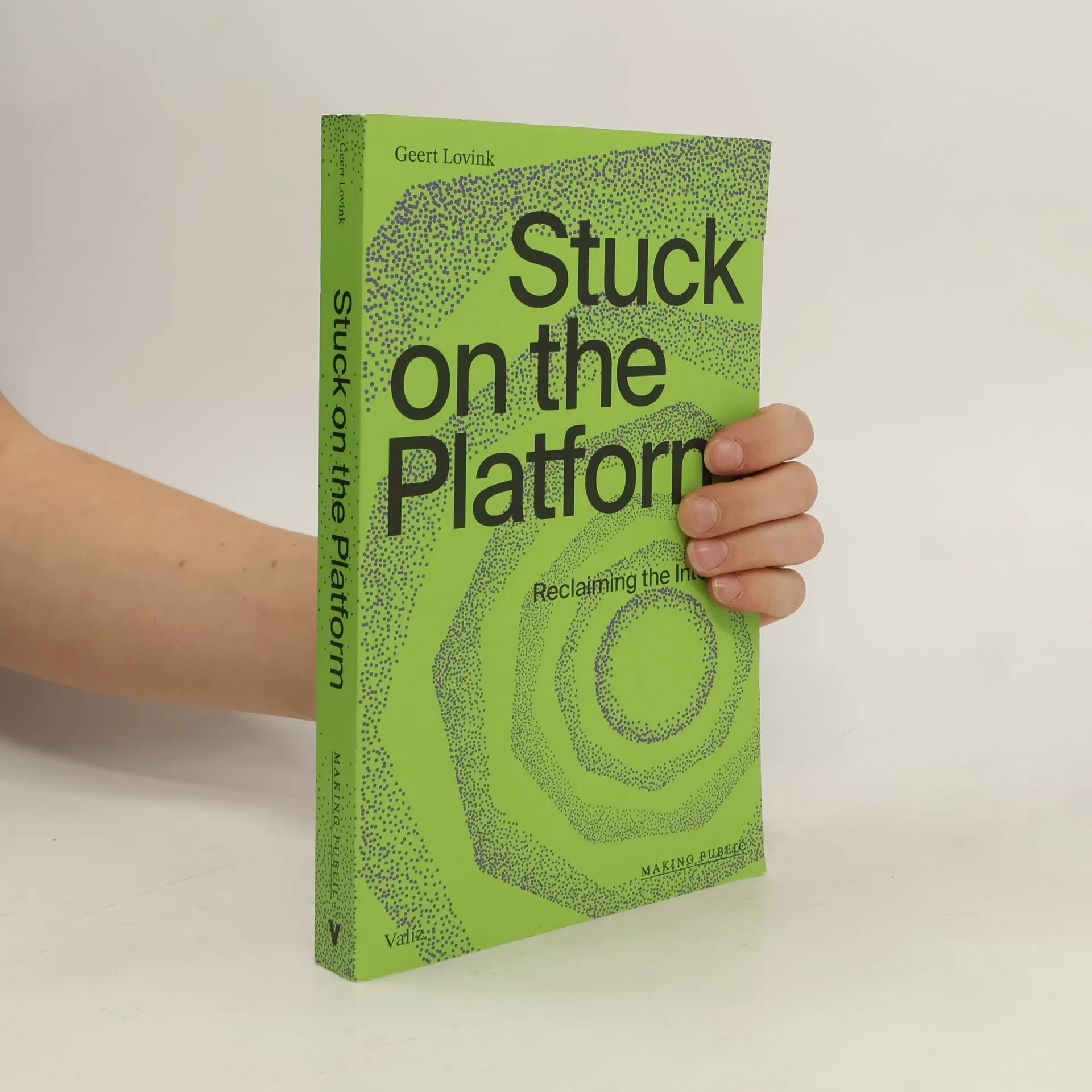

We?re all trapped. No matter how hard you try to delete apps from your phone, the power of seduction draws you back. Doom scrolling is the new normal of a 24/7 online life. What happens when your home office starts to feel like a call center and you?re too fried to log out of Facebook? We?re addicted to large-scale platforms, unable to return to the frivolous age of decentralized networks. How do we make sense of the rising disaffection with the platform condition? Zoom fatigue, cancel culture, crypto art, NFTs and psychic regression comprise core elements of a general theory of platform culture. Geert Lovink argues that we reclaim the internet on our own terms. Stuck on the Platform is a relapse-resistant story about the rise of platform alternatives, built on a deep understanding of the digital slump.00Geert Lovink is a Dutch media theorist, internet critic and author of Uncanny Networks (2002), Dark Fiber (2002), My First Recession (2003), Zero Comments (2007), Networks Without a Cause (2012), Social Media Abyss (2016), Organisation after Social Media (with Ned Rossiter, 2018) and Sad by Design (2019).
Wir sitzen alle in der Plattformfalle! Doomscrolling ist die neue Normalitaet des digitalisierten 24/7-Online-Lebens und scheinbar abhaengig von grossen Plattformen finden wir nicht mehr ins unbeschwerte Zeitalter dezentraler Netzwerke zurueck: Zoom-Muedigkeit, Cancel Culture, Kryptokunst und psychische Regression bilden die zentralen Elemente einer allgemeinen Theorie der Plattformkultur. Geert Lovink zeigt auf, wie wir in dieser Kultur das Internet zu unseren Bedingungen zurueckgewinnen koennen. Er zeichnet eine rueckfallbestaendige Geschichte vom Aufstieg von Plattformalternativen nach, die auf einem tiefen Verstaendnis des digitalen Abstiegs beruht
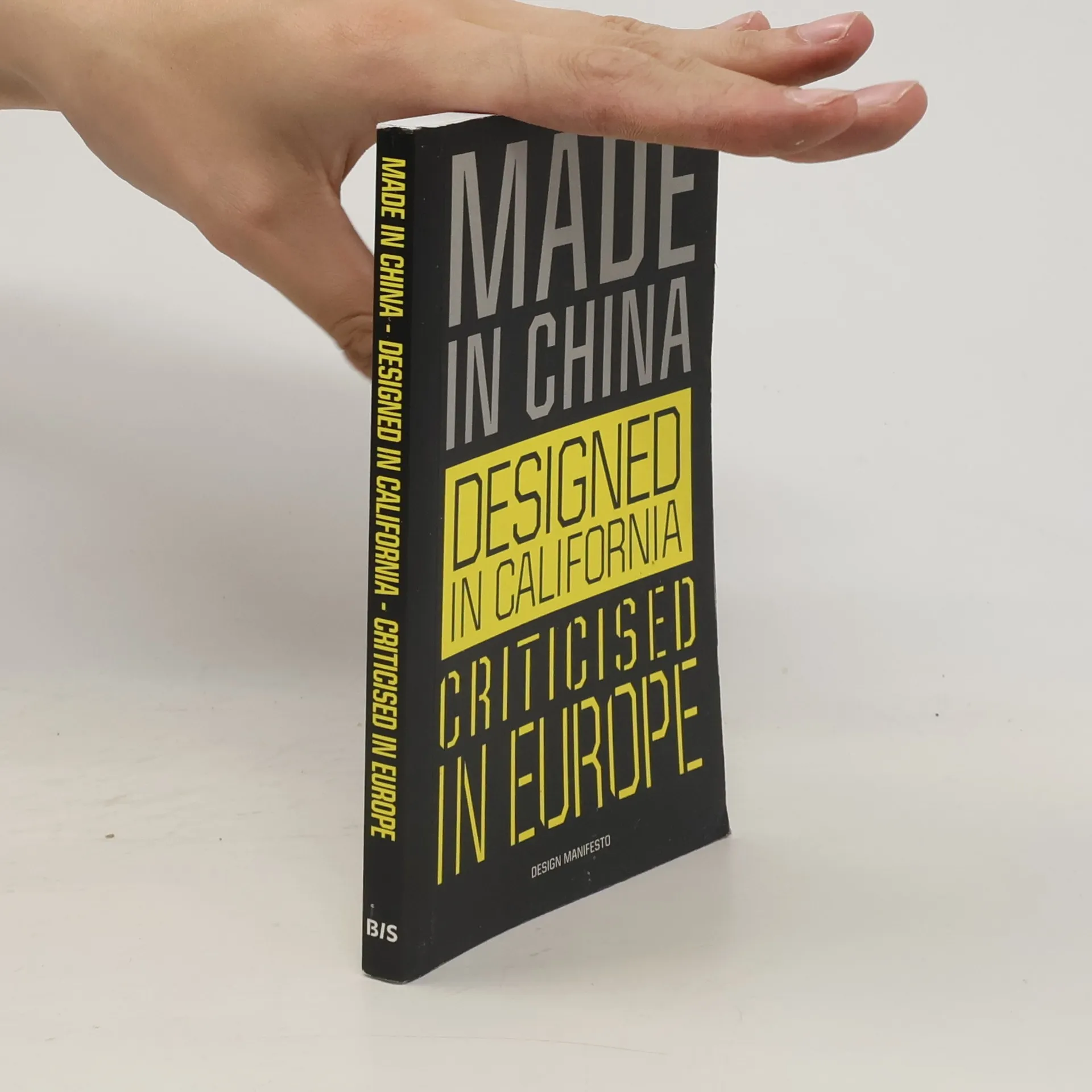
When everything is destined to be designed, design disappears into the everyday. We simply do not see it anymore because it is everywhere. This is the vanishing act of design. At this moment, design registers its redundancy: our products, environments and services have been comprehensively improved. Everything has been designed to perfection and is under a permanent upgrade regime.Within such a paradigm, design is taken over by the capitalist logic of reproduction. But this does not come without conflicts, struggles and tensions. The most obvious of these, is that design is constantly being replaced. Our dispense culture prompts a yearning for longevity. The compulsion to delete brings alive a desire to retrieve objects, ideas and experiences that refuse to become obsolete. Society is growing more aware of sustainability and alert to the depletion of this world. For the ambitious designer, it is time to take the next step: designing the future with a more holistic consideration and approach. The book is a critical look at the design world with its various design disciplines and how these have developed in the past 10 years. Made in China, Designed in California, Criticised in Europeis for professional designers that care about design, the environment and how we live.
Melancholy has always been with us. Nowadays, though, it’s a design problem—its highs and lows coded into the social media platforms on which we spend so much of our lives. We click, we scroll; we swipe, we like. And after it all, we wonder where the time went, and what, other than a flat and empty feeling, we got for it. Sad by Design offers a critical analysis of our social media environment and what it’s doing to us. Geert Lovink analyzes the problems of toxic viral memes, online addiction, and the lure of fake news. He shows how attempts to design sites to solve these problems have, in their studied efforts to be apolitical, been unable to generate either a serious critique or legitimate alternatives. But there is an Lovink calls for us to acknowledge the engineered intimacy of these sites—because boredom, he argues, is the first stage of overcoming “platform nihilism,” which can free us to organize to stop the data harvesting industries that run them.
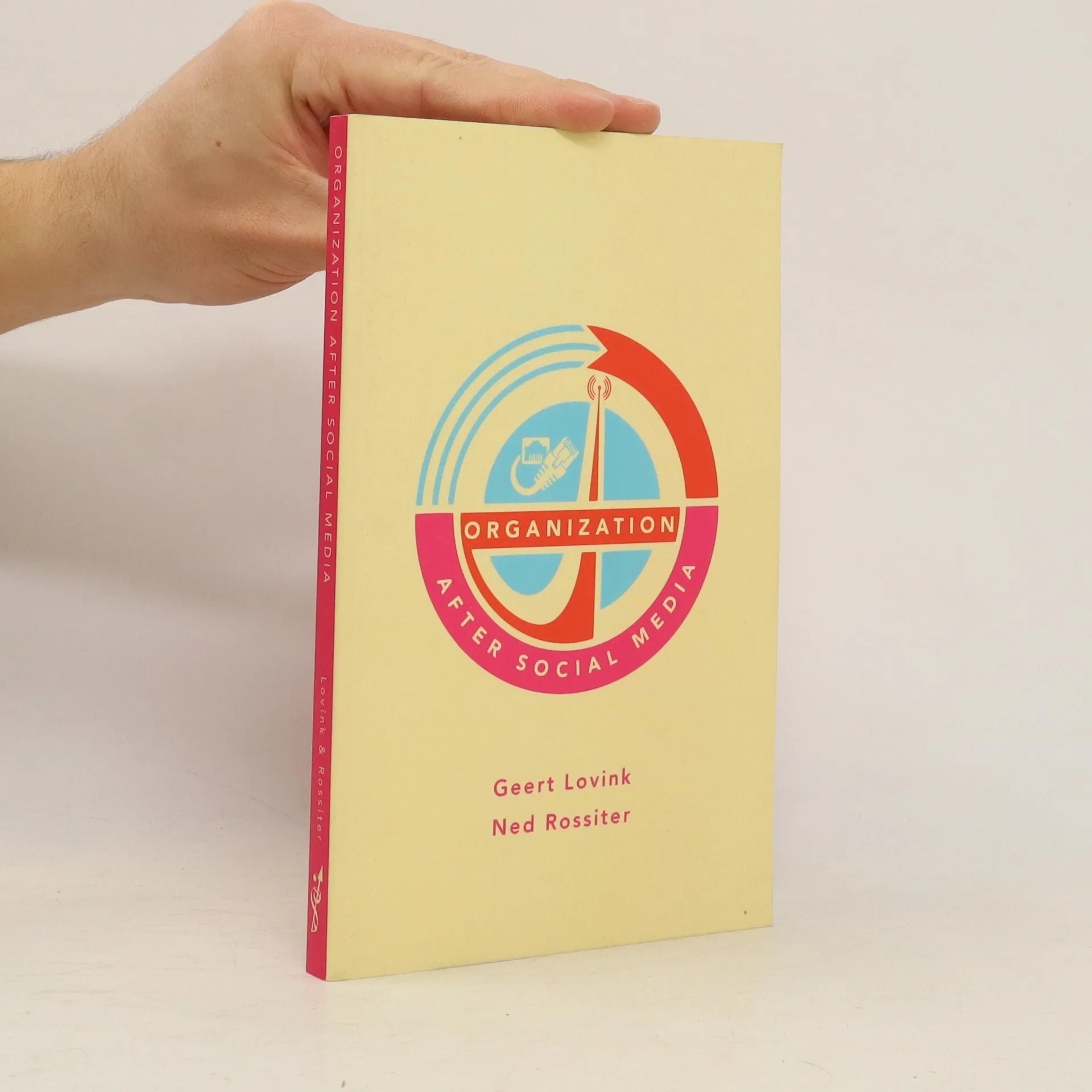
Organized networks are an alternative to the social media logic of weak links and their secretive economy of data mining. They put an end to freestyle friends, seeking forms of empowerment beyond the brief moment of joyful networking. This speculative manual calls for nothing less than social technologies based on enduring time. Analyzing contemporary practices of organization through networks as new institutional forms, organized networks provide an alternative to political parties, trade unions, NGOs, and traditional social movements. Dominant social media deliver remarkably little to advance decision-making within digital communication infrastructures. The world cries for action, not likes.Organization after Social Media explores a range of social settings from arts and design, cultural politics, visual culture and creative industries, disorientated education and the crisis of pedagogy to media theory and activism. Lovink and Rossiter devise strategies of commitment to help claw ourselves out of the toxic morass of platform suffocation.
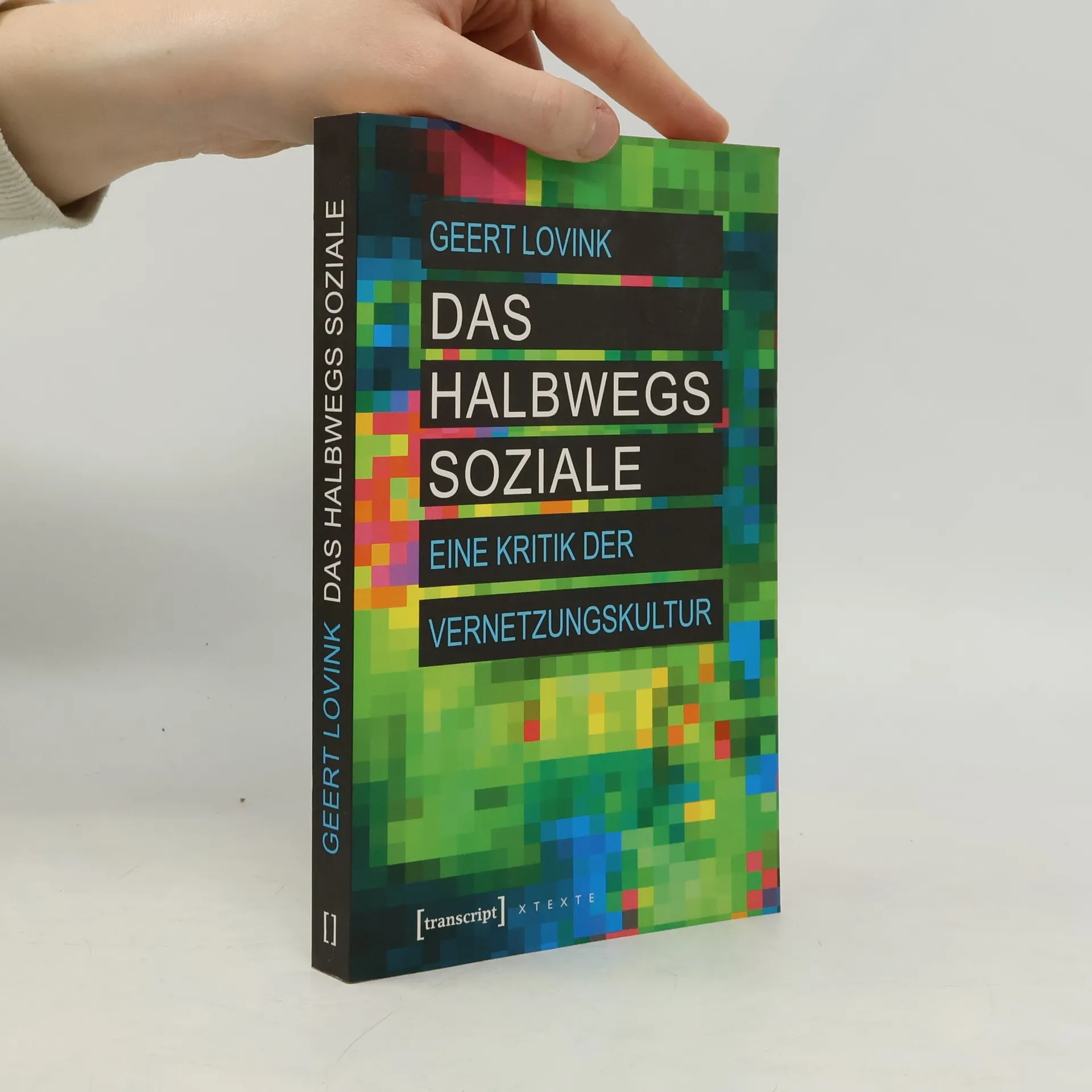
Eine Kritik der Vernetzungskultur
Während die meisten Facebook-User noch mit Freund-Werden, »Liken« und Kommentieren beschäftigt sind, ist es an der Zeit, auch die Konsequenzen unserer informationsübersättigten Lebensweise zu betrachten. Warum machen wir so fleißig bei den sozialen Netzwerken mit? Und wie hängt unsere Fixierung auf Identität und Selbstmanagement mit der Fragmentierung und Datenflut in der Online-Kultur zusammen? Mit seinen Studien zu Suchmaschinen, Online-Videos, Blogging, digitalem Radio, Medienaktivismus und WikiLeaks dringt Lovink in neue Theoriefelder vor und formuliert eine klare Botschaft: Wir müssen unsere kritischen Fähigkeiten nutzen und auf das technologische Design und Arbeitsfeld Einfluss nehmen, sonst werden wir in der digitalen Wolke verschwinden.
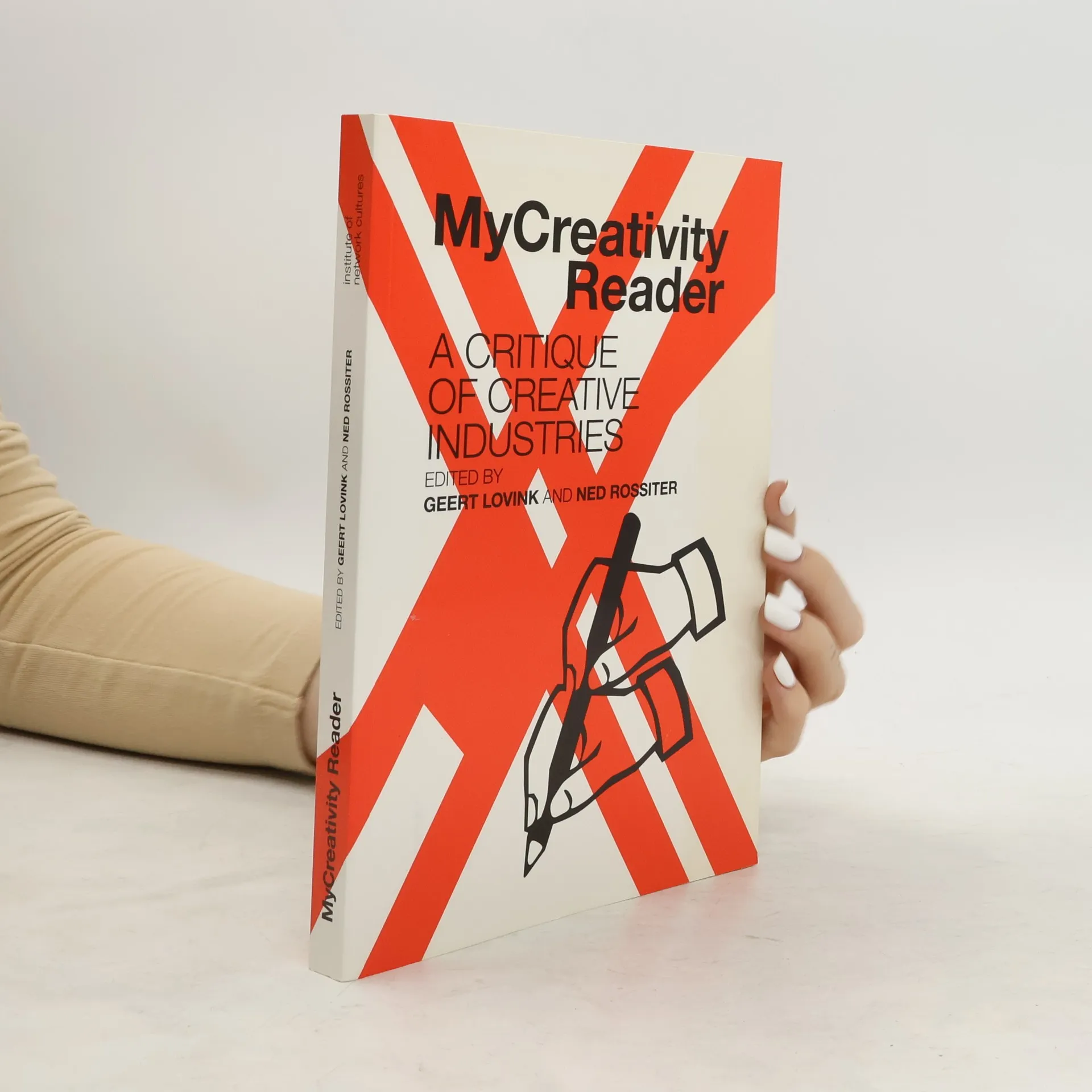
about the The MyCreativity Reader is a collection of critical research into the creative industries. The material develops out of the MyCreativity Convention on Int. Creative Industries Research held in Amsterdam, November 2006. This two-day conference sought to bring the trends and tendencies around the creative industries into critical question. The Òcreative industriesÓ concept was initiated by the UK Blair government in 1997 to revitalise de-industrialised urban zones. Gathering momentum after being celebrated in Richard FloridaÕs best-seller The Creative Class (2002), the concept mobilised around the world as the zeitgeist of creative entrepreneurs and policy-makers. Despite the euphoria surrounding the creative industries, there has been very little critical research that pays attention to local and national and variations, working conditions, the impact of restrictive intellectual property regimes and questions of economic sustainability.
In Zero Comments , internationally renowned media theorist and 'net critic' Geert Lovink revitalizes worn out concepts about the Internet and interrogates the latest hype surrounding blogs and social network sites. In this third volume of his studies into critical Internet culture, following the influential Dark Fiber and My First Recession , Lovink develops a 'general theory of blogging.' He unpacks the ways that blogs exhibit a 'nihilist impulse' to empty out established meaning structures. Blogs, Lovink argues, are bringing about the decay of traditional broadcast media, and they are driven by an in-crowd dynamic in which social ranking is a primary concern. The lowest rung of the new Internet hierarchy are those blogs and sites that receive no user feedback or 'zero comments'. Zero Comments also explores other important changes to Internet culture, as well, including the silent globalization of the Net in which the West is no longer the main influence behind new media culture, as countries like India, China and Brazil expand their influence and looks forward to speculate on the Net impact of organized networks, free cooperation and distributed aesthetics.