The RSC Shakespeare: Julius Caesar
- 192 stránek
- 7 hodin čtení
From the Royal Shakespeare Company - a modern, definitive edition of Shakespeare's drama of the conflict between one man's ambition and the good of the state.


Tento autor prozkoumává hlubiny shakespearovské literatury s vášní pro detektivní pátrání. Jeho práce se ponořuje do fascinujícího světa shakespearovských studií a textových studií, nabízí čtenářům jedinečný pohled na klíčové díla a jejich původ. Jako přední odborník na anglickou renesanční literaturu přináší do svých přednášek a spisů hluboké znalosti.
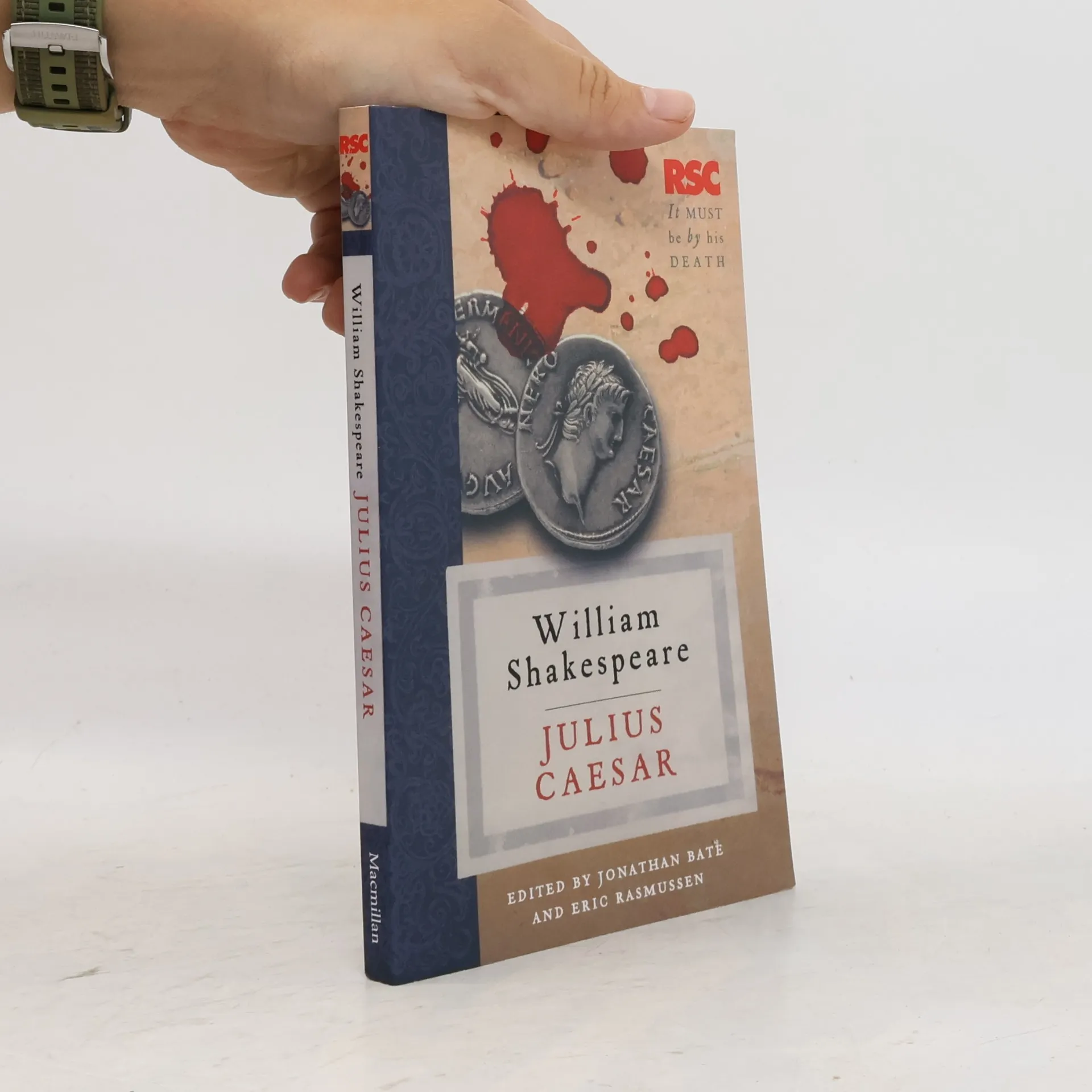



From the Royal Shakespeare Company - a modern, definitive edition of Shakespeare's drama of the conflict between one man's ambition and the good of the state.
Zkrocení zlé ženy je jednou z nejhranějších her Williama Shakespeara, neboť Petruchiovo krocení Kateřiny je, jak bylo dobovým zvykem, neobyčejně brutální. Kateřina si však právě pro svou výmluvnost získává ve hře zcela výjimečné postavení. Její slovní půtky s Petruchiem připomínají neobyčejně prudký a agresivní slovní šerm, v němž se Kateřina Petruchiovi zcela vyrovná, dokonce ho mnohdy předčí. Právě tento její naostřený jazykový vtip propůjčuje hře neobyčejnou komediálnost a divadelní energii a ve svém účinku narušuje konvenční raně moderní představu mužské a ženské role.
Vázaná řada česko-anglického vydání díla Williama Shakespeara v překladu Martina Hilského.
This edition of Much Ado About Nothing is part of the groundbreaking Cambridge School Shakespeare series established by Rex Gibson. Remaining faithful to the series' active approach it treats the play as a script to be acted, explored and enjoyed. As well as the complete script of the play, you will find a variety of classroom-tested activities, an eight-page colour section and a selection of notes including information on characters, performance, history and language.
Tempest Two Gentlemen of Verona Merry Wives of Windsor Measure for Measure Comedy of Errors Much Ado About Nothing Love's Labour's Lost Midsummer Night's Dream Merchant of Venice As You Like It Taming of the Shrew All's Well That Ends Well Twelfth Night Winter's Tale King John King Richard II King Henry IV. Part 1 King Henry IV. Part 2 King Henry V King Henry VI. Part 1 King Henry VI. Part 2 King Henry VI. Part 3 King Richard III King Henry VIII Troilus and Cressida Coriolanus Titus Andronicus Romeo and Juliet Timon of Athens Julius Caesar Macbeth Hamlet King Lear Othello Anthony and Cleopatra Cymbeline Pericles Venus and Adonis Rape of Lucrece Sonnets Lover's Complaint Passionate Pilgrim Sonnets to Sundry Notes of Music Phoenix and the Turtle